
A Life Decoded: My Genome: My Life
J. Craig Venter
The Stranger in the Woods tells the remarkable true story of Christopher Knight, a man who abandoned modern civilization to live in total solitude within the Maine wilderness for twenty-seven years.
1 min 30 sec
Imagine, for a moment, the impulse to simply walk away. Not for a weekend, not for a sabbatical, but forever. In the late summer of 1986, a young man named Christopher Knight did exactly that. He was twenty years old, held a steady job, and had no history of crime or trauma. Yet, he drove his Subaru until it nearly ran out of fuel, left the keys in the ignition, and stepped into the thick woods of Maine. He didn’t have a compass, a map, or a plan. He simply kept walking until the sounds of the road faded into the rustle of leaves.
For the next twenty-seven years, Knight remained in those woods. He did not speak to another human being, save for a single, two-word encounter with a passing hiker. He didn’t use a phone, a computer, or even a mirror. He became a ghost, a legend whispered about by local residents who noticed their food and batteries disappearing. Through the story of Christopher Knight, we are forced to confront our own relationship with society, silence, and the relentless noise of the modern world. This is not just a survival story; it is an investigation into the very essence of human identity when it is stripped of all social context. Over the next few minutes, we will explore how Knight survived the impossible, what he discovered in the depths of his long silence, and the complex legacy he left behind in the community he haunted for nearly three decades.
2 min 02 sec
What drives a young man to abandon everything he knows without a word of explanation? Explore the mystery of Knight’s sudden transition from society to total isolation.
2 min 02 sec
Living in the woods for decades requires more than just grit; it requires a masterclass in camouflage and stealth. Discover how Knight remained hidden in plain sight.
2 min 08 sec
To stay alive, Knight committed over a thousand burglaries, creating a legacy of fear and frustration in the local community. How do we balance his quest for peace against the harm he caused?
2 min 01 sec
What happens to the human mind when it is stripped of all social mirrors? Knight’s experience offers a rare look at the psychological effects of prolonged silence.
1 min 59 sec
Survival in the woods isn’t a romantic ideal when the temperature hits thirty below. Learn about the physical toll of Knight’s seasonal battle for life.
2 min 01 sec
Every ghost is eventually found. Follow the dramatic capture of the North Pond Hermit and the difficult transition that followed his return to the world.
1 min 32 sec
The story of Christopher Knight is more than just a curiosity or a survival tale. It serves as a mirror held up to our modern existence. We live in an era of constant connectivity, where silence is rare and true solitude is almost non-existent. Knight’s twenty-seven years in the Maine woods represent an extreme counter-narrative to this lifestyle. He showed us that it is possible to survive on the margins, to find contentment in the absence of things, and to experience a level of peace that most of us will never know. However, his story also reminds us of the cost of such an escape. His isolation was not entirely pure; it was supported by the very society he sought to shun, and it left a trail of victims who paid for his peace with their own sense of security.
As we reflect on Knight’s journey, we are left with a lingering question: how much of our own identity is real, and how much is merely a performance for others? Knight found that when he was alone, his ‘self’ evaporated, leaving something simpler and perhaps more profound in its place. While few of us would choose to spend a single night in a frozen forest without a fire, we can all learn something from his commitment to silence. Perhaps the lesson isn’t that we should all run into the woods, but that we should occasionally seek out a small pocket of silence in our own lives—a place where we can stop performing and simply ‘be.’ The North Pond Hermit has returned to the world, but the questions his life raised continue to haunt the edges of our noisy, busy lives.
The Stranger in the Woods chronicles the extraordinary life of Christopher Knight, known to many as the North Pond Hermit. In 1986, for reasons even he struggled to articulate, Knight walked away from his life, drove into the forests of Maine, and disappeared. For the next twenty-seven years, he lived in a hidden camp, surviving the brutal New England winters without ever lighting a fire and sustaining himself through thousands of quiet burglaries of nearby summer cabins. This account explores the logistics of Knight's survival and the profound psychological changes that occur when a human being is removed from social contact for decades. It raises deep questions about the nature of solitude, the pressures of modern society, and what it truly means to be alone. The book follows Knight from his initial departure through his eventual capture in 2013, offering a rare glimpse into the mind of someone who chose a life of absolute isolation. It promises a meditative look at the boundary between the civilized world and the wild, and the cost of crossing that line.
Michael Finkel is a former journalist and the author of several nonfiction books and memoirs, including The Art Thief and Dangerous Obsession. His book True Story: Murder, Memoir, Mea Culpa was nominated for an Edgar Award in 2006.
Listeners find this book to be an engaging, fast-paced experience featuring an expertly shared and captivating survival story. The writing earns praise for its clear, direct movement, and listeners value the deep investigation and educational insights provided. Furthermore, the narrative is recounted in a gripping manner, and listeners respect the author's skill, specifically their remarkable perseverance throughout the project.
I finished this in a single sitting because I simply could not look away from the page. The sheer logistical reality of living through nearly three decades of brutal Maine winters without ever lighting a fire is mind-blowing. Finkel does an amazing job detailing the mechanics of Knight’s survival, from his thousand successful burglaries to the way he moved through the woods without leaving a single footprint. This isn't just a survivalist manual; it's a deep dive into the human psyche and what it means to truly be alone. The prose flows naturally and the research into historical hermits adds a great layer of depth to Knight’s specific case. You might not agree with his methods—stealing from summer camps is still a crime—but you have to respect the discipline it took to disappear so completely. It’s a compelling, haunting, and incredibly well-told story that will stay with me for a long time.
Show moreChristopher Knight is a modern-day enigma, and Michael Finkel does a masterful job capturing his elusive spirit in this volume. The author’s amazing perseverance really shines through here; he spent years trying to gain the trust of a man who literally didn't want to speak to another living soul. I found the section on Knight’s 'mushroom friend' and his deep connection to the silent woods to be incredibly moving. It’s rare to find a non-fiction book that reads with the tension of a thriller while maintaining such a high level of factual integrity. The way the story unfolds—from the mystery of the 'North Pond Hermit' to the eventual stakeout and arrest—is perfectly paced. It really makes you evaluate your own life and the 'stuff' we all accumulate. Knight survived with almost nothing, and while his lifestyle was unsustainable and illegal, there’s a strange beauty in his total rejection of the rat race.
Show moreWow, I’m still reeling from the idea that someone could survive twenty-seven winters without a heater or a permanent roof. This book is a fascinating look at a man who just didn't fit into the world and decided to opt out entirely. The level of detail Finkel provides—from the way Knight’s glasses were twenty years out of date to the specific types of candy he preferred to steal—makes the story feel incredibly real. It’s a short book, but it packs a massive emotional punch, especially toward the end when the reality of Knight’s 'punishment' sets in. Personally, I found the author's perseverance in getting the story to be a testament to his skill as a journalist, even if it was a bit intrusive. If you want a story that is truly stranger than fiction, look no further. This is an amazing account of a life lived on the absolute margins.
Show moreAs an introvert who occasionally dreams of disappearing into the brush, Christopher Knight's story hit me hard. I found the psychological aspects of the book most intriguing, especially the sections discussing whether Knight falls on the autism spectrum or if he’s just 'merely eccentric.' The author explores the 'why' behind the departure without reaching for easy, clichéd answers, which I appreciated. It was a bit frustrating that we never get a clear picture of Knight’s family life, as they seemed almost as taciturn and isolated as he was, but that's the nature of a true story. Some parts of the narrative feel slightly padded with general history on hermits, but it’s all written with such a straightforward flow that it never gets boring. It’s a quick read that raises some massive questions about our modern, hyper-connected society. How much of our personality is just a performance for other people? This book makes you wonder.
Show moreEver wonder how someone could go nearly three decades without having a single conversation? This book provides a meticulously researched answer that is as tragic as it is impressive. The narrative is incredibly compelling, especially the details about how Knight adjusted his hearing to detect the slightest hum of a distant engine. Finkel’s writing is punchy and moves fast, making this a perfect weekend read. I especially liked the part where the author visits the abandoned campsite; it felt like he was uncovering a lost civilization. My only gripe is that the ending felt a bit abrupt and left me wanting to know more about Knight’s life after his release. He was forced back into a world he clearly despises, and the book doesn't quite give that transition the weight it deserves. Still, for anyone interested in the limits of human endurance, this is a must-read.
Show moreFinally got around to this after hearing so many people rave about it, and it definitely lived up to the hype as a character study. The insight into Knight’s daily routine—the way he’d melt snow for water and store propane tanks—was exactly the kind of gritty detail I was looking for. Finkel’s persistence in chasing this lead is evident on every page, and he manages to weave in some profound observations about solitude and the human condition. My favorite parts were the descriptions of the Maine landscape; you can almost feel the biting cold of those winters through the paper. There’s a minor criticism to be made about how much the author inserts himself into the story, but overall, it’s a tight, insightful, and well-organized account. It’s the kind of book that makes you want to turn off your phone and just go sit in a park for a few hours.
Show moreThe Maine woods are a character in their own right in this meticulously researched account of the Last True Hermit. I was struck by the irony of Knight’s existence—he wanted to escape society, yet he survived entirely on its leftovers and stolen goods. Finkel doesn't shy away from this contradiction, which makes the book much more grounded than a typical 'wild man' story. The writing is clear and avoids unnecessary flourishes, allowing the strangeness of the facts to speak for themselves. I did find the chapters on the psychology of isolation a bit dry compared to the actual narrative of Knight’s life, but they were necessary for context. Seeing how Knight struggled with the concept of a cellphone or a text message upon his return was particularly poignant. It’s a solid, thought-provoking piece of journalism that challenges your assumptions about what it means to be a 'productive' member of society.
Show moreTo be fair, the subject matter is absolutely five-star material, but the execution left me feeling deeply conflicted. The truth is that Knight was a thief, and while he never physically harmed anyone, the psychological toll he took on the cabin owners was real. Finkel tries to balance this by showing Knight’s vulnerability, yet he often leans too far into romanticizing a man who was essentially a career burglar. I also struggled with Finkel’s own role in the story; his past journalistic transgressions are mentioned, and his pushiness in getting this interview felt borderline obsessive. The research into other famous hermits was okay, but it felt like filler to turn a magazine article into a full-length book. I wanted more about the actual survival techniques and less about the author's multiple flights to Maine. It’s an interesting character study, but I’m not sure I trust the lens we’re seeing Knight through.
Show moreFrankly, I struggled with the ethics of this whole situation throughout the entire read. While I enjoyed the straightforward flow of the writing and the fascinating survival details, I couldn't get past the fact that Knight was essentially stalked by the author. The sample letters Knight wrote were fascinating, but once he stopped responding, Finkel should have respected those boundaries. Instead, we get a story that feels built on the back of someone who just wanted to be invisible. The historical context about other hermits like Thoreau was a nice touch, but it didn't quite make up for the icky feeling of the present-day narrative. It’s a very quick read, and the story itself is unlike anything I’ve ever heard, but I’m not sure it should have been told in this way. It’s hard to call someone a 'true hermit' when they’re being hounded for a book deal the second they get out of jail.
Show moreWhat an incredibly uncomfortable reading experience this turned out to be. While the core story of Christopher Knight surviving twenty-seven years in the Maine wilderness is undeniably fascinating, the way Michael Finkel obtained the information feels invasive. Knight clearly wanted to be left alone, yet the author persisted by flying across the country multiple times and even showing up at his mother’s house with gifts. It felt less like journalism and more like a form of high-level harassment against a man who was clearly suffering. I spent the last few chapters feeling physically ill because Finkel just wouldn't take no for an answer. The ethics here are murky at best, and it's hard to enjoy the 'extraordinary' nature of the survival story when the primary source was essentially cornered into talking. I’m honestly sorry I contributed to the exploitation of this man by buying the book. It’s a quick read, but it leaves a very bitter taste in your mouth.
Show moreJ. Craig Venter

Ishmael Beah
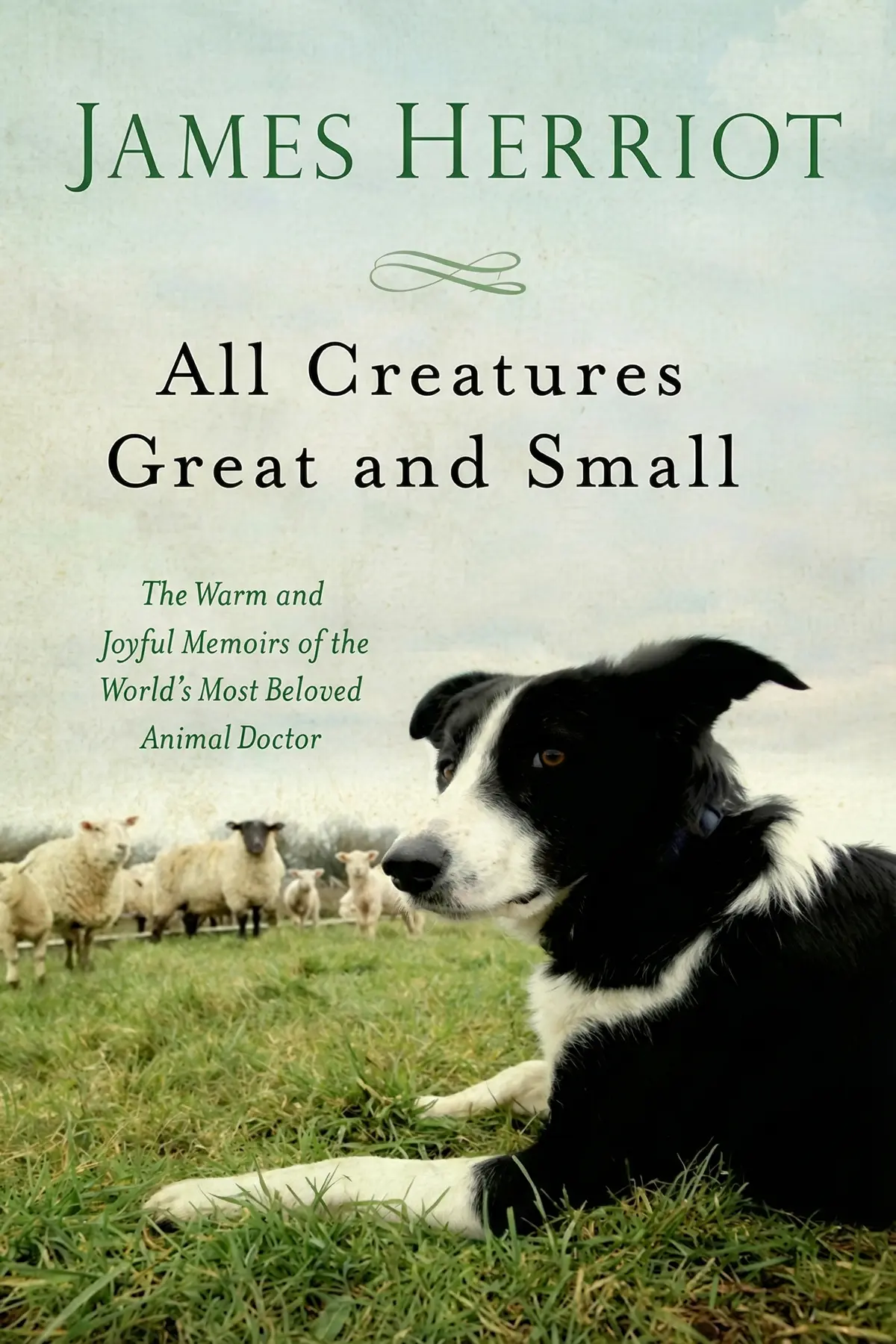
James Herriot


Barack Obama

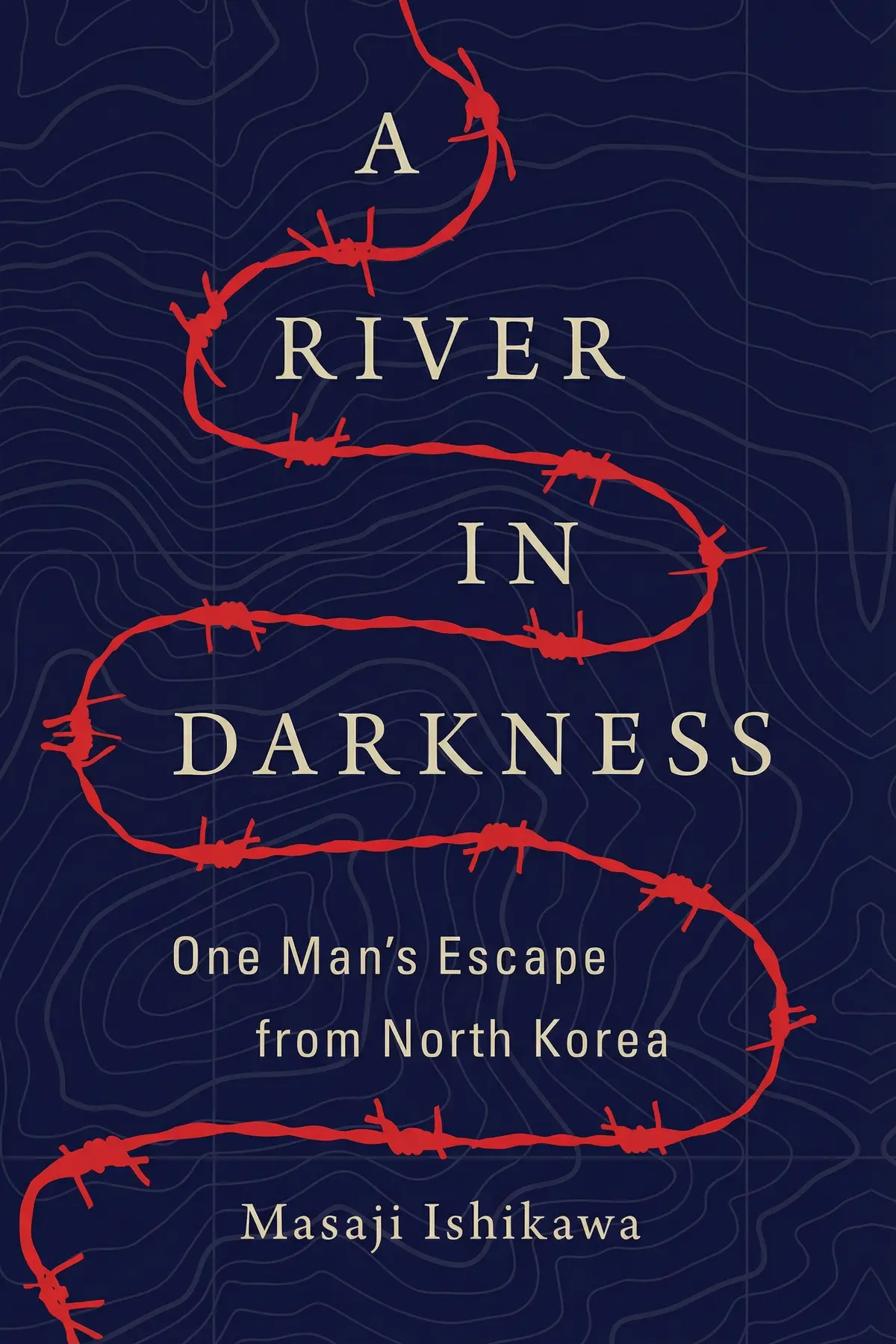
Masaji Ishikawa
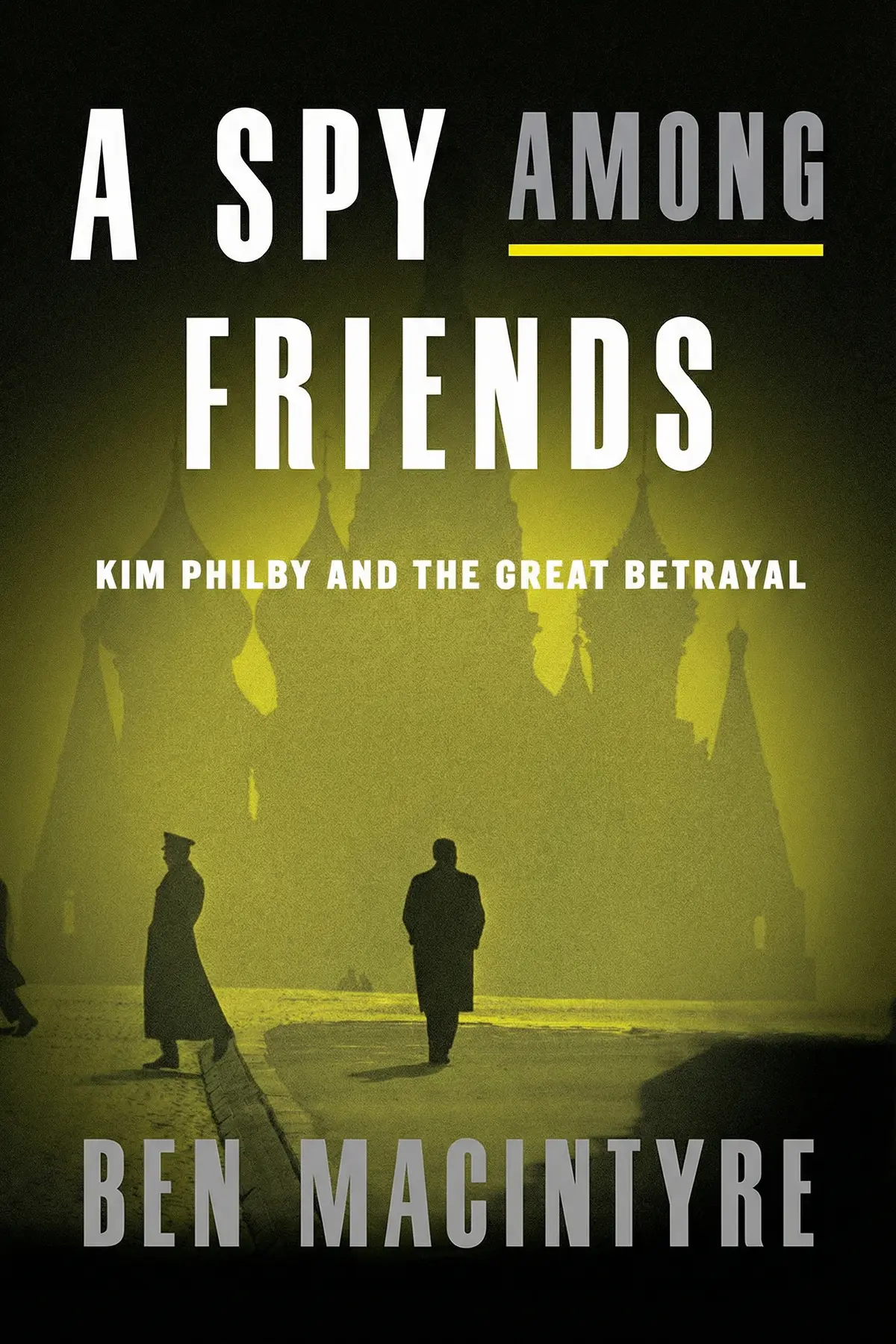
Ben Macintyre

AUDIO SUMMARY AVAILABLE
Get the key ideas from The Stranger in the Woods by Michael Finkel, plus 5,000+ more titles in English and Thai.







