
19 min 10 sec
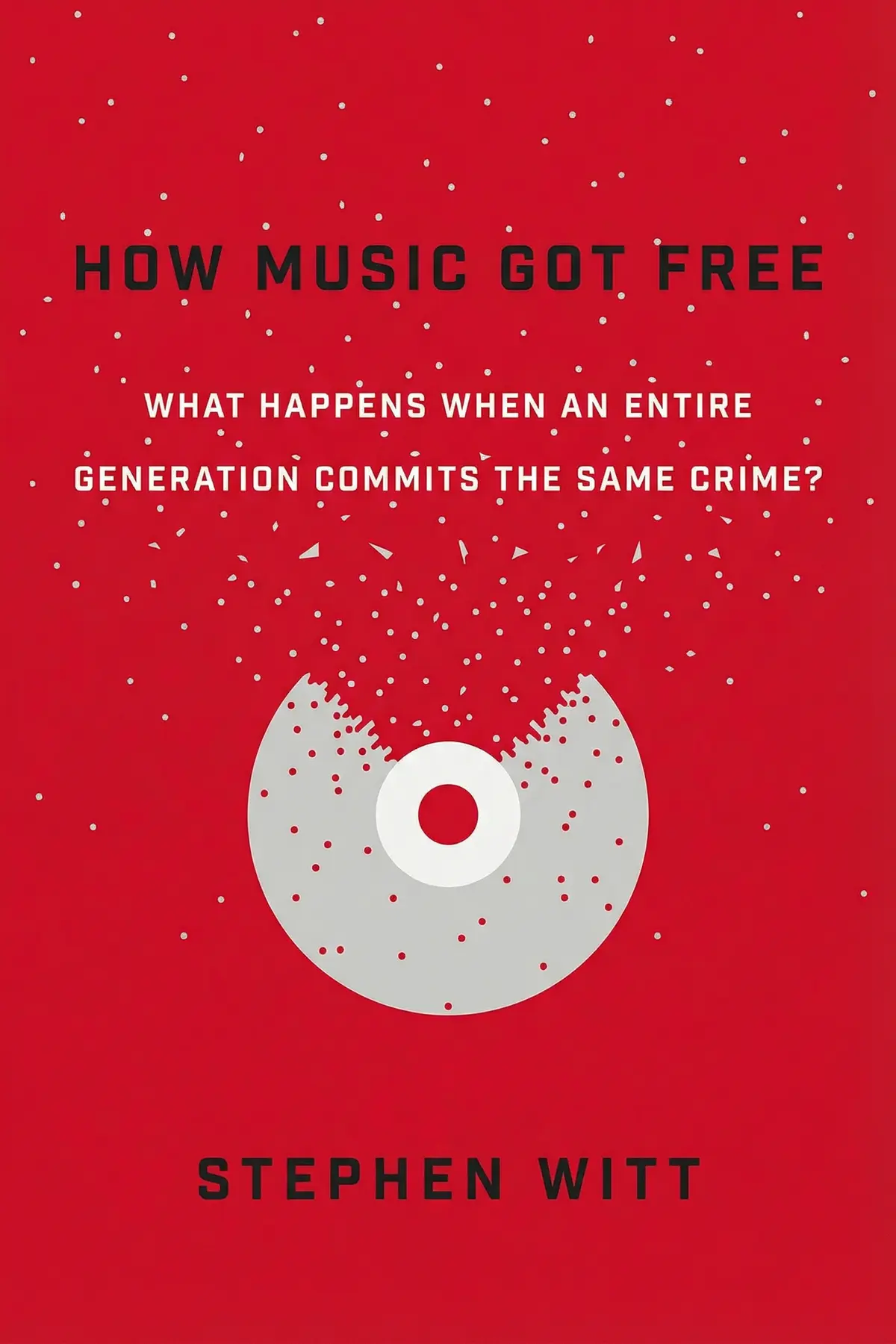
The Thinking Machine: Jensen Huang, Nvidia, and the World's Most Coveted Microchip
By Stephen Witt
Explore the rise of Nvidia and its visionary leader, Jensen Huang. This narrative reveals how specialized gaming hardware accidentally ignited the global artificial intelligence revolution and reshaped the modern world.
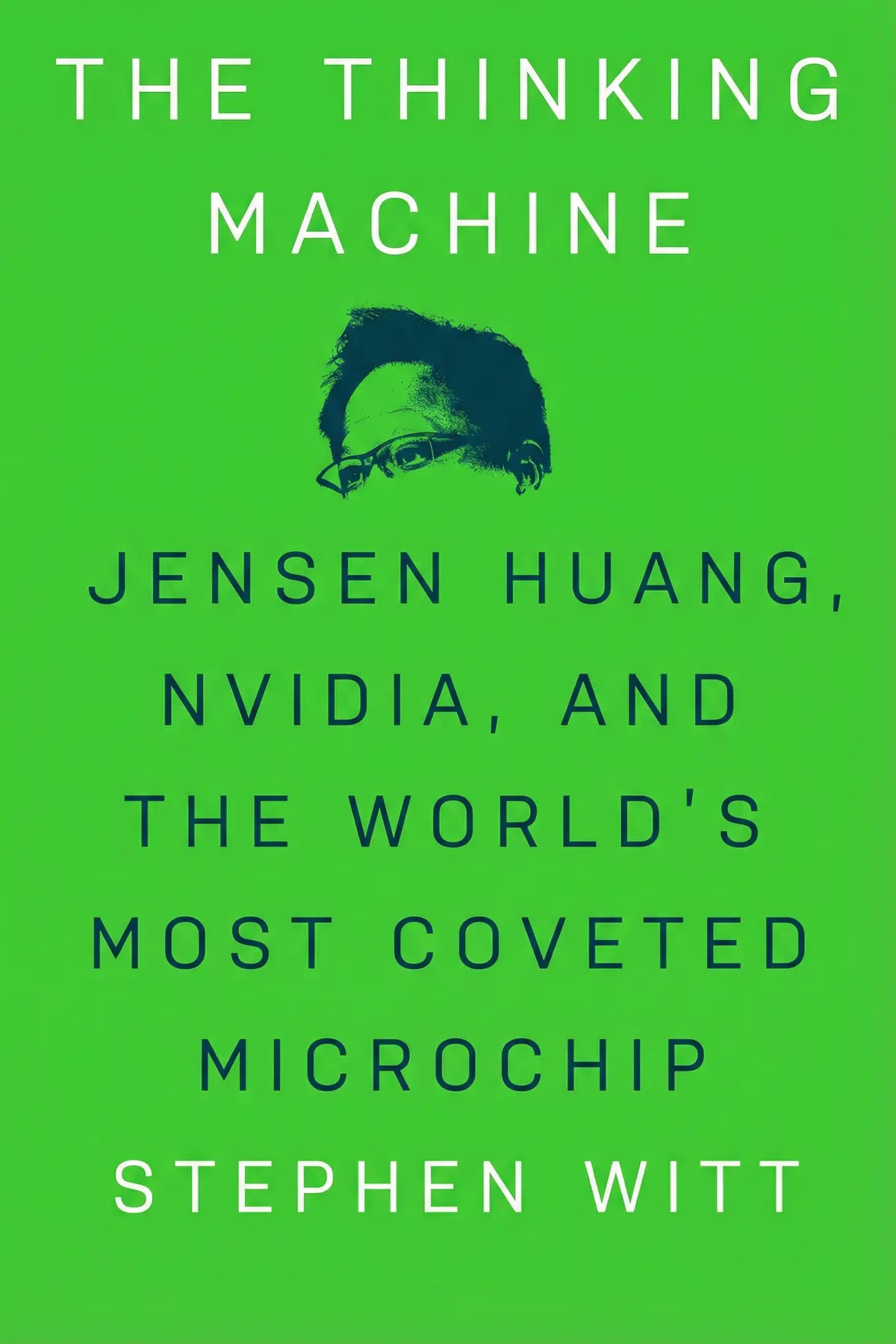
Table of Content
1. Introduction
1 min 20 sec
Imagine it’s the early 2000s. If you were a serious computer gamer, you lived and breathed the spec wars. You wanted the fastest frame rates and the most realistic shadows, and that meant you likely had a green-glowing chip inside your tower with the name Nvidia etched onto it. At the time, this was a niche world—a hobbyist’s pursuit. But while the world looked at those chips and saw better graphics for digital monsters, one man saw something much bigger. That man was Jensen Huang, and he believed that the specialized processing power used to render pixels could eventually be used to simulate reality itself.
In this summary, we are going to trace the improbable arc of Nvidia’s rise. We’ll look at how a young immigrant from Taiwan used a background of grit and determination to build a company that would eventually challenge the likes of Apple and Microsoft for the title of the most valuable corporation on the planet. We’ll explore the accidental discovery that made gaming chips the perfect engines for artificial intelligence, and why the entire future of our technological landscape currently rests on the shoulders of one company and its enigmatic leader. This is the story of how the ‘thinking machine’ was born, not from a laboratory, but from the desire to play better video games.
2. The Crucible of a Leader
2 min 07 sec
Jensen Huang’s journey began in a rough Kentucky boarding school, where he learned the grit and resilience necessary to navigate the high-stakes world of Silicon Valley.
3. The Denny's Origin Story
2 min 02 sec
Discover how three engineers sketched the future of computing over coffee and pancakes, leading to the birth of a graphics powerhouse.
4. A Near-Death Experience in Hardware
1 min 59 sec
Nvidia’s first major chip was a technical marvel but a commercial disaster, teaching the company a brutal lesson about industry standards.
5. The Perfection of Parallel Processing
1 min 44 sec
How a focus on high-speed gaming graphics accidentally solved one of the most difficult problems in modern computing.
6. The CUDA Gamble
1 min 45 sec
Jensen Huang spent billions on a software platform that most people ignored, laying the groundwork for the future of AI research.
7. The Spark of the Machine Learning Revolution
1 min 43 sec
A breakthrough in image recognition proved that Nvidia’s hardware was the ‘secret sauce’ needed to make artificial intelligence a reality.
8. From Gaming to the Global Backbone
1 min 46 sec
Witness how tech giants like Google and OpenAI scrambled to secure Nvidia’s hardware, sparking a multi-billion dollar arms race.
9. The Fragility of Success
1 min 50 sec
Despite its dominance, Nvidia faces significant risks, including its dependence on Taiwan and the absence of a clear successor to Huang.
10. The Energy Hunger of AI
1 min 31 sec
The rise of the ‘Thinking Machine’ has a massive environmental cost, as data centers consume record-breaking amounts of electricity.
11. Conclusion
1 min 23 sec
The story of Nvidia is a testament to the power of long-term vision and the unexpected ways that technology can evolve. What began as a quest to provide better graphics for video games ended up providing the intellectual infrastructure for the 21st century. Jensen Huang’s journey from a drafty dorm room in Kentucky to the pinnacle of Silicon Valley shows that persistence and a willingness to bet on ‘useless’ academic research can change the world.
Today, Nvidia is more than just a company; it is the gatekeeper of the artificial intelligence era. Its chips are used in everything from Nobel Prize-winning scientific research to the smartphone in your pocket. However, as we have seen, this dominance comes with risks—geopolitical vulnerabilities, environmental costs, and the weight of being a ‘one-man’ empire.
As you move forward, the key takeaway is that the technologies we take for granted today often have roots in obscure, niche interests. Nvidia succeeded because it focused on solving one very difficult math problem—parallel processing—and then waited for the rest of the world to realize how valuable that solution was. Whether the future of AI leads to a utopia or creates new challenges we aren’t yet prepared for, the ‘thinking machines’ powered by Nvidia will undoubtedly be at the center of the story.
About this book
What is this book about?
The Thinking Machine offers a deep dive into the unexpected journey of Nvidia, a company that began by catering to high-end video gamers but eventually became the backbone of the global economy. At the center of this story is Jensen Huang, whose relentless drive and long-term vision pushed a niche hardware company to develop the very tools required for the birth of generative AI. The book explores the technical breakthroughs of the graphics processing unit, or GPU, and explains why this specific piece of hardware was uniquely suited to handle the complex calculations required for machine learning. Listeners will learn about the pivotal moments in Nvidia's history, from its humble beginnings in a Denny’s restaurant to its near-collapse and ultimate dominance in the stock market. Beyond the financial success, it examines the geopolitical tensions surrounding microchip manufacturing in Taiwan and the ethical debates regarding the future of artificial intelligence. It provides a comprehensive look at how one man’s persistence transformed a computer component into the brain of the world’s most advanced technological systems.
Book Information
About the Author
Stephen Witt
Stephen Witt is an acclaimed journalist and author known for his investigative work on the intersection of technology and culture. He has contributed to prestigious publications such as the New Yorker, the New York Times, and Wired. Witt gained prominence with his book How Music Got Free, which chronicled the digital revolution and the rise of music piracy. His writing typically focuses on how innovation disrupts established industries and the broad social consequences of technological shifts.
Ratings & Reviews
Ratings at a glance
What people think
Listeners find the book exceptionally easy to follow, with one highlighting how it simplifies advanced technical topics. Beyond that, the work is thoroughly researched and stands as a top-tier biography; one listener defines it as an absorbing trek through generative AI. They also praise the superior writing quality and how entertaining the narrative is.
Top reviews
Emily
Wow, Stephen Witt has managed to turn the dry, often impenetrable world of semiconductor manufacturing into a propulsive narrative that feels almost cinematic. I was struck by how accessible he makes the transition from the gaming-focused NV1 chips of the 1990s to the world-dominating H100s of today. The research is clearly exhaustive, capturing the high-stakes atmosphere of the 1995 graphics card wars with impressive clarity. While the book leans heavily into Jensen Huang’s unique personality, it never feels like a dry corporate history. Witt’s prose is sharp and fast-paced, ensuring that even the technical explanations of parallel processing don't bog down the flow. Personally, I found the anecdote about the 'Wrath of Huang' to be the highlight, showing the raw intensity driving NVIDIA’s success. It’s a rare tech biography that balances deep-dive engineering details with genuine entertainment value. Highly recommended for anyone trying to understand the silicon foundation of our current AI moment.
Show moreHazel
Finally got around to reading this after hearing so much buzz about Witt’s investigative skills, and he certainly delivers on the hype. The Thinking Machine isn't just a biography of a man; it’s a fascinating journey into the very heart of the generative AI explosion. Witt’s ability to explain parallel processing using clear metaphors makes the technical hurdles NVIDIA faced feel visceral and exciting. I was particularly fascinated by the story of how a small group of renegade engineers defied Wall Street to bet everything on a software-first future. The book moves at a breakneck speed, occasionally skipping over the darker implications of the technology to maintain its propulsive energy. Truth is, even if you aren't into computers, the human drama behind the corporate veil is worth the price of admission. It’s easily one of the most engaging business books I’ve read in years.
Show moreThongchai
Not what I expected from a standard tech biography, as Witt brings a level of literary flair that you rarely see in this genre. The prose is punchy and the anecdotes—especially the one about the AI-dispatched janitors—are both fascinating and slightly chilling to contemplate. I loved the deep dive into the 'family business' connection between Huang and AMD’s Lisa Su, which adds a personal layer to the corporate rivalry. Witt’s research is impressive, and he manages to make the birth of neural networks feel like a revolution happening in real-time. Sure, a few of the middle chapters felt like a mandatory checklist of product launches that slowed the pace. However, the overall narrative arc is so strong that it’s easy to overlook those minor lulls. It’s a brilliant look at how serious people doing serious work ended up changing the world forever.
Show moreSuthinee
This book is a fascinating journey through the history of AI, framing the development of the GPU as the catalyst for everything we see today. Witt’s writing is sharp and frequently witty, making even the discussion of atmospheric layers and climate simulations feel urgent. I was impressed by how he traced the evolution from 3.5-inch floppies to the massive energy-hungry supercomputers of the modern era. The narrative does an excellent job of showing that NVIDIA’s success wasn't just luck, but a result of breaking Moore’s Law through sheer architectural will. Look, some might find the focus on Jensen’s personality a bit much, but it’s hard to deny his impact on the world. It’s a well-paced, entertaining book that manages to be both a biography and a technical history at once. Truly a great read for tech enthusiasts and casual readers alike.
Show moreJirapat
Gotta say, Stephen Witt has followed up his work on the music industry with another absolute winner here. The Thinking Machine captures the propulsive energy of a company that is currently redefining what it means to be human. I found the stories of the early renegade engineers particularly inspiring, showing that even in a world of giants, a small team with a radical vision can win. The book is impressively researched and handles the 'alignment problem' and AI safety debates with a balanced, if slightly skeptical, hand. Witt’s prose is consistently engaging, making the 30-year history of a chip company feel like a high-stakes adventure. Admittedly, the final chapters get a little defensive regarding the author's relationship with the CEO, but it doesn't take away from the overall quality. If you want to understand the machines that are currently eating the world, start here.
Show moreNiramai
Ever wonder how a niche company that made video game hardware managed to become one of the most valuable entities on the planet? Witt answers this by tracing NVIDIA’s history from its origins to its current status as the backbone of generative AI. The book is well-researched and avoids the typical jargon that makes most tech books unreadable for a general audience. I particularly enjoyed the sections on how CUDA became the 'secret sauce' that rivals simply couldn't replicate. Frankly, the narrative gets a bit bogged down in product launch specifics toward the middle, but the momentum picks back up quickly. Seeing the connection between early neural nets like 'Jellyfish' and today’s massive clusters provides a great sense of perspective. It’s an essential read for anyone following the AI revolution, even if you don't know your CPU from your GPU.
Show moreNarongrit
As someone who has followed the industry since the days of 3dfx and Matrox, I appreciated how Witt captures the chaotic energy of the early 90s hardware market. This isn't just a dry list of specs; it’s a story about a stubborn entrepreneur who refused to play by the established rules of Silicon Valley. The book does a stellar job of explaining why NVIDIA’s bet on CUDA was the most consequential gamble in modern computing history. From my perspective, most tech biographies fail to explain the 'why' behind the success, but Witt nails it here. My only real gripe is that the ending felt a bit passive-aggressive regarding the author's final interactions with Jensen. Still, the writing quality is top-tier and the historical context provided is invaluable for understanding our current tech landscape. It manages to be both informative and genuinely fun to read.
Show moreMontri
Picked this up on a whim and was immediately sucked into the story of how NVIDIA almost went bankrupt multiple times before striking gold. Witt has a gift for making high-tech subjects accessible without dumbing them down too much for the experts. I particularly enjoyed the sections describing the visceral tension in the boardroom during the early years. The book highlights how NVIDIA isn't just a hardware company, but a software powerhouse that has successfully locked in its customers through CUDA. Gotta say, the description of Jensen’s refusal to engage with science fiction perspectives was one of the most revealing moments in the entire book. It explains a lot about the current 'full steam ahead' culture of AI development. It’s a compelling, fast-paced read that serves as a great primer for anyone curious about the companies shaping our digital lives.
Show moreTun
The chapter on the NV1 launch in 1995 was a fun trip down memory lane, but I found the author’s tone a bit too reverent toward Jensen Huang at times. While Witt is a fantastic writer, there’s an air of hagiography here that makes some sections feel more like a tribute than a rigorous analysis. He touches on the 'sci-fi' nature of AI, yet he mostly stays on the surface rather than interrogating the potential for a monopoly. Look, the book is incredibly readable and the reporting is clearly high-quality, but I wanted more critical pushback on the environmental costs of these massive data centers. To be fair, the interview scenes where Huang loses his temper are gold and offer a rare, unvarnished look at a billionaire CEO. It’s a good starting point for history, though I wouldn't call it the definitive word on the ethics of the industry.
Show moreTeng
Frankly, while the reporting in this book is incredibly thorough, I left feeling like it glossed over the most important questions about our future. Witt spends a lot of time on the 'visionary' aspect of Jensen Huang while only dedicating a tiny fraction of the text to the dangers of monopoly power. We need books that question the system, not just polish the throne of the latest billionaire. The technical history of GPUs and parallel processing is well-explained and undeniably interesting, especially for those who lived through the PC gaming boom. However, the author seems more interested in the 'Wrath of Huang' than the structural forces that allow one company to control the future of intelligence. It’s a very readable, entertaining book, but it lacks the critical edge I was hoping for. A solid history, but a bit too uncritical for my tastes.
Show moreReaders also enjoyed
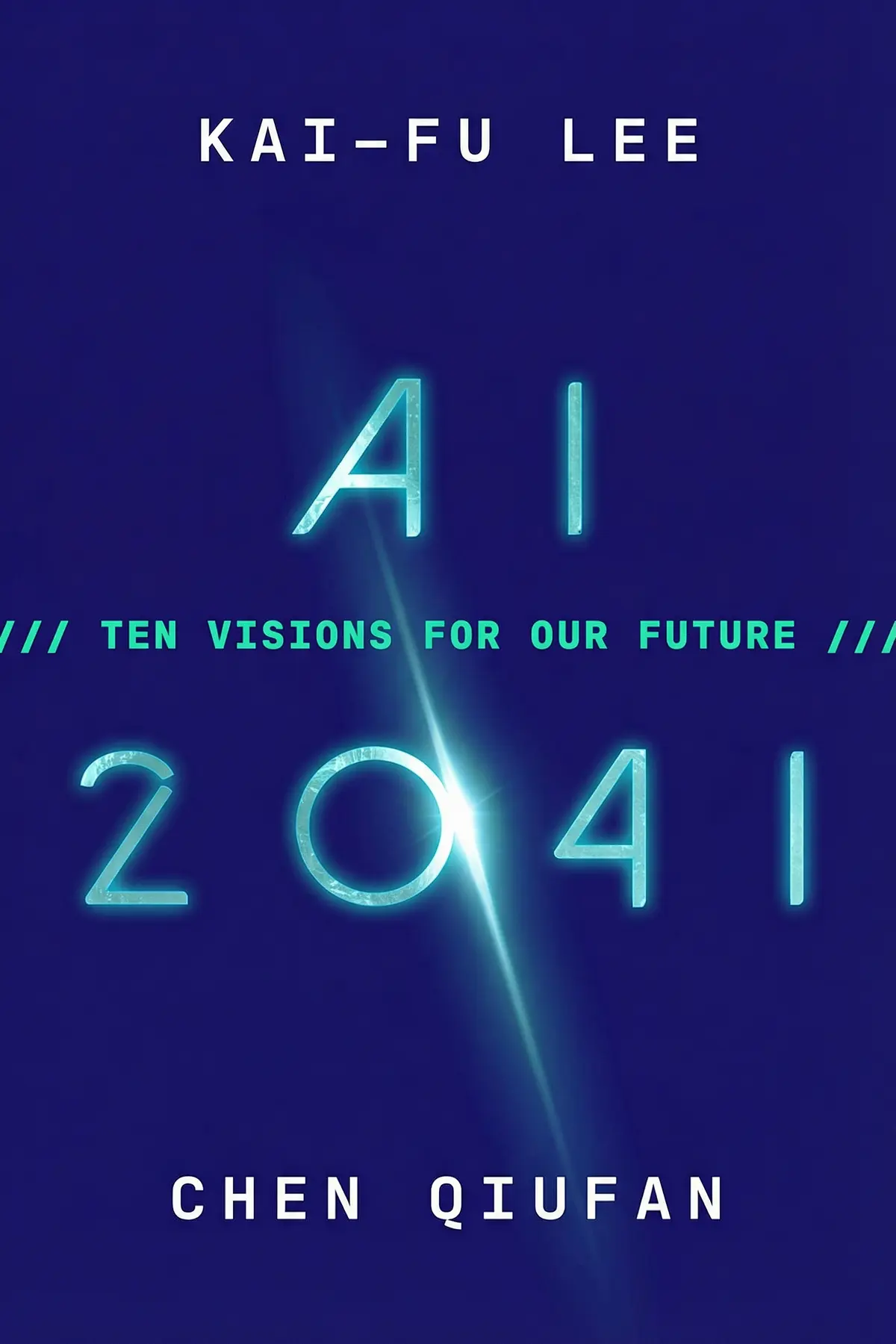
AI 2041: Ten Visions for Our Future
Kai-Fu Lee
7 Powers: The Foundations of Business Strategy
Hamilton Helmer
AUDIO SUMMARY AVAILABLE
Listen to The Thinking Machine in 15 minutes
Get the key ideas from The Thinking Machine by Stephen Witt, plus 5,000+ more titles in English and Thai.
- 5,000+ titles
- Listen as much as you want
- 7-day free trial
- Cancel anytime







