
13 min 32 sec
This Is Where You Belong: Finding Home Wherever You Are
This Is Where You Belong explores the psychological bond between people and their communities, offering actionable strategies to foster a sense of home and happiness through local engagement, movement, and social connection.
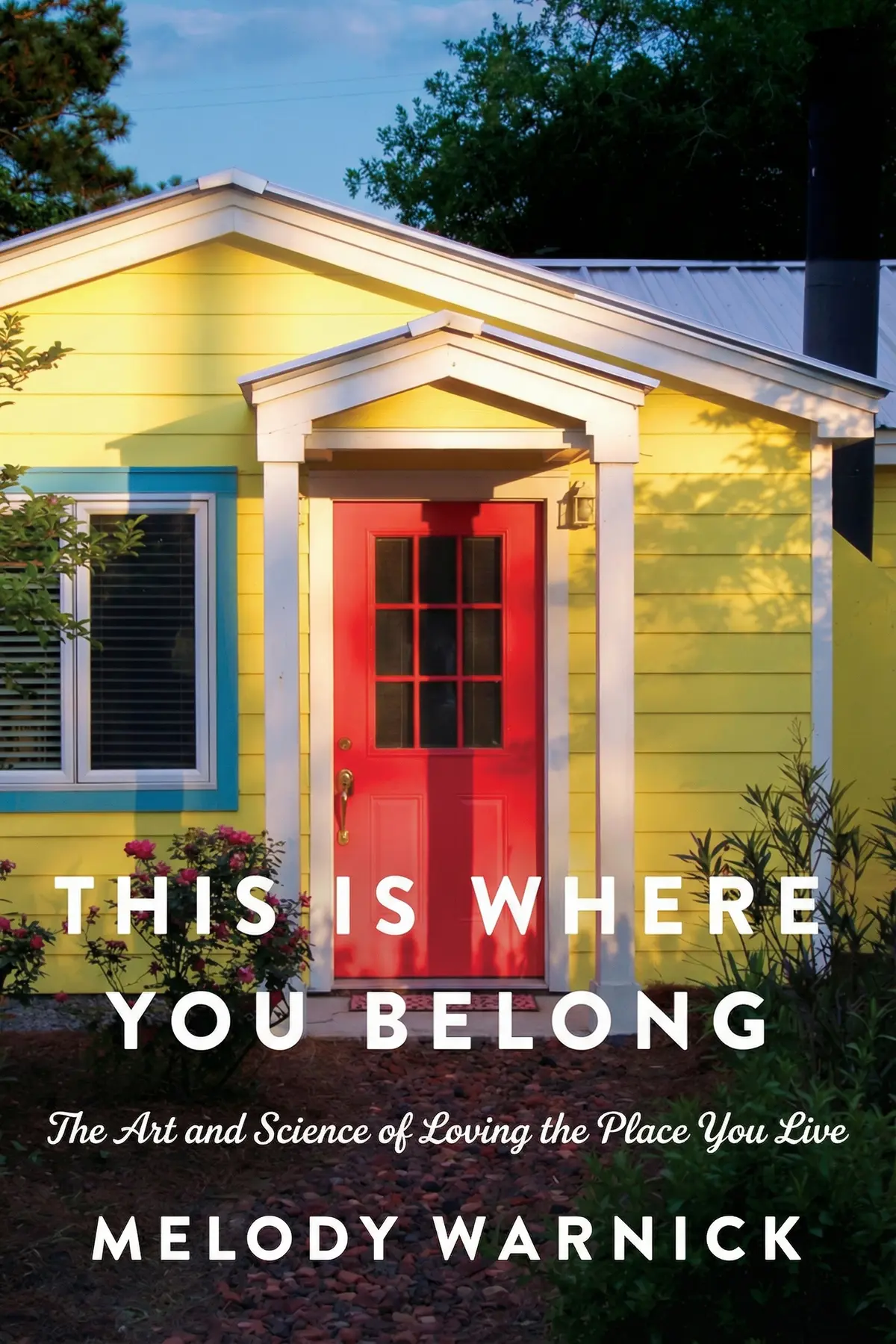
Table of Content
1. Introduction
1 min 17 sec
We live in an era of unprecedented mobility. For many of us, the solution to a stagnant career, a crumbling social life, or general dissatisfaction is a new zip code. We believe that happiness is a destination—a specific city with better weather, trendier coffee shops, or more enlightened neighbors. However, this constant searching often leaves us feeling untethered and perpetually restless.
What if the secret to a fulfilling life isn’t finding the perfect place, but learning how to love the place you already inhabit? This Is Where You Belong challenges the idea that we are victims of our geography. Instead, it suggests that “place attachment”—that deep, comforting sense of being home—is something we can actively build.
In the journey ahead, we will explore the science and art of rootedness. We will see why your daily commute might be more stressful than a riot police officer’s job, why the simple act of buying a local apple can change your brain, and how your relationship with the person next door can actually impact your physical health. The throughline here is agency: you have the power to turn any town into your hometown. By the end of this summary, you’ll have a toolkit for deepening your connection to your community, proving that belonging isn’t just where you find yourself, but what you choose to create.
2. The Geography of Hope and the Reality of Place Attachment
1 min 57 sec
Explore why millions of people move in search of happiness and discover the biological and psychological benefits of finally deciding to stay and connect deeply with one location.
3. Learning the City Through the Soles of Your Feet
1 min 50 sec
Discover how the way you move through your neighborhood changes your brain’s mapping of home and why your car might be blocking your sense of belonging.
4. The Economic and Social Power of Local Engagement
1 min 48 sec
Learn how small changes in your spending habits can revitalize your city’s infrastructure and create a network of social connections that make you feel truly seen.
5. Social Capital and the Biology of Neighborhood Connection
1 min 38 sec
Uncover the surprising link between knowing your neighbors and your physical health, and learn how taking initiative can improve your entire community’s well-being.
6. The Biophilic City and the Cycle of Stewardship
1 min 42 sec
Explore why green spaces are essential for your cognitive function and how the act of volunteering creates a powerful feedback loop of love for your environment.
7. Resilience and the Choice to Dig In
1 min 50 sec
Discover why local disasters often strengthen community bonds rather than breaking them and why staying put can be the most courageous path to happiness.
8. Conclusion
1 min 30 sec
The journey toward loving where you live is not about finding a hidden paradise; it’s about changing the way you interact with the world around you. We’ve seen that belonging is a multifaceted experience. It starts with slowing down to human speed, allowing your brain to map the nuances of your neighborhood through walking and biking. It grows as you shift your economic habits, choosing to support the local businesses that form the social heart of your town. It deepens as you reach out to the people living next door, building the social capital that protects your physical and emotional health.
We’ve also explored how nature and stewardship act as the final anchors of place attachment. By engaging with green spaces and volunteering your time or resources, you transform from a resident into a caretaker. And perhaps most importantly, we’ve learned that belonging is a form of resilience. It is the decision to stay and rebuild when things get tough, rather than seeking an easy exit.
The throughline of This Is Where You Belong is that you are not a passive traveler in your life. You have the tools to cultivate a sense of home wherever you are. Happiness isn’t waiting for you in another city; it’s waiting for you to engage with the one you’re in. So, take that first step. Walk a new route, buy a local coffee, or finally introduce yourself to your neighbor. The art of belonging is practiced in these small, daily choices. When you stop looking for the perfect place, you finally give yourself the chance to be at home.
About this book
What is this book about?
This book addresses the modern epidemic of restlessness and the frequent urge to relocate in search of a better life. Melody Warnick investigates why we often feel disconnected from our surroundings and provides a roadmap for developing "place attachment," the emotional bond that makes a city feel like a true home. Through a mix of personal experimentation and social science, the narrative reveals that loving where you live is a skill that can be practiced. It promises that by changing your behavior—how you commute, where you shop, and how you interact with neighbors—you can transform an average town into your ideal hometown, improving your physical health and emotional well-being in the process.
Book Information
About the Author
Melody Warnick
Melody Warnick is a freelance journalist whose work has appeared in prominent publications such as Reader’s Digest, Woman’s Day, and The Atlantic’s CityLab. Her journey toward writing this book began in Blacksburg, Virginia, where she conducted a personal experiment to see if she could fall in love with her city by actively participating in its community life.
Ratings & Reviews
Ratings at a glance
What people think
Listeners find this work highly readable and skillfully composed, featuring extensive citations and useful tips. They characterize the content as both thought-provoking and compelling, with one listener highlighting its special significance for those in the mobile generation. Listeners enjoy the humor throughout the book, with one noting the inclusion of entertaining stories, and consider it quite comical.
Top reviews
Natnicha
Melody Warnick captures the essence of our restless, mobile generation in a way that feels deeply personal yet backed by solid data. As I watched her struggle to transition from a chronic 'mover' to a 'stayer' in Blacksburg, I found myself reflecting on my own history of geographic hopping. The concept of 'place attachment' isn't just academic fluff here; it’s a lived experiment. While some of the advice—like walking more or eating local—might seem basic to the lifelong resident, it’s a necessary roadmap for those of us who treat cities like disposable tissues. Not gonna lie, her prose is engaging and she balances the sociological research with amusing anecdotes that keep the pages turning. It's a refreshing take on finding contentment without needing a moving truck. This book is a must-read for anyone feeling that vague dread that someplace better exists elsewhere.
Show moreJackson
This book should be required reading for anyone who feels like they are constantly living in a 'waiting room' for their real life to begin. Melody Warnick brilliantly deconstructs the myth of the perfect town, showing that 'place attachment' is a behavior, not a destination. I was fascinated by the data points, like the fact that 83 percent of metro-area Atlantans give to charity out of a sense of community. The distinction between 'movers' and 'stayers' was a total lightbulb moment for me. Her writing is engaging and funny, especially when she describes her failed attempts at being a 'regular' or her daughter’s ambitious festival ideas. It’s one of those rare nonfiction books that actually changes your daily habits. I’ve started walking my neighborhood more and saying hi to neighbors I’ve ignored for years. Truly insightful and highly recommended for data nerds and wanderers alike.
Show moreAnthony
After hearing about this book on a podcast, I decided to give it a shot to help me settle into my new city. The author’s voice is humorous and relatable, making the data-heavy sections on urban trends feel light and accessible. I particularly appreciated the 'Scenic Seven' challenge she mentions, which inspired me to look for my own local landmarks. The truth is, we often wait for a city to charm us instead of doing the work to be charmed. I liked the checklists at the end of each chapter; they provide practical advice that goes beyond just 'feeling' better. While her personal indecisiveness about staying in Blacksburg was a bit frustrating at times, the overall message of being proactive about your community is incredibly relevant. It's well-written and serves as a great guide for the mobile generation.
Show moreAraya
As someone who has moved six times in ten years, I felt seen by Warnick’s description of the national game of 'musical chairs.' This book is part investigative journalism and part memoir, and that balance works surprisingly well. I loved the chapter on getting to know your neighbors; the story about her Sri Lankan neighbors was particularly touching and reminded me that community isn't something you find, it's something you build. Some critics might say the advice to 'buy local' or 'walk more' is simplistic, but the reality is that we often overlook these basic actions in our search for a 'perfect' city. The research on 'place attachment' provided the gravitas I needed to take her experiments seriously. It’s an insightful, easy read that actually changed how I interact with my own neighborhood. I’m now much more likely to support my local businesses.
Show moreSelin
Ever wonder why some people just seem 'rooted' while the rest of us are always looking for the next best thing? Warnick dives into this question with a mix of humor and hard data that I found incredibly engaging. The chapter on 'Creating Something'—specifically her attempt at a sidewalk chalk festival—was both funny and relatable, even if she did eventually scale back the professional aspect of it. Personally, I think the value of this book lies in the 'pro-activity' it encourages. It reminds us that we have agency in our happiness. While the ending felt a bit abrupt and left me with some questions about her long-term stay in Blacksburg, the practical advice and rich references to sociological studies made it a worthwhile read. It’s a great guide for anyone new to their community or looking to deepen their local connections.
Show moreNaomi
The author's description of her own 'geographic FOMO' hit way too close to home for me. This book is a thoughtful exploration of how to stop looking for the 'perfect' place and start making your current location better. Warnick’s experiments in Blacksburg are described with amusing anecdotes that make the advice feel much less like a lecture and more like a conversation with a friend. I loved the 'Buy Local' chapter; it really made me think about where my money goes and how that affects my sense of belonging. The book is rich with references to urban planning and sociology, which gives it more weight than your typical self-help fare. Even though some of the 'Love Where You Live Principles' are a bit simplistic, the overall framework is practical and inspiring. It’s a great pick for anyone who feels restless in their current home.
Show morePhimwan
To be fair, the premise of this book is much stronger than the actual execution. Melody Warnick starts with a fascinating question about why Americans move so frequently, but the solutions she offers often feel like a magazine article that’s been stretched too thin. I found myself rolling my eyes at the 'revelations' that volunteering or knowing your neighbors makes you like your town more. Isn't that just common sense? Frankly, the middle section drags as she recounts her attempts to become a 'regular' at a local restaurant, which felt forced rather than organic. There are some insightful nuggets of research sprinkled throughout from thinkers like Robert Putnam, but you could probably get the gist just by reading the bulleted 'Love Where You Live' principles at the end of the chapters. It’s okay, but far from gripping.
Show moreIsabelle
Picked this up during a particularly restless month when I was browsing Zillow for houses in cities I’ve never visited. Warnick’s journey to love 'Bleaksburg' is relatable, and her writing is breezy and well-organized. However, I found the book a bit repetitive. The 'bloom where you are planted' message is hammered home in every chapter with a similar formula: a personal anecdote, a bunch of statistics, and a checklist. To be honest, it felt a bit like a self-help book for people who have forgotten how to be human. Does a person who loves their town pick up trash? Yes, obviously. While I appreciated the rich references to sociological studies, I think the book could have been half as long and had the same impact. It’s a solid 3-star read for me—good for a book club discussion, but not earth-shattering.
Show moreErn
I honestly found the research sections more compelling than the author's personal story. While Warnick is a talented writer, her tendency to set up grand goals and then only partially follow through was a bit frustrating to read. For example, the way she handled the local restaurant experiment felt a bit forced and lacked the organic connection she was supposedly looking for. That said, the book is very well-written and easy to digest. It serves as a good reminder to get involved in local politics and support the local economy. If you're looking for a deep, philosophical dive into the meaning of home, this might feel a bit surface-level. But if you want a light, encouraging nudge to be a better neighbor, it hits the mark. It’s a pleasant, mildly interesting read that offers a few surprises despite the basic advice.
Show moreTantipat
Look, I really wanted to like this, but the author's perspective felt incredibly privileged and, at times, baffling. She speaks about moving across the country as if it's a casual hobby to cure boredom, ignoring the fact that most people move out of financial necessity rather than 'geographic FOMO.' The advice provided is a collection of platitudes that attempts to add gravitas by citing research for things that are blindingly obvious. For instance, do we really need a book to tell us that being healthy makes us happier where we live? I was also annoyed by her lack of follow-through, like when she chickens out on the sidewalk chalk festival her daughter proposed. The ending, where the threat of moving looms again, makes the previous 250 pages feel a bit vacuous. It’s a nice enough autobiography, but as a guide, it’s mostly common sense.
Show moreFeatured in
Readers also enjoyed
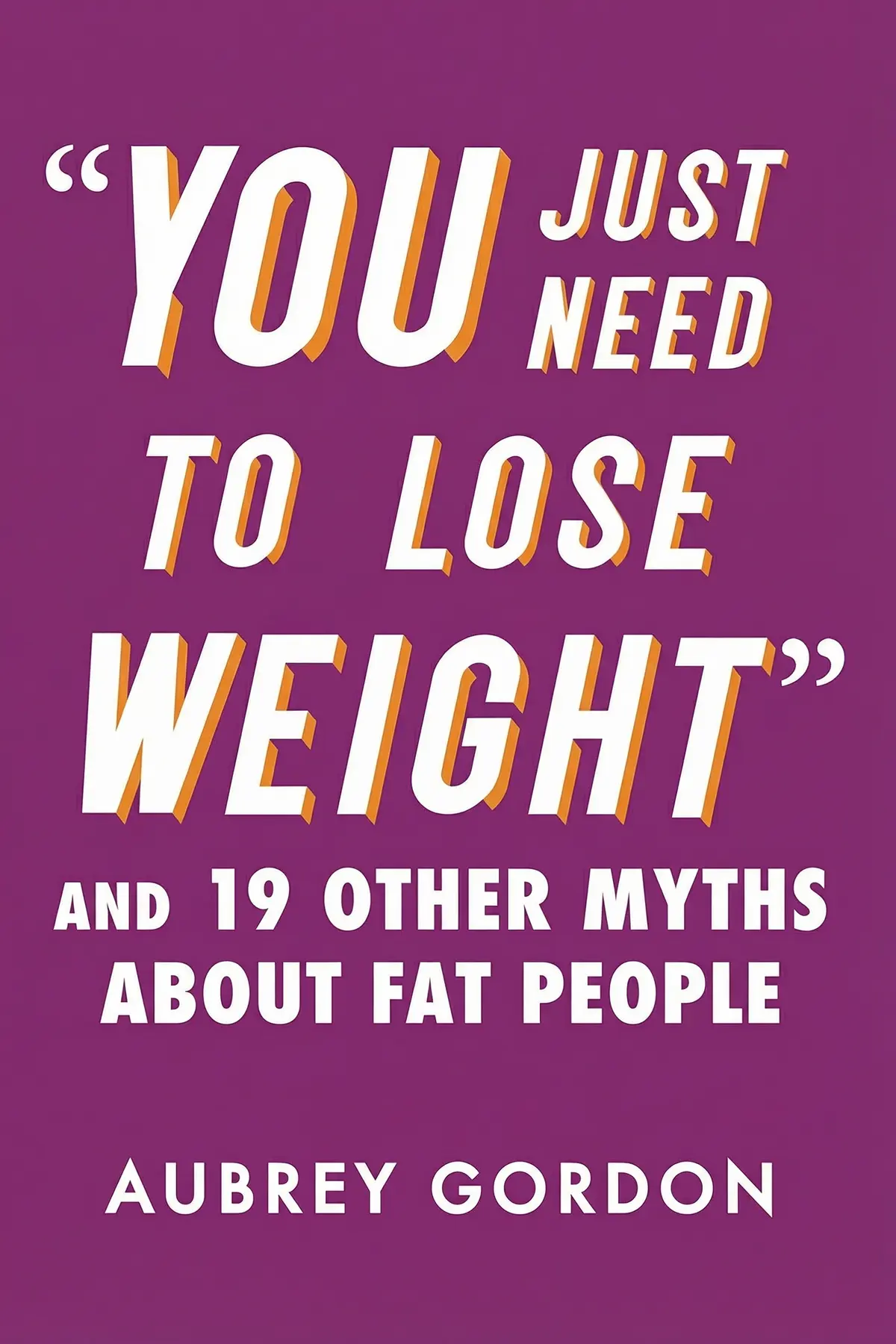

A Biography of Loneliness: The History of an Emotion
Fay Bound Alberti

A Force for Good: The Dalai Lama's Vision for Our World
Daniel Goleman

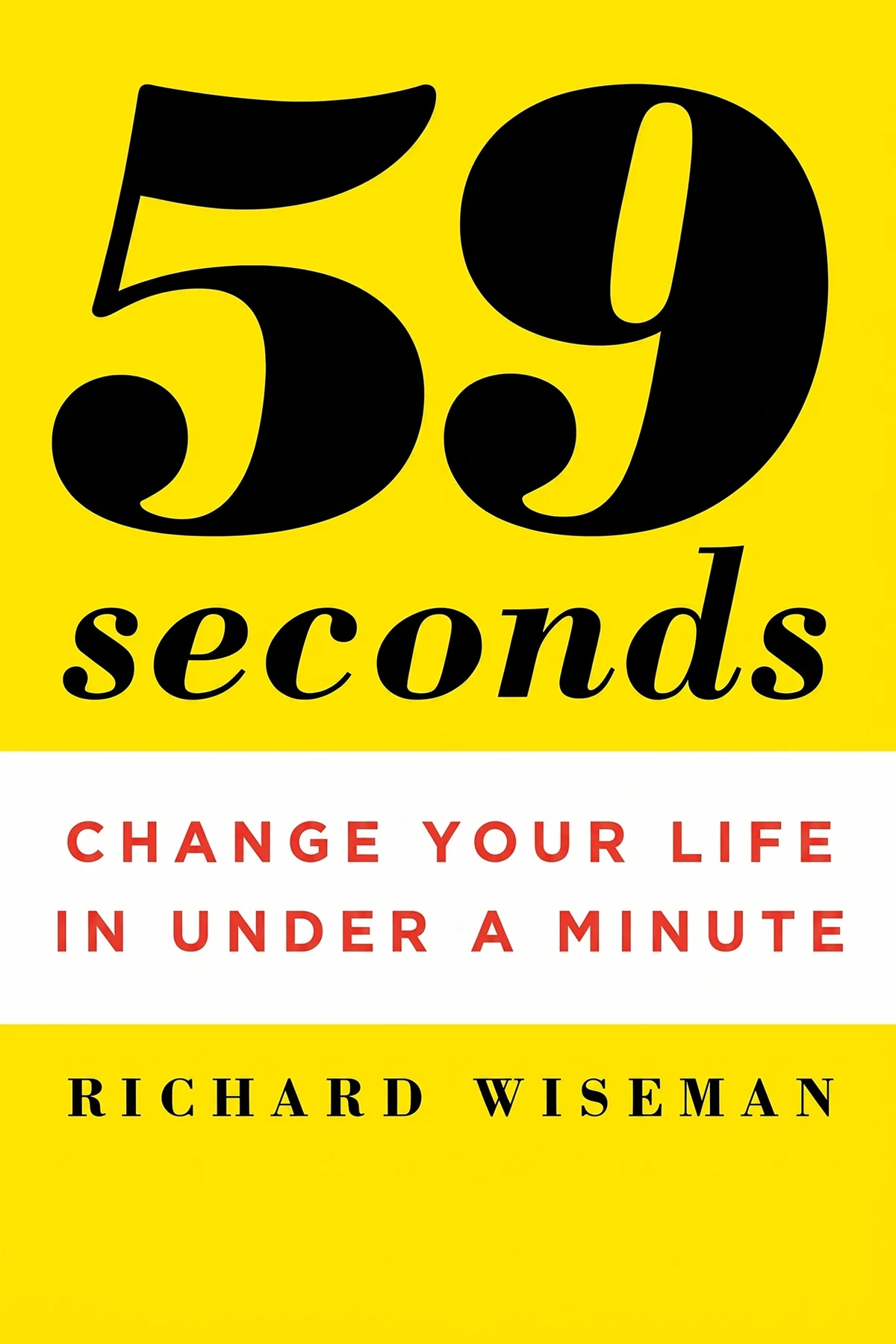
59 Seconds: Change Your Life in Under a Minute
Richard Wiseman
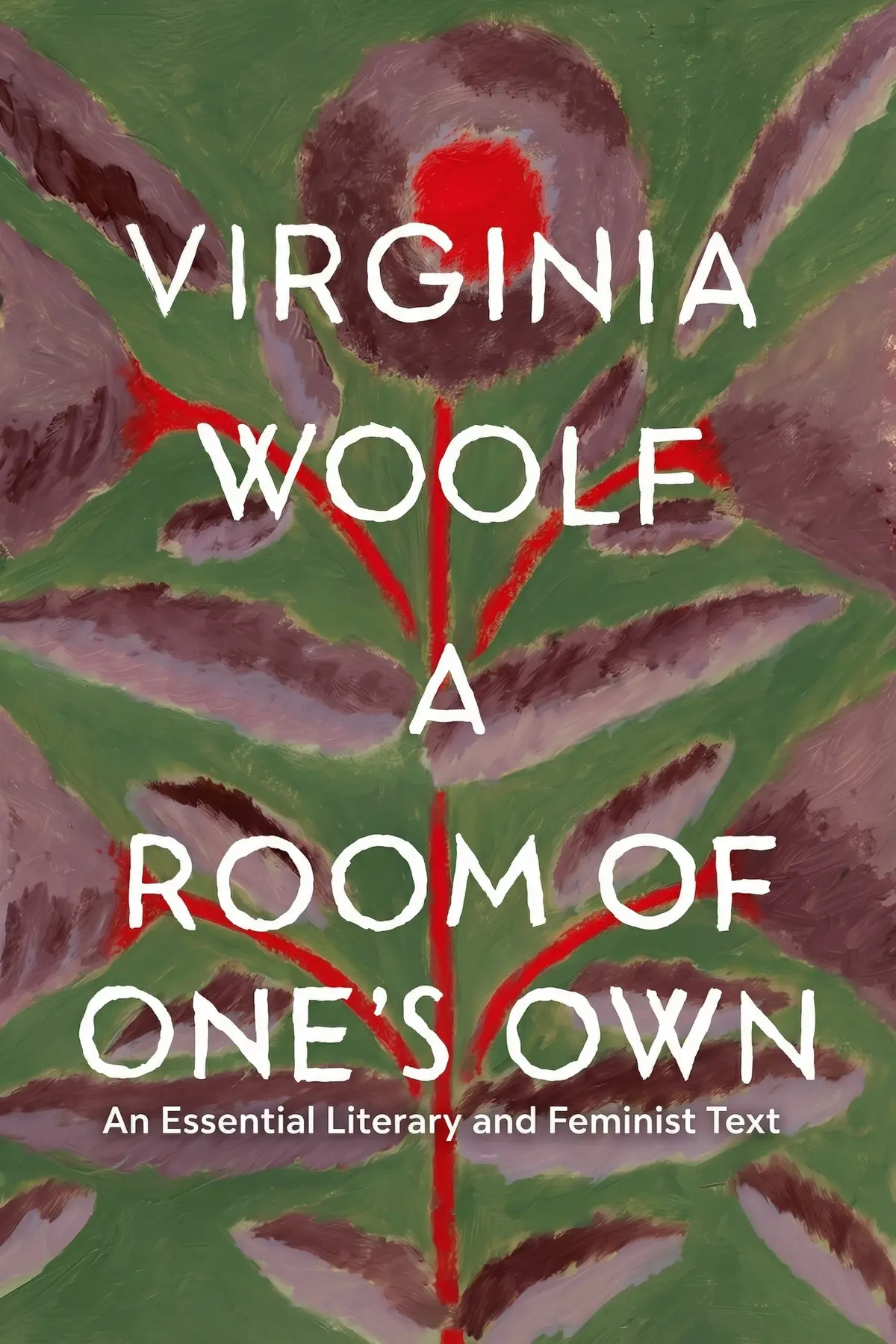
A Room of One’s Own
Virginia Woolf
Abolish Rent: How Tenants Can End the Housing Crisis
Tracy Rosenthal
AUDIO SUMMARY AVAILABLE
Listen to This Is Where You Belong in 15 minutes
Get the key ideas from This Is Where You Belong by Melody Warnick, plus 5,000+ more titles in English and Thai.
- 5,000+ titles
- Listen as much as you want
- 7-day free trial
- Cancel anytime







