

16 min 26 sec
Tribe of Hackers: Cybersecurity Advice from the Best Hackers in the World
Tribe of Hackers provides a rare look into the minds of elite cybersecurity experts, offering diverse perspectives on building careers, securing organizations, and rethinking common industry myths through collective wisdom.
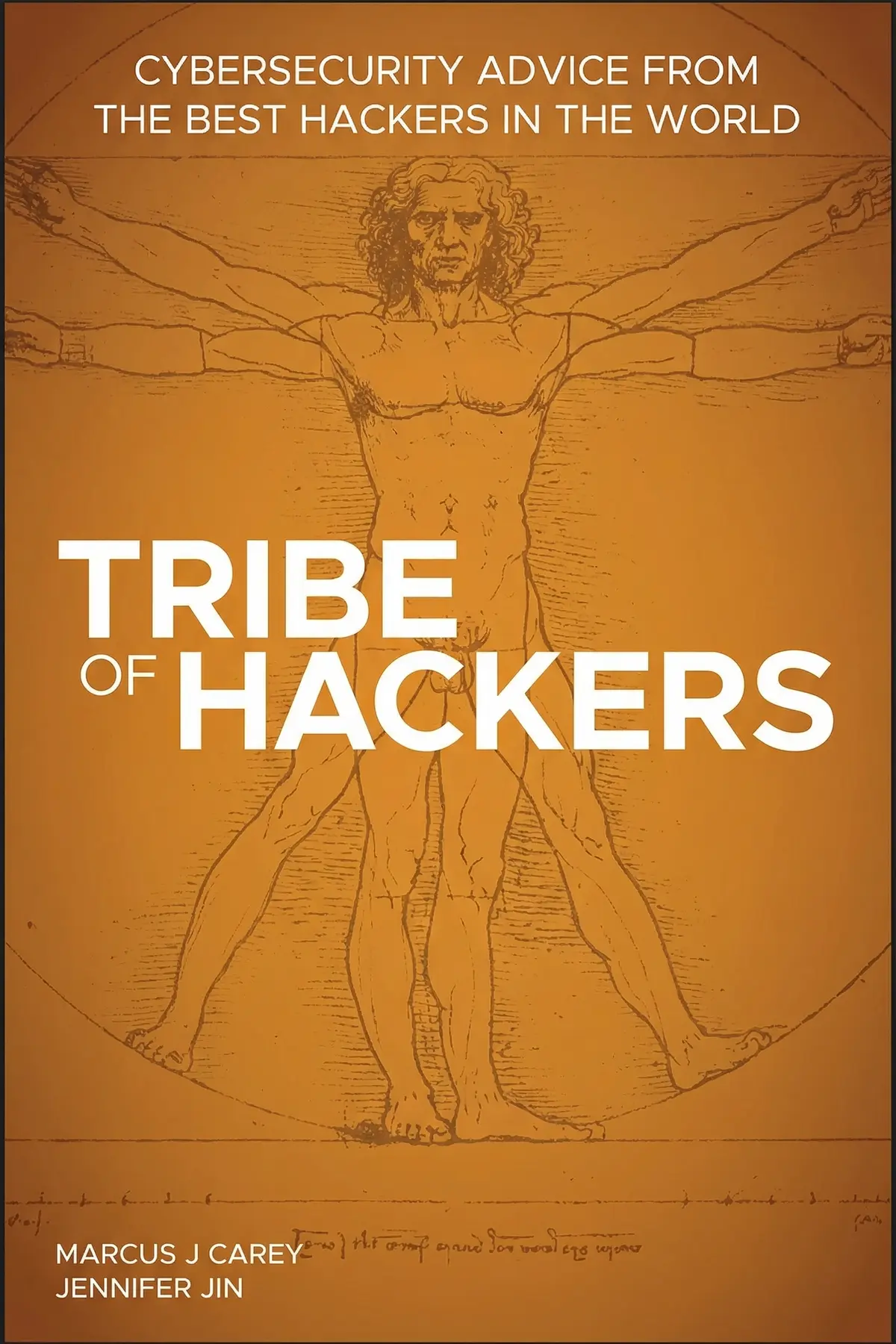
Table of Content
1. Introduction
1 min 15 sec
In the fast-paced and often secretive world of cybersecurity, there is a common image of the lone hacker working in a dark room. But the reality of the industry is much more collaborative, complex, and human than any movie could portray. This is the world of the digital defender, a community where the rules are constantly being rewritten and the stakes are incredibly high. Tribe of Hackers pulls back the curtain on this specialized world, gathering the collective wisdom of those who have spent decades on the front lines of digital warfare.
In this summary, we are going to explore the throughline that connects these diverse experts: the idea that cybersecurity is not just a technical challenge, but a social, professional, and cognitive one. We will look at why traditional education isn’t the only gatekeeper to success and how the most effective security strategies are often the simplest ones. We’ll also challenge the common defeatist attitude that hackers always have the upper hand. By the time we finish, you’ll have a clearer understanding of how to build a career in this field, how to protect your own digital life, and why the human element is actually our greatest strength rather than our weakest link. Let’s dive into the insights provided by some of the most respected minds in the business.
2. The Diverse Pathways to Cybersecurity Mastery
2 min 48 sec
Think you need a computer science degree to excel in security? These experts reveal why curiosity and community often matter more than formal credentials.
3. The Paradox of Security Spending and Cultural Awareness
2 min 35 sec
Why do massive security budgets often fail to stop breaches? Explore the hidden reasons why money isn’t a substitute for a security-focused culture.
4. The Power of Radical Simplicity in a Complex World
2 min 45 sec
In an era of high-tech threats, the most effective defenses are often the most basic. Discover why mastering the foundations is your best protection.
5. Reclaiming the Advantage for the Defenders
2 min 50 sec
It’s a common myth that hackers always have the upper hand. Learn why the terrain of cybersecurity actually favors a well-prepared defender.
6. Empowering the Human Element as a Security Asset
2 min 38 sec
Stop blaming ‘human error.’ Discover how proper training and a culture of kindness can transform people into your strongest line of defense.
7. Conclusion
1 min 35 sec
As we conclude our journey through the collective insights of the cybersecurity ‘tribe,’ the most important takeaway is that security is a human endeavor. We’ve seen that the path to success in this field isn’t paved with specific degrees, but with curiosity, community, and a willingness to learn. We’ve debunked the myth that massive spending is a shortcut to safety, realizing instead that radical simplicity and mastering the basics—like patching and two-factor authentication—are our most powerful tools.
We’ve also reframed the power dynamic of the digital world. By recognizing the ‘defender’s advantage’ and transforming our employees from ‘weak links’ into ‘active sensors,’ we can build organizations that are truly resilient. The overarching theme is clear: cybersecurity is not a problem to be ‘solved’ and then forgotten; it is a continuous process of growth, adaptation, and culture-building.
Moving forward, take a moment to look at your own digital life. Are you doing the simple things well? Are you staying curious? And most importantly, are you contributing to a culture of security and kindness in your own workplace? The wisdom of the tribe shows us that while the threats are real, they are not insurmountable. With the right mindset and a focus on the human element, we can navigate the digital age with confidence. Now, go forth and apply these lessons—not just to your passwords, but to your professional relationships and your approach to lifelong learning.
About this book
What is this book about?
Tribe of Hackers is a comprehensive collection of insights from the world’s most respected cybersecurity professionals. Rather than focusing on code or specific technical vulnerabilities, the book explores the high-level philosophy and practical habits that define success in the field. It tackles the most pressing questions facing the industry today, such as why massive security spending often fails to prevent breaches and how non-traditional backgrounds can lead to elite performance. The promise of this exploration is a complete reframing of what it means to be a security professional. You will learn that success in cybersecurity is as much about communication, business acumen, and curiosity as it is about technical prowess. The book demystifies the path to entry, provides actionable advice for securing home and corporate networks, and challenges the pessimistic view that defenders are always at a disadvantage. By absorbing the shared experiences of this diverse community, you gain a roadmap for navigating the complexities of the digital age with confidence and resilience.
Book Information
About the Author
Marcus J. Carey
Marcus J. Carey is a cybersecurity expert with over 20 years of experience in penetration testing, incident response, and digital forensics. He began his career in cryptography with the US Navy, holds a master's degree in Network Security, and founded the software services company Threatcare. Jennifer Jin is a graduate of the University of Texas at Austin and served as the Head of Communications at Threatcare, managing event planning and content marketing. She also serves on the National Board of the Alpha Kappa Delta Phi International Sorority.
Ratings & Reviews
Ratings at a glance
What people think
Listeners find the suggestions in this book highly beneficial, and one listener notes it acts as an excellent guide for InfoSec professional paths. Furthermore, the work earns praise for its clarity, and listeners enjoy the wide variety of different contributors featured. They also value the information security material, with one listener describing the title as a fantastic tool for gaining perspective on the industry.
Top reviews
Vera
Finally got around to cracking this open and I am genuinely surprised by how much I enjoyed the informal, conversational tone. It perfectly captures that "hallway-con" energy where you’re just soaking up wisdom from veterans who have been in the trenches for decades. I loved seeing names like Ming Chow and Lesley Carhart sharing their paths; it really humanizes a field that often feels cold and inaccessible. The life hacks and book recommendations—especially The Cuckoo’s Egg—add a personal touch that makes the contributors feel like real people rather than just avatars of security. My only minor gripe is that the Kindle formatting is a bit wonky with the pull quotes, but the quality of the insights more than makes up for it. This is an essential reference for anyone who wants to understand the culture of the tribe.
Show moreRapee
This book is basically a "Tribe of Mentors" specifically for the hacker community, and it works brilliantly. The diversity of the interviewees is its greatest strength, showcasing that the cybersecurity world is made up of people from all walks of life and academic backgrounds. I especially enjoyed the recurring mentions of Mr. Robot and how the pros view Hollywood’s portrayal of their craft. It’s a motivational powerhouse that reminds you why curiosity and perseverance are the most important tools in your arsenal. Some might find the repetition annoying, but I think it helps solidify the core principles that the industry agrees on. If you’re feeling burnt out or lost in your career, spending an hour with these "notable hackers" will definitely reignite your passion for the field. Truly a standout resource for the community.
Show moreViroj
Ever wonder how the top minds in security stay ahead of the curve? This book gives you a front-row seat to their thought processes. The "bang-for-the-buck" section in each interview is gold, especially for business leaders who are tired of throwing money at blinky boxes that don't actually stop breaches. I loved how the authors included people with different specialties, from threat hunting to social engineering, which gives a holistic view of the ecosystem. It's a fantastic resource for insights into the field that you just won't find in a standard certification guide or a college textbook. The passion of the contributors is palpable, and their book recommendations have already filled up my "to-read" list for the next year. This is easily one of the most readable and engaging books in my technical library.
Show moreChloe
As someone who is relatively new to the infosec scene, finding a roadmap that doesn't just focus on Python scripts or network protocols is incredibly refreshing. Marcus Carey has curated a diverse group of contributors who offer a bird's-eye view of what the industry actually looks like from the inside. While some of the responses feel a bit brief, the collective wisdom on how to climb the corporate ladder or decide between a degree and certifications is invaluable. I found myself highlighting the sections on interpersonal skills because technical talent alone clearly isn't enough in 2024. It’s less of a textbook and more of a mentor in your pocket, though the repetitive question format can get a little stale if you try to power through it in one sitting. Truth is, you’ll get the most value by jumping around to the names you recognize first.
Show morePraepimon
The chapter on Robert M. Lee alone was worth the price of admission for me. His take on why defenders actually have the upper hand was a refreshing counter-narrative to the usual doom and gloom we hear in the news. Carey and Jin have done a great job gathering a wide variety of voices, proving there isn't just one way to "make it" in this industry. I particularly liked the focus on how to gain expertise without necessarily needing a pile of expensive certifications, which is a message more newcomers need to hear. My main criticism is that some of the "life hacks" are a bit cheesy and don't really add much to the professional discourse. Still, the practical tips for home network security and IoT devices are excellent for sharing with non-technical friends. It’s a strong compilation that manages to be both informative and easy to digest.
Show moreIsabella
To be fair, the diversity of contributors in this volume is impressive and provides a much-needed look at the human side of hacking. I was particularly struck by Jayson E. Street’s perspective on how we shouldn't blame users for security failures, but rather focus on better training and culture. It’s these kinds of philosophical shifts that make the book more than just a list of tips and tricks. The writing style is very approachable, making it a quick read even though it’s a thick book with seventy different voices. My one complaint is that a few of the interviewees give very short, almost dismissive answers to some of the more complex questions. However, the majority of the content is thoughtful and provides a great look at the various paths available in the field today.
Show moreSiriphen
Picked this up for a class I’m taking, and it’s honestly one of the more enjoyable "textbooks" I’ve had to buy. It’s not a dry technical manual; instead, it’s a collection of stories and advice that feels very authentic to the hacker subculture. I found the discussion around the necessity of college degrees versus self-study and community involvement to be particularly relevant to my current situation. The contributors aren't afraid to share their mistakes, which makes the whole "expert" persona feel much more grounded and relatable. While the 14-question format leads to some inevitable redundancy, the variety of personalities keeps it from becoming totally boring. It’s a great way to get a feel for the industry before you commit to a specific career path. Definitely worth having on your shelf as a reference.
Show moreThitiwan
Look, the content here is solid but the presentation left me wanting a bit more editorial polish. While the diverse group of contributors provides a fantastic range of perspectives, the rigid interview format means you’re reading the same myths being debunked over and over again. To be fair, there is some great advice regarding two-factor authentication and the importance of soft skills, but you have to dig through a lot of fluff to find the real gems. It functions better as a coffee table book or a reference guide that you flip through occasionally rather than a book you read cover-to-cover. I appreciated the emphasis on "least privilege" and the reality check that more spending doesn't always equal fewer breaches. It’s an okay resource for beginners, but seasoned pros might find it a bit basic.
Show moreMalee
After hearing about "Tribe of Hackers" at several conferences, I had pretty high hopes for a deep dive into the industry. What I found was a bit more lightweight than I anticipated, as it’s essentially a transcript of several dozen written interviews. While it is a great reference for InfoSec careers, many of the answers feel recycled after you’ve read the first thirty chapters. You can definitely pick up on the "hallway-con" inspiration, which makes it feel very casual and accessible, but sometimes I wanted the authors to push back on the answers or ask for more detail. The advice to "be curious" is great, but it’s repeated so often it loses its impact by the end of the book. It’s a nice collection of viewpoints, but don’t expect a masterclass in technical security.
Show moreGai
Not what I expected given the high praise this gets in Reddit threads and LinkedIn circles. I found the structure incredibly tedious because every single interviewee is asked the exact same 14 questions, leading to a massive amount of overlap in the answers. Frankly, after the tenth person tells you to watch Sneakers or WarGames, you start wondering why this couldn't have just been a condensed series of blog posts. The "hallway-con" vibe the authors were going for unfortunately translates to a lot of dry, repetitive text that lacks a cohesive narrative thread. If you are looking for deep technical insights or a structured learning path, you are going to be disappointed by the surface-level nature of these interviews. It feels more like a collection of profile pieces than a book that provides actionable cybersecurity training.
Show moreReaders also enjoyed

21 Lessons for the 21st Century
Yuval Noah Harari



60 Seconds & You’re Hired!
Robin Ryan

AI 2041: Ten Visions for Our Future
Kai-Fu Lee


AUDIO SUMMARY AVAILABLE
Listen to Tribe of Hackers in 15 minutes
Get the key ideas from Tribe of Hackers by Marcus J. Carey, plus 5,000+ more titles in English and Thai.
- 5,000+ titles
- Listen as much as you want
- 7-day free trial
- Cancel anytime







