
Abortion: Our Bodies, Their Lies, and the Truths We Use to
Jessica Valenti
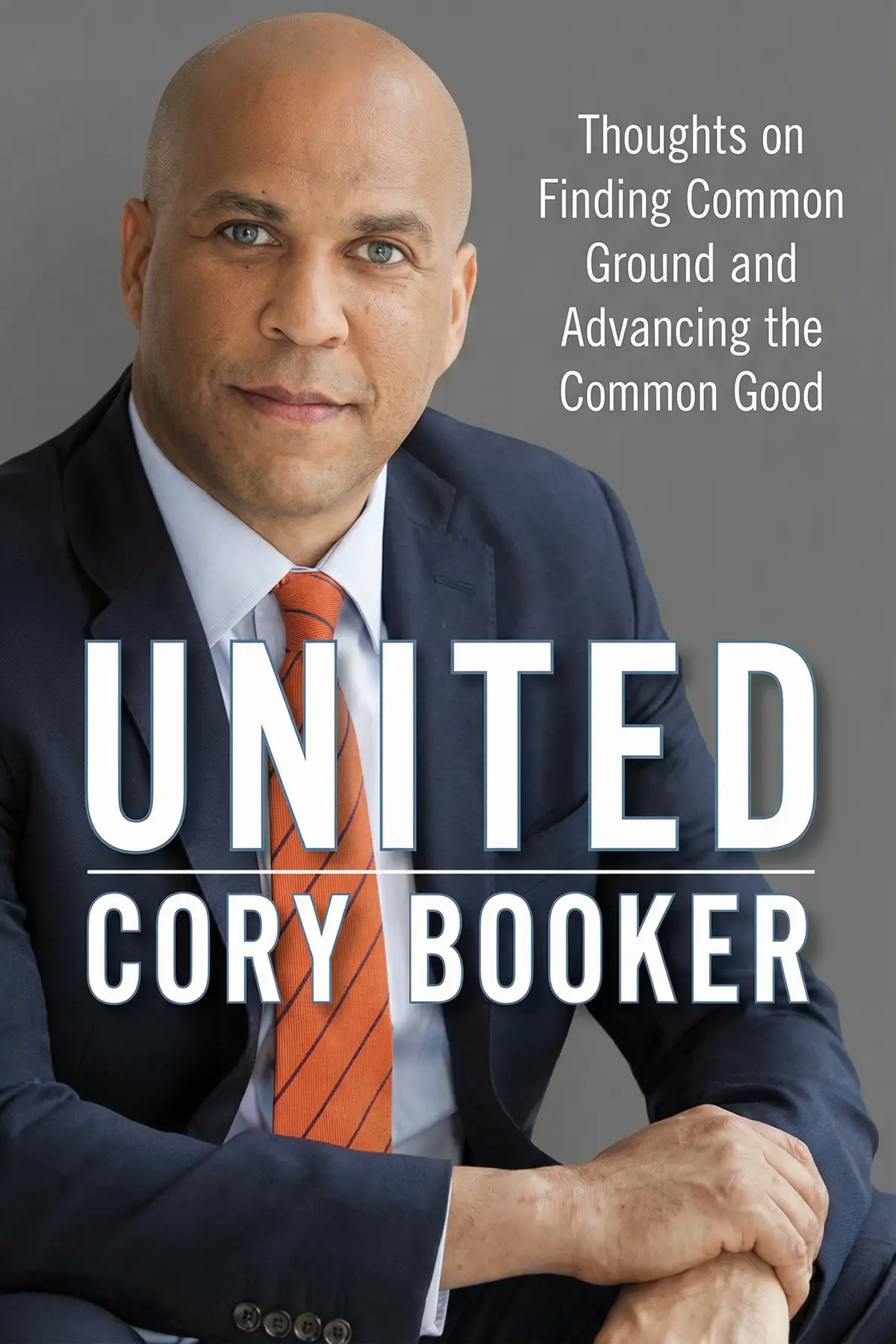
United explores how empathy and grassroots action can bridge political divides. Cory Booker shares personal stories and policy insights to argue that our shared humanity is the ultimate tool for social justice.
2 min 02 sec
In an era defined by sharp ideological boundaries and a political climate that often feels like a battlefield, the concept of national unity can seem more like a distant dream than a reachable goal. We are frequently told that we live in a country of ‘us versus them,’ where every debate is a zero-sum game and every neighbor is a potential adversary. But what if the path forward isn’t found in winning an argument, but in rediscovering our fundamental connection to one another?
This is the central inquiry of United, a reflection on the American experience from the perspective of Cory Booker. Before he was a national figure on the Senate floor, Booker was a young man who chose a path quite different from many of his Ivy League peers. Rather than heading straight for a high-stakes corporate career, he moved into some of the most challenging neighborhoods in Newark, New Jersey, seeking to understand the reality of those left behind by the American promise. Through these experiences, he developed a philosophy that is both deeply personal and broadly applicable: that we cannot achieve the common good until we first establish common ground.
Throughout this exploration, we will look at how our personal histories—even the messy, conflicting ones—bind us together. We will examine the ‘conspiracy of love,’ a generational hand-off of progress that requires us to pay our debts to the past by investing in the future. We’ll also confront the stark realities of a justice system that often fails the very people it should protect and see how the ripples of crime and poverty affect every member of society, not just those in the immediate line of fire.
This isn’t just a political manifesto; it is a story about the people who make a city breathe. From waitresses at 24-hour diners to local residents reclaiming vacant lots with nothing but a lawnmower and a sense of pride, the lessons here are about the power of the individual to spark collective change. As we dive into these insights, the throughline remains clear: our strength as a nation is not found in our uniformity, but in our ability to see our own struggles in the eyes of our neighbors. It is an invitation to move beyond the sidelines of history and join the difficult, beautiful work of building a more just and united world.
2 min 45 sec
Discover how a surprising look into ancestral roots and a tense housing standoff reveals the profound ways we are all interconnected, regardless of our perceived differences.
2 min 23 sec
Explore the powerful philosophy that our personal achievements are actually the result of countless sacrifices made by people we may never meet.
2 min 34 sec
Understand how a single act of violence or injustice creates a ripple effect that damages entire communities and costs the public more than we realize.
2 min 35 sec
Examine the alarming statistics of the American prison system and how our current approach to justice drains vital resources from the rest of society.
2 min 31 sec
Uncover the historical policies that created urban segregation and why fair access to a home is essential for dignity, safety, and economic mobility.
2 min 28 sec
Learn how the concept of environmental stewardship connects ancient Roman law to modern-day community gardens and why caring for the earth is a shared duty.
2 min 15 sec
Discover why working together is often more effective than working alone, illustrated by a dramatic tent protest that forced a city’s leadership to listen.
2 min 24 sec
Unpack the economic reality of low wages and the barriers to reentry for former inmates, showing how everyone pays for a system that undervalues its citizens.
1 min 23 sec
The challenges we face—whether they are rooted in the justice system, our failing infrastructure, or the deep political rifts that divide our neighborhoods—can often feel insurmountable. It is easy to retreat into cynicism or to wait for a grand, national solution that may never come. But as we have seen through the life and work of Cory Booker, the path toward a more united society is paved with something much simpler: the decision to ‘do something.’ This doesn’t mean you have to run for office or lead a massive movement. It means recognizing that you are part of a ‘conspiracy of love’ that requires your active participation.
The throughline of these lessons is that our common destiny is non-negotiable. We are connected by our history, by the economy, and by the very air we breathe. When we choose to see and listen to one another, as Frank Hutchins did with the tired residents of Newark, we perform an act of profound justice. Real change is the accumulation of small, intentional acts—picking up trash, mentoring a local student, or simply refusing to accept that another person’s struggle is not your concern.
As you move forward, carry with you the question that guided Booker: What would you do if you knew you could not fail? Use that clarity to find your place in the work of unity. The common good is not a destination we reach; it is a practice we engage in every day. By starting small and starting now, we begin to turn the dream of a united people into a lived reality.
United is a call to action that combines personal memoir with a blueprint for national healing. Written by one of America’s most prominent political figures, the book traces Cory Booker’s journey from a young law student moving into Newark’s public housing to his time as a mayor and senator. At its heart, the book is about the power of connection and the necessity of looking past superficial differences to find our common destiny. Booker challenges the reader to move beyond the cynicism of modern politics by embracing what he calls a conspiracy of love. He outlines the systemic failures of the American criminal justice system, the historical roots of housing inequality, and the economic costs of poverty. However, he doesn't just offer a list of grievances; he provides a promise of what is possible when communities organize and individuals take responsibility for one another. Through stories of local heroes and hard-won political battles, the book illustrates that lasting change is built through small, intentional acts of service and a steadfast commitment to the common good.
Cory Booker is a prominent American leader who has served as a United States Senator representing New Jersey. A graduate of Stanford University and a Rhodes Scholar, he furthered his education by earning a law degree from Yale University. Before his tenure in the Senate, Booker served on the Newark City Council and later served as the city’s mayor, where he gained national attention for his hands-on approach to urban governance. Notably, the Wall Street Journal highlighted his rare achievement as only the twenty-first person in American history to transition directly from a mayoral office to a Senate seat. He was also a candidate in the 2020 Democratic presidential primary.
Listeners find the material both compelling and easy to digest, valuing the personal glimpses into Cory Booker's experiences. They appreciate the book’s uplifting message, as one listener points out how it embodies a sense of community, while another emphasizes its attention to the interconnectedness of humankind. Listeners commend the caliber of writing, the narrative style, and the way it encourages deep thought, with one review mentioning that it expertly interweaves stories with policy.
Wow. This book hit me much harder than I expected from a standard political memoir. Cory Booker doesn't just list achievements; he weaves together these incredibly moving stories about the people who shaped his worldview in Newark. The central message about our shared humanity and the "interconnectedness" of our struggles really resonated with me during a time when everything feels so polarized. I loved the advice from his mother to "do something" when you're feeling lost. It’s a call to action that feels both humble and urgent. While it's true he quotes a lot of other thinkers, it felt like he was building a bridge between his experiences and a broader philosophical tradition. This is exactly the kind of hopeful storytelling we need more of in leadership today.
Show moreFinally got around to this and I'm so glad I chose the audiobook narrated by Booker himself. His passion is infectious! He has this way of making you feel like your "corner of the world" actually matters. The stories about his early days in public housing are vivid and remind us that leadership is about showing up and listening, not just giving speeches. It’s a very readable, engaging look at how we are all linked together. I can see why people call him a real-life hero. Truly one of the good guys in politics.
Show moreEver wonder what happens when an Ivy League grad decides to actually live in the community he wants to serve? This book provides a beautiful, albeit sometimes painful, answer. I was particularly moved by the stories of the mentors he found in the apartment buildings of Newark. Booker captures the spirit of community in a way that makes you want to go out and meet your neighbors immediately. The central theme of our "interconnectedness" isn't just a theory here; it’s a lived experience. It’s expertly written, interweaving his personal growth with broader social lessons. Look, he might be a politician, but his heart for the poor and the incarcerated feels incredibly authentic in these pages. It’s the kind of book that leaves you feeling empowered rather than just depressed about the state of the country.
Show moreDirect opinion: This is more than just a political memoir; it’s a philosophical guide to finding common ground. Booker’s storytelling is top-notch, and he makes complex issues like the judicial system feel very personal and accessible. I appreciated his willingness to admit his own "course corrections" along the way. While there were a few times I felt like he was "preaching at me," the overall message of empathy and collective action is hard to argue with. It’s a thought-provoking read that expertly interweaves policy with the lived reality of the people Booker serves. Even if you don't agree with all his politics, his commitment to his "corner of the world" is truly inspiring.
Show moreUnited is essentially a generous, heart-felt thank you letter to everyone who ever influenced Booker’s journey. His story is humble and filled with the kind of hope that feels necessary when the news is consistently bleak. I loved how he highlighted the wisdom of his elders and the strength of the Newark community. The book is incredibly readable and does a great job of showing how we are all linked together regardless of our background. He addresses the "war on drugs" and systemic racism with a clarity that is both devastating and motivating. It captures the spirit of community perfectly. I came away feeling that if we could all just "do something" in our own neighborhoods, we might actually find the common ground he talks about. Truly an amazing read.
Show moreThe chapter on Newark's East Ward really stands out as the heart of this book. Booker manages to interweave complex policy discussions regarding criminal justice reform with raw, humanizing anecdotes about his neighbors. You get a sense of his "young naivete" early on, and it’s refreshing to see a politician admit where they were wrong or where they failed to listen. To be fair, the structure can feel a bit repetitive at times, almost like a collection of essays that haven't been fully smoothed out into a single narrative arc. Some sections feel like they are "preaching to the choir," and the frequent quoting can occasionally bog down the flow of his own voice. However, his dedication to finding common ground is undeniable and deeply inspiring. It’s a solid read for anyone curious about his trajectory from Stanford to the Senate.
Show moreAs someone who follows criminal justice reform closely, I found Booker’s insights into the "war on people" to be particularly poignant. He does an excellent job explaining how mandatory minimums and a lack of second chances trap people in a cycle of recidivism. The way he ties these large-scale systemic issues to the individual faces he met in Newark is quite powerful. I wish he had spent more time addressing the failed education experiments or the corporate contributions that critics often point to, as that would have added more balance. Still, his call for "common ground" feels genuine and not just like a political talking point. It’s an accessible read that doesn't shy away from the harsh realities of urban poverty while remaining stubbornly optimistic. Definitely a worthwhile look at the man behind the Twitter handle.
Show moreNot what I expected given the hype surrounding Booker’s public persona. I really wanted to like this more because I respect his work on housing and food justice, but the execution felt a bit clunky. Truth be told, the editing is noticeably rough in places—there are repeated phrases and some punctuation choices that pulled me out of the narrative. It feels like he’s holding back on the really personal stuff, like his own background or the specific political battles he faced as mayor. Instead, we get a lot of quotes from other people and a repetitive loop of "I was wrong, then I learned." It started to feel less like a cohesive book and more like a series of disjointed speeches. I appreciate the sentiment of unity, but I found myself wishing for more of his unique, personally developed views on the "Booker hype machine."
Show morePicked this up because I’ve always been curious about Booker’s rise, but the organization of the book was a bit strange to me. It jumps from his early foundation in Newark straight to the Senate, leaving out a lot of the meaty details of his time as mayor. I felt like I was reading "Audacity of Hope" when I really wanted "Dreams from My Father." He reflects on his "young naivete" well enough, but I wanted him to look just as critically at his later policies and campaigns. To be fair, the writing is engaging and moves at a good clip, but the repetitive recapping of events across chapters made it feel less like a cohesive book. It's a decent introduction to his philosophy of unity, but it leaves some of the most interesting parts of his political journey on the cutting room floor.
Show moreAfter hearing him speak so eloquently on TV, I was disappointed by the actual depth of this book. It’s far too heavy on the "preachy" tone and light on actual policy substance. Each chapter seems to cycle through the same frustrations without offering new solutions or reflecting on his own controversial moves as mayor. Frankly, it felt like an extended campaign brochure rather than an authentic memoir. He mentions his Rhodes Scholarship and Yale Law degree, but then spends the whole time talking about how little he knew, which starts to feel like a calculated humble-brag after the tenth time. The constant quoting of civil rights leaders felt like it was filling space because he didn't want to dive into the messy details of the "Booker hype machine." It’s okay if you want a feel-good read, but I wanted something more rigorous.
Show moreJessica Valenti

Virginia Woolf

Yanis Varoufakis
Yuval Noah Harari
Jacinda Ardern
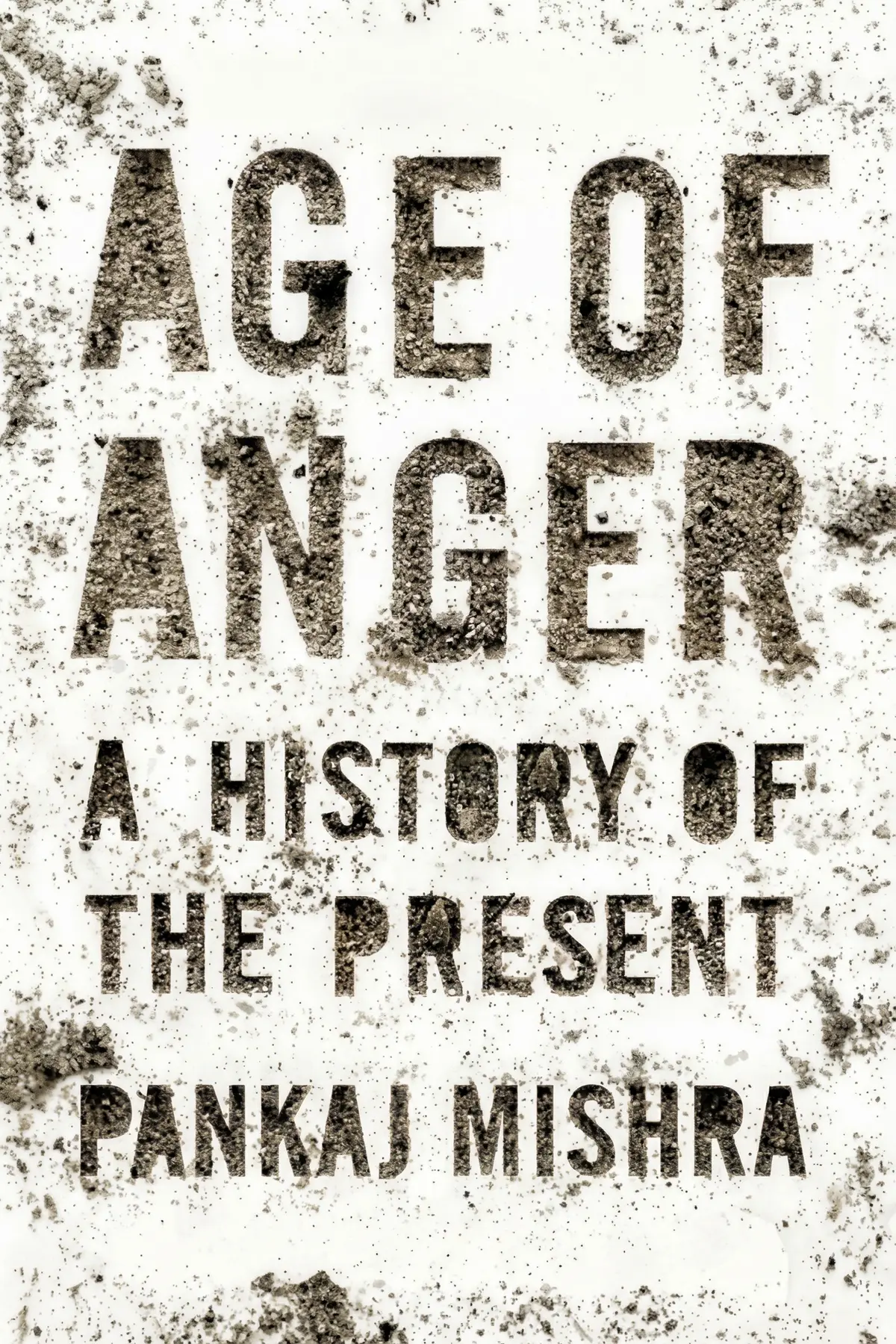
Pankaj Mishra
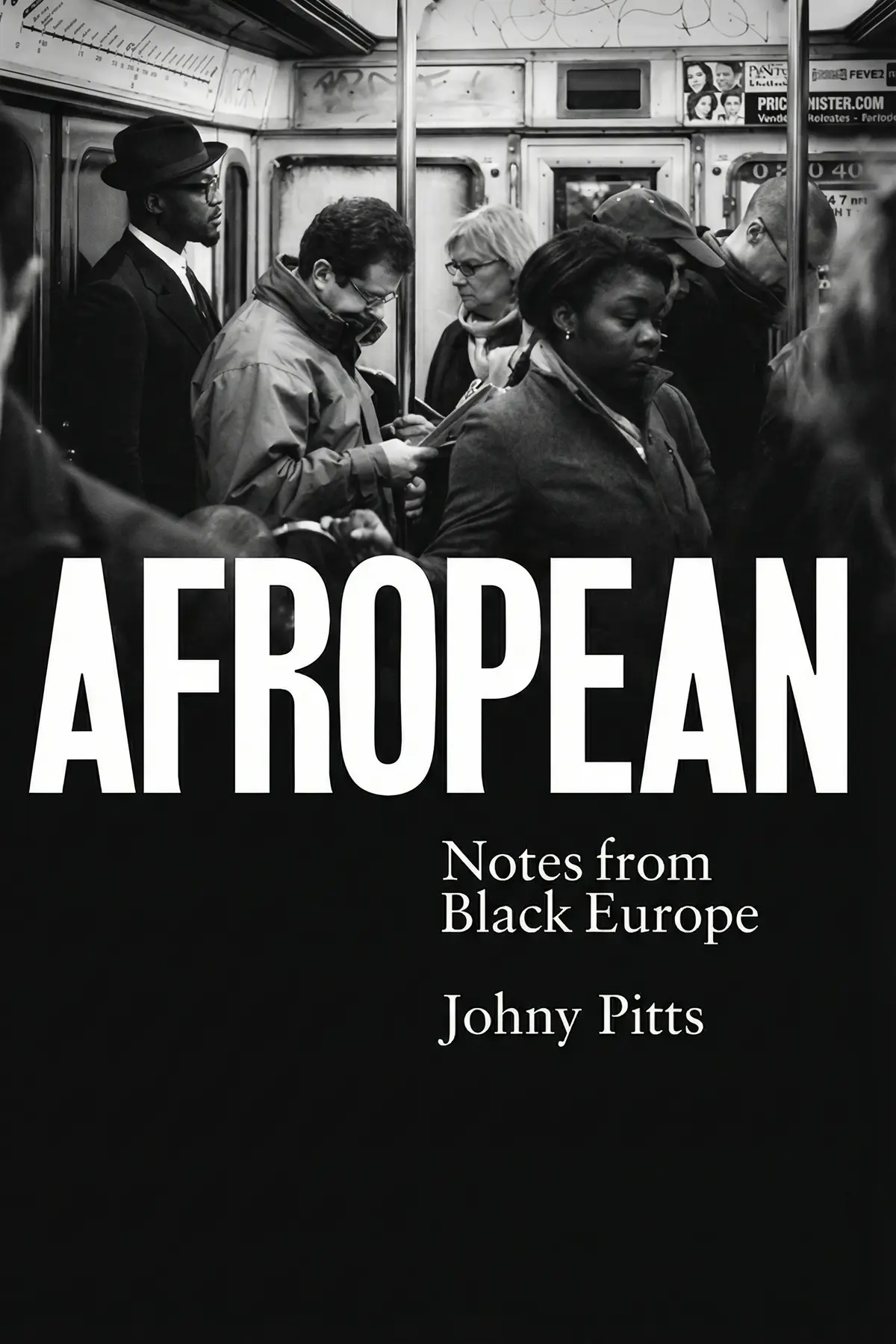
Johny Pitts
AUDIO SUMMARY AVAILABLE
Get the key ideas from United by Cory Booker, plus 5,000+ more titles in English and Thai.







