
22 min 24 sec
Unlearn: Let Go of Past Success to Achieve Extraordinary Results
Master the art of letting go. Unlearn explores why past success creates future traps and provides a system to reset your mindset for continuous growth in a rapidly changing market.
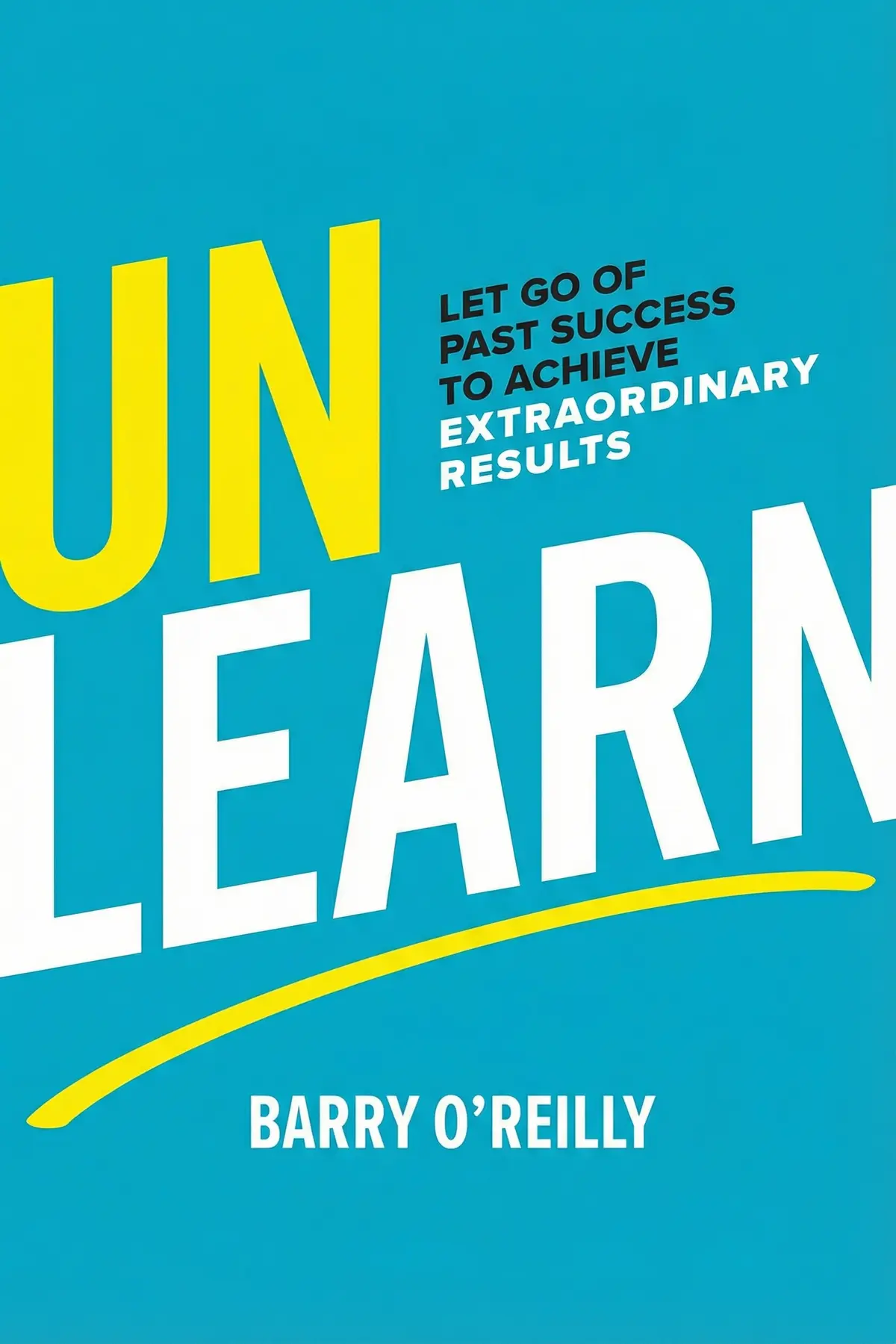
Table of Content
1. Introduction
2 min 09 sec
Imagine a moment in your career where everything seemed to click. Every decision you made felt like a masterstroke. You were meeting every challenge with the perfect strategy, and your stakeholders were constantly impressed by your ability to innovate and deliver. In those moments, it feels like you have cracked the code for success. You believe that as long as you keep doing exactly what you are doing, the trajectory will stay upward. But then, something subtle shifts. The growth slows down. The once-groundbreaking solutions start to yield mediocre results. You try to push harder, doubling down on your proven methods, but the needle doesn’t move. In fact, it might even start moving backward.
This plateau is a common and painful experience for leaders across every industry. The natural response is to assume you are not working hard enough or that you need more information. However, the reality is often the opposite. The very strategies that brought you to the top have become your greatest liabilities. They have hardened into habits and assumptions that are no longer suited to the current environment. To move forward, you don’t need to learn more; you need to do something much more difficult: you need to unlearn.
Unlearning is not about forgetting your history or dismissing the wisdom you have gained through experience. Instead, it is the intentional process of identifying and letting go of beliefs and practices that have outlived their usefulness. It is about clearing the mental space required to take in new information and test new approaches. In a world where the pace of change is accelerating, the ability to unlearn is becoming the ultimate competitive advantage.
In the following sections, we will explore the three-phase Cycle of Unlearning. We will look at how top-tier performers in sports and business use this system to reinvent themselves when their performance dips. We will examine the internal barriers—like ego and fear—that keep us tethered to the past. And finally, we will see how shifting your leadership style and your relationship with your customers can create a culture of continuous innovation. By the end of this journey, you will have a roadmap for staying relevant and effective, no matter how much the world changes around you. Let’s begin by looking at the specific system that allows for this transformation.
2. The Cycle of Unlearning
2 min 27 sec
When performance hits a wall, the solution isn’t just working harder. Discover how a three-phase system can help you reset your mindset.
3. Internal Obstacles to Change
2 min 23 sec
Our biggest hurdles often come from within. Learn how to identify the mental blocks that prevent us from seeing new opportunities.
4. Letting Go of Yesterday's Wins
2 min 07 sec
The first step of the cycle is identifying what to discard. Explore how to set clear goals and embrace the unknown.
5. Relearning Through Small Steps
2 min 15 sec
Big changes don’t happen all at once. Discover why the second phase of the cycle relies on micro-goals and measurable statements.
6. The Power of the Breakthrough
2 min 08 sec
Insight comes from reflection. Learn how to use the breakthrough phase to evaluate progress and refine your strategy.
7. Modernizing Your Leadership Style
2 min 14 sec
Command-and-control is a relic of the past. Discover how to empower your team by shifting from manager to facilitator.
8. Direct Customer Engagement
2 min 13 sec
Are you making decisions based on reports or reality? Learn why unfiltered feedback is the key to unlearning false assumptions.
9. Rethinking Product Development
2 min 13 sec
Don’t wait until launch to see if your product works. Explore how involving users early can prevent massive failures.
10. Conclusion
2 min 15 sec
The journey of unlearning is not a path with a final destination; it is a way of being in the world. By embracing the Cycle of Unlearning as a core part of your professional life, you are choosing to remain a student of your craft, no matter how much success you achieve. You have seen how even the most talented performers, like Serena Williams and Andy Grove, had to let go of their past wins to reach new heights. You have learned that the internal barriers of ego and fear are often more significant than any external challenge, and that the only way to overcome them is through humility and a willingness to be wrong.
As you move forward, remember that the most effective way to implement these ideas is to start small. Don’t try to overhaul your entire organization or your whole career in a single day. Instead, look for one specific area where you are currently stuck. Write your ‘unlearn statement.’ Identify one tiny experiment you can run this week. Celebrate the result, learn from it, and then take the next step. If you are a leader, look for ways to step back and let your team take the lead. Listen to your customers directly, without the filter of reports and summaries.
A practical way to start this process right now is to seek out a trusted colleague for feedback. Ask them to rate your ability to achieve a specific goal on a scale of one to ten. Then, ask the hard questions: which of your current behaviors are helping you move toward that goal, and which ones are standing in your way? This kind of honest outside perspective is invaluable for spotting the habits you need to unlearn. Pick one behavior they identify as a barrier and make a commitment to change it immediately.
The world will continue to change at an ever-increasing pace. The strategies that work today will inevitably become the obstacles of tomorrow. But if you possess the courage to unlearn, the curiosity to relearn, and the persistence to pursue breakthroughs, you will not just survive these changes—you will thrive because of them. You will become a leader who is defined not by what you know, but by how well you can adapt. That is the true secret to delivering extraordinary results consistently and for the long term.
About this book
What is this book about?
Many leaders find themselves stuck on a performance plateau, unable to understand why the strategies that once brought them fame and fortune are suddenly failing. The problem isn't a lack of effort; it's the weight of outdated knowledge. This book provides a clear, actionable framework for breaking out of this cycle. By focusing on the Cycle of Unlearning—which consists of unlearning, relearning, and achieving breakthroughs—individuals and organizations can adapt to new challenges with agility. You will explore how the highest achievers, from world-class athletes to tech giants, intentionally discard old habits to make room for new insights. The promise is a path to consistent, extraordinary results by embracing discomfort, empowering teams, and staying deeply connected to customer needs. It is a guide for anyone who realizes that what got them here will not necessarily take them where they want to go next.
Book Information
About the Author
Barry O’Reilly
Barry O’Reilly is an author and business advisor. He works with leaders to empower teams to follow new business models that lead to deeper insight and higher performance. He is the co-author of Lean Enterprise: How High Performance Organizations Innovate at Scale, which was named a must-read for leaders by the Harvard Business Review.
Ratings & Reviews
Ratings at a glance
What people think
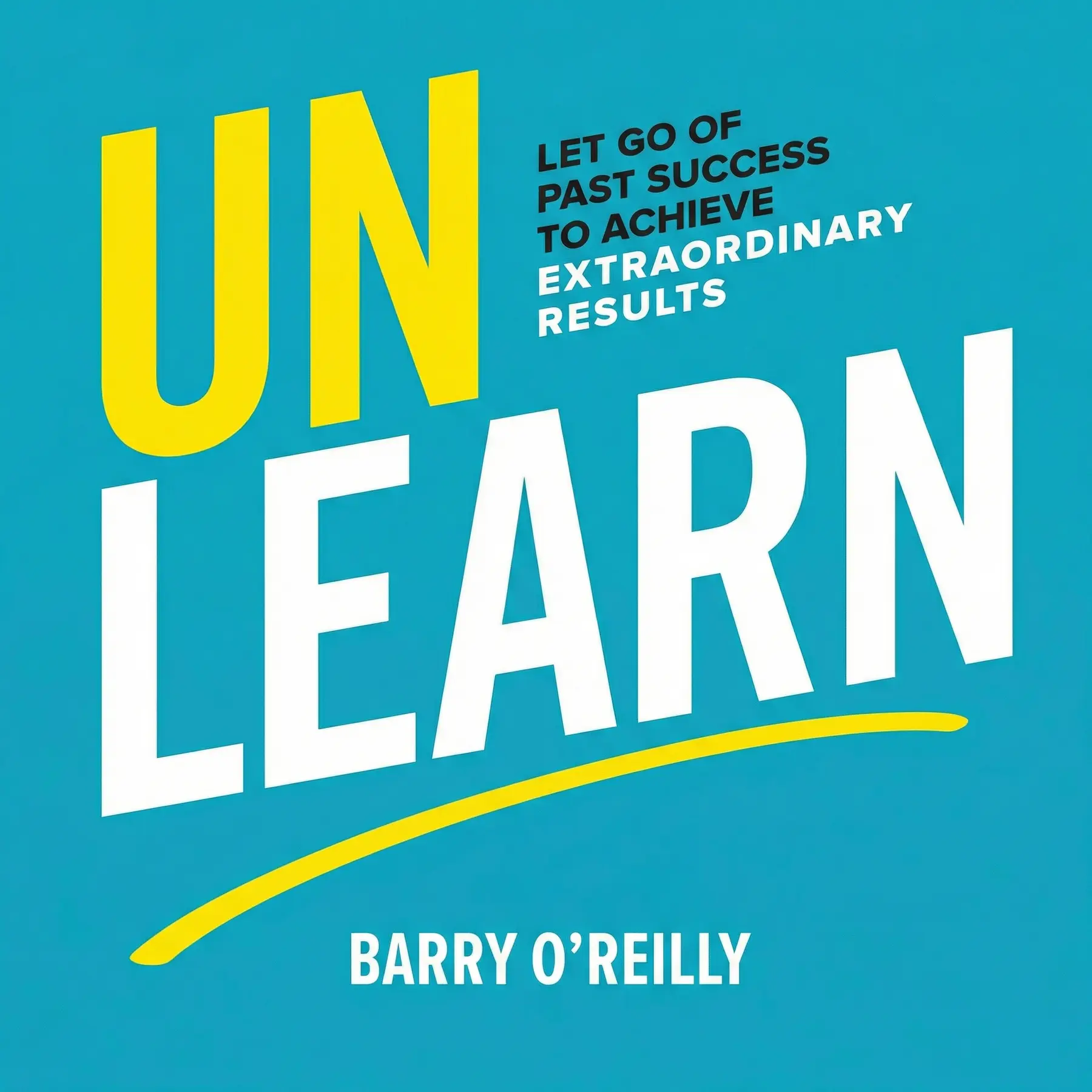
Listeners find the book accessible and highly useful, featuring many stories they can relate to throughout. Furthermore, they appreciate how it instructs people to let go of poor habits, with one listener describing it as a valuable tool for driving a learning mindset in organizations. They also value the straightforward methodology, as one listener points out the distinct framework while another remarks on how it encourages people to choose courage over comfort.
Top reviews
Rome
After hearing Barry O'Reilly speak at a conference a few years back, I knew I had to pick this up. The core premise is that our past successes often become the very things that block our future growth. Truth is, we get so attached to the methods that worked once that we stop questioning them. I loved the Serena Williams case study because it shows that even the world's best athletes have to strip back their mechanics to reach the next level. The writing is incredibly accessible, avoiding the dense jargon you usually find in business manuals. While some might find the repetition a bit much, I think it serves to drive home the necessity of the 'Cycle of Unlearning.' It’s a great tool for anyone trying to cultivate a more adaptive mindset in a fast-paced environment. Choose courage over comfort—that's the real takeaway here.
Show moreConnor
Finally got around to finishing 'Unlearn' and the most striking takeaway for me was the concept of generative culture. Barry references Ron Westrum’s models of organization, and it really clicked why some of my previous projects failed despite having great talent. If you don't have high cooperation and a performance-oriented mindset, you're just spinning your wheels. The book is incredibly practical and offers a clear framework for breaking bad habits that we don't even realize we have. I found the stories about NASA and Serena Williams to be great anchors for the theory. It’s the kind of book that makes you want to immediately change how you run your Monday morning meetings. If you’re trying to drive a learning mindset in a rigid organization, this is a fantastic resource. Highly recommended for leaders at all levels.
Show moreThitiwan
The chapter on the Roman Empire really stuck with me because it reframed the idea of success as a potential trap. We often think that because the Romans were masters of the world, they were rigid, but O'Reilly points out they actually abandoned their own practices the moment they found better ones. That’s a powerful lesson for modern leadership. This book provides a very simple framework for identifying where you’re stuck and how to break through those mental plateaus. I appreciated the emphasis on 'safe-to-fail' environments, as most companies punish mistakes so heavily that unlearning becomes impossible. The stories are relatable and help ground the more abstract ideas of 'generative culture.' It isn't a long read, but it's a practical one that I've already started recommending to my team to help them let go of outdated workflows.
Show morePhimwan
Picked this up during a particularly stagnant period at my startup, and the timing couldn't have been better. We were stuck in a bureaucratic loop, and Barry’s breakdown of psychological safety really hit home. I’ve seen him talk about these concepts before, but seeing them laid out as a repeatable system was helpful. Look, it’s not reinventing the wheel, but it does provide a clear mirror to show you why you’re failing. The mention of Google’s five vital qualities for teams was a great touch, reminding us that dependability and impact start with feeling secure enough to admit we don't have all the answers. My only gripe is that it can feel a bit repetitive in the middle sections. Regardless, it’s a solid add-on for anyone trying to foster a genuine learning mindset in their organization.
Show moreMingkwan
Ever wonder why those strategies that worked like magic five years ago are suddenly falling flat today? That's the central question Barry O’Reilly tackles, and he does it with a lot of heart and practicality. He suggests that the biggest obstacle to innovation isn't a lack of new ideas, but an inability to let go of old ones. This isn't just about corporate strategy; it feels deeply personal. I loved the distinction between an attachment to the past and a fear of the future—very Marie Kondo-esque. The 'Cycle of Unlearning' provides a relatable path for leaders who are brave enough to step out of their comfort zones. It’s a highly practical guide that values action over just 'thinking differently.' While a few sections felt a bit bloated, the overall message is vital for anyone operating in a disruptive market.
Show moreUdom
As someone who has been in change management for over a decade, I found the emphasis on individual disruption quite refreshing. We always talk about 'disrupting industries,' but Barry reminds us that it’s actually the individuals who get disrupted first. The book is a simple approach to a very complex problem: how do we stay relevant when the world moves faster than our habits? I appreciated the focus on 'starting small' while thinking big, which prevents taking those unrecoverable risks that terrify most executives. Some of the points felt a little redundant by the end, but the core message about choosing courage over comfort is something every leader needs to hear periodically. It’s a solid 4-star read that provides plenty of relatable stories to use in my own workshops.
Show moreRatchada
Wow, this book really challenges the ego-driven idea that we always need more information to succeed. In a world drowning in data, Barry argues that the real competitive advantage is knowing what to discard. It’s a short, punchy read that focuses on the behaviors that limit our success rather than just the skills we lack. I liked the focus on reflection and scaling results, as those are usually the first things to go when a team gets busy. The writing is casual and the framework is easy to follow. Not gonna lie, I was skeptical about the title at first, but the 'Cycle of Unlearning' actually makes a lot of sense once you see it applied to these high-stakes case studies. It’s a great add-on for anyone looking to build a more resilient, adaptive team.
Show moreSumalee
Is it just me, or does the word 'unlearn' feel like a fancy way of saying 'change your mind'? I went into this expecting some deep, neurological deep-dive into habit formation, but it’s more of a high-level business strategy book. Barry is clearly knowledgeable, and his work on Lean Enterprise was foundational, yet this felt like it was stretched a bit thin. Much of the advice revolves around the idea that we need to test and iterate, which isn’t exactly a revolutionary concept if you’ve spent any time in the Agile world. Frankly, the book could have been half its length without losing any of the core impact. It’s a decent read for a beginner who needs a push to try new things, but for veterans, it might feel like a collection of existing concepts packaged in a new wrapper. Not a bad book, just not the 'raw meat' I was hoping for.
Show moreSue
To be fair, Barry has a very approachable writing style that makes the concepts easy to digest in one sitting. I finished the book in about two evenings. It’s a good read if you’re looking for some quick inspiration or a way to kickstart a conversation about change in your office. However, if you are looking for a deep, academic study on organizational behavior, you might find this a bit shallow. It leans heavily on anecdotes and high-level summaries of other books like B.J. Fogg’s work. The 'unlearn, relearn, breakthrough' system is a nice mnemonic, but it doesn't offer much in the way of granular, step-by-step implementation. Personally, I think it works best as a motivational piece rather than a rigorous manual. It’s 3.5 stars for me, rounded down because I expected a bit more 'meat' given the author’s reputation.
Show moreLucas
Not what I expected from the author of Lean Enterprise, unfortunately. I’ve followed Barry’s work for a while and found his previous insights revolutionary, but this book felt more like a long-form essay that was forced into a 200-page format. To me, unlearning should mean actively purging knowledge, but the book mostly describes just... learning new ways of doing things? It feels like a triumph of form over content. I struggled to find any truly original ideas here that haven't been covered better in other Lean or Agile literature. The case studies like NASA and IAG are interesting enough, but they don't quite save the book from feeling redundant. I stopped about halfway through because I felt I had already gotten the gist. It might work for someone brand new to business theory, but for me, it was a bit of a letdown.
Show moreReaders also enjoyed
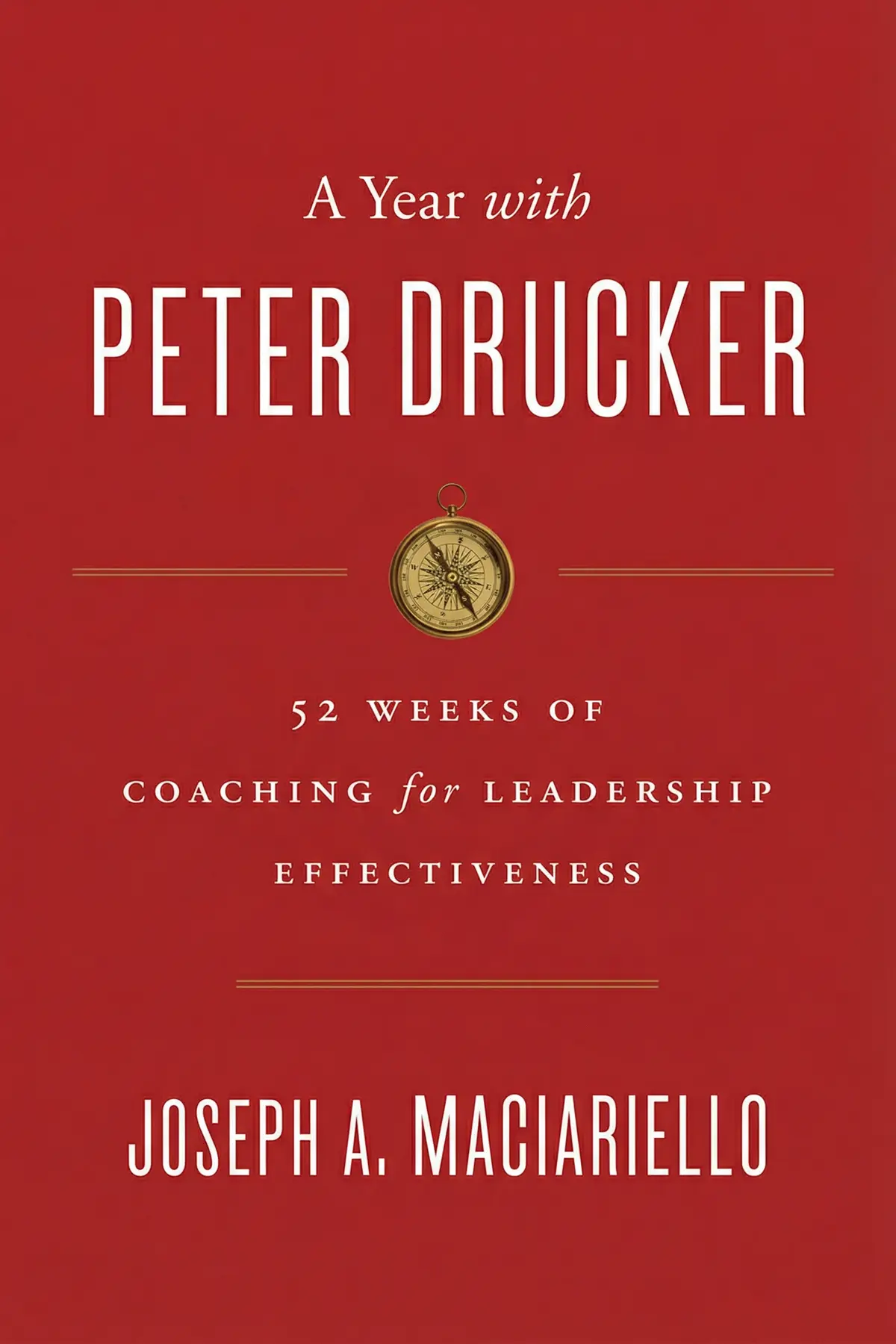
A Year with Peter Drucker: 52 Weeks of Coaching for Leadership Effectiveness
Joseph A. Maciariello

Acting with Power: Why We Are More Powerful Than We Believe
Deborah Gruenfeld
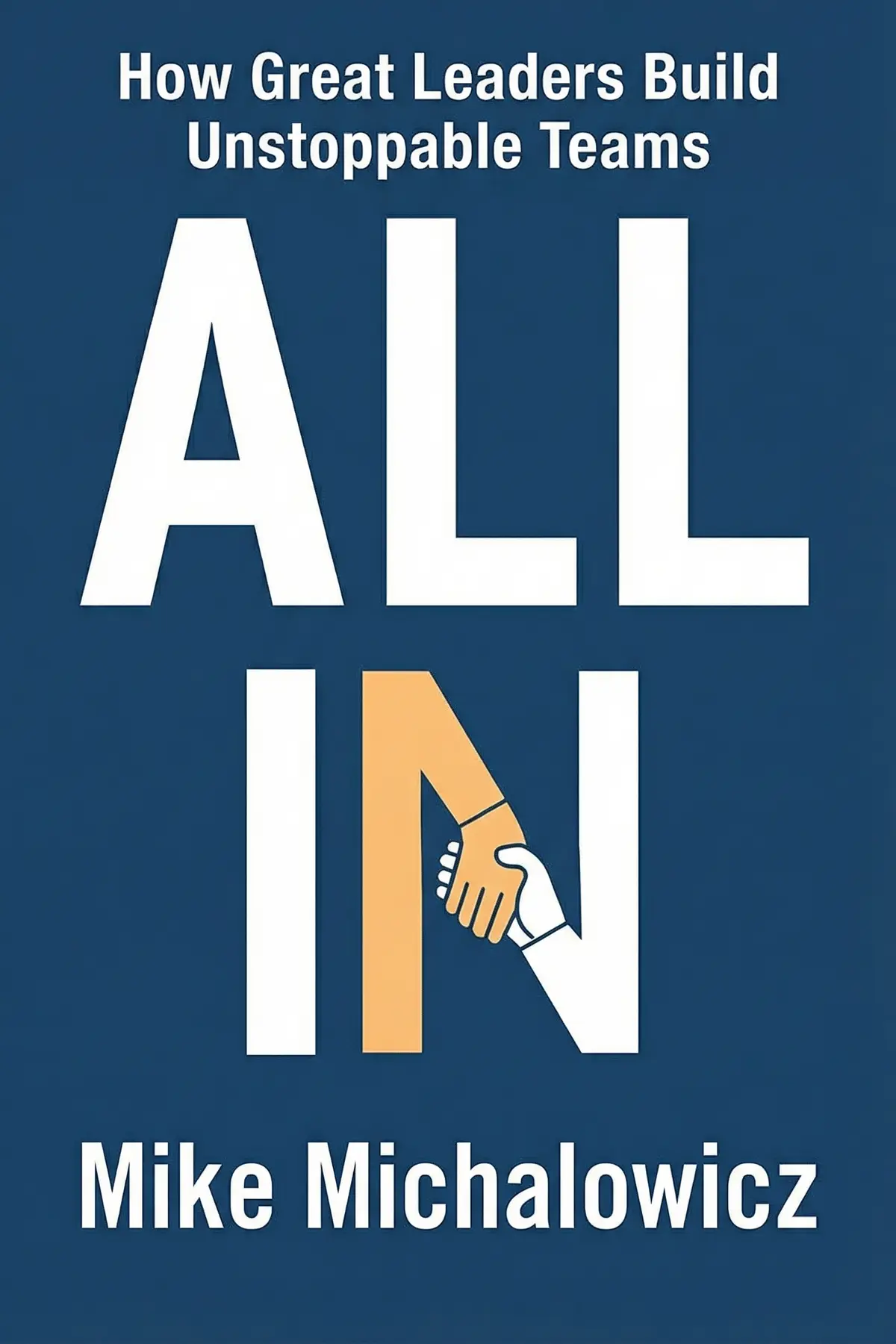
All In: How Great Leaders Build Unstoppable Teams
Mike Michalowicz
7 Powers: The Foundations of Business Strategy
Hamilton Helmer
AUDIO SUMMARY AVAILABLE
Listen to Unlearn in 15 minutes
Get the key ideas from Unlearn by Barry O’Reilly, plus 5,000+ more titles in English and Thai.
- 5,000+ titles
- Listen as much as you want
- 7-day free trial
- Cancel anytime







