
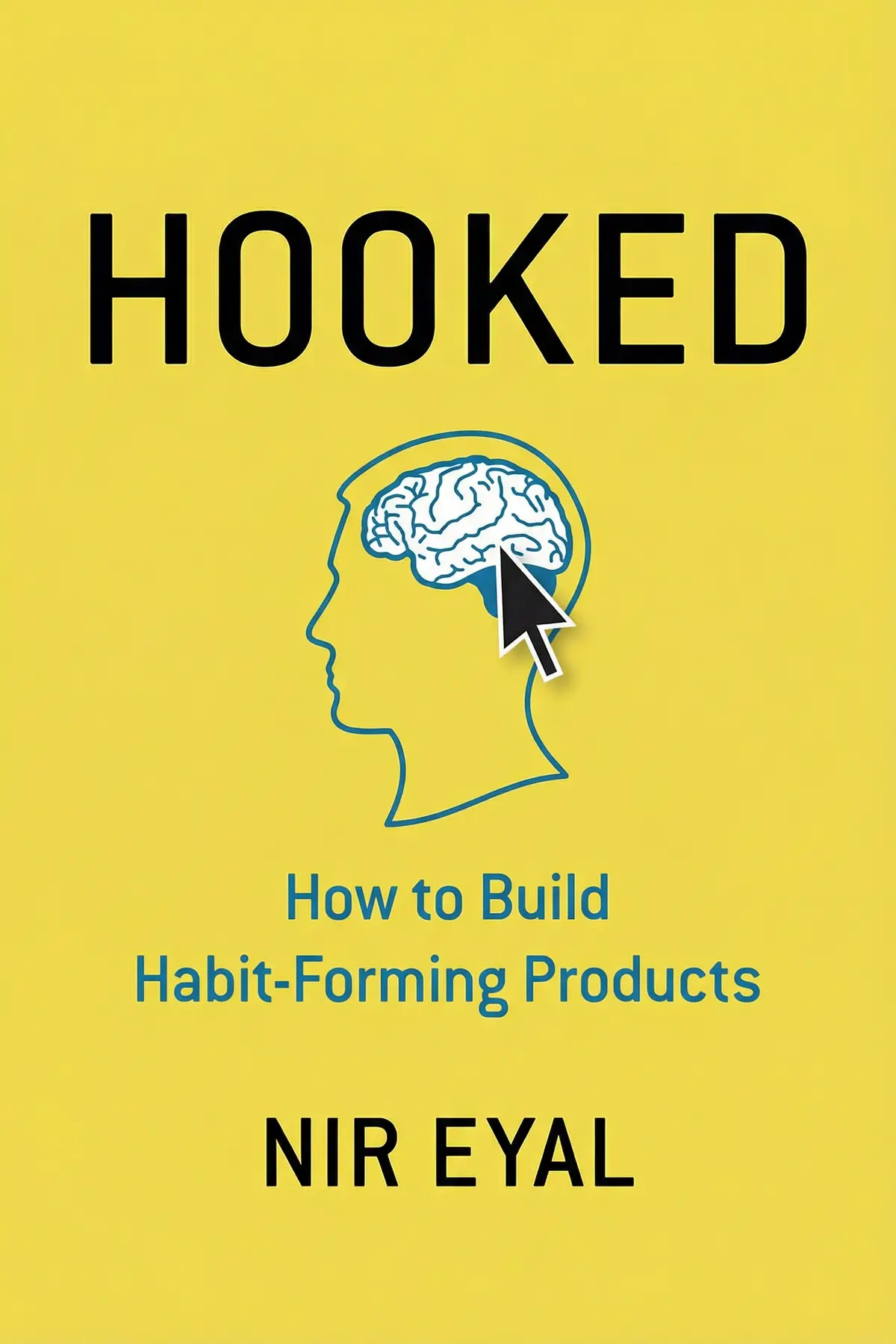
12 min 59 sec
UX Strategy: How to Devise Innovative Digital Products That People Want
By Jaime Levy
UX Strategy explores the intersection of business goals and user-centered design, providing a framework for creating innovative digital products that solve real problems while maintaining a competitive market edge.
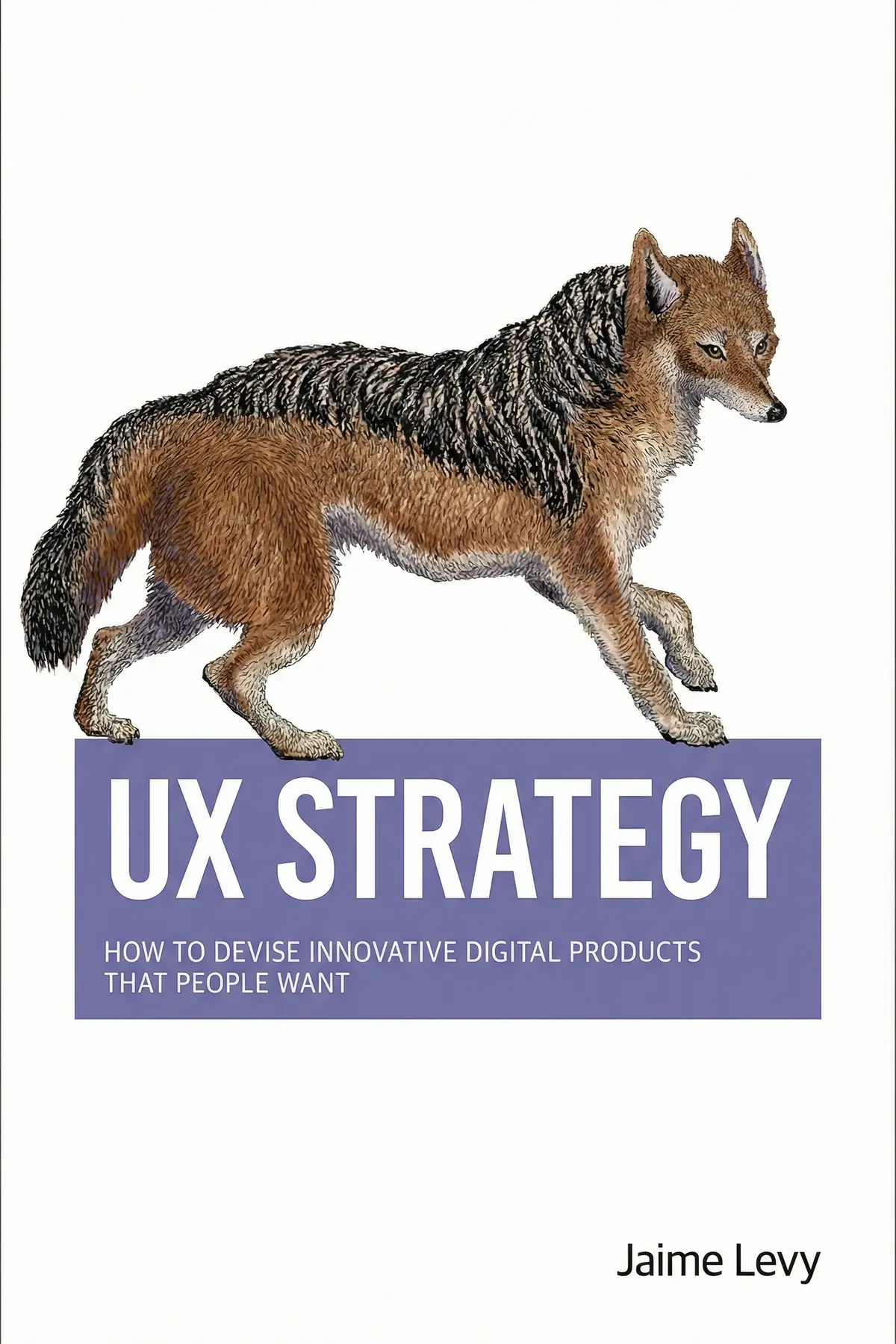
Table of Content
1. Introduction
1 min 40 sec
In the fast-paced world of digital entrepreneurship, there is a common trap that many creators fall into: they fall in love with an idea before they ever check to see if anyone actually needs it. You might have the most beautiful app on the market, with seamless animations and a stunning color palette, but if it doesn’t solve a core problem for a specific group of people, it is ultimately destined for the digital graveyard. This is where the concept of UX strategy becomes the ultimate differentiator. It is the bridge between the high-level goals of a business and the day-to-day reality of the user’s experience.
Most people think of user experience, or UX, as just the visual layer of a website or an application. They think about buttons, layouts, and menus. But a true UX strategy is much deeper than that. It is a comprehensive framework that ensures your product is not only easy to use but also strategically positioned to succeed in a competitive environment. It’s about making sure that every design choice you make serves a larger purpose and that every business goal you set is grounded in the reality of human behavior.
In the following segments, we are going to explore how you can weave these two worlds together. We will look at the four central pillars of a winning strategy: sound business fundamentals, the pursuit of value innovation, the necessity of research that is validated by real data, and the execution of state-of-the-art design. By the end of this journey, you’ll understand how to stop guessing and start building products that people truly value. We’ll learn why a failed startup often isn’t a victim of bad design, but rather a victim of a strategy that missed the mark. Let’s dive into how you can align your vision with the needs of the market to create something truly impactful.
2. The Strategic Intersection of Business and Design
2 min 40 sec
Discover why even the most beautiful digital products fail when they lack a core business foundation and how to find your unique market advantage.
3. Validating Assumptions Through Personas and Research
2 min 21 sec
Learn how to stop making guesses about your users and start using provisional personas and real-world interviews to stress-test your business ideas.
4. Decoding the Competitive Landscape
2 min 07 sec
Master the art of ‘peeling the onion’ to understand your rivals and find the gaps where your product can truly shine.
5. Visualizing the Core Experience Through Storyboards
2 min 33 sec
Learn to identify the most essential features of your product and map them out visually to ensure a seamless user journey.
6. Conclusion
1 min 38 sec
As we reach the end of our exploration into UX strategy, the overarching theme is clear: success in the digital marketplace is not an accident of good aesthetics, but the result of a deliberate, calculated alignment between business objectives and user needs. We have seen how a strong business strategy, focused on differentiation and value innovation, provides the foundation upon which everything else is built. We’ve explored the necessity of stepping out of our own bubbles to validate our ideas through real-world research and provisional personas, ensuring that we are solving problems that actually exist.
We also discussed the importance of analyzing the competition—not to mimic them, but to find the gaps they’ve left behind. And finally, we looked at how to distill a product down to its most essential experiences, using storyboards to visualize a seamless journey for the user. To put this into practice, start by looking at your current project or your next big idea. Ask yourself: What features can I combine from different worlds to create something entirely new? Is there a way I can bridge the gap between two different groups of people, like how Airbnb connected homeowners with travelers?
Building a product is a journey of constant learning and refinement. The most successful creators are those who are willing to test their assumptions, listen to their users, and pivot when the data tells them to. By keeping UX strategy at the heart of your process, you move beyond just building ‘stuff’ and start creating meaningful solutions. Now, take these frameworks, go out into the world, and start validating your vision. Your users are waiting for a product that truly understands them.
About this book
What is this book about?
Creating a successful digital product requires more than just a beautiful interface or a clever business plan; it demands a unified UX Strategy. This book serves as a practical guide for designers, entrepreneurs, and product managers to bridge the gap between business objectives and user satisfaction. It outlines a methodology based on four essential pillars: business strategy, value innovation, validated user research, and high-quality design. Listeners will learn how to identify their target audience through provisional personas, conduct deep competitive analysis to find gaps in the market, and use storyboarding to map out the customer journey. The promise of the book is that by following these systematic steps, creators can move past guesswork and build products that people actually want and need, ensuring long-term viability in a crowded digital landscape.
Book Information
About the Author
Jaime Levy
Jaime Levy is a prominent UX strategist and consultant with a career spanning nearly three decades in the technology industry. Her expertise in digital product design is complemented by her history as a pioneer in online media; notably, she was the creative director of the influential early e-zine known as WORD, which maintained a significant presence on the web from 1995 through 2000.
Ratings & Reviews
Ratings at a glance

What people think
Listeners find that the book delivers a methodical framework for UX strategy, using lucid examples and a phased process that simplifies the learning curve. Additionally, the text shares practical wisdom and is highly relevant for entrepreneurs, with one listener pointing out that it addresses everything from guerilla research to heuristics evaluations. Listeners also prize its effective foundation in UX design and its talent for explaining principles plainly without the use of jargon.
Top reviews
Tawee
Finally got around to reading this, and it’s essentially a field guide for building digital products that actually make money. Levy doesn't get bogged down in academic definitions; instead, she focuses on the intersection of business goals and user needs through a systematic approach. I found the sections on guerrilla research and value innovation particularly helpful because they offer actionable steps rather than vague theories. Some of the product examples feel a bit dated, but the core methodology remains incredibly relevant for anyone trying to launch a startup today. If you're an entrepreneur who thinks UX is just about making things look pretty, this will be a wake-up call for your business strategy.
Show moreKwame
Ever wonder how to actually prove value to a stakeholder who only cares about the bottom line? This book gives you the vocabulary and the methods to do exactly that by aligning design decisions with business outcomes. The jargon-free language makes it accessible for non-designers, which is why I’ve started recommending it to the product managers at my firm. It covers everything from heuristics evaluations to designing for conversion, providing a comprehensive roadmap for the entire product lifecycle. Personally, the interview section at the end was the highlight, offering a fascinating look at how different pros define their roles. It’s a must-read for anyone looking to transition from 'pixel pusher' to a strategic partner.
Show moreChiw
Picked this up after a colleague suggested it for our latest sprint, and I was immediately impressed by the clarity of the step-by-step process. In my experience, most 'strategy' books are just a collection of buzzwords, but Jaime Levy provides actual worksheets and protocols you can implement tomorrow. The focus on 'guerrilla' tactics is perfect for startups where time and money are always in short supply. I especially appreciated the clear distinction between UX design and UX strategy, as it helped me redefine my own role within my organization. While some of the tools mentioned are common knowledge, seeing them integrated into a cohesive strategy is where the real value lies.
Show moreAkosua
As someone who came from a design background into a more product-oriented role, this book was exactly the bridge I needed. The way it breaks down the competitive research process into a structured spreadsheet felt very grounded and practical. Truth is, I’ve seen many designers struggle to communicate with stakeholders, and this text provides the toolkit to solve that exact problem. While I agree with some critics that certain explanations—like how to use Google—are a bit redundant for a tech professional, the overall framework is solid. The funnel matrix concept was a standout for me, helping our team track user engagement more effectively than our previous messy documents.
Show moreAnucha
Jamie Levy manages to bridge the gap between lean startup culture and traditional UX in a way that feels incredibly fresh. This isn't just a book about wireframes or personas; it’s a high-level manual on how to ensure your product actually has a market before you build it. I particularly enjoyed the chapter on guerrilla user research because it offers realistic ways to gather data without a massive budget. Some of the images in the print version are a bit too small to read comfortably, which is ironic for a book about user experience. Despite that minor flaw, the step-by-step guidance on prototyping and validating assumptions is top-notch for mid-level practitioners.
Show moreKiattisak
Look, if you're looking for a theoretical academic text, move on, but if you want a handbook you can actually use at your desk, this is it. Levy’s writing style is punchy and direct, which I appreciated given how dense business strategy books can usually be. The focus on 'Value Innovation' helped my team rethink our current project's direction entirely by looking for gaps our competitors missed. I did find the stories about her personal life a bit long, though they do add a certain 'punk rock' personality to the text. It’s a solid introduction to the field that manages to demystify complex concepts without sacrificing the essential nuances of good design.
Show moreJoseph
After hearing about Jaime Levy's work for years, I finally dove into this book and found it to be a very practical guide for digital product definition. The author’s 'no-nonsense' tone is refreshing, even if it occasionally veers into territory that feels a bit too basic for seasoned professionals. I loved the emphasis on rapid prototyping and getting in front of real users as early as possible. It’s a great reminder that strategy isn’t just a document you write once, but a continuous process of validation and adjustment. My only real gripe is that some of the screenshots are hard to see, making it difficult to follow along with the specific examples.
Show moreWoramet
Honestly, this is a great recommendation for anyone transitioning from a purely creative role into the more business-centric side of product development. The way Levy explains the intersection of UX and business strategy makes it easy to understand how our design choices impact the company’s success. I found the techniques for competitive research and value proposition testing to be very systematic and easy to follow. Though some of the anecdotes about coffee shops and personal history felt like filler, the core methodology is undeniable. It’s a solid resource that provides a clear roadmap for anyone looking to build products that are both user-centric and commercially viable.
Show moreTaweesak
The chapter on competitive research was a mixed bag for me, oscillating between brilliant insights and overly simplistic instructions. On one hand, the distinction between competing on value propositions versus user groups is a fantastic lens for analysis. On the other hand, do we really need fifty pages explaining how to fill out a spreadsheet? The book fluctuates between being a high-level strategic guide and a beginner’s manual for office tools, which makes it hard to pin down the target audience. To be fair, the section on the 'funnel matrix' is quite useful for tracking engagement. It’s a decent resource, but it could have been tightened up significantly by an aggressive editor.
Show moreDome
Frankly, I expected something much more advanced given the author's reputation in the industry. Unfortunately, a significant portion of the book felt like it was written for someone who has never touched a computer, specifically the long-winded sections on basic internet searches. I found the constant personal anecdotes distracting; they took up space that could have been used for deeper dives into complex strategic challenges. There are some gems buried in here regarding value propositions, but you have to wade through a lot of fluff to find them. If you’re a senior designer, you might find yourself skimming more than half the chapters out of pure boredom.
Show moreReaders also enjoyed
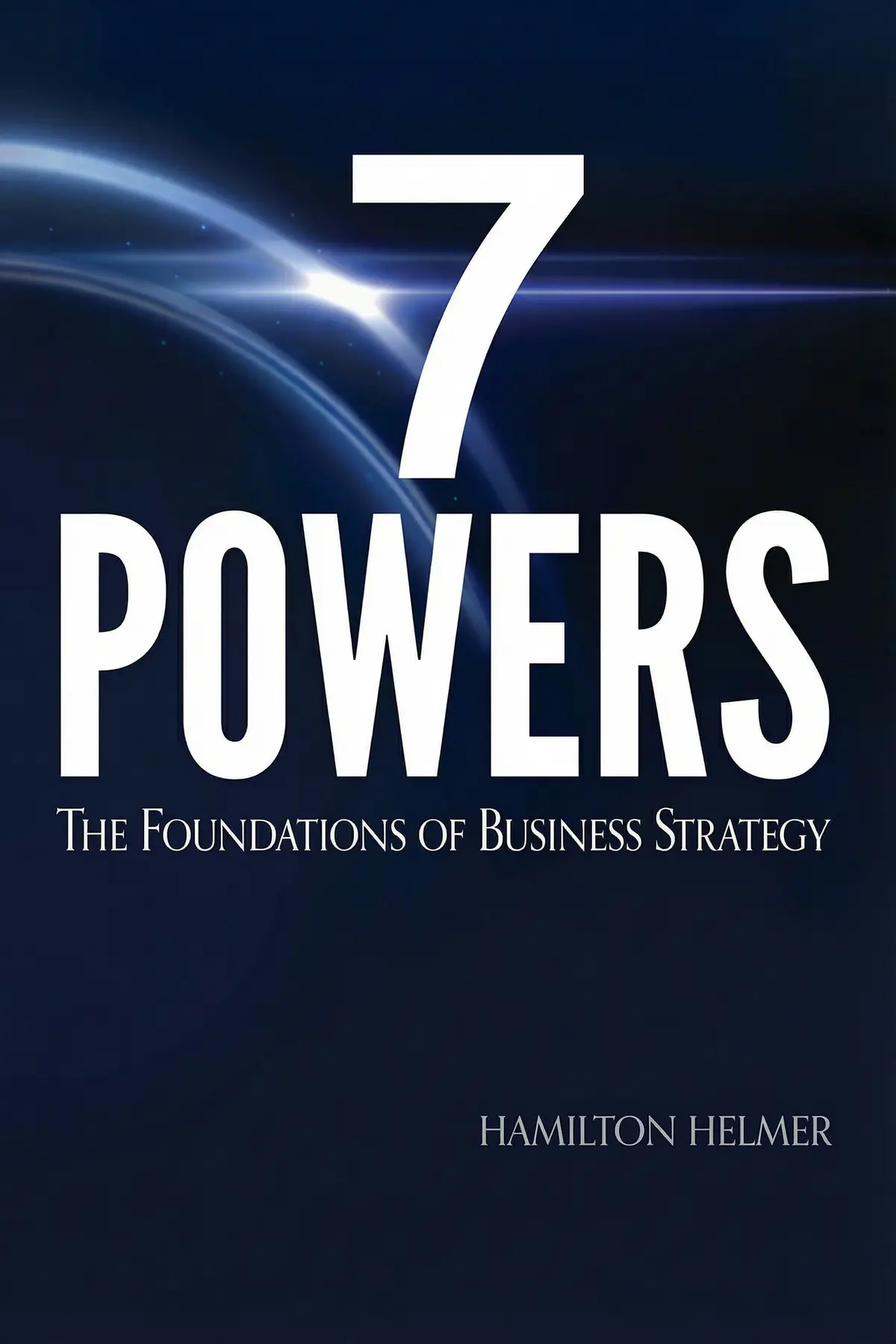
7 Powers: The Foundations of Business Strategy
Hamilton Helmer


Alibaba: The House That Jack Ma Built
Duncan Clark
AUDIO SUMMARY AVAILABLE
Listen to UX Strategy in 15 minutes
Get the key ideas from UX Strategy by Jaime Levy, plus 5,000+ more titles in English and Thai.
- 5,000+ titles
- Listen as much as you want
- 7-day free trial
- Cancel anytime







