
18 min 30 sec
We Need to Talk: How to Have Conversations That Matter
We Need to Talk explores the decline of meaningful human connection in the digital age. It provides essential strategies for improving listening skills, fostering empathy, and mastering the complex art of genuine conversation.
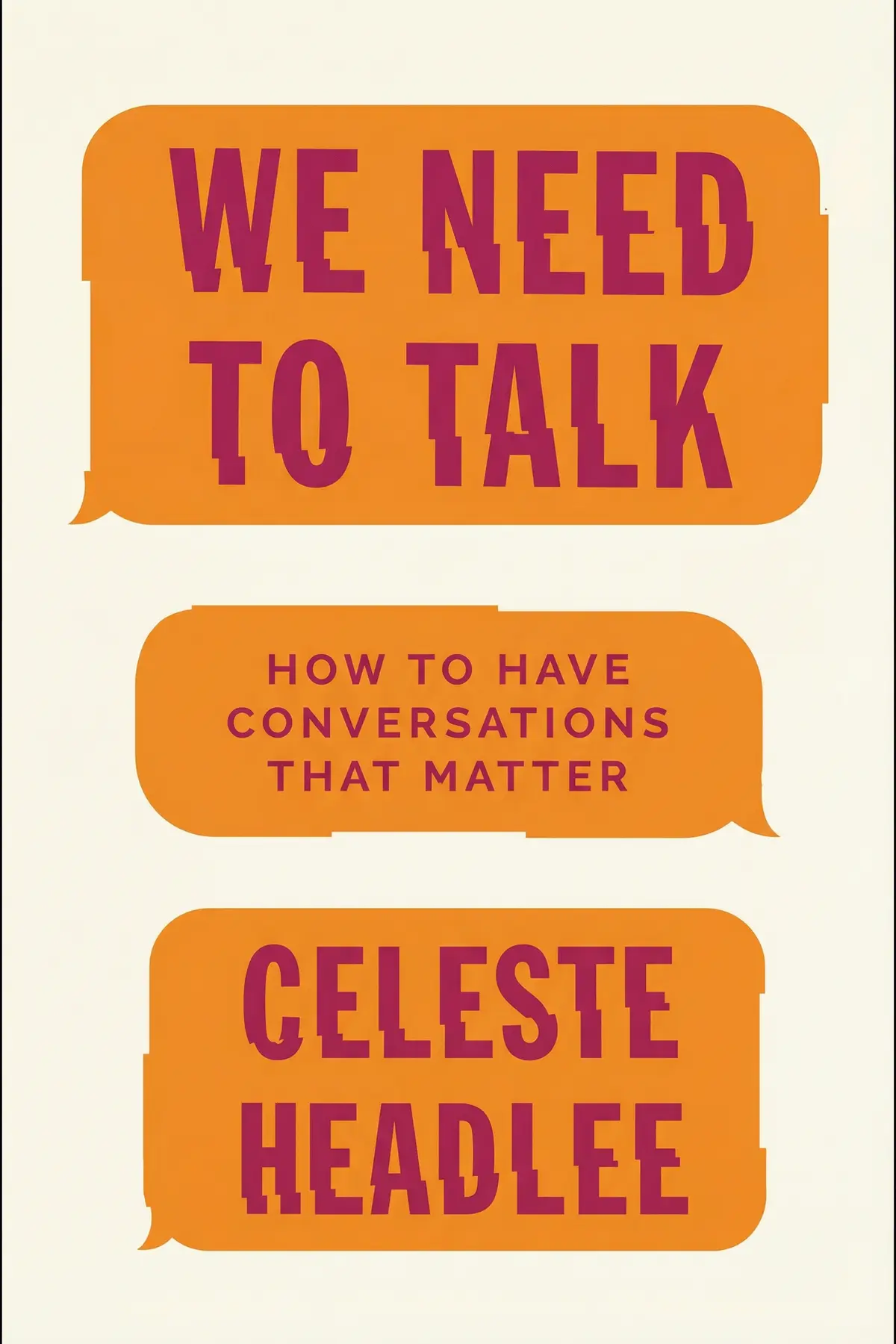
Table of Content
1. Introduction
1 min 57 sec
In our current era, we are surrounded by more communication tools than at any other point in human history. We can send a message across the globe in a heartbeat, broadcast our thoughts to thousands with a single click, and maintain constant digital contact with everyone we have ever known. Yet, there is a profound irony at the heart of this technological explosion. As our connectivity increases, the actual quality of our conversations is in a free fall. We are talking more but communicating less. We are becoming a society that prioritizes being heard over being understood, and in the process, we are losing the very thing that makes us most human: the ability to deeply connect with one another through speech.
Good conversation is an art form that requires more than just waiting for your turn to speak. It demands a level of presence and empathy that modern life seems designed to erode. We have become accustomed to superficial exchanges and rapid-fire digital banter, which leaves us ill-equipped for the messy, slow, and often challenging work of real dialogue. This isn’t just a social problem; it’s a fundamental shift in how we relate to our world and each other. We are becoming less empathetic and more isolated, even as our friend counts grow.
This summary is designed to help you reclaim that lost art. We will explore why communication is our greatest evolutionary advantage and how our modern habits are undermining it. You will learn why your smartphone is a barrier to connection even when it’s turned off, and how to navigate conversations with people who hold views completely opposite to your own. We will also dive into the psychological traps of ‘conversational narcissism’ and the simple linguistic tools used by journalists to draw people out. By understanding the mechanics of how we talk and—more importantly—how we listen, you can transform your relationships and your life. The throughline of this journey is simple: meaningful conversation is hard work, but it is the most rewarding work we can do. Let’s look at how to get it right.
2. The Evolutionary Power and Modern Decay of Speech
2 min 22 sec
Humans rose to dominance through the power of speech, yet modern habits and technology are rapidly eroding our ability to truly connect with one another.
3. Bridging Divides Through Common Ground
2 min 22 sec
Even the most polarized viewpoints can find a path to connection when we prioritize respect and shared humanity over the need to be right.
4. Escaping Conversational Narcissism
2 min 21 sec
True empathy requires us to resist the urge to center ourselves in every story and instead offer genuine support to the person speaking.
5. The Strategic Power of Openness and Silence
2 min 28 sec
Mastering the art of the question and embracing the power of silence can unlock deeper, more authentic responses in any interaction.
6. Listening as an Active, High-Stakes Skill
2 min 31 sec
True listening is far more than the absence of speech; it is a rigorous, active process that engages the brain and builds deep understanding.
7. The Responsibility of the Speaker
2 min 11 sec
Being a great conversationalist isn’t just about listening; it’s also about being a thoughtful, concise, and non-repetitive speaker.
8. Conclusion
2 min 18 sec
The journey toward becoming a master conversationalist is not a quick fix; it is a lifelong commitment to being more present and less self-centered. As we have seen, the stakes are high. Our ability to talk to one another is linked to our professional success, our mental health, and the very survival of empathy in our society. The happiest and most fulfilled people aren’t necessarily those who talk the most, but those who engage in the most substantive and meaningful exchanges. Small talk has its place, but it is the deep, focused conversations that truly nourish us and build the bridges we so desperately need in a polarized world.
It’s also important to recognize your own limits. Real conversation is exhausting because it requires a high level of mental and emotional effort. There are times when you may not be in the right frame of mind to truly listen or engage. In those moments, it is often better to step away than to have a subpar interaction that leaves both parties feeling unheard. Being social is a skill, but knowing when to be quiet is a sign of wisdom. The goal is quality over quantity. A single, hour-long conversation where both people are fully present is worth more than a hundred distracted text messages.
What this really means for you is that every interaction is an opportunity to practice empathy. By focusing on support responses instead of shift responses, by asking open-ended questions, and by learning to appreciate silence, you can transform your social world. The benefits are not just for others; research suggests that the empathy generated through real connection can actually lead to a longer, healthier, and happier life. People who volunteer and focus on the needs of others tend to live longer because they are part of a connected community.
As you move forward, challenge yourself to have one truly meaningful conversation every day. Put your phone in a different room, look the other person in the eye, and commit to learning something new about them. You might be surprised at the depth and complexity you find in the people around you, even those you think you know well. The art of conversation is just a word away, and it is the most powerful tool you have for changing your world. Start by listening, stay for the connection, and never stop trying to find common ground.
About this book
What is this book about?
In an age where we are constantly tethered to our devices, the quality of our face-to-face interactions has reached a historic low. We Need to Talk addresses the crisis of communication that defines modern life. While we have more tools to speak at one another than ever before, the essential human ability to truly hear and understand another person is fading. This summary explores the specific habits that prevent us from connecting and offers a path back to meaningful dialogue. The promise of this exploration is a complete overhaul of how you interact with friends, colleagues, and even strangers. It moves beyond simple active listening clichés to provide a deep look at the psychology of conversation. You will discover why we find it so pleasurable to talk about ourselves and how to resist that urge to create space for others. By the end, you will understand how to bridge ideological gaps and turn every interaction into an opportunity for growth and empathy. You will learn how to stop performing and start connecting through the power of authentic talk.
Book Information
About the Author
Celeste Headlee
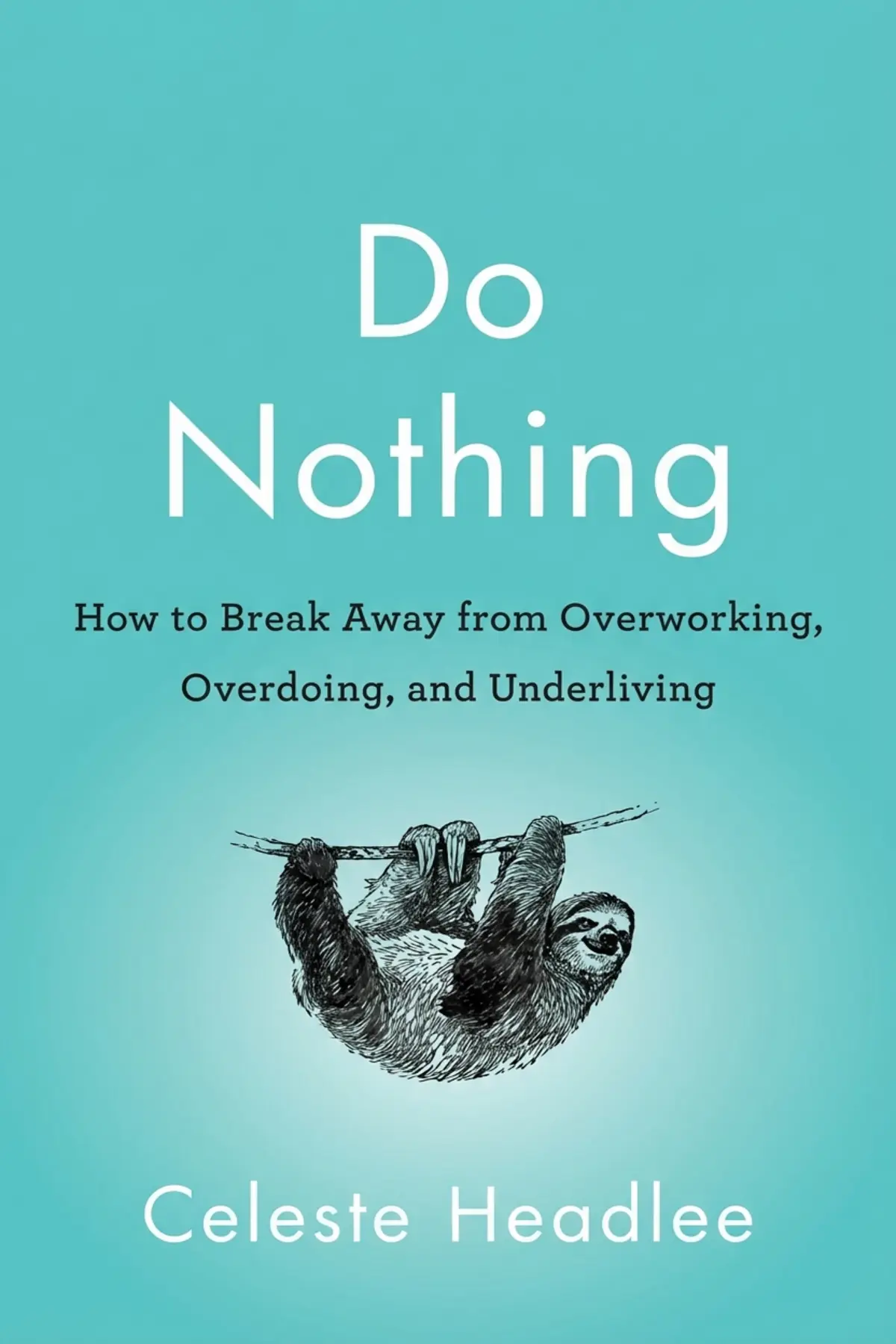
Celeste Headlee is an accomplished journalist and broadcaster. She serves as the host of the daily news program On Second Thought for Georgia Public Broadcasting and has spent over a decade working with NPR. Beyond her career in media, she is a classically trained singer. Headlee is also the author of Do Nothing, which explores the value of leisure.
Ratings & Reviews
Ratings at a glance
What people think
Listeners value the research-driven advice and the direct way this work navigates effective communication. They describe it as an accessible, skillfully written guide that emphasizes empathy and genuine curiosity, with one listener highlighting its particular relevance in the current political landscape. They respect the author’s honesty and feel the content is well worth the investment.
Top reviews
Yindee
As a public radio listener, I was already familiar with Headlee's poise, but this book adds so much depth to her philosophy on human connection. She argues that conversation is a dying art, and frankly, looking at our digital habits, it is hard to disagree with her assessment. Her insights into how curiosity can bridge gaps between people who fundamentally disagree are both practical and incredibly moving. I particularly appreciated the section on “conversational narcissism”—it's a humbling concept that made me realize how often I shift the focus back to myself without even noticing. While some chapters feel a bit anecdotal, the core message is vital for anyone trying to navigate our current polarized climate. It’s a quick read that packs a punch, blending research with the kind of candor you'd expect from a seasoned journalist. If you want to actually hear people instead of just waiting for your turn to speak, buy this.
Show moreChatchai
After hearing so much about our divided culture, I picked this up hoping for a way to have better dialogues with people I disagree with politically. Headlee delivered exactly what I needed. Her perspective as a biracial woman navigating difficult interviews provides a unique backdrop for her advice on empathy and active engagement. She doesn't just tell you to be nice; she explains the science of why our brains struggle to listen when we're stressed or distracted. The part about how “we need to talk” is often a phrase of dread was a great opening to her argument for making conversation a joy again. Personally, I found the second half of the book, which offers concrete strategies for asking open-ended questions, to be the most valuable. It’s a beautifully written call to action for a more connected world.
Show moreRoo
Wow, what a timely read for anyone navigating tough work dynamics or family holiday dinners. Celeste Headlee manages to make a book about “rules” feel incredibly warm and human. I loved the insight that a good conversation shouldn't require work to appear engaged; if you're actually listening, you don't need to fake the eye contact. This book pushed me to be more present and to value the “spiritual experience” of truly hearing another person’s story. In an era where we just shout at each other on social media, this is a breath of fresh air. It’s well-written, engaging, and contains practical strategies that I started using the very next day. Everyone should read this—especially the people who think they don’t need it.
Show moreGung
Ever wonder why conversations feel so draining lately? Headlee points the finger at our decreasing attention spans and our obsession with ourselves, and she has the data to back it up. The concept of the “yellow light” at twenty seconds was a total game-changer for me; I never realized I was hitting the “red light” so often in casual chats. This book is less of a “how-to” and more of a “how-to-be,” focusing on the mindset of curiosity rather than just robotic social tricks. I found the chapter on the benefits of silence particularly striking because we live in a world that is terrified of a quiet moment. Look, it’s not a revolutionary scientific text, but it’s a very necessary mirror for our self-absorbed culture. I've already started applying the rule of not repeating myself, and the results at work have been surprisingly positive.
Show moreSupranee
The concept of 'conversational narcissism' hit me like a ton of bricks while I was reading this on my commute. It’s that subtle urge to hijack a story—someone tells you about their loss, and you immediately jump in with your own experience to “relate,” when really you're just taking the spotlight. Headlee uses her background in journalism to show why this behavior kills real connection. I loved the practical tips, especially the advice to avoid multitasking at all costs during a serious discussion. To be fair, she uses “I” quite a bit for a book about not talking about yourself, which felt slightly hypocritical at times. Still, the research she cites from sociologists like Charles Derber adds a layer of intellectual weight that makes the book feel authoritative. It’s a helpful, accessible tool for anyone who feels like they’re losing touch with the people around them.
Show morePear
Picked this up because I’m a chronic over-sharer and I wanted to learn how to rein it in. Headlee’s breakdown of why we repeat ourselves—and why it doesn't actually help people understand us better—was eye-opening. The book is structured logically, moving from the philosophy of why we talk to the practical “how-to” of better listening. I found the advice on when not to have a conversation just as important as the tips for having one. It’s easy to read and doesn’t feel like a dry textbook, which I appreciated. My only gripe is that it feels a bit repetitive in the final third, but the core message is strong enough to carry it. It’s a solid investment for your personal growth.
Show moreIngrid
Headlee’s background as a journalist shines through in the way she structured this guide. She knows how to tell a story while weaving in facts, making the advice stick much better than a standard self-help book. The discussion on “conversational narcissism” was the standout for me, as it gave a name to a behavior I see everywhere. While the book can be a bit heavy on personal anecdotes, her points about the 40-second rule and the importance of open-ended questions are gold. It’s a practical, straightforward approach to a skill we all assume we have but most of us have actually lost. I’d recommend it to anyone who wants to improve their professional relationships or just have more meaningful dinners with their spouse. Definitely worth the time.
Show moreMint
If you’ve already seen Celeste Headlee’s TED talk, you might find that this book feels like a very long expansion of those same ten minutes. It is a solid, well-written guide, but I didn't find much “new” information that isn't already common knowledge for anyone who has studied basic communication. The advice is fundamentally sound: listen more, talk less, and stop checking your phone every thirty seconds. However, I did enjoy her debunking of “active listening” tropes like constant nodding or forced eye contact, which she correctly identifies as distracting. Truth is, while the writing is engaging, the pacing drags in the middle when she recounts too many personal stories from her time at the grocery store or in meetings. It’s a decent refresher for those needing a nudge toward empathy, but it could have been half the length.
Show morePranee
To be fair, much of the advice here feels like common sense dressed up in journalistic flair. We all know we should put our phones away and listen more, so do we really need a whole book to tell us that? That said, Headlee’s writing style is very conversational and easy to digest, making it a quick weekend read. I appreciated her honesty about her own failures in communication, which made the “preachy” parts a bit easier to swallow. The sections on the impact of technology were interesting, though they felt a bit dated already. It’s a good book for someone who has never thought about their social habits, but if you’re already a self-aware person, you might find it a bit redundant. Three stars for the effort and the few research bits that were actually new to me.
Show moreNatalie
Frankly, I struggled with the irony of this book. While Headlee spends hundreds of pages telling us to stop talking about ourselves and to avoid conversational narcissism, nearly every page is filled with her own anecdotes. I lost count of how many times she mentioned her career in radio or her personal shopping trips. It felt less like a guide to conversation and more like a memoir disguised as self-help. There are some okay nuggets of wisdom, but you can get the same value from a ten-minute YouTube video without the repetitive filler. If you’re looking for real depth, I’d suggest “Thanks for the Feedback” instead. This one just felt a bit too “surface-level” for me, and the tone occasionally veered into being slightly preachy. Not the life-changing manual I was hoping for.
Show moreFeatured in
Readers also enjoyed
AUDIO SUMMARY AVAILABLE
Listen to We Need to Talk in 15 minutes
Get the key ideas from We Need to Talk by Celeste Headlee, plus 5,000+ more titles in English and Thai.
- 5,000+ titles
- Listen as much as you want
- 7-day free trial
- Cancel anytime







