
4 min 30 sec
Well-Designed: How to Use Empathy to Create Products People Love
By Jon Kolko
Well-Designed explores how integrating deep empathy into the product development cycle moves beyond technical specs to create meaningful emotional connections. It guides creators to build products that users truly cherish and rely upon.
Table of Content
1. Introduction
30 sec
Welcome to our exploration of Jon Kolko’s Well-Designed. In a marketplace saturated with gadgets and apps, why do some products become indispensable while others vanish? The answer isn’t always found in faster processors or more buttons. Instead, it lies in a deep, human quality: empathy. We’re going to look at how shifting your perspective from the product to the person can transform the way you build, turning a simple utility into an experience that people truly love.
2. Seeing the World Through the User's Eyes
1 min 05 sec
Most companies design in a vacuum, but the real secrets to success live in the real world. Discover why leaving your desk is the first step toward true innovation.
3. Turning Observations into Meaningful Synthesis
1 min 11 sec
Gathering data is only half the battle. Learn how to organize raw observations into a coherent strategy that reveals exactly what your customers actually need.
4. Designing for Emotional Loyalty
1 min 07 sec
A functional product is good, but a loved product is better. Explore how empathy-driven design transforms casual users into lifelong advocates for your brand.
5. Conclusion
37 sec
Designing a product that people love isn’t a matter of luck or a high-tech breakthrough; it’s the result of a disciplined focus on human empathy. As we’ve seen, the journey begins with deep observation and a willingness to see the world from the user’s perspective. By synthesizing those observations into clear insights, you can move beyond simple features to identify the specific constraints and requirements that make a product successful. When you build with empathy, you create solutions that aren’t just efficient, but essential. Ultimately, the most successful products are those that honor the people who use them, turning everyday tasks into moments of genuine satisfaction.
About this book
What is this book about?
Many companies focus on technological advancement or sleek aesthetics, but Jon Kolko argues that these elements are secondary to emotional resonance. The book provides a framework for using empathy as a strategic tool throughout the design process. By observing users in their natural environments, designers can uncover hidden needs and frustrations that traditional data alone often fails to reveal. The promise of the book is a more intentional and human-centered way to build products: one that bridges the gap between a business’s internal goals and a customer’s external reality. This approach doesn't just result in a functional tool; it results in a product that feels like it naturally belongs in the user's life. By shifting the focus from features to feelings, creators can develop products that solve real problems while fostering deep, lasting loyalty.
Book Information
About the Author
Jon Kolko
Jon Kolko is a prominent figure in design and product development, specializing in merging design with business strategy. He has written several influential titles in the field, including Thoughts on Interaction Design and Exposing the Magic of Design.
Ratings & Reviews
Ratings at a glance
What people think
Listeners commend the design thinking methodology presented here, ranking this title among the premier works on design and product development. They highlight the clarity of the explained techniques, with one listener specifically mentioning the useful worked examples provided in every chapter.
Top reviews
Meen
Finally, a book that treats product development as a series of intentional human decisions rather than just a set of cold data points. Jon Kolko brilliantly argues that great, radical ideas can't truly be tested—they have to be lived and measured after they’ve been unleashed. I was particularly struck by the example of how Apple took GPS technology mainstream by bridging the gap between military utility and consumer empathy. The worked examples throughout the chapters make the theory feel grounded and actionable for any creative team. Not gonna lie, seeing the suggestion to use floor-to-ceiling timelines to bring projects to life changed my entire approach to office meetings. This is essential reading for anyone trying to turn customers into true advocates.
Show moreUraiwan
The chapter on 'progressive commitment' alone was worth the price of admission for me. It’s rare to find a book that so articulately explains how to turn a manufactured artifact into something that feels like a 'good friend' to the user. I've been looking for ways to convince my management that observing human behavior is a worthwhile activity, and Kolko provided the exact vocabulary I needed. His take on 'design doing' as a form of product management is spot on and highly relevant in today’s agile world. If you want to move past mediocre ideas that are easily tested and move toward radical, impactful innovation, you need to read this. It’s a game-changer for my creative process.
Show moreOmar
Wow, this completely changed how I think about the synthesis of empathy and execution in the tech world. The author's point that design is about humanizing technology really resonated with my current project goals. I found the inclusion of worked examples across each chapter to be incredibly helpful for visualizing how these theories actually manifest in the real world. Many business books are dry, but this one feels alive with the passion of someone who truly understands the emotional resonance of great products. It isn't just about the 'how'—it's about the 'why' behind every pixel and every interaction. This is easily one of the best books on product development I've encountered.
Show moreTee
Design isn't just about aesthetics; it's about the series of good decisions that lead to a product people actually love. I found Kolko’s approach to be deeply practical, especially his focus on creating advocacy through empathy-driven design. The book encourages you to stop trying to control every situation and instead start listening to the goals and behaviors of your users. While some might find the tone a bit inconsistent, I thought it made the more technical aspects of wireframing and strategy much more accessible. It’s an inspiring call to action for anyone who wants to build something meaningful. I'll be recommending this to my entire product team as a foundational text for our next sprint.
Show moreZoey
As someone working in a startup environment, I found the empathy-driven framework Kolko presents to be incredibly refreshing. The book does a fantastic job of explaining how to humanize technology, ensuring that products integrate seamlessly into the fabric of daily culture. I particularly appreciated the section on 'progressive commitment' and how storing data can deepen a user's connection to a tool. While some of the techniques like creating hero flows felt a bit niche for a general audience, the focus on asking better questions rather than asserting authority is a lesson every product manager needs. It isn't a perfect guide, but it definitely provides a solid roadmap for building products that people actually care about.
Show moreDek
Kolko clearly knows his stuff, but the title 'Well-Designed' might be a bit of a stretch for the actual layout of the text. Frankly, the content is stellar—especially the insights on why product managers should prioritize empathy over control—but the structure feels a bit cluttered. I loved the emphasis on creating something people can't imagine living without, moving beyond just 'making something that sells.' The book provides a usable process for conceiving resonant products, though I wish there were even more visual examples of the wireframes and concepts discussed. It’s a strong four-star read that offers a powerful battalion of resources for anyone looking to innovate in a crowded, reactive market.
Show moreUbolrat
After hearing several colleagues mention it, I picked this up to better understand the overlap between design thinking and product management. To be fair, it is a very well-structured book that brought new insights almost every other page. I particularly liked the advice to have three concepts grounded in reality and one 'wild' concept to push boundaries. My only major concern is the lack of diversity among the featured experts, which felt like a missed opportunity to show how these principles work across different cultures. Still, the focus on asking deep questions rather than asserting a charismatic point of view is a vital takeaway for any aspiring leader. It’s a thoughtful, pleasant read.
Show moreThawee
Ever wonder why some business books feel like they are having an identity crisis? This one certainly does, as it oscillates between being a high-level strategy guide and a very specific manual for software product managers. Personally, I was hoping for more transferrable skills that could apply to industrial design or packaging, but the focus remains heavily on the digital app space. The truth is, while the author makes a compelling case for observing human behavior, the lack of diverse voices in the interviews was a letdown. It’s a decent read if you want to understand the PM discipline better, but it lacks the depth required to be a definitive textbook on the subject.
Show moreYothaka
What a massive disappointment this turned out to be. I really struggled to get through the first half and eventually just gave up because I wasn't retaining anything. To be fair, the concept of empathy in design is vital, but the execution here feels like a dense academic slog. The writing style is somewhat manic, jarringly shifting between a formal textbook tone and a casual, friendly vibe within the same page. I found the interviews at the end of each chapter to be little more than name-dropping sessions that didn't add real substance to the methodology. It’s ironic that a book about being 'well-designed' feels so disjointed and difficult to navigate for the reader.
Show moreThanit
Look, I really wanted to like this, but I couldn't get past the feeling that it's mostly buzzwords wrapped in academic packaging. As a developer, I found the specific techniques for empathy-building to be vague and difficult to apply to my day-to-day workflow. The author talks a lot about 'storytelling' and 'iteration,' yet the connection between the theory and the actual case studies felt loose and unconvincing. I also found the interview sections to be distracting; they felt like interruptions rather than extensions of the chapter's core message. Maybe if you are a high-level product manager this will resonate, but for those of us in the trenches, it feels disconnected from reality.
Show moreReaders also enjoyed
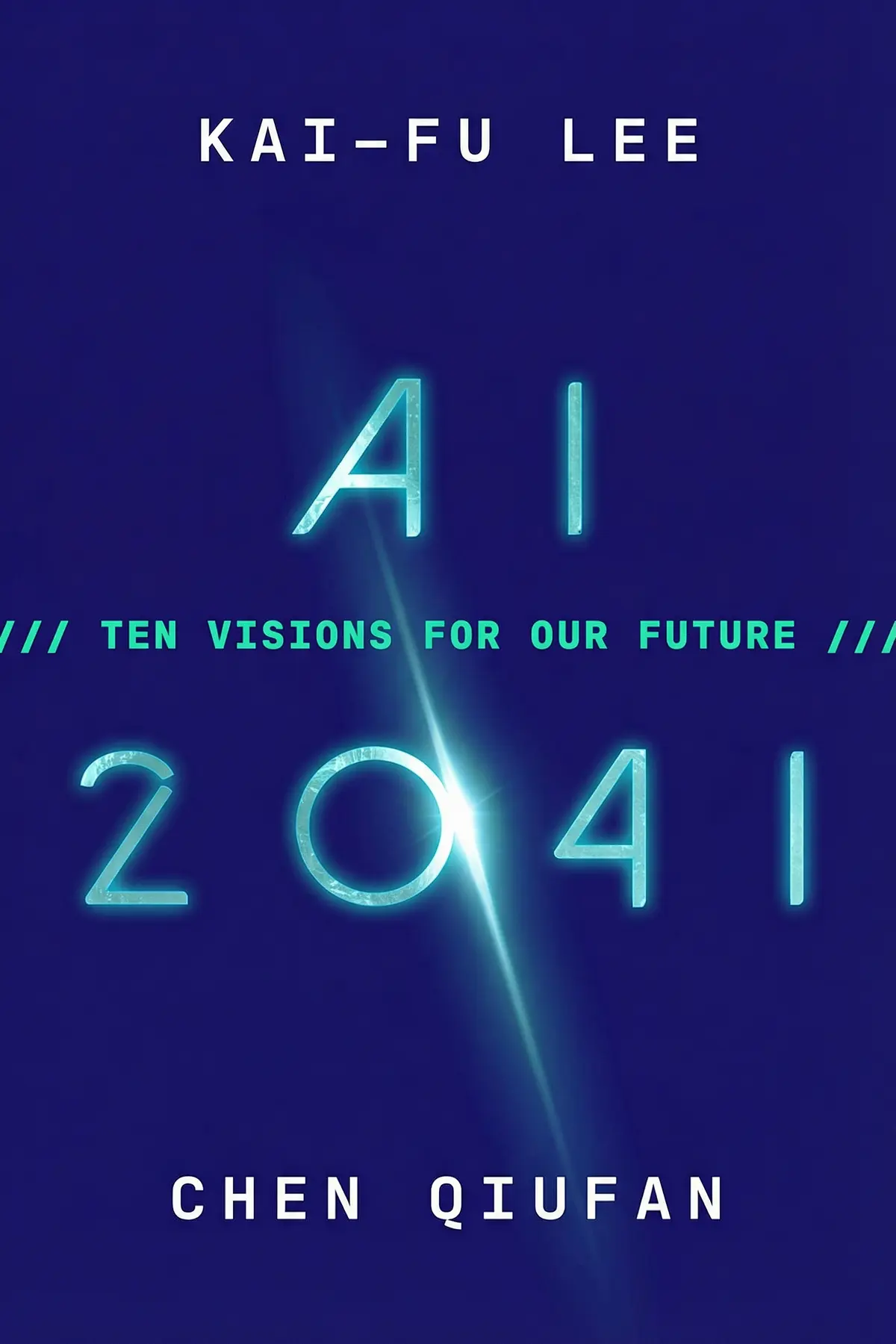
AI 2041: Ten Visions for Our Future
Kai-Fu Lee

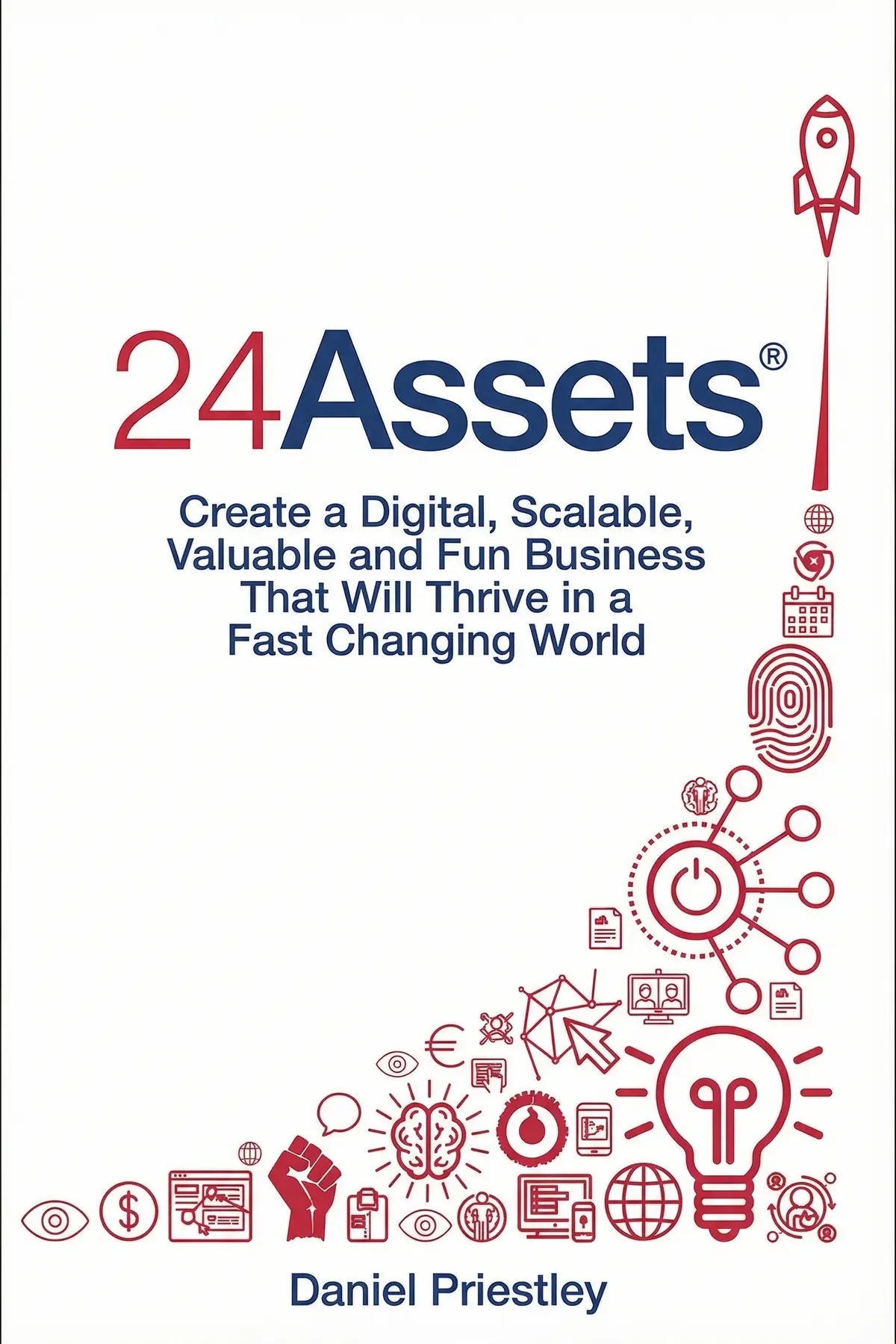
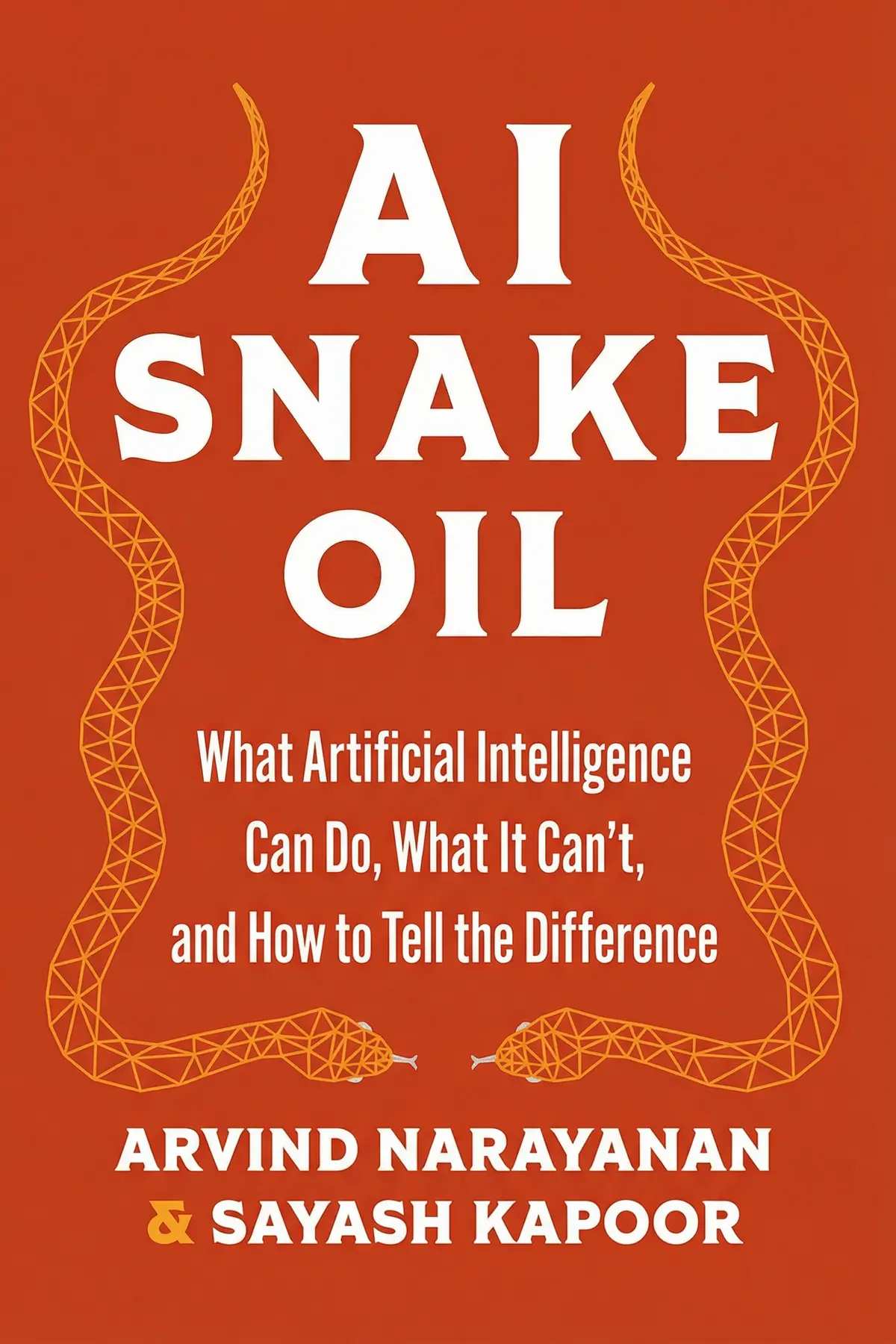
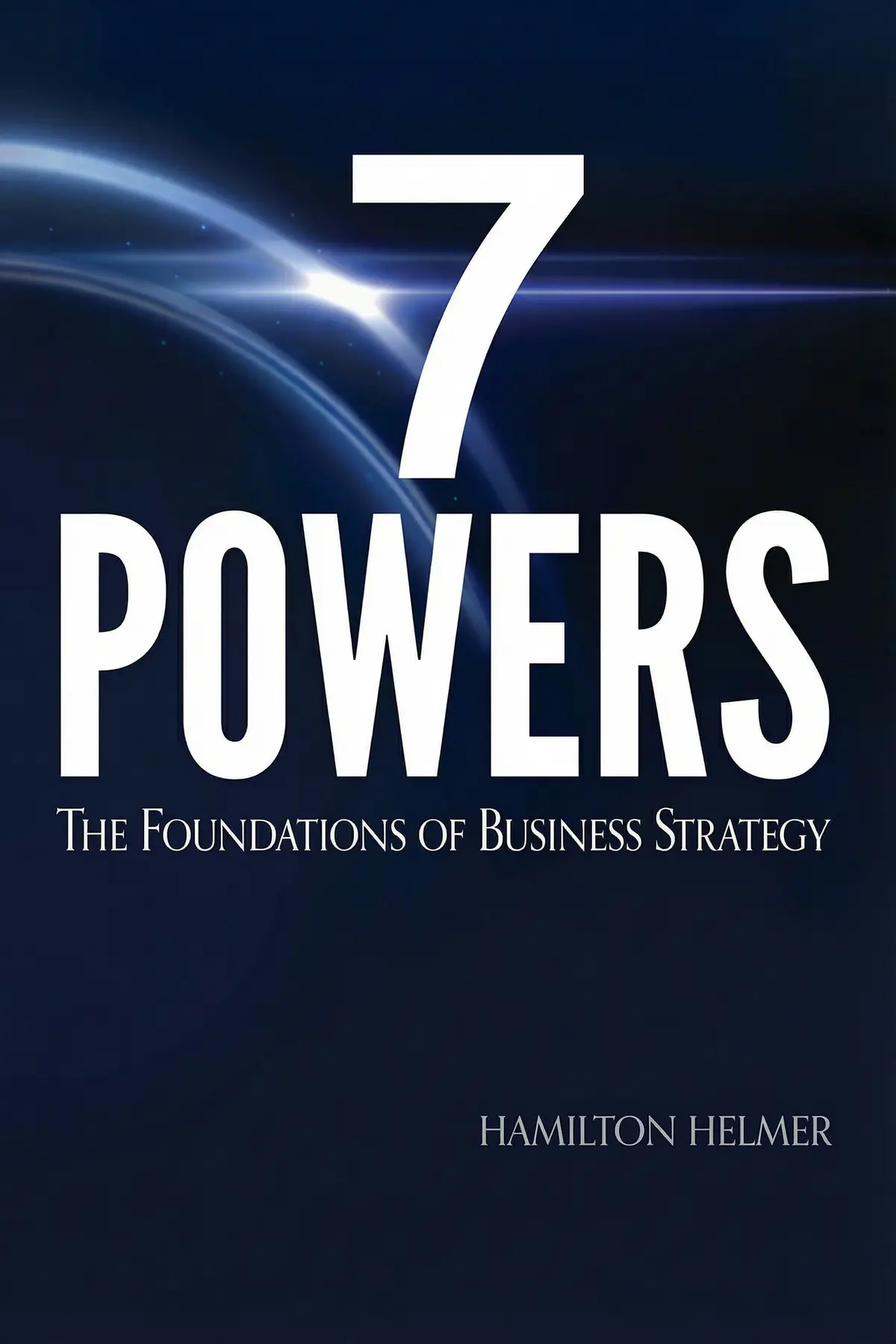
7 Powers: The Foundations of Business Strategy
Hamilton Helmer


AUDIO SUMMARY AVAILABLE
Listen to Well-Designed in 15 minutes
Get the key ideas from Well-Designed by Jon Kolko, plus 5,000+ more titles in English and Thai.
- 5,000+ titles
- Listen as much as you want
- 7-day free trial
- Cancel anytime







