
15 min 21 sec
Will It Make the Boat Go Faster?: Olympic-Winning Strategies for Everyday Success
Will It Make the Boat Go Faster? reveals the performance-driven strategies used by British Olympic rowers to turn years of struggle into a gold-medal victory through focus, discipline, and teamwork.
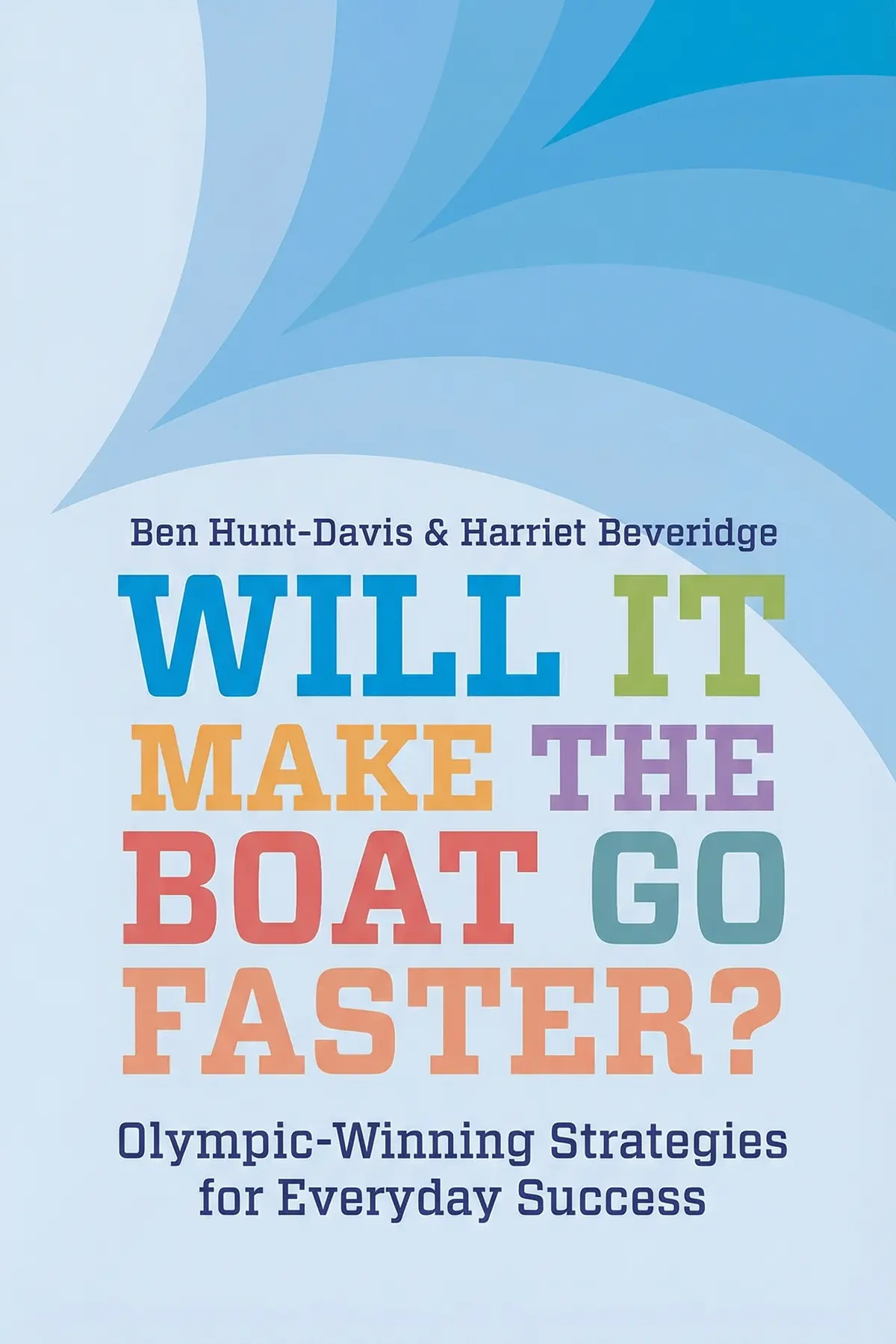
Table of Content
1. Introduction
1 min 16 sec
Imagine standing at the edge of the water, years of sweat and early mornings behind you, yet the results just aren’t coming. For the British men’s eight rowing team, this was the frustrating reality for nearly a decade. They were hardworking and talented, but they weren’t champions. Everything changed when they adopted a single, uncompromising filter for their lives: “Will it make the boat go faster?”
This isn’t just a story about rowing; it’s a masterclass in how clarity of purpose can revolutionize any endeavor. Whether you are leading a corporate department, launching a startup, or trying to master a personal skill, the struggle is often the same: we get bogged down in the peripheral noise. We focus on things we can’t control, we let our motivation ebb, and we lose sight of the primary objective.
In the following segments, we are going to explore the specific mental models and organizational tactics that moved this team from the back of the pack to the top of the Olympic podium. We’ll look at how they redefined goal-setting, how they turned the drudgery of training into something they actually enjoyed, and how they built a team culture that was resilient enough to survive the highest pressure imaginable. By the end, you’ll see how applying this singular, focused mindset to your own “boat” can lead to extraordinary breakthroughs.
2. The Four Layers of Championship Goal Setting
2 min 26 sec
Elite performance starts with a dream, but it only survives through a structured system of layers that connect your wildest ambitions to your daily schedule.
3. Finding Sustained Motivation Through Enjoyment
2 min 03 sec
Discipline can only take you so far; to reach the finish line of a long-term goal, you must find a way to make the journey inherently rewarding.
4. The Pillars of a High-Performance Team
2 min 08 sec
True teamwork isn’t about mere cooperation; it’s about a deep, mutual alignment on goals and an uncompromising commitment to transparent rules.
5. Mastering the Process Over the Outcome
2 min 15 sec
Victory is the byproduct of a superior process; by shifting your focus from the result to the system, you unlock consistent excellence.
6. Navigating Setbacks with a Professional Mindset
1 min 57 sec
Obstacles are inevitable, but they don’t have to be terminal; learning to anticipate, accept, and analyze failure is the key to resilience.
7. Unskewing the Scale of Risk
1 min 56 sec
Success often requires going against the grain, which means learning to evaluate risk based on the cost of inaction rather than just the fear of failure.
8. Conclusion
1 min 20 sec
The transformation of the British men’s eight from struggling athletes to Olympic legends wasn’t the result of a sudden burst of luck or a magical increase in talent. It was the result of a relentless, systematic application of focus. By asking one simple question—”Will it make the boat go faster?”—they stripped away everything that didn’t contribute to their primary goal. They didn’t just work harder; they worked smarter by layering their ambitions, building a transparent team culture, and prioritizing their process over their ego.
As you reflect on these strategies, look at the “boats” in your own life. Are you distracted by things you can’t control? Are your daily actions disconnected from your “Crazy” goals? Success is rarely about doing a thousand things differently; it’s usually about doing a few foundational things with absolute consistency.
Your immediate takeaway is this: identify your most important goal and start applying the filter. When faced with a choice, whether it’s a new project at work or a way to spend your evening, ask yourself the golden question. If it doesn’t make your boat go faster, have the courage to say no. Focus on the process, embrace the risks that offer the highest rewards, and remember that even the longest race is won one stroke at a time.
About this book
What is this book about?
This summary dives deep into the high-performance mindset that transformed the British men’s eight rowing team from perpetual underdogs into Olympic champions at the Sydney 2000 Games. Co-authored by Olympic rower Ben Hunt-Davis and executive coach Harriet Beveridge, it distills the rigorous mental and organizational frameworks used in elite sports into actionable strategies for business and personal growth. Readers will learn how to apply a singular, clarifying question—Will it make the boat go faster?—to every decision and action. The book promises to dismantle the barriers to success by teaching you how to layer your goals, find intrinsic motivation through fun, and build teams that operate on absolute transparency and trust. It moves beyond simple inspiration, providing a concrete system for focusing on the process rather than just the outcome, allowing you to navigate setbacks and manage risks with the precision of a world-class athlete.
Book Information
About the Author
Ben Hunt-Davis
Ben Hunt-Davis is a former British rower who famously won the gold medal at the 2000 Sydney Olympics. Today, he is a sought-after keynote speaker, performance coach, and a director at his business development firm, which takes its name from his signature philosophy: Will It Make the Boat Go Faster? Harriet Beveridge is an experienced executive coach with a client list that includes global giants like HSBC, MTV, 3M, and the National Health Service. In addition to her coaching career, she is a stand-up comedian and the creator of HelpfulHumour.com, bringing a unique blend of psychological insight and engaging delivery to her professional work.
Ratings & Reviews
Ratings at a glance
What people think
Listeners find the core principle of prioritizing actions that add real value to be a highly potent method for establishing goals and boosting performance. While viewpoints are mixed concerning the book’s prose and repetitive sections, listeners value the dual-story approach that weaves Olympic rowing experiences with functional business advice. Additionally, they appreciate the tactical tips on "controlling the controllables" and fostering the resilience required for high-stress scenarios. They also emphasize the utility of visual prompts, with one listener explaining how an "evidence wall" featuring past triumphs can remarkably strengthen a group’s faith in their future potential.
Top reviews
Pensri
Finally got around to reading this after seeing it recommended on several leadership blogs, and the "evidence wall" concept alone made it worth the price. The idea of physically tacking up every small win—graphs, stats, and positive reviews—to bolster a team's belief is sheer genius in its simplicity. We often forget our successes under pressure, so having that visual reminder is a powerful way to sustain momentum during dark periods. Ben Hunt-Davis writes with a level of honesty about failure that you don’t often see in Olympic success stories. Not gonna lie, I was moved by the account of the crew’s total focus and how they handled the "Goldilocks zone" of pressure. This isn't just for athletes; it's for anyone trying to build a culture of excellence.
Show moreRosa
As a project manager constantly fighting "scope creep," the core question—will this actually make the boat go faster—has become my new daily mantra. It’s remarkably effective at cutting through the noise of useless meetings and administrative bloat that plagues most corporate environments. The book excels at explaining how to identify risks you can afford to take versus those that are absolutely vital to your mission. I loved the section on "bounce back ability," which teaches you to treat setbacks as data points rather than personal failures. Personally, I think the way they handled interpersonal conflict within the boat offers a masterclass in radical transparency and team cohesion. It’s a rare business book that provides a tool you can use five minutes after putting it down.
Show morePui
Imagine having a literal wall of proof that you are capable of winning when your self-doubt starts to creep in during a crisis. That specific takeaway from the book has changed how my department tracks our weekly progress and celebrates our small victories. The dual-narrative approach is brilliant because it proves these techniques weren't just dreamt up in a boardroom; they were forged in the heat of Olympic competition. I especially appreciated the insights on handling "brutiful" conversations—those difficult, honest chats required to nip issues in the bud before they grow. Gotta say, the story of Shun Fujimoto performing on a fractured kneecap was a bit extreme, but it perfectly illustrates the power of a focused mindset. This is essential reading for teams that need to find their collective rhythm.
Show moreLevi
This book provides a surprisingly grounded framework for anyone feeling overwhelmed by a cluttered to-do list. The dual-narrative structure works well, alternating between the gritty reality of the Sydney 2000 rowing trials and actionable business takeaways. While some sections feel a bit repetitive, the core philosophy of asking if an action truly adds value to your ultimate goal is incredibly clarifying. Truth is, many corporate strategies are over-complicated, so this back-to-basics approach feels like a breath of fresh air for modern managers. I particularly appreciated the focus on "controlling the controllables," which helps mitigate the anxiety of high-pressure environments. It’s not a literary masterpiece, but the practical utility makes it a solid addition to any leadership bookshelf.
Show moreSienna
The chapter on the "Goldilocks zone" of pressure really shifted my perspective on workplace stress and how we manage our energy throughout the week. It’s not about avoiding pressure entirely, but about finding that sweet spot where adrenaline enhances performance rather than causing a total plummet. The authors use HRV data and physiological evidence to show why "hero behaviors" like pulling all-nighters are actually detrimental to long-term goals. While the prose is a bit dry in the coaching sections, the grit of the Olympic journey keeps the pages turning. To be fair, I did find myself skimming some of the more repetitive summaries toward the end. Still, the focus on process-driven results is a vital lesson for anyone prone to obsessing over outcomes they can't fully control.
Show morePor
Look, the prose isn't going to win any literary awards, but the practical application of Ben Hunt-Davis’s Olympic mindset is undeniable for team leaders. The book does a fantastic job of illustrating how to create a cultural environment where honest conversations and "stamping on fires" early is the norm. I was particularly struck by the aviation industry comparison regarding junior staff voicing concerns to prevent irrevocable consequences. It highlights that making the boat go faster requires everyone to be on the same wavelength, regardless of their rank. Some of the anecdotes are a bit badly-framed, yet the underlying message about commitment being judged by behaviors rather than intentions is a hard truth we all need to hear. It’s a solid, useful read for anyone in a slump.
Show moreHang
To be fair, I went in skeptical of another athlete-turned-consultant book, but the focus on "controlling the controllables" is genuinely transformative for high-stakes environments. The authors break down complex goals into manageable daily actions, making the path to success feel less like a mystery and more like a checklist. I found the section on sleep and recovery being crucial to performance particularly relevant in today’s always-on culture. While the book could have been edited more tightly to avoid some of the clichéd phrasing, the core message remains powerful and practical. It teaches you to identify which risks are worth the gamble and how to steer yourself out of the "dark abyss" of disbelief after a failure. It’s a very effective tool for anyone looking to sharpen their focus.
Show moreStella
Is it a sports memoir or a corporate self-help guide? The book attempts to be both, with mixed results that might leave some readers wanting more depth. The rowing anecdotes are genuinely gripping, highlighting the eccentricities and sheer commitment of the Men’s Eight team. However, the transitions into business coaching rubrics can feel slightly contrived and simplistic at times. In my experience, the lessons on goal setting are nothing new, though the framing is admittedly catchy and easy to remember. It’s a fast read, perfect for a flight, but don’t expect groundbreaking psychological insights beyond the central metaphor. It would have been more effective if it were about fifty pages shorter and less repetitive in its delivery.
Show moreVipawan
After hearing the hype, I found the rowing stories fascinating, though the business translations felt a bit forced and repetitive at times. The first half of each chapter is a straightforward account of the Sydney 2000 Men’s Eight, which is genuinely inspiring and well-paced. The second half attempts to extrapolate these lessons for self-improvement, but the advice often boils down to common-sense goals and basic time management. It’s an easy read, but I wouldn't call it extraordinary or life-changing if you've already read a lot of performance literature. That said, the specific examples of the force-time curves and physical evidence walls were interesting enough to keep me engaged. It’s a decent choice if you want a light, sports-themed motivational book without too much academic jargon.
Show moreRohan
Not what I expected from a book with such high praise, as it often feels like a series of clichés stretched out far too thin. The central question of "will it make the boat go faster" is a great mantra, but do we really need an entire book to explain it? I found the writing style a bit clunky, and the links to external resources mentioned in the text were often broken or outdated. As a sales manager, I struggled to relate the rowing metaphors to the complexities of leading a diverse team with different motivations. Frankly, this could have been a very effective long-form article or a 80-page manifesto rather than a full-length book. It’s a bit of a chore to get through the same points being made repeatedly.
Show moreReaders also enjoyed
A Guide to the Good Life: The Ancient Art of Stoic Joy
William B. Irvine
A High-Performing Mind: Strengthen Your Mind and Live Your Best Life
Andrew D. Thompson

Ali: A Life
Jonathan Eig

Abundance: The Inner Path to Wealth
Deepak Chopra
59 Seconds: Change Your Life in Under a Minute
Richard Wiseman
AUDIO SUMMARY AVAILABLE
Listen to Will It Make the Boat Go Faster? in 15 minutes
Get the key ideas from Will It Make the Boat Go Faster? by Ben Hunt-Davis, plus 5,000+ more titles in English and Thai.
- 5,000+ titles
- Listen as much as you want
- 7-day free trial
- Cancel anytime







