
14 min 21 sec
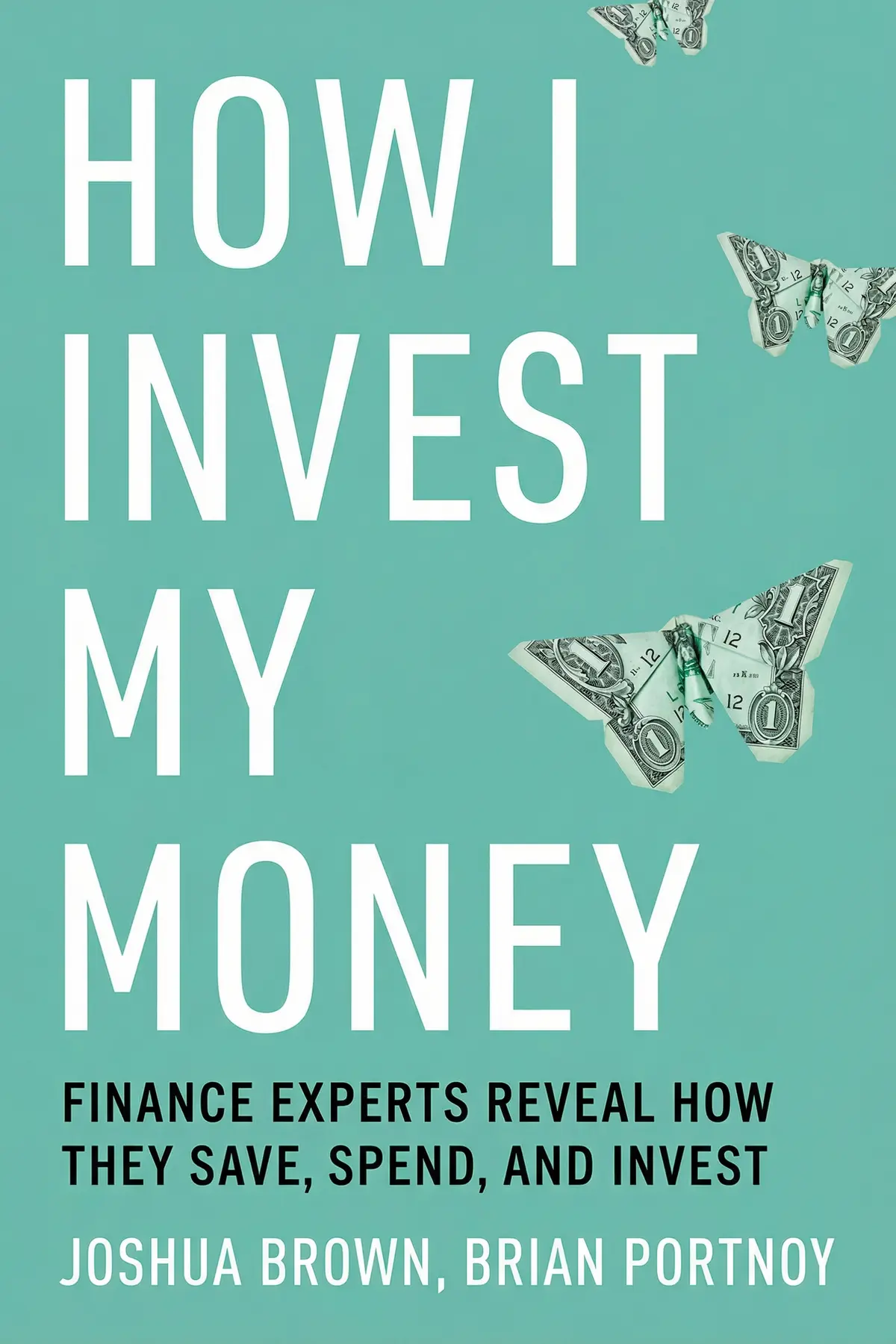
You Weren’t Supposed To See That: Secrets Every Investor Should Know
By Joshua Brown
Explore the hidden psychological and technological forces driving modern markets. This guide reveals why defensive investing, simplicity, and emotional discipline are the real secrets to surviving a rapidly changing financial landscape.

Table of Content
1. Introduction
1 min 27 sec
When you look at the financial news today, it feels like a constant barrage of noise. Stock prices tick up and down, experts argue over interest rates, and every new technological breakthrough is hailed as either the next gold mine or the end of the world as we know it. In the middle of all this chaos, the average person is left trying to figure out where they fit in. We pour our money into the markets with a hope for the future, but we often miss the underlying currents that are actually moving the needle.
What is the true motivation behind our investment choices today? Is it still about building a nest egg, or has something more urgent and perhaps a bit darker taken its place? This exploration goes beyond the standard advice of ‘buy low and sell high.’ We are going to look at how the world has fundamentally shifted. We’ll see how the rise of robots and software isn’t just changing the workplace, but changing why we buy stocks in the first place. We’ll explore how the structure of Wall Street itself has been rebuilt over the last decade, moving away from the frantic trading of the past and toward a more quiet, persistent machine.
As we navigate this landscape, we’ll see that the biggest challenges aren’t found in a spreadsheet or a quarterly earnings report. Instead, they are found in our own heads and in the screens we carry in our pockets. By the end of this journey, you’ll have a better understanding of why the market behaves the way it does, why simplicity is your greatest ally, and how to stay grounded when everyone else is losing their sense of perspective. Let’s pull back the veil and look at what’s really happening behind the scenes of the modern financial machine.
2. Investing as a Shield Against Automation
2 min 19 sec
As machines take over traditional job roles, a new and unsettling motivation is driving the stock market: the fear of becoming economically irrelevant.
3. The Rise of Passive and Fee-Based Management
2 min 24 sec
Wall Street has undergone a quiet revolution, shifting from aggressive trading to a steady, passive approach that keeps the market moving in one direction.
4. The Psychological Trap of Insecurity and Envy
2 min 07 sec
Digital connectivity hasn’t just changed how we see the world; it has weaponized our emotions, turning healthy financial goals into a toxic race for validation.
5. The Hidden Power of Simplicity
2 min 14 sec
In a world that prizes complex financial engineering, the most resilient and successful investors are those who embrace the obvious and the straightforward.
6. Why Price Is the Ultimate Truth
2 min 19 sec
When the market descends into chaos, spreadsheets and forecasts stop mattering. The only thing that tells the real story is the price on the screen.
7. Conclusion
1 min 31 sec
As we wrap up this look at the modern investment world, a few key truths stand out. We are living through a period where technology is not just changing how we work, but also how we approach our financial survival. The transition to defensive, fear-based investing is a logical response to a world where automation is eroding traditional career paths. At the same time, the institutional shift toward passive, fee-based management has created a market that is structurally different—and often more resilient—than the one our parents knew.
But perhaps the most important lesson is that the biggest hurdles to financial success are internal. We have to fight against the insecurity and envy that social media amplifies, and we have to resist the siren song of complexity that leads so many smart people astray. The most effective strategy remains one that is simple, disciplined, and focused on real-time market signals rather than the shifting narratives of the media.
To be a successful investor today, you don’t need a PhD in economics or a complex algorithm. You need the ability to stay calm when everyone else is reacting to the latest digital hype. You need to value simplicity and understand that price is often the only truth that matters in a crisis. By focusing on these core principles—simplicity, emotional control, and an awareness of the underlying technological shifts—you can build a financial future that isn’t just about chasing numbers, but about achieving genuine security in an ever-changing world. Take these insights and use them to cut through the noise, making decisions that align with your long-term goals and your peace of mind.
About this book
What is this book about?
The financial world often feels like a chaotic whirlwind of flashing numbers and loud opinions, leaving many investors wondering what actually drives the market. You Weren’t Supposed To See That peels back the curtain to show that investing is less about complex formulas and more about human behavior, technological shifts, and structural changes in how wealth is managed. From the rise of automation making people fearful for their jobs to the way social media has transformed greed into envy, the book provides a raw look at the modern economic reality. Readers will discover the shift from active trading to passive, fee-based management and why this change has created a market that stubbornly refuses to stay down. The promise of this summary is to equip you with a clearer perspective on market signals, the danger of over-complicating your portfolio, and the importance of recognizing the emotional traps set by digital connectivity. By understanding these undercurrents, you can move away from reactive panic and toward a more grounded, successful investment strategy that prioritizes simplicity and long-term resilience.
Book Information
About the Author
Joshua Brown
Josh Brown is the co-founder and Chief Executive Officer of Ritholtz Wealth Management, a firm managing over $4 billion in assets. He is the author of two best-selling books, Backstage Wall Street and Clash of the Financial Pundits, as well as The Reformed Broker, a widely-read blog that provides commentary on the financial world.
Ratings & Reviews
Ratings at a glance
What people think
Listeners find the work highly engaging and straightforward to grasp, noting its clever writing and strong comedic sensibility. They also value its direct, educational tone that cuts through the noise, with one listener highlighting the historical context given to major world events. Additionally, the content is lauded for its sincerity and significance, and one review calls out its financial implications of the COVID stimulus. Nevertheless, opinions on the overall value are divided, as some believe the price is justified whereas others do not.
Top reviews
Siriporn
This book offers a surprisingly vivid history of the financial markets through the lens of someone who actually lived it. Joshua Brown has a knack for cutting through the Wall Street jargon with a sense of humor that makes even the driest economic shifts feel urgent and relatable. I particularly enjoyed the sections on how passive index investing completely reshaped the industry landscape over the last decade. It isn't just a collection of old thoughts; the modern updates provide a necessary bridge between past chaos and our current reality. While some might find the blog-post format a bit fragmented, the authenticity of his voice carries the narrative forward. Truth is, seeing how his old predictions held up against the 2024 reality is the real value here. It’s an easy, entertaining read that doesn’t demand a PhD in finance to appreciate.
Show moreFrida
Wow, Josh really leaned into the controversy with that chapter on COVID financial measures and the "stimmy" check era. He argues that the system couldn't allow everyone to win at once, leading to the aggressive rate hikes we saw later. It’s a fascinating, if somewhat cynical, take on how the Federal Reserve maintains the status quo. The book shines when it analyzes market psychology and the way envy drives public spats among investors who are already wealthy. I loved the humor throughout—it’s rare to find a finance book that actually makes you laugh out loud. Despite the lack of chronological dates for the posts, the quality of the writing kept me engaged from cover to cover.
Show morePan
Not what I expected from a typical finance book, but in the best way possible. Instead of dry charts, you get the pulse of the market through the eyes of the "Reformed Broker." Brown’s writing is authentic and filled with a grit that most Wall Street types try to hide. The discussion on how QE and stimulus checks created a temporary wealth bubble is particularly impactful. It’s a great way for passive investors to stay up to date on the industry’s major shifts without getting bogged down in technicalities. Even with the minor critique that some sections feel repetitive, the overall impact of the book is strong. Highly recommended for anyone who wants to understand the "why" behind market movements.
Show moreKiattisak
Picked this up because I wanted to see if Josh Brown’s older blog posts still carried weight in today's volatile market. To be fair, most of them do, especially the ones concerning human emotions like greed and fear that Jesse Livermore famously identified a century ago. The structure is simple: you get a post from the archives, followed by a "now" commentary that evaluates his previous perspective. My main gripe is that the original publication dates aren't listed at the beginning of each entry, which makes the timeline a bit confusing until you hit the update section. Regardless, the insights into the shift toward fee-based management and the disruption of traditional roles by technology are incredibly sharp. It’s a great way to catch up on the last decade of financial evolution without reading a textbook.
Show moreKanokporn
As someone who moved away from active trading years ago, I found this collection to be an excellent refresher on why I made that choice. Brown captures the palpable loss of dignity many professionals feel as technology erodes their traditional roles in the market. The relentless advancement of algorithms suggests that there are no safe havens left for those who refuse to adapt. I appreciated the bluntness regarding the "have fun staying poor" era and the envy driven by platforms like X. His commentary on the 2024 investment landscape shows just how much has changed since the early 2010s. It’s a no-nonsense look at how the system actually functions behind the curtain.
Show moreNit
The chapter on technical analysis versus fundamental theory was a standout for me in this compilation. Brown explains how technicians prioritize current price action over dusty financial statements, which feels more relevant than ever in this high-speed environment. However, the book's lack of dates at the top of each blog post is a bizarre editorial choice that occasionally disrupts the flow. You’ll be halfway through a page thinking he’s talking about 2022, only to realize it was actually written in 2014. Despite that annoyance, the 2024 updates provide a fantastic hindsight perspective on his hits and misses. It’s a solid coda to his blogging career that highlights his growth as a market commentator.
Show moreChamlong
Finally got around to reading this, and it’s a bittersweet farewell to one of the best finance blogs on the internet. Joshua Brown doesn't sugarcoat the reality that we are living through a period where human contribution is being challenged by automation. The investment landscape has transformed so dramatically that reading these old posts feels like looking at a different world. He captures the raw anxiety of the crypto surge and the societal pressure to participate in every new wealth creation trend. Personally, I found the "modern updates" to be the most insightful parts of the book. It’s a grounded, authentic reflection on what it means to be a finance professional in an age of constant disruption.
Show morePriya
After hearing Josh talk about this project on his podcast, I was excited to see how he curated his decade-plus of writing. The book captures that specific 2013-2022 vibe perfectly, documenting the shift from post-crisis recovery to the meme-stock madness. Not gonna lie, seeing the "have fun staying poor" mentality dissected from a professional's perspective was pretty satisfying. He hits on the idea that market patterns are just mirrors of basic human emotions like hope and ignorance. While the writing style is swift, it occasionally feels a bit like a highlight reel rather than a cohesive narrative. It’s definitely an informative historical perspective on major financial events that shaped our current portfolios.
Show moreDivya
Ever wonder what happens when a popular blogger tries to package their greatest hits into a hardback? You get a lot of "yeah, no shit" moments mixed with some genuinely prescient observations. Look, if you’ve been a regular reader of The Reformed Broker for years, you’ve seen about 80% of this material before, which makes the price point a bit hard to swallow. The updates at the end of the chapters are the only real new "meat" on the bones here. Josh is a decent writer with a common-sense voice, but the book feels a bit like a marketing brochure for his firm at times. It’s a fine coffee table book for casual investors, but seasoned pros might find it a bit light on actionable secrets.
Show moreJiraporn
Frankly, this feels a bit like a rehash of old material that was already available for free on the internet. While Brown is undoubtedly an entertaining writer, the book mostly serves to highlight how much of his work is centered on his own firm's philosophy. There aren't many "secrets" here that a moderately informed investor wouldn't already know from following financial news. The "modern updates" are often too brief to add significant value to the original posts. If you're a die-hard fan of his YouTube channel, you might enjoy having this on your shelf, but for everyone else, it’s a bit immaterial. It's a quick read, but not necessarily a deep one.
Show moreReaders also enjoyed

Charlie Munger: The Complete Investor
Tren Griffin
Big Mistakes: The Best Investors and Their Worst Investments
Michael Batnick
AUDIO SUMMARY AVAILABLE
Listen to You Weren’t Supposed To See That in 15 minutes
Get the key ideas from You Weren’t Supposed To See That by Joshua Brown, plus 5,000+ more titles in English and Thai.
- 5,000+ titles
- Listen as much as you want
- 7-day free trial
- Cancel anytime







