
19 min
Zero to One: Notes on Startups, or How to Build The Future
Zero to One explores the mindset necessary for building a truly innovative future. It challenges entrepreneurs to move beyond competition and create unique monopolies that drive vertical progress in a globalized world.
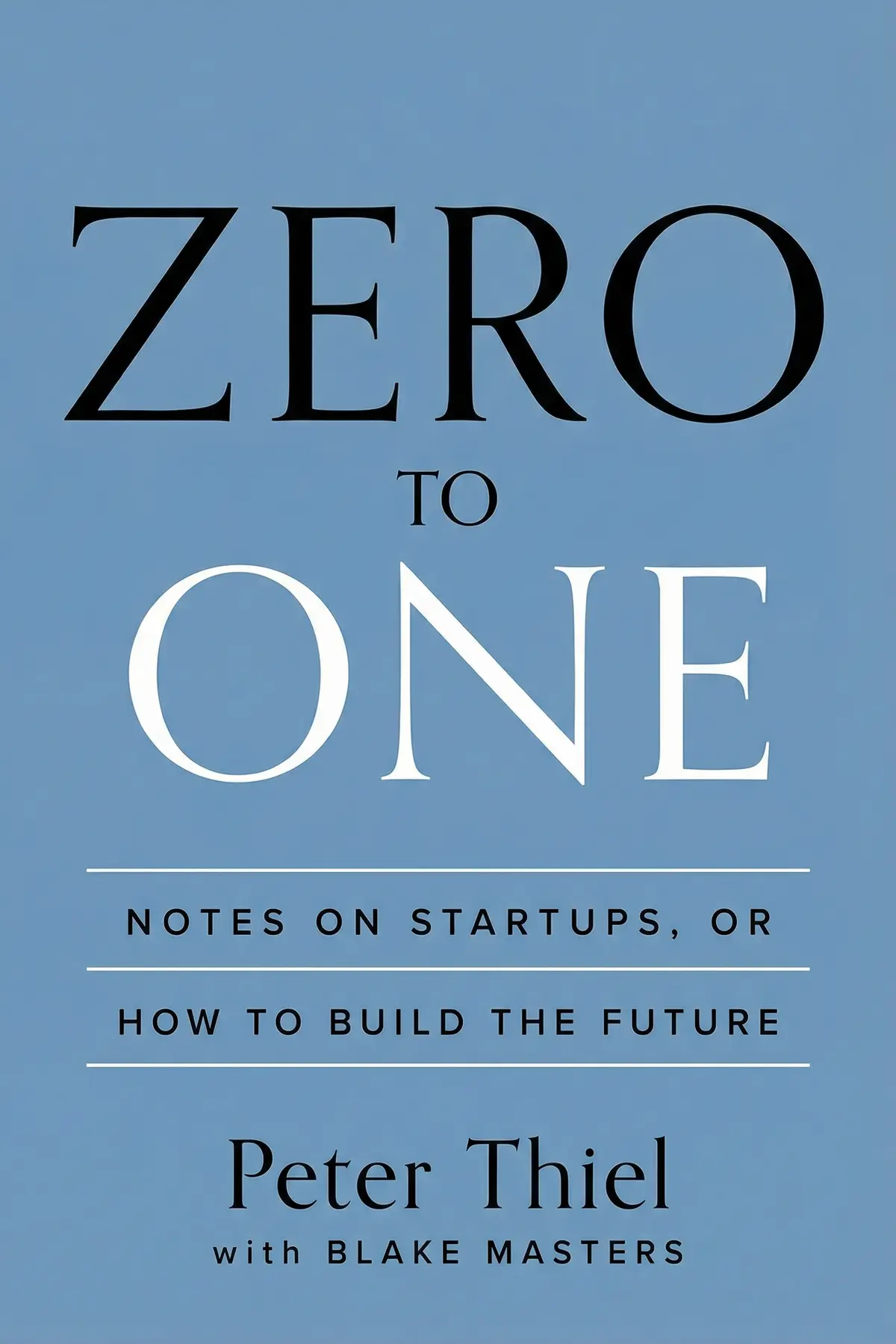
Table of Content
1. Introduction
1 min 26 sec
Every major moment in business happens only once. The next Mark Zuckerberg won’t build a social network. The next Larry Page or Sergey Brin won’t create a search engine. And the next Bill Gates won’t build an operating system. If you are copying these people, you aren’t learning from them. You are simply doing what has already been done. This is the central provocation that fuels our exploration today.
When we talk about the future, we often think of it as a set of years that haven’t happened yet. But the future is more than just a chronological progression; it is the set of all moments that will be different from the present. If nothing about our society changes for the next hundred years, then the future is a century away. If things change radically in the next decade, then the future is nearly here. Most people believe that the future will be defined by globalization, but the truth is that technology matters more.
In this summary, we are diving deep into a philosophy of creation. We will examine why competition is often a trap that destroys value rather than creating it, and why the most successful companies are those that achieve a state of monopoly. We will look at how to identify secrets that others have missed and how to build a foundation for a company that can last for decades. This isn’t just about starting a business; it’s about the rare, vertical progress that takes us from zero to one. By the end of this journey, you’ll see the world not as a fixed set of possibilities, but as a landscape of hidden opportunities waiting for someone bold enough to claim them.
2. Horizontal vs. Vertical Progress
1 min 52 sec
Discover why the world is currently obsessed with doing more of the same and why true breakthroughs require a completely different direction of growth.
3. The Power of Definitive Planning
1 min 45 sec
Explore why the modern obsession with keeping your options open might be the very thing stopping you from achieving greatness.
4. Why Competition Is for Losers
2 min 02 sec
Uncover the counterintuitive truth about why business rivalries are often a waste of time and why you should aim for a monopoly instead.
5. The Myth of the Normal Founder
1 min 43 sec
Behind every great company is a founder who doesn’t fit the mold—learn why being an outsider is a prerequisite for innovation.
6. Hunting for Hidden Secrets
1 min 45 sec
Great companies are built on truths that others ignore—discover how to find the secrets that are hiding in plain sight.
7. Building for the Future Life of the Business
1 min 44 sec
Don’t get distracted by today’s growth; learn why the real value of a startup lies in its ability to dominate a decade from now.
8. The Foundation of Culture and Alignment
1 min 50 sec
A startup’s early decisions are permanent—learn how to set a foundation that prevents internal conflict and fosters true collaboration.
9. The Engineer's Blind Spot: Sales and Distribution
1 min 42 sec
Having a great product is only half the battle—discover why even the most revolutionary technology will fail without a strategic way to reach customers.
10. The Seven Questions for Every Startup
1 min 52 sec
Before you launch your next venture, put it to the test with these seven essential diagnostic questions that separate winners from losers.
11. Conclusion
1 min 19 sec
The world as we know it is the result of people who decided to do something different. It is the result of founders who looked at the status quo and decided that ‘good enough’ wasn’t good enough. As we’ve explored, the path to greatness doesn’t lie in competition, but in creation. It requires a shift in mindset from being an indefinite optimist to becoming a definite planner—someone who has a specific, bold vision for what the future should look like.
Building a monopoly isn’t about being a bully in the marketplace; it’s about being so innovative that you provide a value no one else can match. It’s about starting with a tiny niche, dominating it, and then using that as a springboard to transform entire industries. It requires the courage to hunt for secrets, the wisdom to build a rock-solid foundation of people, and the pragmatism to master the invisible art of sales.
As you move forward, ask yourself the contrarian question: What important truth do you know that no one else agrees with? The answer to that question is the seed of your future monopoly. Don’t be afraid to be the oddball, the outsider, or the one who sees a mystery where others see a settled fact. The task of building the future is not about following a pre-written map; it’s about drawing the map as you go. It is time to stop copying the past and start building the future. It is time to go from zero to one.
About this book
What is this book about?
This summary explores the provocative philosophy of Peter Thiel, a legendary figure in the venture capital world. At its heart, the book is a guide to escaping the trap of competition and learning how to build a company that is so unique it becomes a monopoly. It posits that true innovation doesn't come from doing what others have already done, but from identifying hidden secrets and creating something entirely new. The narrative breaks down the distinction between horizontal progress—copying what works elsewhere—and vertical progress, which involves going from nothing to something, or Zero to One. Listeners will learn how to identify market opportunities, structure a founding team with a long-term vision, and navigate the technical and social hurdles of bringing a revolutionary product to life. The promise is a blueprint for building the future by looking where no one else is watching.
Book Information
About the Author
Peter Thiel
Peter Thiel cofounded PayPal and is one of the most prominent venture capitalists in the world. He was the first outsider to invest in Facebook and has a net worth of over seven billion dollars. Blake Masters, a venture capitalist, served as the president of the Thiel Foundation until 2022.
Ratings & Reviews
Ratings at a glance
What people think
Listeners view this work as essential for business owners, commending its deep insights and functional guidance for entrepreneurs. The book addresses beneficial concepts and delivers a fresh perspective on achieving success, with one listener mentioning how it reduces complex scenarios to basic facts. Listeners characterize the experience as an absorbing and revelatory one that offers high-quality knowledge.
Top reviews
Giulia
Ever wonder why most tech companies feel like carbon copies of each other? Thiel’s core argument is that real value comes from building something unique rather than just adding to a pile of existing junk. This is a punchy, aggressive read that challenges the 'lean startup' obsession with constant, tiny iterations. I found the chapter on proprietary technology being 10x better particularly eye-opening for evaluating long-term viability. It's not a step-by-step manual, but it provides a necessary mental framework for anyone trying to escape the trap of perfect competition. Truth is, most business books are fluff, but this one actually forces you to think about the 'secrets' you've discovered. It’s an essential guide for founders who want to build a monopoly rather than a commodity.
Show moreNiphon
Wow. This is probably the most influential business book I've read in the last five years. It doesn't waste time on the typical 'be a good leader' platitudes that fill up most airport bookstores. Instead, Thiel focuses on the engineering question and the importance of finding secrets that no one else sees. The idea that 'all happy companies are different' because they achieved a monopoly is a total paradigm shift for most people. I appreciated how the book treats sales as an integral part of product design rather than an afterthought for the marketing department. Personally, I found the analysis of the dot-com bubble to be a fascinating historical lesson on why we became so afraid of big plans. Every page is packed with insights that demand reflection.
Show moreSomsak
Finally got around to reading this and it actually lived up to the massive reputation it has in tech circles. Most entrepreneurs talk about 'disruption,' but Thiel argues that true innovators should avoid competition entirely by creating something brand new. This focus on the '0 to 1' moment is exactly what is missing from a world obsessed with copying existing models and calling it 'innovation.' I loved the section on how great founders are often unusual or even 'extreme' individuals who bring out the best in their teams. The writing is clear, the arguments are provocative, and the advice is surprisingly practical if you are willing to think big. It’s an eye-opening read that will change how you look at every business you encounter. Truly a must-read for anyone who wants to build the future.
Show moreTak
Not what I expected from a business book at all. Instead of a dry list of tasks, it’s a deep dive into the psychology of creation and why certain companies succeed while others fail. Thiel’s obsession with finding 'secrets'—the truths that people haven't yet discovered—is a fascinating way to approach market research. I especially liked the discussion on sales and why even the best technology needs a solid distribution plan to survive in the wild. It’s refreshing to see an author acknowledge that nerds often underestimate the power of persuasion and marketing. The book is short enough to finish in an afternoon, but the ideas will stay with you for months. If you’re serious about entrepreneurship, this belongs on your shelf right next to the classics. It’s a brilliant, challenging, and ultimately hopeful look at what humanity can achieve.
Show moreDen
After hearing so much hype about Thiel's philosophy, I finally sat down with this and came away mostly impressed. The way he breaks down the difference between horizontal and vertical progress is brilliant, even if it feels a bit oversimplified at times. To be fair, his dismissal of luck in the 'You are not a lottery ticket' chapter felt incredibly dismissive of external factors that clearly matter to most successful ventures. However, his insights into how competition actually destroys profits are probably the most valuable parts of the whole book. He doesn’t mince words when describing why startups need to start with small, concentrated markets before expanding. It’s a dense read that demands you argue with the author while you turn the pages. Definitely worth your time if you can handle a bit of arrogance.
Show moreNing
Picked this up during a weekend flight and finished it before we landed because the prose is just so lean and punchy. Thiel and Masters have managed to distill complex economic theories into something that feels like a late-night conversation with a very smart, very cynical mentor. The sections on distribution were a major highlight for me, as most founders ignore sales until it's far too late to fix the business. Look, you won't agree with every single sentence—his take on higher education is especially polarizing—but the 'seven questions' framework at the end is worth the price of admission alone. It serves as a brutal reality check for anyone who thinks a good product is enough to win. This isn't just another 'how-to' book; it's a 'how-to-think' book for the modern era.
Show moreSureerat
The chapter on why 'Thiel’s Law' is so critical—that a startup messed up at its foundation cannot be fixed—really hit home for me. It’s a sobering reminder that the early decisions about co-founders and equity are often the ones that sink a ship years later. Not gonna lie, the tone can be a bit much, especially when he starts acting like he’s the only person who understands the future of technology. But if you can look past the ego, there are incredible lessons here about building a defensible market position. His 'seven questions' provide a high-level checklist that every entrepreneur should be able to answer before asking for a single cent of VC money. It's a short book, yet it packs more punch than most 400-page business tomes I've suffered through. I'm definitely keeping my copy for a second pass.
Show moreSom
In my experience, books by famous investors are usually just ghostwritten ego trips, but this feels like it has real substance behind it. Thiel’s take on the 1999/2000 dot-com boom provides a unique perspective on why the tech world is currently so obsessed with 'lean' and 'incremental' growth. He argues that we’ve overcorrected by becoming too afraid of bold, long-term plans, which is a sentiment I haven't seen expressed so clearly elsewhere. The truth is, building a monopoly sounds evil to some, but he makes a compelling case for why it’s actually the only way to fund sustained innovation. My only real gripe is that he can be a bit repetitive with his disdain for anything that isn't IT. Still, it’s a thought-provoking piece that breaks down complex economic scenarios into basic, understandable facts.
Show moreCooper
As someone who has worked in three different startups, I found this to be a strange mix of profound wisdom and absolute nonsense. Thiel is clearly a brilliant mind, but his obsession with being a contrarian leads him to make some truly bizarre claims about physics and medicine. Gotta say, the chapter on company culture was great—he's right that 'perks' like free lunch aren't actually culture—but then he follows it up with a weirdly aggressive stance on specialists vs generalists. The book flows well and is easy to digest, yet I couldn't help but shake my head at his dismissal of incremental progress. It's a polarizing read that will either make you feel like a genius or a complete fraud. I'd recommend it for the startup mechanics, but take the philosophical rants with a massive grain of salt.
Show moreSaranya
This book is basically a manifesto for a very specific, very narrow type of Silicon Valley elitism. Thiel spends half the time making bold proclamations about history and science that feel like they were pulled out of thin air without a single citation. Frankly, comparing hipsters to the Unabomber on page 96 was where he completely lost me. He has a nasty habit of misstating opposing views just so he can knock them down with his own self-serving anecdotes. While there are some decent points about sales being misunderstood by 'nerds,' they are buried under mountains of condescending pontification. It’s the work of someone who is far too impressed with his own contrarianism to offer practical, grounded advice. If you enjoy being lectured by a billionaire who thinks he has cracked the code to human existence, you'll love it.
Show moreFeatured in
Readers also enjoyed
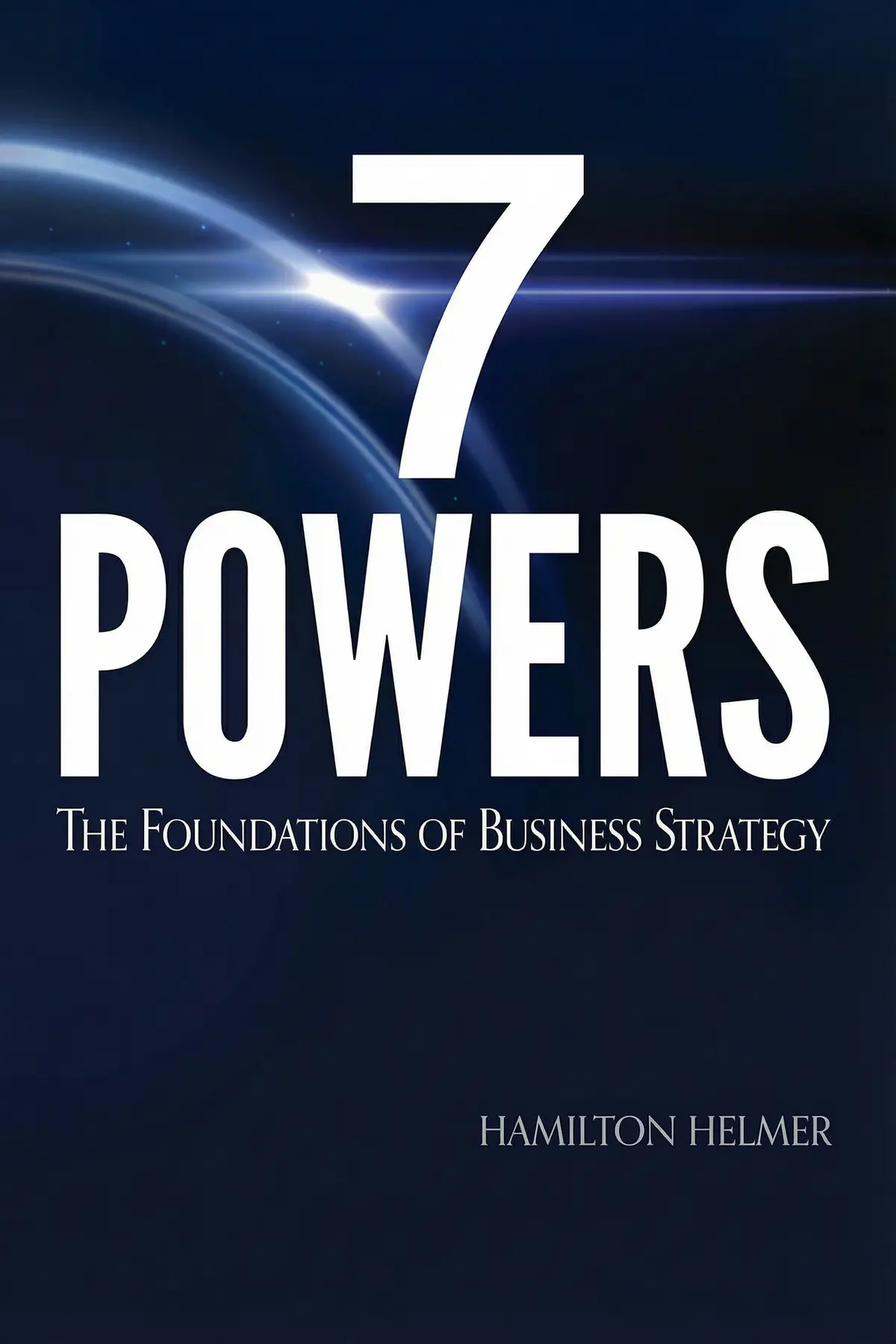
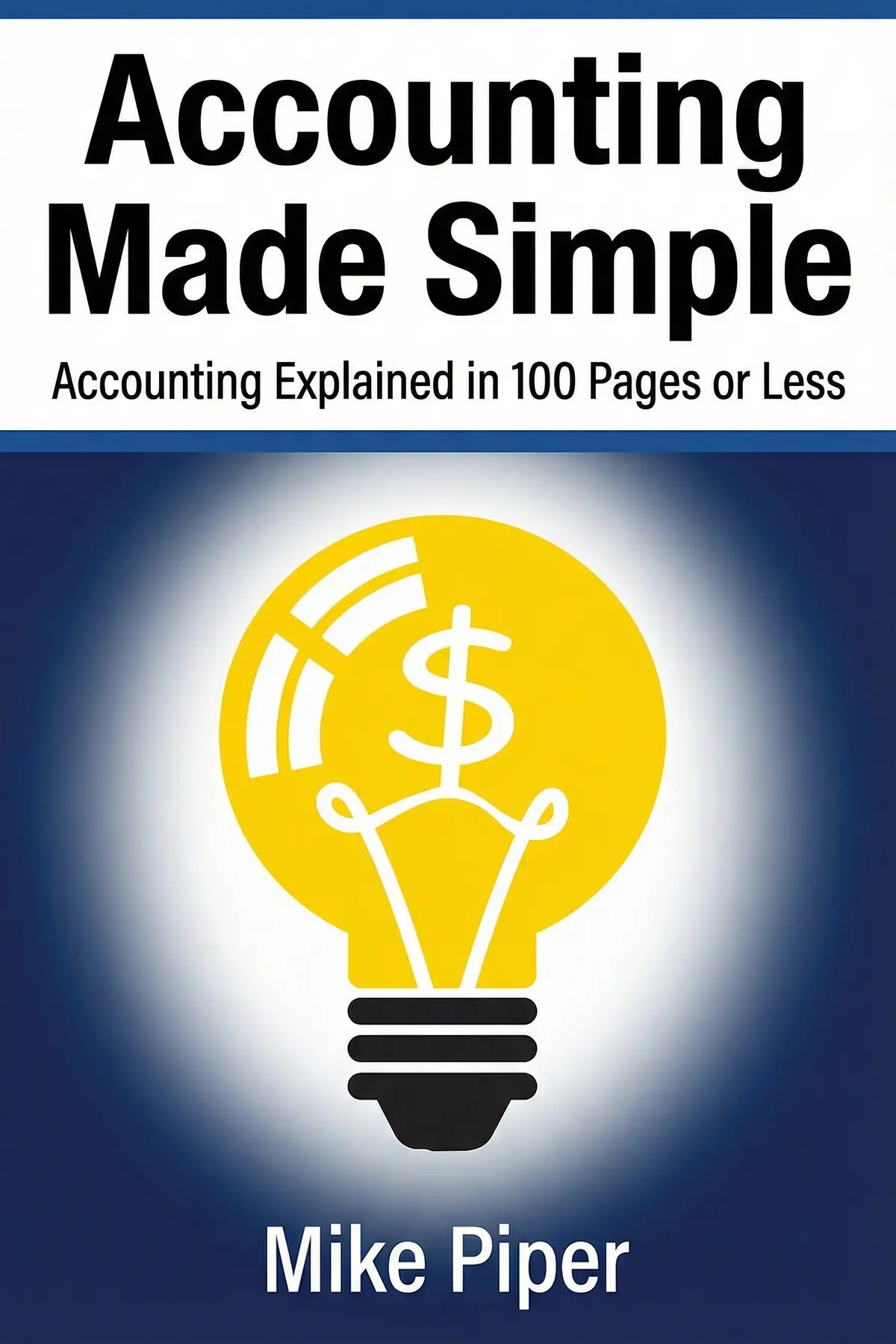
7 Powers: The Foundations of Business Strategy
Hamilton Helmer
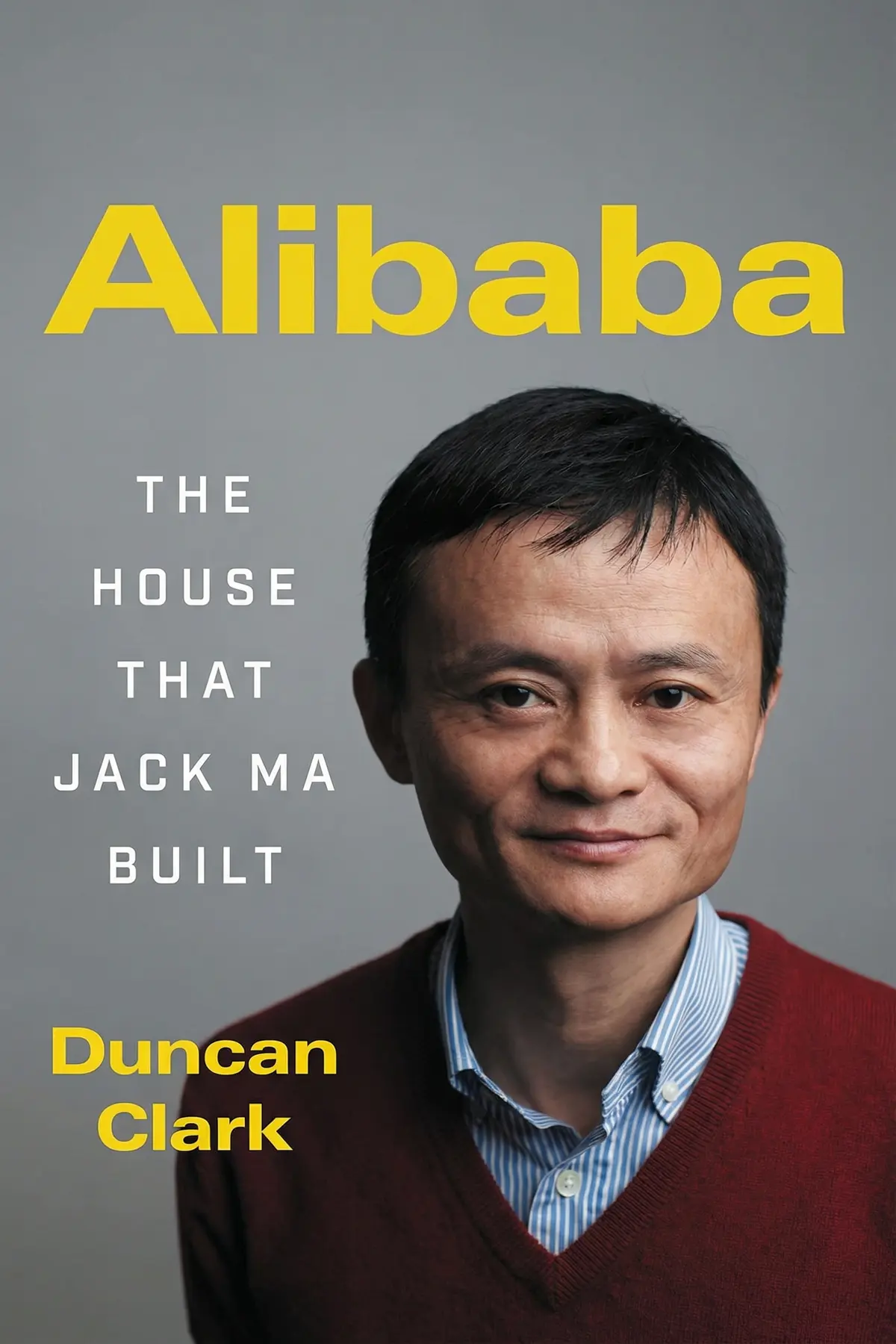
Alibaba: The House That Jack Ma Built
Duncan Clark
Bad Blood: Secrets and Lies in a Silicon Valley Startup
John Carreyrou
AUDIO SUMMARY AVAILABLE
Listen to Zero to One in 15 minutes
Get the key ideas from Zero to One by Peter Thiel, plus 5,000+ more titles in English and Thai.
- 5,000+ titles
- Listen as much as you want
- 7-day free trial
- Cancel anytime







