
18 min 41 sec
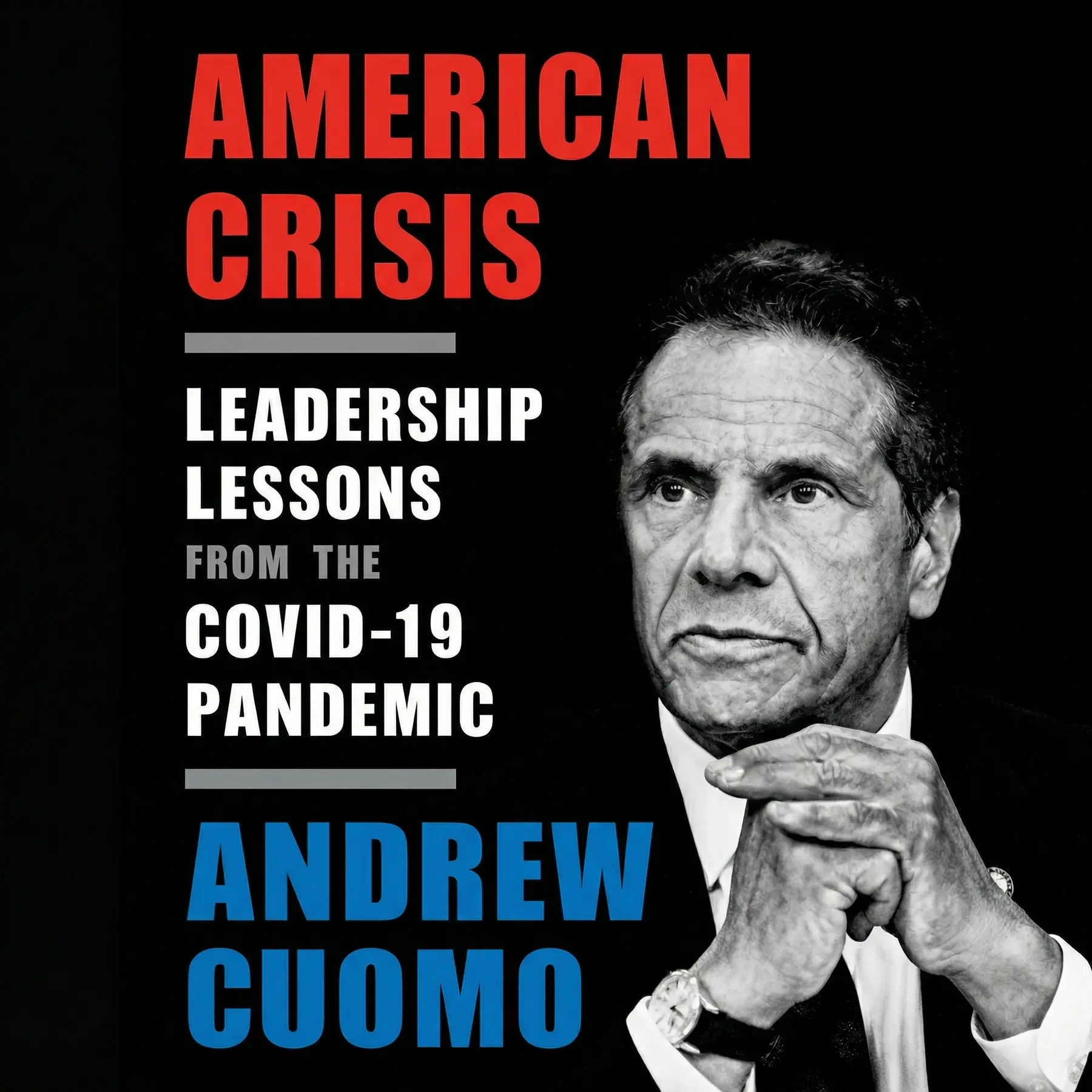
American Crisis: Leadership Lessons from the COVID-19 Pandemic
American Crisis offers an inside look at leadership during the COVID-19 pandemic, detailing Governor Andrew Cuomo’s efforts to manage the public health response while navigating political and social challenges in New York.
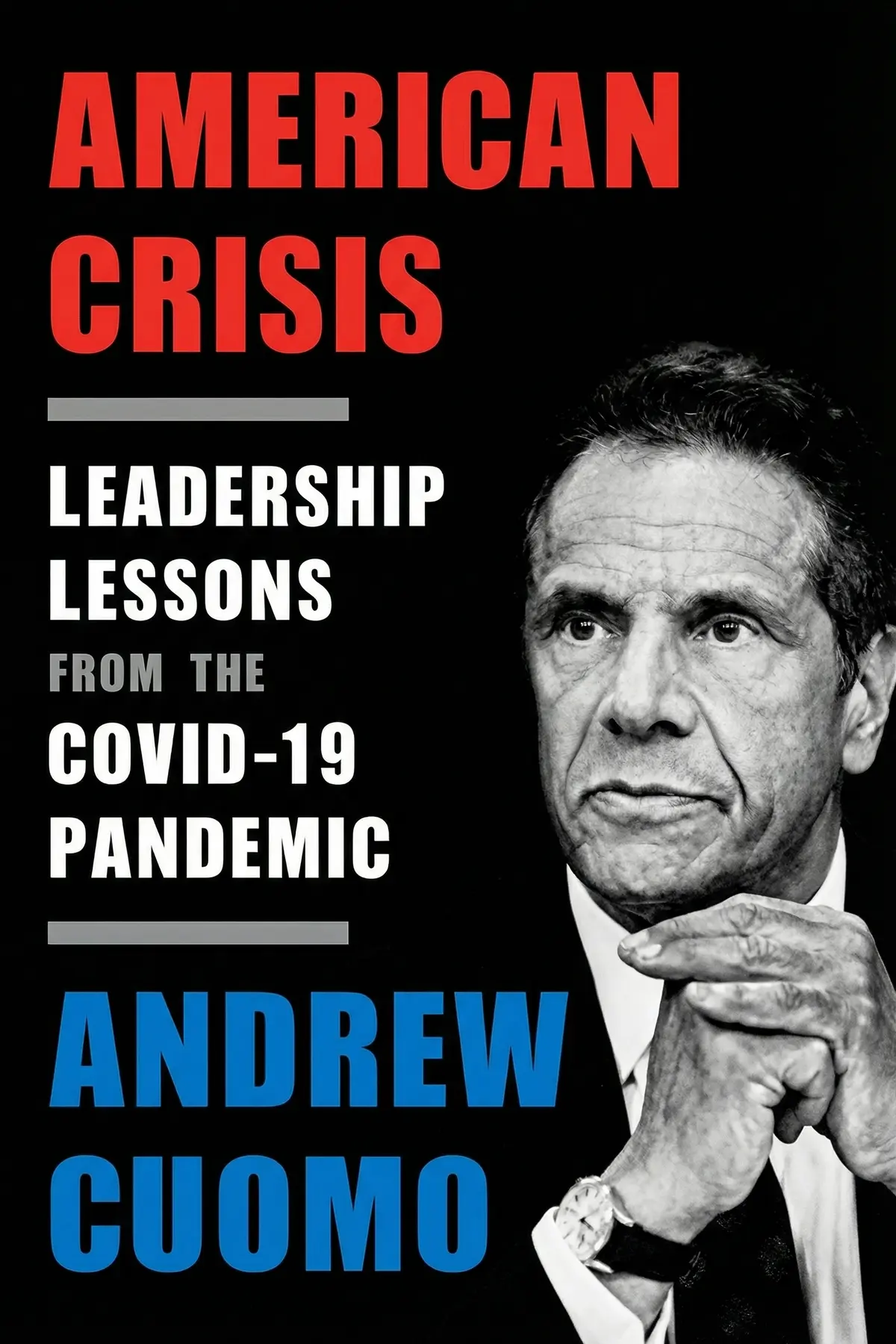
Table of Content
1. Introduction
1 min 33 sec
Imagine the weight of a silent threat creeping into the most densely populated city in the nation, while the official channels of information are telling you the danger is still thousands of miles away. This was the reality for New York in the spring of 2020. It began with a phone call in the quiet hours of the night—a notification that the first case of a new, terrifying virus had officially been recorded. But as we would soon discover, that single case was just the tip of an iceberg that had been drifting through the city’s streets for much longer than anyone realized.
In this exploration of a historic turning point, we follow the journey of a state executive thrust into the role of a crisis manager on a global stage. The story is about more than just medical statistics or government mandates; it is about the fundamental principles of leadership when the stakes are life and death. You will see how a lack of preparedness at the national level forced local leaders to improvise, innovate, and occasionally fight for the resources their people needed to survive.
Through this account, we will examine the mechanics of a massive public health response, from the creation of specialized testing protocols to the logistical puzzles of expanding hospital capacity overnight. But we will also look at the softer side of leadership—the need for empathy, the power of clear communication, and the importance of showing vulnerability when a population is paralyzed by fear. This is a throughline of resilience, showing how a community can come together to achieve what once seemed impossible, even as they face a double crisis of health and social upheaval. As we walk through these events, keep in mind the central question: what does it truly take to guide a society through its darkest hour when the path forward is completely unmapped?
2. The Hidden Onset and Misinformation
1 min 57 sec
Discover how early assumptions about the virus’s origin led to a false sense of security and allowed a silent outbreak to take root.
3. Mastering Crisis Communication
1 min 59 sec
Explore the delicate balance between transparency and panic as a leader strives to keep the public informed during a state of emergency.
4. The Battle for Testing Autonomy
1 min 54 sec
Learn how bureaucratic hurdles nearly paralyzed the pandemic response and forced a state to develop its own medical infrastructure.
5. Designing the Surge and Flex System
1 min 55 sec
See how a fragmented healthcare landscape was transformed into a unified front through a revolutionary coordination strategy.
6. The Power of Authentic Leadership
1 min 51 sec
Reflect on why showing human emotion can be a leader’s most effective tool for building trust and community resilience.
7. Defending State Authority
1 min 45 sec
Witness the high-stakes legal and political tug-of-war between state and federal powers over the future of the recovery.
8. Leading Through Intersecting Crises
1 min 53 sec
Observe how a leader manages the sudden collision of a public health emergency and a national movement for social justice.
9. The Miracle of Collective Action
1 min 49 sec
Uncover the secret behind New York’s recovery and how the spirit of volunteerism turned the tide against the pandemic.
10. Conclusion
2 min 05 sec
The journey through the height of the COVID-19 pandemic in New York serves as a masterclass in the complexities of modern leadership. We have seen how the crisis began with a series of failures—from the misinformation regarding the virus’s origins to the bureaucratic hurdles that stifled the nation’s testing capacity. Yet, we also saw how those failures sparked a spirit of innovation. By developing its own tests and creating the ‘Surge & Flex’ hospital coordination system, the state demonstrated that when the central government falters, local leadership must step into the breach with bold, decisive action.
The throughline of this entire experience is the necessity of trust. Whether it was through the daily briefings that prioritized hard facts or the moments of raw vulnerability that humanized the executive office, the goal was always to build a bridge to the public. Without that trust, the monumental task of locking down a city of millions or managing the intersection of a pandemic and a social justice movement would have been impossible. The success in flattening the curve was not merely a logistical triumph, but a social one, fueled by the cooperation and sacrifice of a unified citizenry.
As we look back on these events, the most important takeaway is that preparedness is more than just having supplies on hand; it is about having the mental and organizational agility to pivot when the plan fails. A leader must be willing to admit what they don’t know, to listen to the experts, and to stand their ground when politics threatens public safety.
To apply these lessons in your own life or organization, start by auditing your own response to pressure. Take a moment to define your core responsibilities. When things get chaotic, focus on being both clear-eyed about the facts and relentlessly positive about the solution. Remember that your strength as a leader is a reflection of the strength of the people you serve. By fostering transparency and encouraging collective action, you can navigate even the most daunting of crises. New York proved that even when faced with the ‘impossible,’ a community that stands together can find its way home.
About this book
What is this book about?
This narrative provides a detailed perspective on the early days of the global pandemic through the eyes of a state leader. It explores the chaotic reality of managing a health emergency when federal guidance is inconsistent and resources are scarce. The book traces the timeline from the very first confirmed case in New York to the eventual flattening of the infection curve, highlighting the strategic decisions behind testing, hospital capacity, and public communication. Beyond the logistics of healthcare, the text examines the intersection of political leadership and human emotion. It delves into the tensions between state and federal governments, the struggle to balance economic needs with public safety, and the added complexity of a social justice movement emerging in the middle of a health crisis. Ultimately, the book promises a lesson in resilience, emphasizing that transparent communication and community cooperation are the primary tools for surviving a monumental disaster.
Book Information
About the Author
Andrew M. Cuomo
Andrew M. Cuomo served as the 56th governor of New York, taking office in 2011. A member of the Democratic Party, he followed in the political footsteps of his father, Mario Cuomo, who previously held the same governorship. Cuomo is a lawyer by profession and has authored other works including All Things Possible: Setbacks and Success in Politics and Life and Crossroads: The Future of American Politics.
Ratings & Reviews
Ratings at a glance
What people think
Listeners find this work to be essential reading, commending its high-quality writing and engaging nature. They value the depth of the information provided; one listener mentions how the daily briefings offered both hope and clarity, whereas another emphasizes the strong presentation of data and key talking points. The title earns praise for its perspective on leadership, with one review highlighting Cuomo's successful management of the emergency, and its sincere tone, as one listener points out how it exposes his emotional vulnerability.
Top reviews
Elias
As a New Yorker who lived through those terrifying first months, I found this book incredibly grounding. I remember tuning into the daily briefings every morning just to feel like someone was actually in charge of the chaos. This book captures that same sense of organized urgency and provides a much-needed deep dive into the logistics of the crisis. Cuomo is surprisingly vulnerable here, discussing his family and his late father in a way that feels very human and heartfelt. Truth is, we needed a leader who could translate complex data into actionable steps, and he did exactly that when the federal response was failing us. Some might call it self-serving, but I see it as an essential documentation of a historic moment. The audio version is especially good because you get to hear that familiar voice again. It’s a compelling look at what it takes to manage a catastrophe in real-time.
Show morePichaya
Ever wonder what was actually happening behind the scenes when the ventilators were running low? This book gives you a front-row seat to the most intense government operation of our lifetime. I found the chapters on the Javits Center and the USNS Comfort to be particularly gripping and well-paced. Cuomo’s writing style is direct and pragmatic, mirroring the way he handled those famous daily briefings that kept us all sane. Frankly, this should be required reading for anyone interested in public policy or emergency management. He manages to balance the hard data with personal anecdotes about his father, Mario, which provides some nice historical context for his leadership style. While he definitely spends some time settling scores with his political rivals, the core of the book is about the resilience of New Yorkers. It’s an inspiring read that reminded me why I felt so much hope during such a dark time. Truly a fascinating look at a leader under fire.
Show moreNuk
Picked this up because I missed the sense of calm Cuomo provided during the height of the lockdown. This book serves as a permanent record of a time when we were all searching for a glimmer of truth. I love how he documents the daily grind of the crisis, from the early morning calls to the late-night strategy sessions. The information quality is top-notch, and he explains the science in a way that feels accessible without being condescending. In my experience, very few politicians are willing to be this open about their own emotions and fears. He admits to being controlling and sometimes grouchy, which just makes him feel more like a real person doing a hard job. The contrast between his methodical approach and the chaos coming out of the White House is startling. It’s a powerful reminder that competent government actually matters. This is a must-read for anyone who values facts and clear-eyed leadership.
Show moreThitima
The level of detail regarding the state's logistical response is actually pretty fascinating. While I understand why some people are put off by the timing of the release, the actual content provides a solid blueprint for crisis management. Cuomo breaks down the communication hurdles with the White House and the frantic search for PPE with a level of clarity that is rare in political memoirs. Not gonna lie, there are moments where the self-praise gets a bit thick, but the data-driven approach he took is undeniable. It was interesting to see the behind-the-scenes friction between state and federal authorities during such a high-stakes period. He doesn't hold back on his criticisms of Trump, which makes for some very pointed and entertaining reading if you followed the news closely. It’s not a perfect book, and his defense of the nursing home policy feels a bit thin, but the insights into executive decision-making are valuable.
Show moreAom
Finally got around to finishing this, and I have to say it’s a lot more emotional than I anticipated. Most political books are dry and filled with policy jargon, but Cuomo actually lets the reader see his internal struggle. The sections about his daughters and his concern for his brother Chris add a layer of humanity that made the political maneuvering more relatable. It’s clear that he was under immense pressure, and his frustration with the lack of federal support practically leaps off the page. I especially liked the focus on 'New York Tough' and how he tried to build a sense of community through sheer force of will. To be fair, the book can be a bit repetitive if you watched every single one of his press conferences. However, having all that information organized into a narrative structure is very helpful for future reference. It’s a strong testament to the power of transparent leadership during a national emergency.
Show moreEllie
Not what I expected, but in a good way. I went into this thinking it would be a dry recitation of stats, but it’s actually a very readable account of the spring 2020 surge. The way he presents the data and talking points makes the complex reality of the virus much easier to digest. You can tell he’s a policy wonk at heart, but he has a way of making the logistics of hospital capacity sound like a high-stakes thriller. My only real gripe is that he tends to pivot away from his own mistakes a bit too quickly. The nursing home section felt more like a legal defense than a heartfelt explanation, which was a bit disappointing. Still, his ability to stand up to the federal government's erratic behavior was impressive to revisit. He captures the exhaustion and the determination of that period perfectly. It’s a solid four-star read for anyone who wants to understand the 'New York model' of pandemic response.
Show moreKai
After hearing so much controversy about the book deal, I wanted to see the content for myself. What I found was a very detailed and mostly persuasive account of how New York managed to flatten the curve. The book is structured around specific lessons in leadership, which makes it feel more like a manual than a standard autobiography. I appreciate that he gave credit to people like Mike Pence when it was deserved, showing a level of pragmatism that was often missing from the national discourse. Look, the book isn't without its flaws; it’s clearly written to protect his legacy. However, the sheer amount of information about the pandemic's early days is invaluable for history buffs. The pacing is a bit uneven, with some chapters dragging more than others, but the overall message is one of unity and grit. It’s a worthwhile read if you can separate the politics from the actual crisis management strategies being discussed.
Show moreMaja
Wow, the level of transparency regarding his interactions with the Trump administration is wild. Cuomo doesn't pull any punches when describing the 'ambush' he felt the federal government was leading against the states. I found the presentation of data and the explanation of 'The New York Clean' initiative to be surprisingly engaging. It’s a fast-paced read that captures the frantic energy of a city under siege. To be fair, it’s a very one-sided account, and he definitely paints himself as the hero of the story at every turn. But then again, who doesn't in their own memoir? The book does a great job of explaining why certain decisions were made under extreme time constraints. Even if you don't agree with every policy, you have to respect the work ethic displayed here. It’s a fascinating look at the intersection of public health and high-level politics. I’d recommend it to anyone who wants to relive those 111 days of lockdown.
Show moreTom
Why publish this now? That was the question burning in my mind the entire time I slogged through these chapters. It feels incredibly tone-deaf to be taking a victory lap when the pandemic is still very much a daily reality for millions of Americans. The writing style is surprisingly flat and repetitive, often just echoing the same talking points we already heard during his televised briefings. Look, I appreciated his presence on TV during the spring, but this book adds very little new wisdom to the conversation. Instead of a deep dive into what went wrong, we get a highly curated version of events that ignores the most difficult questions. The lack of critical self-reflection regarding the nursing home crisis is the biggest glaring omission here. Personally, I think this should have been written five years from now when we have more perspective. It’s hard to take the 'lessons learned' seriously when the author is still in the middle of the fight.
Show moreYongyut
Is this some kind of joke? Reading this felt like watching a masterclass in gaslighting while the bodies were still being counted in New York nursing homes. Cuomo spends hundreds of pages painting himself as the savior of the pandemic, yet he completely glosses over the devastating consequences of his own executive orders. To be fair, the prose is polished, but the lack of genuine self-reflection makes the whole thing feel slimy and prematurely self-congratulatory. It is frankly insulting that he found the time to secure a massive book deal while the state was still reeling from the second wave. If you’re looking for an objective historical account, look elsewhere because this is pure political fiction designed to bolster an ego. He points the finger at everyone else—the federal government, Trump, even the bus drivers—without ever taking real accountability for the lives lost under his watch. Skip this one and wait for a real history book to be written.
Show moreReaders also enjoyed
A Promised Land
Barack Obama
7 Powers: The Foundations of Business Strategy
Hamilton Helmer
A River in Darkness: One Man’s Escape from North Korea
Masaji Ishikawa
A Theory of Justice
John Rawls
A Bigger Prize: How We Can Do Better Than the Competition
Margaret Heffernan
AUDIO SUMMARY AVAILABLE
Listen to American Crisis in 15 minutes
Get the key ideas from American Crisis by Andrew M. Cuomo, plus 5,000+ more titles in English and Thai.
- 5,000+ titles
- Listen as much as you want
- 7-day free trial
- Cancel anytime







