
15 min 54 sec
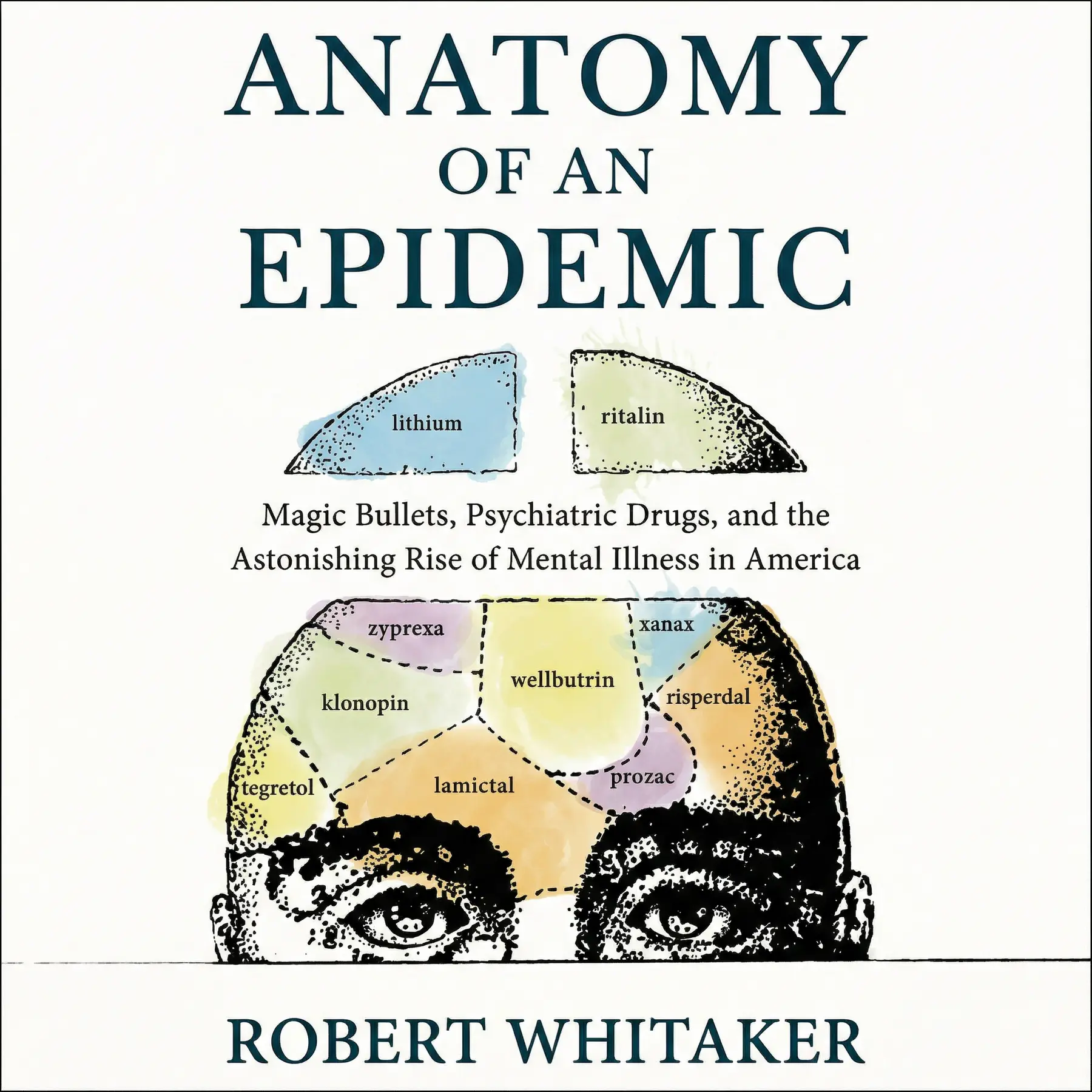
Anatomy of an Epidemic: Magic Bullets, Psychiatric Drugs, and the Astonishing Rise of Mental Illness in America
Anatomy of an Epidemic investigates the surprising correlation between the rise of psychiatric medications and the skyrocketing rates of mental disability, challenging the long-term effectiveness of modern pharmaceutical treatments for mental health.
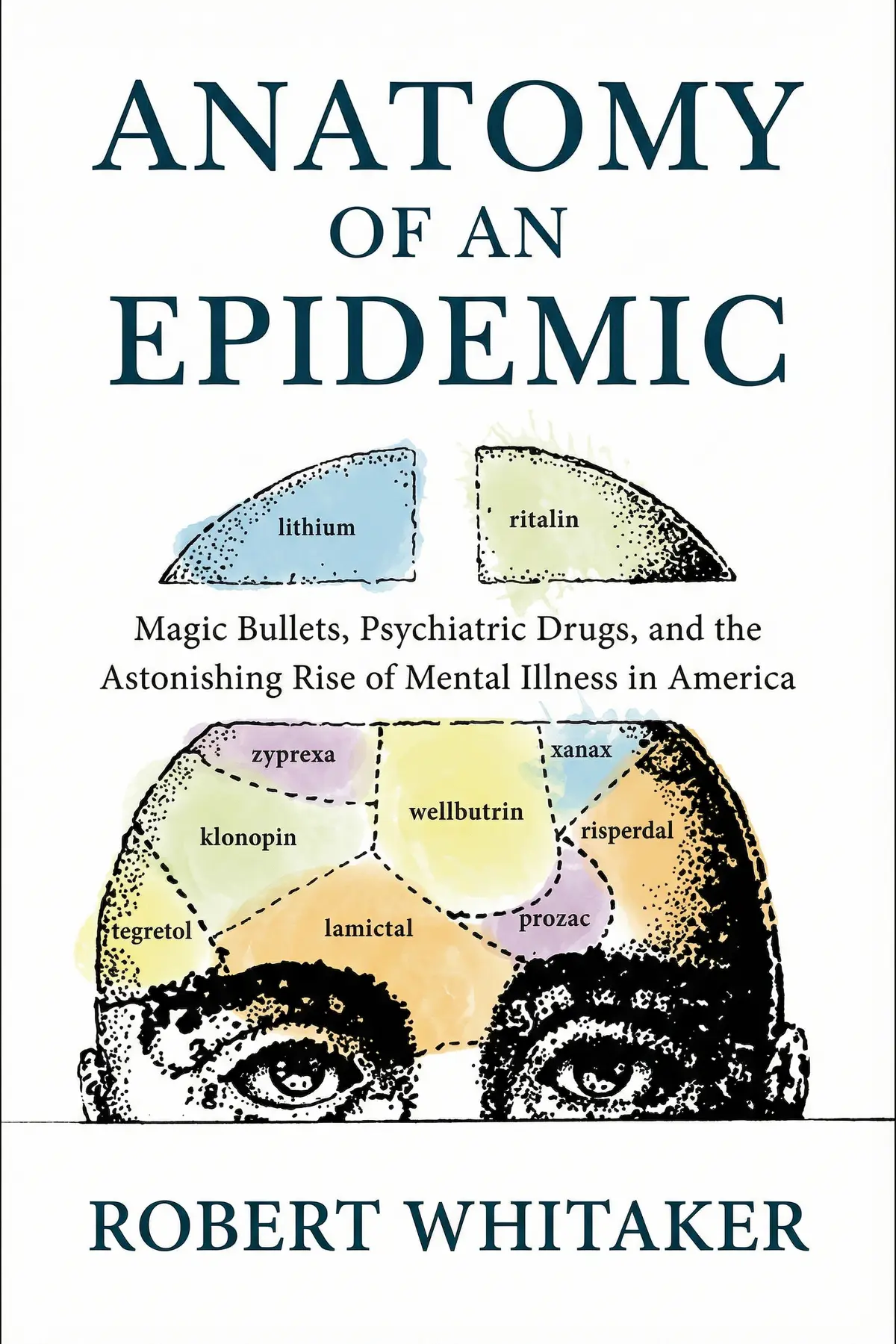
Table of Content
1. Introduction
1 min 38 sec
Think for a moment about your social circle. Odds are, you know several people—perhaps even yourself—who rely on a daily prescription to manage depression, anxiety, or another mental health challenge. This has become so commonplace that we rarely stop to question it. Yet, if we step back and look at the broader landscape of American health, a startling paradox emerges. We are living in an era where psychiatric medicine is more advanced and more widely available than ever before, and yet, the number of people suffering from debilitating mental illness is not shrinking. In fact, it is exploding.
How did we reach a point where nearly one in eight Americans is on some form of psychoactive medication? This is the central question of our journey today. We aren’t just looking at a medical trend; we are looking at what has effectively become a modern plague. But unlike a viral outbreak that spreads through a population by chance, this epidemic has been shaped by a complex web of private interests, professional crises within the field of psychiatry, and a pharmaceutical industry that found a goldmine in the human brain.
In this exploration, we’ll trace the history of these drugs back to their accidental origins. We’ll see how a profession in search of legitimacy rebranded itself to fit a biological model, and how the very tools meant to offer a ‘magic bullet’ for suffering may have inadvertently created a cycle of chronic illness. It’s a story about the intersection of science, money, and the fragile chemistry of the human mind, and it challenges us to reconsider everything we thought we knew about the path to mental wellness.
2. The Accidental Birth of Psychiatric Medicine
2 min 11 sec
Discover how the drugs we use for mental health today weren’t actually designed for that purpose, but were the byproduct of a search for something entirely different.
3. The Biological Backlash of Long-Term Use
2 min 18 sec
Explore the hidden ways that psychiatric drugs can alter brain chemistry over time, sometimes leading to the very symptoms they were meant to treat.
4. A Rising Tide of Mental Disability
2 min 02 sec
The statistics reveal a troubling trend: as the use of psychiatric medication has gone up, the rate of long-term disability has followed suit.
5. Psychiatry's Quest for Professional Legitimacy
2 min 00 sec
Learn how a crisis of identity within the psychiatric field led to a radical shift from talk therapy to a strictly biological model.
6. The DSM and the Standardization of Illness
2 min 00 sec
See how a single book transformed the way we diagnose mental health, turning subjective feelings into a structured list of disorders.
7. The Lucrative Alliance Between Pharma and Medicine
2 min 07 sec
Uncover the financial ties and marketing strategies that keep the mental health industry booming at the public’s expense.
8. Conclusion
1 min 38 sec
As we look back at the history and current state of the mental health industry, the picture that emerges is one of a systemic failure. The ‘epidemic’ of mental illness we see today isn’t just a natural phenomenon; it is a situation that has been carefully, if unintentionally, constructed over decades. We moved from an era of accidental discovery to one of calculated rebranding, ultimately creating a society where permanent medication is the default response to human suffering.
The evidence we’ve explored suggests that while psychiatric drugs can provide short-term relief, their long-term use may actually be counterproductive, leading to brain changes and a higher rate of chronic disability. When you combine this with a professional organization that is financially intertwined with the pharmaceutical industry, the result is a medical model that is incentivized to expand diagnoses rather than promote true recovery.
The lesson here isn’t necessarily that all medication is bad, but that we must be far more critical of the ‘magic bullet’ narrative. We need to ask why our rates of disability are rising alongside our drug sales and reconsider whether we have traded the complex reality of the human experience for a simplified, biological checklist. Moving forward, the challenge is to look beyond the ‘chemical imbalance’ and seek pathways to healing that prioritize long-term health and genuine human resilience over the convenience of a daily pill. Only by recognizing the mechanics of this epidemic can we begin to find our way out of it.
About this book
What is this book about?
Anatomy of an Epidemic takes a deep, investigative look into why the number of people disabled by mental illness in America has grown exponentially despite a massive increase in the availability of psychiatric drugs. It explores the history of how these medications were discovered—often by accident—and how they were marketed to the public before their long-term effects were fully understood. The book promises to reveal the hidden mechanics of the mental health industry, from the internal rebranding of the psychiatric profession to its lucrative partnership with pharmaceutical giants. By examining the biological impact of drugs like SSRIs and antipsychotics, it questions whether the very treatments meant to heal us are contributing to a chronic cycle of illness and chemical dependency. It is a provocative critique that calls for a reassessment of how we approach emotional and psychological healing.
Book Information
About the Author
Robert Whitaker
Robert Whitaker is an award-winning writer who has provided extensive coverage on issues regarding mental health and the pharmaceutical industry. He is the author of several critically-acclaimed books, including Mad in America, The Mapmaker’s Wife and On the Laps of Gods.
Ratings & Reviews
Ratings at a glance
What people think
Listeners find the work extensively researched and expertly written, with one listener noting its thorough examination of factors. They consider it essential reading for psychotherapists and psychoanalysts, and one listener mentions how it changed their perspective on psychotropics. The book receives varied reactions regarding its pacing, with some finding the content upsetting and tragic, while perspectives on safety are split, including several listeners who caution against dangerous side effects.
Top reviews
Prim
This book should be mandatory reading for every adult in America. Whitaker manages to take complex medical history and weave it into a narrative that is both disturbing and deeply researched. I found the sections on the skyrocketing rates of disability due to mental illness particularly staggering; it makes you question everything we've been told about the progress of modern pharmacology. While some might find the pacing a bit slow during the neurological descriptions, the payoff is worth the effort. It completely changed my perspective on how we approach long-term treatment. We are essentially conducting a massive, uncontrolled experiment on the population without knowing the long-term neurological consequences. It’s a gut-punch of a read that will leave you thinking long after the final page.
Show moreLadawan
Heartbreaking and absolutely eye-opening. I was stunned to learn how the diagnostic criteria for conditions like bipolar disorder have been expanded, seemingly to create a wider market for drug companies. Whitaker details how kids as young as two are being put on powerful psychotropics before their brains are even close to being formed. It’s a harrowing account of how we’ve moved away from talk therapy and exercise toward a chemical-first model that often results in a lifelong cycle of dependency. Personally, I found the evidence regarding long-term outcomes for unmedicated patients versus medicated ones to be the most chilling part of the whole book. If you care about public health or the future of our children, you have to read this.
Show moreAroon
Picked this up after a recommendation from my doctor, and I’m so glad I did. It’s one of those rare books that completely shifts your worldview. The research into how SSRIs were marketed despite mediocre clinical results is genuinely shocking. I appreciated that Whitaker didn't just scream 'meds are bad' but instead provided a historical framework for how we got here, starting with the early days of malaria treatments. The truth is, the current system seems designed to create lifelong customers rather than cured patients. It’s a very well-written piece of investigative journalism that doesn't shy away from the darker corners of the medical industry. Every person currently taking or considering a prescription for depression or anxiety needs to see this data.
Show moreHannah
Truth is, I used to view psychotropics as simple magic bullets that fixed a broken brain. After finishing this, I feel like I've been woken up from a dream. Whitaker shows how the 'chemical imbalance' story was more of a marketing slogan than a scientific reality. The book is deeply researched and provides a staggering amount of data on how these drugs can actually cause the very chronic conditions they are supposed to treat. It’s a heartbreaking read, especially the parts about children being diagnosed with ADHD and bipolar at such young ages. While it's a bit of a slog to get through all the studies, the cumulative effect of the evidence is undeniable. This is brave, essential journalism that deserves a wider audience.
Show moreEmma
Finally got around to this classic, and wow, it did not disappoint. It’s a comprehensive and well-backed argument against the over-prescription of mind-altering drugs in our society. Whitaker is a talented writer who knows how to make statistics feel personal and urgent. I was particularly struck by the comparisons between outcomes in countries that use fewer drugs versus the US. To be fair, he does have a clear bias, and some of the neurological descriptions went over my head, but the general thrust of the book is impossible to ignore. It’s a disturbing look at the iatrogenic nature of our modern mental health epidemic. Highly recommended for anyone who wants to understand the 'why' behind the current rise in mental illness.
Show moreMikael
As a practicing counselor, I found Whitaker’s exploration of the iatrogenic effects of psychiatric drugs to be both necessary and haunting. He provides a thorough examination of the shift from the 1950s Thorazine era to the post-Prozac explosion, arguing that our current 'magic bullet' approach might actually be fueling the epidemic. It’s essential reading for anyone in the mental health field, even if you don't agree with every one of his conclusions. To be fair, his tone can occasionally lean toward the evangelical, and I suspect he overlooks some of the nuance in severe cases where medication is a literal lifesaver. However, his critique of the DSM-III and the way capitalism has influenced diagnostic criteria is incredibly persuasive. A bit dry in spots, but crucial.
Show moreBrooklyn
Ever wonder why the disabled list for mental illness has exploded since the 1980s? Whitaker dives deep into the data to suggest that the drugs themselves might be the culprit. He maps out how psychiatry moved from the periphery of medicine to the center by embracing a 'chemical imbalance' theory that remains largely unproven. The way he describes the influence of pharmaceutical money on the APA is frankly nauseating. My only gripe is that the book runs a little long and can feel repetitive toward the end, but the historical context is invaluable. It’s a disturbing look at what happens when medical care and profit motives become inextricably linked. Not an easy read, but a vital one.
Show moreCherry
The chapter on the history of psychiatry was particularly illuminating for me. Whitaker traces the evolution of 'magic bullets' with such clarity that even a layperson can follow the complex neurological arguments. I was particularly fascinated by the story of Thorazine and how its sedative effects were repurposed as a cure for psychosis. While I do think Whitaker is a bit of a skeptic for skepticism's sake at times, his points about the lack of long-term safety data are hard to ignore. The pacing is a bit heavy-handed in the middle sections, but the overall message is a powerful indictment of a system that prioritizes quick fixes over holistic health. It’s a must-read for anyone interested in the intersection of science and society.
Show moreViolet
I wanted to love this because the premise is so important, but I found the author’s style to be incredibly antagonistic. There is a sense of cherry-picking throughout the book; he often presents data that supports his skepticism while seemingly ignoring the studies that provide counter-evidence. At times, the citations felt a bit careless, almost like he was pulling from book jacket blurbs rather than peer-reviewed literature. Look, the core message that we are over-medicated is something I already believed, but Whitaker’s 'all or nothing' attitude makes it hard to recommend this as a balanced educational tool. It’s an interesting perspective if you want to see the most cynical take on the pharmaceutical industry, but take it with a grain of salt.
Show moreSuwit
Frankly, Whitaker has a massive agenda here that makes it difficult to trust his findings completely. He comes across as extremely alarmist, using sentences taken out of context to support a very specific, one-sided narrative against psychiatry. While I agree that big pharma has too much influence, his suggestion that almost everyone can just 'wean off' medication is dangerous and irresponsible for those with severe, life-threatening conditions. He even brings up the Scientologists in a way that feels like he's trying to legitimize their fringe views just because they happen to share his hatred for psychologists. The writing is passionate but unprofessional, and the sarcasm throughout the text undermines what could have been a serious scientific critique. Read it for the controversy, not the facts.
Show moreReaders also enjoyed
ADHD an A-Z: Figuring It Out Step by Step
Leanne Maskell



Alcoholics Anonymous
Alcoholics Anonymous World Services
A Liberated Mind: How to Pivot Toward What Matters
Steven C. Hayes
AUDIO SUMMARY AVAILABLE
Listen to Anatomy of an Epidemic in 15 minutes
Get the key ideas from Anatomy of an Epidemic by Robert Whitaker, plus 5,000+ more titles in English and Thai.
- 5,000+ titles
- Listen as much as you want
- 7-day free trial
- Cancel anytime







