
16 min 17 sec
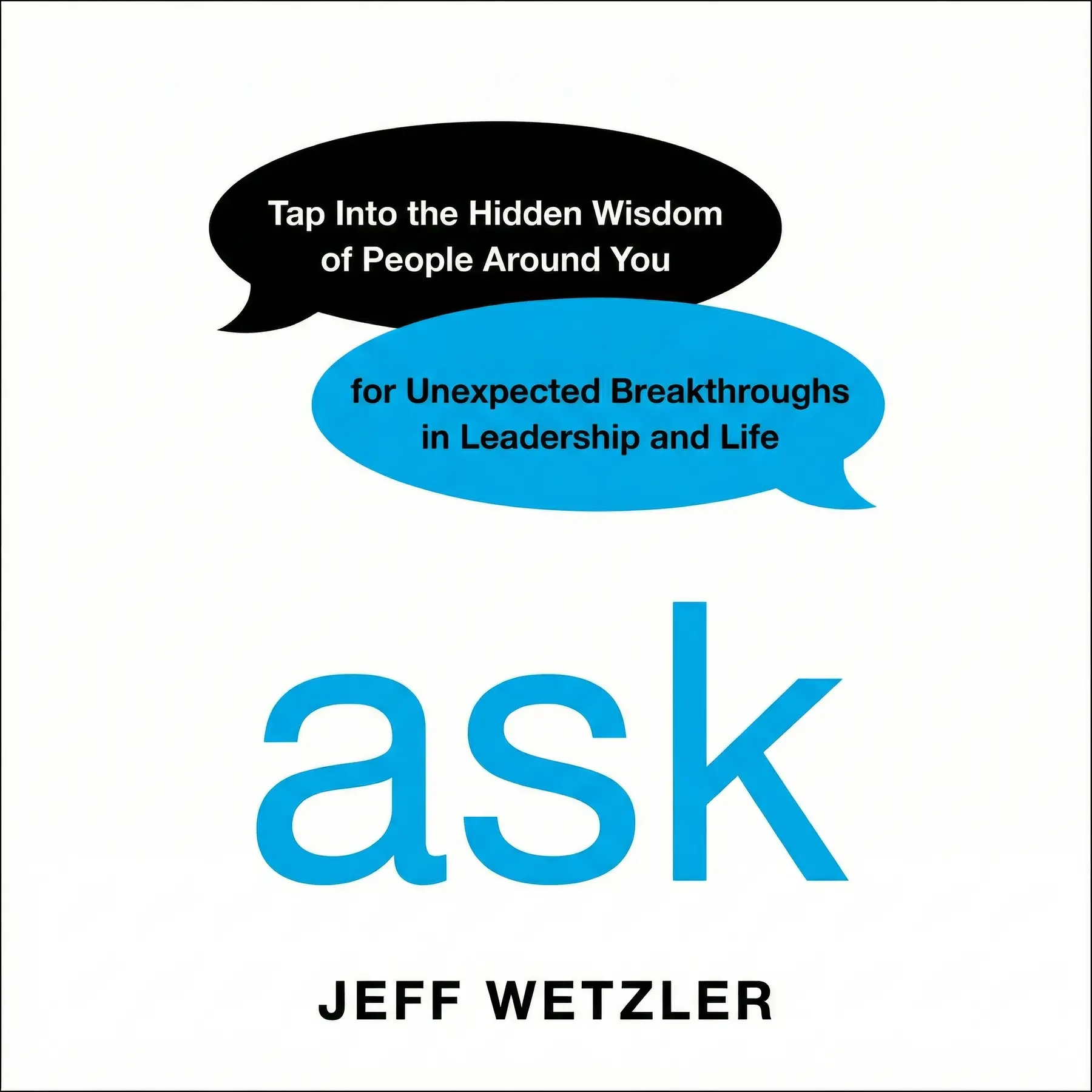
Ask: Tap Into the Hidden Wisdom of People Around You for Unexpected Breakthroughs in Leadership and Life
By Jeff Wetzler
Learn to bridge the gap between what people think and what they say. This summary explores a strategic approach to inquiry that fosters deeper connections and smarter decision-making in any environment.
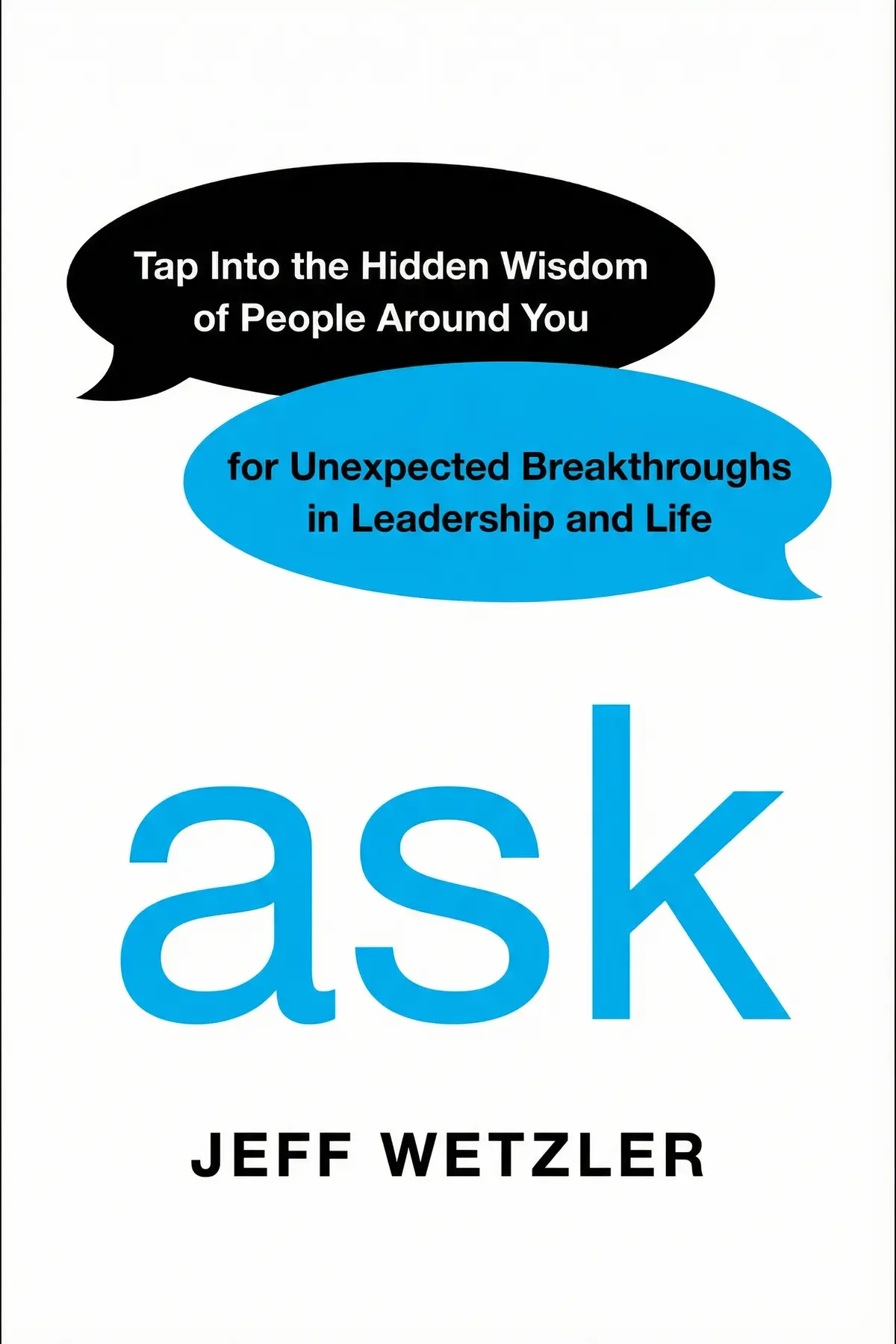
Table of Content
1. Introduction
1 min 21 sec
Have you ever walked away from a meeting or a difficult conversation with a nagging feeling that you didn’t get the whole story? Perhaps you noticed a colleague’s hesitation or a friend’s forced smile, but you didn’t know how to reach the truth hidden behind their polite exterior. This is a common phenomenon in human interaction: the gap between what is actually happening in someone’s mind and what they choose to say out loud. Most of us go through life making decisions based on incomplete information, unaware of the goldmine of insights sitting right in front of us, locked away in the minds of the people we work with and live with.
In this summary, we are exploring a powerful methodology to unlock that hidden wisdom. We’ll dive into a system designed to help you tap into the unspoken thoughts, feelings, and ideas of those around you. It’s not just about being a better conversationalist; it’s about a fundamental shift in how you navigate your world. By the end of this journey, you will have a clear framework for building trust, asking the right questions, and truly hearing what others are trying to tell you. This process, known as the ask approach, consists of five intentional steps that turn everyday interactions into opportunities for discovery and breakthrough. Whether you are leading a major corporation or trying to strengthen your personal relationships, the ability to uncover the ‘unspoken’ is a superpower. Let’s begin by exploring why that gap exists in the first place and how we can start to bridge it.
2. The Left-Hand Column
1 min 58 sec
Uncover the invisible barrier in every conversation where the most critical thoughts are often the ones left unvoiced and unaddressed.
3. Identifying the Walls of Silence
2 min 04 sec
Examine the psychological and social obstacles that prevent people from sharing their honest perspectives even when they want to.
4. The Power of Radical Curiosity
2 min 00 sec
Learn to dismantle your own assumptions and use the ladder of understanding to stay open to new information.
5. Constructing a Foundation of Safety
1 min 49 sec
Discover how to foster an environment where honesty is encouraged and the risks of speaking up are minimized.
6. Mastering Quality Questions
1 min 36 sec
Shift from manipulative or closed-ended inquiries to open, learning-oriented questions that invite deep exploration.
7. Listening Through Three Channels
1 min 49 sec
Go beyond the words by learning to hear the emotions and intentions that drive human communication.
8. The Art of Reflecting and Reconnecting
1 min 57 sec
Transform raw information into meaningful action by processing insights and maintaining the relationship loop.
9. Conclusion
1 min 43 sec
As we reach the end of this exploration into the art of inquiry, it is clear that the ability to ‘ask’ is much more than a communication skill—it is a leadership philosophy and a way of life. We have seen how the gap between spoken words and unspoken thoughts can lead to missed opportunities and broken trust. But we have also discovered a clear, five-step path to bridge that gap. By starting with a mindset of radical curiosity, building a foundation of psychological safety, mastering the craft of quality questions, listening with every sense, and finally, reflecting and reconnecting, you can unlock a world of hidden wisdom.
This approach requires patience and a willingness to be vulnerable. It asks you to stop being the person with all the answers and start being the person with the best questions. The rewards for this shift are immense. You will find that your decisions are better informed, your solutions are more creative, and your relationships are deeper and more authentic. You will no longer be the last to know the critical truth; instead, you will be the catalyst who brings that truth to the surface.
Take a moment to think about one relationship or one project in your life right now where you suspect there is more than meets the eye. What would happen if you climbed down your ‘ladder of understanding’? What if you created a space safe enough for someone to share their ‘left-hand column’? The hidden breakthroughs you’ve been looking for are likely already in the room with you, waiting to be asked. Now that you have the tools, the next step is simply to start the conversation. The wisdom of those around you is a vast, untapped resource—all you have to do is ask.
About this book
What is this book about?
This guide addresses a universal problem: the critical information people withhold in their daily interactions. Whether in a boardroom or at a dinner table, we often operate with only a fraction of the truth. Jeff Wetzler introduces a systematic five-step framework designed to reveal these unspoken truths. By moving from a state of knowing to a state of learning, you can uncover the hidden motivations, creative ideas, and honest feedback that others are often hesitant to share. The promise is a transformation in how you lead and relate to others. By the end of this summary, you will understand how to build psychological safety, ask more effective questions, and listen with a level of depth that facilitates unexpected breakthroughs. It is about more than just talking; it is about making better decisions and building authentic relationships through the power of strategic inquiry. You will learn to navigate the complexities of human communication to ensure you are never the last to know something critical again.
Book Information
About the Author
Jeff Wetzler
Jeff Wetzler is an expert in leadership and learning who earned his doctorate from Columbia University and a degree in psychology from Brown University. His career spans various prestigious roles, including management consulting and facilitating learning for global leaders. He has served as the chief learning officer at Teach For America and currently acts as the co-CEO of Transcend, an organization dedicated to innovation within the education sector.
Ratings & Reviews
Ratings at a glance
What people think
Listeners find the work highly insightful, presenting techniques for posing more meaningful questions and cultivating a curious atmosphere. It is also viewed as essential reading for managers, offering a functional handbook that promotes honest conversation and assists in building stronger bonds. Furthermore, listeners value how the text encourages a continuous state of inquiry, and one listener highlights how it improves their leadership skills. The caliber of the writing is praised, with one listener describing the book as energetically written.
Top reviews
Ruangrat
After hearing Jeff Wetzler on a leadership podcast, I was eager to dive into the full framework of his 'ask approach.' This isn't just a book about asking more questions; it's a blueprint for uncovering the hidden wisdom that people often keep locked away due to fear or social pressure. Wetzler’s writing is energetic and incredibly practical, offering clear strategies to foster genuine curiosity in high-pressure environments. I particularly appreciated the focus on 'listening to learn' rather than listening to respond or fix. For any manager struggling with team silos or superficial communication, this serves as an essential manual for deepening professional relationships. Some might find the focus on empathy a bit soft, but in my experience, that’s exactly what’s missing from modern corporate culture. It transformed how I approach my weekly check-ins immediately.
Show moreHunter
The chapter on safety and the 'ladder of understanding' changed my perspective on why my team was staying so quiet during our strategy sessions. I realized I was unintentionally killing curiosity by prioritizing speed over depth, which created a homogenous thinking environment that stifled bold ideas. Wetzler’s 'ask approach' provided me with the tools to build a more resilient connection with my staff by showing them that their honest feedback wouldn't result in negative repercussions. The book is a must-read for leaders who want to unlock the hidden wisdom of their people rather than just giving orders. It’s rare to find a business book that is both emotionally intelligent and practically actionable. I've already recommended it to several colleagues.
Show moreAnawin
Wow. I didn't realize how much I was 'jumping the ladder' in my daily interactions until I sat down with Wetzler’s work. The way he explains how our brains process thoughts faster than we can speak—leading to incomplete expressions—was a total 'aha' moment for me. By using the 'ask approach,' I’ve been able to create space for more meaningful dialogue by simply slowing down and asking quality, open-ended questions. The writing is energetic and the examples are relatable, making it easy to see how these techniques apply to both leadership and life. This book is a practical guide for anyone who wants to foster an environment where people feel safe enough to share their boldest, most 'impractical' ideas. It’s an insightful, game-changing read.
Show morePiyanart
Picked this up hoping for a better way to lead my department, and the concept of the 'left-hand column' alone made it worth the time. Wetzler borrows from Chris Argyris to show the massive gap between what employees say and what they are actually thinking during meetings. Truth is, we often ignore those unspoken tensions to save time, but this book argues that slowing down is actually more efficient in the long run. The prose is accessible, though it occasionally feels a bit repetitive when covering the basic benefits of curiosity. Still, the tactical advice on phrasing questions to avoid putting people on the defensive is gold. It’s a solid 4-star read that bridges the gap between organizational psychology and daily management tasks.
Show moreThida
As someone who works in a fast-paced tech environment, I found the section on 'safety' and 'demonstrating resilience' to be the most relevant part of this guide. We often rush through incident responses without actually digging into the root causes because we’re afraid of looking incompetent or slow. Wetzler provides a compelling argument for why leaders must handle honest, difficult feedback gracefully to prevent future crises. The writing style is engaging, and the 'Facts, Emotions, Actions' framework for listening is a practical tool I’ve started using in my one-on-ones. My only gripe is that it feels a bit geared toward neurotypical communication styles, which might not always work for everyone. Regardless, it’s a great reminder to stay curious even when you think you have all the answers.
Show moreWichai
This book reminded me that silence is often more powerful than the questions themselves, provided you’ve built the right environment first. Wetzler breaks down the barriers to communication—like time constraints and the fear of negative impact—with a level of clarity that is refreshing for a business title. I loved the emphasis on asking 'What else?' to dig past the first, often rehearsed, answer a person gives. The structure is logical, moving from internal curiosity to the final step of reflecting and reconnecting with those who shared their insights. While some of the 'safety' tips felt like common sense, seeing them organized into a repeatable system was genuinely helpful. It’s an energetic read that avoids most of the dry academic jargon found in similar titles.
Show moreSuda
Look, communication gaps aren’t just a workplace problem; they’re a human problem, and this book tackles that head-on with a lot of heart. I appreciated how Wetzler highlights the 'curiosity killers' like groupthink and emotional hijacking that prevent us from seeing the full picture in our relationships. The advice on listening through three channels—facts, emotions, and actions—is a sophisticated way to approach conversation that goes way beyond basic active listening. Personally, I found the section on 'reconnecting' after receiving feedback to be a brilliant addition that most other books in this genre completely overlook. It’s a solid guide that helps you move past assumptions to reach genuine understanding. Definitely worth a spot on your shelf.
Show moreSupaporn
Ever wonder if you really need 300 pages to tell you to ask better questions? Frankly, the core message of this book could have been a very long long-form article or a robust PDF guide. While the 'ask approach' has its merits, especially the 'ladder of understanding' section, much of the content feels like a surface tune-up for people who are already somewhat self-aware. It leans a bit too much into the therapeutic side of communication for my taste, neglecting the messy reality of asymmetric power games in a cutthroat office. I did find the tips on 'curiosity killers' like emotional hijacking quite useful for personal reflection. It’s a decent enough biz book, but if you’ve already read 'The Coaching Habit,' you might find a lot of this territory familiar.
Show moreLillian
Finally got around to finishing this, and while I agree with the central thesis that we are all inherently ignorant of each other's inner worlds, the execution was hit or miss. I first heard Jeff on Ryan Hawk’s podcast and felt like that 45-minute interview covered about 80% of the value found in these pages. The book pads its main points with a lot of corporate fluff that could have been trimmed to make a punchier, more impactful read. That being said, the 'ask' framework is a useful mental model for anyone trying to move beyond superficial small talk in their professional life. It’s not a radical departure from 'Supercommunicators,' but it’s a helpful companion if you need more concrete examples of question phrasing.
Show moreRatchada
Not what I expected at all, and to be fair, it felt like a missed opportunity to tackle the harder dimensions of human interaction. The book is far too focused on 'toxic empathy' and 'lived experiences' without giving any real guidance on how to validate answers through incentives or probability. If you are dealing with Byzantine faults or truly adversarial problem-solving, this therapeutic approach is going to get you nowhere. There are no metrics provided to track whether your questioning actually improves outcomes, making the whole system feel a bit vibes-based. The anecdotes are well-written, but the 'ask approach' seems naive when applied to high-stakes situations where people have every reason to lie. It’s too fluffy for a serious leadership manual.
Show moreFeatured in
Readers also enjoyed
7 Powers: The Foundations of Business Strategy
Hamilton Helmer

A Bigger Prize: How We Can Do Better Than the Competition
Margaret Heffernan
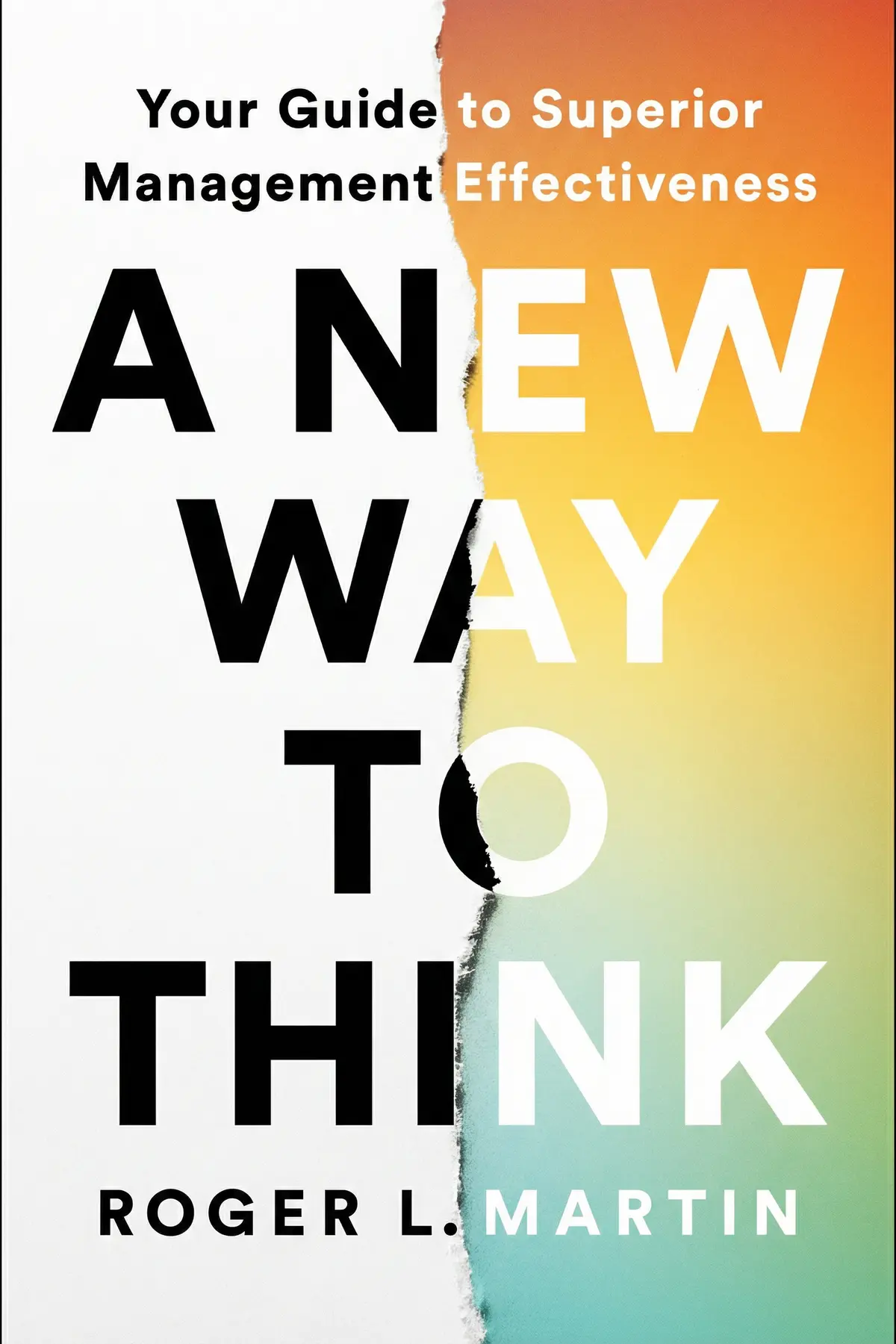
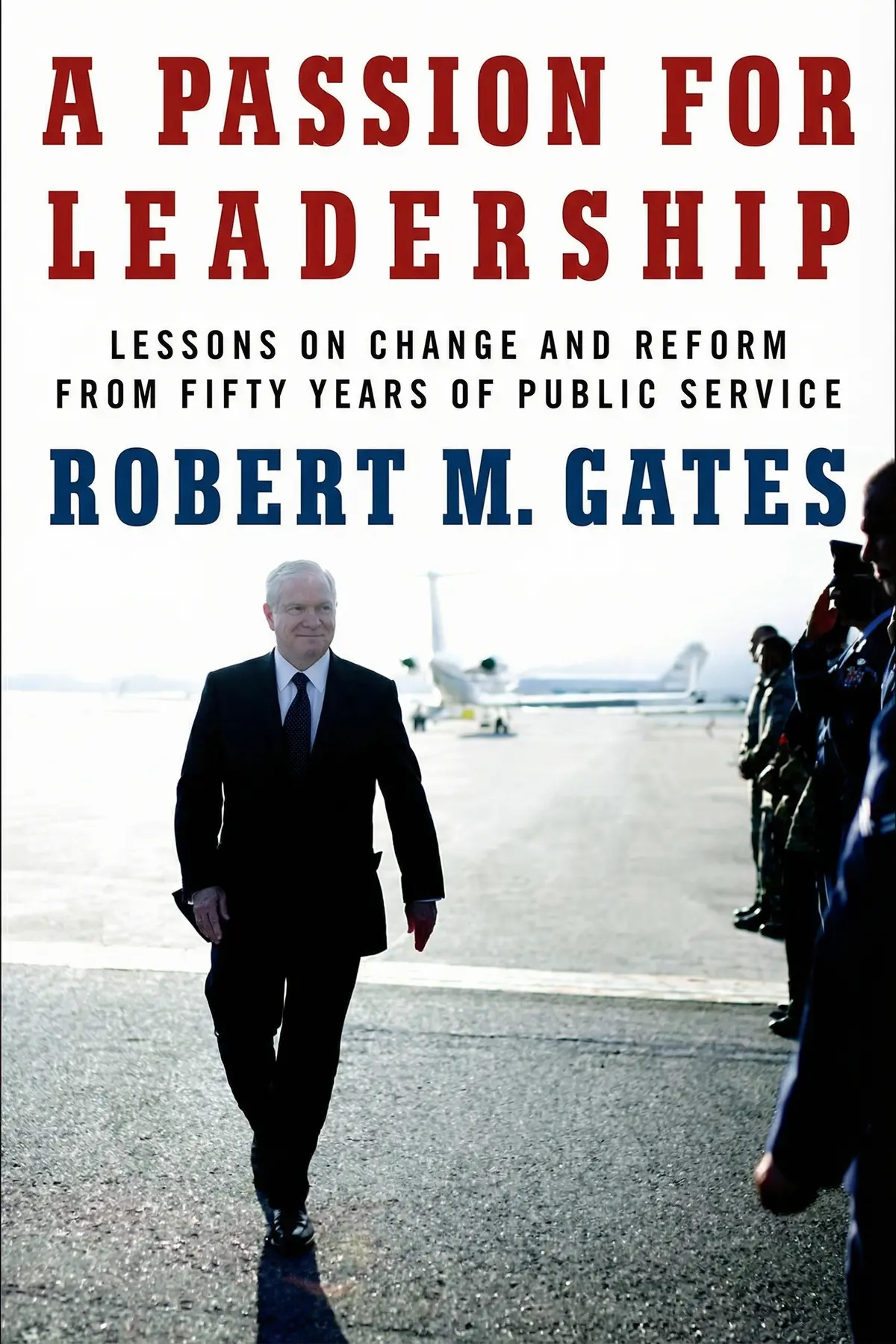
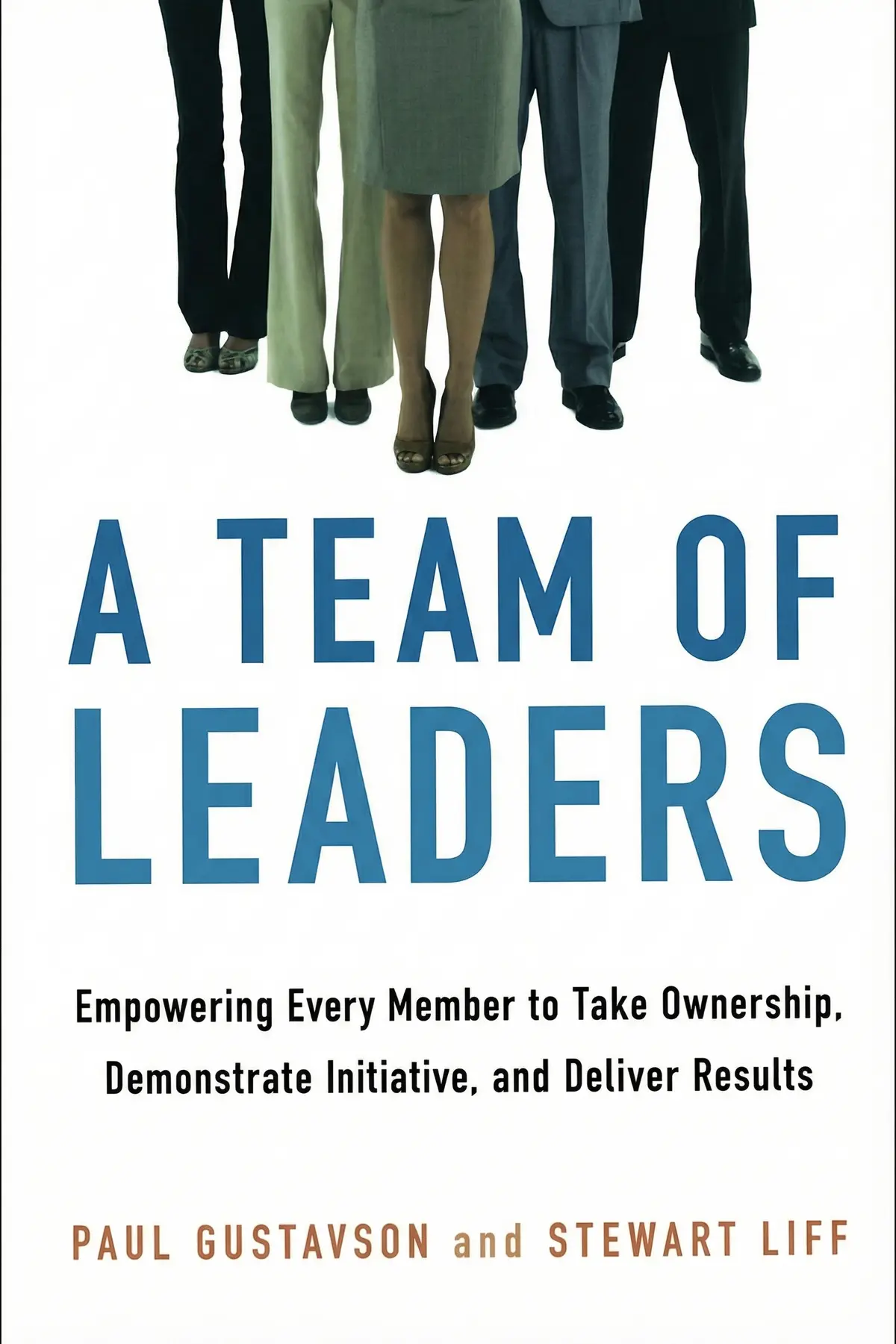
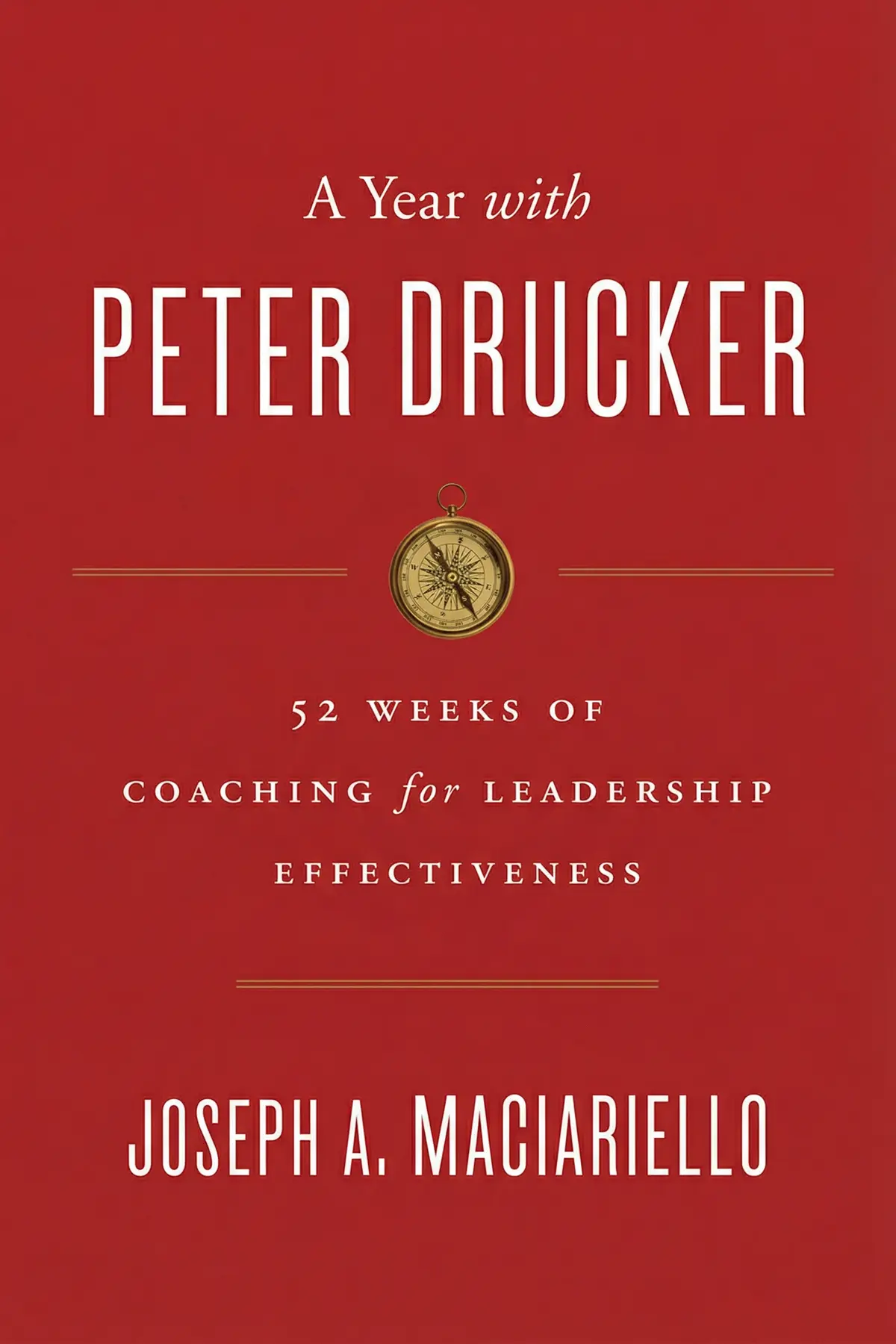
A Year with Peter Drucker: 52 Weeks of Coaching for Leadership Effectiveness
Joseph A. Maciariello
AUDIO SUMMARY AVAILABLE
Listen to Ask in 15 minutes
Get the key ideas from Ask by Jeff Wetzler, plus 5,000+ more titles in English and Thai.
- 5,000+ titles
- Listen as much as you want
- 7-day free trial
- Cancel anytime







