
All In: How Great Leaders Build Unstoppable Teams
Mike Michalowicz
Explore how self-awareness serves as the ultimate leadership tool. Learn to identify hidden blind spots, cultivate honest feedback, and leverage your unique strengths to transform your professional impact and organizational culture.
2 min 01 sec
There is a quiet, often invisible paradox that develops as a professional rises through the ranks of an organization. In the early stages of a career, feedback is constant. You have managers, mentors, and peers who are quick to point out where you’re falling short and where you’re succeeding. But as you climb higher, the air begins to thin, and the voices of honest critique start to fade. By the time someone reaches the executive level, they often find themselves in an echo chamber. Their jokes are met with laughter, their ideas are rarely challenged, and their weaknesses are politely ignored by subordinates who are understandably hesitant to correct the boss.
This is the central challenge addressed in Les Csorba’s work: the higher the stakes, the less likely a leader is to receive the clarity they need to succeed. Leadership is not just about strategic vision or technical expertise; it is fundamentally about self-perception. Without a clear view of how you show up in a room, how you react to stress, and how you inadvertently alienate others, your effectiveness will always be capped. You might be working harder than ever, yet wondering why your team seems disengaged or why your strategic initiatives keep hitting walls. The answer, more often than not, lies within the leader’s own blind spots.
In the following sections, we are going to explore the transformative power of seeing yourself clearly. We’ll look at why it takes a specific kind of courage to face the aspects of our personality we’d rather ignore, and how those hidden traits can ripple out to affect an entire company. We will also dive into a practical toolkit for building a personal feedback loop and examine how to create an entire organization that values truth over ego. Finally, we’ll see how this self-knowledge allows you to lean into your unique strengths—your leadership superpowers—while effectively managing the areas where you aren’t the best fit. This is about more than just personal growth; it’s about becoming the kind of leader who can navigate a complex world with a steady hand and a clear eye.
2 min 47 sec
True leadership growth requires more than just learning new skills; it demands the bravery to examine the aspects of our character we often keep hidden from everyone, including ourselves.
2 min 34 sec
Blind spots are a natural part of being human, but when a leader fails to account for them, the resulting errors can trigger a collapse that affects the entire organization.
3 min 10 sec
Developing self-awareness is not a one-time event but a disciplined practice that involves gathering external data and engaging in deep internal reflection.
2 min 52 sec
A leader’s personal awareness must extend to the organizational level, fostering a culture where feedback is welcomed and assumptions are regularly challenged.
2 min 52 sec
Self-awareness is not just about fixing what is broken; it’s about identifying and maximizing the unique strengths that make you an irreplaceable asset to your organization.
1 min 55 sec
As we have seen through these various perspectives, self-awareness is far from a passive state of mind; it is the most active and vital tool in a leader’s arsenal. It is the bridge between having potential and actually achieving impact. The journey of seeing yourself clearly begins with the courage to face the ‘third face’—those parts of our character we often hide from ourselves. It continues with the realization that our blind spots aren’t just personal inconveniences; they are systemic risks that can cascade through an entire organization, as we saw in the collapse of Lehman Brothers.
To combat this, we must build a rigorous feedback loop, utilizing both external data from 360 reviews and mentors, and internal reflection through journaling and mindfulness. We must also strive to move beyond our individual awareness to build cultures of psychological safety and collective learning, where truth-telling is more important than ego-stroking. And finally, we must use this clarity to identify our unique superpowers, allowing us to focus our energy where it matters most while empowering others to fill the gaps in our own skill sets.
The final takeaway is that the most effective leaders are not those who are perfect, but those who are the most honest with themselves. They are the ones who are willing to say, ‘I might be wrong,’ or ‘I need help here,’ or ‘This is where I am at my best.’ By embracing this level of unflinching honesty, you don’t just become a better manager; you become a more authentic human being. You create an environment where others feel safe to grow, and you build an organization that is grounded in reality rather than illusion. Start tomorrow by asking one person you trust for a single piece of honest feedback, and listen without defending yourself. That small act of courage is the first step toward a transformative type of leadership.
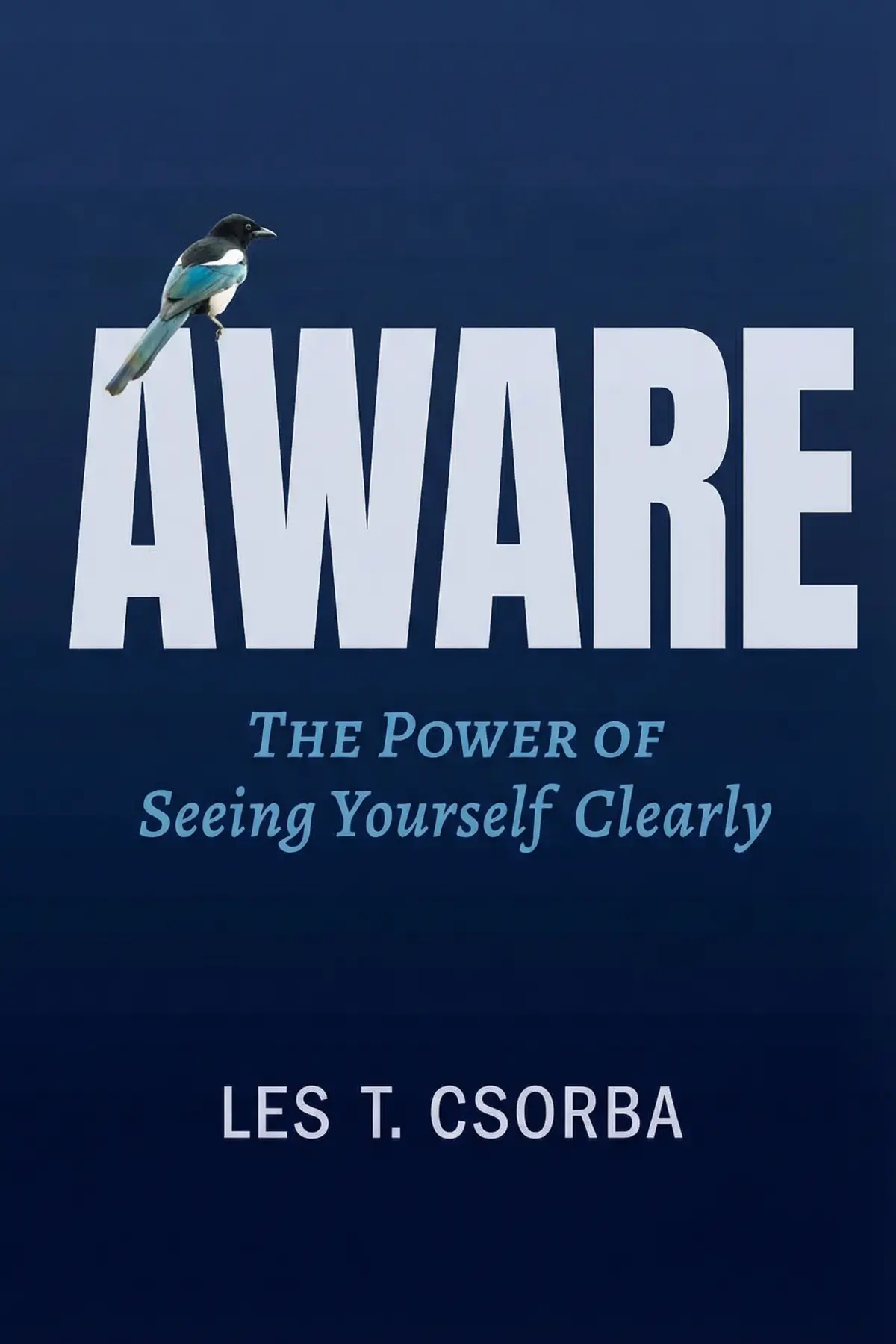
Aware examines the often-overlooked internal landscape of leadership. It argues that the most significant hurdles leaders face are not external market forces or competitive pressures, but the internal blind spots and biases that cloud their judgment. As individuals ascend the corporate ladder, they often become increasingly isolated from the truth about their own performance and behavior. This book provides a roadmap for reversing that trend, offering practical strategies to cultivate a deeper understanding of one’s self. The promise of the book is a shift from reactive to intentional leadership. By utilizing a toolkit of feedback mechanisms, reflective practices, and organizational shifts, readers learn to see themselves as others see them. This clarity allows leaders to move beyond defensive posturing and embrace a state of continuous improvement. Ultimately, the book guides readers toward identifying their unique “superpowers”—those specific talents that allow them to add the most value—while building a culture of psychological safety where others feel empowered to speak the truth.
Les T. Csorba is a CEO coach and partner at Heidrick & Struggles, a leading executive search and leadership advisory firm. He’s the author of Trust and serves on the board of the Bettering Human Lives Foundation, which provides clean cooking fuels to families in extreme poverty in Africa.
Listeners find that the book delivers useful leadership strategies and does an outstanding job of explaining the importance of awareness. They also view it as essential reading for any leader, with one listener observing that it fosters deeply engaging conversations. Furthermore, the material earns high marks, with one listener calling it a candid guide, and listeners value its pertinence, with one mentioning that its lessons are applicable to every facet of existence.
This book is a wake-up call for anyone sitting in a corner office who thinks they’ve already figured it all out. Les Csorba dismantles the illusion of competence by focusing on the '15% reality'—the tiny fraction of us who are actually self-aware. Truth is, your title often acts as a barrier to the very feedback you need to survive. I loved the distinction between self-belief and self-absorption; it’s a fine line that most leaders trip over. The writing is incredibly punchy, moving from data-driven studies to personal anecdotes without losing momentum. It’s a candid guide that doesn't just preach about blind spots but gives you the actual shovel to start digging them up. If you want to turn introspection into a strategic advantage, this is the playbook you need.
Show moreCsorba’s mantra about having 'incredible self-belief without self-absorption' is something I’ll be carrying with me for a long time. It’s such a simple phrase, yet it articulates the power of awareness in a way few other business books manage to capture. I was particularly struck by the sections on feedback systems like 360s and mentoring circles. Look, most people hate hearing the truth, but this book makes a compelling case for why seeking out that discomfort is the only way to grow. The tone is encouraging but firm, serving as a must-read for all leaders who find themselves insulated from reality. It’s addictive, consumable, and filled with actionable clarity that cuts through the usual corporate platitudes.
Show moreAs someone who has coached executives for over a decade, I can say this is one of the most relevant guides on the market today. Csorba captures the isolation of leadership perfectly, explaining how higher titles often lead to fewer hard truths. The playbook here is tailored for those who crave strategic edge through introspection. I found the chapter on 'seeing what’s true' to be particularly resonant; it challenges you to replace defensiveness with a genuine curiosity about your own failures. This isn't just a business book—it’s a manual for life. The sentence structure is varied and the pacing is excellent, making it an easy read despite the heavy subject matter. It truly is a must-read for anyone in a position of influence.
Show moreThe chapter on feedback systems alone justifies the purchase price for any rising manager who wants to stay grounded. Gotta say, Csorba has a way of making complex psychological hurdles feel manageable through his 'see what’s true' approach. The book is rich with data but remains highly consumable, which is a rare feat for non-fiction in this genre. I particularly enjoyed the discussion on how blind spots create internal derailers that can ruin even the most promising careers. It’s a thought-provoking read that forces you to look in the mirror and be honest about what you see. Every leader needs to understand that greatness follows goodness, not the other way around. Highly recommended for any professional library.
Show moreEver wonder why some talented leaders suddenly hit a ceiling? In my experience, it’s rarely a lack of skill and almost always a lack of awareness regarding their internal derailers. Csorba’s central premise—that what you are unaware of controls you—lands with absolute precision. Frankly, the middle chapters on stakeholder mapping felt a bit dense, but the overall message about pursuing goodness over greatness is a refreshing pivot from typical alpha-male leadership tropes. The book provides practical lessons that apply far beyond the boardroom, touching on how we show up in our personal lives too. It’s a solid, thought-provoking read for anyone who is serious about radical self-honesty and disciplined reflection. Definitely worth the time for rising managers.
Show moreFinally got around to reading this after hearing it generates some intense conversations in leadership circles. The core concept—that your greatest career blocker is usually the part of yourself you refuse to look at—is visceral. To be fair, some of the 'practical' exercises felt a little like things I’ve seen in other management workshops, but Csorba frames them within a much more cohesive 'operating system.' The blend of executive coaching wisdom and psychological data makes for a very compelling argument. I particularly appreciated the advice on journaling and decision reviews as a way to pressure-test our daily assumptions. It’s a well-written guide that turns self-awareness into a tangible skill rather than just a fuzzy, abstract feeling.
Show moreNot what I expected from a standard leadership book, but in a very refreshing way. Instead of the usual 'how to manage others,' Csorba focuses entirely on how to manage yourself. The truth is, we are often our own worst enemies, and 'Aware' provides the tools to stop that self-sabotage. I loved the focus on turning feedback into a daily habit rather than an annual event. My only minor gripe is that the writing style occasionally leans a bit too heavily on anecdotes, but they are at least interesting ones. The emphasis on being uniquely valuable while shedding the 'extra' baggage is a great takeaway for any career stage. It's practical, honest, and very well put together.
Show morePicked this up on a whim and was immediately struck by the statistics regarding how few of us are actually self-aware. In my experience, most leaders think they are open-minded, but Csorba proves that we all have hidden risks that we're ignoring. The book does an exceptional job of articulating why awareness is the ultimate power move. Some of the journaling prompts felt a little basic, but the overall framework for a 'self-awareness operating system' is brilliant. It encourages a level of disciplined reflection that most of us simply don't make time for. If you’re a senior executive who feels like something is missing in your leadership style, you'll likely find the answer here.
Show moreWhile the core concept of radical self-honesty is vital, I found the execution to be a bit repetitive in certain sections. Not gonna lie, I expected a few more ground-breaking frameworks given the high praise it receives. However, the data point about the massive disconnect between perceived and objective self-awareness is truly fascinating and makes you pause. The book is certainly a candid guide, and the focus on 'pursuing goodness' is a nice touch, but the application felt a bit pedestrian for a seasoned executive. It’s a good introductory text for someone just starting their self-improvement journey, but I was hoping for a deeper dive into the psychology behind our blind spots.
Show moreI honestly struggled with how dry the writing became during the sections on stakeholder mapping and 360-degree reviews. The concepts are undoubtedly important, but the delivery felt a bit like a corporate HR manual at times. That said, the opening chapters are fantastic and the core mantra about self-belief is a total game-changer. It’s a useful tool for surfacing hidden risks, but I think it could have been about 50 pages shorter without losing the impact of its message. It’s a decent resource for professional development, though it requires some patience to get through the more technical bits. Good, but perhaps not as life-changing as some of the other reviews suggest.
Show moreMike Michalowicz
Hamilton Helmer
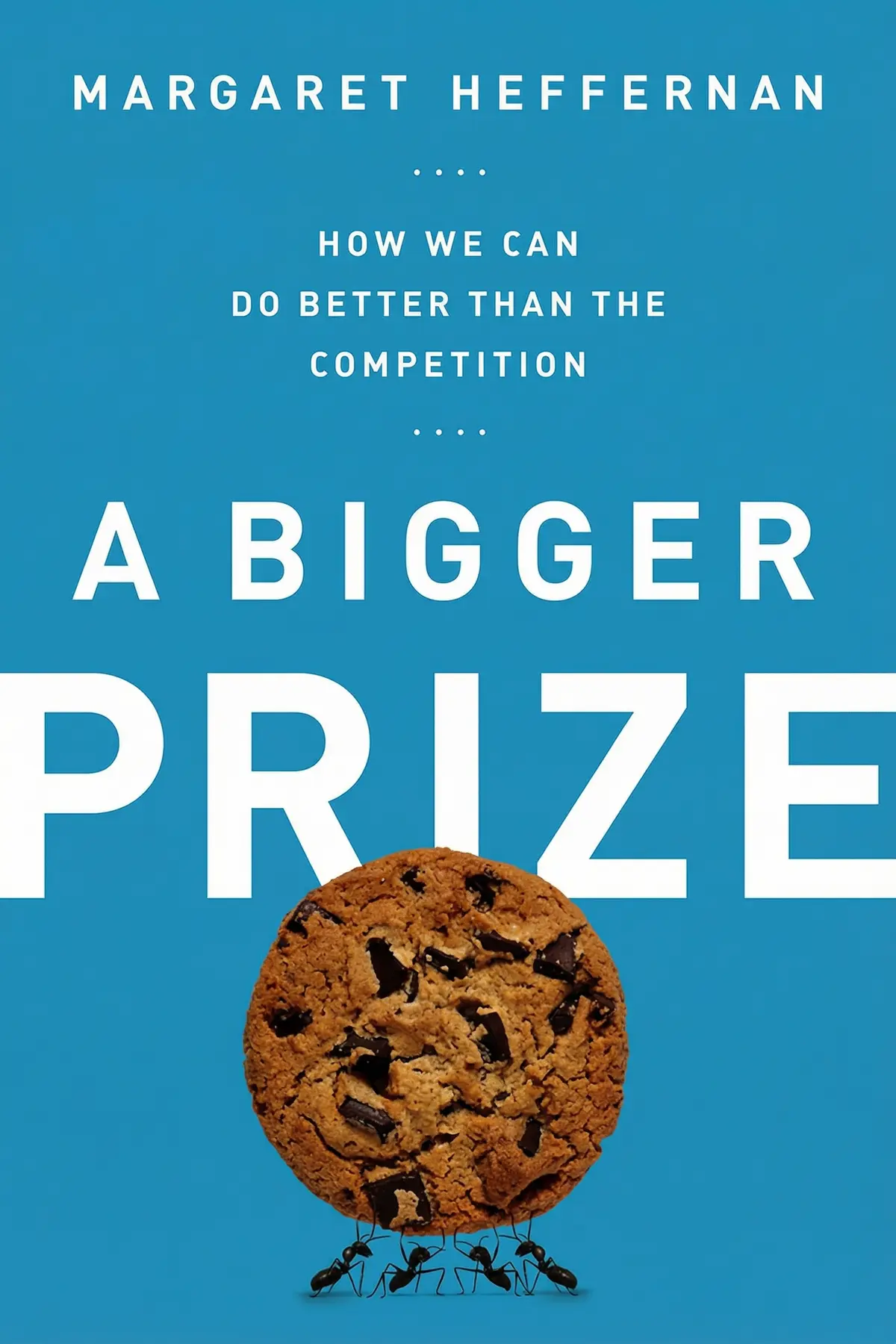
Margaret Heffernan
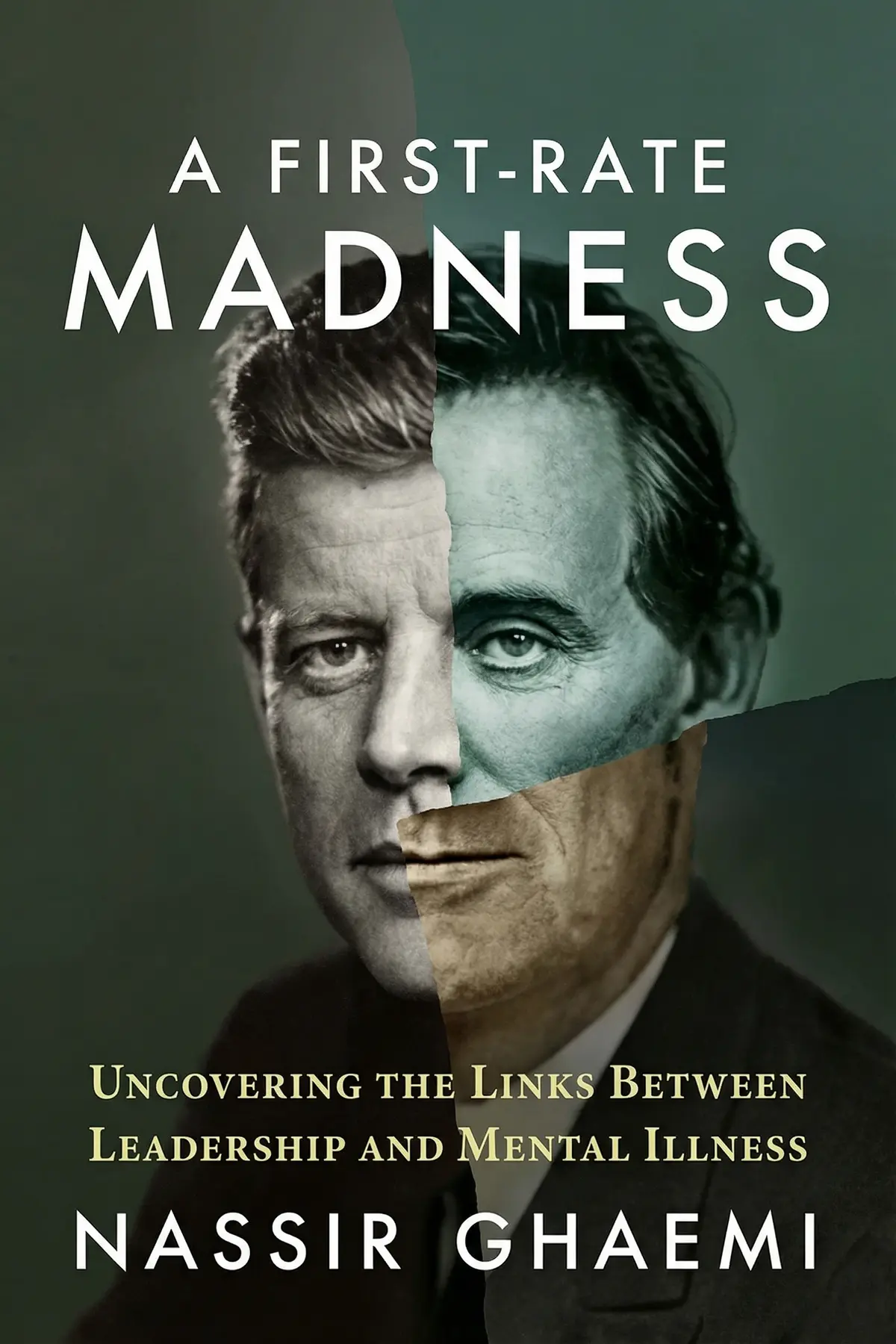
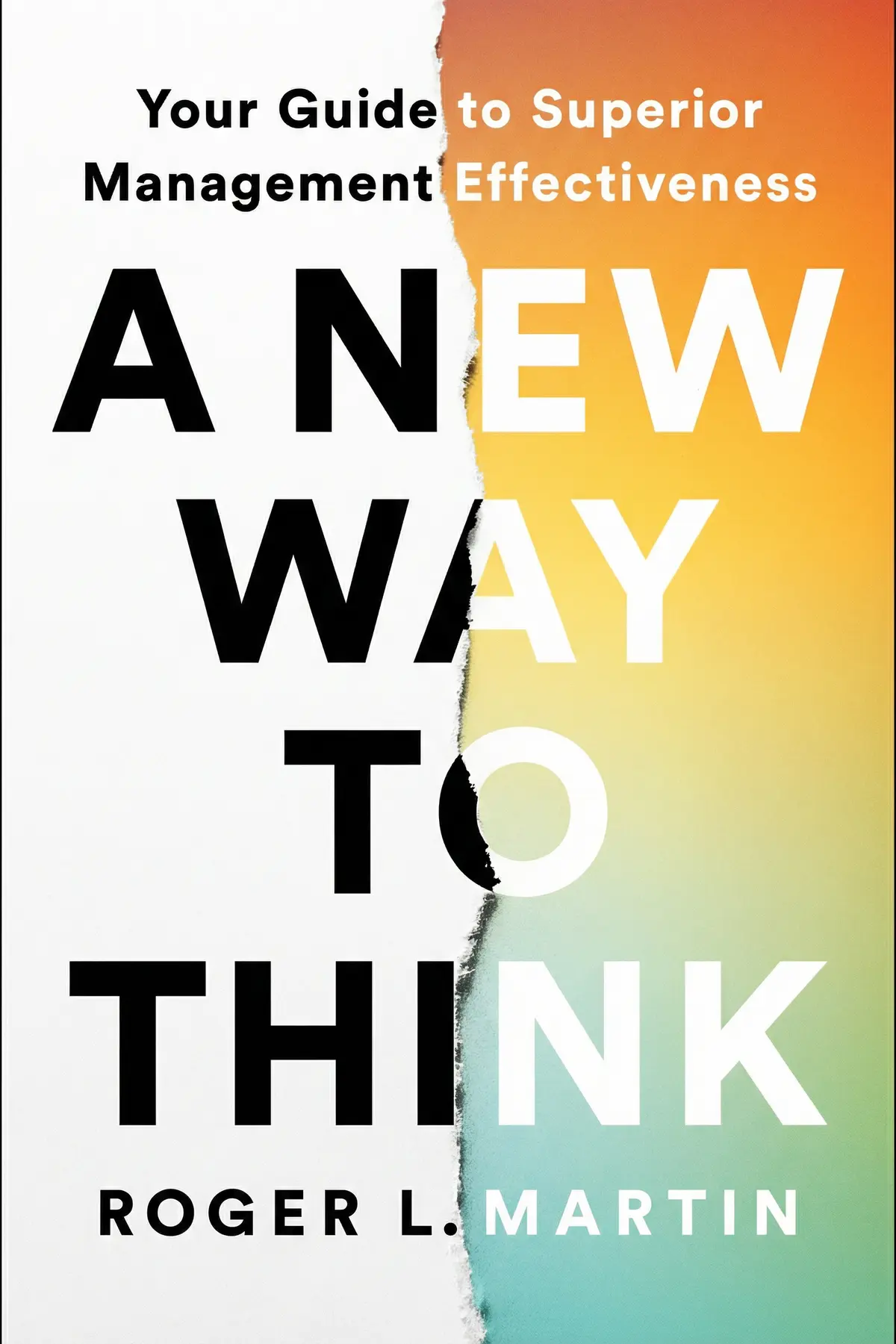
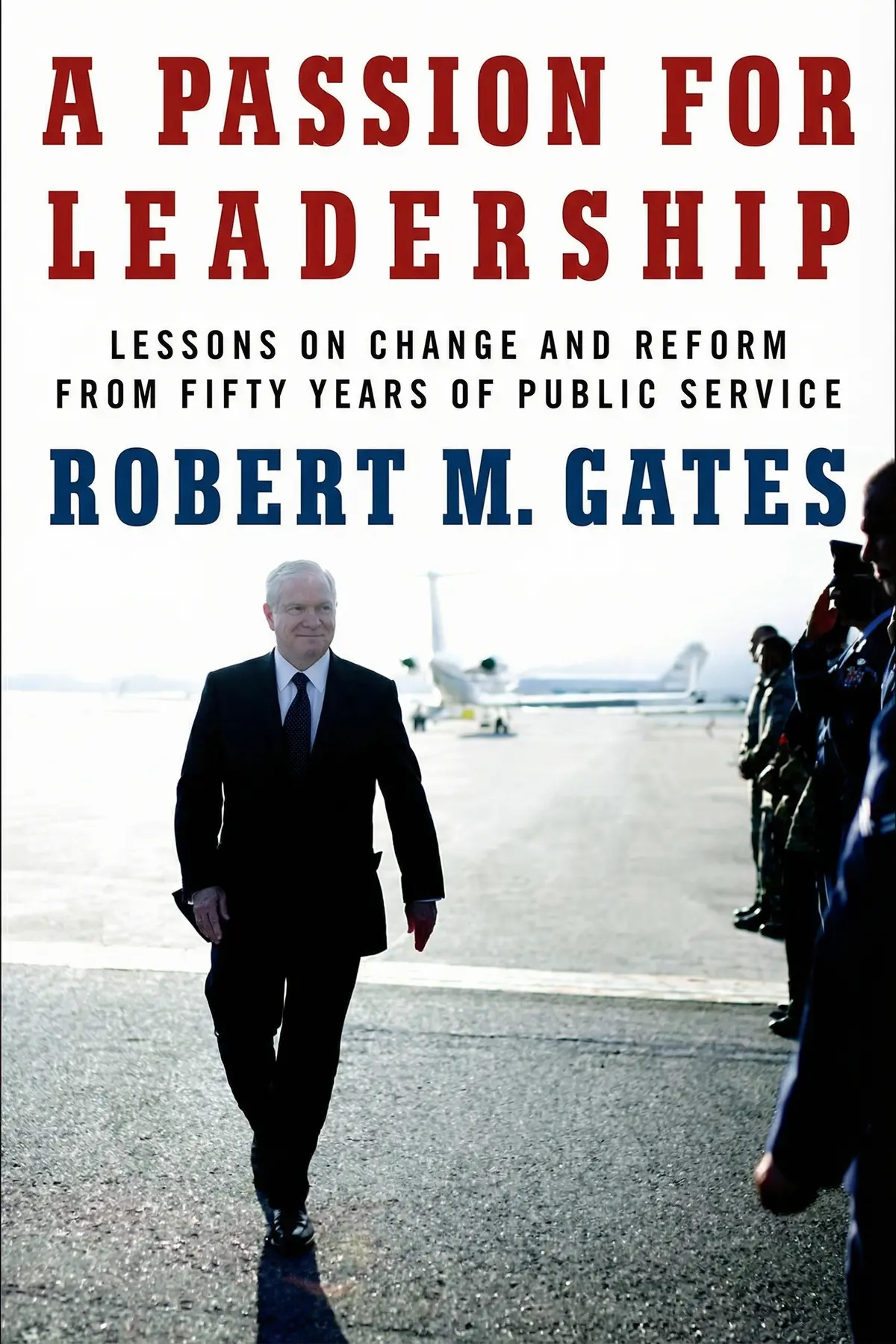
AUDIO SUMMARY AVAILABLE
Get the key ideas from Aware by Les Csorba, plus 5,000+ more titles in English and Thai.







