

A Bigger Prize: How We Can Do Better Than the Competition
Margaret Heffernan
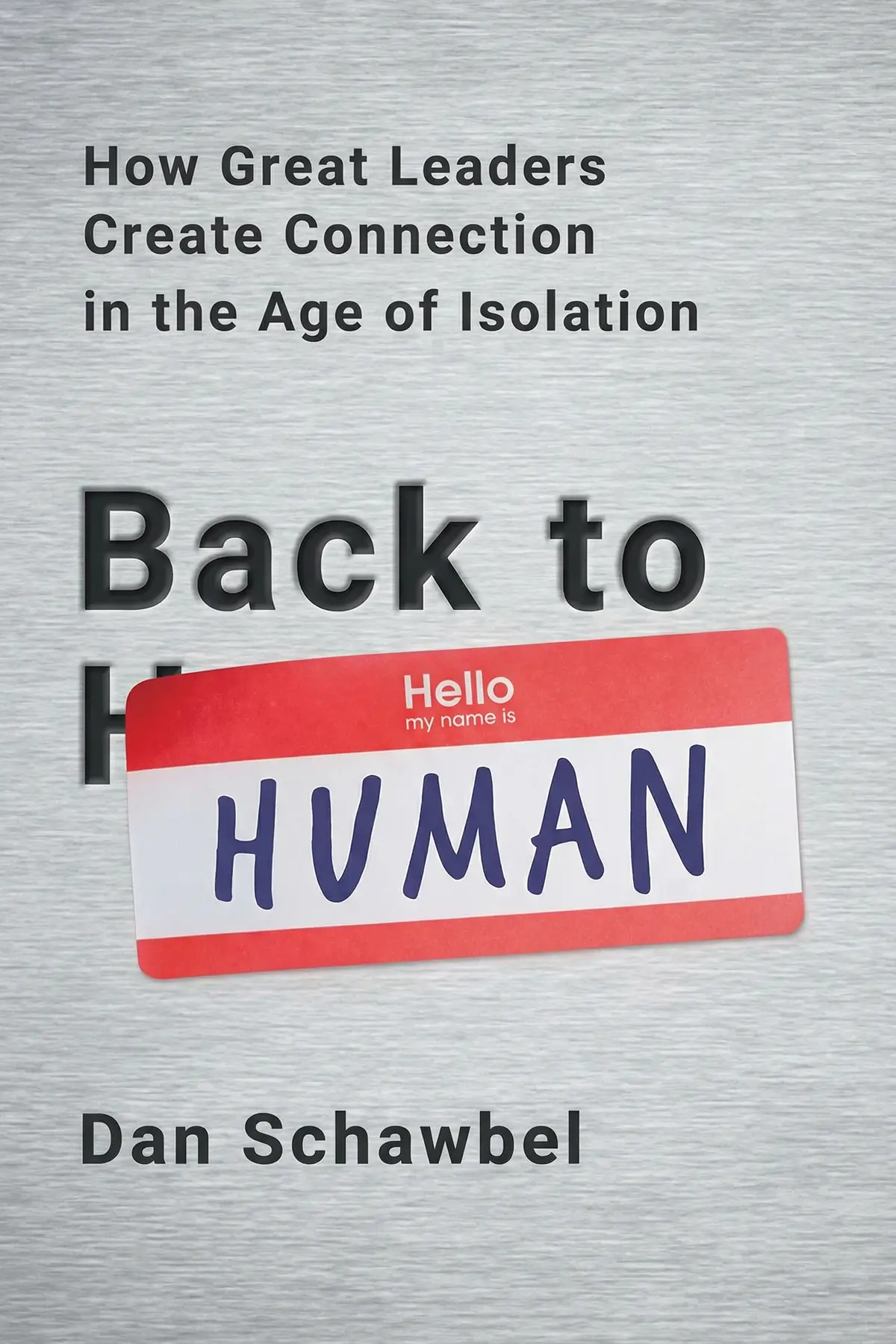
Back to Human addresses the growing gap in workplace connection caused by digital dependence. It provides leaders with essential strategies to foster genuine relationships, boost productivity, and build a more empathetic work culture.
1 min 46 sec
In the modern workplace, we have more ways to communicate than at any other point in human history. We have instant messaging platforms that allow us to ping a colleague across the globe in seconds. We have video conferencing that brings us face-to-face virtually, and project management tools that track every minute of our productivity. On paper, we should be the most connected and efficient workforce to ever walk the earth. Yet, if you look closely at the modern office, you’ll see a different story. You’ll see people sitting three feet apart, yet communicating exclusively through screens. You’ll see remote workers who feel like ghosts in their own companies, and managers who are more focused on metrics than the humans behind them.
This is the central challenge explored in Dan Schawbel’s Back to Human. The throughline of this summary is simple but profound: technology is a powerful tool, but it is a poor substitute for the biological and psychological need for real human interaction. As we’ve leaned further into digital solutions, we’ve inadvertently created a culture of isolation that is quietly eroding our mental health, our creativity, and our bottom lines.
In the following minutes, we aren’t going to talk about how to delete your apps or throw away your smartphone. Instead, we’re going to explore how to become a leader who uses technology as a bridge rather than a barrier. We’ll look at why social media might be making your team miserable, why a simple compliment can be more powerful than a cash bonus, and how physical proximity changes the way our brains collaborate. The goal is to learn how to lead with a human touch in an age of technology, ensuring that your organization isn’t just a collection of nodes in a network, but a community of people working toward a shared purpose. Let’s dive into how we can find our way back to being human at work.
2 min 19 sec
Digital tools promise connection but often deliver isolation. Discover the surprising link between high social media usage and the rising rates of loneliness and depression among workers.
2 min 12 sec
While salary is important, true employee satisfaction comes from a sense of belonging. Learn why work friendships are the secret ingredient to a high-performing team.
2 min 09 sec
Technology was supposed to make us faster, but it’s often just making us more distracted. Explore how to reclaim your focus in a world of constant notifications.
2 min 15 sec
Diversity is often treated as a checkbox, but its true value lies in innovation. Learn how to create a safe space where every voice can contribute to your success.
2 min 21 sec
Remote work offers flexibility, but it can hinder the spontaneous collaboration that drives progress. Discover why physical closeness is still a leader’s best tool for teamwork.
2 min 15 sec
Cash bonuses are nice, but they aren’t the most effective way to motivate people. Explore why personal validation and genuine gratitude are the real keys to loyalty.
2 min 12 sec
Empathy is often seen as a soft skill, but it’s actually a high-performance requirement. Learn how demonstrating compassion can transform your team’s effectiveness.
1 min 45 sec
As we wrap up our journey through Dan Schawbel’s insights, the central message remains clear: the future of great leadership is human. We’ve explored the ways in which technology, while undeniably useful, has created a landscape of isolation that hinders our best work. We’ve seen that true fulfillment doesn’t come from a paycheck alone, but from the deep-seated sense of belonging that only real relationships can provide. We’ve learned that our productivity is being held hostage by a constant stream of notifications, and that our innovation is stunted when we fail to embrace diverse perspectives and physical proximity.
Ultimately, being a leader in the age of technology requires a conscious effort to swim against the current of automation. It means choosing the difficult, messy, but rewarding path of face-to-face interaction over the easy convenience of digital shortcuts. It means recognizing that your employees are not just assets to be optimized, but humans who need empathy, recognition, and a sense of purpose. When you commit to being a more human leader, you create a ripple effect. You build a team that is more creative, more loyal, and more resilient in the face of change.
Here is one final, actionable step you can take starting today: Ask your team for their input on their physical workspace. Don’t just assume you know what they need. Ask them about the layout of their desks, the types of spaces they need for collaboration, or even the small things like the lighting or the snacks in the kitchen. By giving them a voice in the environment where they spend the majority of their time, you are sending a powerful signal that their comfort and happiness matter to you. You are moving from a top-down, technological approach to a collaborative, human-centered one. That is the first step toward bringing the ‘human’ back to work and creating a culture where everyone can truly thrive.
In an era where digital communication often replaces face-to-face interaction, Back to Human examines the psychological and professional costs of our tech-heavy work habits. The book explores how the very tools designed to connect us—like social media and instant messaging—can inadvertently lead to isolation, depression, and reduced employee engagement. It argues that the most successful leaders of the future won't be those who master the newest apps, but those who master the art of human connection. Readers will discover how to bridge the gap between digital convenience and human fulfillment. The book provides a roadmap for creating a workplace where employees feel seen, heard, and valued. By focusing on empathy, physical proximity, and personal recognition, the author offers a promise of a more loyal, creative, and productive workforce. This is a guide for anyone looking to reclaim the 'human' element in a world that feels increasingly automated.
Dan Schawbel is a renowned authority on the future of work and the founder of workplacetrends.com, a leading source for workplace research. An accomplished entrepreneur and speaker, he has authored the bestsellers Promote Yourself and Me 2.0. Schawbel also hosts a popular podcast and is a widely recognized voice on how evolving trends impact career development and organizational culture.
Listeners find this to be an exceptional read, with one mentioning it is especially helpful for team managers. The book stresses the necessity of connection, with one listener observing that building relationships is vital for a successful life. Listeners value the high caliber of research, with one noting how it is filled with illustrative examples from major organizations.
Wow, this really hit home for me as someone who has felt increasingly isolated while working in a digital-heavy role. Schawbel articulates the paradox of our era perfectly: we are more connected than ever via social media, yet lonelier in our actual professional lives. The focus on authenticity and vulnerability in leadership is exactly what is missing from most standard business manuals. I loved the examples from leading companies that have successfully fostered a culture of belonging through genuine recognition. It is an essential guide for anyone who wants to lead with their heart as well as their head, emphasizing that human relationships are the true key to a successful life.
Show moreAs a team manager, I found this to be a refreshing reminder of what actually matters in the modern workplace. We get so bogged down in Slack messages and KPIs that we often forget the human element is what truly drives long-term productivity. Schawbel does a great job of blending actionable frameworks with case studies from top-tier organizations to show that empathy isn't just a soft skill. I particularly liked the sections on building psychological safety within a team. My only minor gripe is that some of the work-life integration talk feels like a subtle excuse for being always-on, but the core message about prioritizing relationships is solid and well-researched.
Show moreFinally got around to finishing this one, and the timing is interesting as we navigate new hybrid work models. Schawbel’s argument that technology is weakening our professional relationships is hard to argue with, even if he is a bit conservative about remote setups. The book is packed with practical strategies—like asking for feedback on physical workspaces—that you can implement immediately without needing a massive budget. It is well-researched and the prose flows nicely, making it a quick weekend read for anyone looking to boost team engagement. Truth be told, it serves as a necessary wake-up call for leaders who have spent too long hiding behind their screens.
Show morePicked this up during a commute and found myself nodding along to most of the chapters. The book is a good basic read about leadership that focuses on building and maintaining effective relationships with your employees in a fast-paced world. Schawbel’s writing style is accessible, and he avoids the overly dense jargon that usually ruins business books. I found the distinction between work-life balance and work-life integration to be particularly thought-provoking for my own career. While some points are a bit platitudinous, the actionable advice on fostering collaboration makes it worth the purchase for any aspiring supervisor looking to improve their team's morale.
Show moreAfter hearing Dan speak at a professional development event, I wanted to see if his book held up to the hype. It mostly does, offering a clear-eyed look at how technology can act as a barrier to true fulfillment and productivity in the workplace. The emphasis on empathy as a cornerstone of leadership is well-supported by both research findings and real-world anecdotes. I appreciated the specific tips on how to improve team dynamics through prioritization instead of multitasking. Even if you already consider yourself a people person, this book provides a solid framework to ensure you are actually putting those connection-building values into practice every single day.
Show moreIs it really that revolutionary to tell leaders they should actually talk to their employees? This book falls into that category of common sense that somehow isn't common practice, which makes it helpful but occasionally tedious. The author's tone is earnest, and he collects a lot of recent articles to back up his claims about isolation in the digital age. However, the section on hiring for personality was frustratingly vague and didn't define what specific traits actually look like for different roles. It is a fine primer for brand-new managers who need a nudge toward empathy, but veterans might find the advice a bit repetitive and simplistic.
Show moreThe chapter on hiring for personality left me with more questions than answers, which is a shame because the rest of the book is quite decent. Schawbel suggests we should hire high energy people with positive attitudes, but that is such a broad recommendation it feels almost meaningless in a professional context. Beyond that, the book is a helpful collection of modern workplace wisdom that emphasizes the importance of shared learning and genuine connection. It is a fun, light read that does not demand too much of the reader's time. Just do not expect deep, systemic solutions to the massive, complex problem of corporate isolation and burnout.
Show moreNot what I expected given the buzz surrounding this title. While Schawbel is clearly well-intentioned, much of the research feels incredibly US-centric and some of the advice is so generic it borders on being useless for a seasoned leader. He argues for more face-to-face time, but his dismissal of remote work feels hopelessly out of touch with how global teams actually operate today. Frankly, telling a manager to wait for a phone call during a client crisis instead of using modern tools is just impractical advice in a fast-paced environment. It is an easy read, but I would suggest looking elsewhere for truly modern leadership strategies that reflect the nuances of our current world.
Show moreTo be fair, the author's stance on remote work hasn't aged particularly well since this was written. He claims that pure remote work is unsustainable in general, a take that feels quite conservative and perhaps a bit defensive of traditional office cultures. The book also relies heavily on a US-centric perspective that might not translate well to international teams or different cultural expectations of leadership. While the core message about the value of human connection is undeniably true, the specific methods suggested for achieving it feel a bit dated and simplistic. It is a collection of good vibes advice that lacks the grit needed for complex organizational change.
Show moreThis feels like it was written for a different century, or at least for a version of the corporate world that no longer exists. The author suggests disconnecting from technology to the point where it becomes a hindrance to actual business needs. If there is a crisis, he seemingly expects a phone call or a handwritten note, which sounds romantic until you realize he is advocating for a retreat from the tools that make modern collaboration possible. The research cited feels pseudo-scientific at times, and the focus is so narrow that it ignores the realities of global, diverse workforces. Read this only if you want to understand how not to lead in the 2020s.
Show moreMargaret Heffernan
Joseph A. Maciariello


Deborah Gruenfeld
AUDIO SUMMARY AVAILABLE
Get the key ideas from Back to Human by Dan Schawbel, plus 5,000+ more titles in English and Thai.







