
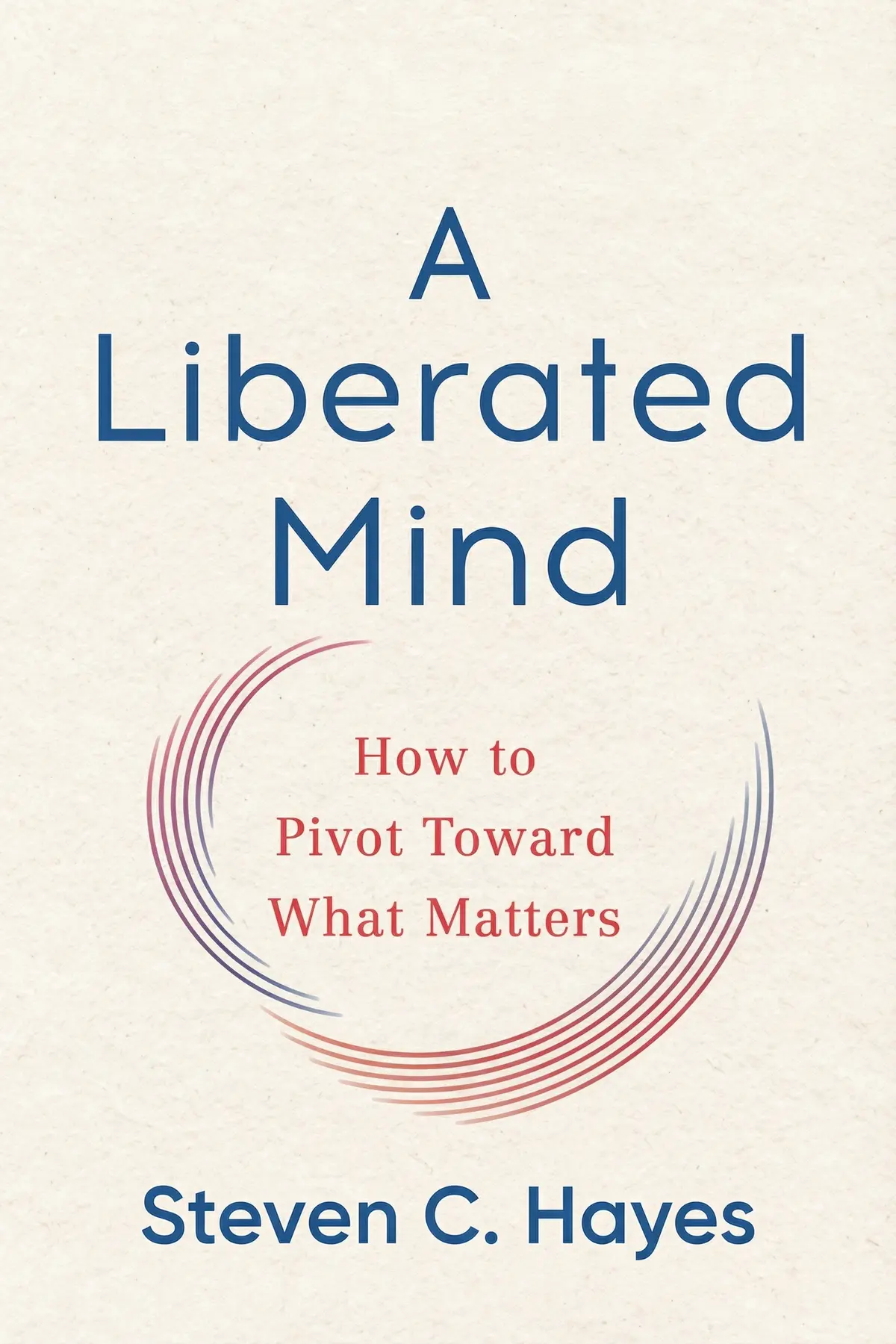
A Liberated Mind: How to Pivot Toward What Matters
Steven C. Hayes
Bad Therapy explores how the modern mental health industry and therapeutic parenting styles may be unintentionally undermining the resilience and independence of the younger generation.

2 min 01 sec
We live in an era that is arguably the most psychologically aware in human history. Never before have parents, educators, and institutions been so attuned to the emotional inner lives of children. We have transformed our schools into centers of emotional support, our parenting styles into exercises in constant validation, and our vocabulary into a lexicon of trauma, triggers, and boundaries. On the surface, this looks like progress. It looks like a society finally taking the well-being of its youth seriously. Yet, if we look at the data and the general state of the younger generation, we see a confusing paradox: despite all this intervention, rates of anxiety, depression, and a sense of helplessness are higher than ever.
This raises a difficult and uncomfortable question. What if the very tools we are using to fix the problem are actually making it worse? This is the central provocation we are exploring today. We are looking at the possibility that therapy culture has overstepped its bounds, moving from a specialized medical intervention for the severely ill to a pervasive cultural lens that views every normal childhood struggle as a psychological wound.
In the following sections, we will explore the idea of iatrogenesis—the medical term for treatment that causes harm—and how it applies to the modern mental health landscape. We will look at how schools have become therapeutic zones, how the concept of ‘trauma’ has been expanded to the point of losing its meaning, and how the shift in parenting styles has inadvertently robbed children of the resilience they need to survive in the real world. This isn’t just a critique of therapists; it’s an examination of a broad cultural shift that has replaced the goal of building strong, independent adults with the goal of maintaining emotional comfort at all costs. By the end of this journey, the goal is to understand how we might pivot back toward a model of growth that embraces risk, accepts discomfort, and trusts in the natural capacity of children to overcome challenges without a professional guide for every step.
2 min 43 sec
Explore the concept of iatrogenesis and discover how professional mental health interventions can sometimes create the very problems they were meant to solve.
2 min 38 sec
What happens when schools trade traditional education for emotional management? Learn how trauma-informed practices might be impacting student agency.
2 min 30 sec
Discover how the elevation of subjective feelings over objective truth can create a social environment of anxiety and conflict.
2 min 30 sec
Is the shift away from parental authority doing more harm than good? Explore the unintended consequences of avoiding discipline.
2 min 35 sec
How can we reverse the trend of fragility? Discover why autonomy and the experience of failure are essential for a healthy childhood.
1 min 29 sec
As we wrap up this exploration of the therapeutic culture and its impact on the youth, the overarching takeaway is clear: our best intentions can sometimes lead to our worst outcomes. The surge in mental health awareness, while aimed at compassion, may have inadvertently created a framework that encourages fragility instead of strength. By applying the concept of iatrogenesis to our daily lives, we can see how over-diagnosis, the pathologizing of normal emotions, and the removal of boundaries in parenting have combined to rob a generation of its natural resilience.
The message here isn’t to abandon empathy or to ignore genuine mental illness. Rather, it is a call for a return to balance. We must distinguish between a clinical crisis that requires professional help and the normal, necessary ‘growing pains’ of becoming an adult. True support for the next generation doesn’t look like shielding them from every discomfort; it looks like giving them the freedom to fail, the space to take risks, and the confidence to know they can handle life’s inevitable challenges.
As you move forward, consider where you might be able to step back. Whether you are a parent, a teacher, or a concerned observer, think about how you can foster autonomy and grit in the young people around you. Sometimes, the most helpful thing we can do is to trust in their strength, stand out of the way, and let them discover for themselves that they are far more resilient than we—or they—ever imagined.
Modern society is more focused on mental health than ever before, yet young people seem to be struggling more than previous generations. This summary explores the provocative argument that the very interventions designed to help—therapy, social-emotional learning, and 'gentle parenting'—might actually be contributing to a rise in fragility. By examining the concept of iatrogenesis, or harm caused by treatment, the text explores how pathologizing normal childhood experiences can lead to a sense of learned helplessness. It offers a critical look at how schools and parents have shifted from building character to managing emotions, ultimately suggesting a return to autonomy and risk-taking as the path to true well-being.
Abigail Shrier is an American journalist, author, and former attorney known for her provocative writing on gender, sexuality, and culture. She has contributed to various publications, including The Wall Street Journal, Newsweek, and Quillette, and is the author of the controversial 2020 book Irreversible Damage: The Transgender Craze Seducing Our Daughters.

Listeners find this work captivating and accessible, commending the deeply researched material and stimulating perspectives. The prose is excellent, and listeners view it as essential for parents, with one noting it is required reading for counselors and therapists. Listeners value its courageous take on mental health topics and its lucid analysis of young adults, noting that it is both revelatory and fairly balanced.
Finally got around to reading Shrier’s latest, and it’s a total gut punch to the modern parenting industry. We have become so obsessed with 'lawnmower parenting'—clearing every single obstacle out of our children’s paths—that we’ve forgotten how to let them build any actual resilience. Shrier is incredibly brave for pointing out that by pathologizing every normal childhood emotion, we might actually be making our kids sicker. The anecdote about the ER nurse asking a child with a stomach ache about suicide was particularly eye-opening and frankly, terrifying. While her tone can be sharp, the core message is a necessary wake-up call for a generation of parents who have traded common sense for clinical labels. It’s easily the most thought-provoking book I’ve read this year. We need to stop treating our children like they are made of glass. Hard times create strong people, and we are currently doing the opposite.
Show moreWow. Shrier has written a masterpiece that challenges the very foundation of modern 'gentle' parenting. The truth is, we are over-diagnosing kids who are just being kids. I loved the emphasis on how meaningful work and recreation are often better 'therapy' than sitting in a room talking about your feelings for an hour every week. The book is engaging, easy to read, and remarkably objective when it comes to the data on how Gen Z is struggling despite—or perhaps because of—record levels of therapeutic intervention. She brings a fresh perspective to a problem that anyone with teenagers can see: a generation that isn't launching. I appreciated the stories about her own family and the focus on building emotional strength rather than just validating every passing whim. It’s a bold, necessary critique of a system that has clearly lost its way. Every parent in America needs a copy of this.
Show moreStop what you're doing and buy this for every parent you know. Shrier is one of the few voices with the guts to say that the 'empathy at all costs' approach is actually hurting our children. We’ve traded discipline and structure for a culture of constant emotional check-ins that just lead to more anxiety. The book is a quick read, but the insights stay with you long after you finish the last page. I particularly enjoyed the sections on how 'old-school' parenting focused on behavior rather than internal rumination. It turns out that focusing on yourself all day is a great way to become miserable! Shrier provides a clear-eyed understanding of why young adults are struggling to find their footing in the real world. This isn't just a book; it's a manual for course-correction. It’s reasonably objective, deeply researched, and incredibly timely. Five stars.
Show moreThere’s a certain bravery in calling out the 'therapy-first' culture that has permeated our schools and homes, and Abigail Shrier does it with incredible clarity. She isn't just complaining; she’s providing a well-researched look at how we’ve accidentally created a crisis of confidence in our children. The writing style is engaging and the arguments are easy to follow, making it a must-read for any parent feeling overwhelmed by the pressure to constantly monitor their child's 'mental health.' I appreciated her defense of common sense and parental intuition over the latest clinical fads. The body of the book is filled with cautionary tales about what happens when we let 'affirmation' replace boundaries. This is an essential book for understanding the challenges facing Gen Alpha and Gen Z. It’s refreshing to read someone who isn't afraid to go against the grain of the 'far-left agenda' in education.
Show moreAs a school counselor, I found myself nodding along and cringing in equal measure while reading this. Shrier’s exploration of 'iatrogenesis'—the idea that the treatment itself can cause harm—is a perspective that is desperately needed in our field. She correctly identifies how therapeutic language has been misused by non-professionals to create a culture of permanent victimhood. However, I do think she paints with an unnecessarily broad brush at times. Her dismissal of almost all school-based mental health screenings felt a bit extreme, and I worry she overlooks the reality of kids in lower-income areas who don't have the luxury of her 'upper-middle-class' perspective. Still, the writing is wonderful and the research into how we've traded resilience for rumination is compelling. It’s a must-read for anyone working with young adults today, even if you don't agree with every single one of her conclusions.
Show moreThe concept of iatrogenesis is something we don't talk about nearly enough in the context of mental health, and Shrier explains it brilliantly. I’ve noticed the shift toward 'therapy culture' in my own social circles, where kids are encouraged to adopt a diagnosis as a substitute for a personality. Shrier’s critique of the 'fetishization of victimhood' resonated deeply with me. Look, I don't agree with her obsession with Jordan Peterson, and I think she goes overboard when she suggests that asking a kid 'how are you feeling?' is inherently destabilizing. That feels like a leap toward emotional repression. But the core argument—that we are over-treating healthy children and making them fragile—is hard to ignore. The book is well-researched and incredibly engaging, even when the tone gets a bit biting. It’s a sharp, analytical look at why the kids aren't alright despite our best efforts.
Show morePicked this up after seeing the controversy on social media, and honestly, it’s much more nuanced than the critics claim. Shrier explicitly states she isn't talking about kids with severe clinical needs, yet people still attack her for 'ignoring trauma.' Her focus is on the 'worried well'—the kids being pushed into therapy for normal developmental growing pains. To be fair, her tone can be quite contemptuous of the profession, which might turn some people off. But her analysis of how schools have overstepped their bounds with mental health screenings is genuinely eye-opening. I loved the emphasis on 'the only solution is for parents to step in.' We’ve handed over too much authority to 'experts' who don't know our kids as well as we do. It’s a wonderful, provocative read that makes you question everything about modern child-rearing. It’s not perfect, but it’s definitely required reading.
Show moreI’m torn because Shrier makes some brilliant points about resilience while simultaneously being incredibly dismissive of actual mental health struggles. The first half of the book is a fantastic 4-star critique of how 'WEIRD' nations have outsourced parenting to a predatory therapy industry. Her points on the misuse of therapeutic language and the decline of grit are spot on. However, the second half devolves into a bit of a paranoid rant against school administrators and surveys. She seems to think that just seeing the word 'suicide' on a paper will make a kid want to try it, which contradicts her own point that kids aren't actually that fragile. The writing is wonderful and the stories are compelling, but I had to take it with a massive grain of salt. It’s a thought-starter, but Shrier’s lack of interest in any milieu outside of private schools makes the book feel a bit narrow.
Show moreIs the therapy industry overreaching? Probably. Is this book the definitive answer? Not quite. Shrier is a gifted writer, and her stories about her maternal grandmother and the value of resilience are moving and effective. I agree that we are over-medicating children and that the 'victim' narrative is a dead end. However, the lack of actual citations for some of her biggest claims is frustrating. She relies heavily on a few select interviews to represent the entire state of American education, which felt a bit disingenuous to me. Personally, I found her constant references to Jordan Peterson and specific political talking points to be a distraction from her stronger arguments about iatrogenesis. It’s a 3-star read for me—great ideas, but the execution feels a bit too 'culture war' and not enough 'scientific inquiry.' Worth reading for the conversation it starts, but don't take it as gospel.
Show moreThis book screams of confirmation bias and elitist anecdotes. Shrier seems to live in a world where the only kids getting therapy are wealthy teens with 'first-world problems,' completely ignoring the millions of children facing actual trauma, abuse, and neglect. Her reliance on anecdotes that often sound made-up or extreme makes it hard to take her broader arguments seriously. Where are the actual citations? Most of her 'research' feels cherry-picked to support a far-right narrative that blames teachers and 'woke' doctors for making kids soft. I found her advice on 'minor cutting' to be particularly dangerous and irresponsible; telling parents to just ignore self-harm is not a valid clinical strategy. It’s a lazy, disingenuous look at a complex issue that deserves much more nuance than this contemptuous tone provides. If you’re looking for a rigorous scientific study of modern psychology, look elsewhere.
Show moreSteven C. Hayes

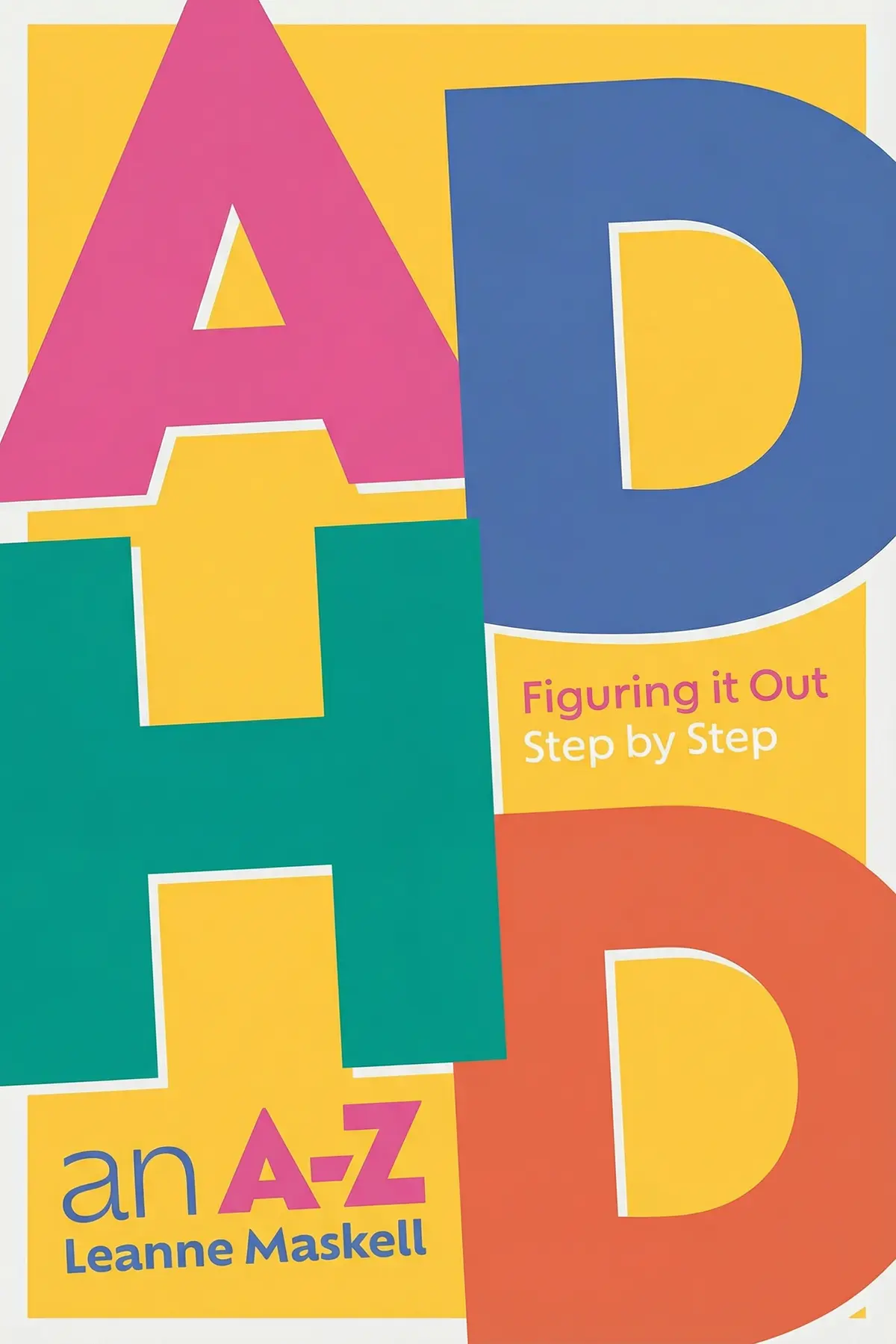
Leanne Maskell
AUDIO SUMMARY AVAILABLE
Get the key ideas from Bad Therapy by Abigail Shrier, plus 5,000+ more titles in English and Thai.







