
19 min
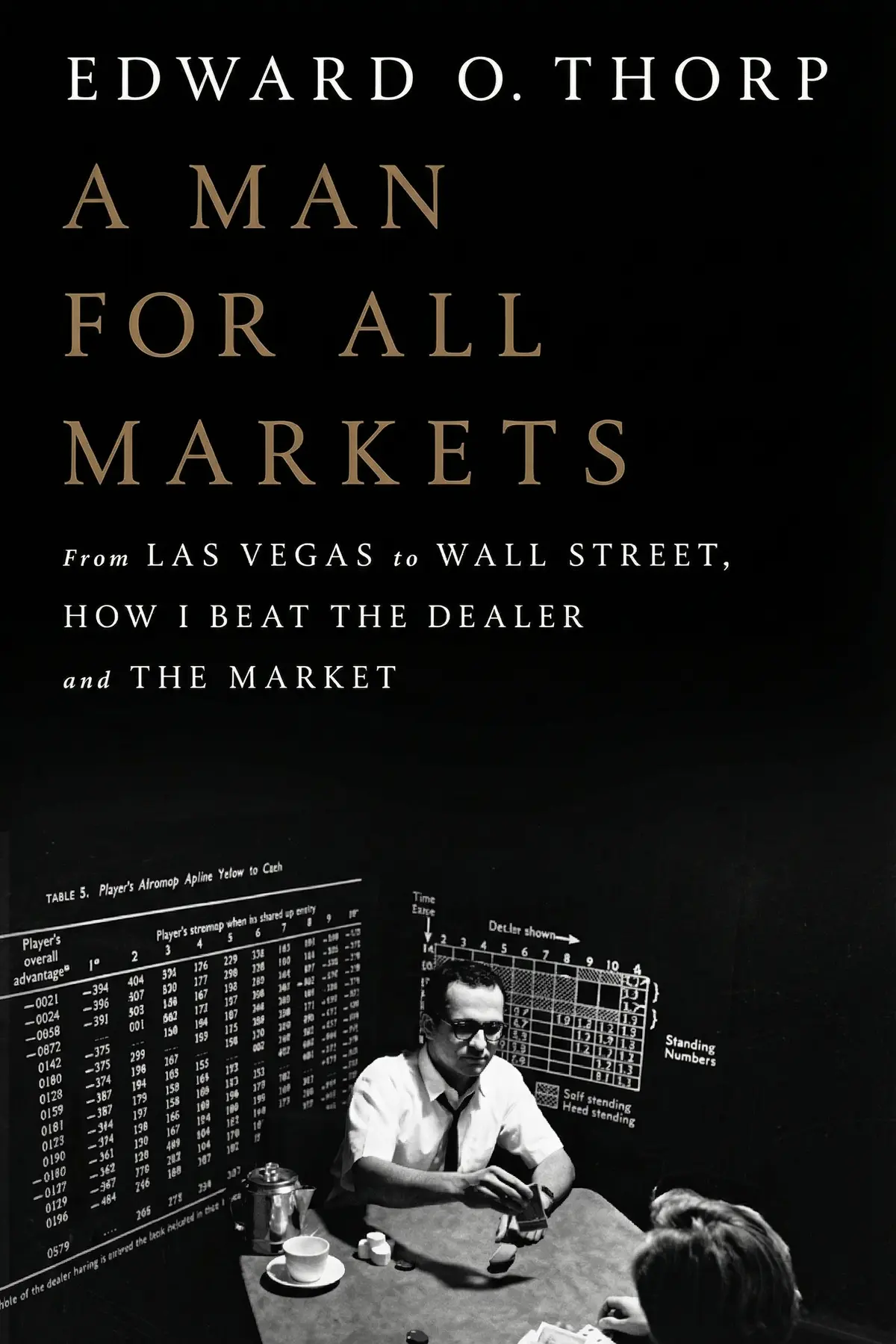
Becoming Kim Jong Un: A Former CIA Officer's Insights into North Korea's Enigmatic Young Dictator
By Jung H. Pak
An expert analysis by a former CIA officer into the life, motivations, and strategic maneuvers of Kim Jong Un, exploring how he maintains power through a mix of modernity and brutality.
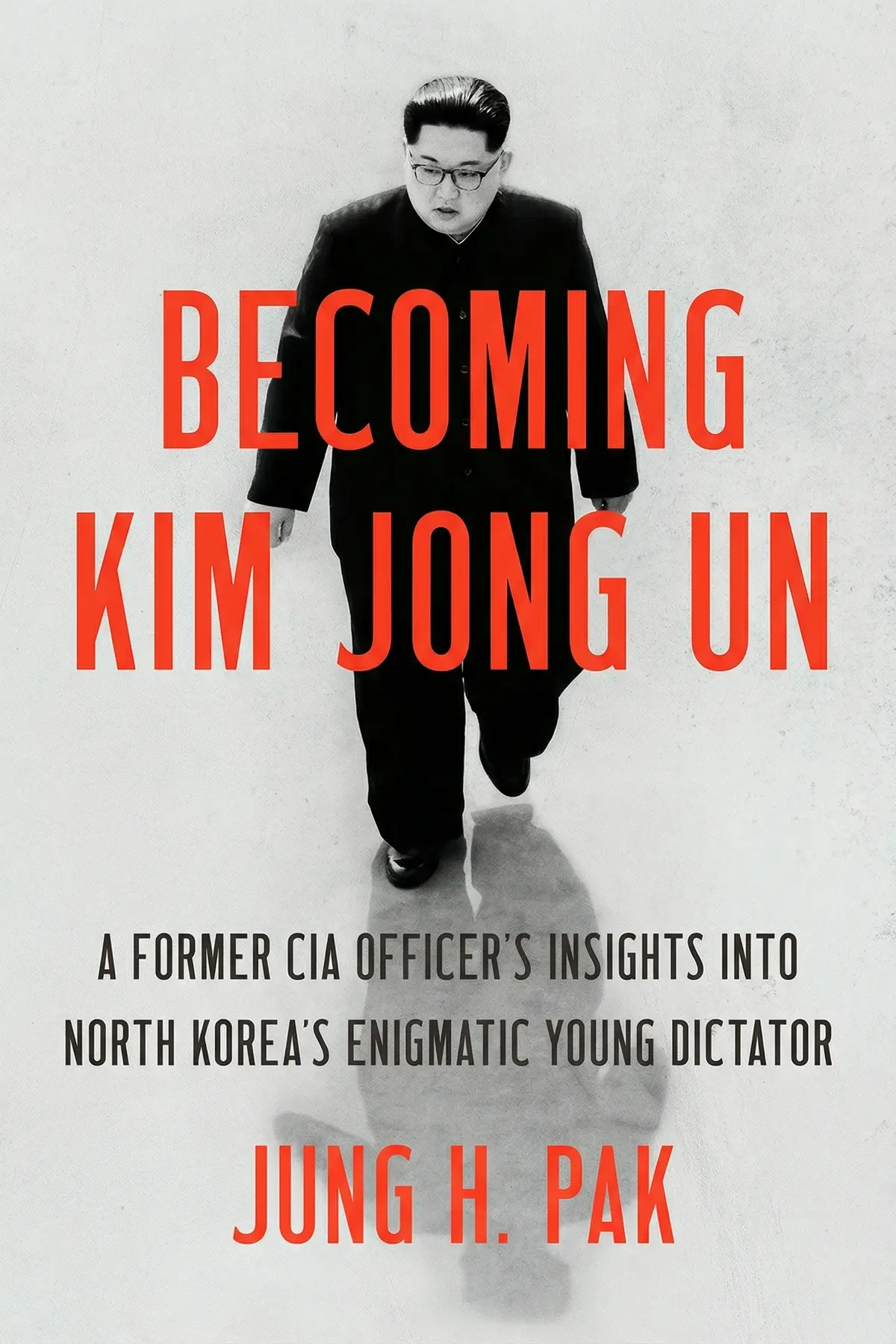
Table of Content
1. Introduction
1 min 30 sec
When Kim Jong Un first appeared on the world stage in late 2011, much of the international community didn’t know what to make of him. He was young, seemingly inexperienced, and often portrayed in Western media as a somewhat cartoonish figure. Between the unusual haircuts and the public fascination with his weight or his love of basketball, it was easy to dismiss him. But as the years have passed, that caricature has been replaced by a much darker and more complex reality. This is a leader who has solidified his power through absolute ruthlessness, eliminating rivals and family members alike, while simultaneously advancing a sophisticated nuclear program that holds the world’s attention.
To understand the current state of North Korea, we have to look past the memes and the insults. We need to examine the psychological and political machinery that keeps the Kim family in power. As a former CIA officer, Jung H. Pak has spent years deconstructing the enigma of the North Korean dictator. Her insights reveal a man who is far from a joke; he is a calculated strategist who understands the weight of his family’s legacy and the specific requirements of maintaining a dictatorship in the twenty-first century. This journey through his life and reign isn’t just a biography—it’s a deep dive into the survival of a regime. We will explore how he was chosen, why he prioritizes certain technologies, and how he has managed to play world leaders against one another. By the end, you’ll see Kim Jong Un not as a mysterious outlier, but as a rational actor determined to protect his throne at any cost.
2. The Weight of the Kim Dynasty
2 min 01 sec
Discover how the foundations laid by Kim Il Sung and Kim Jong Il created a framework of godlike status and absolute obedience that still governs North Korean life today.
3. Choosing the Unlikely Successor
2 min 05 sec
Uncover the reasons why Kim Jong Un was selected over his older brothers, focusing on his fierce competitive nature and his father’s specific requirements for a leader.
4. The Strategic Pivot to Nuclear and Cyber Power
2 min 03 sec
See how Kim Jong Un redefined national strength by prioritizing advanced technology over traditional military might, creating new forms of international leverage.
5. The Mirage of the Socialist Fairyland
2 min 00 sec
Explore the carefully constructed image of ‘Pyonghattan’ and how Kim uses urban development to project a false sense of national prosperity.
6. The Constant Shadow of Repression
2 min 08 sec
Go behind the glitz of the capital to see the brutal reality of the prison camp system and the pervasive surveillance that maintains Kim’s absolute control.
7. Diplomacy as a Tool for Legitimacy
1 min 49 sec
Examine how Kim transitioned from isolation to high-profile international summits, using global leaders to bolster his standing as a legitimate statesman.
8. The Pitfalls of Misunderstanding a Dictator
1 min 55 sec
Analyze why Western diplomatic efforts, particularly those of the Trump administration, failed by projecting their own values onto a leader with very different priorities.
9. The Path Toward a More Effective Strategy
1 min 49 sec
Learn why a coordinated, long-term alliance is necessary to manage the North Korean threat, treating Kim as a rational actor rather than a joke.
10. Conclusion
1 min 40 sec
Kim Jong Un is a leader who was born into a world of absolute privilege and absolute responsibility. He inherited a system designed for survival at any cost, and he has proven himself a capable, if brutal, successor to his father and grandfather. Throughout our look at his rise, we’ve seen that he is not the childish figure often portrayed in the media. Instead, he is a man who understands how to use the tools of the modern age—from cyber warfare to glitzy urban development—to maintain a grip on power that is as firm as it is terrifying.
The throughline of his reign is a commitment to the ‘byungjin’ policy: the idea that North Korea can be a nuclear power and a prosperous nation at the same time. While much of that prosperity is a carefully constructed mirage, it serves a vital purpose in keeping his inner circle loyal and his people submissive. He has learned that the world will respect strength, even if that strength is built on the suffering of millions and the threat of nuclear war.
Ultimately, the lesson of Kim Jong Un’s ‘becoming’ is that he is a rational actor who responds to the world as it is, not as we wish it to be. To effectively manage the threat he poses, the international community must move past the distractions of summits and personality-driven diplomacy. We must focus on the hard work of building alliances, maintaining pressure, and addressing the deep-seated human rights abuses that define his regime. Kim Jong Un has shown us exactly who he is; it is now up to the rest of the world to respond with a strategy that is as disciplined and long-sighted as he is.
About this book
What is this book about?
What makes the leader of the world’s most secretive nation tick? This exploration goes beyond the headlines and memes to provide a comprehensive look at Kim Jong Un. It examines his childhood of extreme privilege, his unexpected rise to power, and the way he has skillfully navigated international pressure while maintaining a terrifying grip on his own people. The book promises a nuanced understanding of North Korea’s leader not as a caricature, but as a rational, if ruthless, political actor. By looking at the influence of his father and grandfather, his use of nuclear and cyber technology, and his carefully curated public image, readers gain insight into the survival strategies of the Kim dynasty. It ultimately offers a critical perspective on how the West has misunderstood Kim and what a more effective diplomatic path might look like in an era of nuclear tension.
Book Information
About the Author
Jung H. Pak
Jung H. Pak, PhD, is a former senior CIA intelligence analyst responsible for Korea-related issues. She’s also a former senior fellow and former SK-Korea Foundation Chair in Korea Studies at the Brookings Institution. Her writing has appeared in the Atlantic, Foreign Policy, USA Today, and the Hill.
Ratings & Reviews
Ratings at a glance
What people think
Listeners find the book both absorbing and skillfully composed. They value the perceptive examination it offers, with one listener characterizing it as a compelling deep dive into North Korea's dystopia.
Top reviews
Ploy
Wow. This was an absolutely gripping deep dive into the North Korean dystopia. I went into this knowing very little about the "young dictator" beyond the headlines, and I came away with a profound respect for the complexity of the situation. Pak manages to make the geopolitics feel personal and urgent. The way she describes the caste system and the threat of the gulags is chilling. It’s not just a book about one man; it’s a book about a system designed to keep 25 million people in total submission. I found the writing to be incredibly engaging and well-paced, contrary to what some other people have said. It’s a terrifying look at power, and it’s one of the few books that actually helped me understand why denuclearization is such a distant dream for the West.
Show morePakpoom
Picked this up because I wanted to understand the man behind the missiles, and boy, did this deliver. It’s a compelling look at how Kim Jong Un went from being an unknown younger son to the absolute ruler of a nuclear state. Pak destroys the idea that he’s just some "Disney-obsessed kid" and shows us the dangerous strategist underneath. The details about the anti-aircraft gun executions are horrifying, but they serve as a necessary counterpoint to the more absurd aspects of the regime's propaganda. I appreciated how the author tied in the history of his father and grandfather to explain why the system works the way it does. It’s well-written, thoroughly researched, and honestly, a bit scary. Five stars for the clarity and depth. It really highlights why the international community struggles to change the status quo.
Show moreEye
Ever wonder how a 27-year-old with no military experience managed to consolidate power in one of the world's most paranoid nations? This book provides a brilliant roadmap of that journey. Pak’s analysis of the "byungjin" policy—pursuing both nuclear weapons and economic development—was particularly sharp. She explains the complexities of the US-South Korea alliance in a way that is easy to understand without being reductive. I was especially impressed by the final chapters where she offers suggestions for the road forward. It’s not just a history book; it’s a strategic analysis that feels very relevant to today’s headlines. If you want to understand the high-stakes poker game happening in East Asia, this is the book to read. Jung H. Pak has written something both accessible and deeply intellectual. Highly recommended.
Show moreKenji
After hearing so much caricature-driven news about North Korea, it was refreshing to read a more psychological profile of Kim Jong Un. Pak does an excellent job of stripping away the "funny" memes to reveal a calculating, ruthless strategist. The analysis of his sister and his wife as symbolic figures within the regime was the most fascinating part for me. It shows how every public appearance is staged for maximum domestic and international impact. I do agree with other reviewers that some parts feel like a rehash of old news, but the author's "CIA lens" adds enough context to make it worth the time. Look, it’s a dense read, and you have to be in the right headspace for it, but the insights into the 2018 summits were eye-opening. A strong four stars for the political nuance alone.
Show moreWanphen
As someone who followed the Singapore and Hanoi summits with a mix of hope and dread, this book filled in a lot of the blanks. Jung H. Pak draws on her extensive experience to explain why the Kim regime is so resilient despite crushing sanctions. She highlights how Kim Jong Un used Donald Trump to legitimize his status on the world stage, which is a hard pill to swallow but a necessary observation for any realistic policy analysis. The writing style is generally accessible, though it occasionally slips into the dry tone of a policy briefing. I appreciated the specific details about the purge of senior officials—it really drives home the brutality hidden behind those staged photos. It’s a sobering reminder that we are dealing with a man who has no conscience. Truly an informative piece of work for the curious reader.
Show moreChanida
The chapter on Ri Sol Ju and the role of the "First Lady" was easily the most enlightening part of the entire book. It’s fascinating to see how the regime uses her to project a softer, more modern image to the world while maintaining a brutal grip at home. Jung H. Pak is clearly an expert in her field, and her ability to parse through North Korean state media to find the "real" story is impressive. I liked how she analyzed the relationship with China, particularly the tourism and coal trade. There are some repetitive sections, and the author does repeat certain points about Kim’s youth in Switzerland a bit too often. However, the overall analysis of how the Kim dynasty maintains loyalty through luxury and fear is top-notch. Definitely worth a read if you want to understand the regime's longevity.
Show morePun
This book acts as a solid bridge for beginners, yet it struggles with a fragmented structure. To be fair, Pak provides a competent history of the Kim dynasty, but the frequent jumps in time made it hard to stay engaged. I found the inconsistent use of names particularly frustrating as it added an unnecessary layer of confusion to an already complex subject. At times, the tone feels overly partisan, particularly when the discussion shifts toward the Trump administration's interactions with Pyongyang. I didn't hate it, but it required more effort to finish than it should have. If you’re already familiar with Barbara Demick’s work, you might find this a bit redundant in its source material. It’s a decent overview, but it lacks that "unputdownable" quality that great non-fiction usually has, feeling more like a dry report than a cohesive story.
Show moreMonthon
Finally got around to reading this, and while it’s informative, I felt like I was reading a collection of essays rather than a cohesive story. The information is all there, but the delivery is a bit disjointed. One chapter focuses on the economy, and the next jumps back to the 1990s without much of a transition. Truth is, I learned a few new facts about the elite's luxury lifestyle, but the "insider" CIA perspective felt a bit muted. I was expecting more unique anecdotes from the author's career. Instead, it felt like she was relying heavily on secondary sources like Nothing to Envy, which I’ve already read. It’s a good enough book for a plane ride or a weekend, but don't expect it to change your entire worldview. It’s middle-of-the-road for me, useful but slightly repetitive.
Show morePalm
Personally, I found this book to be a bit of a mixed bag. On one hand, the author's credentials as a former CIA officer are undeniable, and her knowledge of the region is vast. On the other hand, the book doesn't always feel like it's providing "new" insights. Much of what is covered—the nuclear tests, the relationship with China, the purges—is well-documented elsewhere. The prose is functional but lacks a certain spark that would make it a truly "essential" read. I also found the focus on Trump to be a bit heavy-handed at times, even if it was relevant to the timeline of Kim's rise on the global stage. It’s a decent summary for those new to the topic, but seasoned North Korea watchers might find themselves wanting more meat on the bones. Not a waste of time, just not groundbreaking.
Show moreKoi
Not what I expected from a former CIA analyst. Frankly, most of the information feels like a repackaging of headlines we've all seen over the last decade. I was hoping for deep-cover secrets or at least a more granular look at intelligence gathering, but instead, it’s a lot of conjecture about Kim’s motives. The writing is repetitive in places, especially when discussing the regime's nuclear ambitions. It felt like the author was trying to stretch a few briefings into a full-length book. While it’s an okay primer for someone who has never heard of the Hermit Kingdom, it won't offer anything new to those who follow the news. I found myself skimming the middle sections because the narrative flow just wasn't there. It’s a disappointing read if you were looking for insider depth and fresh investigative work.
Show moreReaders also enjoyed
Age of Anger: A History of the Present
Pankaj Mishra
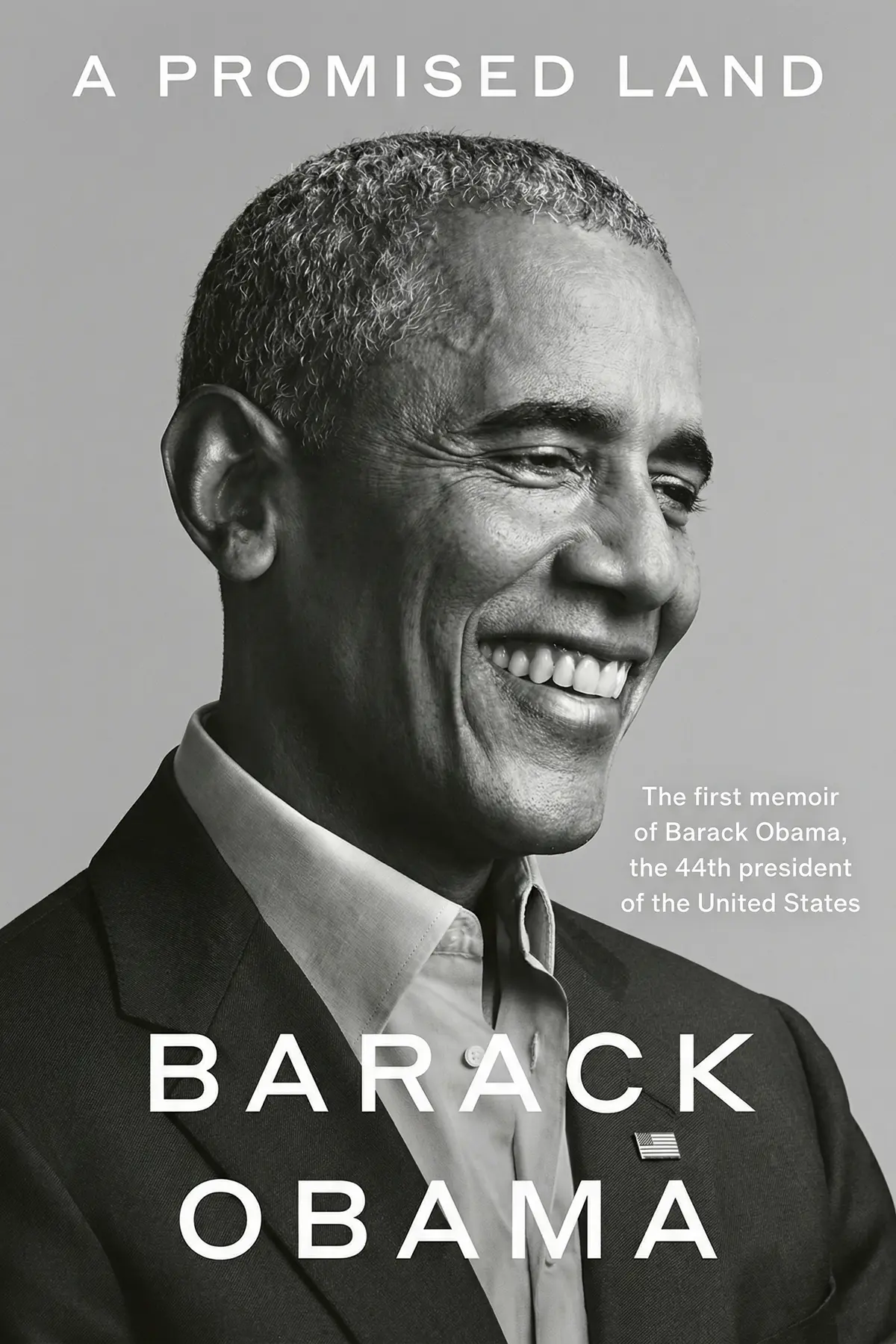
A Promised Land
Barack Obama
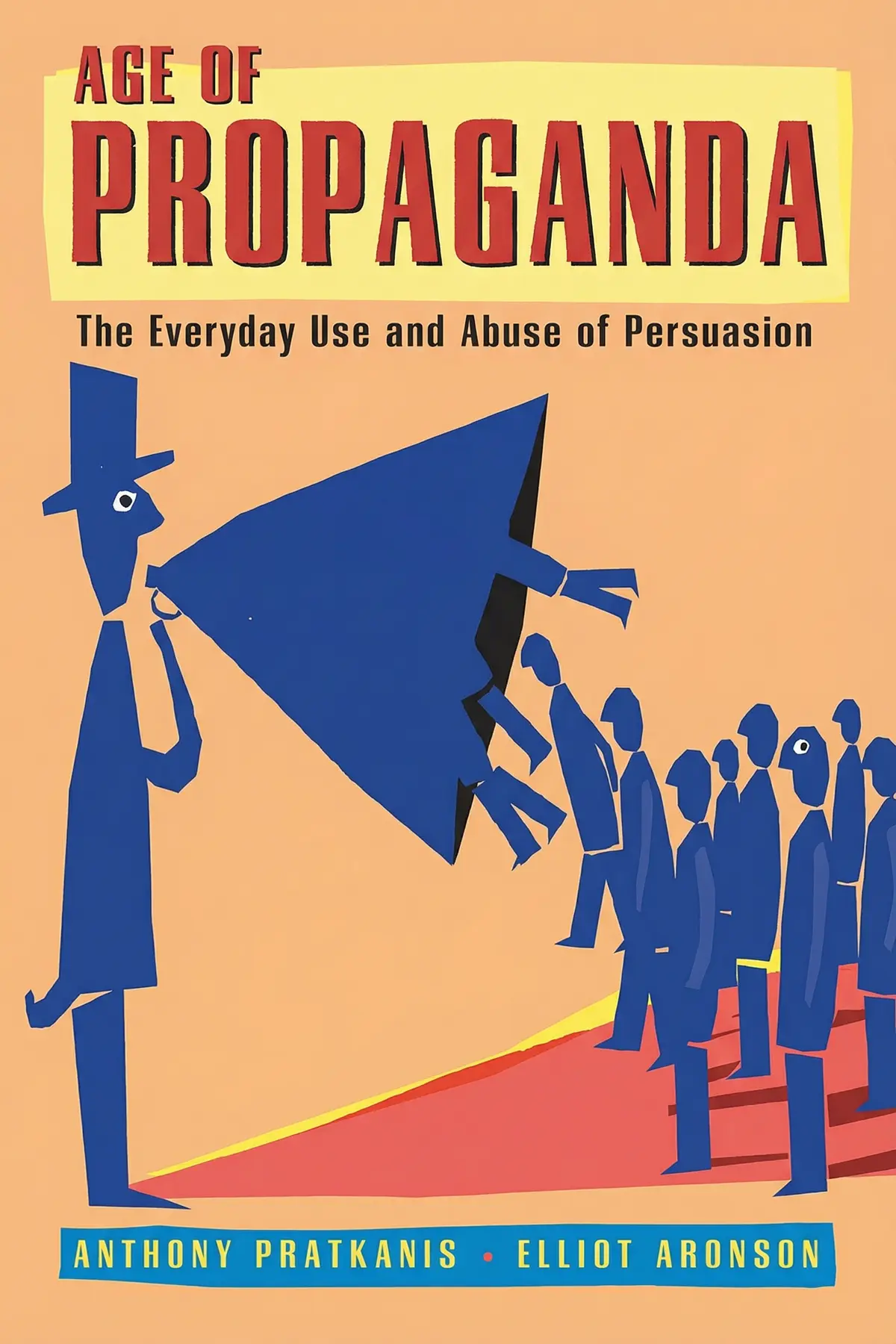
Age of Propaganda: The Everyday Use and Abuse of Persuasion
Anthony Pratkanis
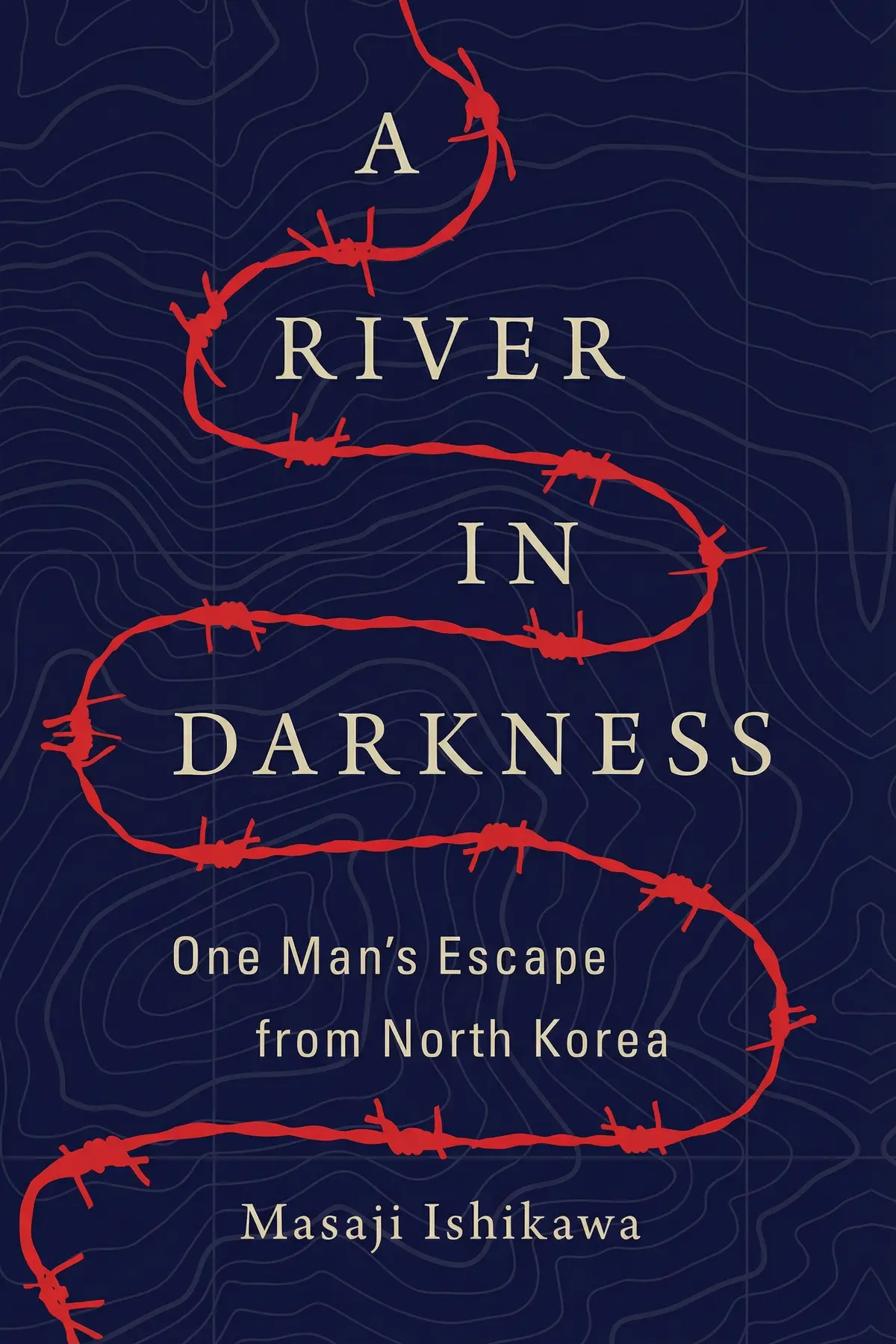
A River in Darkness: One Man’s Escape from North Korea
Masaji Ishikawa
A Spy Among Friends: Philby and the Great Betrayal
Ben Macintyre
21 Lessons for the 21st Century
Yuval Noah Harari
AUDIO SUMMARY AVAILABLE
Listen to Becoming Kim Jong Un in 15 minutes
Get the key ideas from Becoming Kim Jong Un by Jung H. Pak, plus 5,000+ more titles in English and Thai.
- 5,000+ titles
- Listen as much as you want
- 7-day free trial
- Cancel anytime







