
A Higher Loyalty: Truth, Lies and Leadership
James Comey
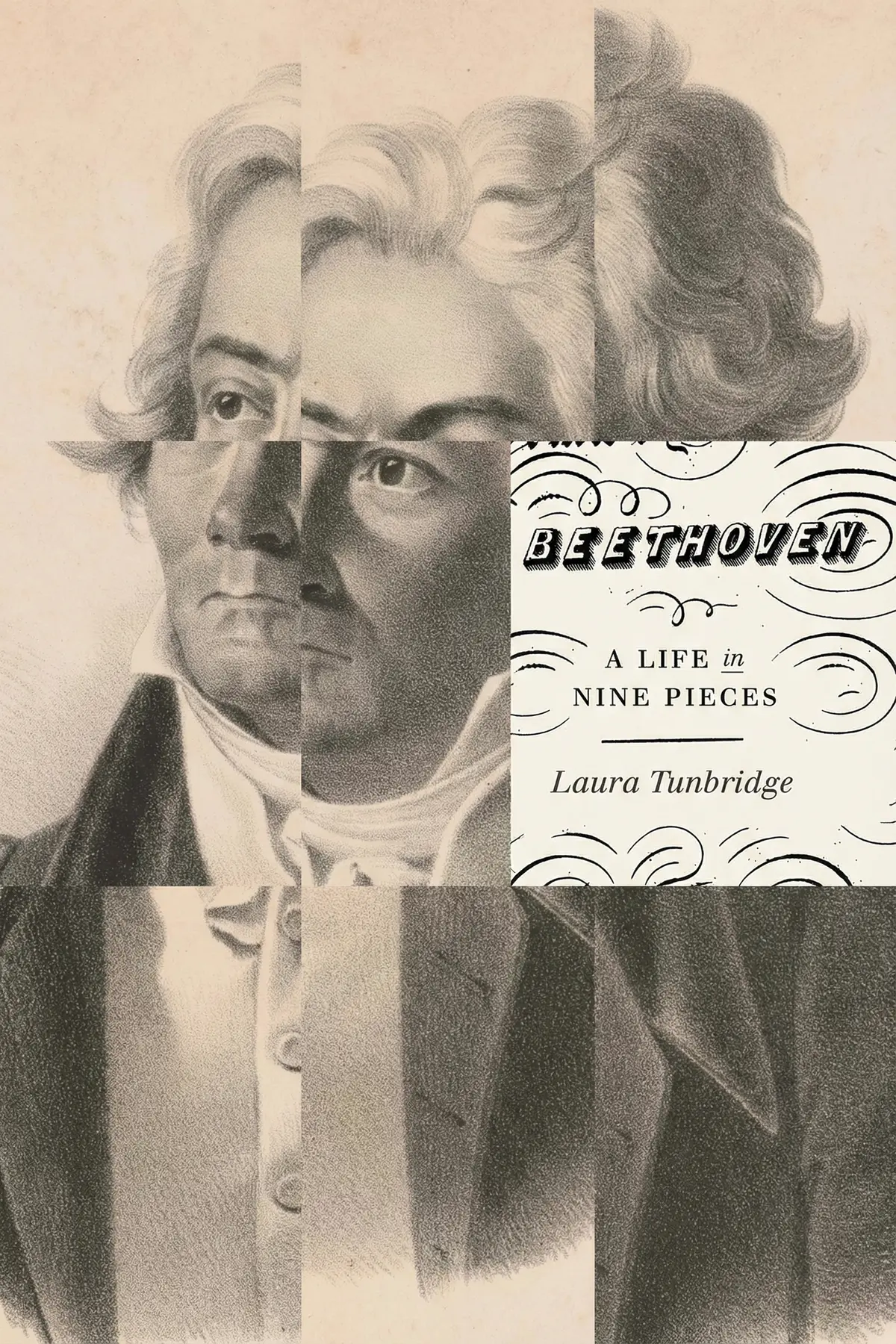
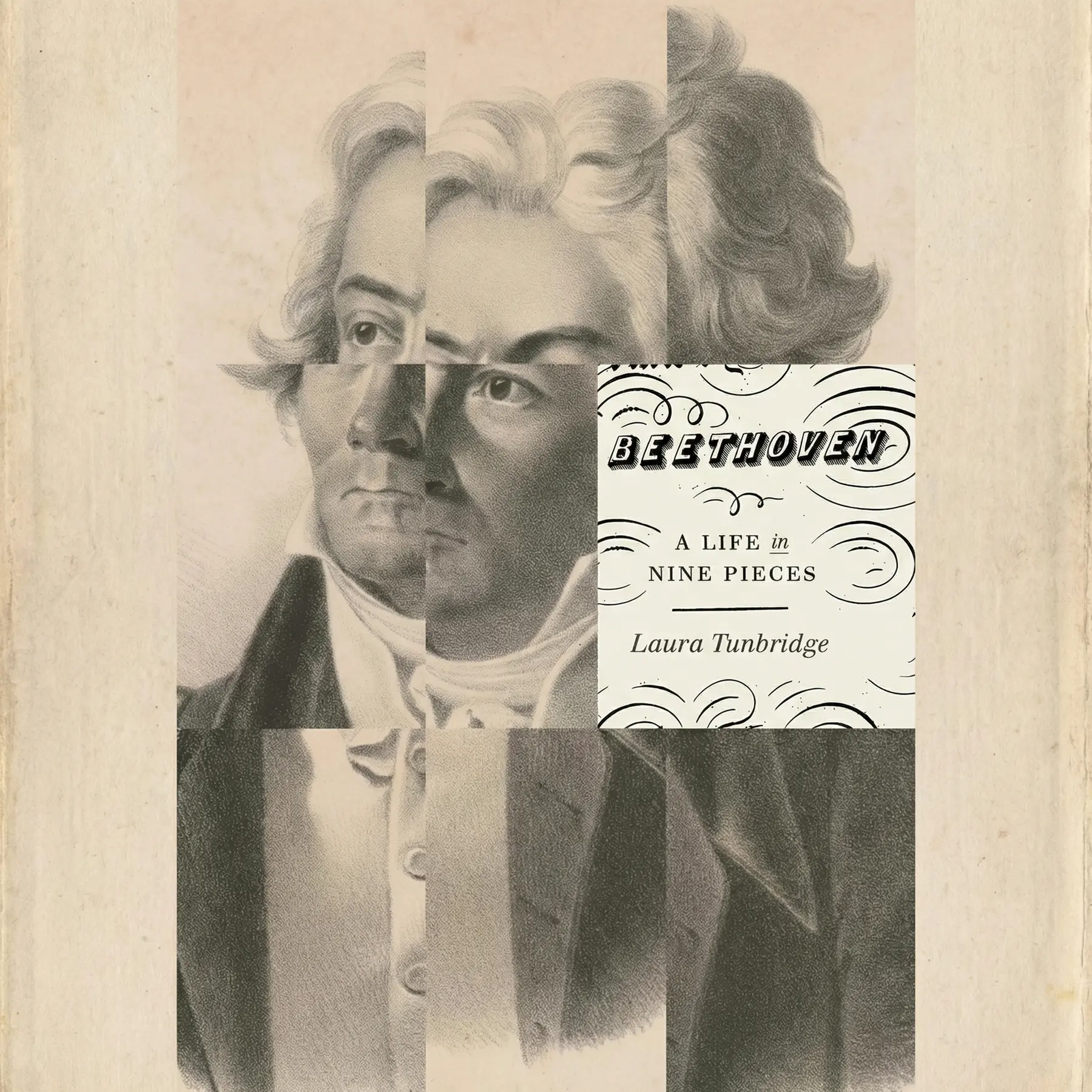
A nuanced exploration of Ludwig van Beethoven's life and artistic evolution. By examining nine specific compositions, it reveals the human behind the myth, highlighting his social connections, personal struggles, and groundbreaking innovations.
2 min 06 sec
When we think of the great figures of history, few loom as large or as sternly as Ludwig van Beethoven. Even those who have never stepped foot in a concert hall can likely recognize the thunderous opening of his Fifth Symphony or the celestial joy of his Ninth. We often picture him as a solitary, wild-haired figure, locked away in a world of silence, wrestling with demons to produce music that sounds like the very voice of fate. But while that image has a certain romantic appeal, it misses the true complexity of the man who lived behind the music. To really understand Beethoven, we have to look past the stone busts and the legendary scowls and see him as he was: a working musician, a social creature, and a man deeply engaged with the tumultuous world of the late eighteenth and early nineteenth centuries.
This exploration doesn’t just chronicle his life from birth to death. Instead, it invites you to look at nine specific musical works that act as windows into different chapters of his existence. Through these pieces, we can see how he managed the practical demands of making a living, how he collaborated with the great performers of his day, and how he reacted to the seismic political shifts of the Napoleonic era. We will see a Beethoven who was capable of humor, who sought out friendship, and who was constantly adapting his art to the changing technology of his instruments.
By the time we reach the end of this journey, the myth of the isolated genius will have been replaced by something far more interesting—the story of a persistent, ambitious, and deeply human artist who refused to let his physical limitations or the conventions of his time define what music could be. This is a story about legacy, transformation, and the relentless pursuit of artistic truth in a world that was often slow to understand his vision. Let’s begin by looking back to his roots in Bonn and the early sparks of a career that would eventually reshape the musical landscape of the Western world.
3 min 17 sec
Discover the reality of Beethoven’s early years, where family pressure and a search for status shaped the young musician long before he became a household name.
3 min 00 sec
Explore how Beethoven strategically built his reputation in the musical capital of the world, using a surprising piece to win over the hearts of the public.
2 min 56 sec
Learn how the composer’s social life and professional partnerships influenced his most difficult works, debunking the myth of the solitary genius.
2 min 53 sec
Witness the moment Beethoven’s music collided with the high-stakes politics of Europe, changing the course of symphonic history forever.
3 min 04 sec
Step into the cold, chaotic reality of a landmark concert that proved Beethoven’s vision was often far ahead of the musicians tasked with playing it.
2 min 42 sec
Peek behind the curtain of Beethoven’s romantic life and see how his vocal music expressed a vulnerability often hidden by his symphonic power.
2 min 51 sec
Explore the year Beethoven became a national hero, and the private tragedies that turned his greatest triumph into a period of creative struggle.
2 min 59 sec
See how a gift from London and a revolution in piano design gave Beethoven the tools to push his music to the very edge of what was physically possible.
3 min 13 sec
In his final years, Beethoven reached for the divine and the experimental, leaving behind a legacy that continues to baffle and inspire.
1 min 46 sec
The life of Ludwig van Beethoven is often told as a myth of suffering and triumph, but as we’ve seen through these nine pieces, the reality is far more interesting and human. He was a man who navigated the practicalities of eighteenth-century patronage, the politics of a continent at war, and the evolving technology of his instruments. He was a social creature who valued friendship and collaboration, even as his deafness and his prickly nature made those connections difficult. Most importantly, he was a persistent innovator who never stopped asking what else music could do.
From his early days in Bonn to his final quartets in Vienna, Beethoven’s journey was one of constant evolution. He took the polite forms of the classical era and expanded them until they were large enough to hold the most complex human emotions. He taught us that a symphony could be a political statement, that a sonata could be a technical battleground, and that even in the depths of personal tragedy, art can reach for a sense of universal joy. His legacy isn’t just in the notes he wrote, but in the way he changed our expectations of what an artist is and what they can achieve.
As you listen to his music today, remember the man who stood behind the sound. Remember the working musician who struggled with publishers, the uncle who worried about his nephew, and the artist who believed that his work would eventually ‘please them some day.’ Beethoven’s story is a reminder that the most enduring achievements are often born from a mix of great talent, relentless hard work, and the courage to be misunderstood. The comedy may be over, as he said, but the music continues to play on, as vibrant and challenging as the day it was written.
This summary explores the life of Ludwig van Beethoven through a unique lens, moving away from the stereotype of the isolated, brooding genius. Instead, it presents a man deeply connected to the social and political currents of early nineteenth-century Europe. By examining nine landmark works, the narrative tracks his progression from a talented court musician in Bonn to a revolutionary force in Vienna who fundamentally changed what a symphony, a sonata, and a quartet could be. The journey highlights how external factors—like the Napoleonic Wars, the evolution of piano technology, and the specific talents of contemporary virtuosos—shaped his creative output. It also delves into his personal world, covering his complex relationship with his nephew, his struggles with encroaching deafness, and his unrequited romantic longings. The promise of this account is a deeper understanding of Beethoven not just as a monumental icon of classical music, but as a working professional who navigated the practicalities of patronage and publishing while relentlessly pushing the boundaries of his art.
Laura Tunbridge is a distinguished expert in the field of musicology, with a specific focus on nineteenth-century music and German Romanticism. She serves as a Professor of Music and is a Henfrey Fellow at St. Catherine’s College at the University of Oxford. Her scholarly contributions include three monographs, one of which specifically examines the life and works of the German composer Robert Schumann.
Listeners observe that while perspectives on the text's technical depth vary, most enjoy the distinctive framework that examines Beethoven’s biography through nine specific works. Beyond the life story, they value the immersive historical and social setting, which depicts the composer as a practical businessman and "networker" rather than merely a reclusive genius. Mention is also made of the engaging information regarding how instruments evolved, with one listener finding the details on the piano’s shifting range to be particularly illuminating. Moreover, many feel the experience is bolstered by playing the musical pieces alongside the narration, which helps foster a "more profound understanding" of the legendary creator.
After hearing several podcasts mention this book, I decided to give it a go, and I am so glad I did. Tunbridge brilliantly strips away the myth of the isolated, divine creator to reveal a man who was deeply dependent on his patrons and the shifting tastes of his time. The detail about how the changing range of the piano directly influenced the complexity of the Hammerklavier sonata was absolutely fascinating to me. I spent my evenings listening to the Missa Solemnis while reading her chapter on it, and the experience was truly transcendent. It is rare to find a musicology book that balances technical expertise with such vivid historical storytelling. This isn't just a book about music; it's a book about how art survives in a world of war, censorship, and health struggles.
Show moreThe chapter on the Hammerklavier alone makes this book worth the price of admission. I had never considered how the literal construction of the instruments—the wood, the wire, the pedals—dictated what Beethoven was able to imagine and create. It’s a very tactile biography that makes the 1800s feel real and gritty rather than just a costume drama. Tunbridge writes with a clear authority, but she also has a knack for highlighting the small, human moments, like Beethoven’s ‘conviviality’ and his singing evenings. Not gonna lie, I was surprised to learn he was such a networker! This book successfully reframes his career as a series of calculated risks and professional relationships. It’s a must-read if you want to understand the actual reality of being a composer in the 19th century.
Show moreLaura Tunbridge does a marvelous job of placing the reader directly into the drafty, unheated concert halls of old Vienna. You can almost feel the chaos of a premiere where the orchestra hasn't rehearsed enough and the audience is demanding encores in the middle of a symphony. This book is a wonderful antidote to the 'statue' version of Beethoven we see in museums. By focusing on nine specific pieces, the author allows for a depth of social context that a standard chronological biography would have to gloss over. I loved learning about his religious life through the lens of the Missa Solemnis. It’s a dense read, sure, but it rewards your patience with a much more nuanced understanding of how genius actually operates within the constraints of real life.
Show moreFinally got around to reading Tunbridge's take on the master, and the nine-piece structure is genuinely clever. It’s a refreshing departure from the usual cradle-to-grave biography format, allowing for a deep dive into specific moments like the Septet's premiere. To be fair, some sections on musical theory felt a bit dense for a casual listener, but the focus on Beethoven as a businessman was eye-opening. Seeing him as a shrewd networker rather than just a brooding hermit in an attic made him feel much more human. I highly recommend playing the specific tracks while reading each chapter; it transforms the text into a multi-sensory experience that really sticks with you. It’s not a perfect overview, but it’s a brilliant companion for anyone who already loves the symphonies.
Show moreAs someone who has always been intimidated by music theory, I found this surprisingly approachable in parts. The decision to ground each chapter in a single piece of music provides a much-needed anchor for the historical details. Look, we all know the image of the wild-haired genius, but Tunbridge shows us the Beethoven who had to worry about rent and annoying family legal battles over his nephew. I particularly enjoyed the section on Fidelio and the challenges of working under strict political censorship. My only real gripe is that the chapter titles can be a bit misleading, focusing more on the performance history than the 'theme' suggested. Still, it’s a solid, thoughtful read that provides a much more grounded perspective on a figure we usually treat as a god.
Show moreWow, what a fresh way to look at such an iconic figure! Instead of just listing dates, Tunbridge uses music as a lens to view the changing world around Beethoven. I didn't expect to be so interested in the business side of things, but seeing him navigate the world of music publishers was surprisingly compelling. In my experience, most biographies ignore the 'work' part of being an artist, but this book puts it front and center. It’s a bit technical in spots—the discussion of musical terms can be a lot—but the historical snapshots of Vienna make up for it. It really makes you want to go back and listen to everything with fresh ears, especially the lesser-known songs he wrote to make ends meet.
Show morePicked this up on a whim after seeing it on a 'best of' list, and it’s a solid addition to any music lover's shelf. Tunbridge avoids the typical traps of hero-worship, instead presenting a pragmatic, often struggling artist who had to be as much of a businessman as a visionary. The structure is great because you can read a chapter and then spend an hour listening to the music, letting the history sink in. There are a few moments where the prose gets a little dry, particularly when discussing the minutiae of different piano manufacturers, but the overall picture is vivid. It’s a book that respects the reader's intelligence while still keeping the human story at the heart of the music. A very satisfying, if somewhat scholarly, journey through a legendary life.
Show moreThe truth is, I struggled to stay engaged with this one despite my massive admiration for the subject. Tunbridge offers a well-researched look at the social and political landscape of 19th-century Vienna, but the narrative often gets bogged down in technical minutiae. One moment you're learning about the fascinating evolution of piano pedals, and the next, you're lost in a dry analysis of first-performance logistics. Personally, I was hoping for more of the man’s inner life and emotional turmoil, yet he often feels like a secondary character in his own biography. It’s more a collection of scholarly essays than a cohesive life story. If you’re looking for a romanticized tale of the 'tortured genius,' look elsewhere, because this book is much more interested in his ledger books and publishing deals.
Show moreI found myself constantly switching between fascination and boredom while working through these chapters. Some of the essays, like the one on the Eroica and its political undercurrents, are absolutely gripping and provide fresh insights into the era. However, other sections feel like they are wandering through a maze of publishing history and contract negotiations that only a specialist would care about. To be fair, the research is impeccable and Tunbridge knows her stuff, but the rhythm of the book is very uneven. It’s neither a beginner's guide nor a definitive academic tome, landing in a strange middle ground that might frustrate both audiences. I liked the focus on the Septet as a 'historical curiosity,' though it did make me realize how much of his work we overlook today.
Show moreThis wasn't exactly what I was looking for in a biography. Frankly, it felt more like a series of disconnected lectures than a flowing narrative of Beethoven’s life. The author assumes a high level of musical literacy, often diving into critiques that left me feeling like I was sitting in a grad-level seminar I hadn't prepared for. While the historical context regarding Napoleon and the Viennese aristocracy was decent, the emotional core was missing entirely. I never felt like I got to know Beethoven the person—just Beethoven the business entity and the composer of specific opuses. By the time I reached the final chapter on the late string quartets, I was just checking the page count. It might work for seasoned musicologists, but it felt cold and clinical to a general reader like me.
Show moreJames Comey
Philip Freeman

Jonathan Eig
J. Craig Venter

Ishmael Beah

James Herriot

Barack Obama
AUDIO SUMMARY AVAILABLE
Get the key ideas from Beethoven by Laura Tunbridge, plus 5,000+ more titles in English and Thai.







