
A Life Decoded: My Genome: My Life
J. Craig Venter
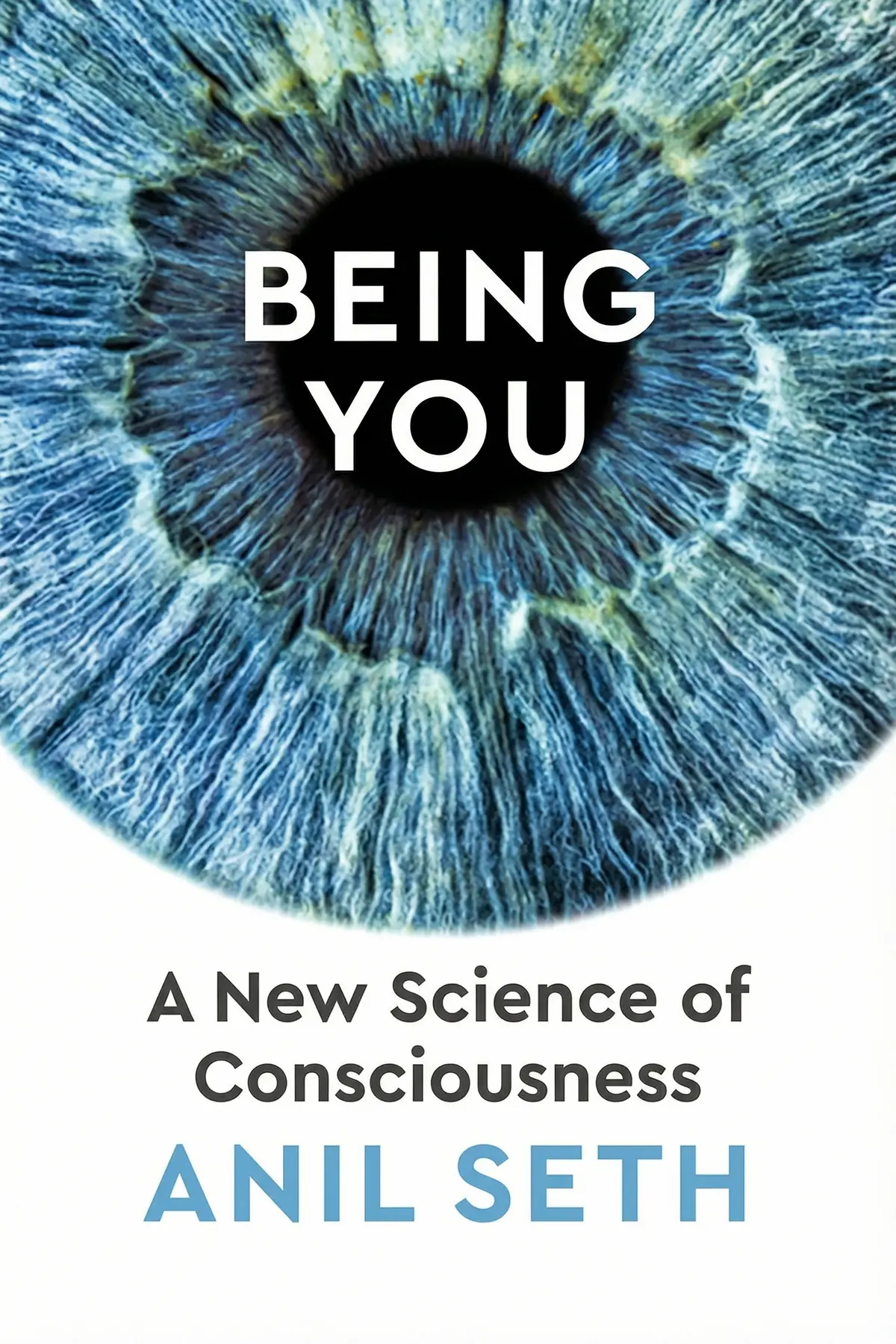
Anil Seth explores the mystery of consciousness, arguing that our reality is a controlled hallucination constructed by the brain to help us navigate and survive in a complex physical world.
1 min 57 sec
Think for a moment about the very essence of your existence. There is a specific, undeniable feeling of being you. It is the silent observer behind your eyes, the narrator of your thoughts, and the recipient of every sensation from the heat of a cup of coffee to the sting of a memory. But where does this feeling come from? For centuries, we treated this question as a philosophical riddle or a spiritual mystery. We often imagine that our consciousness is a passenger inside a biological vehicle, somehow separate from the meat and bone of our bodies.
Now, imagine a scenario where technology advanced to the point where every neuron in your brain could be replaced with a perfect mechanical equivalent. You would still talk the same way, remember your childhood, and react to a joke with the same laughter. You might even gain immortality in this silicon form. But here is the haunting question: would that machine actually feel like you? Or would the lights be on with nobody home? Most of us instinctively recoil from this trade because we sense that our consciousness is tied to our biology in a way that mere logic cannot capture.
In this journey, we are going to look at the work of neuroscientist Anil Seth, who proposes that we need to stop looking for a divine spark and start looking at the brain as a sophisticated prediction machine. We will explore why your entire reality is actually a sophisticated hallucination, how science is learning to measure the depth of awareness like we measure temperature, and why being a living, breathing animal is the most important part of being a conscious self. By the end, you may not look at the world—or yourself—the same way again. We are diving into the mechanisms of the mind to understand the throughline of human experience: the process of being you.
2 min 19 sec
Instead of asking why consciousness exists at all, we should focus on explaining how physical processes in the brain create specific subjective experiences.
2 min 21 sec
Scientists are developing tools to measure the level of consciousness by observing how complex signals echo across the brain.
2 min 33 sec
Consciousness arises from a system’s ability to be both highly diverse in its states and highly unified as a single experience.
2 min 03 sec
Our brains do not see the world as it is; they use sensory data to build a best-guess model of what’s out there.
1 min 58 sec
The brain functions like a statistical engine, using probability and prior beliefs to interpret the ambiguous signals of our senses.
2 min 07 sec
The feeling of being a singular self is an illusion created by the brain integrating multiple distinct perceptions, from body ownership to personal history.
2 min 10 sec
We are conscious not because we are special or divine, but because it helps our animal bodies maintain stability and avoid decay.
2 min 04 sec
Consciousness likely exists in varying forms across the animal kingdom, shaped by the unique biological needs of each species.
1 min 49 sec
We began this journey by asking what it means to be you, and the answer that emerges from the science of consciousness is both unsettling and profound. You are not a separate observer looking out at a world from a safe distance. Instead, you are an active participant in the creation of your own reality. Your brain, locked in the darkness of your skull, is a master of inference, weaving together threads of memory, expectation, and sensory data to create the tapestry of your life.
The central throughline here is that your sense of self and your perception of the world are controlled hallucinations. They are functional, necessary, and beautiful constructions of a biological machine that is working desperately to keep you alive. This doesn’t make your experiences any less real; rather, it makes them more incredible. It means that every color you see and every feeling of agency you possess is a testament to the staggering complexity of your brain’s predictive powers.
As we look forward, this perspective offers a roadmap for both science and personal understanding. It tells us that we can study the mind by looking at the real problems of biology and mathematics. It suggests that our connection to the rest of the living world is deeper than we thought, rooted in our shared struggle against entropy. And most importantly, it reminds us that being you is a continuous act of creation. You are not a fixed entity, but a living process. By understanding the mechanics of your own controlled hallucinations, you gain the power to appreciate the miracle of your own awareness—a flash of complex, integrated light in a vast and silent universe. The mystery of consciousness is no longer a wall to be feared, but a horizon to be explored.
What does it actually mean to be you? For centuries, the question of consciousness was relegated to philosophy, seen as a mystery beyond the reach of hard science. In this exploration, neuroscientist Anil Seth bridges that gap, proposing a radical new theory that moves away from mystical explanations and toward a biological understanding of the mind. The book challenges our most basic assumptions about reality. It suggests that our perceptions of the world—the colors we see, the sounds we hear, and even our sense of self—are not direct reflections of an objective environment. Instead, Seth argues that the brain is a prediction engine, constantly generating controlled hallucinations that best fit the sensory data it receives. By looking at how the brain measures levels of awareness and integrates information, we gain a new perspective on why we feel like a singular entity and how our biological bodies are the true foundation of every conscious experience.
Anil Seth is a neuroscientist and author. He’s a professor of cognitive and computational neuroscience at the University of Sussex, where he also codirects the Sackler Centre for Consciousness Science.
Listeners find the book deeply insightful, particularly appreciating the clear way it addresses long-standing questions regarding consciousness. The writing quality is also praised, and listeners generally find the material accessible. Nonetheless, feedback on readability is inconsistent, as several listeners found the text hard to read. Furthermore, several listeners noted manufacturing flaws, specifically citing missing pages and pages not being in consecutive order.
Anil Seth manages to navigate the murky waters of neuroscience without drowning the reader in jargon, though you definitely need your thinking cap on to keep up. His "controlled hallucination" framework is a total revelation that completely shifts how you view your morning coffee or the colors in your garden. I especially appreciated how he sidesteps the "hard problem" to focus on the "real problem," making the science feel applicable rather than just speculative. The prose is elegant and the arguments for the "Beast Machine" are grounded in fascinating biological reality. It's rare to find a scientist who writes with this much empathy for the human condition while remaining strictly empirical. This book is a life-changing existential insight into what it means to be you.
Show morePicked this up after seeing a recommendation on a science podcast and it did not disappoint at all. Seth’s theory that we are "beast machines" whose consciousness is tied to our biological drive for survival is both humbling and deeply thought-provoking. It’s a refreshing departure from the usual AI-centric views that suggest we’re just software that can be uploaded to a cloud. The writing is incredibly accessible for such a complex topic, though it still demands your full attention to follow the logic. This book changed how I perceive my own "self" and my connection to other living beings in nature. It’s the kind of science writing that actually shifts your worldview.
Show moreThis book is a masterclass in making the most difficult mystery in science feel approachable and urgent for the general reader. Seth’s "real problem" approach is a stroke of genius because it allows us to actually measure and map consciousness instead of just arguing about its existence. I was particularly fascinated by the discussion on how anesthesia works and what that tells us about the different levels of "being." The idea that our "self" is just another perception designed by evolution to keep us alive is a powerful existential insight. It's written with a warmth and curiosity that is often missing from high-level science books. Truly a life-changing read.
Show moreFinally, a book that treats the study of consciousness with the rigor it deserves while remaining genuinely fun to read for the layperson. Seth bridges the gap between hard neuroscience and deep philosophy with such ease that you almost forget how complex these topics are. I loved the deep dives into how our brains predict the world and how errors in that prediction lead to what we call hallucinations. The book is comprehensive, referencing everything from Kantian philosophy to the latest in fMRI technology. It’s a dense volume, but the short, punchy chapters help maintain momentum throughout the more theoretical sections. Highly recommended for any science buff.
Show moreEver wonder why your brain creates the world the way it does? This book dives deep into the "predictive processing" model, explaining that our reality is basically a guess that happens to be useful for staying alive. The example of "The Dress" from a few years ago was a perfect way to illustrate how our brains "color in" the world based on expectations rather than objective data. Look, it’s a bit dense in parts, and I had to re-read a few pages to really grasp the Free Energy Principle, but the payoff is worth the effort. It’s a mind-bending journey that makes you question every sensation you’ve ever had. My only gripe was that some of the philosophical detours felt a little repetitive by the end.
Show moreWow, this was a challenging yet deeply rewarding exploration of what it means to be a sentient creature in a physical world. Seth does a fantastic job explaining that our brains are essentially "prediction machines" that use sensory data to update our internal models of reality. I found the sections on interoception—the way we perceive our internal organs—to be the most enlightening part of the whole text. Personally, I think he handles the "free will" debate a bit too dismissively, but his biological perspective is a necessary counterweight to traditional dualism. It’s a thick read, but the clarity of his metaphors keeps you moving through the more technical neurobiology.
Show moreAfter hearing Seth's TED talk, I had high expectations for this book, and it met almost every single one of them. The way he breaks down the "controlled hallucination" of our daily lives is nothing short of brilliant. It’s not just a book about the brain; it’s a book about how we inhabit the world as biological organisms. Gotta say, the link between our metabolism and our consciousness—the "beast machine" idea—makes so much more sense than any "consciousness-as-computer-program" theory I've encountered recently. It’s a beautiful, smart, and deeply humane look at the very core of our existence. Definitely a must-read for anyone interested in the mind.
Show moreWhile the concepts are undoubtedly groundbreaking, I found myself getting bogged down in the more abstract sections like Integrated Information Theory. Frankly, Seth is clearly an expert, but his explanations sometimes assume a level of prior knowledge that left me feeling like a confused undergraduate again. I also struggled with his dismissal of color as a physical property; as someone with a physics background, it’s hard to accept that a wavelength isn't a "real" thing in itself just because our perception of it is subjective. To be fair, the "controlled hallucination" bit is a great metaphor, but the middle of the book is a bit of a slog. It’s an important work, but certainly not the light read I expected.
Show moreThe chapter on IIT was where the author lost me, as the logic started to feel more like "waffly" philosophy than actual hard science. I appreciate the attempt to quantify consciousness, but these sections were incredibly hard to follow for a non-specialist reader like myself. Furthermore, I was disappointed by the physical quality of my copy, as several pages were out of order, which made an already difficult text nearly impossible to navigate. Truth is, Seth is a brilliant thinker, but the narrative flow is constantly interrupted by overwhelming context and academic side-quests. If you’re looking for a straight answer on how the brain creates "you," you might find this more philosophical than neuroscientific.
Show moreI really wanted to love this given the rave reviews, but the reading experience was quite frustrating due to the circuitous writing style. Seth has a tendency to circle around his points with personal anecdotes that don't always clarify the complex physics or biology he’s discussing. Not gonna lie, I felt like I was back in a boring lecture hall where the professor loves the sound of his own voice but forgets the students are lost. To make matters worse, my edition arrived with missing pages right in the middle of the "Beast Machine" argument. Between the dense, sometimes waffly prose and the manufacturing errors, I just couldn't fully engage with the material.
Show moreJ. Craig Venter
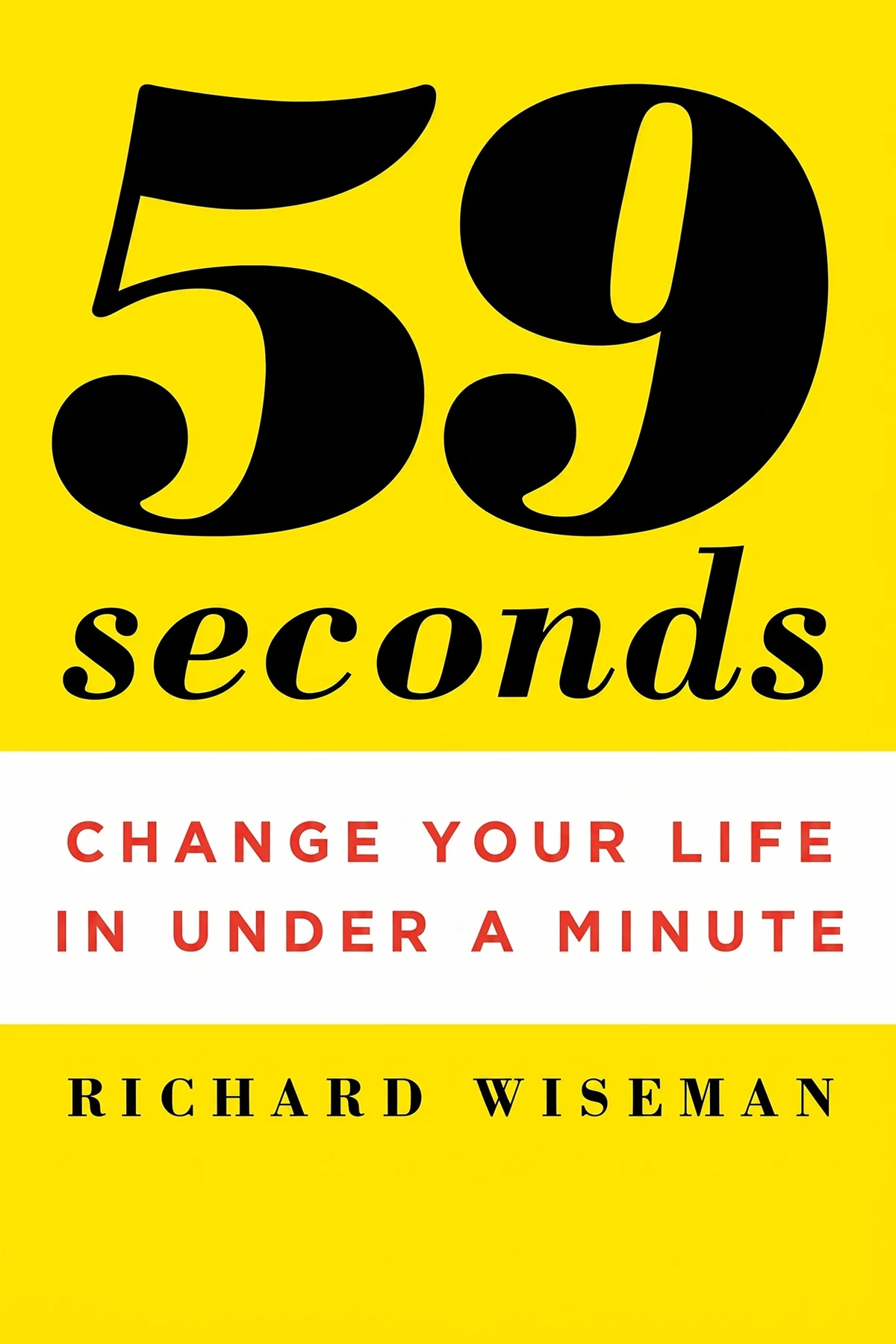
Richard Wiseman
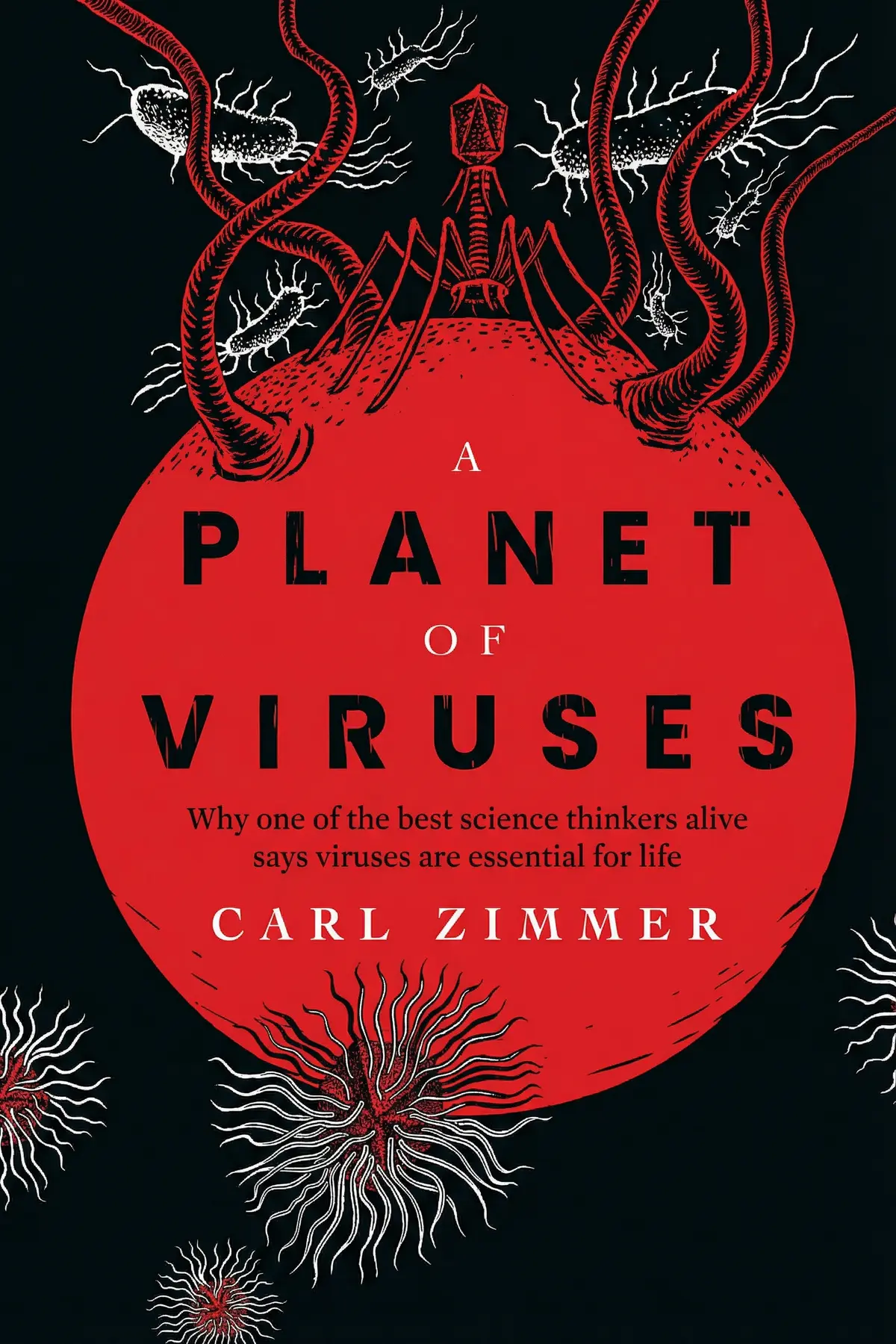
Carl Zimmer
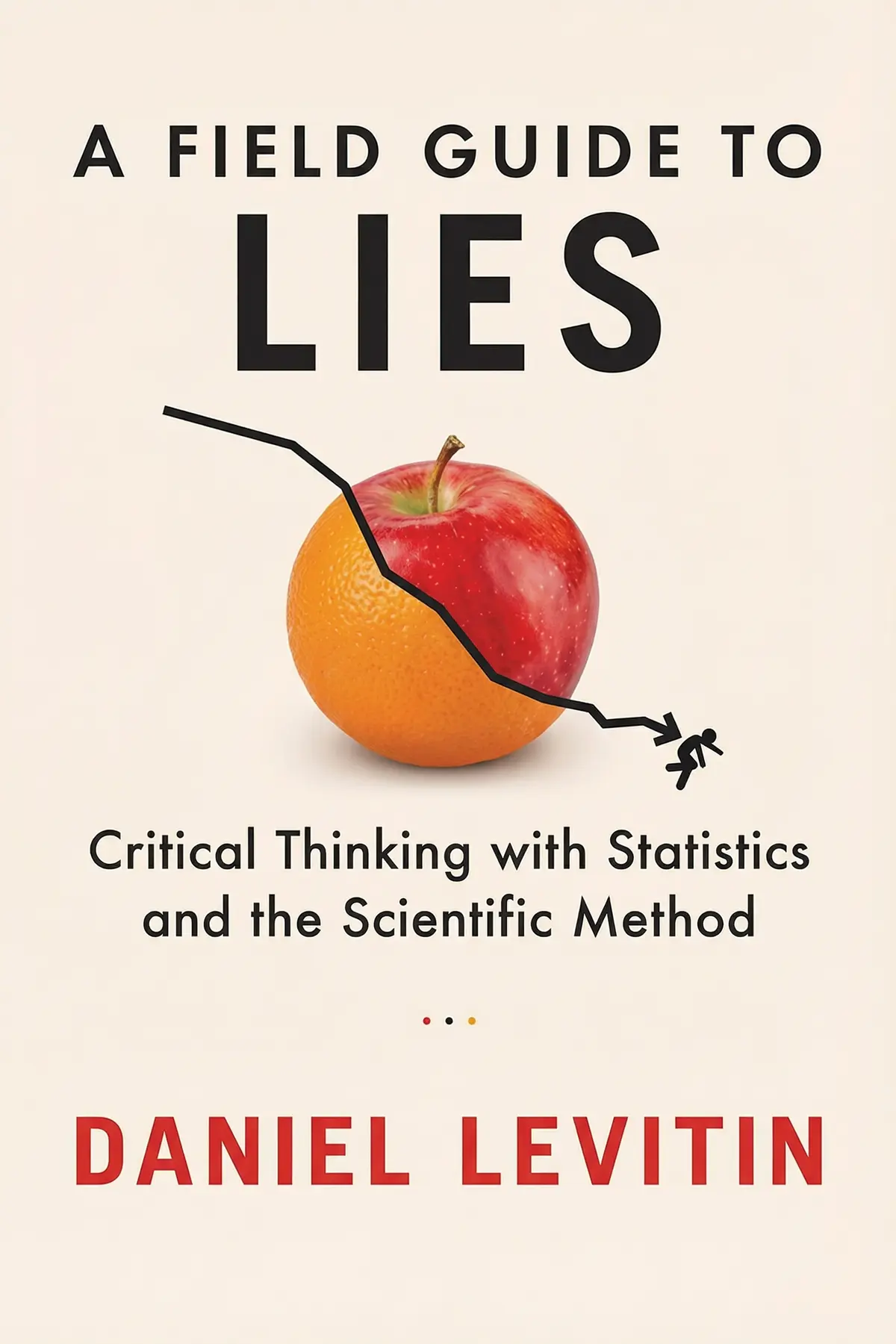
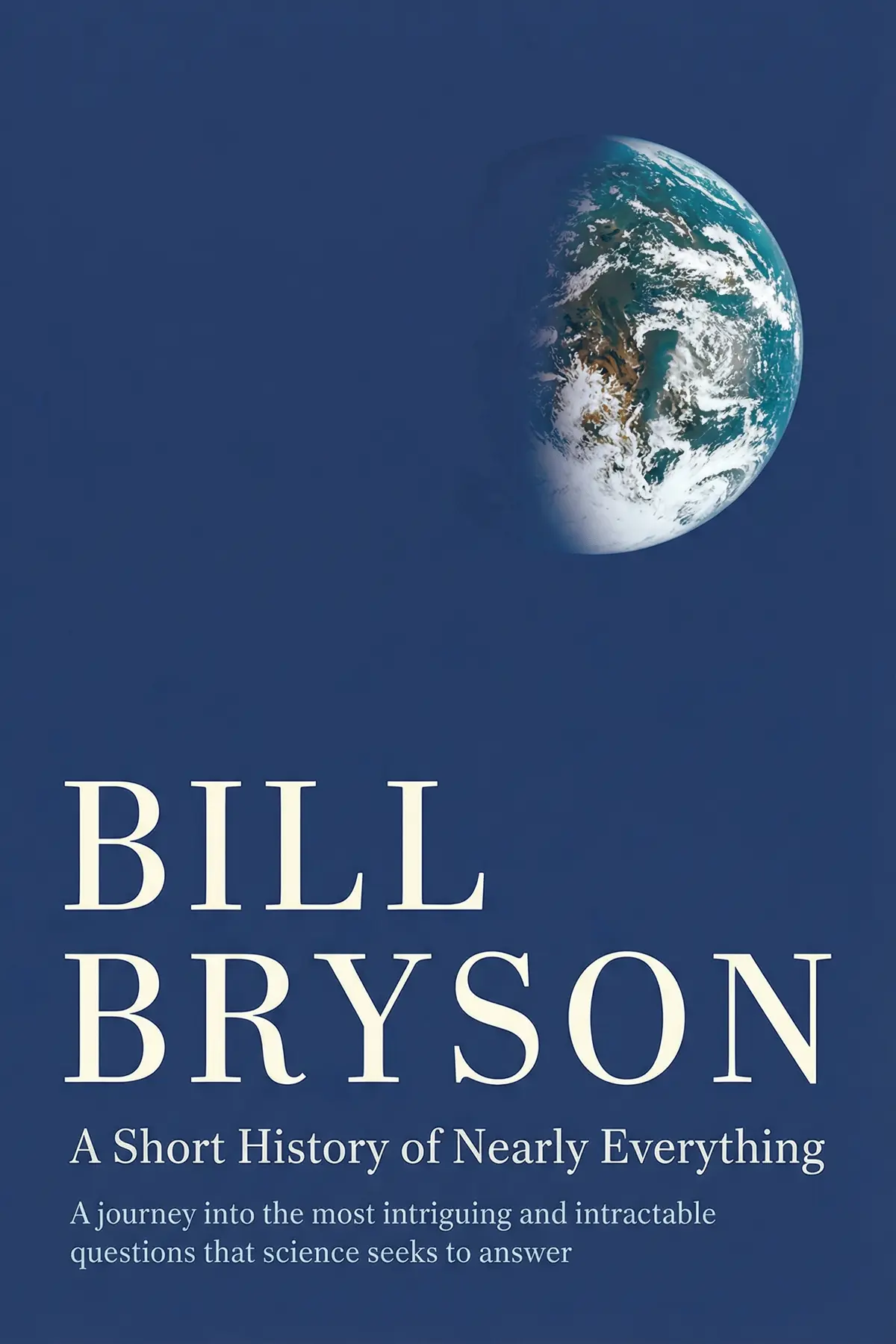
Bill Bryson
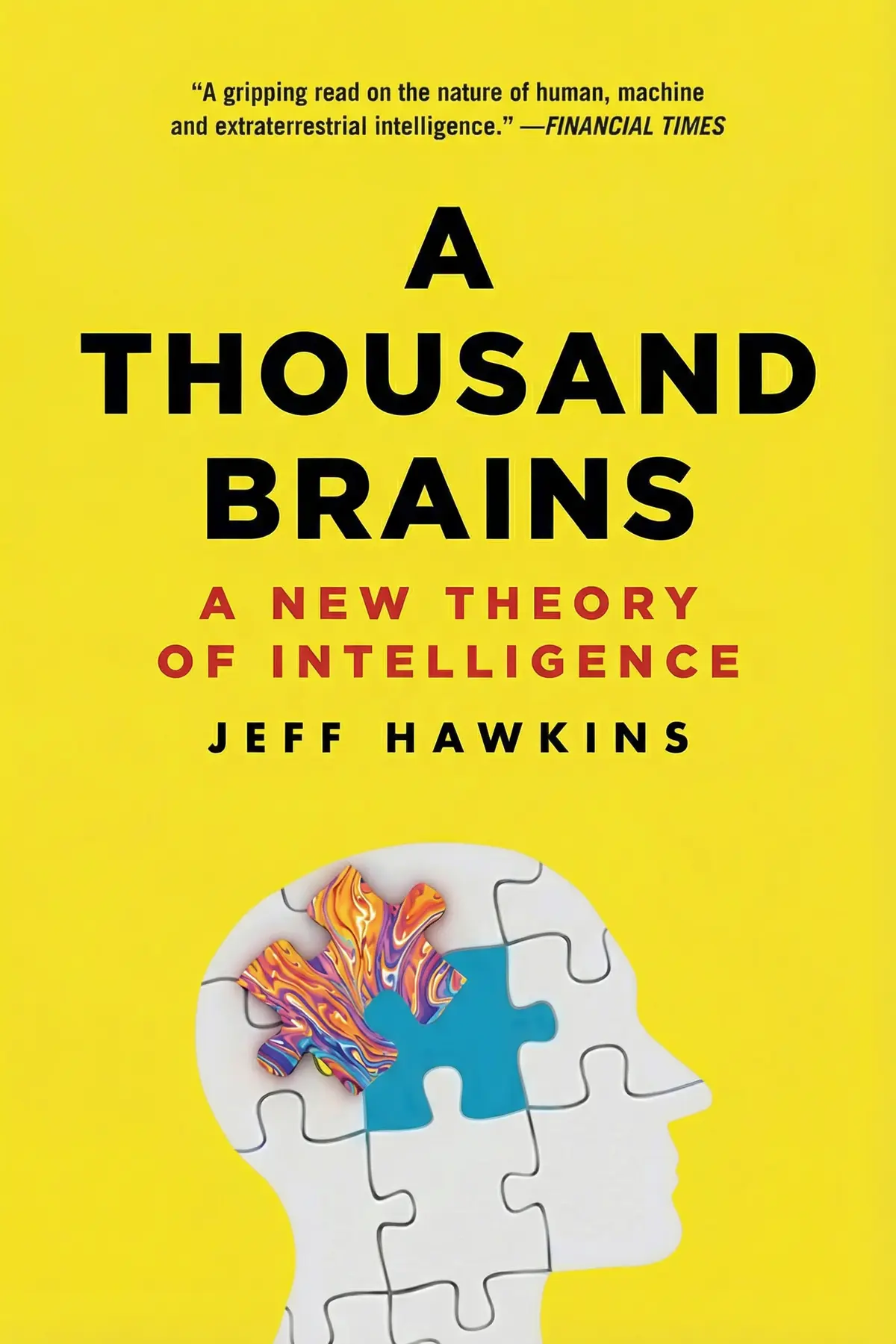
Jeff Hawkins
Steven C. Hayes
AUDIO SUMMARY AVAILABLE
Get the key ideas from Being You by Anil Seth, plus 5,000+ more titles in English and Thai.







