
16 min 06 sec
Berkshire Beyond Buffett: The Enduring Value of Values
Explore how a rock-solid corporate culture and decentralized management will allow a massive investment empire to thrive long after its legendary founder, Warren Buffett, steps away from the helm.
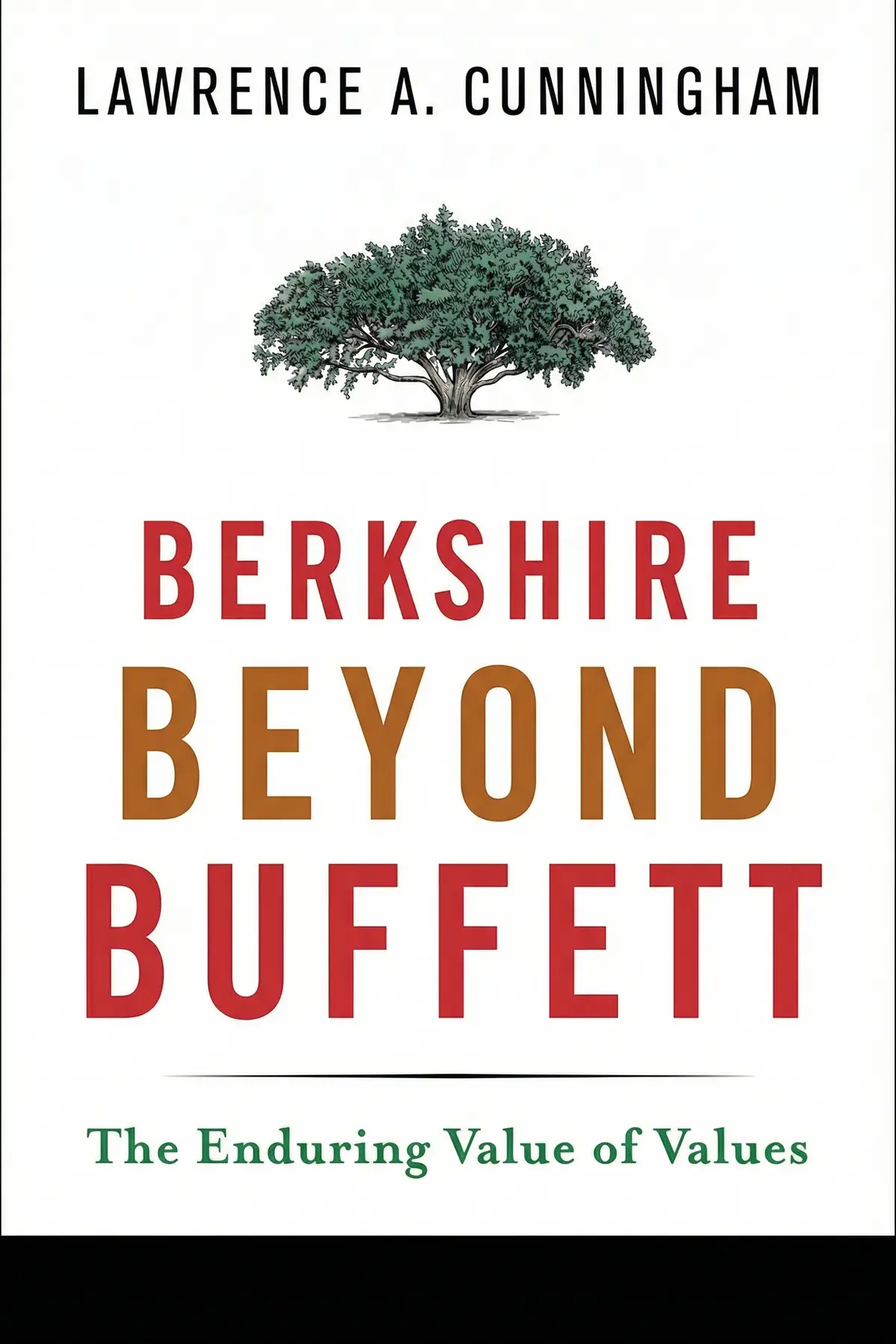
Table of Content
1. Introduction
1 min 25 sec
When we think of legendary figures in the world of finance, few names carry as much weight as Warren Buffett. For decades, he has been the face of Berkshire Hathaway, a conglomerate that has grown from a struggling textile mill into a massive empire worth hundreds of billions of dollars. Because Buffett’s personality is so intertwined with the company’s success, a natural question arises: what happens when he is no longer there? Is the entire structure dependent on his personal touch, or has he built something that can stand on its own?
In this exploration, we will look beyond the famous persona of the ‘Oracle of Omaha’ to discover the actual bedrock of the company. We’ll find that the true secret to the firm’s permanence isn’t found in a single person, but in a deeply ingrained corporate culture. This culture is composed of a specific set of values that act as a unifying force for dozens of vastly different businesses.
Through this journey, we will see how these values allow the organization to function as a decentralized web of independent companies that are nonetheless bound together by a shared philosophy. Whether it’s an insurance giant, a major railroad, or a family-owned furniture store, the throughline is the same. By the end of this summary, you’ll understand how these principles create a legacy that is designed to endure for generations, providing a template for how any organization can build a culture that lasts far beyond its founding leadership.
2. A Unified Culture in a Diverse Portfolio
1 min 45 sec
Discover how a massive conglomerate manages to maintain a singular identity while owning a wildly diverse array of businesses across multiple global industries.
3. Efficiency and Integrity as Core Pillars
1 min 59 sec
Learn how the values of budget consciousness and keeping promises form the bedrock of the firm’s most successful insurance ventures.
4. The Strategic Value of Reputation and Kinship
2 min 03 sec
Explore how building a stellar reputation and honoring family legacies can lead to financial results that far outpace the competition.
5. Empowering Self-Starters Through Autonomy
1 min 57 sec
See why a hands-off management style is the secret to attracting the world’s most talented entrepreneurial leaders.
6. Savvy Investing in Simple Businesses
1 min 55 sec
Understand why the firm prefers ‘rudimentary’ businesses and how its subsidiaries replicate this winning investment strategy.
7. The Blueprint for a Post-Buffett Era
1 min 45 sec
Go behind the scenes of the company’s succession plan to see how it intends to maintain its unique culture after its founder steps down.
8. The Marmon Group as a Proof of Concept
1 min 43 sec
Discover the historical example that proves a culture-driven conglomerate can thrive and even grow after its founders pass away.
9. Conclusion
1 min 34 sec
As we wrap up our look at the enduring structure of this financial empire, the central message is clear: culture is the ultimate hedge against the future. While the world may focus on the legendary stock-picking skills of a single man, the real strength of the organization lies in a decentralized web of companies held together by nine core values. From budget consciousness and earnestness to kinship and autonomy, these principles are not just slogans on a wall—they are the operational guidelines that drive every decision.
We have seen how these values allow the firm to attract the best entrepreneurial talent, win deals over higher bidders, and maintain a level of efficiency that competitors can only dream of. Most importantly, we’ve seen that there is a plan in place. By splitting the roles of investment and management and looking to internal culture-carriers for leadership, the firm is preparing for a transition that many thought would be its downfall.
The lesson for all of us, whether we are investors, business owners, or employees, is that the values we instill today are what will define our legacy tomorrow. If you want to build something that lasts, don’t just focus on the ‘what’ or the ‘how’ of your business—focus on the ‘who’ and the ‘why.’ Build a culture that empowers people, rewards integrity, and values the long term. If you can do that, you’ll find that your organization can thrive long after the current chapter ends. The story of this conglomerate isn’t just about money; it’s about the enduring value of values. Now, think about your own professional environment. What are the core values that define it, and are they strong enough to support a legacy that lasts for generations?
About this book
What is this book about?
What makes a massive global conglomerate thrive after its legendary founder is no longer at the wheel? This exploration of the Berkshire Hathaway empire answers that pressing question by diving deep into the organizational DNA of the firm. Instead of focusing merely on financial balance sheets or market trends, it investigates the nine core values that define the company’s diverse subsidiaries. By examining how these businesses operate independently yet share a common cultural foundation, the book provides a roadmap for the firm's longevity. The promise here is a significant shift in perspective regarding corporate endurance. You will see that the true value of this enterprise isn't just in the singular genius of one man, but in a decentralized system specifically designed to outlast him. It offers a glimpse into how the company prepares for the inevitable transition of leadership by splitting key roles and fostering a culture of extreme autonomy. For anyone interested in corporate longevity, organizational culture, or the mechanics of one of the world's most successful investment vehicles, these insights reveal why the future of the firm is far more secure than many skeptics believe.
Book Information
About the Author
Lawrence A. Cunningham
Lawrence A. Cunningham is the Henry St. George Tucker III Research Professor of Law at George Washington University in Washington, D.C. His writings have appeared in university journals and in publications such as the Financial Times, the New York Post and The New York Times. Other books include The AIG Story (with Maurice E. Greenberg) and How to Think Like Benjamin Graham and Invest Like Warren Buffett.
Ratings & Reviews
Ratings at a glance
What people think
Listeners find the book to be a compelling listen filled with valuable historical context and intriguing specifics. They value the cultural perspectives offered, with one listener emphasizing its deeply enduring common culture. However, the book’s credibility earns a mixed response from listeners.
Top reviews
Ana
This book provides the most comprehensive look at what makes Berkshire tick outside of the Oracle himself. Cunningham manages to distill the essence of the conglomerate into a readable framework using the BERKSHIRE acronym, which I found surprisingly helpful for understanding their internal logic. While many authors focus solely on Buffett's personal investment genius, this work shifts the spotlight toward the permanent culture established across ninety different subsidiaries. Truth is, the sections on the 'trust-arbitrage' system changed how I view corporate management entirely. It is a dense read, but absolutely essential for anyone worried about what happens when the leadership eventually transitions.
Show moreSumalee
As someone who has followed Berkshire for decades, I was skeptical that anything new could be written about the Omaha giant. Cunningham proved me wrong by focusing on the 'seamless web of deserved trust' that connects these disparate businesses. He treats the corporation as a living organism rather than just a stock ticker, which provides a refreshing perspective on value creation. The analysis of how decentralized management works in practice—allowing leaders to operate as if they own 100% of their business—is fascinating. It’s a brilliant exploration of how a legacy can be engineered to outlast its founder.
Show moreWatcharaporn
Picked this up to better understand the post-Buffett era and came away feeling much more confident in the company's future. The way Cunningham breaks down the core values—Earnestness, Kinship, and the rest—shows that the foundation is made of more than just one man’s charisma. It’s about a specific way of doing business that attracts a certain type of ethical, high-performing entrepreneur. The interviews with key managers provide a rare 'under the hood' look at why people stay at Berkshire long after they are wealthy enough to retire. This is easily the most important book on the company written in the last decade.
Show moreLayla
Ever wonder how a collection of such diverse companies like MiTek and Marmon can actually share a single DNA? Lawrence Cunningham answers that question with a level of detail that feels like a doctorate in corporate stewardship. He moves past the usual rehashed anecdotes to show how autonomy and earnestness are baked into the very foundation of the firm. Some might find the deep dives into specific subsidiary histories a bit tedious if they aren't business nerds, but the insights are gold. Frankly, the argument for why the culture will endure even without Buffett is quite compelling and well-reasoned.
Show moreHarper
Wow, the level of access Cunningham had to the subsidiary managers really shines through in every chapter. You get a real sense of the 'kinship' and 'budget-consciousness' that defines the group's operations. I particularly enjoyed the nerdy details about the competitive edges of the smaller companies that usually get ignored in the mainstream financial press. To be fair, the book is quite long and sometimes feels like a collection of separate essays rather than one cohesive argument. However, for a serious student of the Buffett system, those individual nuggets are worth the price of admission alone.
Show moreLevi
Think of this book as the spiritual successor to William Thorndike’s The Outsiders, but specifically focused on the internal machinery of one empire. Cunningham does a masterful job explaining why Berkshire isn't just a portfolio of stocks, but a unique corporate animal designed for permanence. The focus on 'trust-arbitrage' as a competitive advantage is a simple yet profound idea that most MBAs totally overlook. My only complaint is that the pacing is a bit uneven, with some chapters dragging more than others. Still, it’s a necessary read for anyone trying to understand the blueprint for long-term corporate success.
Show moreAnna
Finally got around to finishing this, and I have mixed feelings about the execution. On one hand, the research is top-notch and the 'BERKSHIRE' acronym serves as a clever way to organize such a massive amount of information. On the other hand, the writing style occasionally falls into a narrative trap where the stories meander without a clear point. It’s a helpful resource for historical facts, but it lacks the punchy, actionable advice I was expecting from the introduction. Look, if you want a deep bibliography of the subsidiaries, this is your book, but be prepared for some dry stretches.
Show moreTanawan
The chapter on the 'make Warren proud' motif left me feeling a bit skeptical about the long-term outlook. While Cunningham argues that the values are permanent, I wonder if the 'benign dictatorship' can really function once the dictator is gone. The book is incredibly detailed and well-researched, but it often feels overly optimistic about how Mr. Market will treat a leaderless Berkshire. In my experience, culture is fragile, and the author downplays the risks of the 'bad apples' that have occasionally cropped up in the past. It's a solid history, but perhaps a bit too much of a hagiography of the system.
Show moreApichat
After hearing so much praise for Lawrence Cunningham’s other works, I found this particular volume to be a bit of a slog. The footnotes are copious and the research is undeniably thorough, but the prose lacks a certain spark. It feels like a very high-quality textbook rather than a compelling narrative of a business empire. Not gonna lie, I found myself skimming some of the more repetitive sections about the acronym-based values. It’s a good reference book to keep on the shelf, but it’s not exactly a page-turner that you’ll finish in one sitting.
Show moreWei
While I appreciate the effort that went into profiling all the different subsidiaries, this book ultimately felt like a repetitive marketing brochure for the Berkshire brand. The author seems so enamored with the 'Berkshire system' that he rarely addresses the genuine structural challenges they will face in a decade. I found the acronym structure to be a bit forced and cheesy, which detracted from the more serious financial analysis. Gotta say, the book avoids the hard questions about succession and capital allocation in a way that feels a bit naive. It’s a fine history for fans, but it lacks a critical edge.
Show moreReaders also enjoyed
A Year with Peter Drucker: 52 Weeks of Coaching for Leadership Effectiveness
Joseph A. Maciariello
Acting with Power: Why We Are More Powerful Than We Believe
Deborah Gruenfeld
All In: How Great Leaders Build Unstoppable Teams
Mike Michalowicz
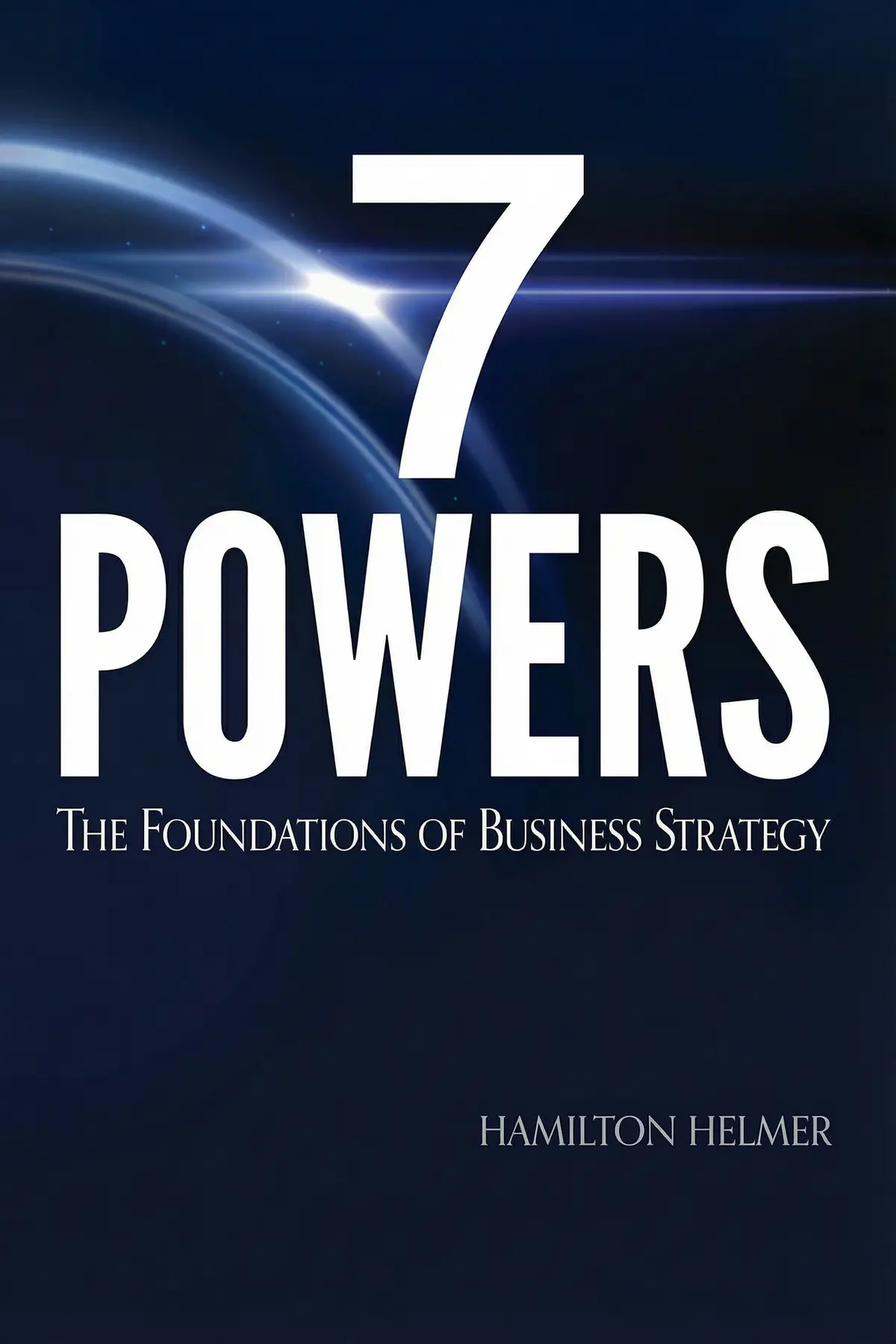
7 Powers: The Foundations of Business Strategy
Hamilton Helmer
AUDIO SUMMARY AVAILABLE
Listen to Berkshire Beyond Buffett in 15 minutes
Get the key ideas from Berkshire Beyond Buffett by Lawrence A. Cunningham, plus 5,000+ more titles in English and Thai.
- 5,000+ titles
- Listen as much as you want
- 7-day free trial
- Cancel anytime







