
17 min 07 sec
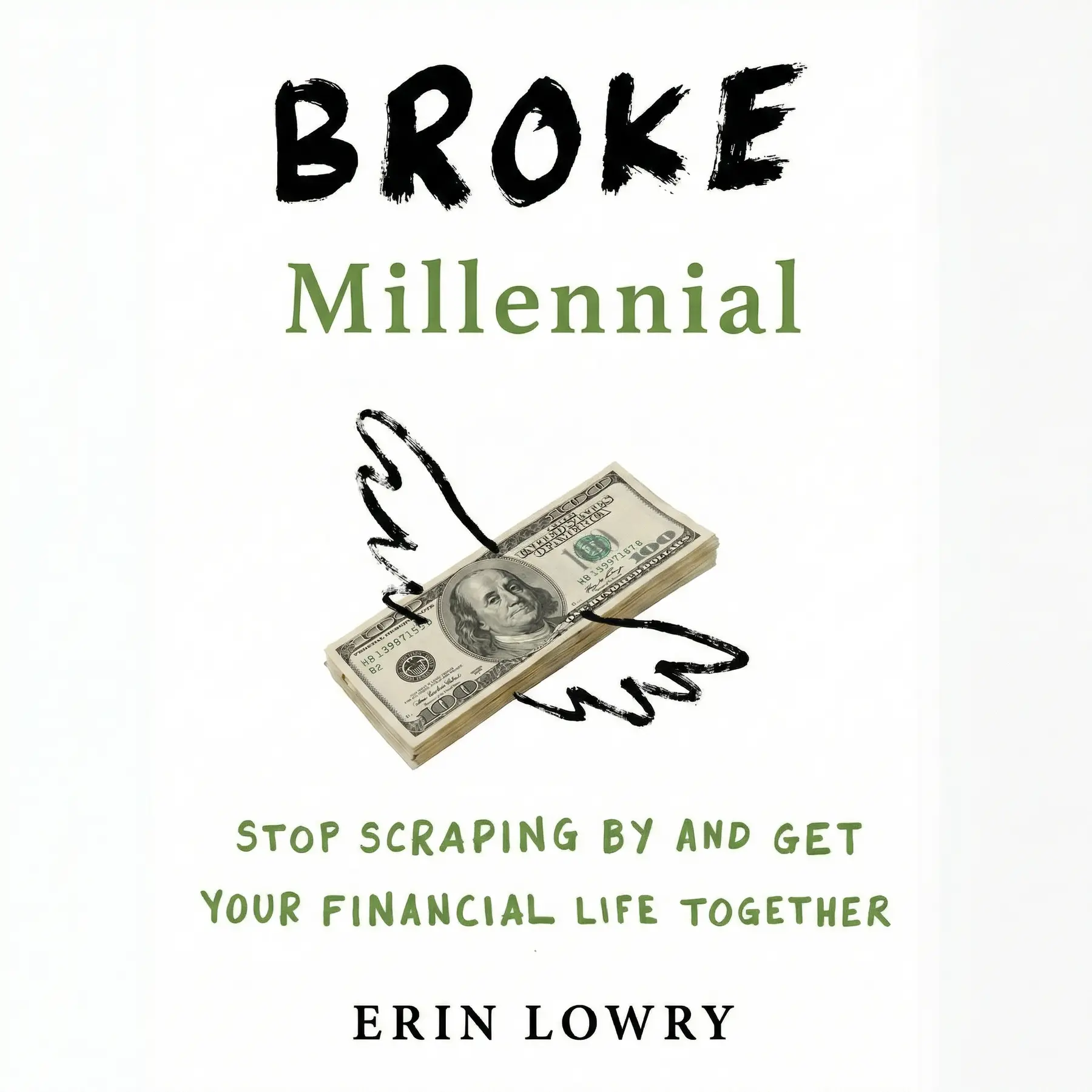
Broke Millennial: Stop Scraping By and Get Your Financial Life Together
By Erin Lowry
Erin Lowry provides a practical, relatable roadmap for young adults to overcome financial anxiety, master budgeting, and build a secure future without sacrificing their lifestyle or sanity.
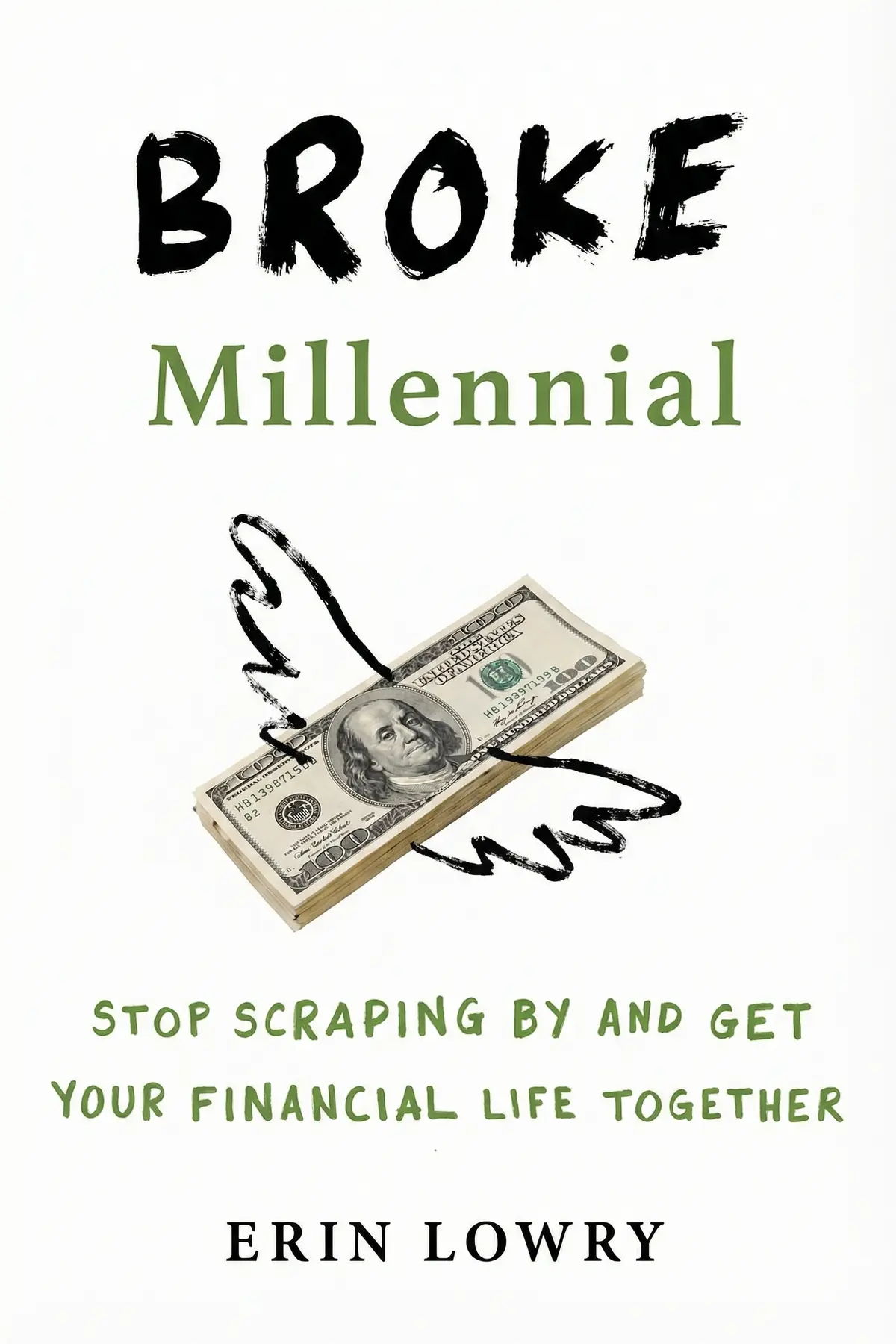
Table of Content
1. Introduction
1 min 41 sec
Imagine the feeling of walking past an ATM and consciously deciding not to look at the screen because you’re afraid of what the number might say. For many people entering their twenties or thirties, money isn’t just a tool for exchange; it’s a source of profound, looming anxiety. It’s that knot in your stomach when a friend suggests a dinner you can’t quite afford, or the cold sweat of an unexpected car repair. This sense of being ‘broke’ is often less about the actual amount of money in the bank and more about a lack of agency.
We live in a world where the financial landscape has shifted dramatically for the younger generation. The old rules don’t always apply when you’re balancing high rent in a major city with the weight of student debt. But here’s the throughline we’re going to explore today: financial mastery isn’t about becoming a math genius or living a life of total deprivation. It’s about rewriting the narrative you have with money. It’s about moving from a reactive state—where money happens to you—to a proactive state, where you tell your money exactly where to go.
In this summary of Erin Lowry’s guidance, we’re going to break down the walls of financial fear. We’ll look at why your childhood might be influencing your spending today, how to find a budgeting style that actually fits your personality, and how to build a safety net that lets you sleep at night. Whether you’re just starting your first job or you’re a decade into your career and still feel like you’re treading water, the goal is to provide a smooth, step-by-step path toward stability. We aren’t just talking about numbers; we’re talking about freedom. By the end of this journey, the ‘broke millennial’ label won’t be a permanent identity, but rather a starting point for a much more empowered story. Let’s get started on taking the fear out of finance and putting you back in the driver’s seat.
2. Uncovering Your Financial Psychology
2 min 06 sec
Your current spending habits didn’t appear out of thin air; they are deeply rooted in your past and the way your family handled money during your formative years.
3. Choosing the Right Budgeting Method
2 min 06 sec
Budgeting isn’t a one-size-fits-all punishment; it’s a personalized system designed to give you clarity and control over your daily spending.
4. Navigating the Percentage Rule in High-Cost Areas
2 min 08 sec
While the 50/20/30 rule is a great financial benchmark, millennials in expensive cities must learn how to adapt these goals to their real-world constraints.
5. Maximizing Returns Through Online Banking
1 min 45 sec
Your choice of bank can significantly impact your savings growth; switching from traditional branches to online institutions can help your money work harder for you.
6. The Strategic Use of Credit Cards
1 min 43 sec
Credit cards can be either a dangerous trap or a powerful financial asset, depending entirely on whether you can master the habit of paying the full balance monthly.
7. Automating the Habit of Saving
1 min 40 sec
Taking willpower out of the equation by ‘paying yourself first’ through automated transfers is the most reliable way to build long-term wealth.
8. Building a Tiered Emergency Fund
2 min 02 sec
The size of your financial safety net should be tailored to your specific life circumstances, providing a cushion that evolves as your career and responsibilities grow.
9. Conclusion
1 min 56 sec
The journey from a ‘broke millennial’ to a financially empowered adult doesn’t happen overnight, and it certainly doesn’t require a lottery win or a sudden, massive inheritance. It happens through a series of small, intentional shifts in how you perceive and handle your money. We’ve explored how your past influences your present, how to find a budgeting system that doesn’t feel like a straitjacket, and how to use modern banking and credit tools to your advantage. Most importantly, we’ve discussed the power of automation and the necessity of a tailored emergency fund.
The throughline of all this advice is the transition from fear to agency. When you understand the ‘why’ behind your spending and the ‘how’ of your saving, the anxiety that once clouded your financial life begins to lift. You start to see money not as a source of stress, but as a tool that can buy you options, security, and ultimately, freedom.
One final piece of actionable advice as you move forward: learn to navigate the social pressures of money. We often overspend simply because we don’t want to look ‘cheap’ or ‘poor’ in front of our peers. Whether it’s an expensive group dinner where the bill is split evenly despite your modest order, or a bachelorette party you can’t quite afford, the key is to be proactive. Speak up early, suggest more affordable alternatives, or offer to be the person who calculates the bill so everyone pays their fair share. Being honest about your financial boundaries isn’t something to be ashamed of; it’s a sign of maturity and respect for your own goals.
You now have the roadmap. The next step is simply to take the first one. Whether that’s opening an online savings account today, or writing down your first memory of money to uncover your hidden roadblocks, every small action counts. You are no longer just scraping by; you are building a life of financial intention. The fear is gone, and the future is yours to design. Congratulations on taking this step toward getting your financial life together.
About this book
What is this book about?
Broke Millennial is an essential guide for anyone who feels overwhelmed by the complexities of personal finance. It addresses the unique challenges faced by the millennial generation—from staggering student loans and high urban rents to the gig economy and the psychological hurdles of managing money. The book promises to take the reader from a state of 'scraping by' and 'ignoring the bank account' to a place of confidence and control. Lowry offers a no-nonsense approach that avoids the dry, technical jargon often found in finance manuals. Instead, she provides actionable strategies for budgeting, saving, and investing, while also diving deep into the emotional and social aspects of money. Readers will learn how to navigate awkward social spending, choose the right banking institutions, and build a robust emergency fund. The ultimate goal is to empower individuals to stop being afraid of their finances and start using money as a tool to build the life they truly want.
Book Information
About the Author
Erin Lowry
Erin Lowry is a New York-based writer and the author of three influential books on personal finance. She is widely recognized for her no-nonsense, accessible advice and is a frequent commentator on major networks like CBS Sunday Morning, CNBC, and Fox & Friends. Lowry's work has appeared in prominent publications including Fast Company, Cosmopolitan, and Refinery29.
Ratings & Reviews
Ratings at a glance
What people think
Listeners describe this financial guide as educational and accessible, highlighting its actionable tips and entertaining wit. It acts as an excellent starting point for managing finances, improving clarity on monetary matters, and makes for a perfect present for younger audiences. Listeners value the way it's written—with one specifically mentioning its conversational tone—and consider the content highly relatable and a good investment.
Top reviews
Kasemsan
Finally got around to reading this after seeing Erin on The Financial Diet, and it’s exactly the wake-up call I needed. I’ve always been terrified of my bank account, but this book made me feel like I could actually take control without needing a degree in finance. The way she breaks down the 'debt wreckage' into manageable steps is brilliant. I especially appreciated the bulleted summaries at the end of each chapter because they make it so easy to go back and reference specific points later. It truly felt like chatting with a knowledgeable friend over coffee rather than sitting through a boring lecture. Truth is, I’ve already recommended this to three of my coworkers who are also living paycheck to paycheck. It’s funny, approachable, and doesn't make you feel stupid for not knowing what a 401k is. This is hands down the best introductory guide for my generation.
Show moreNannapat
Wow, where was this book when I was a freshman in college? I’ve spent years trying to figure out budgeting through trial and error, but this guide puts everything in one place. It covers all the things school and my parents never mentioned, like how to handle money in a relationship or how to negotiate a salary. The layout is great, and the humor actually made me laugh out loud a few times. Personally, I didn't find the tone smug at all; it felt realistic and urgent. If you’re someone who feels behind the curve, this will give you the confidence to start moving forward. The advice isn't about deprivation, but about being smart so you can actually afford the things you care about. It’s informative, fun, and totally worth the price of admission for any young adult.
Show moreJeeranan
Personally, I loved the bulleted summaries at the end of every section because they helped me retain the information. I’ve read a lot of finance blogs, but having all this info consolidated into 18 clear chapters was a game changer. The book covers everything from debt wreckage to the basics of investing without ever becoming dry or boring. I didn't feel bored once, which is rare for this genre. It’s an incredibly informative guide that doesn't just tell you what to do, but explains the 'why' behind it. I’ve already recommended it to my younger cousins who are about to graduate. The conversational tone made me feel like I wasn't alone in my struggles. It’s an easy-to-maneuver guide that genuinely helps remove the stress surrounding your bank account. Highly recommended for anyone in their 20s!
Show moreRiley
After hearing a few podcast interviews with Erin Lowry, I decided this would be the perfect graduation gift for my younger sister. I ended up reading it myself first and was pleasantly surprised by how much I actually learned about brokerage accounts. The author has a knack for taking intimidating topics and stripping away the jargon. Not gonna lie, some of the 'millennial lingo' is a bit much, but the core advice on tackling student loans and building an emergency fund is rock solid. It’s a lighthearted take on a stressful subject. I liked that the book encourages you to skip around to the chapters that actually apply to your current situation rather than forcing a linear read. While it lacks some of the deep-dive technicality a finance pro might want, it’s an essential primer for anyone who feels overwhelmed by their wallet.
Show moreParichat
The chapter on credit scores alone was worth the cover price for me. Before reading this, I had no idea how my different accounts were impacting my rating, and Lowry explains it without being condescending. I love that I can pick this up and just read the sections on investing or retirement without feeling lost. Got to say, the writing style is very punchy and keeps you engaged, which is a miracle for a book about money. My only real gripe is that it feels very New York-centric. Not everyone is worried about the cost of brunch or big-city rent, and sometimes those examples felt a bit repetitive. Despite that, the practical steps for getting out of debt are universal. It’s a great resource that removes the shame often associated with being 'broke' and replaces it with a clear, actionable plan.
Show moreTantipat
Look, if you’re looking for a dense, academic textbook on global economics, keep moving. This book is for the person living paycheck to paycheck who needs a roadmap out of the woods. Erin Lowry manages to make personal finance feel less like a chore and more like a challenge you can actually win. In my experience, most finance books are written for people who already have money to invest, so it was refreshing to read something for those of us just trying to survive. The advice is realistic, even if the author's own background seems a bit more privileged than the average reader's. I found the 'cutesy' style easy to read during my commute. It’s a solid four stars for being an accessible, helpful, and non-intimidating entry point into adulthood. It really helped me stop burying my head in the sand about my debt.
Show moreNora
Ever wonder why they don't teach this stuff in high school? I’m a 'Zillennial' and found this book to be a lifesaver for navigating my first real job. It helps you handle those awkward money conversations with friends that always come up during dinner or trips. A bit heavy on the 'start by 25' pressure, though, which I could see being a turn-off for some. Not gonna lie, I skipped a few chapters that didn't apply to me yet, but that’s the beauty of the structure. The author is very direct, and while she can be a bit blunt, I think that’s what our generation needs. It’s a practical, funny, and well-organized resource for anyone trying to get their act together. It might be basic for some, but for me, it was the perfect starting point.
Show moreSue
This book is a bit of a mixed bag for me. On one hand, the conversational tone makes it incredibly easy to digest in just a couple of sittings. On the other hand, I think I’m just a few years too old for the target demographic. As an 'older millennial,' the heavy use of hashtags and Tinder metaphors like 'swiping left' on bad spending habits felt a little forced and will likely age poorly. My experience was that the advice is fantastic for a 22-year-old just starting out, but if you’re already in your 30s, the constant refrain that you should have started at 20 makes you feel a bit hopeless. There were some great resources regarding credit scores and navigating awkward money talks with friends, which I found useful. However, the heavy focus on urban socialite problems didn't always resonate with my lifestyle. It’s a solid gift for a college grad, though.
Show moreChiw
As someone who already has a decent handle on their 401k, I found the advice a little too entry-level for my needs. It is definitely a nice introduction to money topics, but it lacks the depth I was hoping for regarding Vanguard accounts or specific investment strategies. To be fair, the author admits it’s a 'basics' book, so I can't be too mad. The 'swipe left' terminology and constant hashtagging felt a bit like she was trying too hard to be 'relatable' to kids. I also noticed the 'start early or you’re screwed' sentiment that others have mentioned, which can be a bit discouraging if you're over 25. That said, the section on navigating financial conversations with parents was actually quite insightful. It’s a well-written book, just make sure you know it's truly for beginners before you buy it.
Show moreTuck
To be fair, I went into this with high expectations since I follow the author’s blog, but the tone really rubbed me the wrong way. Frankly, it felt like being lectured by a younger sibling who has never actually experienced a financial crisis. Most of the advice seems predicated on having parents who already set you up for success, which makes the 'pull yourself up by your bootstraps' vibe feel incredibly hollow. I found her approach to student debt almost patronizing, as if those of us struggling just didn't try hard enough to avoid it. If you aren't living a high-flying, big-city lifestyle with bottomless mimosas, a lot of these anecdotes will feel alienating. While the writing is cutesy and fast-paced, the constant 'do this or you are screwed' messaging is more anxiety-inducing than helpful. It’s a well-organized book, but the smugness overshadowed the actual utility of the information for me.
Show moreFeatured in
Readers also enjoyed


AUDIO SUMMARY AVAILABLE
Listen to Broke Millennial in 15 minutes
Get the key ideas from Broke Millennial by Erin Lowry, plus 5,000+ more titles in English and Thai.
- 5,000+ titles
- Listen as much as you want
- 7-day free trial
- Cancel anytime







