
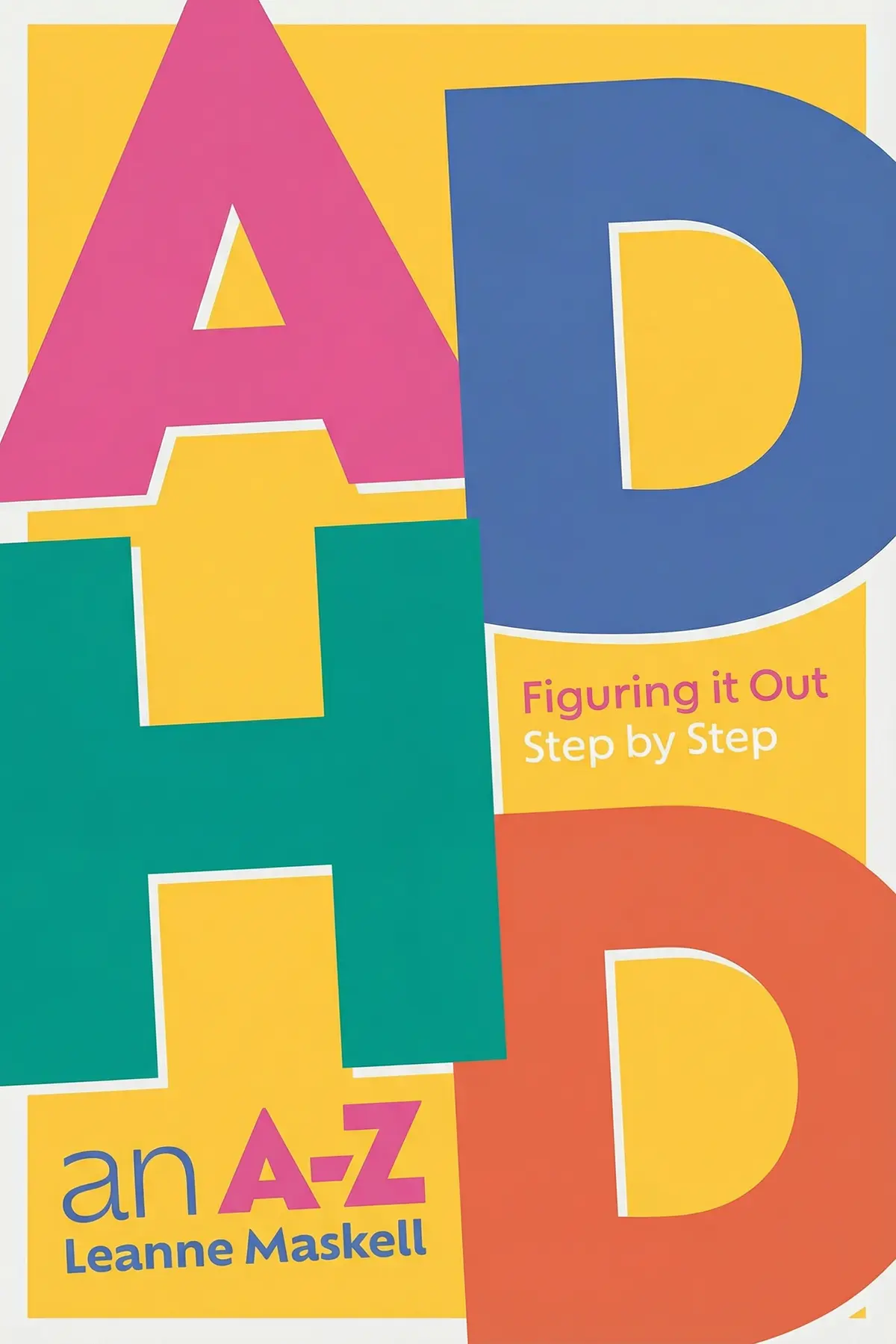
ADHD an A-Z: Figuring It Out Step by Step
Leanne Maskell
Discover how to transform your relationship with work by leveraging emotional intelligence. This guide provides practical tools to identify burnout triggers, regulate stress responses, and build lasting resilience in demanding environments.
1 min 33 sec
Have you ever woken up on a Monday morning feeling like your internal battery wasn’t just low, but permanently broken? That heavy sense of dread isn’t just a sign of a busy week ahead; it’s often the first whisper of burnout. In today’s hyper-connected world, the pressure to be ‘always on’ has turned our professional lives into a marathon with no finish line. We’re pushed to perform, to innovate, and to keep pace with an ever-accelerating culture, often at the expense of our own vitality.
But here is the shift in perspective you’ve been looking for: burnout isn’t an inevitable price you have to pay for success. It’s possible to build a shield—a kind of psychological immune system—that protects you even when the pressure is at its peak. This journey isn’t about working less; it’s about changing how you relate to the work you do. By harnessing the power of emotional intelligence, or EI, you can learn to navigate high-stress environments without losing yourself in the process.
In this exploration, we’re going to look at how self-awareness, social perception, and the way we regulate our bodily responses can create a state of ‘Burnout Immunity.’ We will move through the science of why our bodies react the way they do to office stress and discover actionable ways to reclaim your energy. The goal here is a total transformation: moving from a state of mere survival to one of sustainable, resilient thriving. Let’s begin by understanding what we are really up against when we talk about the burnout epidemic.
1 min 55 sec
Burnout is more than just feeling tired; it is a complex state defined by three specific psychological shifts that erode your professional identity and well-being.
2 min 09 sec
Research shows that emotional intelligence is the deciding factor in why some people thrive in high-stress roles while others succumb to burnout.
2 min 07 sec
Mastering awareness involves more than just intuition; it requires a rigorous assessment of your internal values and the external dynamics of your workplace.
1 min 56 sec
By understanding the biology of stress, you can learn to transition from a ‘threat’ mindset to a ‘challenge’ mindset, protecting your body from long-term damage.
2 min 06 sec
True immunity requires proactive self-care and the courage to set firm boundaries that protect your emotional and mental energy reserves.
1 min 31 sec
As we reach the end of this journey toward burnout immunity, it’s important to remember that emotional intelligence is the ultimate game-changer. It’s the difference between feeling like a leaf caught in a storm and feeling like the captain of a sturdy ship. We’ve seen that burnout isn’t just about how much you work, but about how you process the stress of that work and whether your professional life aligns with your inner values.
By practicing deep self-awareness and learning to regulate your body’s physiological responses, you can intercept the path to exhaustion before it takes hold. Shifting your mindset from ‘threat’ to ‘challenge’ is a powerful tool that transforms the very chemistry of your body, protecting you from the long-term damage of chronic stress. Combined with the courage to set boundaries and the commitment to regenerative self-care, these skills form a comprehensive shield that can keep you healthy and engaged, even in the most demanding careers.
Take a moment to reflect on one small change you can make today. Perhaps it’s setting a firm ‘no-email’ boundary after 7:00 PM, or maybe it’s taking five minutes to reframe a looming task as a challenge rather than a threat. These small, consistent practices are the building blocks of a resilient life. You have the power to heal your relationship with work and to protect your well-being. With patience and practice, burnout immunity isn’t just a goal—it becomes your new reality. You’ve got the tools; now it’s time to put them into action and reclaim your spark.
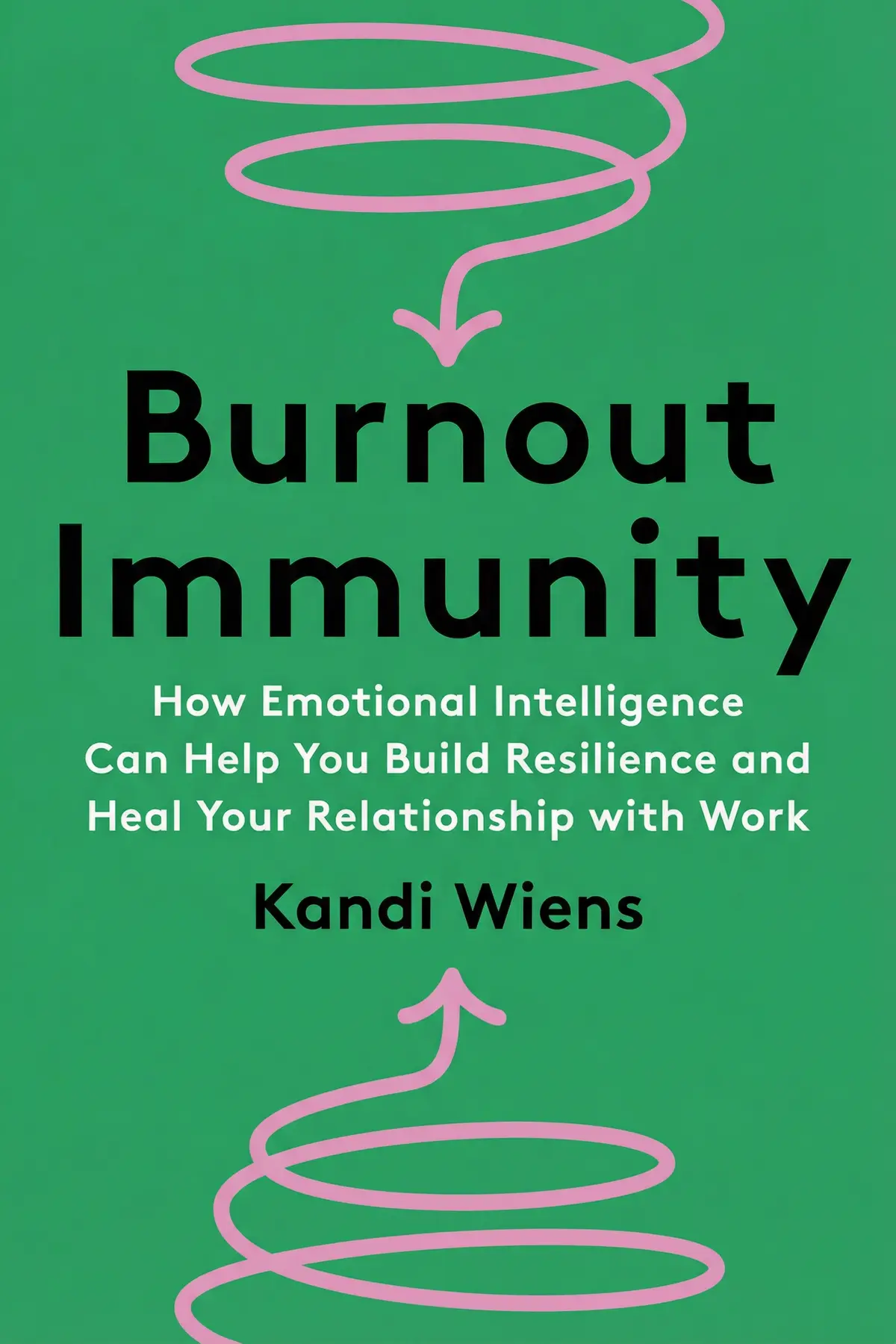
Burnout Immunity explores the modern epidemic of workplace exhaustion and offers a science-backed solution rooted in emotional intelligence. The book moves beyond simple self-care tips, diving into the psychological and physiological mechanisms that lead to burnout. It argues that while we cannot always control our external work environments, we can significantly alter our internal responses to them. Readers will learn the three hallmark symptoms of burnout—exhaustion, cynicism, and a sense of ineffectiveness—and discover how high-performers in high-stress fields manage to stay resilient. The book provides a roadmap for developing deep self-awareness, identifying misalignments between personal values and corporate culture, and mastering the art of stress regulation. By shifting one's mindset from viewing stress as a threat to seeing it as a challenge, and by implementing regenerative habits, professionals can protect their well-being without sacrificing their career ambitions. The ultimate promise is a sustainable way to thrive at work, regaining a sense of purpose and agency even in the most pressured settings.
Kandi Wiens, EdD, is a distinguished academic director, researcher, speaker, and executive coach. Her professional focus is dedicated to understanding the complex causes and effective cures for burnout. She teaches graduate-level courses and leads executive programs aimed at helping leaders cultivate emotional intelligence. Her work empowers individuals to create positive organizational impacts while safeguarding their own mental and physical health.
Listeners find the writing highly accessible and value the actionable techniques provided for managing stress. One listener highlights how the author connects self-awareness to the prevention of burnout.
Finally got around to reading this after seeing it recommended by a colleague, and the timing couldn't have been better. Burnout Immunity doesn't just offer temporary fixes; it provides a roadmap for restructuring how you engage with your professional life through Emotional Intelligence. I loved the emphasis on 'regenerative self-care' and the idea that our emotions are literally contagious in a workplace setting. Wiens writes with a clarity that makes complex psychological research feel incredibly accessible for the average worker. The strategies for reframing stress as a motivator rather than a soul-crushing weight have already started helping me manage my weekly deadlines. It’s rare to find a business book that feels this empathetic and human-centric. This is definitely a must-read for anyone in a high-stress industry who wants to protect their mental health long-term.
Show moreWow, this was exactly what I needed to read as I transition into a new leadership role. Managing my own stress while also being responsible for the well-being of a team is a huge challenge, and this book provided a clear framework for doing both. The insight that high EI is the common thread among 'burnout immune' leaders was a total lightbulb moment for me. I’ve started using the mindfulness and regulation techniques Wiens suggests, and the difference in my daily energy levels is already noticeable. Truth is, most business books are dry and clinical, but this felt like a conversation with a very smart mentor. It emphasizes that we have more agency over our stress response than we think. If you’re feeling overwhelmed, don't just keep pushing—read this and learn how to actually protect your peace.
Show morePicked this up during a particularly grueling month at the office, and while it didn’t provide a magic wand, the focus on Emotional Intelligence was a fresh angle. Kandi Wiens argues that we can’t always change our environment, but we can definitely change how our nervous system reacts to it. I’ve read my fair share of productivity books, but this one felt more grounded in actual human psychology rather than just 'grind harder' rhetoric. The '3 Rx' framework—Recover, Reconnect, and Reimagine—is simple enough to remember when you’re too tired to think straight. To be fair, some of the advice about getting more sleep and setting boundaries is stuff we’ve all heard a million times before. However, the way she links self-awareness to preventing that hollowed-out feeling makes the common-sense tips feel more actionable. It’s a solid, practical guide for anyone who feels like they’re running on empty.
Show moreAfter hearing Kandi Wiens on a podcast, I was curious about how she’d translate her research on high-stress leaders into a book for everyone. The result is a very practical, workbook-adjacent guide that focuses heavily on how our internal regulation affects our external performance. I found the examples involving police officers and other high-stakes professionals fascinating, although I wish there were more variety in the industries represented. The core message—that self-awareness is the foundation of resilience—is handled with a lot of nuance. She doesn't just tell you to 'be more aware,' she gives you the actual prompts to figure out where your values and your company’s culture might be clashing. Look, it’s not going to solve every workplace problem, but it gives you a much better toolkit for surviving them. I’d recommend getting a physical copy so you can actually do the assessments.
Show moreAs someone who has struggled with chronic fatigue for years, I appreciated the compassionate tone Wiens brings to this subject. She clearly understands that burnout isn't just about being tired; it's about a total loss of efficacy and a growing sense of cynicism toward your work. The focus on EQ as a tool for healing was something I hadn't explicitly considered before. By learning to recognize the early signs of a stress response, I've been able to implement her 'Recover' strategies before hitting a total wall. To be fair, the book can feel a bit repetitive in the middle chapters, but the overall message is empowering. It moves the conversation away from 'fixing' the employee and toward understanding the interaction between the person and the environment. It’s a helpful resource for anyone feeling the blur between work and home life.
Show moreThe chapter on setting boundaries was worth the price of the book alone. It’s one thing to hear 'just say no,' but Wiens explains how to do it without jeopardizing your career or your relationships. I specifically liked the suggestion of adding 'no contact' times to the calendar to safeguard deep work and mental recovery. Her research-backed approach makes the advice feel much more legitimate than your average Instagram wellness post. While some of the 'regenerative self-care' tips felt a bit like filler, the sections on cognitive reframing were genuinely insightful. It’s a quick read, written in a style that respects the reader's time and intelligence. In my experience, even small shifts in how we view stress can have a massive ripple effect on our health. Definitely a book I'll be keeping on my desk for quick reference.
Show moreNot what I expected, but in a good way. I thought this would be another book about time management, but it’s actually a deep dive into how our emotional intelligence dictates our resilience. Wiens does a great job of breaking down the three main symptoms of burnout: exhaustion, cynicism, and inefficacy. Realizing that I was ticking all three boxes was a huge wake-up call for me. The book doesn’t just leave you in the hole, though; it offers the '3 Rx' method to start digging your way out. I gotta say, the focus on 'reimagining' your relationship with work was particularly powerful for me. Some of the examples felt a little repetitive, and I agree with others that 'immunity' might be a strong word, but the core strategies are undeniably useful. It’s a very grounded, realistic take on a very modern problem.
Show moreIs there anything truly revolutionary in these pages? Frankly, if you’ve spent any time researching wellness or workplace psychology, you’ve likely encountered most of these concepts before. Wiens does a great job explaining why some leaders thrive in high-pressure environments while others crumble, pointing specifically to their high EQ scores. I appreciated the distinction between seeing stress as a threat versus a challenge, but I found myself skimming through the parts about basic self-care. Does anyone in 2024 really need a book to tell them that eating well and doing yoga helps with stress? The author’s personal story is compelling, and her research into highly stressed professionals like police officers adds some much-needed weight to the theory. It's a decent refresher for the exhausted professional, even if it feels a bit repetitive at times.
Show moreEver wonder why some people seem totally unfazed by the same deadlines that keep you up at night? This book attempts to answer that by looking at Emotional Intelligence as a preventative measure against chronic stress. It’s a well-organized read, and I liked how it broke down the physiological response to stress, explaining how cortisol and adrenaline play into our burnout levels. That said, I felt like the book hovered on the surface of most topics. The advice to 'reframe stress as a challenge' is helpful, but it's something you can find in almost any TED talk from the last decade. Personally, I found the section on social awareness and spreading positive energy to be the most useful part of the text. It's a solid 3-star read—useful for a flight or a weekend, but maybe not life-changing.
Show moreThe title 'Burnout Immunity' feels like a bit of a marketing gimmick. Not gonna lie, I was expecting some deep, evidence-based secrets, but what I got was a collection of very standard advice wrapped in a new package. The author talks about Emotional Intelligence as a shield, which sounds great in theory, but in practice, it boils down to 'take a deep breath' and 'set boundaries.' If your boss is toxic or your workload is objectively impossible, no amount of EQ is going to make you 'immune' to the fallout. I finished the book a few days ago and I’m already struggling to remember any specific takeaway that changed my perspective. It’s not a bad book, just a very basic one that might be better suited for someone who has never read a self-help book before. The writing style is fine, but it lacks the depth I was hoping for.
Show moreLeanne Maskell
Margaret Heffernan
Alcoholics Anonymous World Services
AUDIO SUMMARY AVAILABLE
Get the key ideas from Burnout Immunity by Kandi Wiens, plus 5,000+ more titles in English and Thai.







