
29 min 32 sec
Business Adventures: Twelve Classic Tales from the World of Wall Street
By John Brooks
Business Adventures explores twelve legendary moments in corporate history, revealing how human nature, psychological shifts, and unpredictable events shape the financial world more than any spreadsheet or economic theory ever could.
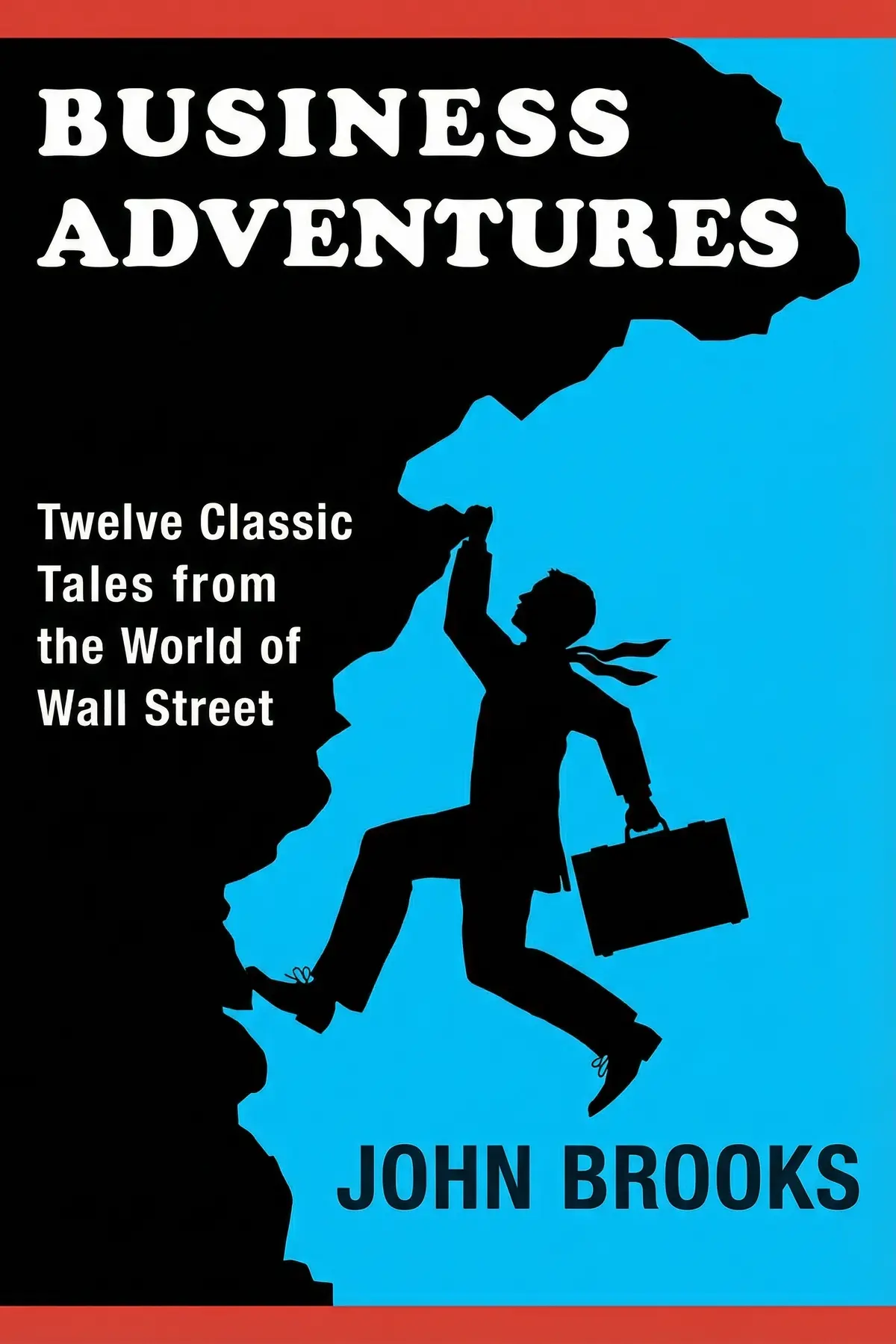
Table of Content
1. Introduction
1 min 50 sec
When we think about the giants of modern technology and investment, names like Bill Gates and Warren Buffett naturally come to mind. It might surprise you to learn that the book Gates considers his all-time favorite is not a recent manual on software or a guide to modern AI, but a collection of decades-old stories titled Business Adventures. Given to him as a gift by Buffett, this book serves as a timeless reminder that while technology and markets change, human nature remains remarkably constant. It is this human element—the pride, the fear, the sudden flashes of brilliance, and the baffling errors in judgment—that creates the true pulse of the business world.
In this exploration, we aren’t just looking at balance sheets or profit margins. Instead, we are stepping into a time capsule that reveals the DNA of the modern corporate environment. We will see how a simple misunderstanding or a misplaced wink could lead to a massive legal scandal, and how the fight over a single scientist’s career path helped define the rights of every employee working today. These stories range from the absurd to the tragic, covering everything from the launch of a car so unattractive it became a cultural punchline to a three-day market crash that felt like the end of the world but vanished as quickly as it arrived.
As we navigate these twelve distinct cases, you will begin to see a throughline: the market is a mirror of our collective psychology. Whether it is the frantic halls of the New York Stock Exchange or the innovative aisles of the very first self-service supermarket, the lessons here are about people. By understanding these historical milestones, we gain more than just a history lesson; we gain a lens through which to view the headlines of today and the financial shifts of tomorrow. Let’s dive into these adventures and see what they reveal about the unpredictable nature of our economic world.
2. The Psychology of Market Chaos
2 min 21 sec
Discover how a three-day panic in 1962 proved that the stock market is driven far more by collective mood and manual delays than by rational economic data.
3. The Anatomy of a High-Stakes Failure
2 min 14 sec
The story of the Ford Edsel reveals how even the most expensive research and marketing can lead to disaster when a company ignores shifting consumer realities.
4. The Evolution of Tax Complexity
2 min 16 sec
Examine the winding history of the US federal income tax system and why its current state of loopholes and inefficiency often penalizes the middle class.
5. The Turning Point for Insider Trading
2 min 02 sec
Follow the landmark 1959 Texas Gulf case that transformed Wall Street ethics by establishing the public’s right to information before insiders trade.
6. The Fragile Nature of Corporate Dominance
2 min 22 sec
Trace the rollercoaster journey of Xerox to understand how rapid success and a focus on philanthropy can still leave a company vulnerable to competition.
7. The Responsibility of Market Stability
2 min 02 sec
Learn how the New York Stock Exchange took the unprecedented step of saving a failing brokerage in 1963 to prevent a national financial collapse.
8. The Danger of Implied Corporate Orders
2 min 05 sec
Explore the price-fixing scandal at General Electric and how the culture of ‘winks’ and ‘implied policies’ allowed executives to evade responsibility.
9. The Pioneer's Battle Against Speculation
2 min 01 sec
See how the founder of Piggly Wiggly nearly bankrupted himself in a desperate attempt to protect his innovative supermarket from Wall Street ‘bear raids.’
10. Balancing Public Service and Private Profit
2 min 07 sec
The career of David Lilienthal demonstrates that business success doesn’t have to mean sacrificing one’s social conscience or public integrity.
11. The Farce of Shareholder Power
2 min 13 sec
Examine the gap between the theoretical power of stockholders and the reality of annual meetings, where management often keeps investors at arm’s length.
12. The Right to Professional Freedom
2 min 00 sec
How a lawsuit against scientist Donald Wohlgemuth established the legal precedent that employees can work for competitors even if they possess trade secrets.
13. The Limits of Monetary Alliances
2 min 15 sec
The 1964 attack on the British pound revealed the inherent flaws in the fixed-rate currency system and the limits of central bank cooperation.
14. Conclusion
1 min 44 sec
The twelve stories we’ve explored in Business Adventures are far more than just relics of the past; they are the blueprints of the present. From the frantic trading floors during the 1962 Flash Crash to the high-stakes legal battles over space suit secrets, these events shaped the regulations, ethics, and expectations of the modern corporate world. We see that the markets are not just governed by numbers, but by the irrationality of human emotion and the unpredictability of collective mood. We see that the fight for employee rights and the struggle for shareholder influence are ongoing dramas that continue to play out in every major corporation today.
The throughline of all these adventures is the persistence of human nature. Whether it is the hubris of the Ford Edsel launch or the ‘implied’ orders at General Electric, the mistakes made decades ago are the same mistakes being made in boardrooms right now. By understanding these historical milestones, we learn to look past the technical jargon of finance and see the human stories underneath. We learn that business is a series of adventures—unpredictable, often messy, and always driven by the people involved.
As you move forward, take these lessons with you. Remember that market stability is often fragile and based on perception. Recognize that innovation requires more than just research; it requires a deep connection to the shifting reality of the consumer. And most importantly, remember that in the world of business, integrity and accountability are the only things that truly endure over the long term. These stories remind us that while the tools and technologies of trade will continue to evolve, the fundamental nature of the adventure remains the same. Use these insights to navigate your own professional journey with a clearer perspective on the forces that truly drive our world.
About this book
What is this book about?
Business Adventures is a deep dive into the human dramas that have defined the American corporate landscape. Through a series of detailed case studies, the book moves beyond the dry mechanics of economics to examine the personalities, panics, and pivots that led to monumental successes and catastrophic failures. It covers iconic stories like the rise and fall of the Ford Edsel, the birth of the self-service supermarket, and the high-stakes battles over insider trading and employee rights. The book promises to show that business is not a static science but a fluid, often irrational narrative driven by emotion and intuition. By revisiting these historical turning points, listeners gain a perspective on why certain market behaviors persist and how the repercussions of past decisions—such as the evolution of the income tax or the regulation of the stock market—continue to influence the modern world. It is a masterclass in the timeless nature of corporate hubris and innovation.
Book Information
About the Author
John Brooks
John Brooks (1920–1993) was a journalist and author, known primarily for his work as a long-time contributor to The New Yorker magazine, where he wrote articles similar to the ones talked about in Business Adventures.
Ratings & Reviews
Ratings at a glance
What people think
Listeners find this work to be essential for those in the investment world, featuring beautifully narrated accounts that deliver invaluable pieces of business wisdom. The quality of the prose is superb, with one listener praising it as a remarkably well-written assembly of historical chronicles, and listeners value how applicable the lessons remain to the modern corporate world. Even though the core themes are viewed as enduring, some listeners feel the material is slightly behind the times.
Top reviews
Ingrid
Ever wonder why Bill Gates considers this his all-time favorite? It’s not because the technology is current, but because the psychology behind the Xerox explosion or the Ford Edsel disaster remains identical today. Brooks has a way of turning a board meeting into a Shakespearean drama. To be fair, some sections on the 1960s tax code are a bit dense, yet the "golden nuggets" of insight you extract are worth the effort. The writing is incredibly well-crafted, far surpassing the dry, bulleted lists found in modern business manuals. It feels like getting a private tour of Wall Street's most pivotal moments from a master storyteller. Even if you aren't an investor, the human element here is universal and deeply compelling.
Show moreSamira
The chapter on the Pound Sterling is arguably the most pulse-pounding piece of financial writing I've encountered. I wasn't expecting to be on the edge of my seat reading about international currency devaluation, but Brooks makes the stakes feel incredibly high. This book isn't your typical "five steps to success" fluff; it’s a series of deep, philosophical explorations of how money moves and how people break. I especially loved the Xerox story, which serves as a poignant reminder of how idealism and risk-taking can birth a giant. In my experience, these historical case studies provide a better education than any modern textbook could. The prose is sophisticated and requires your full attention, but the reward is a much deeper understanding of the global financial machine. A total gem.
Show moreEarn
This book is a masterclass in narrative non-fiction that proves business history is just human nature writ large. Each of the twelve tales is unique, ranging from the incredible rise of Xerox to the dramatic rescue of a failing brokerage firm during the JFK assassination. Brooks doesn't lecture; he simply observes, allowing the reader to draw their own conclusions about morality and risk. The chapter on the federal income tax remains shockingly relevant, especially his points about the complexity of the code favoring the wealthy. It’s rare to find a business book that is this well-written, with sentences that you want to read twice just for the rhythm. Even the dated parts provide a fascinating omniscient perspective on how we got to where we are today. This is essential reading for anyone serious about the world of finance.
Show moreSakura
After hearing so much hype about these classic New Yorker essays, I finally dove in. Brooks is a master storyteller who manages to make the most arcane financial details feel like a thriller. The drama surrounding Piggly Wiggly and the attempt to corner the market was particularly riveting, highlighting the eternal battle between bulls and bears. To be fair, the book is dated, especially when discussing the "cutting edge" technology of Xerox. However, the core lessons about leadership, communication, and human fallibility are as relevant in the age of the internet as they were in 1966. Some chapters are definitely stronger than others, and the section on the federal income tax is quite a mountain to climb. Still, the eloquence of the writing makes it a joy for anyone who appreciates long-form journalism.
Show moreLucas
Picked this up expecting a dry textbook and was pleasantly surprised by Brooks' sharp, observant wit. He captures the absurdities of the 1960s corporate world, like the chaotic AT&T stockholder meetings, with such clarity that you feel like you're in the room. Frankly, the book is a bit of a time capsule, but that’s part of the charm. It’s refreshing to read business analysis that doesn't rely on buzzwords or simplified graphs. The way he breaks down the GE price-fixing scandal shows that corporate greed hasn't changed a bit in fifty years. My only complaint is that a few chapters, like the one on the income tax, feel a bit like a slog compared to the more narrative-driven pieces. Overall, it's a beautifully written collection that proves the best business stories are really just about people.
Show moreNora
Not what I expected from a book published in the sixties. I thought it would be a bore, but the story of the Piggly Wiggly founder trying to take on the Wall Street establishment was genuinely entertaining. Brooks has a gift for making the complex mechanics of "cornering a market" accessible to a layperson. While some sections, like the international coordination of banks, felt a bit dry, the character studies throughout are top-notch. It’s interesting to see how the SEC's early battles with Texas Gulf set the stage for modern insider trading laws. My take is that this is more about the "adventure" of business than the "how-to," which makes it much more readable than your average bestseller. A few chapters didn't resonate, but the majority are gold.
Show morePierre
Finally got around to this 'resurrected' classic and it absolutely lives up to the reputation. The twelve vignettes offer a panoramic view of mid-century American commerce, from the labs of Xerox to the floor of the Stock Exchange. Personally, I found the Goodrich vs. Latex case about trade secrets to be one of the most thought-provoking parts of the whole collection. It raises questions about employee loyalty and intellectual property that we are still debating in Silicon Valley today. The writing is definitely more formal than what we’re used to now, but it’s never dull if you appreciate fine craftsmanship. There are minor criticisms to be made about the length of the Edsel and Sterling chapters, but they are small gripes compared to the overall quality. It's a must-read for any serious investor.
Show moreSangduan
As someone who spends most of their day analyzing market trends, I found the chapter on the 1962 flash crash fascinating but technically obsolete. Truth is, while the panic feels familiar, the mechanics of delayed ticker tapes don't translate well to our high-frequency trading world. Brooks is undoubtedly a talented writer with a sharp eye for detail, yet the pacing can be glacial at times. The case of Texas Gulf and the insider trading scandal was interesting, though it’s hard not to think about how differently that would play out on Twitter today. I appreciated the deep dive into the Goodrich trade secrets case, as it highlights the recurring tension between employee rights and corporate security. It’s a solid collection of vignettes, but perhaps more of a history lesson than a practical business guide.
Show moreTen
Look, I get that Warren Buffett loves this book, but let's be real about the prose style here. The essays were written nearly sixty years ago for The New Yorker, and boy, does it show. I found the much-lauded Edsel piece exceptionally arduous to get through, feeling like it dragged on for fifty pages more than necessary. While the themes of market fluctuations and corporate ego are indeed timeless, the specific examples feel trapped in amber. Personally, I struggled to stay engaged when the author spent so much time on the minutiae of 1960s international currency coordination. It’s certainly an important historical document, but as a "must-read" for modern entrepreneurs, I think it misses the mark. You might find a few interesting parallels to the Great Recession, but the investment in time just isn't worth the payoff for me.
Show moreDarawan
Frankly, this was a slog. I know this is the "holy grail" for billionaires, but I found the writing style far too stilted and academic for my taste. The Ford Edsel chapter is famous for a reason, I suppose, but it could have been half as long and twice as effective. I struggled to find the "timeless" value that everyone keeps raving about when so many of the legal and technical hurdles described are now ancient history. Not gonna lie, I checked how many pages were left more than once during the chapter on the defense of the pound. If you love deep, dense historical essays, you might enjoy this, but if you’re looking for snappy business insights, look elsewhere. It feels very much like a product of its time—smart, but incredibly slow-moving.
Show moreReaders also enjoyed

Adults in The Room: My Battle With Europe’s Deep Establishment
Yanis Varoufakis
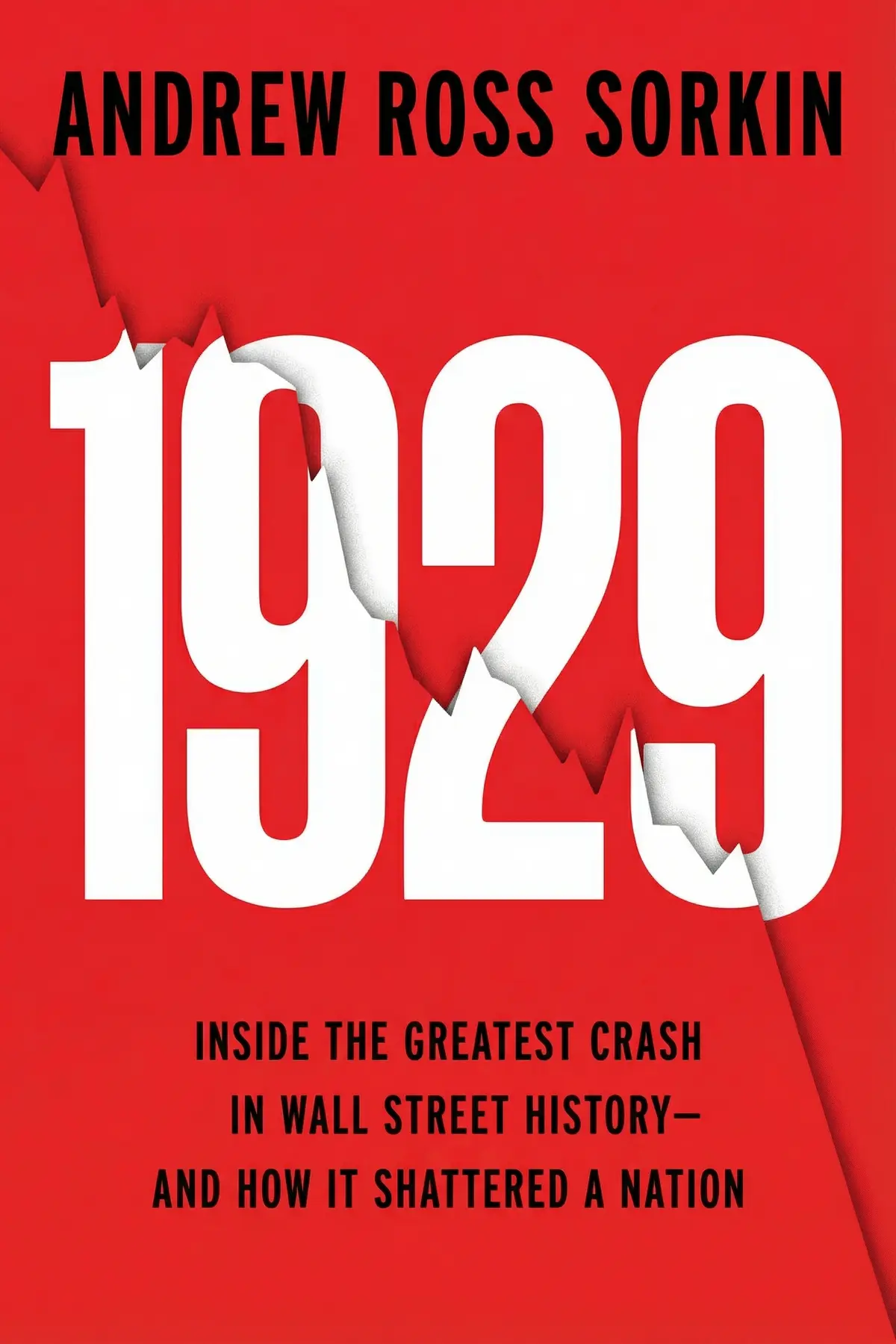
1929: Inside the Greatest Crash in Wall Street History--and How It
Andrew Ross Sorkin
23 Things They Don’t Tell You About Capitalism
Ha-Joon Chang
A Little History of Economics
Niall Kishtainy
AUDIO SUMMARY AVAILABLE
Listen to Business Adventures in 15 minutes
Get the key ideas from Business Adventures by John Brooks, plus 5,000+ more titles in English and Thai.
- 5,000+ titles
- Listen as much as you want
- 7-day free trial
- Cancel anytime







