
19 min 06 sec
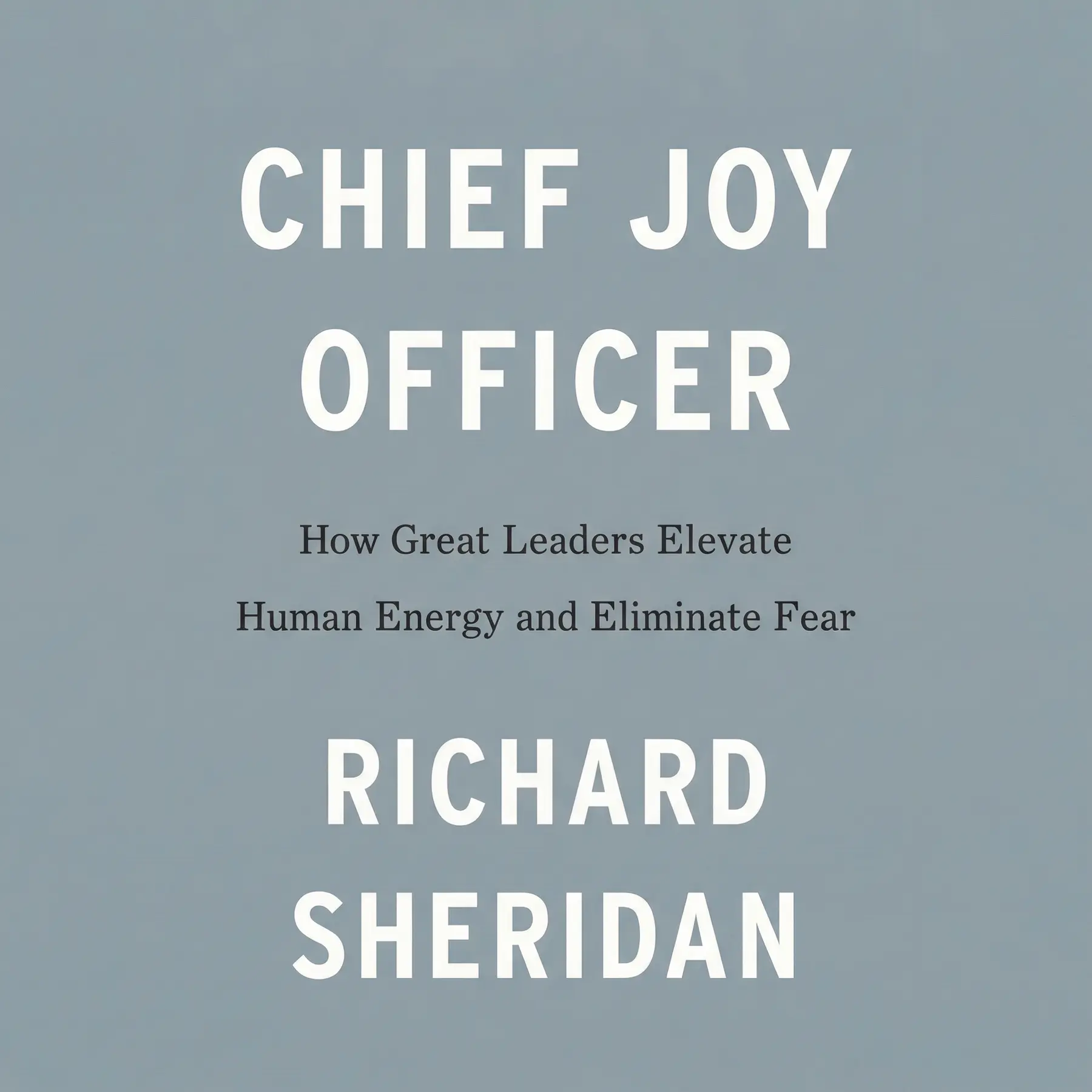
Chief Joy Officer: How Great Leaders Elevate Human Energy and Eliminate Fear
Discover how Richard Sheridan transformed leadership by prioritizing human energy over traditional corporate metrics. Learn to build a workspace where fear is replaced by joy, authenticity, and a shared sense of purpose.
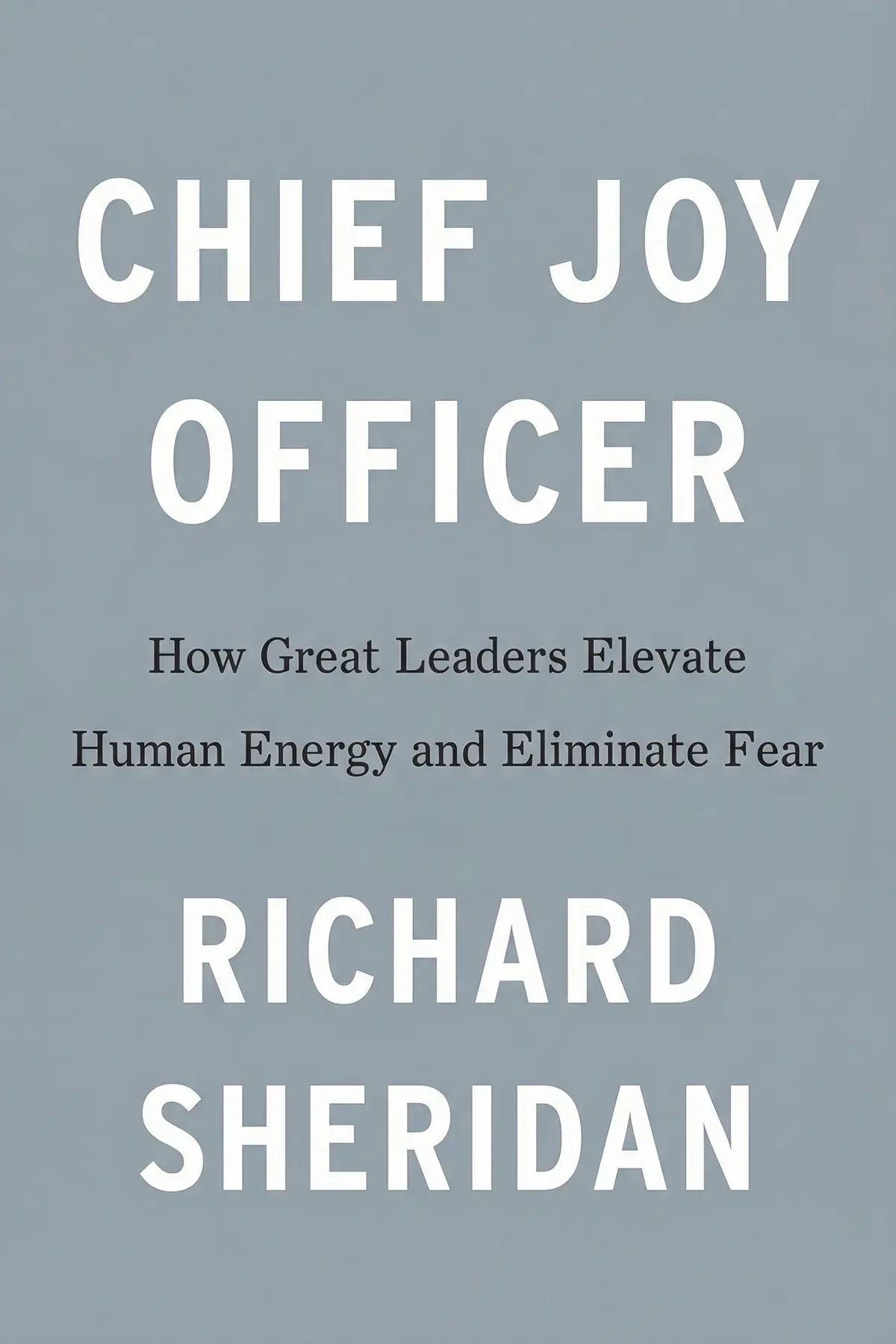
Table of Content
1. Introduction
2 min 02 sec
Have you ever found yourself sitting in your car on a Sunday evening, feeling a heavy weight in your chest as you think about the coming Monday morning? For many of us, work is something to be endured—a necessary chore that drains our energy rather than fueling it. We have become accustomed to a world where professional life is synonymous with stress, politics, and a lack of fulfillment. But what if the very foundation of how we lead and work is fundamentally flawed? What if the goal of a business wasn’t just to maximize output, but to maximize joy?
Richard Sheridan, a veteran of the software industry, lived this reality of professional dread. There was a time when he was a high-level manager at a company called Interface Systems, and the atmosphere was so suffocating that he found himself taking elaborate detours on his commute just to delay his arrival at the office. He would drive through backroads and the quiet countryside, prolonging the moments before he had to step into a culture defined by fear and hierarchy. It was in those quiet moments of avoidance that he realized something had to change. He began to dream of a different kind of organization—one where human energy was the most valuable asset and where the primary role of a leader was to clear the path for joy.
He turned this dream into a reality with the founding of Menlo Innovations in Ann Arbor, Michigan. At Menlo, the focus isn’t on traditional management tricks; it’s on a deep, systemic commitment to optimism, service, and authenticity. In this summary, we are going to walk through the transformation required to become what Sheridan calls a Chief Joy Officer. We will see how moving away from the ‘boss’ mentality and toward a culture of collective leadership can revolutionize not just your bottom line, but the lives of everyone in your organization. We’ll look at why humility is a competitive advantage, how simple systems can protect your team from burnout, and why the most important thing a leader can do is simply believe that success is possible. This isn’t just about making people happy at work; it’s about creating a sustainable, high-performing environment where people are excited to show up and give their best.
2. Authenticity and the Power of Humility
2 min 27 sec
Leaders often feel pressured to hide their struggles behind a mask of confidence, but true connection and workplace joy begin when the masks finally come off.
3. Adopting an Optimistic Mindset
1 min 58 sec
By shifting from a focus on what could go wrong to what could go right, leaders can unlock the creative potential of their entire team.
4. The Joy of Serving Others
2 min 00 sec
True professional fulfillment doesn’t come from personal accolades, but from the deep satisfaction of knowing your work benefits someone else.
5. Choosing Leadership over Authority
2 min 01 sec
A workplace without bosses might sound like chaos, but when everyone is empowered to lead, the organization becomes more agile and innovative.
6. Using Systems to Protect Human Energy
2 min 11 sec
Well-designed systems aren’t about control; they are about creating a predictable environment where joy can flourish without the chaos of burnout.
7. Cultivating a Culture of Mutual Care
2 min 03 sec
When colleagues truly look out for one another’s well-being, the workplace becomes a sanctuary of support rather than a theater of competition.
8. The Competitive Edge of Collective Learning
2 min 06 sec
In a rapidly changing world, the ability to learn together isn’t just a luxury—it’s the only way for a business to survive and thrive.
9. Conclusion
2 min 18 sec
The journey toward becoming a Chief Joy Officer is not about following a rigid set of rules, but about embracing a fundamental shift in how you view the people you lead. It is a transition from a world of fear, where authority is the primary lever of movement, to a world of joy, where human energy and purpose are the driving forces. We have seen that this transformation begins with authenticity—the courage to take off the mask and lead with humility. It requires an optimistic ‘yellow-hat’ mindset that sees every challenge as an experiment and every teammate as a valuable contributor.
We explored how joy is rooted in service, moving beyond our own egos to find meaning in how our work benefits others. We examined the critical difference between being a boss and being a leader, and how dismantling hierarchy can actually lead to greater accountability and faster innovation. We saw that systems are not the enemy of joy; when designed correctly, they protect our time, our energy, and our focus. We also learned that a culture of care and a commitment to continuous, collective learning are what make an organization truly resilient in the face of change.
As you look to bring these principles into your own professional life, there is one very practical, actionable step you can take: reconsider how you reward your team. Sheridan suggests giving equal bonuses to every member of the team. Instead of a percentage of their individual salary, which reinforces hierarchy and creates competition, give everyone the same flat amount. This sends a powerful, unambiguous message: every role matters. From the receptionist who sets the tone for a client’s first visit to the lead engineer who solves a complex technical puzzle, everyone is part of the success. It removes the mystery and the politics of rewards and replaces them with a shared celebration of the team’s effort.
Ultimately, the dread that so many people feel on Sunday evenings is not an inevitable part of work. It is a symptom of a broken system. By choosing to lead with joy, you aren’t just improving your business; you are reclaiming the human spirit in the workplace. You are building a world where work is not something we escape from, but something we are proud to be a part of. The path to joy is open to any leader willing to trust their people, embrace their own vulnerability, and commit to the noble pursuit of serving others.
About this book
What is this book about?
Many modern workplaces are defined by a sense of quiet desperation, where employees count down the minutes until five o'clock and leaders feel isolated behind office walls. This book serves as a manifesto for a different kind of professional existence. It argues that the most successful and resilient organizations are not those driven by rigid hierarchy or fear, but those that intentionally cultivate joy. Through a series of personal anecdotes and organizational strategies used at Menlo Innovations, the book promises to show you how to dismantle bureaucracy and foster a culture of service. You will explore the transition from being a boss who demands compliance to a leader who inspires creativity. The narrative provides a roadmap for implementing simple systems that reward teamwork, encourage constant learning, and allow every employee to bring their authentic self to work every day.
Book Information
About the Author
Richard Sheridan
Richard Sheridan is the founder of Menlo Innovations, a software design and consultancy firm based in Ann Arbor, Michigan that has won multiple awards for its workplace culture. Sheridan and his firm host countless tours and visits from other companies and leaders who are keen to understand the secrets of Menlo’s success. He’s the author of the bestselling book, Joy, Inc.
Ratings & Reviews
Ratings at a glance
What people think
Listeners consider this work a must-read for every business executive, commending the expert narrative style and its investigation into fundamental leadership principles. The material is deeply touching, with one listener mentioning that the act of reading it alone inspires a sense of hope.
Top reviews
Cooper
After hearing Richard speak at a leadership summit, I knew I had to pick up Chief Joy Officer. It’s rare to find a business book that manages to be both heartwarming and intensely practical. Sheridan explores core leadership values like humility and love—words you don't often hear in a typical corporate boardroom. The truth is, his approach to servant leadership feels like a necessary antidote to the toxic, hero-based cultures we’ve all seen in tech. I especially loved the chapters on building a storytelling culture that actually empowers employees. It makes you feel a genuine sense of hope for the future of work. Even if you haven't visited Menlo Innovations, the book paints such a vivid picture that you'll feel like you've been part of their journey.
Show moreLook
Finally got around to reading the book after visiting the Menlo Innovations office in Ann Arbor last year. Seeing the 'Viking hat' in person is one thing, but understanding the leadership philosophy behind it is quite another. Sheridan is a master storyteller who doesn't shy away from admitting his own early failures. He writes with a level of authenticity that makes you believe a joyful workplace isn't just a pipe dream. The chapter on 'Ending Human Suffering' as it relates to technology resonated deeply with my own frustrations in development. It’s a roadmap for those who want to build something bigger than themselves. Truthfully, it's one of the few business books that actually made me feel optimistic about the positive impact we can have on our people.
Show moreTim
As a director in a growing tech company, I'm constantly searching for ways to foster a better environment without sacrificing productivity. Sheridan’s concept of being a 'Chief Joy Officer' is exactly what the modern workforce needs right now. He breaks down servant leadership into tangible traits like being loving and staying grounded in reality. I particularly appreciated the section on 'tough love' and how to handle difficult conversations with compassion rather than sarcasm. The book isn't just about happy faces; it’s about the hard work of building trust and accountability. It challenges the 'leader-as-hero' model and encourages us to let others shine. Frankly, this should be mandatory reading for anyone stepping into a management role for the first time.
Show morePan
Wow. Just wow. I didn't expect a business book to be such an emotional experience. Richard Sheridan has a way of cutting through corporate jargon to get to the heart of what makes people tick. His mission to end human suffering in the tech world is incredibly inspiring. The book outlines how leaders can create a culture where people feel cared for as whole human beings, not just cogs in a machine. I loved the focus on 'justifiable optimism' and the idea that courage is the opposite of conformity. It’s a powerful reminder that our work matters. If you feel like your career has become a soul-crushing grind, this book will give you the hope you need to change things.
Show morePang
Picked this up on a recommendation and I’m so glad I did. Sheridan is a gifted writer who knows how to keep you engaged from the first page. The book is divided into values and practices, which makes it easy to digest and refer back to later. I was particularly moved by the concept of 'being bigger than yourself' and serving a lofty external goal. It really changes your perspective on what a business is actually for. The stories about the Menlo team learning together and sharing their insights are fantastic. It’s a refreshing take on leadership that prioritizes human connection over hierarchical control. Truly a joy to read and a call to action for every leader.
Show moreJirapat
While I still think Joy, Inc. is the definitive text on the Menlo way, this follow-up provides a much-needed deep dive into the mindset behind the model. Sheridan focuses on the specific psychological shifts required to sustain a joyful culture over the long haul. Personally, I found the distinction between systems and bureaucracy to be the most valuable part of the text. He argues that leaders must be systems thinkers to avoid the 'hero' culture that plagues most software startups. My only minor gripe is that the middle sections feel slightly repetitive if you're already familiar with Agile principles. However, the insights on hiring for 'kindergarten skills' and the power of paired programming are always worth revisiting. It’s a solid addition to any leadership library.
Show moreSureerat
Look, if you're expecting a dry, data-heavy textbook on management, you're looking at the wrong book. Chief Joy Officer is a soulful exploration of what it means to lead with a clear purpose. Sheridan’s writing style is incredibly conversational, making concepts like 'structured freedom' and 'systems thinking' feel accessible rather than academic. I did find some of the stories a bit idealistic, especially when considering larger, legacy-heavy organizations where change moves at a snail's pace. That said, the emphasis on authenticity and vulnerability is a breath of fresh air. It’s a book that invites you to run your own experiments. Even if you only implement a small portion of what he suggests, your team will likely be better for it.
Show moreLeo
Ever wonder why your office culture feels like a soul-crushing grind despite having all the right 'perks'? This book explains that it’s not about the foosball tables—it’s about the leadership values that guide the ship. Sheridan’s focus on being humble and grounded in reality is vital for any modern executive. I was especially intrigued by the hiring process he describes, where candidates are judged on how well they help others succeed. It's a radical departure from the standard 'who's the smartest guy in the room' approach. My only criticism is that the tone can occasionally veer into preachy territory. However, the practical advice on creating visual management systems makes it well worth the read for any manager.
Show moreJulian
Richard Sheridan’s latest effort serves as a powerful sequel that focuses heavily on the 'soft skills' of leadership. While his previous book showed us the Menlo factory, this one shows us the heart of the foreman. He bridges the gap between idealism and pragmatism, illustrating how things like 'love' and 'joy' actually drive financial success. I enjoyed the comparison to Lean manufacturing principles, particularly the focus on pursuing systems instead of bureaucracy. It’s a great guide for those looking to scale a culture without losing its soul. It might feel a bit light for those looking for a rigorous how-to manual, but for those seeking inspiration and a new way of thinking, it’s a big win.
Show morePensri
To be fair, I really wanted to love this book given the glowing reviews, but it felt a bit like a collection of quotes from other authors. It lacked the 'meat on the bone' that made Sheridan’s first book so revolutionary to me. I found myself skimming through anecdotes that felt more like 'preaching to the choir' than providing new, actionable strategies for my own team. There are definitely a few pearls of wisdom, particularly regarding the power of storytelling to set the table for business strategy. But overall, it felt like the energy fizzled out in the final third. If you’re a die-hard Menlo fan, you’ll enjoy the extra context. Otherwise, you might find your time better spent re-reading Joy, Inc. or looking for something with more technical depth.
Show moreReaders also enjoyed
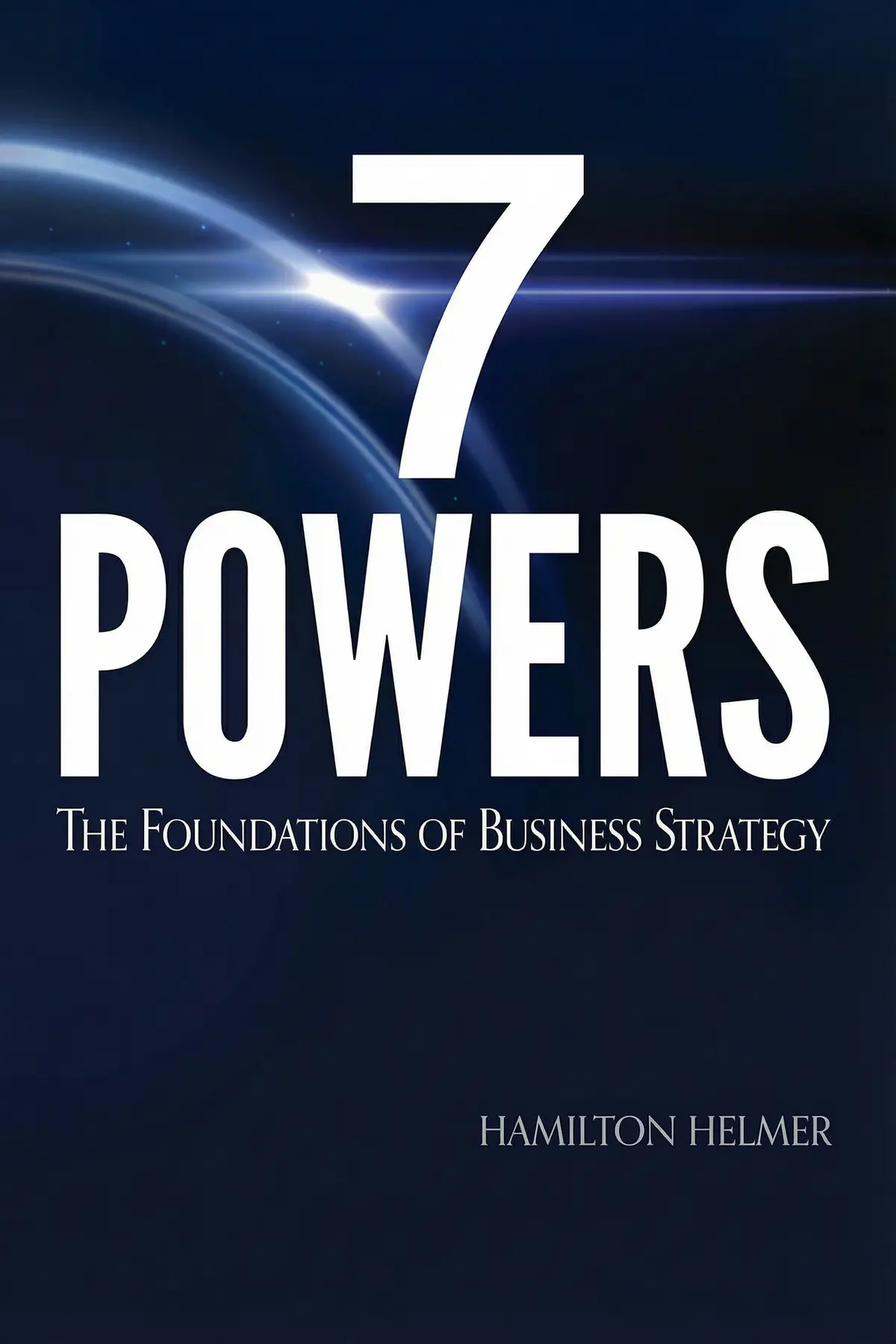
7 Powers: The Foundations of Business Strategy
Hamilton Helmer

A Bigger Prize: How We Can Do Better Than the Competition
Margaret Heffernan

A Year with Peter Drucker: 52 Weeks of Coaching for Leadership Effectiveness
Joseph A. Maciariello
AUDIO SUMMARY AVAILABLE
Listen to Chief Joy Officer in 15 minutes
Get the key ideas from Chief Joy Officer by Richard Sheridan, plus 5,000+ more titles in English and Thai.
- 5,000+ titles
- Listen as much as you want
- 7-day free trial
- Cancel anytime







