
16 min 50 sec
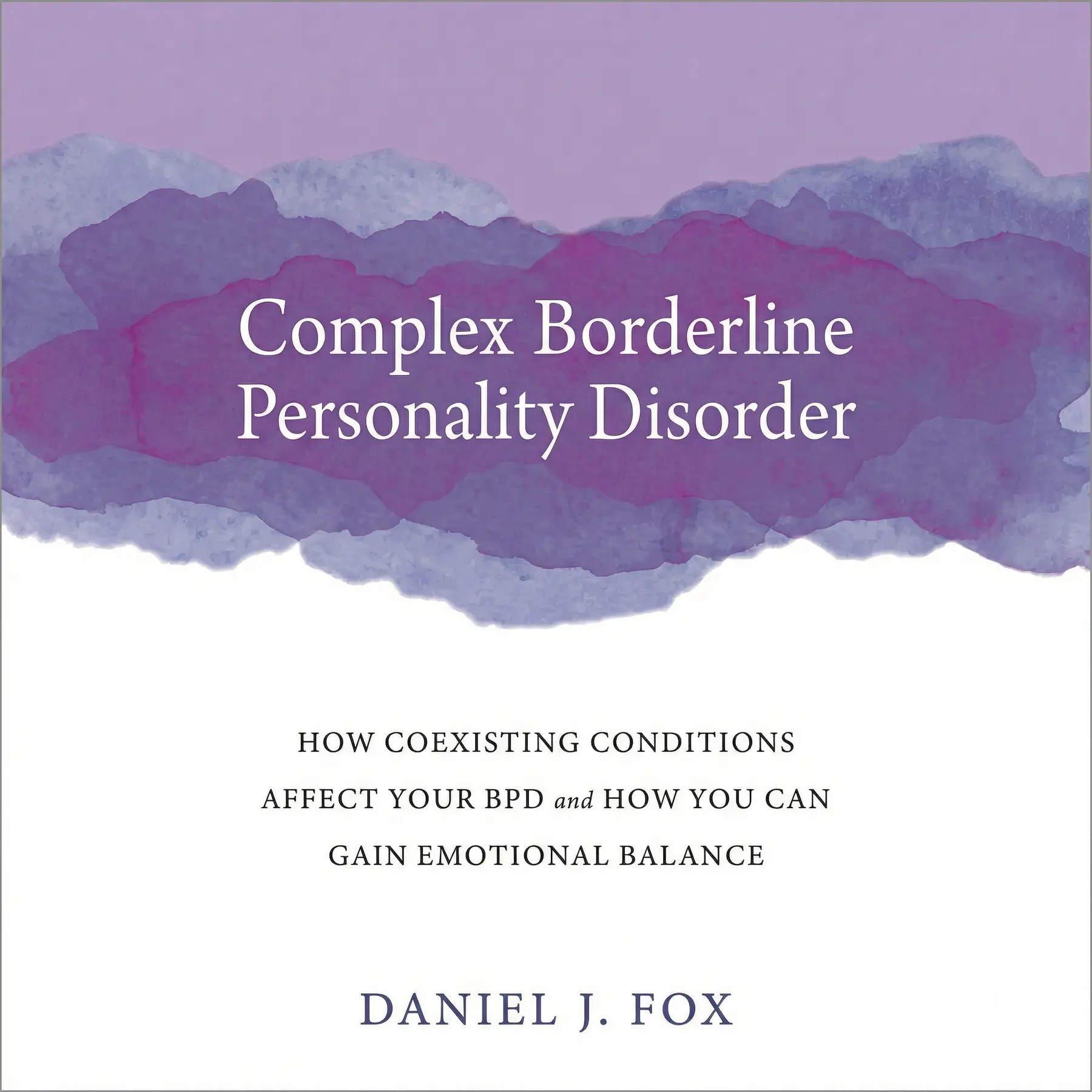
Complex Borderline Personality Disorder: How Coexisting Conditions Affect Your BPD and How You Can Gain Emotional Balance
Explore the nuanced landscape of Complex Borderline Personality Disorder. This guide explains how co-occurring conditions like depression and PTSD shape the BPD experience, providing a roadmap for emotional stability and self-empowerment.
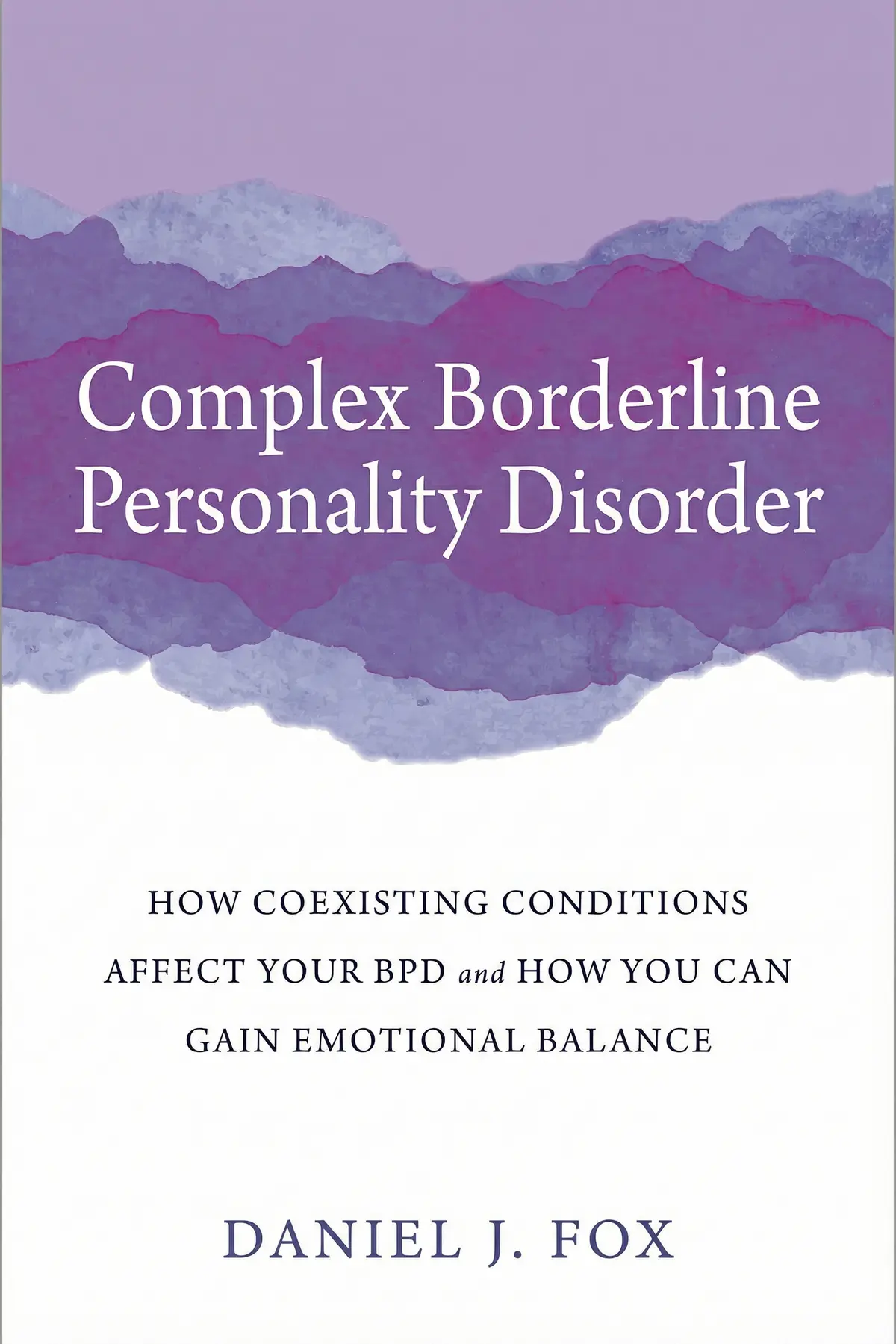
Table of Content
1. Introduction
1 min 49 sec
When we talk about mental health, we often treat diagnoses like single labels—tidy boxes that describe exactly what someone is going through. But for many, the reality of living with Borderline Personality Disorder, or BPD, is far more layered and chaotic. It’s rarely just one thing. Instead, it’s a collection of overlapping challenges that can feel like a tangled web. This is what we call Complex Borderline Personality Disorder, or CBPD. It’s the version of the disorder that doesn’t play by the rules, frequently showing up alongside other conditions like depression, bipolar disorder, or post-traumatic stress.
In this exploration of Daniel J. Fox’s work, we are going to peel back those layers. We’re moving beyond the basic definitions to understand why CBPD feels so much more intense and why traditional treatments sometimes seem to miss the mark. Our journey today isn’t just about clinical definitions; it’s about the human experience of navigating intense emotional tides and finding a way to steady the ship. We will look at how personality traits form the foundation of our reactions, how deep-seated fears drive our visible behaviors, and how we can begin to untangle the symptoms of different disorders that seem to blend together.
Whether you are looking for clarity for your own journey or trying to better support someone you love, the goal here is empowerment. By the end of this summary, you’ll have a clearer perspective on the intricate nature of CBPD and, more importantly, a set of strategies to help foster emotional balance, stronger relationships, and a renewed sense of self-worth. Let’s begin by looking at what makes this condition so uniquely complex.
2. Defining the Complexity of CBPD
2 min 22 sec
Discover why some versions of BPD are more difficult to manage and how personality traits act as the building blocks for our emotional world.
3. The Iceberg of Core and Surface Content
2 min 03 sec
Uncover the hidden beliefs that drive visible symptoms and learn why treating the surface isn’t enough for long-term healing.
4. The Maze of Co-occurring Conditions
2 min 13 sec
Learn how conditions like bipolar disorder and ADHD can mask or amplify BPD symptoms, complicating the path to an accurate diagnosis.
5. Navigating the Stormy Seas of Mood Instability
2 min 06 sec
Explore practical tools for tracking emotional cycles and building a safety net to weather the most intense emotional highs and lows.
6. Healing the Wounds of Trauma and Self-Harm
2 min 13 sec
Understand the deep connection between past trauma and current BPD symptoms, and find ways to move toward self-compassion.
7. Transforming Relationships and Redefining the Self
2 min 23 sec
Shift from being a victim of your circumstances to becoming the architect of your future by reshaping how you connect with others.
8. Conclusion
1 min 41 sec
As we reach the end of this journey through the landscape of Complex Borderline Personality Disorder, it’s important to reflect on the throughline that connects all these ideas: the power of clarity. CBPD is undeniably difficult. The presence of co-occurring conditions like depression, bipolar disorder, and PTSD adds layers of fog to an already challenging path. But as we’ve seen, that fog can be cleared by understanding the building blocks of personality, identifying the core beliefs that drive our actions, and recognizing the interplay between different mental health challenges.
Managing CBPD isn’t about finding a quick fix; it’s about a commitment to a new way of living. It’s about the daily work of tracking moods, the courage to face past traumas, and the wisdom to build better boundaries in relationships. It’s about moving from the ‘surface’ of your symptoms to the ‘core’ of your healing. The stories of people like Martin, Karen, and Pam remind us that while the struggle is real, the potential for transformation is even more significant.
The final message of Daniel J. Fox’s work is one of profound hope. You are not defined by your diagnosis. You are an individual with a unique set of traits and experiences who is learning to navigate a complex internal world. By embracing self-compassion and resilience, you can turn your struggles into strengths. You have the tools to steady the emotional tides and reshape your relationships. As you move forward, remember that every step toward self-awareness is a step toward freedom. You are the author of your own story, and even with CBPD, that story can be one of balance, empowerment, and lasting peace.
About this book
What is this book about?
Complex Borderline Personality Disorder addresses the reality that BPD often exists alongside other mental health challenges, such as bipolar disorder, substance use, or chronic trauma. While a standard diagnosis covers basic symptoms, the complex version requires a deeper look at how these overlapping issues create a unique internal storm. The book serves as a compassionate guide for individuals and their supporters to navigate this intricate terrain. By focusing on the distinction between core beliefs and surface-level symptoms, the text promises a path toward clarity. It offers practical tools for tracking emotional cycles, establishing safety plans, and building resilience. Ultimately, it shifts the focus from merely surviving a diagnosis to actively reshaping one's life story, emphasizing that recovery is possible through self-awareness and healthier relational boundaries.
Book Information
About the Author
Daniel J. Fox
Daniel J. Fox, PhD, is a Texas-based licensed psychologist with extensive experience in personality disorders. Author of The Borderline Personality Disorder Workbook and The Clinician’s Guide to Diagnosis and Treatment of Personality Disorders, his work focuses on complex psychopathology, ethics, and emotional intelligence.
Ratings & Reviews
Ratings at a glance
What people think
Listeners find this book to be an exceptional resource, with one listener noting it offered more assistance than most therapists. The guide also receives high praise for its clear readability.
Top reviews
Noah
Finally got around to reading Dr. Fox's latest and it's a game-changer for those of us feeling stuck. Most resources treat BPD as a single monolith, but he digs into what he calls "Complex BPD," which addresses when you have ADHD or Bipolar on top of everything else. The distinction between "core content" and "surface structure" finally helped me understand why my meds only fix some things while my internal world stays messy. To be fair, some of the case studies felt a bit long, but seeing Wendy’s journey through mood tracking made the concepts feel very real. I've spent years in therapy, yet this guide managed to connect dots that my previous doctors completely missed. It’s incredibly validating to see the struggle of co-existing conditions laid out so clearly without any judgment.
Show morePawinee
This book helped me more than most of my past therapists ever did. Dr. Fox explains the "Complex BPD" dynamic—where BPD combines with things like depression or Bipolar—with such compassion and clarity. I especially loved the section on managing emotional tides and how he encourages building a support system that actually respects your boundaries. The exercises aren't just filler; they are genuinely helpful for teasing apart which symptoms belong to which condition. I’ve started keeping a mood journal as suggested, and it's eye-opening to see the triggers I was totally blind to before. Even though it touches on heavy topics like self-harm and trauma, the tone remains hopeful throughout. It’s the kind of book you keep on your nightstand to revisit when things feel overwhelming. If you feel like your BPD diagnosis only tells half your story, you need to read this.
Show moreGoy
Ever wonder why your BPD feels so much more "messy" than what you read about online? Dr. Fox answers that by looking at the interplay of co-existing conditions, and it honestly felt like he was reading my mind. The way he breaks down "Complex BPD" into manageable parts makes the prospect of healing feel a lot less daunting. I found the section on C-PTSD and BPD overlap to be the strongest part of the book, providing a level of nuance I haven't seen elsewhere. The writing style is warm and conversational, yet it maintains a level of professionalism that builds trust. Truth is, I’ve been struggling to explain my symptoms to my family, and I’m going to have them read the chapters on relationship reshaping. This book gives you the language to talk about your pain without feeling like a lost cause.
Show moreChee
Look, if you have BPD and you’ve ever felt like your PTSD symptoms were being ignored, this book is for you. Dr. Fox addresses the "complex" nature of these conditions with so much expertise and empathy. The chapters on trauma and resilience provide a roadmap for healing that feels both realistic and attainable. I really liked the focus on "surface structure content" because it helped me realize that my behaviors are just reactions to deeper internal pain. It’s not just about stopping the behaviors; it’s about understanding the core of who you are. The book is inclusive and doesn't shy away from the hard parts of living with CBPD, like dissociation or the fear of being "too much." Highly recommend for anyone looking to find a bit of emotional balance in the chaos.
Show moreChiw
After hearing Dr. Fox on various podcasts, I knew I had to get my hands on this book, and it did not disappoint. It’s an incredibly informative guide that sheds light on the often-confusing overlap between BPD and other mental health disorders. The formatting is excellent, making it easy to skip to the sections that are most relevant to your specific co-existing conditions. I was especially impressed by the inclusive examples and the way he treats every patient story with dignity. It’s quite clinical in its analysis but remains very easy to read and absorb, which is a difficult balance to strike. Whether you’re a patient or a healthcare worker, there is so much to learn here about reshaping relationships and building resilience. This is definitely the best book on BPD I’ve read this year.
Show moreKanokwan
As someone who has lived with BPD and PTSD for years, I found the "Complex BPD" framework to be refreshing. Dr. Fox does a great job of explaining how trauma intersects with personality traits, particularly in the chapters on Colby and Karen. The writing is accessible and doesn't feel like you’re reading a dry medical textbook, which I really appreciated. However, I noticed that the clinical explanations were sometimes sacrificed in favor of the case studies, leaving me wanting a bit more "why" behind the "how." I also wish there had been more on the autism-BPD overlap, as that’s a huge area of need right now. Still, the journaling prompts and safety plans are practical tools that I’m actually using in my daily life. It’s a solid, informative read for anyone just starting to look at their diagnosis through a more nuanced lens.
Show moreWei
Picked this up after finishing Fox’s workbook because I wanted a deeper understanding of my ADHD and BPD combo. It’s a fantastic diagnostic tool that helps you differentiate between what he calls core content and the surface-level behaviors we often focus on. The case studies are relatable, although I’ll admit some of them felt a little formulaic after the third or fourth chapter. To be honest, it’s a lot to absorb, so I had to take it slow and highlight the sections that actually applied to my specific symptoms. I loved the inclusion of queer examples in the case studies, which is something you rarely see in these types of clinical books. It makes the advice feel much more modern and inclusive. It’s not a quick read by any means, but the insight you gain into your own brain is worth the effort.
Show moreDarawan
Fox has a way of making you feel seen without making you feel like a "difficult" patient, which is a rare feat in the mental health world. The case study about Wendy’s journey with mood instability was particularly moving and hit close to home. I appreciated how the book distinguishes between a standard BPD depressive episode and a major depressive episode. It’s those little distinctions that make this book a valuable addition to your library. My only real gripe is that some of the reader participation exercises felt a bit rushed compared to the detailed stories. I would have liked more space for the journaling prompts or perhaps more varied types of exercises. Regardless, it’s an insightful guide that offers a narrative shift from just "surviving" to actually growing.
Show moreSirichai
The chapter on psychosis and dissociation was the main reason I bought this, but it felt like a bit of a hodgepodge. While I appreciate the concept of "Complex BPD," the execution in this specific section was quite vague and didn't really distinguish between chronic psychotic disorders and brief stress-related episodes. Frankly, the book feels like it's trying to cover too much ground in a limited number of pages. I liked the case studies for Martin and Pam, but they sometimes overshadowed the actual clinical advice I was looking for. If you are brand new to the world of BPD and co-occurring conditions, this is an excellent starting point. For those of us who have already read extensively on DBT or trauma, it might feel like a recap of things you already know. It’s a decent resource, but it didn't quite live up to the high bar set by his workbook.
Show moreLucia
To be fair, it’s a bit of a slog if you aren’t a fan of long, repetitive case studies. I bought this for a book discussion group, and I found myself struggling to stay awake because the formula is the same for every single chapter. You get a story, then a bit of clinical talk, then an exercise that feels a bit too basic if you’ve already done any amount of DBT. It feels more like a middle-of-the-road introduction for someone who is completely new to the diagnosis. If you’ve already spent time in consultation meetings or read clinical journals, this will probably feel like a step backward. The premise is strong, but the actual execution left me feeling bored and underwhelmed. I was hoping for more deep-dive clinical analysis and less "storytime" about fictional patients.
Show moreReaders also enjoyed
A Liberated Mind: How to Pivot Toward What Matters
Steven C. Hayes
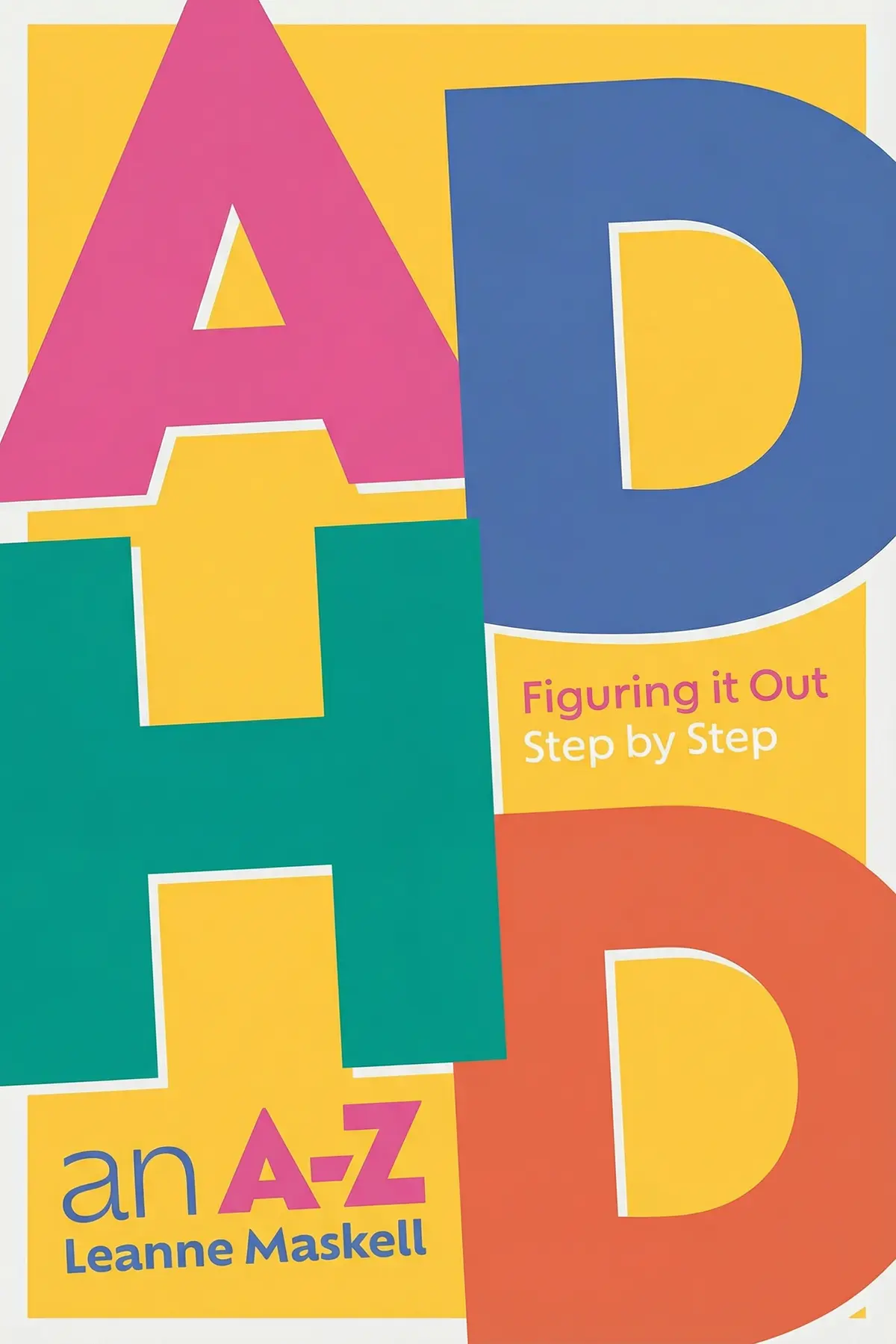
ADHD an A-Z: Figuring It Out Step by Step
Leanne Maskell

AUDIO SUMMARY AVAILABLE
Listen to Complex Borderline Personality Disorder in 15 minutes
Get the key ideas from Complex Borderline Personality Disorder by Daniel J. Fox, plus 5,000+ more titles in English and Thai.
- 5,000+ titles
- Listen as much as you want
- 7-day free trial
- Cancel anytime







