
3 min 24 sec
Confessions
This summary explores Saint Augustine's classic memoir, tracing his transformative path from a life of earthly desires and intellectual restlessness to finding ultimate fulfillment and peace through a deep connection with God.
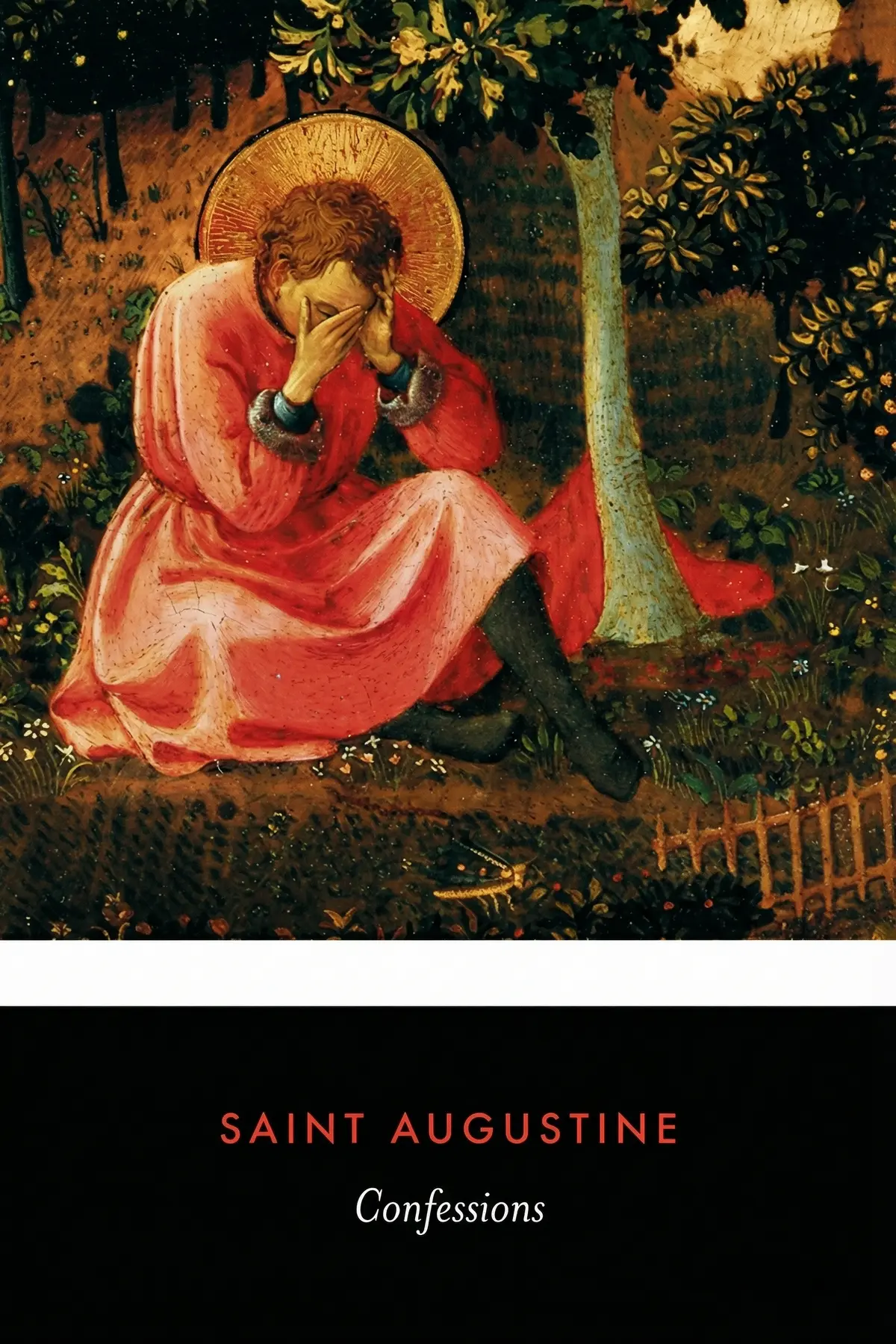
Table of Content
1. Introduction
40 sec
Imagine a life spent chasing every possible worldly success—fame, pleasure, and intellectual praise—only to find that at the peak of it all, there is a hollow ache in your chest. This is the starting point for one of history’s most influential spiritual memoirs. Saint Augustine’s Confessions isn’t just a recount of historical events; it’s an intimate blueprint for the human heart. It chronicles a man’s transition from a state of deep distraction to one of profound clarity. Today, we’re exploring how this ancient perspective on the nature of grace and self-reflection can illuminate our modern search for meaning.
2. The Illusion of Earthly Satisfaction
1 min 04 sec
Explore how chasing worldly success and physical pleasure often leads to an inner hollowness, and why external victories rarely provide the lasting peace we expect.
3. Finding Peace Through Inner Silence
1 min 06 sec
Learn how shifting your focus from the external world to your inner self can reveal a path to spiritual fulfillment and the lasting tranquility we all seek.
4. Conclusion
34 sec
Ultimately, Augustine’s Confessions serves as a timeless mirror for our own lives. It teaches us that restlessness isn’t a sign of failure, but a divine invitation to look deeper. The throughline of his journey is simple yet profound: the peace we crave isn’t found in what we achieve, but in who we belong to. As you reflect on his words, consider where you are seeking fulfillment today and whether it’s time to stop looking outward and start looking toward the eternal.
About this book
What is this book about?
Confessions is a profound exploration of the human condition, tracing the life of Saint Augustine as he moves from a period of youthful rebellion and material pursuit toward a life of spiritual devotion. It is more than just a memoir; it is a philosophical and theological inquiry into the nature of the soul, the weight of sin, and the power of redemption. The book promises to guide readers through the process of self-reflection, showing how personal struggles and the feeling of emptiness can actually serve as the gateway to finding a deeper connection with the divine. By baring his own flaws and intellectual hurdles, Augustine provides a roadmap for anyone seeking genuine peace and a higher purpose in a world full of temporary distractions. Through his narrative, readers learn that the journey toward enlightenment requires an honest assessment of one's past and a willingness to surrender the ego to something greater.
Book Information
About the Author
Saint Augustine
Saint Augustine of Hippo was an influential early Christian theologian and philosopher whose work bridged the gap between classical thought and religious faith. His extensive writings, most notably Confessions and City of God, have left an indelible mark on the development of Western philosophy and Christian theology. Known for his intellectual depth and emotional honesty, his contributions continue to shape how we understand the intersection of the human spirit and the divine.
Ratings & Reviews
Ratings at a glance
What people think
Listeners view this rendition of Augustine's Confessions as a must-read masterpiece, valuing its intense spiritual focus and deep philosophical insights. The work is also lauded for its high-quality translation and brilliant writing style, as one listener remarks on its continued relevance in the modern world. They also appreciate the vulnerability of the text, with one review underlining the genuine nature of Augustine’s admission and another commending the engaging pace and moving personal accounts.
Top reviews
Cha
Finally finished this 300-page odyssey, and I’m genuinely moved. It’s essentially an extended, 1,600-year-old letter addressed to God, and reading it feels like eavesdropping on a soul in crisis. While some sections are incredibly dense, especially when he starts spiraling into Neo-Platonic metaphysics, the human moments are what ground it. His grief over his mother Monica and the passing of his son Adeodatus feels so raw and contemporary. Truth is, Augustine was a man of immense intellect trying to reconcile his physical desires with a spiritual calling. You see him circularity wrestling with his past, from the famous pear-theft incident to his Manichean phase. It isn't a quick read by any means. However, if you treat it like a daily devotional—taking just a few pages at a time—the depth of his self-reflection is unparalleled. It's a classic for a reason.
Show moreOlivia
The relationship with his mother, Monica, is the absolute heart of this book and what makes it so beautiful. Her relentless prayers for his soul and their final conversation in Ostia are among the most touching things I’ve ever read in classical literature. Frankly, I expected a dry theological treatise, but what I got was a vulnerable confession from a man who had 'restless' written all over his soul. Augustine doesn't hide his messy past or his 'shabby' treatment of his unnamed concubine. He lays it all out for the Divine to see. The sentence structure is often long and winding, yet there is a poetic rhythm to it that pulls you in. Picking this up was a gamble, but I’ve come away with a much deeper appreciation for the intellectual rigor of early Christianity. It’s a profound look at what it means to be human and seeking.
Show moreBella
Wow, I never expected an ancient saint to speak so directly to my own anxieties and doubts. This is easily one of the most honest books I’ve ever encountered. Augustine doesn't just list his sins; he dissects the psychology behind why we do things we know are wrong. The prose is beautiful and haunting, especially when he discusses the nature of memory. He describes it as a vast, secret chamber, and his descriptions of searching his own mind are brilliant. Even if you aren't religious, the philosophical questions he raises about time and existence are fascinating. It’s a slow-burn read that demands your full attention. It’s also surprisingly emotional, particularly when he talks about losing his best friend. This book changed how I think about the 'self.' Truly a masterpiece of spiritual autobiography.
Show moreNam
As someone who usually avoids old theology, I was stunned by how readable and relevant this was. Augustine is a master of the 'humble brag,' but his genuine struggle for truth is what shines through. I’ve read other ancient texts that felt dusty and distant, but this feels like it was written by someone I could actually talk to. The way he describes his mother’s influence is so relatable—we all have that person who sees the best in us when we’re at our worst. The book is definitely a commitment, especially with his circular writing style and the deep-dives into metaphysics in the later chapters. But the payoff is a profound sense of connection to a brilliant mind from the past. It’s an intensely spiritual journey that reminds you that human nature hasn't changed all that much in 1,600 years.
Show moreLayla
Augustine’s rhetoric is undeniably brilliant, but wow, this man can be his own harshest critic. The way he analyzes his infant tantrums or that teenage heist of some mediocre pears is almost obsessive. Personally, I found the first nine books much more engaging than the final theological reflections. Once he moves past the narrative of his conversion in the garden, the pacing slows to a crawl. He dives into heavy questions about the nature of time and the creation of the universe which can be hard to track. To be fair, his insights on God existing outside of time are mind-bending and historically significant. I used the Chadwick translation, which was clear and made the ancient Latin feel surprisingly alive. It’s a foundational text for a reason, even if the later chapters felt like a completely different, more difficult book. Worth the struggle for any philosophy buff.
Show moreNarut
Ever wonder how an ancient saint would handle a modern mid-life crisis? This book is basically that. Augustine describes his 'restless heart' in a way that feels incredibly relevant to the anxiety of the 21st century. He’s looking for satisfaction in career, sex, and intellectual prestige, only to find them all wanting. I loved the parts where he describes the difficulty of waking up—likening his spiritual lethargy to someone hitting the snooze button on their life. It’s a great translation that captures his voice as a sophisticated rhetorician. I did find some of his views on the body and 'dangerous' pleasures a bit extreme, though. He’s very tough on himself. Still, the way he transitions from a sinner to a bishop is a compelling journey. It’s a deep, intellectual dive that requires patience but pays off if you stick with it.
Show moreViroj
After hearing so much about the Chadwick version, I finally dove in. It’s not just a memoir; it’s an active prayer. The most striking thing is how Augustine addresses God directly throughout the entire 300 pages. It makes the reading experience feel very intimate, almost like you’re invading his private thoughts. The way he navigates his intellectual shifts—from Manichaeism to Neo-Platonism and finally to the Catholic faith—is a masterclass in philosophical evolution. To be honest, I had to Google a lot of the historical context to understand his arguments against various heresies. This isn't light reading. However, his description of the 'Tolle Lege' moment in the garden is one of the most powerful scenes in literature. A few parts are definitely dry and ponderous, but the gems of wisdom buried in the text are well worth the effort of digging.
Show moreJom
A bit of a slog if I’m being frank, though I can appreciate the historical weight. I struggled with the sheer amount of self-flagellation over things that seem so minor today. He speaks of eating food like it's a dangerous medicine and views every physical pleasure as a potential snare. It’s a very restrictive worldview that felt a bit dated and hard to relate to. That said, the psychological depth is impressive. He was basically inventing the memoir format as he went along. The middle sections regarding his search for truth among the Manichees were the highlight for me. It shows a man who wasn't just blindly following faith but was actively hunting for answers. I respect the honesty, but the repetitive, circular writing style made it hard to stay focused for long stretches. It’s an important book to have read, but maybe not one I’d revisit for fun.
Show moreHom
This feels surprisingly like a modern blog post at times, just with way more Latin and fewer emojis. He’s so open about his flaws, which is refreshing for a saint. The way he talks about his friends and his son Adeodatus shows a man who was capable of deep love. But man, the pacing is all over the place. One minute he’s telling a gripping story about his life in Carthage, and the next he’s spending thirty pages arguing about the first sentence of the Bible. It’s a tough balance. I found myself skimming the more technical theological debates toward the end just to get back to his personal reflections. In my experience, it’s a book that works better in small chunks rather than a straight read-through. Interesting, important, but occasionally a bit much for a Sunday afternoon.
Show moreTaw
Look, I get that this is a foundation of Western thought, but I found it nearly impossible to finish. The level of guilt Augustine feels for stealing fruit as a child is just exhausting to read about for pages on end. It felt like he was trying to out-sin everyone just to make his eventual conversion seem more dramatic. The last few books on Genesis and the nature of memory were so abstract that I completely lost the thread of the narrative. Maybe it’s just the translation I had, or perhaps I lack the theological background, but the circular reasoning felt like he was talking himself into corners. I wanted to like this more because of its reputation for honesty and spiritual intensity. Instead, I just found it repetitive and overly focused on an asceticism that feels disconnected from modern life. Definitely not for the casual reader.
Show moreFeatured in
Readers also enjoyed

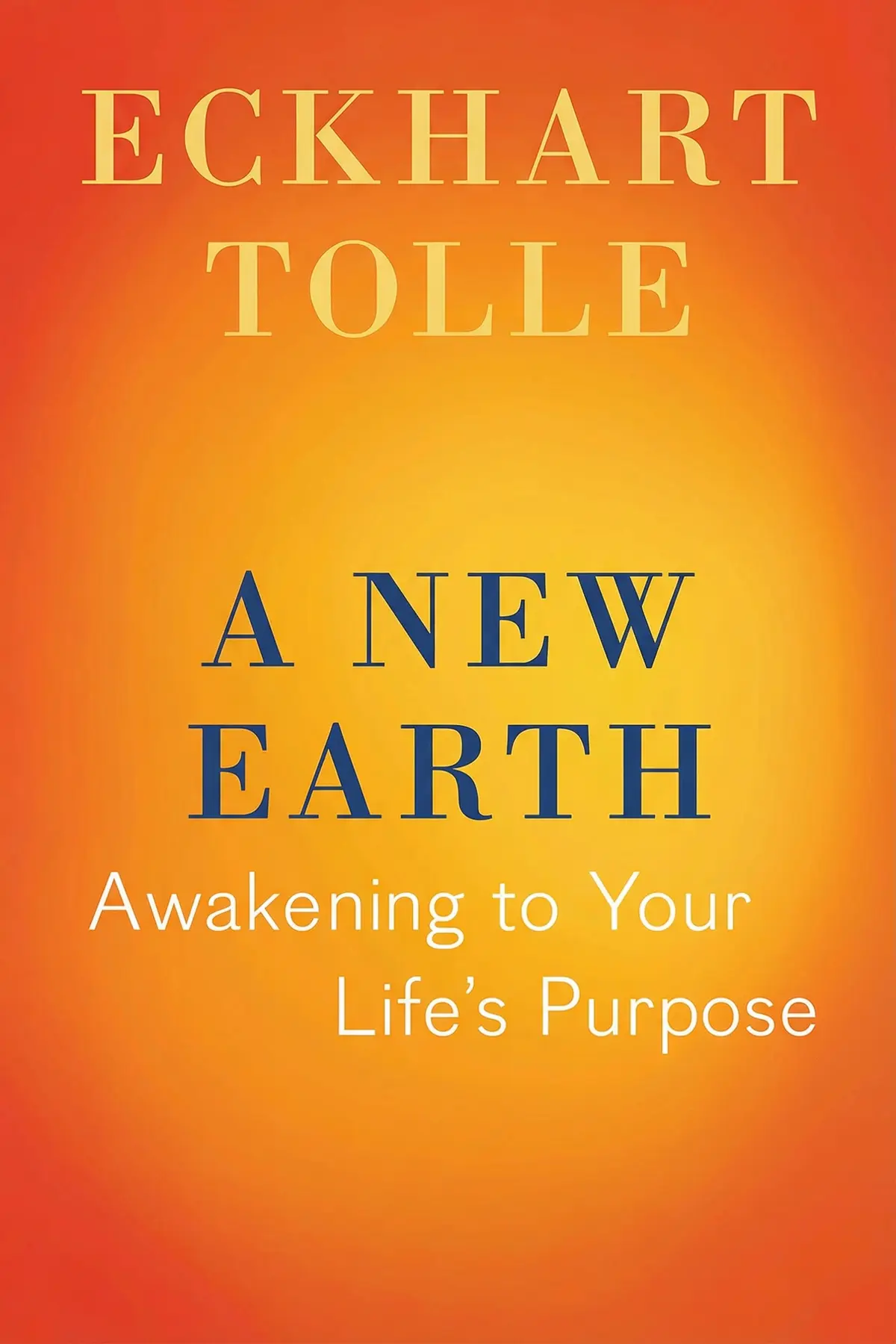
A New Earth: Awakening to Your Life’s Purpose
Eckhart Tolle
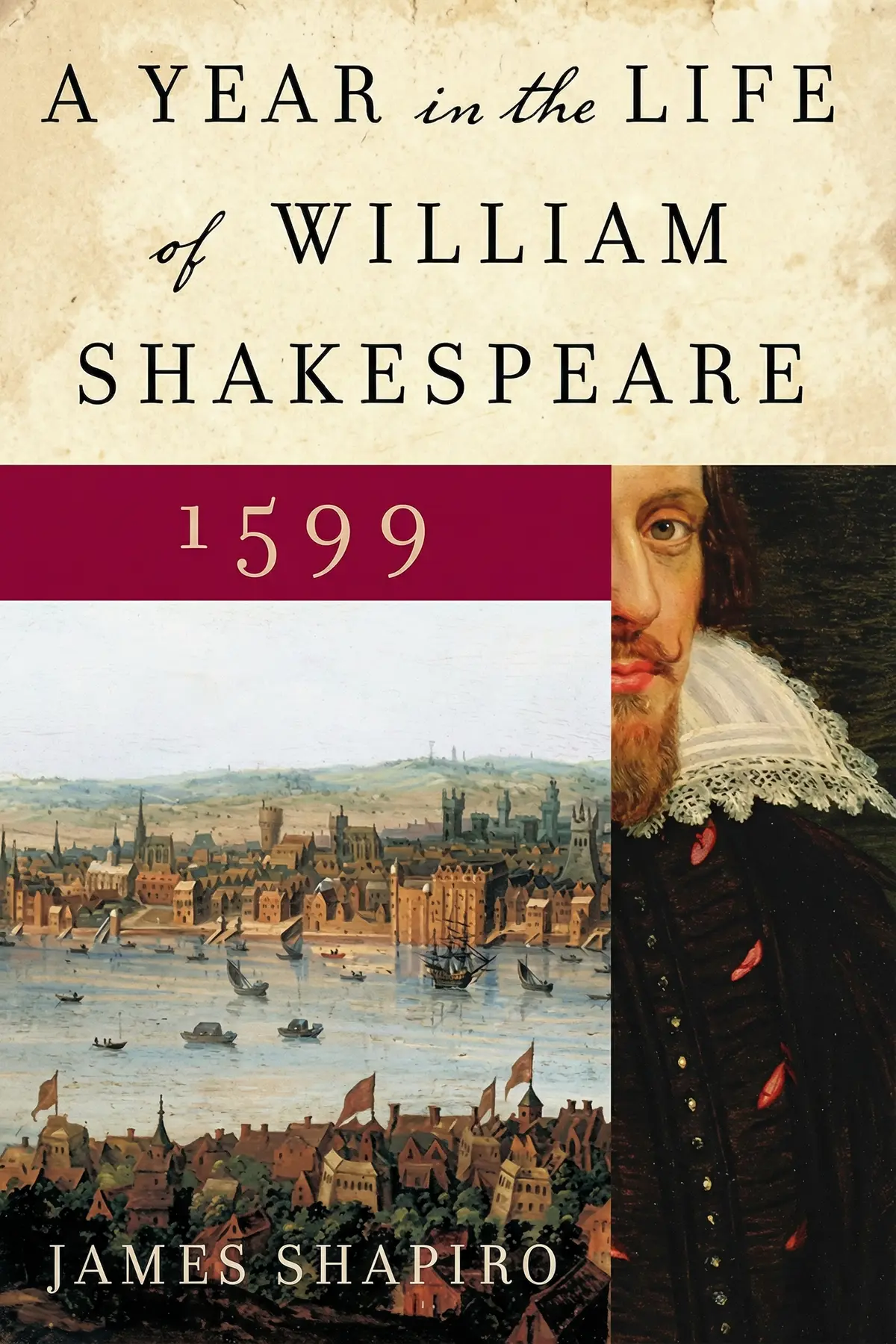
A Year in the Life of William Shakespeare: 1599
James Shapiro
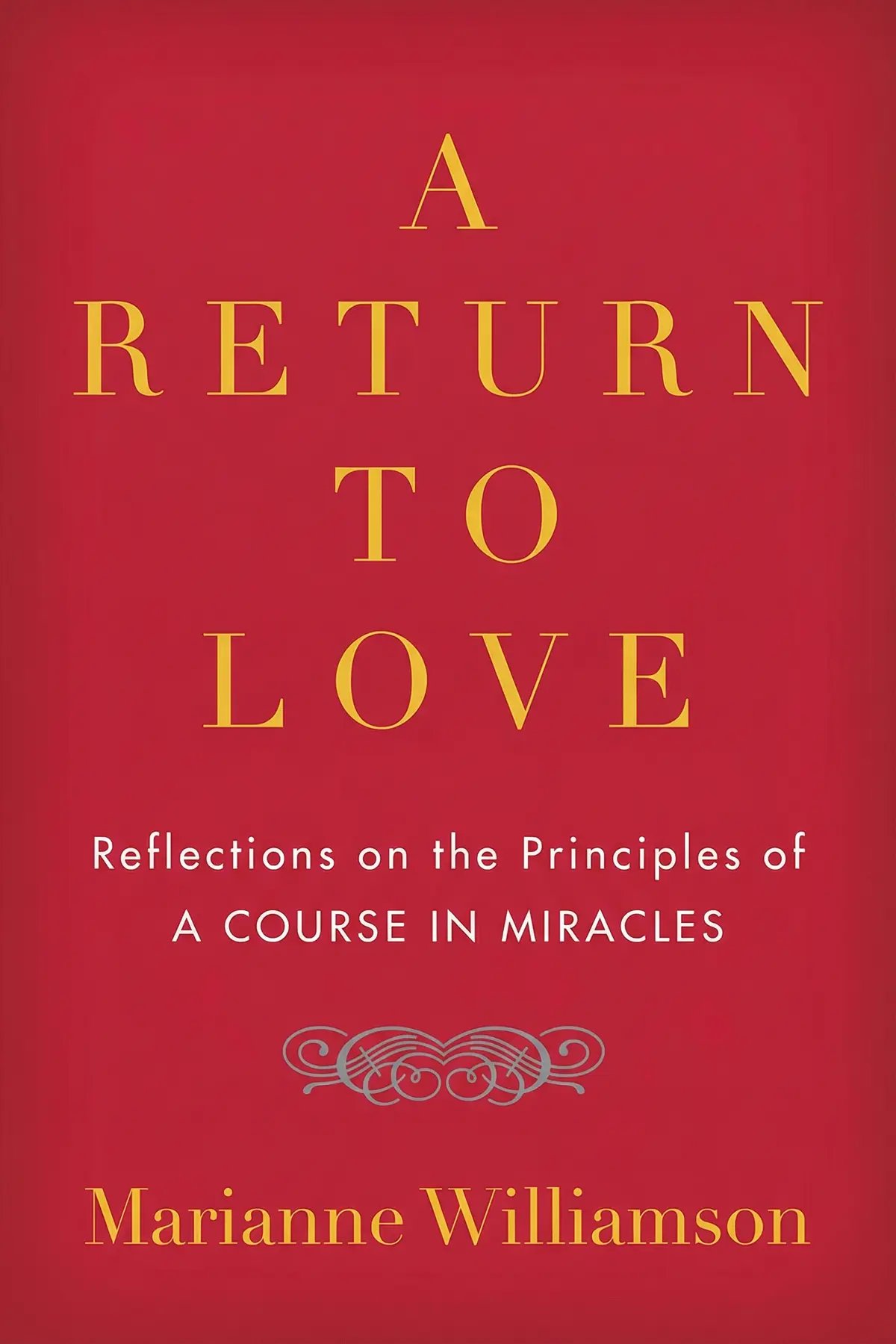
A Return to Love: Reflections on the Principles of a Course in Miracles
Marianne Williamson

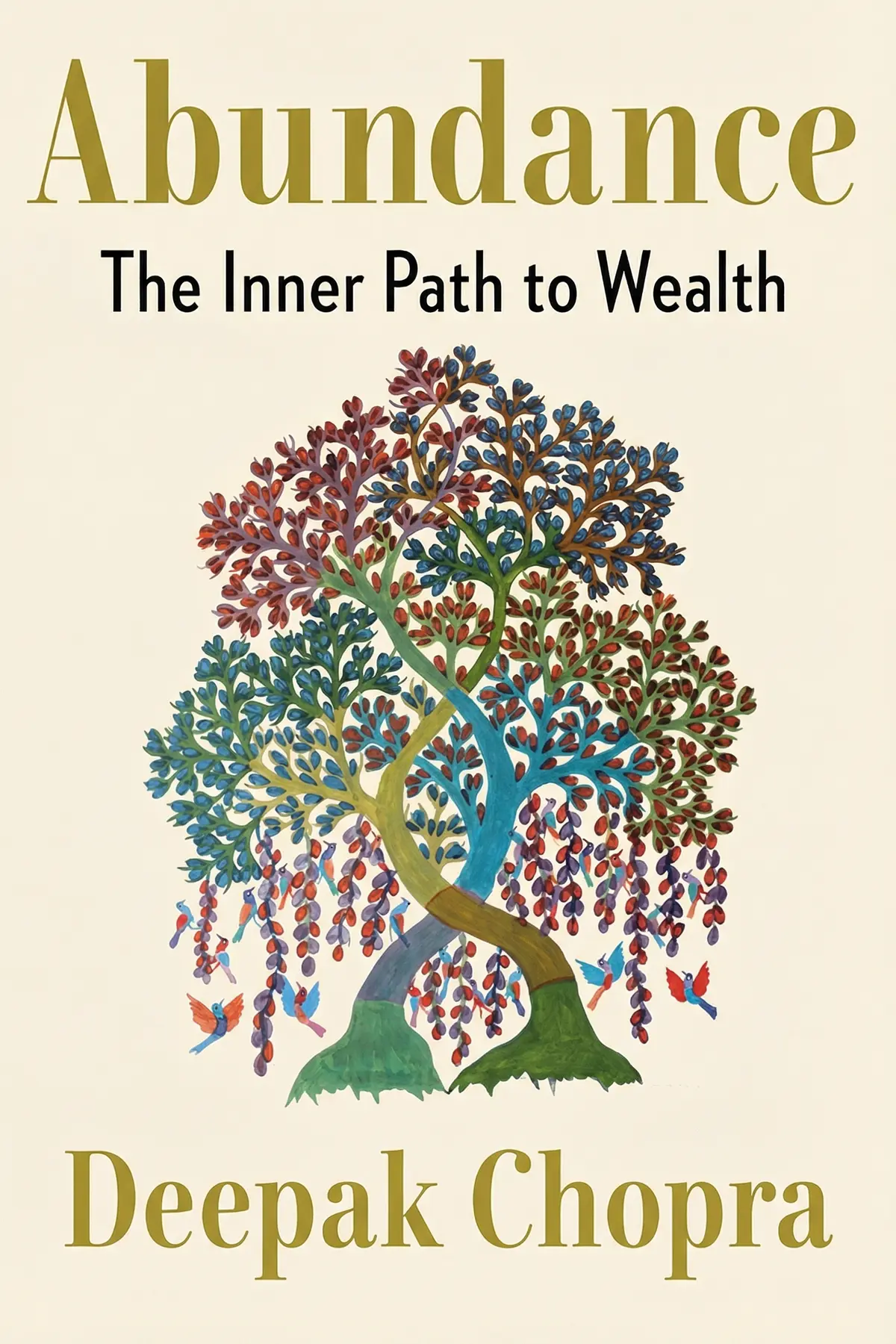
Abundance: The Inner Path to Wealth
Deepak Chopra
Aflame: Learning from Silence
Pico Iyer

Agent Sonya: The Spy Next Door
Ben Macintyre
AUDIO SUMMARY AVAILABLE
Listen to Confessions in 15 minutes
Get the key ideas from Confessions by Saint Augustine, plus 5,000+ more titles in English and Thai.
- 5,000+ titles
- Listen as much as you want
- 7-day free trial
- Cancel anytime







