
17 min 13 sec
Conscious Uncoupling: 5 Steps to Living Happily Even After
Discover a compassionate five-step methodology for ending romantic relationships with integrity. This guide helps individuals move past bitterness, heal deep-seated emotional wounds, and create a positive future for everyone involved.
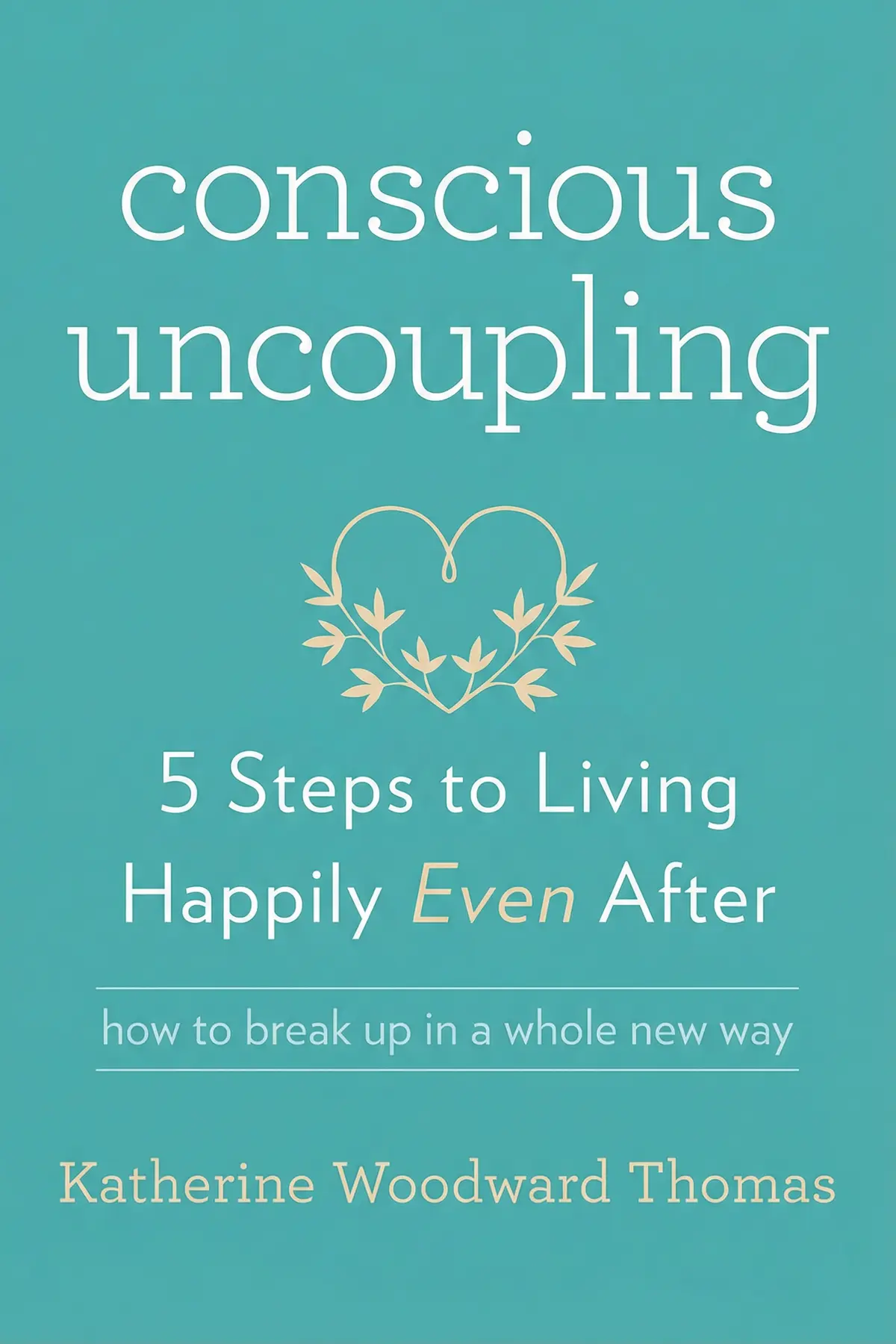
Table of Content
1. Introduction
1 min 42 sec
The end of a romantic partnership is often viewed through the lens of catastrophe. We are conditioned to believe that if a relationship doesn’t end in death, it has somehow failed. This cultural narrative places an enormous burden on those going through a separation, adding a thick layer of shame and social stigma to an already painful experience. But what if we looked at breakups differently? What if the conclusion of a relationship wasn’t seen as a failure of character or a waste of time, but as a transition that could be handled with grace, maturity, and even love?
This is the core proposition of a methodology that seeks to modernize how we say goodbye. It moves away from the ‘scorched earth’ policy of traditional divorce, where legal battles and personal insults become the norm. Instead, it invites us into a process of conscious uncoupling. This isn’t just a catchy phrase; it is a therapeutic framework designed to protect the well-being of the individuals involved and any children caught in the middle. It asks us to look at our partners not as enemies to be defeated, but as people we once loved deeply, who deserve our respect even as the romantic bond dissolves.
In the following discussion, we are going to explore why our current models of separation are so outdated and how we can navigate the five distinct steps of this transformative process. We will look at how to master the volatile emotions that naturally arise, how to break the repetitive cycles that keep us stuck in unhappy dynamics, and how to eventually build a life that feels liberated and whole. The goal is to move from a place of reactive rage to a state of proactive peace, allowing us to honor the past while stepping confidently into a new, individual future.
2. Challenging the Stigma of Failure
2 min 15 sec
Traditional marriage vows were written for a much shorter era, and clinging to them today creates an unnecessary sense of failure when a long-term union eventually ends.
3. Navigating the Biological Trap of Rage
1 min 59 sec
Our evolutionary instincts often turn the loss of a partner into a life-or-death struggle, triggering a primal rage that can sabotage our recovery.
4. The Power of Naming the Storm
2 min 04 sec
True emotional freedom begins with the courage to acknowledge and name your most painful feelings without letting them dictate your actions.
5. Moving From Victimhood to Agency
1 min 48 sec
Taking responsibility for your role in a relationship’s end isn’t about self-blame; it’s about reclaiming the power to change your future.
6. Identifying and Healing the Source Fracture
1 min 52 sec
Your current relationship struggles are often echoes of childhood wounds; identifying these ‘source fractures’ is the key to stopping repetitive patterns.
7. The Alchemy of Generosity
1 min 53 sec
By letting go of the desire for retribution, you can transform the ‘lead’ of a broken relationship into the ‘gold’ of mutual respect.
8. Building a Life of Happily Even After
2 min 05 sec
Creating a successful new life requires navigating the practical challenges of parenting and finances without clinging to the old structures.
9. Conclusion
1 min 35 sec
As we reach the end of this journey, the message is clear: the way we end our relationships is just as important as the way we begin them. We have been conditioned by an outdated societal script that views separation as a mark of shame and failure, but we have the power to rewrite that script. By moving through the five steps of conscious uncoupling—from mastering our primal emotions to healing our deepest wounds and eventually stepping into a liberated future—we transform a potentially traumatic event into a profound opportunity for personal evolution.
The path isn’t easy. it requires us to face the parts of ourselves we would rather ignore and to extend grace to people who may have hurt us. However, the reward for this work is immense. It is the difference between a life spent in the shadows of a bitter past and a life lived in the light of a purposeful present. You have learned that you are not a victim of your circumstances, but a creator of your experience. You have seen how to turn the ‘lead’ of conflict into the ‘gold’ of mutual respect.
As you move forward, remember that ‘happily ever after’ doesn’t have to be a fairy tale about a single relationship that lasts forever. It can be a reality about a single *person*—you—who is whole, resilient, and capable of love, no matter what transitions life brings. Take these tools and use them to honor your past, protect your peace, and build a future where you can truly thrive, even after the hardest of goodbyes. Your new chapter is waiting to be written, and for the first time, you hold the pen with a steady, conscious hand.
About this book
What is this book about?
When a long-term relationship ends, the standard societal response is often one of shame, failure, and intense litigation. This book challenges that narrative by introducing a structured, therapeutic approach to parting ways. Instead of descending into the typical cycle of blame and rage, the process guides individuals through a journey of self-reflection and healing. It asks participants to look inward, identifying the patterns and past traumas that have shaped their romantic history. The promise of this method is not just a smoother legal divorce, but a complete emotional transformation. By following five distinct stages—from reclaiming emotional energy to creating a new life—individuals can turn a painful ending into a powerful beginning. The text explores how to handle the primal biological urges to lash out and how to replace them with a sense of personal agency. Ultimately, it offers a blueprint for what it calls living happily even after, ensuring that the end of a union doesn't mean the end of one's peace or purpose.
Book Information
About the Author
Katherine Woodward Thomas
Katherine Woodward Thomas is a licensed marriage and family therapist who has spent years developing and teaching her groundbreaking five-step method. As a best-selling author and certified coach, she has become a leading voice in the field of relationship transitions. For over a decade, she has dedicated her professional life to helping couples and individuals find closure and growth during separations, moving beyond traditional conflict-heavy models toward a new paradigm of mutual respect.
Ratings & Reviews
Ratings at a glance
What people think
Listeners view this material as both perceptive and strengthening, offering intense recovery and support during life's challenges. They value the kind methodology and the five-step framework, which one listener depicts as a clear and thorough blueprint. The content earns acclaim for successfully ending romantic bonds, as one listener mentions it establishes a graceful route beyond emotional pain.
Top reviews
Pang
Finally got around to reading this after my separation, and it really is the complete road map everyone says it is. Thomas breaks down the healing process into five manageable steps that actually feel attainable even when you're in the thick of heartbreak. While some of the language is a bit flowery, the core message about completing a relationship rather than just smashing it to pieces is incredibly empowering. I found the exercises on self-responsibility particularly grounding because they moved me away from the victim narrative that my friends were accidentally encouraging. It's not just about getting over someone; it's about evolving so you don't bring the same baggage into the next chapter of your life. If you're looking for a way to preserve your dignity while your world feels like it's ending, this is the guide you need.
Show morePhu
As a parent navigating a difficult split, I can't recommend this highly enough for anyone trying to protect their children from the fallout of a bitter divorce. The framework for understanding relationship patterns helped me see how we got here without drowning in the usual shame or blame. Truth is, I was terrified that my kids would be permanently scarred by our "failure," but this book offers a vision of a "happily even after" that actually feels possible. The five steps are clearly laid out, providing a sense of structure when everything else feels chaotic and unpredictable. I particularly liked the advice on how to talk to family and friends so they don't turn into an angry mob against your ex. It’s a compassionate, wise, and deeply necessary read for anyone wanting to end a season of life with their integrity intact.
Show moreRiley
I was skeptical about the title—it sounded like celebrity PR nonsense—but the actual content is a profound guide to human psychology and emotional maturity. Woodward Thomas delivers an incredibly insightful look at why we get stuck in cycles of pain and how to break those patterns for good. Not gonna lie, the exercises are emotionally taxing and require a level of honesty that most of us usually try to avoid. However, the payoff is a sense of wholeness and a "clean completion" that I didn't think was possible after fifteen years of marriage. It functions as an empowering road map, leading you away from the "victim" story and toward a future where you are the architect of your own happiness. This should be required reading for anyone entering or exiting a long-term commitment.
Show moreChanikarn
Wow, I didn't expect a book about breaking up to make me feel so much more love for myself and my life. The author’s premise that the end of a relationship isn’t a "failure" but an opportunity for evolution shifted my entire perspective. I’ve been ruminating on my divorce for years, but this provided the closure I couldn't find in therapy or through the passage of time. The idea of "untying" rather than "cutting" is such a powerful image that stayed with me long after I finished the last chapter. It’s a very compassionate approach to a brutal experience, providing a beacon of hope when you’re stuck in the "rage" phase of grief. Even if you aren't currently going through a split, the insights into relationship dynamics are invaluable for any human connection.
Show morePla
Katherine Woodward Thomas has written a masterpiece for the broken-hearted that serves as both a warm hug and a firm kick in the pants. The organization into five distinct stages makes the overwhelming task of "moving on" feel like a series of small, winnable battles. I particularly appreciated the "clean completion" concept, which gave me a way to honor the years I spent with my partner without needing to stay in a toxic situation. It’s a beautiful path forward from heartbreak that prioritizes respect and generosity over the usual scorched-earth policy encouraged by our culture. My road forward looks significantly brighter because I took the time to actually do the work suggested in these pages. This is the definitive guide for anyone who wants to live "happily even after" instead of just surviving.
Show moreJin
Isn't it ironic that I used this author’s other book to find my partner, and now I’m using this one to leave him? Life has a strange sense of humor, but I’m grateful for the perspective Katherine Woodward Thomas provides here. The most valuable part for me was the section on how our bodies and minds react to trauma, which explained why I was behaving so out of character. I’ll admit the process added some time to my actual move-out date because I wanted to ensure I was "uncoupling" correctly, but the peace I feel now is worth the delay. Some parts felt a bit repetitive, and I skipped a few of the more meditative exercises, but the central idea of not devaluing the love you once had is beautiful. It helped me remember who I want to be even when I'm angry.
Show moreBo
The truth is, it’s much easier to point fingers than to look in the mirror, but this book forces you to do the hard work of self-reflection. I picked this up during a downward spiral of resentment and found the concepts of "co-creation" to be a total game-changer for my mental health. It’s not about letting the other person off the hook for their bad behavior, but rather about reclaiming the power you gave away during the relationship. The writing style is very supportive, though some of the metaphors about "snubbing the sun" felt a little over the top for my pragmatic brain. Still, the five-step process is a solid organizational tool for anyone who feels lost in the emotional weeds. It’s a direct path toward healing that focuses on the long-term well-being of everyone involved rather than short-term vengeance.
Show moreCholada
Interestingly, this isn't just for romantic divorces; I found the principles incredibly helpful for navigating the end of a long-term business partnership. The focus on taking personal responsibility and avoiding the "blame game" is universal advice that applies to any significant interpersonal ending. Personally, I found the chapter on "reclaiming your power" to be the most impactful because it shifted my focus from what they did to what I can do now. The tone is very gentle, which is nice when you're feeling fragile, though the author does occasionally lean a bit too heavily into the "everything happens for a reason" vibe. If you can get past the slightly "woo" exterior, there is a very practical, step-by-step methodology here for moving forward without bitterness.
Show moreYok
Look, I appreciated the intent behind this book, but it felt significantly longer than it needed to be to get the point across. The biological explanations for why we feel "crazy" during a breakup were fascinating and helped calm my nerves, yet I found myself skimming through the more repetitive spiritual sections. To be fair, the five steps are logically organized, and for someone in a high-conflict situation with kids, I can see how this would be a lifesaver. For my relatively simple breakup, it felt like a bit of overkill, almost making the process more complicated than it had to be. It’s a good resource if you need a "companion" through the dark times, but be prepared for a lot of self-help terminology. It’s definitely not a quick read, but there is genuine wisdom buried in the pages.
Show moreOksana
This book and I fundamentally disagree on the core premise that every single divorce is a tragedy to be avoided or "minimized" through this specific brand of emotional labor. Frankly, it feels a bit too "woo-woo" for my taste, focusing heavily on abstract spiritual concepts rather than the messy, tangible realities of legal battles and logistical nightmares. The author suggests we co-create every bad dynamic, which feels dangerously close to victim-blaming in situations involving actual toxicity or manipulation. While I appreciate the sentiment of being "kind," sometimes a clean, sharp break is healthier than trying to "untie" a knot that’s already been scorched. It’s well-organized with its five steps, but the tone felt patronizingly optimistic for someone standing in the middle of a life-shattering crisis. If you hate typical self-help jargon, stay far away from this one.
Show moreReaders also enjoyed
Alcoholics Anonymous
Alcoholics Anonymous World Services
A Liberated Mind: How to Pivot Toward What Matters
Steven C. Hayes
ADHD an A-Z: Figuring It Out Step by Step
Leanne Maskell

AUDIO SUMMARY AVAILABLE
Listen to Conscious Uncoupling in 15 minutes
Get the key ideas from Conscious Uncoupling by Katherine Woodward Thomas, plus 5,000+ more titles in English and Thai.
- 5,000+ titles
- Listen as much as you want
- 7-day free trial
- Cancel anytime







