
18 min 28 sec
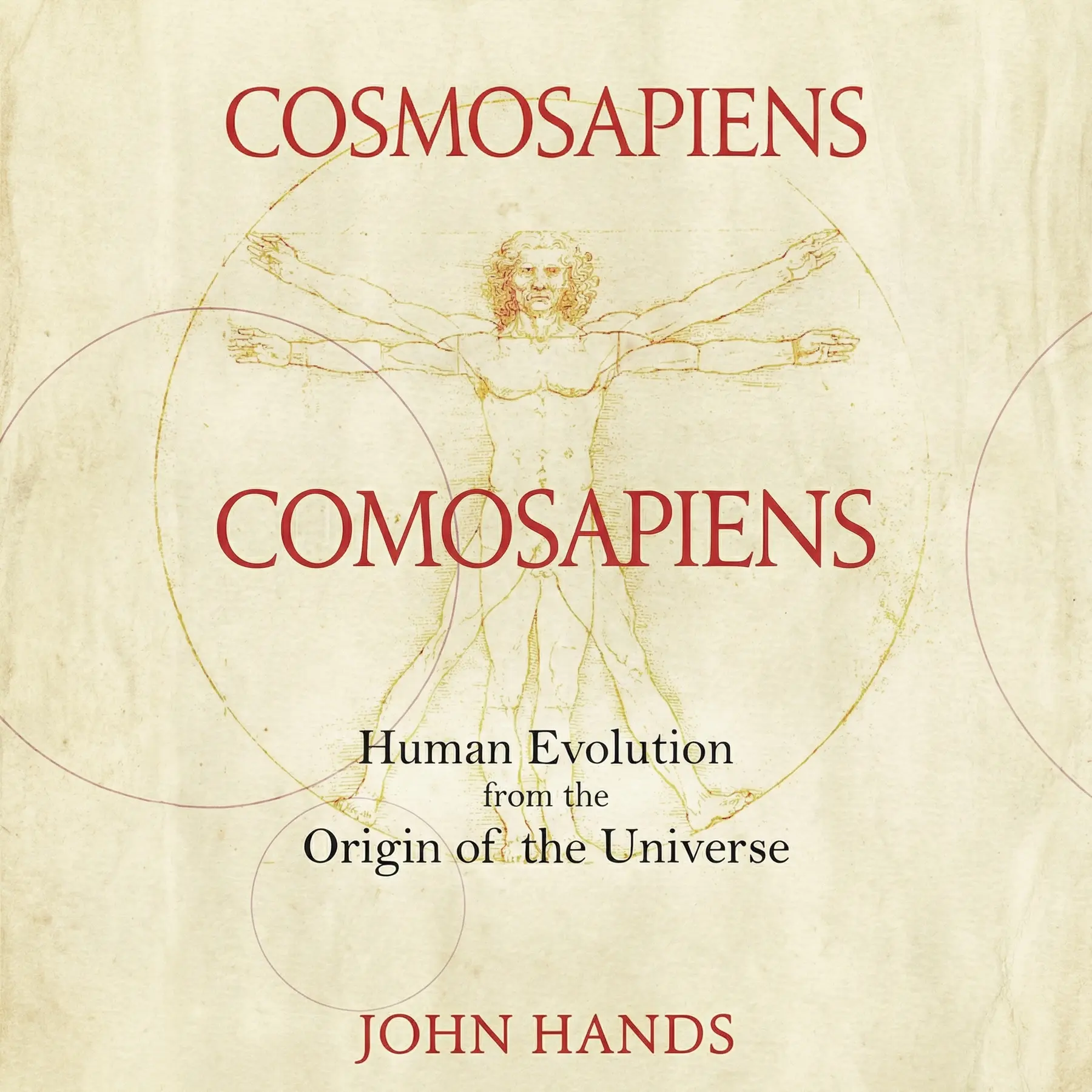
Cosmosapiens: Human Evolution from the Origin of the Universe
By John Hands
A profound examination of the universe’s origins and human evolution. It contrasts traditional myths with scientific theories, highlighting the current limits of our understanding regarding life, consciousness, and the cosmos.
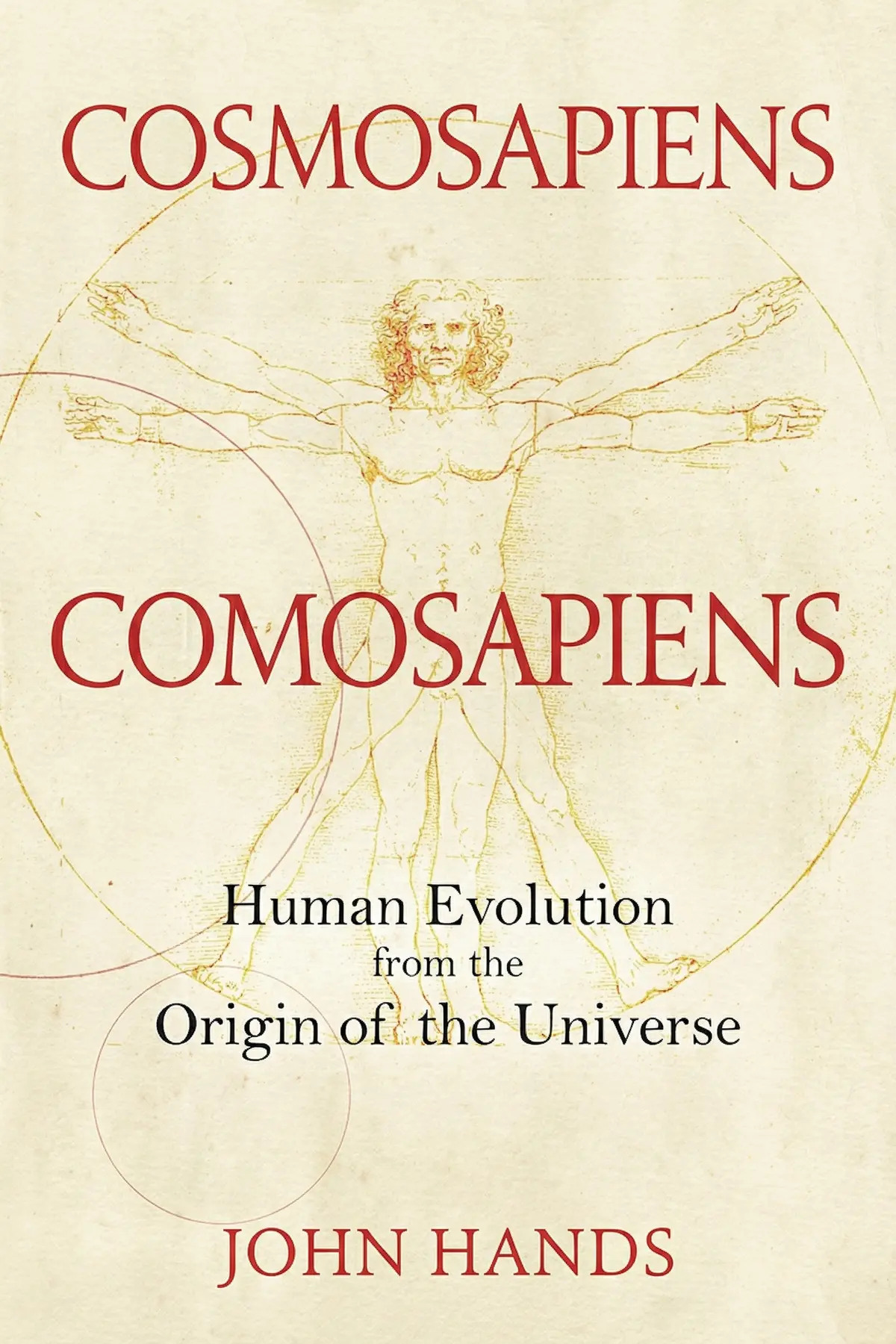
Table of Content
1. Introduction
1 min 26 sec
From the moment we first develop the capacity for speech, we begin to ask the most difficult question of all: where did we come from? This inquiry isn’t just a childhood curiosity; it is the foundation of every religion, every philosophy, and every scientific endeavor in human history. Depending on who you ask, the answer changes entirely. A theologian might point to sacred texts, a philosopher to the nature of being, and a scientist to the movement of subatomic particles. But how do these narratives stack up against one another, and how far has our scientific understanding actually progressed?
In this journey, we are going to move past subjective accounts and dive into the evolution of scientific theory. We will trace the throughline from the very first moments of the universe to the emergence of the conscious mind. We’ll explore the origin of matter, the specific conditions that allowed life to take root on our planet, and the eventual rise of human thought. Along the way, we’ll discover that while science has provided us with incredible tools to measure and observe the world, there are still profound mysteries that even our most advanced theories struggle to explain. By looking at the big picture—from the cosmic scale down to the microscopic—we can better understand our unique place in the universe and the remarkable story of how we became the self-aware beings we are today.
2. Ancient Narratives and the Scientific Standard
2 min 21 sec
How did the universe start? Before modern physics, humanity relied on diverse and imaginative myths to explain the transition from chaos to creation.
3. Challenges to the Big Bang Narrative
1 min 46 sec
Even the most widely accepted scientific theories have significant gaps. Learn why the Big Bang still faces unresolved theoretical hurdles.
4. The Rare Recipe for a Living Planet
2 min 06 sec
Earth seems like a typical planet, but it actually meets six very specific and rare conditions required for life to flourish.
5. The Elusive Definition of Life
1 min 50 sec
We know life when we see it, but defining it scientifically is surprisingly difficult. Where exactly does the line between matter and life begin?
6. Evolution Beyond Natural Selection
1 min 45 sec
Darwin’s theory changed the world, but modern evidence suggests that natural selection isn’t the only driver of biological change.
7. The Unique Quality of Reflective Consciousness
1 min 44 sec
What truly separates humans from other animals? It may not be our tools or our walk, but our ability to think about our own thoughts.
8. The Three Phases of Human Thought
1 min 56 sec
Human intelligence didn’t appear overnight. It evolved through three distinct epochs, from superstition to systematic science.
9. The Hard Limits of Scientific Inquiry
1 min 57 sec
Science is a powerful tool, but it may have inherent boundaries that the human mind simply cannot cross.
10. Conclusion
1 min 37 sec
The journey from the first sparks of the Big Bang to the complex thoughts currently running through your mind is the most incredible story ever told. We have seen how our ancestors used myths to make sense of the void, and how modern science has replaced those myths with evidence-based theories like the redshift and natural selection. Yet, as we have explored, the scientific narrative is not without its own holes. From the contradictions in early cosmic expansion to the mystery of how inanimate matter first ‘woke up’ to become life, our understanding is still a work in progress.
What makes us truly unique in this vast cosmos is our reflective consciousness. We are the part of the universe that has begun to look back at itself and ask questions. We have moved from the superstitious fears of early farmers to the deep logic of philosophers and finally to the rigorous experiments of modern scientists. While we may eventually hit the ‘hard limits’ of what the human brain can understand—whether it’s the edge of the observable universe or the true essence of gravity—the act of searching is what defines us.
The takeaway here is not that science is flawed, but that it is an evolving tool. As you go about your day, remember that you are a rare phenomenon: a conscious being on a perfectly balanced planet, capable of learning from the entire history of your species. The mystery of our origins doesn’t diminish our significance; it enhances it. By continuing to question and observe, we honor the long line of ‘cosmosapiens’ who came before us and pave the way for those who will continue the search long after we are gone.
About this book
What is this book about?
Where did everything come from, and why are we here? These are the fundamental questions explored in this comprehensive summary. It traces the journey of matter from the Big Bang through the complex emergence of biological life and the eventual development of human reflective consciousness. By investigating the transition from ancient origin myths to modern scientific inquiry, the work provides a rigorous look at what we know—and what we don't. The summary promises to challenge common assumptions about the completeness of scientific models. It looks at the gaps in the Big Bang theory, the strict requirements for life to exist, and the nuances of evolution that go beyond simple natural selection. Ultimately, it frames human existence not just as a biological accident, but as a unique phenomenon defined by our ability to self-reflect and build collective knowledge across generations.
Book Information
About the Author
John Hands
John Hands is an author and a Tutor at the Open University. He has dedicated over a decade to the rigorous study of scientific theories concerning human evolution and the origins of the universe. With a background in the hard sciences, having graduated with a degree in chemistry from the University of London, Hands brings a methodical and analytical perspective to his non-fiction work. In addition to his scientific inquiries, he is an accomplished writer of fiction, having authored three novels.
Ratings & Reviews
Ratings at a glance
What people think
Listeners value the way this work provides an encyclopedic survey of scientific concepts, as one listener points out its inclusion of biology, psychology, and cosmology. Furthermore, the prose is skillfully crafted using clear and exact phrasing, while one listener emphasizes that it offers a historical background for every theory discussed. The title also earns praise for its profound depth, stimulating material, and ambitious breadth, with one review characterizing the project as an extraordinarily wide-ranging work.
Top reviews
Dao
This is a monumental achievement that manages to weave together cosmology, biology, and psychology into one cohesive narrative. Hands uses simple yet precise language to demystify complex scientific theories that usually feel out of reach for laypeople. I particularly appreciated the historical context provided for every major principle discussed. While the book is undeniably dense, the clarity of the prose keeps you moving through the massive page count. Some might find his skepticism of the 'orthodox' model a bit jarring, but it forced me to rethink many of my own assumptions about the universe. It’s a thought-provoking deep dive that respects the reader's intelligence without becoming bogged down in jargon. Definitely a must-read for anyone who loves Big History.
Show moreLucia
After hearing so much buzz, I finally tackled this 800-page beast and I have to say it lives up to the reputation. This isn't just a book about human evolution; it’s a comprehensive history of everything from the Big Bang to modern philosophy. The author’s ability to summarize massive topics like entropy or the development of the human eye is unparalleled. He provides a fascinating timeline that shows how our understanding has shifted over the centuries. Some reviewers complain about his skepticism, but I found his critical screening of mainstream theories quite refreshing. It’s important to remember that science is a process, not a finished set of facts. This is easily one of the most intellectually stimulating books I have read in years. If you want a truly unbiased and wide-ranging look at our place in the cosmos, get this.
Show moreRafael
Gotta say, I am blown away by the clarity of the writing in such a massive and complex volume. John Hands has created an encyclopedic overview of our current scientific theories that is both accessible and deeply challenging. Most science writers try to sell you on a specific 'story,' but Hands wants you to see the flaws in the narrative. He manages to cover cosmology, biology, and psychology without ever losing the thread of his argument. The way he links the evolution of the universe to the evolution of human culture is brilliant. While I don't agree with every one of his far-out conclusions, I respect the ten years of effort it took to compile this. It’s a monumental piece of work that actually makes you think about what it means to be human.
Show moreRodrigo
Ever wonder why we possess reflective consciousness while other animals don't? This book spends a massive amount of time building up to that very question, tracing our history from the first moments of the universe. Hands is at his best when he’s sorting through various theories of life's origin, pointing out where the evidence actually sits. I liked that he didn't just stick to Western ideas but actually gave some space to Eastern philosophy as well. It’s not an entertaining book in the traditional sense, as there isn't a single joke in the entire thing. Still, the sheer scope of the work is impressive. You won't find many other books that try to bridge the gap between quantum physics and human culture so ambitiously. It’s a challenging but rewarding experience for the truly curious.
Show moreDylan
John Hands has clearly spent a decade researching this project, and the result is an extraordinarily wide-ranging work that leaves no stone unturned. The way he structures the argument—summarizing a topic, criticizing it, and then presenting alternatives—is very systematic and easy to follow. I was especially gripped by the chapters on the evolution of humans and the origins of our self-awareness. He correctly identifies that the real 'jump' we made wasn't just biological but centered on our reflective consciousness. The book can feel a bit like a rant at times, especially when he starts talking about 'orthodoxy' in the lab. However, the depth of the research makes it hard to dismiss his points entirely. It’s a heavy lift, but perfect for anyone who wants to see the forest rather than just the trees.
Show moreMaria
The sheer depth of this work is staggering, covering everything from the birth of the universe to the nuances of neurology. Hands writes with a simple yet precise style that makes even the most difficult concepts in physics feel somewhat manageable. I found the section on the development of technology and global philosophies to be the most engaging part of the text. He makes a valid point about how many 'global' histories ignore the East entirely, which he avoids here. My only real gripe is that he sets the empirical bar so high that almost no theory can clear it. By his definition, half of modern cosmology would be thrown out as 'bogus.' It’s a bit of a cynical outlook, but the encyclopedic nature of the book makes it worth having on your shelf anyway.
Show moreAva
Picked this up thinking it was a standard pop-science book, but it's more like a sprawling, 800-page trial of modern science. To be fair, Hands has done an incredible amount of homework over the last ten years, and it shows in the level of detail. However, his dismissal of things like Dark Matter and the Big Bang as 'theoretical bogus' felt a bit extreme to me. He seems to have a real chip on his shoulder regarding what he calls 'orthodox' academics, largely ignoring how breakthroughs like LIGO prove that space-time itself can contract and expand. The middle section on evolutionary biology is particularly dense and, at times, quite pessimistic about our current understanding. I admire the 'lone cowboy' effort he put in here, but the lack of humor makes it a very dry slog. It’s a 3-star read because the historical overview is genuinely useful, even if the conclusions are questionable.
Show moreNina
Look, the historical context provided for each scientific principle in this book is excellent and very helpful. I appreciated how Hands doesn't just present facts but explains how we arrived at our current theories over time. That said, his take on evolutionary biology felt a bit stuck in the past to me. He suggests that certain structures like the flagella are still a mystery, even though most modern scientists feel we have a solid grasp on how they evolved from simpler proteins. This 'mysterianism' approach is interesting for a while but eventually starts to feel like he’s just looking for gaps to fill with his own ideas. The tone is very serious and academic, which might be off-putting for casual readers. It's an okay resource for a broad overview, but take his personal conclusions with a grain of salt.
Show moreGung
Not what I expected from a book titled 'Cosmosapiens,' as the actual humans don't show up until the final stretch. Instead, it’s a very critical screening of the theories that brought us here, from the Big Bang to the first microbes. I found myself agreeing with his points on paleo-anthropology; he’s right to be skeptical when a single bone fragment leads to a 'revolutionary' new theory. However, the earlier chapters on physics were a bit of a struggle because of his constant lashing out against academics. It feels like he wants to be the 'lone cowboy' of the scientific world. There is no humor to be found here, just 800 pages of dense, earnest analysis. I'd recommend it for the ambitious scope, but be prepared for a very demanding read that doesn't always play fair.
Show moreGun
Frankly, I found the author’s constant attacks on 'orthodox' science exhausting and often quite pedantic. He spends hundreds of pages trying to tear down Dark Matter and Dark Energy simply because they aren't currently observable. Science is about using placeholders—as Neil deGrasse Tyson says, we could call them Fred and Barney for now—until we know more, but Hands treats these theories like a personal affront to logic. There’s a very weird, pernicious teleological bent to his writing that makes him sound more like a philosopher with an agenda than a science writer. I was also disappointed by his favorable mentions of certain creationist arguments regarding irreducible complexity. It’s a shame because the writing itself is actually quite clear and well-organized. If he had spent less time picking apart standard science and more time on the 'awe' of discovery, this would have been a better experience.
Show moreReaders also enjoyed
A Life Decoded: My Genome: My Life
J. Craig Venter
A Planet of Viruses
Carl Zimmer
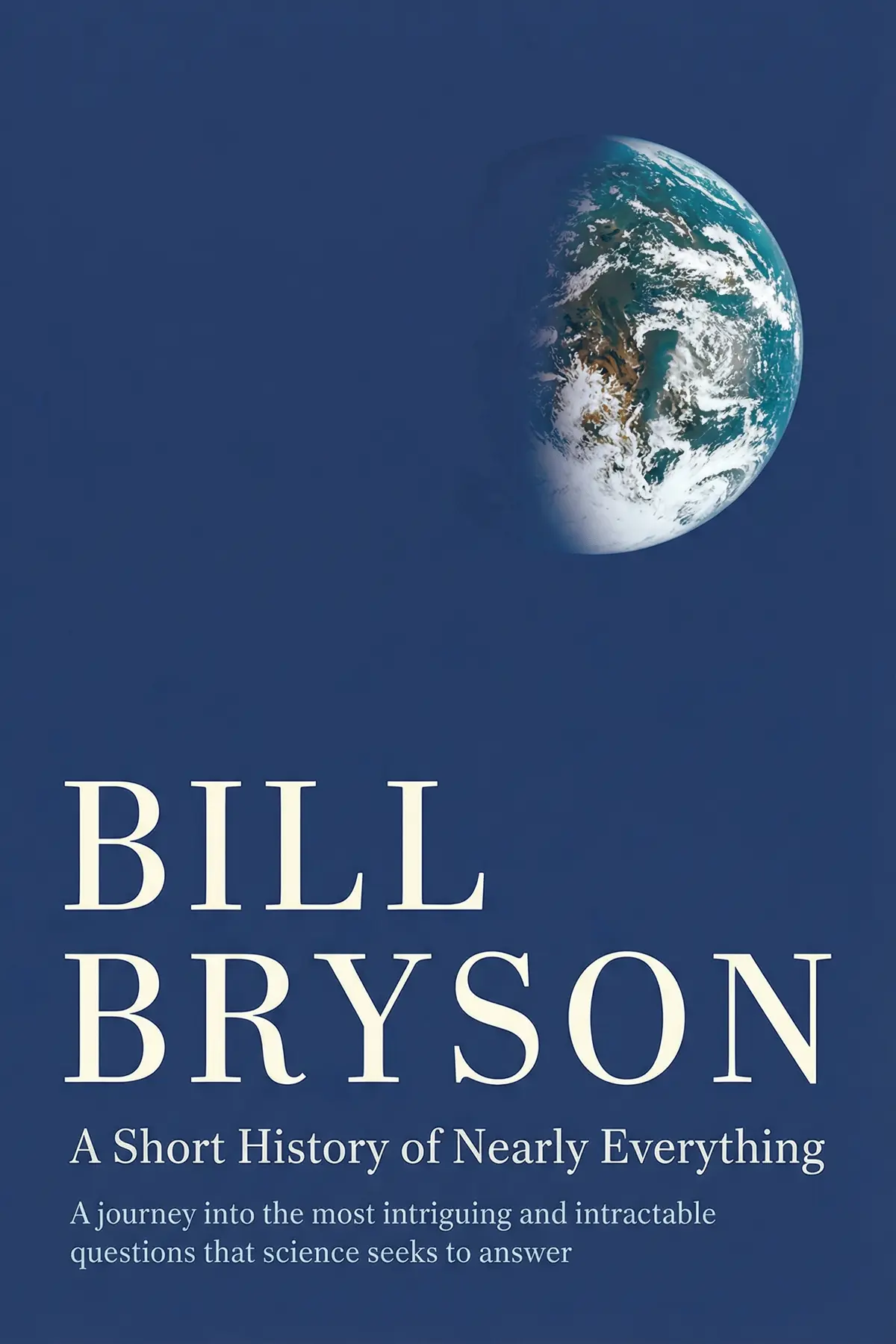
A Short History of Nearly Everything
Bill Bryson
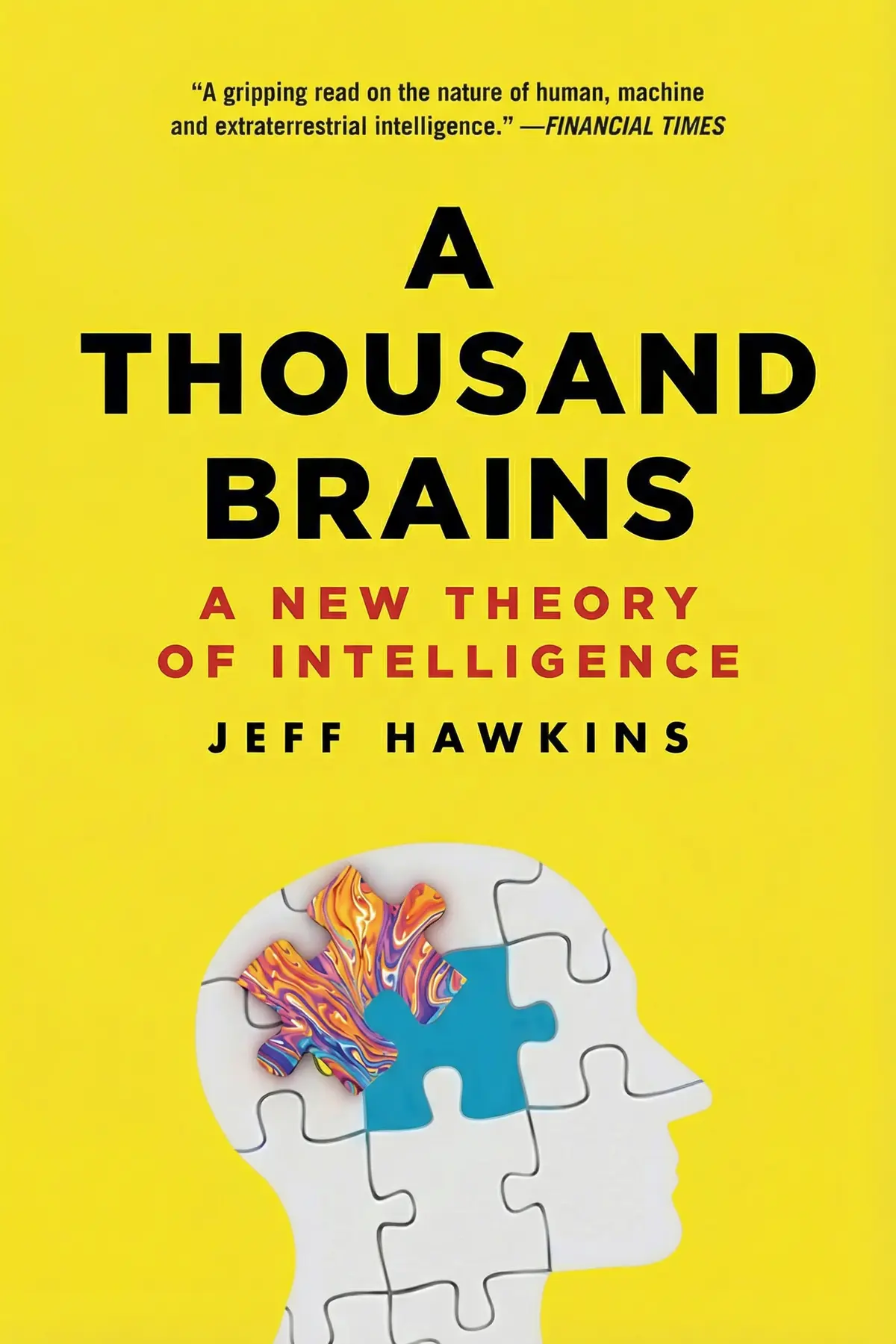
A Thousand Brains: A New Theory of Intelligence
Jeff Hawkins
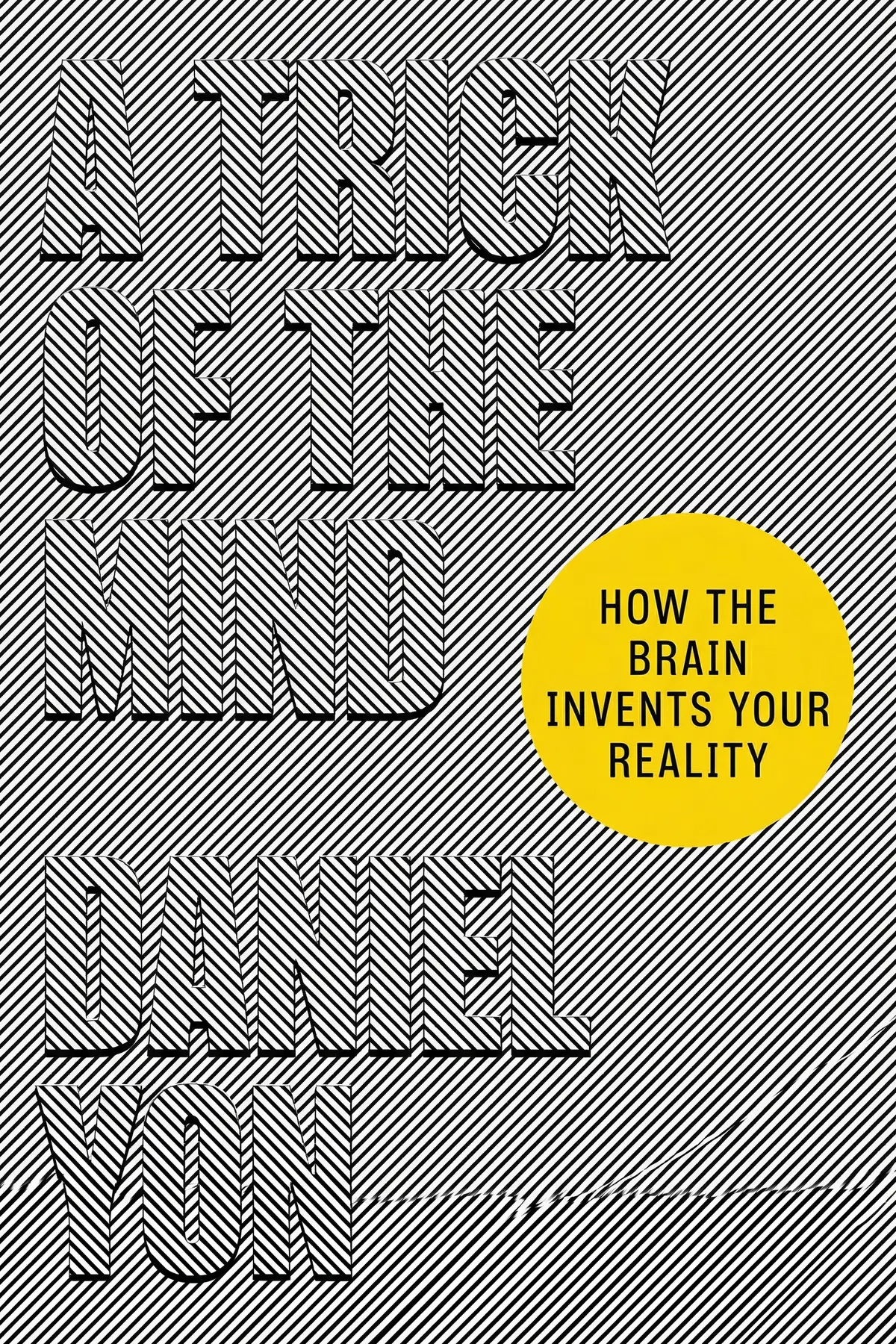
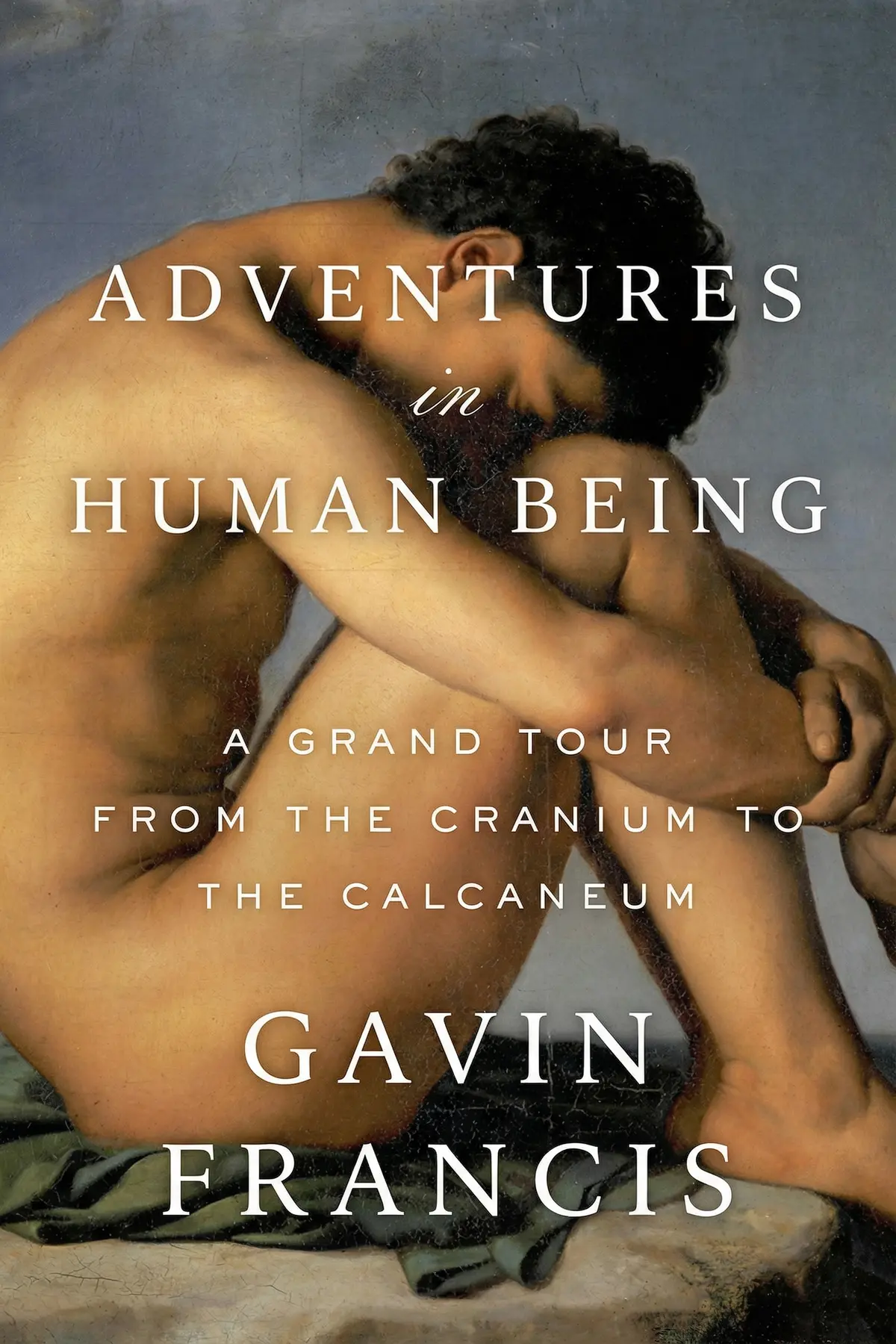
AUDIO SUMMARY AVAILABLE
Listen to Cosmosapiens in 15 minutes
Get the key ideas from Cosmosapiens by John Hands, plus 5,000+ more titles in English and Thai.
- 5,000+ titles
- Listen as much as you want
- 7-day free trial
- Cancel anytime







