
24 min 26 sec
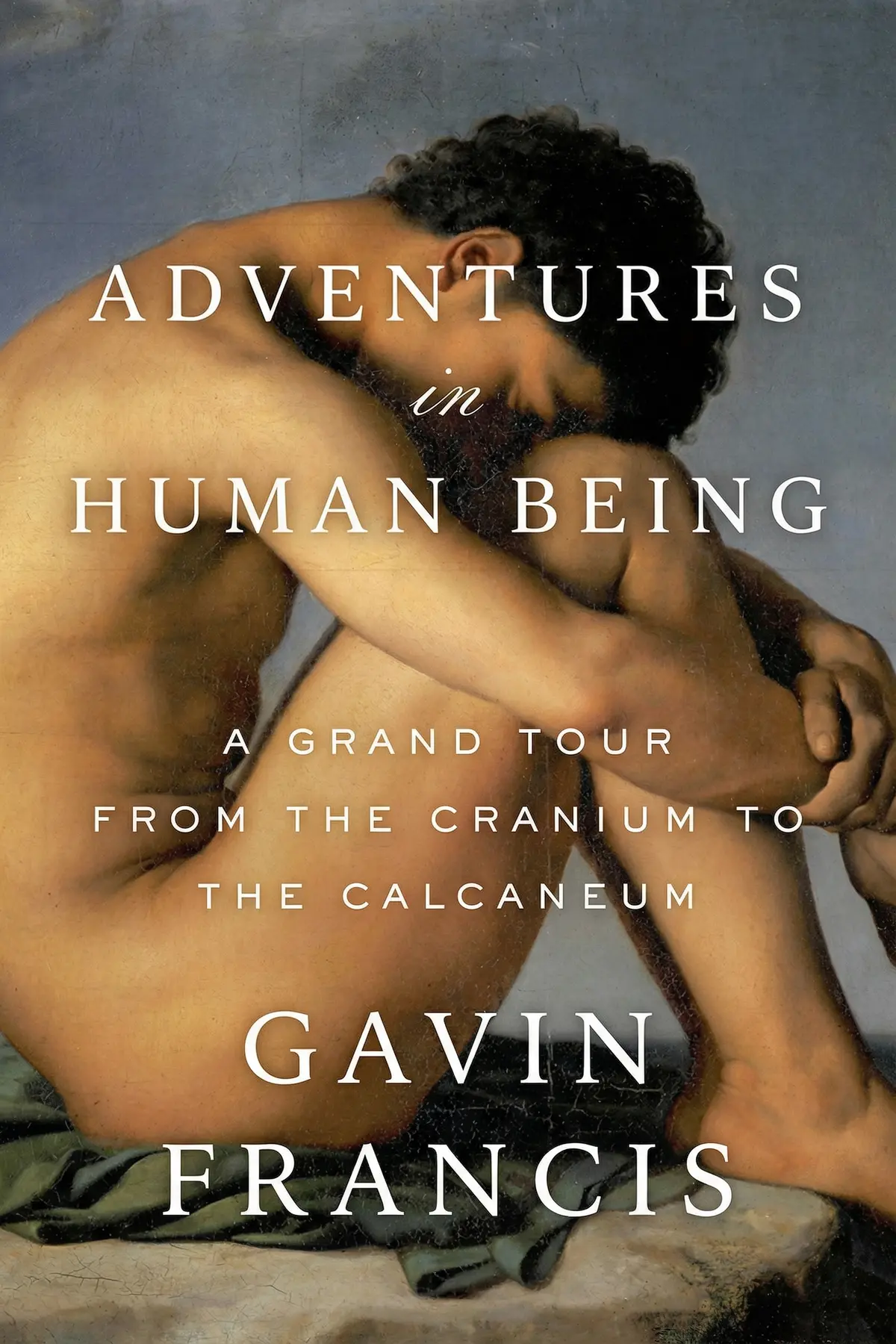
Crisis in the Red Zone: The Story of the Deadliest Ebola Outbreak in History, and of the Outbreaks to Come
A visceral and detailed exploration of the Ebola virus, tracing its origins in 1976 to the devastating 2014 West African epidemic, highlighting the biological mechanics and the selfless heroism of medical responders.
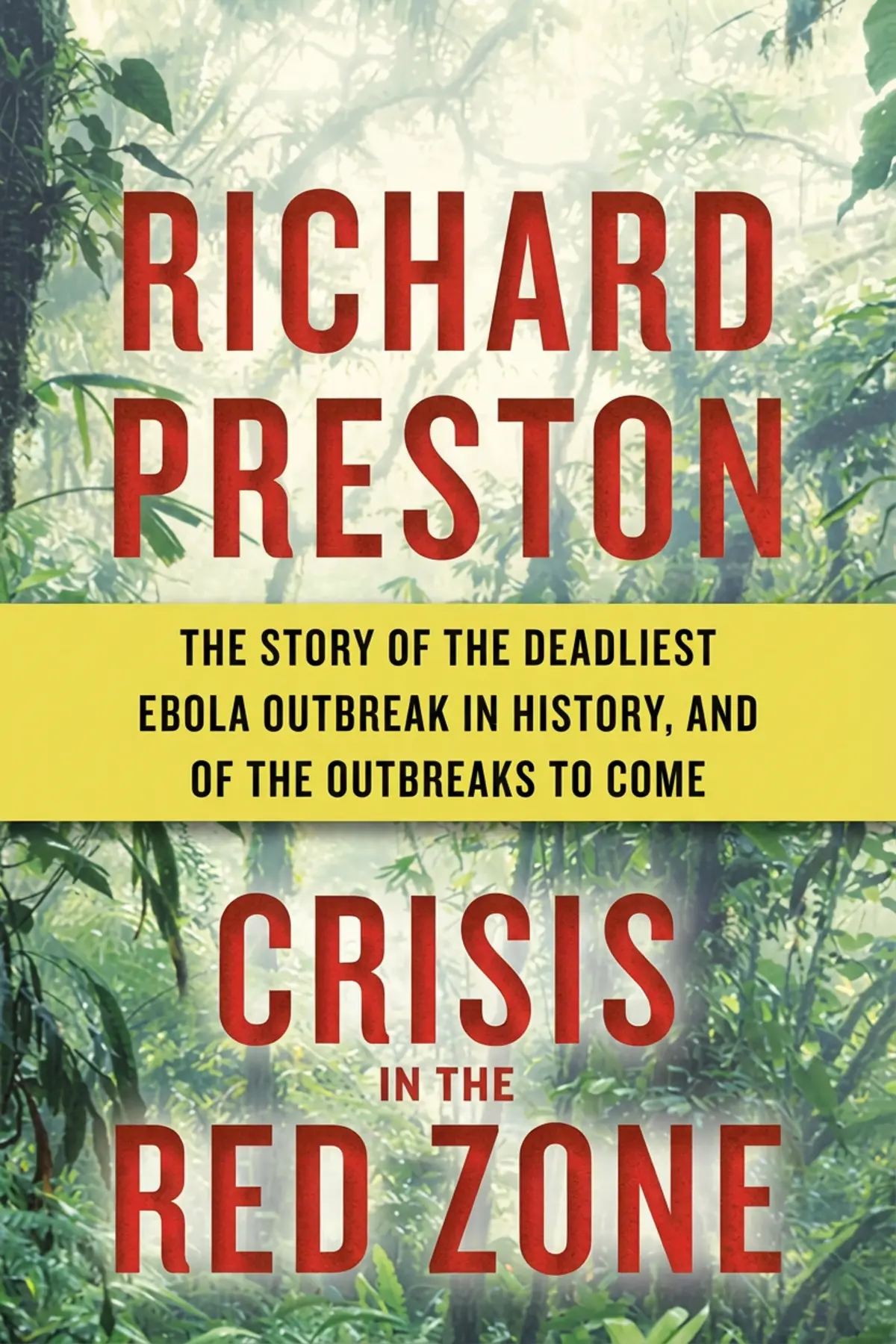
Table of Content
1. Introduction
1 min 42 sec
In the summer of 2014, the world watched with a mixture of horror and fascination as news reports documented a rising tide of illness in West Africa. At the time, the headlines were filled with statistics and maps, but the true human cost and the biological intricacies of the event were largely hidden from public view. We are now able to step back and look at this period through a much clearer lens. By synthesizing hundreds of accounts from those who stood at the center of the storm, we can finally grasp the full magnitude of what happened in the region known as the Red Zone.
This isn’t just a story about a disease; it’s a story about the intersection of ancient human behaviors and a modern biological threat. Scientists have used genetic sequencing and surviving samples to map the virus’s journey with incredible precision, identifying exactly where the jump from animals to humans occurred and how the pathogen evolved to become more efficient.
In the following narration, we will explore the front lines of this battle. We’ll meet the individuals who made unimaginable sacrifices to contain a situation that was spiraling out of control. We will see how a virus that is technically barely alive can exploit the very things that make us human—our compassion, our grief, and our need to care for our sick. As we move through this history, we’ll uncover the origins of the virus in 1976, the spark that ignited the 2014 crisis, and the difficult lessons that might help us survive the outbreaks yet to come. This is a journey into the heart of a biological emergency, where every decision could mean the difference between life and death.
2. The First Emergence in Yambuku
2 min 41 sec
Travel back to 1976 to witness the terrifying debut of a mysterious illness in a remote Catholic mission hospital, where a routine delivery becomes a tragedy.
3. The Naming of a Biological Terror
2 min 13 sec
Follow a brave virologist into a deserted, fluid-soaked hospital as he hunts for the source of the plague and sends samples to the world’s top labs.
4. The Perfect Biological Machine
2 min 38 sec
Examine the microscopic architecture of the Ebola virus to understand how a few proteins can systematically dismantle the human body.
5. Chaos in the Makona Triangle
2 min 21 sec
Witness the rapid spread of the virus through a web of small villages and explore the unique cultural challenges that hindered medical containment.
6. A Hospital Pushed to the Brink
2 min 26 sec
Step inside the Kenema Government Hospital as a specialized ward for Lassa fever becomes the epicenter of the struggle against a much deadlier foe.
7. The Fall of a National Hero
2 min 10 sec
Explore the ethical dilemma that arose when the region’s top Ebola doctor became a patient, sparking a debate over experimental treatments.
8. The Power of Experimental Medicine
2 min 11 sec
Follow the high-stakes gamble taken at a Liberian hospital where ZMapp was finally tested on humans, changing the course of treatment forever.
9. Invoking the Ancient Rule
2 min 10 sec
Discover how a centuries-old survival strategy from the 1970s was revived to stop the 2014 epidemic when modern medicine reached its limit.
10. Lessons from the Red Zone
2 min 00 sec
Reflect on what the survivors and the genetic legacy of the 2014 outbreak can teach us about preparing for future viral threats.
11. Conclusion
1 min 54 sec
The 2014 Ebola crisis was a defining moment in the history of global health. It was a conflict played out on the smallest possible scale—between six viral proteins and the human immune system—and on the largest possible scale—between international organizations and ancient cultural traditions. We have seen how the virus is a master of exploitation, using our best qualities, like our desire to comfort a dying relative, as a vehicle for its own spread. This biological reality made the outbreak in West Africa uniquely difficult to contain and deeply traumatic for everyone involved.
Yet, the story of the Red Zone is ultimately one of victory, however hard-won. The outbreak didn’t end because the virus simply ran its course; it ended because people changed. It ended because of the incredible bravery of doctors like Humarr Khan and nurses like ‘Auntie’ Mbalu Fonnie, who stayed at their posts when others fled. It ended because communities across Guinea, Liberia, and Sierra Leone made the agonizing choice to prioritize public safety over traditional rituals.
As we look forward, the legacy of this crisis serves as both a warning and a blueprint. It warns us that we cannot afford to be complacent about emerging diseases and that our global health security is only as strong as its weakest link. But it also provides a blueprint for how to respond: through early detection, rapid scientific intervention, and, most importantly, clear and respectful communication with the people most affected. The Red Zone taught us that while a virus may be efficient, it cannot match the human capacity for sacrifice, adaptation, and collective action. We are better prepared for what comes next because of the courage shown by those who stood on the front lines of the deadliest Ebola outbreak in history.
About this book
What is this book about?
Crisis in the Red Zone provides a comprehensive and harrowing look at one of the most significant public health crises of the modern era. The narrative navigates between the initial 1976 discovery of Ebola in Zaire and the massive, uncontrolled outbreak that began in 2013. It delves into the lives of those on the front lines, including researchers, doctors, and nurses who fought the virus in under-resourced hospitals. The book explains the biological terrifying simplicity of the Ebola virus—a pathogen that turns the human body into a factory for its own replication. It also examines the cultural complexities that allowed the disease to spread, such as traditional burial practices and deep-seated distrust of international medical interventions. Ultimately, the story promises a deep understanding of how global health systems fail and how individual bravery and behavioral changes are often the only things standing between humanity and a viral catastrophe.
Book Information
About the Author
Richard Preston
Richard Preston is an award-winning author with a distinguished career in narrative nonfiction. He has shared his expertise in the craft as a teacher at both the University of Iowa and Princeton University. Preston is widely recognized for his ability to translate complex scientific and medical events into gripping prose, with a bibliography that includes acclaimed titles like The Hot Zone, The Wild Trees, and The Demon in the Freezer.
Ratings & Reviews
Ratings at a glance
What people think
Listeners find the book absorbing and highly rewarding, noting the superior pacing and literary style. They characterize it as a suspenseful nonfiction thriller that provides deep insights, with one listener specifically pointing out the educational details regarding selfless scientists. Listeners value the narrative's emotional weight, labeling it as heart-wrenching and incredibly gutsy, while the author's overall work earns high praise. Reactions to the level of dread are varied, though several listeners describe the experience as genuinely scary.
Top reviews
Pete
Richard Preston has an uncanny ability to make microbiology feel like a high-stakes action movie. In Crisis in the Red Zone, he returns to the terrifying world of filoviruses with a precision that makes the 2014 West African outbreak feel immediate and visceral. The pacing is relentless, almost to the point where you forget you’re reading a meticulously researched work of nonfiction. I found the sections focusing on the Makona Triangle particularly gripping, as the virus exploded across borders with terrifying speed. While some might find the clinical descriptions of the symptoms a bit excessive, they serve to highlight the stakes for the scientists on the front lines. It’s a haunting reminder of our vulnerability. Truly, this is the definitive account of one of humanity's darkest medical chapters.
Show moreCharles
Nothing could have prepared me for the emotional weight of this narrative, which honors the incredible bravery of the medical staff in Sierra Leone. Preston moves past the cold statistics of the 11,000 deaths to tell the stories of individuals like Dr. Khan and the nurses who stayed when everyone else fled. The descriptions of the "Red Zone" are claustrophobic and terrifying, emphasizing just how thin the line is between safety and catastrophe. Look, this isn't an easy book to get through if you have a weak stomach for medical gore. The physical reality of the virus is presented in excruciating detail, from the cytokine storms to the final moments of the patients. However, the poignancy of these sacrifices makes it an essential read for anyone interested in public health and human resilience.
Show moreSamart
Picked this up during a rainy weekend and ended up finishing the whole thing in two sittings because the tension never lets up. This book functions as a terrifying sequel to the events of 1976, showing just how much—and how little—has changed in our ability to fight these "superpredators." The way Preston describes the virus as an entity with its own intent is chilling and makes the nonfiction feel like a high-concept sci-fi novel. Truth is, the most frightening part isn't the virus itself, but the human mistakes and the slow international response that allowed it to spiral out of control. The courage displayed by the local health workers is the only thing that provides a glimmer of hope in an otherwise depressing landscape. It’s a masterclass in science writing that demands your full attention.
Show moreAlejandra
Not what I expected for a science book, as it genuinely reads more like a Stephen King novel than a dry medical history. The "body horror" elements are real and might be too much for some readers, but they illustrate the sheer brutality of Ebola. I found myself compulsively checking my own temperature while reading about the early symptoms of the patients in the Makona Triangle. The author’s penchant for the cinematic works well here to convey the frantic, desperate energy of a hospital under siege. It’s a staggering look at the dedicated scientists who risk everything to study these filoviruses in high-containment labs. This is easily one of the most engaging pieces of nonfiction I have ever encountered, even if it did give me a few nightmares.
Show moreBond
To be fair, I knew this would be intense, but the bravery of the medical staff at Kenema Government Hospital is just staggering to witness on the page. Preston excels at humanizing the crisis, giving names and faces to the people who fought against impossible odds with minimal resources. The chapter on the ethical decision-making regarding the limited doses of the experimental vaccine was particularly gut-wrenching and thought-provoking. It highlights the many micro-accidents that can change the course of an entire epidemic. This book is a haunting, poignant tribute to those who stood in the gap between us and a global catastrophe. If you have any interest in microbiology or epidemiology, you absolutely need to add this to your shelf immediately.
Show moreRungrat
Is it possible for a book about a lethal virus to be too cinematic? Preston writes with a dramatic flair that turns real-life tragedy into a page-turning thriller, which is both a blessing and a curse. On one hand, the narrative flow is incredible, drawing you into the lives of the doctors and nurses at Kenema Government Hospital with ease. On the other hand, the constant cliffhangers and "red zone" suspense can occasionally feel like they are mining human suffering for entertainment value. To be fair, the level of detail regarding the biology of the virus is top-tier and incredibly educational for laypeople. I appreciated the deep dive into the cultural practices that complicated the containment efforts, though I wish there was more focus on the survivors. It's a heavy, worthwhile read that will keep you up at night.
Show moreSukit
Ever wonder how a tiny particle of genetic material can bring an entire region to its knees? This book provides a terrifyingly clear answer by tracing the small accidents and unnoticed events that led to the 2014 explosion. Preston’s writing style is punchy and accessible, making complex virology feel like common sense. I was particularly fascinated by the ethical dilemmas surrounding experimental treatments like ZMapp and the internal politics of organizations like Doctors Without Borders. It’s a bit frustrating that the book doesn't spend more time on the socioeconomic factors that allowed the virus to spread so quickly in Guinea and Liberia. Still, as an epidemiological thriller, it succeeds in making you realize how interconnected we all are in this age of global travel.
Show moreOlivia
After hearing so much about the 2014 Ebola era in the news, I wanted a deep dive that offered more than just soundbites and fear-mongering. Preston delivers a thorough account that is both informative and deeply disturbing, focusing heavily on the 2013-2014 epidemic's origins. He does an excellent job explaining why certain cultural traditions regarding the deceased were so dangerous during the outbreak without being overly judgmental. However, I agree with some critics that his portrayal of non-Western characters can sometimes lean into stereotypes that feel a bit dated for a 2019 publication. Despite that, the medical science is solid and the tension is managed perfectly throughout the entire book. It serves as a necessary warning about the "outbreaks to come" in our increasingly crowded world.
Show moreMarco
The truth is, reading this in a post-COVID world makes everything hit differently because the patterns of human behavior are so eerily similar. From the denial of the virus to the resistance against medical intervention, the parallels between the 2014 Ebola crisis and recent events are impossible to ignore. Preston captures the "crescendo of horror" perfectly, showing how a single contact can lead to a massive shockwave across a population. My only real gripe is that the book ends on such a dire note that it leaves you feeling a bit hopeless about the future of humanity. The writing is sharp and the research is clearly exhaustive, but it definitely isn't a "light" read for your summer vacation. It's a dense, grim, and essential look at our battle with nature.
Show moreLiam
While the information here is undeniably vital, the execution felt a bit disjointed compared to Preston’s earlier masterpiece, The Hot Zone. The narrative jumps between dozens of different people and locations, making it difficult to keep track of the chronological progression of the 2014 outbreak. Frankly, the sheer number of names and situations presented in a convoluted pattern often left me feeling overwhelmed rather than informed. There is a lot of hyperbole present, which seems unnecessary given how naturally terrifying Ebola actually is. I did find the sections on the six strains of Ebola mutations to be very informative, but the book lacked a cohesive emotional core. It's worth reading for the science alone, but be prepared to take notes just to keep the players straight.
Show moreReaders also enjoyed
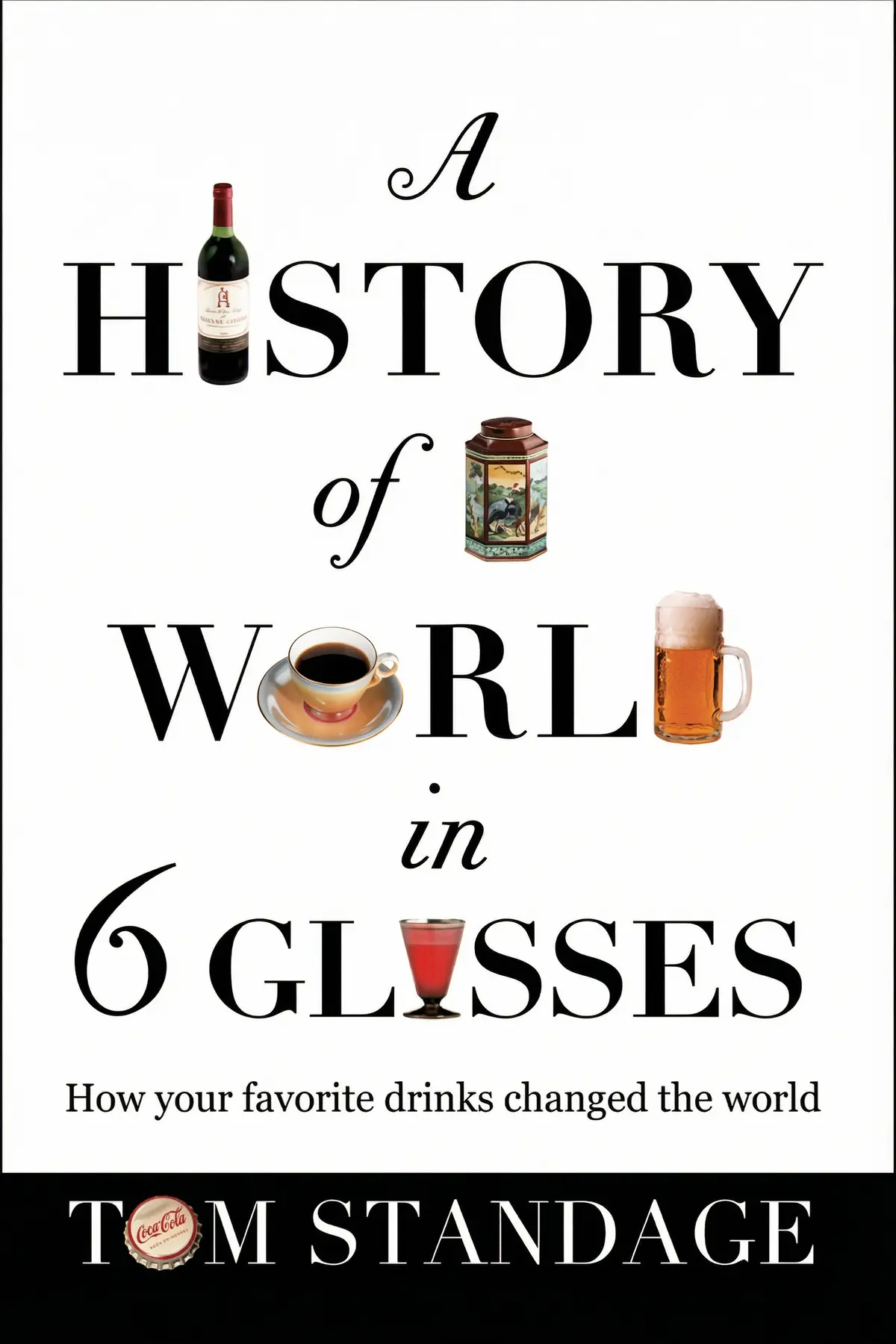
A History of the World in 6 Glasses
Tom Standage
A Long Way Gone: Memoirs of a Boy Soldier
Ishmael Beah
Alien Earths: The New Science of Planet Hunting in the Cosmos
Lisa Kaltenegger
A Splendid Exchange: How Trade Shaped the World
William J. Bernstein
A Spy Among Friends: Philby and the Great Betrayal
Ben Macintyre
AUDIO SUMMARY AVAILABLE
Listen to Crisis in the Red Zone in 15 minutes
Get the key ideas from Crisis in the Red Zone by Richard Preston, plus 5,000+ more titles in English and Thai.
- 5,000+ titles
- Listen as much as you want
- 7-day free trial
- Cancel anytime







