
16 min 23 sec
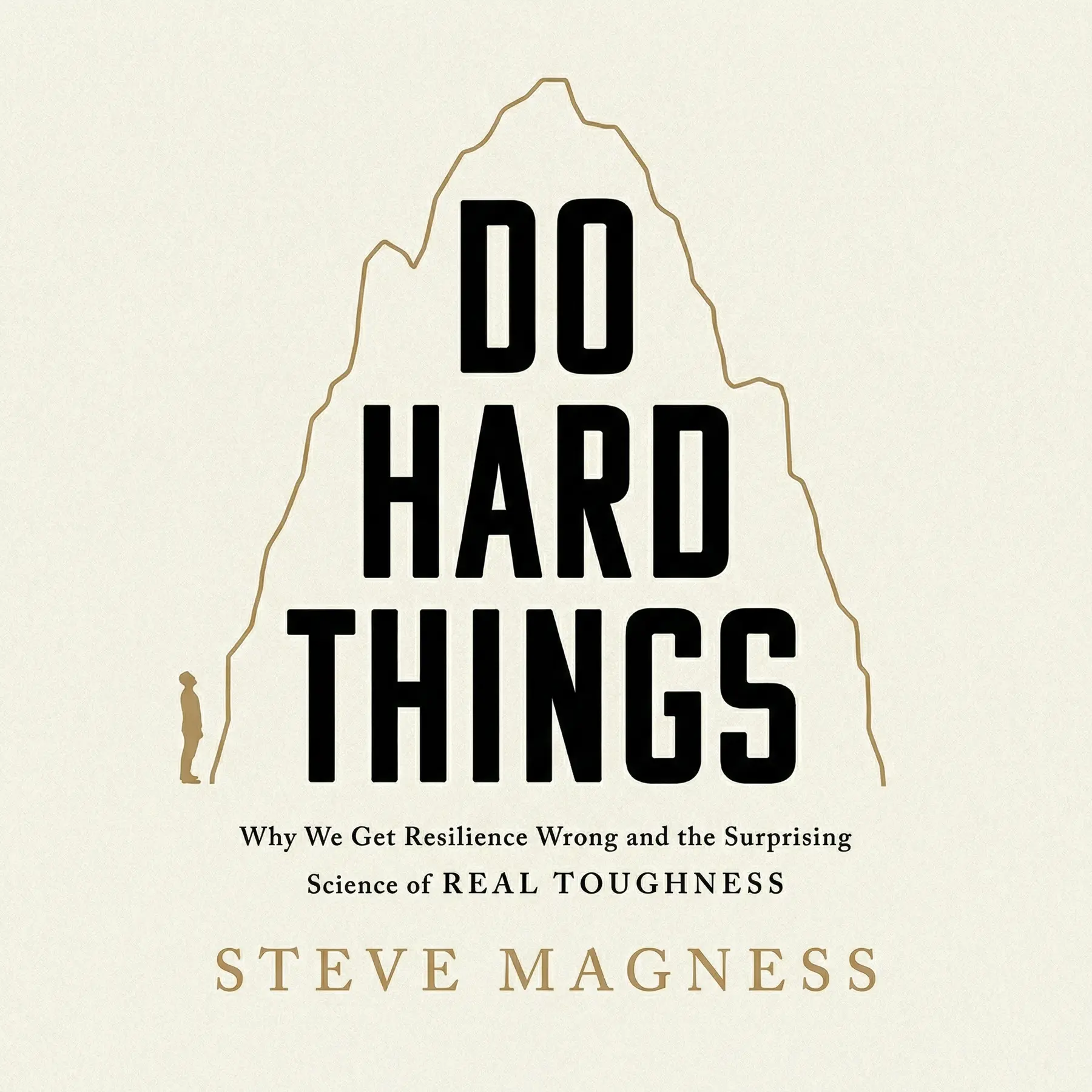
Do Hard Things: Why We Get Resilience Wrong and the Surprising Science of Real Toughness
Do Hard Things redefines resilience by moving away from stoic facades and toward psychological flexibility. Steve Magness uses performance science to show how listening to your body and finding intrinsic purpose builds true toughness.
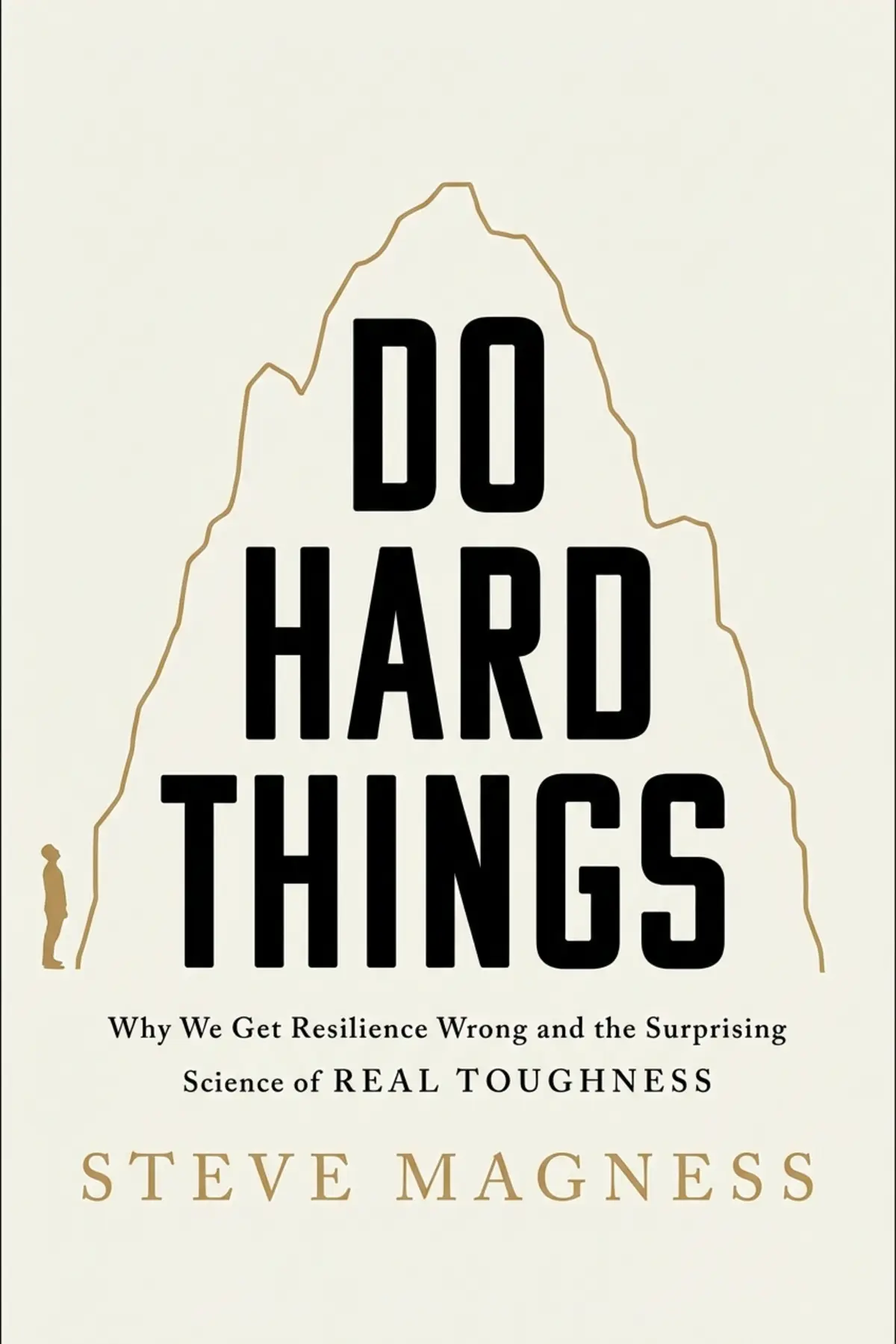
Table of Content
1. Introduction
1 min 59 sec
Think about the last time you were faced with a truly daunting challenge. Perhaps it was a physical ordeal, a high-stakes meeting, or a personal crisis that felt like it might swallow you whole. In those moments, what did you tell yourself? If you’re like most people, you probably leaned on the old-school definition of toughness. You likely told yourself to suck it up, to put on a brave face, and to push through the pain without letting anyone see you sweat. We have been conditioned to believe that toughness is a mask—a rigid, stoic facade that remains unshaken no matter what. But here is the reality: that version of toughness often fails us when we need it most.
In the pages that follow, we are going to deconstruct that traditional, almost cartoonish image of the ‘tough guy’ and replace it with something far more powerful and scientifically grounded. We’re moving away from the idea of the John Wayne figure who suffers in silence and toward a model of resilience that is rooted in self-awareness, emotional intelligence, and psychological flexibility. This isn’t just about ‘gritting it out’; it’s about understanding the complex interplay between your mind and your body so that you can navigate difficulty with clarity rather than desperation.
As we explore the insights of performance scientist Steve Magness, we’ll see how the most elite performers—from Olympic athletes to high-stakes traders—actually handle pressure. It isn’t by ignoring their feelings or faking a confidence they don’t have. Instead, they’ve mastered a specific set of internal skills that allow them to sit with discomfort, interpret their bodily signals accurately, and choose their responses rather than reacting blindly. Through this exploration, we’ll establish a new throughline for resilience: true toughness is not the absence of doubt or pain, but the ability to work with those sensations to achieve a meaningful goal. By the end of this journey, you’ll have a completely different toolkit for doing hard things, one that relies on authenticity and science rather than bravado.
2. Authenticity Over Bravado
3 min 01 sec
Discover why projecting a fake image of confidence actually undermines your ability to persevere and why being honest about your limits is the secret to long-term success.
3. The Power of Interoception
3 min 12 sec
Learn how your internal bodily signals act as a sophisticated radar for resilience and why the best performers listen to their bodies instead of tuning them out.
4. Responding Instead of Reacting
3 min 01 sec
Explore the science of creating mental space and discover how a calm internal conversation can help you navigate pain and emotional triggers with grace.
5. The Engine of Meaning
3 min 11 sec
Uncover why intrinsic drive is the ultimate fuel for resilience and how even the most traumatic experiences can become a source of profound growth and purpose.
6. Conclusion
1 min 59 sec
As we wrap up our look at the science of resilience, the most vital takeaway is that acting tough and being tough are two very different things. For too long, we have equated toughness with a rigid, unyielding exterior—a mask that we wear to hide our doubts and our discomfort. But as Steve Magness shows us, that mask is brittle. It breaks under real pressure. True toughness is flexible. It’s an internal capability that allows us to stay present and purposeful even when things are falling apart.
We’ve seen that the path to this kind of resilience involves four major shifts in how we operate. First, we must trade our facades for authenticity, setting goals that are real and manageable. Second, we must learn to listen to the sophisticated signals our bodies are sending us, using interoception to manage our emotions. Third, we need to practice creating space between the difficult things we experience and our reactions to them, choosing a calm response over a panicked one. And finally, we must anchor our efforts in intrinsic drive, finding a purpose that is more important than the temporary pain we might be feeling.
If you want to start applying this today, here is a simple piece of actionable advice: the next time you feel overwhelmed by a challenge, take a deliberate time-out to gain perspective. Instead of just trying to ‘grind’ through it, stop and ask yourself how this situation will look to you in six months, or a year, or even five years. This simple mental exercise is a powerful way to create that ‘gap’ we talked about. It allows you to step outside the immediate stress and reframe the difficulty. By doing this, you aren’t running away from the hard thing; you are gathering the mental clarity you need to face it with real, lasting strength. Remember, resilience is not about ignoring the storm; it’s about learning how to navigate through it with a steady hand and an honest heart.
About this book
What is this book about?
For generations, the concept of toughness was synonymous with silence, suppression, and a 'grit-your-teeth' attitude. In Do Hard Things, performance scientist Steve Magness dismantles this outdated model. He argues that the traditional 'macho' approach to difficulty is not only ineffective but actually counterproductive to long-term success and mental health. Drawing on research from psychology and neuroscience, Magness offers a new blueprint for resilience. This approach is built on four pillars: abandoning the facade of false confidence, honing the ability to listen to internal signals, learning to respond rather than react to stress, and cultivating an unshakeable sense of intrinsic drive. The promise of the book is a more sustainable, authentic way to navigate life's most demanding challenges, from athletic feats to professional hurdles and personal traumas.
Book Information
About the Author
Steve Magness
Steven Magness is a performance scientist and executive coach, who specializes in working with Olympic athletes. In his bestselling titles Peak Performance and The Passion Paradox as well as his latest, Do Hard Things, Magness shares the secrets behind achieving sustainable success while operating at the peak of your capabilities.
Ratings & Reviews
Ratings at a glance
What people think
Listeners find this title immersive and stimulating, providing useful illustrations that help clarify challenging life events. It presents a redefined view of grit and details methods for long-term success, with one listener pointing out its treatment of performance anxiety. Listeners value the storytelling, with one review noting the work's logical and consistent structure.
Top reviews
Ott
As someone who has always struggled with performance anxiety in my career, I found this to be an incredibly refreshing take on what it means to actually be 'tough' in high-pressure situations. Magness successfully moves the conversation away from that toxic, old-school mentality of just 'grinding it out' and instead focuses on sustainable performance through self-awareness and emotional regulation. His storytelling is coherent and compelling, weaving together various case studies that make the psychological concepts feel grounded. I particularly appreciated the focus on creating space to take thoughtful action rather than just reacting blindly to stress. It is a re-conceptualization of toughness that feels necessary for the modern world. While some might find the sports metaphors a bit heavy, the underlying message is universal. This is a must-read for anyone looking to build a more resilient mindset without burning out.
Show moreAnawin
Look, the way we define 'grit' in this culture is fundamentally broken, and Magness actually has the receipts to prove it. This book is a masterclass in re-conceptualizing what it means to do hard things. It’s not about blind obedience or fear-based leadership; it’s about developing the internal resources to handle reality as it is. The truth is, most of us have been taught that being tough means being a robot, but Magness shows that vulnerability and awareness are actually our greatest strengths. I found the book deeply engaging and thought-provoking from the first page to the last. It’s rare to find a book that balances personal narrative with supporting research so effectively. This is one of those rare self-help books that I will actually keep on my shelf to reference whenever I feel my performance anxiety starting to creep back in.
Show moreA
Wow, I didn't realize how much I needed a new perspective on what it means to be resilient until I cracked this open. Magness does a phenomenal job of explaining how our traditional views of toughness actually hinder our ability to perform when it matters most. The book provides clear steps for sustainable performance that don't involve just beating yourself up. I especially loved the section on 'leaning in' to discomfort—it’s such a simple concept, but the way he explains the mechanics behind it is brilliant. The narrative is coherent and the pacing is perfect. It felt like a conversation with a very smart friend who wants you to succeed without losing your mind. If you want to understand the 'why' behind your performance anxiety, this is the book for you. Absolute five-star read.
Show moreLincoln
Ever wonder why the old-school 'drill sergeant' style of coaching often leads to burnout rather than long-term breakthroughs? Magness dives deep into this question, arguing that real toughness isn't about ignoring your emotions but learning how to navigate them. I loved the practical examples he provided for dealing with discomfort. The advice isn't about being weak; it's about being smart. My only minor complaint is that the book feels a bit male-centric at times, focusing heavily on male athletes and coaches like Bobby Knight. However, the core principles of sustainable performance and mental flexibility are solid. It’s a thought-provoking read that challenged my assumptions about what it takes to succeed in difficult environments. I've already started applying the 'leaning in' technique during my morning runs and noticed a difference in my mental state.
Show moreVarinee
Finally got around to reading Magness after following his perspective on the Nike/Salazar scandal for years. His integrity shines through in his writing, and he brings a much-needed nuance to the conversation about grit. This isn't just another 'rah-rah' motivational book; it’s a systematic deconstruction of how we handle stress. The chapter on navigating discomfort was particularly illuminating for me. He explains that toughness is about making the best decision possible when your body is screaming at you to quit. It’s a practical guide for anyone—not just athletes. While it is definitely sports-heavy, the lessons on performance anxiety and mental health are universally applicable. The narrative is engaging and flows well from start to finish. I’ll definitely be recommending this to my colleagues in the coaching world.
Show morePensri
The chapter on creating space between stimulus and response was a total game-changer for my perspective on stress management. Magness has a way of taking complex psychological research and turning it into something that feels immediately useful for a daily routine. Look, we’ve all been told to 'tough it out,' but this book actually explains why that strategy fails us in the long run. The storytelling is top-notch, though I do wish there was a bit more variety in the examples outside of the sports world. Sometimes the focus on elite runners felt a little alienating for a casual reader like myself. Still, the message about sustainable performance is powerful. It’s a solid 4-star read that offers a much more humane and effective version of what it means to be a resilient person.
Show moreUbolwan
Picked this up because I wanted more than just the usual 'grind harder' advice that fills up most of the business section. Magness delivers a very thoughtful and evidence-based approach to mental toughness that feels much more sustainable for the long haul. The book is full of practical examples that help you understand your own difficult experiences through a new lens. I appreciated how he challenged the 'tough love' types of coaches, showing that there is a better way to lead and motivate. To be fair, it does get a little repetitive toward the end, and he could have probably made the same points in fifty fewer pages. However, the core message is so important that I’m willing to overlook the fluff. It’s a great resource for anyone looking to build genuine, lasting confidence.
Show moreLadawan
This book is essentially a collection of performance studies hits from the last half-century, and while it's well-written, I'm not sure there is much truly 'new' here. If you’ve read a lot of Gladwell or Grant, you will recognize many of these anecdotes. It is a bit too focused on sports for my taste, though I suppose that is the author's background. To be fair, the writing style is highly conversational and easy to digest, which makes it a quick read for a weekend. I did feel like the science was a bit light in places, relying more on narrative than deep data. It’s a good introductory text for someone who hasn't explored the world of performance psychology, but seasoned readers in this genre might find it a bit repetitive. It's fine, just not groundbreaking.
Show moreKavya
Not what I expected based on the title, which feels like a bit of false advertising to sell copies to the 'hustle culture' crowd. Frankly, I felt the premise eventually devolved into telling the reader to 'lower the bar' and accept mediocrity. It felt like a rehash of other people's research without giving enough credit to the original scientists who did the heavy lifting. I struggled to get through the middle sections because the anecdotes felt repetitive and didn't seem to lead to any concrete, actionable steps. If you are a coach who likes real-world results from guys like Lombardi, you will likely find this approach laughable. It’s very heavy on the 'soft' side of psychology. Just wasn't for me, and I found the lack of scientific depth frustrating. DNF at 60%.
Show moreGabriel
Frankly, I found this way too male-centric and overly focused on the world of elite track and field to be truly helpful for my life. As someone who isn't a runner, I felt like I was eavesdropping on a conversation that wasn't meant for me. The style is very conversational, which is fine, but it often felt like it was lacking genuine scientific rigour in favor of long-winded anecdotes. It’s light on the science and heavy on stories about coaches I’ve never heard of. I was hoping for more concrete ideas for business or personal life, but it kept circling back to the track. If you’re a coach, you might love it, but for the average person on a Peloton, it’s a bit of a slog. It just didn't click for me at all.
Show moreReaders also enjoyed

A Guide to the Good Life: The Ancient Art of Stoic Joy
William B. Irvine
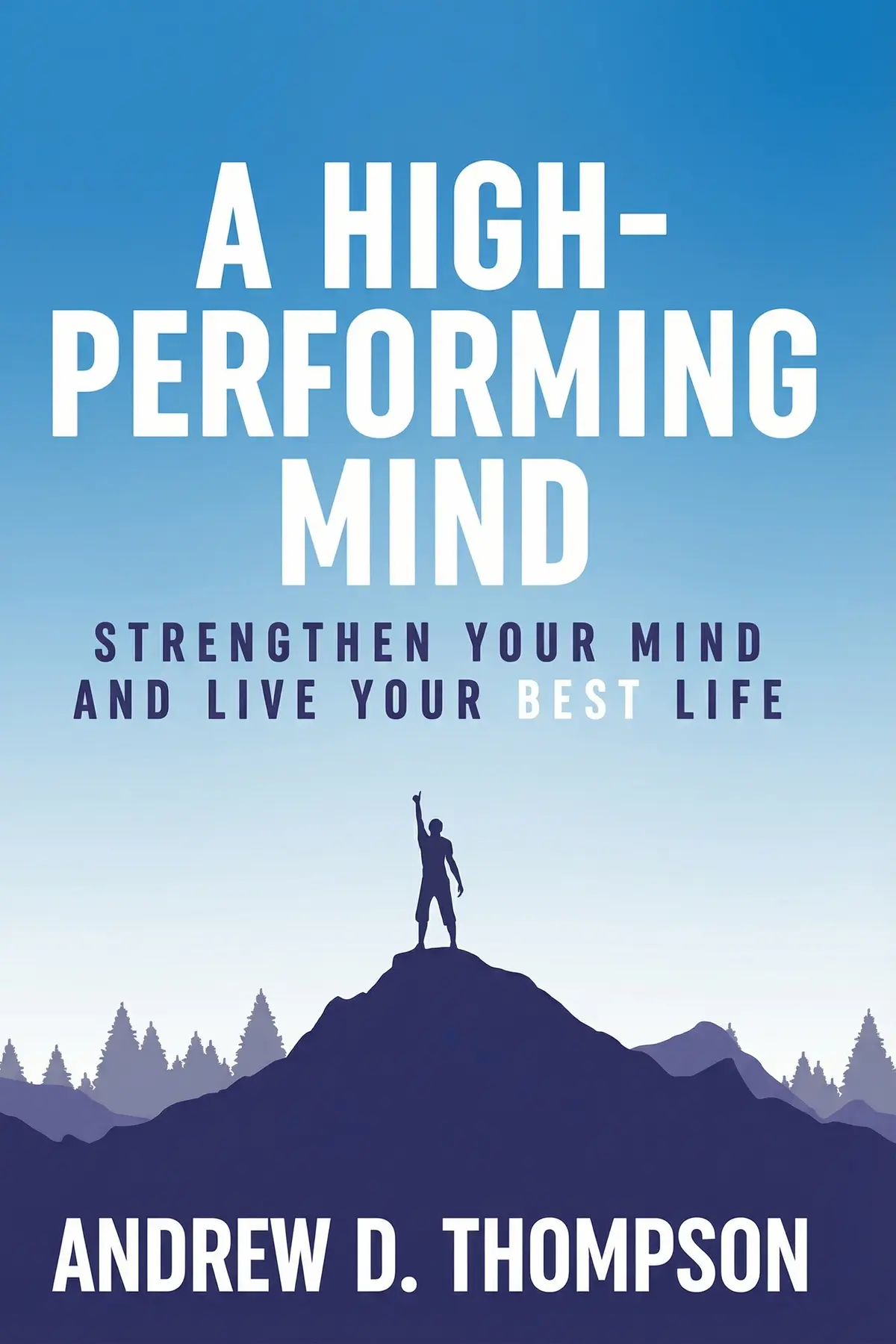
A High-Performing Mind: Strengthen Your Mind and Live Your Best Life
Andrew D. Thompson
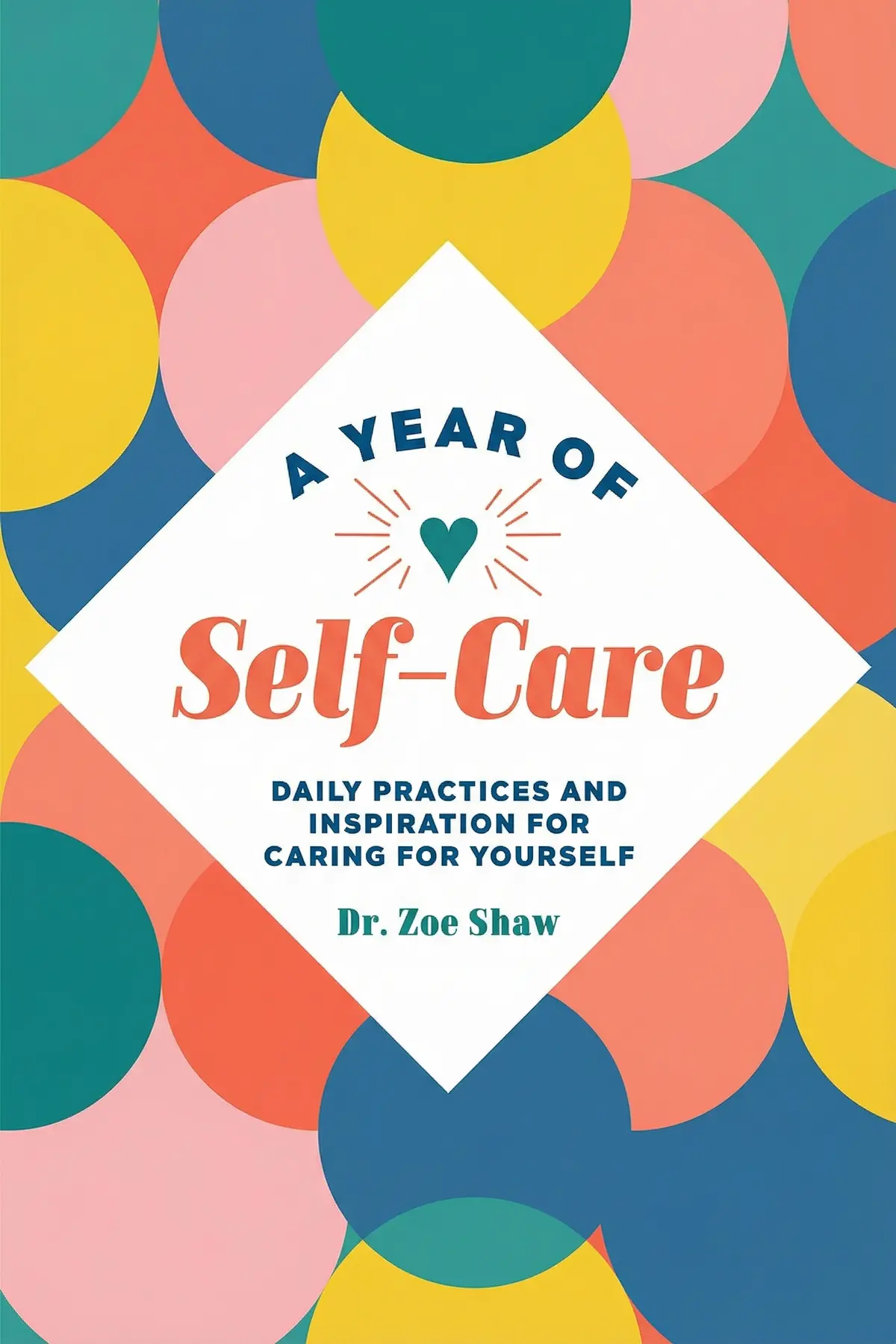
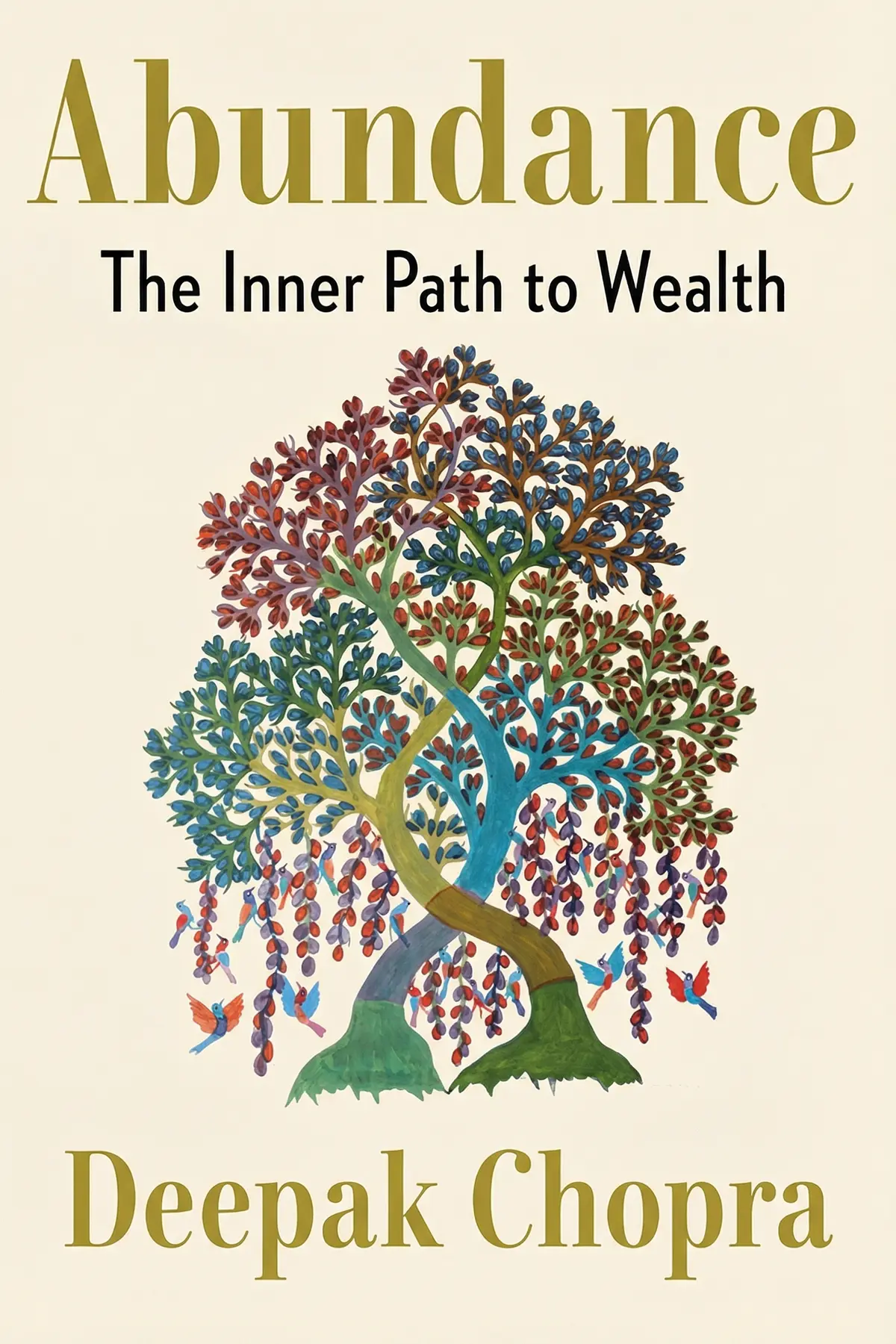
Abundance: The Inner Path to Wealth
Deepak Chopra
59 Seconds: Change Your Life in Under a Minute
Richard Wiseman
AUDIO SUMMARY AVAILABLE
Listen to Do Hard Things in 15 minutes
Get the key ideas from Do Hard Things by Steve Magness, plus 5,000+ more titles in English and Thai.
- 5,000+ titles
- Listen as much as you want
- 7-day free trial
- Cancel anytime







