

15 min 13 sec
Don’t Sweat the Small Stuff… and It’s All Small Stuff: Simple Ways to Keep the Little Things from Taking Over Your Life
Learn to navigate life’s daily frustrations by shifting your perspective and prioritizing inner peace over minor irritations, ensuring that small stresses never overshadow the beauty and joy of your everyday experiences.
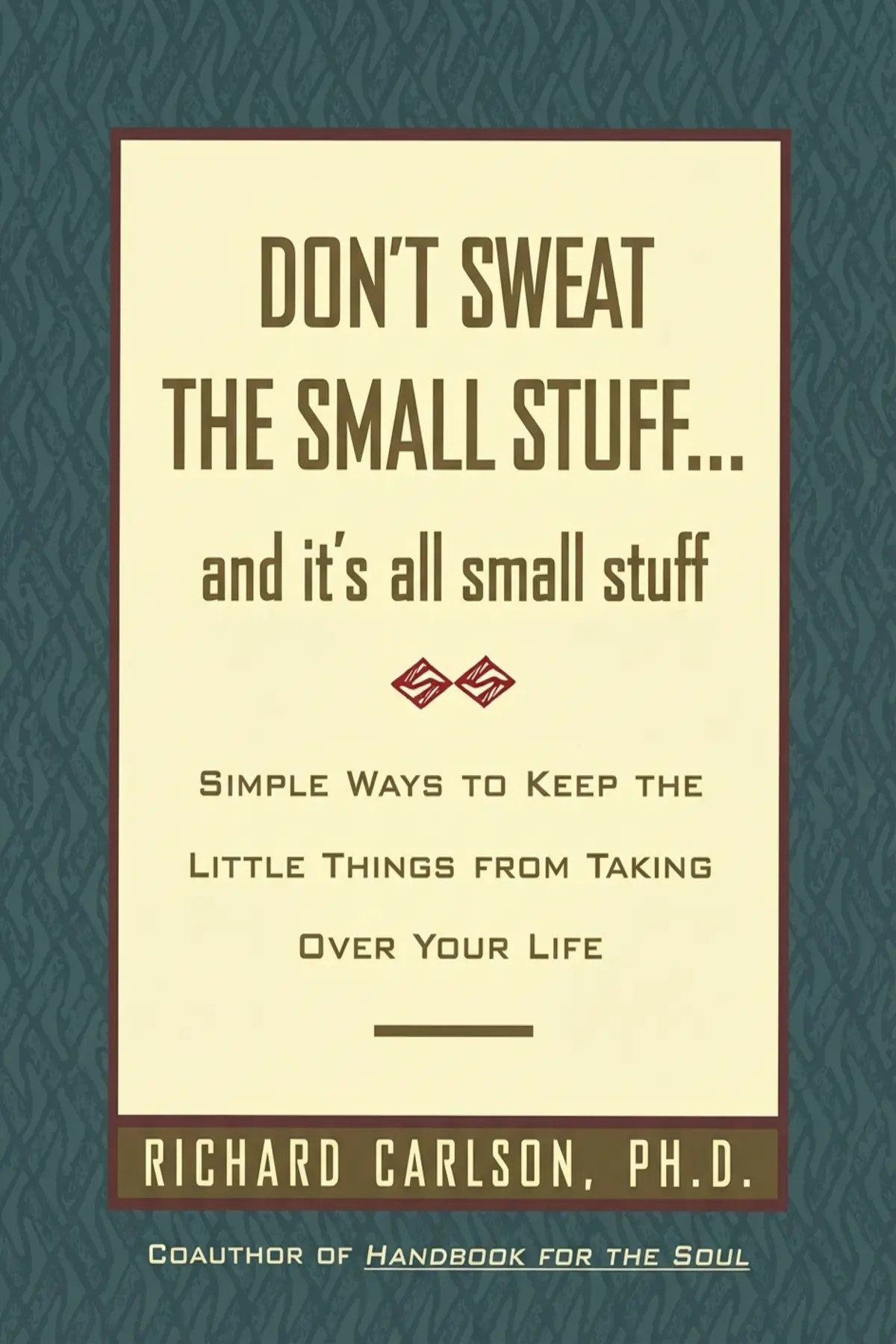
Table of Content
1. Introduction
1 min 33 sec
In our modern, high-speed world, it is incredibly easy to feel like we are constantly under fire. From a rude comment at the office to a long line at the grocery store or a sudden change in plans, life is filled with a thousand tiny frictions. If we aren’t careful, these minor irritations can pile up until we feel overwhelmed, exhausted, and perpetually on edge. This is the central challenge that Richard Carlson addresses in his landmark work, Don’t Sweat the Small Stuff… and It’s All Small Stuff.
When this book first arrived on the scene in the late 1990s, it struck a massive chord, remaining on bestseller lists for over two years. The reason for its enduring popularity is simple: humans have a natural tendency to blow small things out of proportion, and we are all looking for a way to stop. Carlson’s approach isn’t a dense academic theory; instead, it is a collection of accessible, transformative ideas designed to help us reclaim our headspace.
In this BookBits summary, we are going to explore the core philosophy behind Carlson’s advice. We will look at how the throughline of his work—the idea that our internal state of mind is more important than our external circumstances—can be applied to every area of our lives. We will discuss the freedom that comes from letting go of perfectionism, the power of building patience, and the profound impact of simple kindness. By the end of this journey, you’ll have a toolkit of strategies to help you stop reacting to life’s emergencies and start responding with grace and perspective. It’s about realizing that while we can’t control everything that happens to us, we have total control over how much weight we give the small stuff.
2. Embracing the Beauty of Imperfection
2 min 18 sec
What if the flaws in your life weren’t obstacles to overcome, but invitations to find peace? Discover why letting go of perfectionism is the first step toward true calm.
3. Cultivating Patience and Choosing Your Battles
2 min 24 sec
Patience is more than just waiting; it is a conscious choice to remain peaceful in the face of delay or disagreement. Learn how to train your patience like a muscle.
4. The Impact of Compassion and Active Listening
2 min 30 sec
How you interact with others can either add to your stress or build your inner peace. Discover the transformative power of secret kindness and deep listening.
5. Humility, Curiosity, and Relinquishing the Need to Be Right
2 min 15 sec
The urge to prove someone wrong is a major source of unnecessary conflict. Learn how adopting the mindset of an anthropologist can lead to a more harmonious life.
6. Developing Daily Habits for Long-Term Tranquility
2 min 31 sec
Peace isn’t something that just happens; it is something you build through consistent action. Explore practical tools like breathing, meditation, and morning rituals.
7. Conclusion
1 min 42 sec
As we wrap up our exploration of Richard Carlson’s timeless wisdom, the central message is clear: life is a collection of moments, and how we choose to experience those moments is up to us. We can spend our days in a state of ’emergency,’ reacting to every minor annoyance and fighting every small battle, or we can choose a path of perspective and peace.
Throughout this summary, we have seen that ‘not sweating the small stuff’ isn’t about ignoring our responsibilities or pretending that problems don’t exist. It’s about making a conscious decision to prioritize our mental well-being. By embracing imperfection, we remove the heavy burden of ‘shoulds.’ By practicing patience and choosing our battles, we conserve our precious energy. By engaging with others through compassion and listening, we build more harmonious lives. And by implementing simple daily habits like breathing and waking up early, we create a foundation of calm that can withstand the storms of daily life.
Remember the throughline: most of the things that stress us out today will be forgotten a year from now. They are ‘small stuff.’ When you find yourself getting worked up, take a deep breath and remind yourself that life doesn’t have to be perfect to be wonderful. The goal is to be ‘grateful when you’re feeling good and graceful when you’re feeling bad.’ If you can do that, you’ll find that the world hasn’t changed, but your experience of it has. You will have more room for joy, more capacity for kindness, and a much deeper sense of peace. Now, take that first step—perhaps by simply letting go of the next minor irritation that comes your way—and start living a life where you no longer let the little things take over.
About this book
What is this book about?
This guide focuses on the art of emotional resilience and the power of a calm mindset. It challenges the common habit of reacting to every minor inconvenience as if it were a major crisis, offering instead a path toward lasting tranquility and perspective. By exploring a variety of mental shifts and practical habits, the book promises to help you reclaim your mental energy. You will discover how to let go of the need for perfection, cultivate deeper patience, and improve your relationships through genuine compassion and listening. Ultimately, it provides a blueprint for living a more present, grounded, and meaningful life by teaching you to distinguish between what truly matters and what is simply small stuff.
Book Information
About the Author
Richard Carlson
Richard Carlson was a bestselling author, psychotherapist, and motivational speaker, best known for his Don’t Sweat the Small Stuff series of books. His warm, relatable advice helped millions of readers find more peace and joy in everyday life. Throughout his career, Carlson made it his mission to remind people that life doesn’t have to be perfect to be wonderful.
Ratings & Reviews
Ratings at a glance
What people think
Listeners find this book an accessible listen and appreciate its practical tips, with one noting it offers simple principles for living better. The content is useful for daily situations and aids in stress relief, as listeners mention its logic supports a tension-free life. They value the book's outlook on existence, with one mentioning how it helped them focus on what truly matters, and describe the information as both beneficial and clearly articulated.
Top reviews
Rafael
Picked this up after a particularly rough week at the office, and I have to say, the "mellow-drama" concept really hit home. Carlson has a knack for taking high-level concepts like mindfulness and stripping away the jargon so they actually feel usable for someone with a mortgage and kids. Some of the advice is definitely repetitive—he tells you to be a better listener about four different ways—but maybe that’s the point because humans are stubborn. I found the chapter on imagining yourself at your own funeral a bit morbid at first, yet it forced a perspective shift I desperately needed. It isn’t going to solve systemic inequality or cure deep trauma, but it helps with the guy who cuts you off in traffic. Sometimes a simple reminder to breathe before you speak is the difference between a good day and a meltdown.
Show moreSiriporn
This book acts like a manual for sanity in a world that thrives on chaos and constant outrage. I especially loved the section about not finishing other people’s sentences, as it made me realize how much I rush through interactions instead of actually listening. Carlson writes with a genuine warmth that makes the advice feel like it's coming from a friend rather than a clinical expert. There are some moments where the "90s middle-class" perspective shows its age, but the underlying principles of kindness and patience are timeless. I’ve started implementing the "one year from now" test when I’m upset, and it’s amazing how much stress just evaporates. It’s not a perfect book, but it’s a highly practical one for anyone who feels like they’re constantly drowning in minor inconveniences.
Show moreConnor
After hearing my friends rave about Carlson's approach, I decided to give it a shot and found it surprisingly grounding. The structure is perfect for busy people who only have five minutes to read before bed or during a lunch break. I particularly liked the advice to "live this day as if it were your last," which carries extra weight knowing the author passed away so young. While some of the to-do lists for kindness felt a bit like homework, they definitely shifted my focus away from my own ego. It’s a simple, beautiful reminder that most of our daily stressors are actually insignificant in the long run. I'd recommend it to anyone who feels like they've lost their sense of perspective lately.
Show moreTaweesak
Finally got around to this classic and I honestly adore how bite-sized the wisdom is. You don't have to trudge through dense theory to find something helpful; it is all laid out in simple, actionable principles that focus on relieving the pressure we put on ourselves. I appreciate how he encourages us to see the "innocence" in others, even when they are being difficult or unpleasant. In my experience, shifting from a mindset of judgment to one of compassion is the hardest work there is, but this book makes it feel possible. It’s a great companion for a morning commute or a quiet moment of reflection. While the advice to wake up at 3 AM is a bit extreme for me, the rest of the book is gold.
Show moreHom
Life moves so fast that we often forget to breathe, so this book served as a necessary, if slightly redundant, pause button for my brain. I appreciated the bite-sized chapters because they allowed me to digest one small habit a day without feeling overwhelmed by a massive self-help manifesto. The visualization of the "in-basket" remaining full even after death was a sobering thought that actually helped me stop staying late at the office every single night. Truthfully, some sections felt like common sense, but common sense isn't always common practice when you’re stressed out. It’s a gentle, easy read that encourages you to seek the extraordinary in the ordinary parts of your daily routine. Don't expect a deep psychological dive, but expect a helpful nudge toward a more peaceful mindset.
Show moreRungtip
My mom had this on her nightstand for years before I finally cracked it open, and now I see why it was such a phenomenon. The chapter about 100 years from now all new people being on earth really puts your current drama into a broader, more manageable context. It’s a very quick read, though I’ll admit the repetition got a bit tedious by the time I reached the halfway mark. Do we really need five different chapters telling us to be kind to strangers? Probably not, but the consistency does help the message sink into your subconscious. I found his personal examples relatable, even if they were a bit focused on suburban life. Ultimately, it’s a solid 4-star guide that encourages you to stop making your life into a "mellow-drama."
Show moreSaengdao
Ever wonder why you're getting angry at a red light or a slow cashier? Carlson’s core argument is that we choose to catch the balls that people throw at us, and we don't have to. That specific metaphor about not having to catch every "ball" (or argument) was worth the price of the book alone. The writing style is very down-to-earth, and I appreciated that he didn't try to sound like a stuffy academic despite his PhD. I did roll my eyes at the suggestion to nurture a plant as a cure-all for stress, but most of the tips are quite grounded. It’s the kind of book you keep in your car or bag for those moments when you need to remember that life isn't an emergency.
Show moreDek
Is it groundbreaking? Not really, but there’s something comforting about Carlson’s conversational tone and his willingness to admit his own struggles with being "right." The book is structured as a list of 100 tips, which is both its greatest strength and its most annoying flaw. On one hand, it’s easy to flip to a random page and get a quick boost of positivity. On the other hand, you eventually realize he’s saying "don't brag" and "be humble" over and over again in slightly different words. The advice to "relax" (Chapter 58) felt a bit like being told to "just calm down" during a panic attack, which we all know never works. Still, the core mantra of not sweating the small stuff is a classic for a reason. It’s a decent three-star read for anyone needing a low-stakes introduction to mindfulness.
Show moreSofia
To be fair, I can see why this was a massive hit in the nineties, even if the implementation feels harder than the author suggests. Carlson presents these ideas as if they are easy fixes, but choosing to be happy where you are is a monumental task when you’re facing real-world crises. I felt a disconnect between his "everything is small stuff" philosophy and the gravity of actual problems like rising crime or health issues. Some chapters, like the one on "recognizing God's fingerprints," felt a bit misplaced in a book that otherwise feels like a secular guide to stress management. It’s a fine book for minor annoyances, but it lacks the depth required for truly difficult life transitions. I gave it three stars because the writing is accessible, but the content often feels a bit superficial.
Show moreJulian
While the core message is undeniably positive, the delivery feels incredibly dated and occasionally out of touch. Carlson essentially repackages ancient Buddhist philosophy for a 1990s suburban audience, which leads to some truly bizarre commentary on "punk rockers" and the culture of blame. The chapter titled "Adopt a Child Through the Mail" was particularly jarring; it framed global poverty as a tool for personal fulfillment and "privilege checking" in a way that feels quite condescending today. I also struggled with the advice to wake up at 4:00 AM to find peace, especially when the book simultaneously preaches the importance of listening to your body’s needs. If you can look past the "white savior" undertones and the repetitive list format, there are some decent pearls of wisdom here. However, I’d frankly suggest just going to the source material and reading basic stoic or Buddhist texts instead.
Show moreFeatured in
Readers also enjoyed
A Guide to the Good Life: The Ancient Art of Stoic Joy
William B. Irvine
A High-Performing Mind: Strengthen Your Mind and Live Your Best Life
Andrew D. Thompson
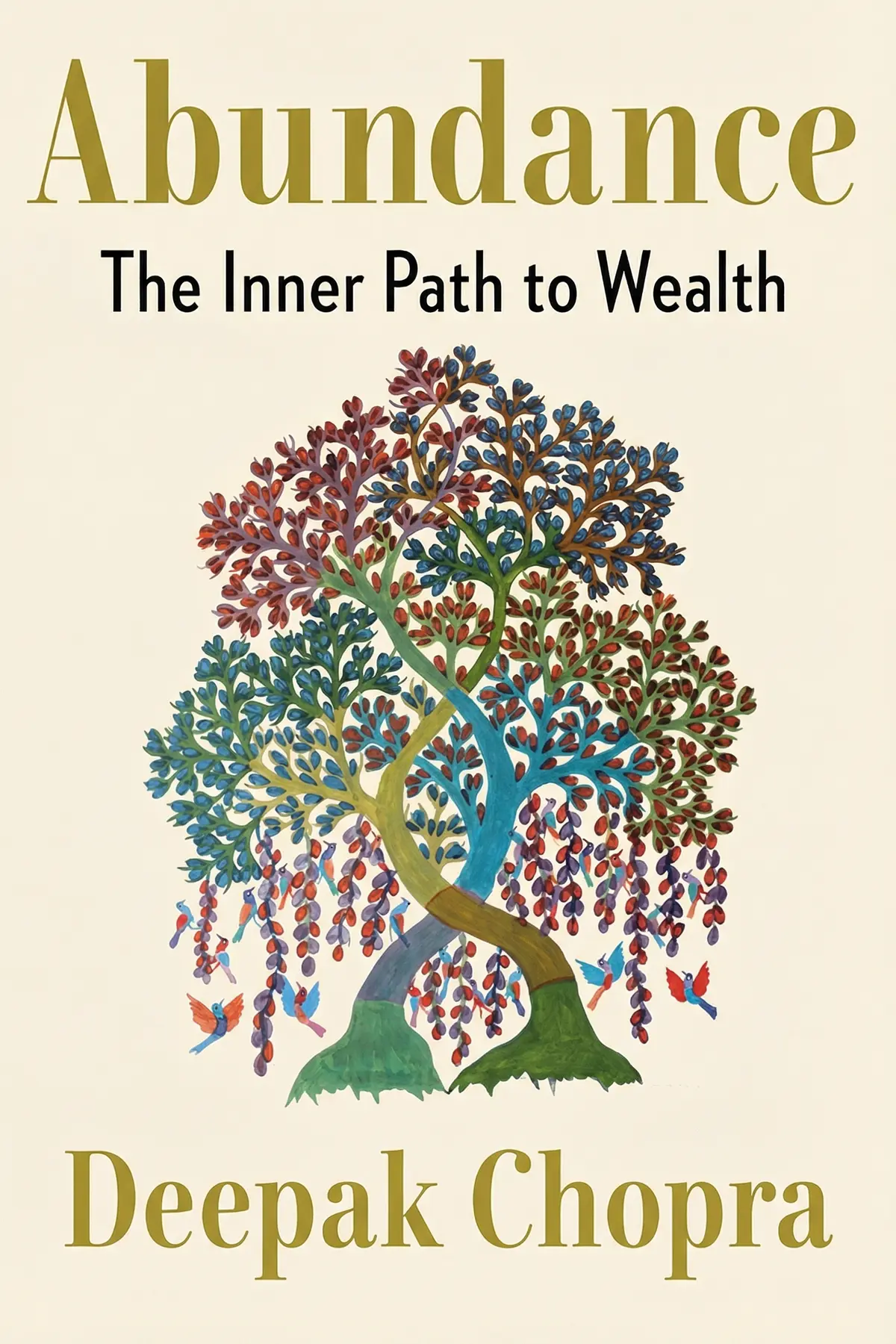
Abundance: The Inner Path to Wealth
Deepak Chopra
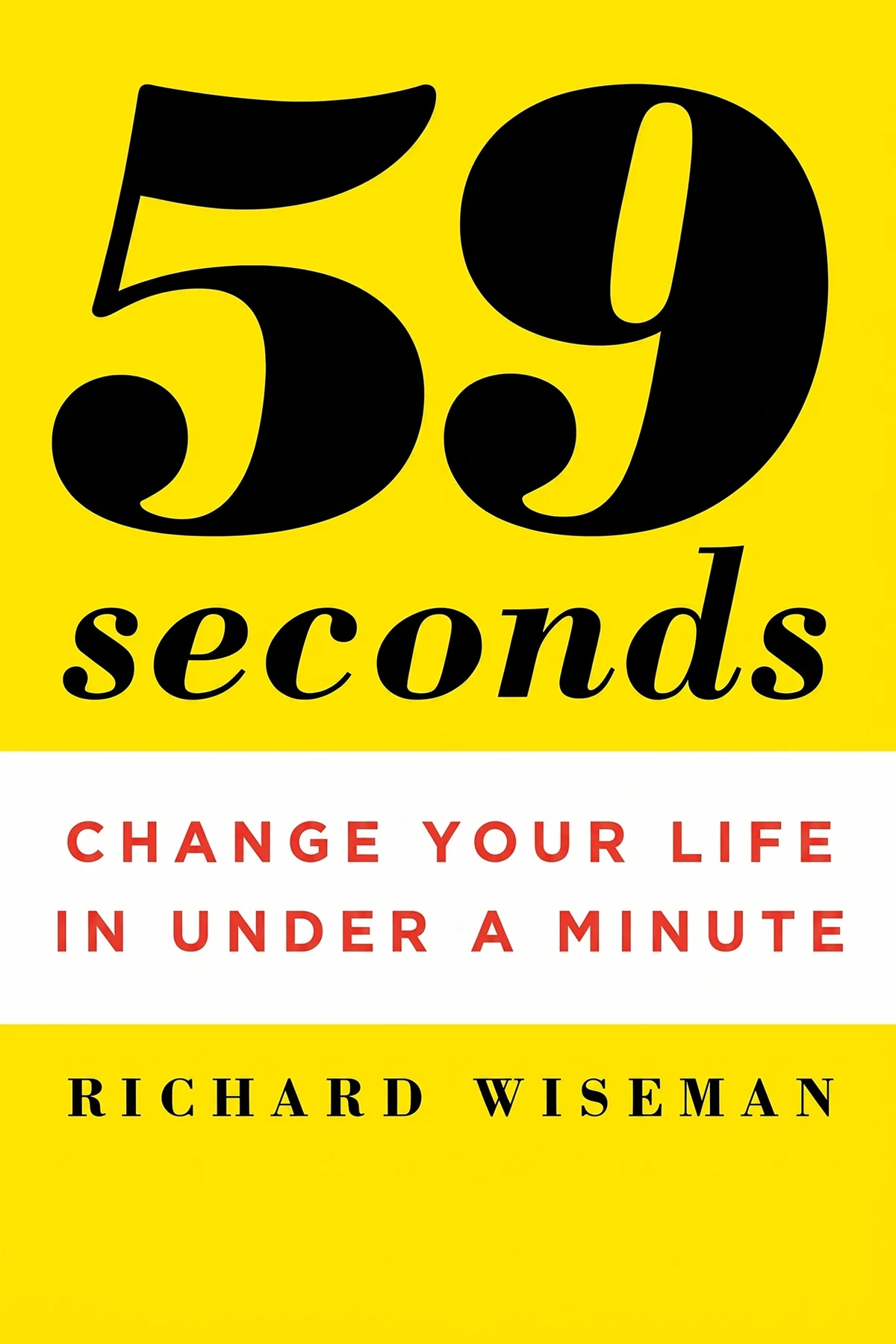
59 Seconds: Change Your Life in Under a Minute
Richard Wiseman
AUDIO SUMMARY AVAILABLE
Listen to Don’t Sweat the Small Stuff… and It’s All Small Stuff in 15 minutes
Get the key ideas from Don’t Sweat the Small Stuff… and It’s All Small Stuff by Richard Carlson, plus 5,000+ more titles in English and Thai.
- 5,000+ titles
- Listen as much as you want
- 7-day free trial
- Cancel anytime







