
22 min 44 sec
Eat a Peach: A Memoir
By David Chang
Eat a Peach offers a raw look at the life of David Chang, exploring how he revolutionized the culinary world while navigating severe mental health struggles and the pressures of sudden fame.
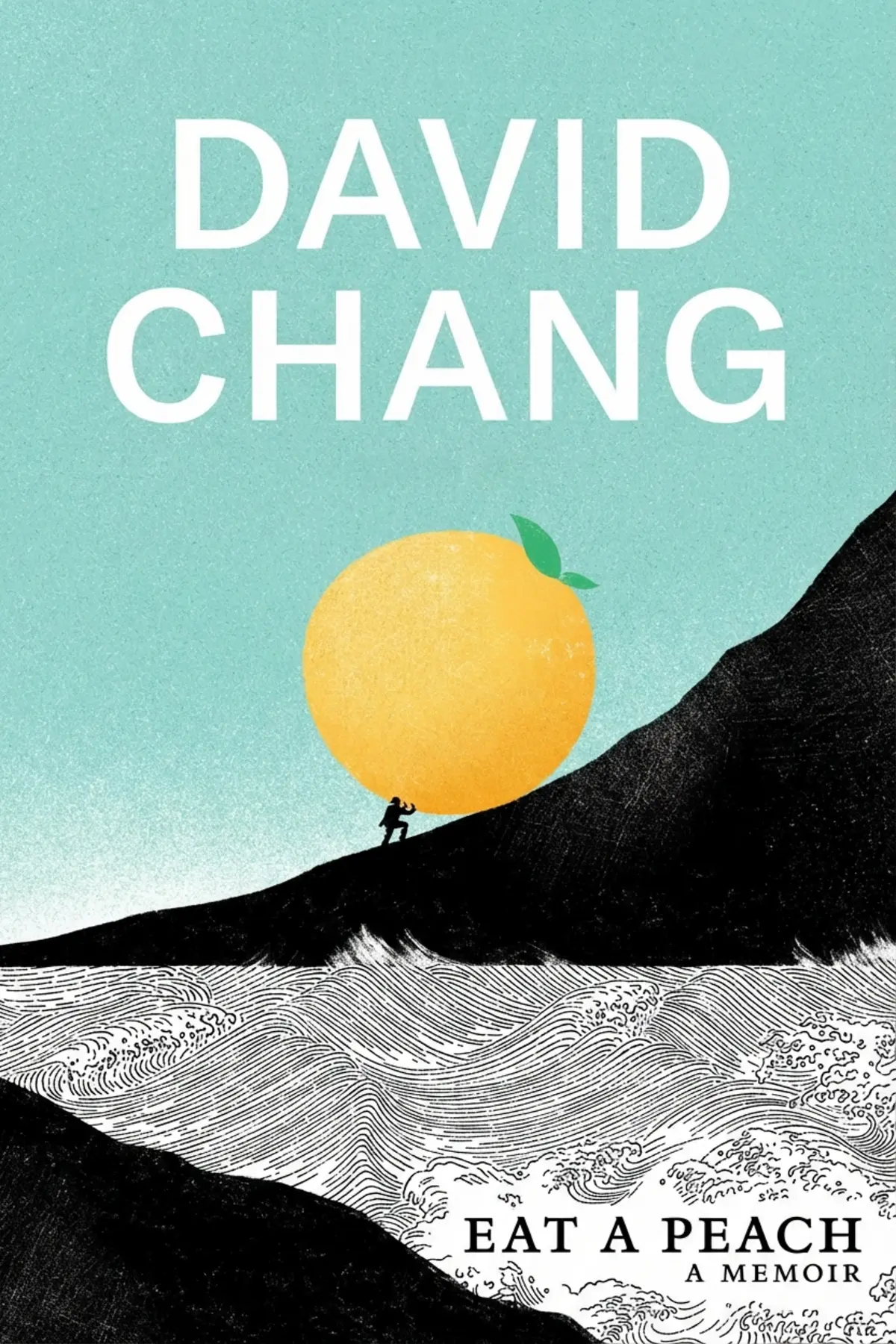
Table of Content
1. Introduction
1 min 53 sec
In 2004, the culinary landscape of New York City was largely defined by rigid traditions and expensive white-tablecloth establishments. That changed when a small, somewhat chaotic ramen shop opened its doors in the East Village. This was the first Momofuku Noodle Bar, and at its center was a young man named David Chang. He wasn’t just serving noodles; he was launching a rebellion against the stuffiness of the food world. What followed was a meteoric rise that would eventually span a global empire, television series, and a massive cultural footprint.
But behind the accolades and the crowds of people waiting for pork buns was a far more complex and often painful reality. The story of Momofuku is inextricably linked to the inner life of its creator—a journey marked by intense feelings of alienation, a fraught relationship with heritage, and a battle with mental illness that threatened to dismantle everything he had built.
In this exploration of his memoir, we look beyond the kitchen line to understand the psychological forces that drove a self-described mediocre student to become a disruptor of global food culture. We will trace the path from his childhood in Virginia to the heights of international success, examining how his struggles with depression and anger both fueled his creativity and nearly led to his undoing. This isn’t just a story about how to build a successful business; it’s a throughline about the search for identity and the grueling work of self-improvement. We’ll see how Chang moved from a place of deep insecurity to one of cultural advocacy, using his platform to question why some foods are valued more than others and how we can better understand the immigrant experience in America. Through his eyes, we’ll learn why the most important work a person can do often happens outside the workplace, in the quiet, difficult spaces of self-reflection and therapy.
2. A Legacy of Expectations and Identity
2 min 16 sec
Before he was a world-class chef, David Chang was a young man struggling to find his footing under the weight of his father’s high expectations and his own sense of cultural displacement.
3. The Dual Battle of Fine Dining and Depression
2 min 32 sec
Entering the high-stakes world of professional kitchens provided Chang with a sense of purpose, but it also masked a deepening mental health crisis.
4. Taking the Leap with Momofuku Noodle Bar
2 min 33 sec
In a bold move that many thought was destined for failure, Chang used his personal struggles and a unique vision to launch a restaurant that would change American dining.
5. The Price of Rapid Expansion and Unchecked Rage
2 min 14 sec
As his empire grew, the pressures of success amplified Chang’s internal volatility, creating a toxic environment that threatened both his business and his well-being.
6. A Breaking Point in Sydney and a Personal Tragedy
2 min 15 sec
The move to take Momofuku international brought Chang face-to-face with the limits of his endurance and the devastating consequences of ignoring his mental health.
7. The Hard Road to Recovery and Better Leadership
2 min 27 sec
Rebuilding his life required Chang to move beyond simple venting in therapy and embrace a radical new approach to self-awareness and professional management.
8. Using Food as a Tool for Cultural Criticism
2 min 27 sec
In his later career, Chang moved beyond the kitchen to tackle broader issues of racism and cultural valuation, using his restaurants to challenge the status quo.
9. The Myth of Sisyphus and Finding Purpose in the Struggle
2 min 14 sec
By reframing his lifelong battle with mental illness through the lens of a classic myth, Chang found a way to embrace his fate and continue moving forward.
10. Conclusion
1 min 53 sec
David Chang’s journey from a self-doubting young man in Virginia to a global culinary icon is a powerful narrative of disruption, both professional and personal. He didn’t just change what we eat; he changed how we think about the people who cook it and the cultural value we assign to different traditions. By breaking the conventions of fine dining, he opened the door for a more inclusive and exciting food culture. However, the most significant lesson from his story lies in his unflinching honesty about the cost of that success.
Through his memoir, we see that brilliance often comes with a heavy burden. His battle with bipolar disorder and his journey toward sobriety and better leadership offer a rare and necessary look at the mental health crisis within the high-pressure world of creative industries. He teaches us that while anger and insecurity can be powerful motivators, they are ultimately unsustainable and destructive. True growth requires the courage to step away from the heat of the kitchen and into the quiet, often painful work of self-reflection.
Ultimately, the ‘throughline’ of this story is the importance of embracing one’s own identity and the struggles that come with it. By adopting the philosophy of Sisyphus, Chang shows us that the goal isn’t to eliminate the difficulties in our lives, but to find purpose in the persistent effort to move forward. He encourages us to question our own biases—whether they are about the food we eat or the expectations we place on ourselves. As we close this look at his life, the takeaway is clear: success is meaningless if it comes at the expense of our humanity. The real victory lies in the daily, grueling, yet rewarding work of becoming a better version of ourselves, one step and one push at a time.
About this book
What is this book about?
Eat a Peach is a deeply personal memoir by David Chang, the visionary behind the Momofuku restaurant empire. The book chronicles his journey from a disillusioned finance worker and a struggling golf prodigy to one of the most influential figures in modern American cuisine. It provides a behind-the-scenes look at the chaotic birth of the Momofuku Noodle Bar and the rapid expansion that followed. More than just a story about food, this is an unflinching examination of mental illness, cultural identity, and the high cost of creative genius. Chang explores his battles with bipolar disorder and the anger that often defined his leadership style. Ultimately, the book promises a narrative of redemption and self-awareness, showing how a person can confront their darkest impulses to become a better leader and a more fulfilled human being while continuing to challenge societal norms through the lens of gastronomy.
Book Information
About the Author
David Chang
David Chang is a celebrated chef, a prominent television personality, and the creator of the Momofuku restaurant group. He has achieved global recognition for his innovative approach to food, which blends diverse cultural influences with a rebellious spirit.
Ratings & Reviews
Ratings at a glance
What people think
Listeners find this memoir to be a memorable and superbly composed work, with one listener portraying it as a deeply moving tale of a gifted individual. Beyond that, the narrative offers an expansive look at life and provides sincere perspectives on the author’s personal path, especially regarding his mental health battles. Listeners also admire the poignant tone, with one listener mentioning that the author imparts significant wisdom on leadership.
Top reviews
Olivia
After watching Ugly Delicious, I knew David Chang was intense, but I didn't expect this level of vulnerability. He opens his heart in a way that feels rare for someone of his stature, especially regarding suicidal ideation and impostor syndrome. The way he discusses Anthony Bourdain’s influence and the crushing weight of those two Michelin stars is deeply moving. It’s more of a meditation on mental health than a book about noodles, and I think that’s why it resonates so much. Truthfully, the '33 Rules for Becoming a Chef' at the end should be required reading for anyone starting a business, regardless of the industry. He shows that success isn't just about talent; it's about surviving your own brain. This is a brilliant, dark, and essential read for anyone who feels like a 'mutt' trying to make it.
Show moreCamila
The chapter on Anthony Bourdain absolutely broke me. You can feel the ghost of Tony hanging over these pages, serving as both a mentor and a cautionary tale for Chang. This isn't a 'fun' food book; it’s a heavy, soulful exploration of what happens when you reach the top and realize the view is terrifying. Chang’s writing style is punchy and direct, mirroring the fast-paced chaos of a dinner service at Momofuku. I loved the anecdotes about his failures—the business plans that tanked and the dishes that sucked. It makes his eventual rise feel earned rather than inevitable. Not many people in his position would be willing to admit they were 'certifiably average' growing up. It’s a powerful testament to grit and the importance of empathy in leadership.
Show moreZanya
Ever wonder what it actually takes to build an empire when you're fighting your own brain every single day? Eat a Peach is an unforgettable journey through the highs of culinary stardom and the lows of bipolar disorder. Chang’s voice is so authentic; it feels like you’re sitting at a bar with him while he recounts his darkest moments. I was particularly struck by his relationship with his father and how that shaped his 'Baby King' persona. He doesn't ask for your pity, just your understanding of how thin the line is between success and total collapse. The audiobook is especially great because you can hear the raw emotion in his voice during the tougher chapters. It’s a beautiful, messy, and deeply human book that stays with you.
Show moreMichael
Wow. This isn't your typical glossy celebrity memoir where every struggle is polished for PR purposes. Chang dives deep into the corrosive nature of the restaurant industry and doesn't shy away from his own toxic behavior. His description of bipolar disorder and the constant thrum of depression made me look at his success through a completely different lens. It’s a profound story about a creative genius who is perpetually terrified of failure even while sitting at the top. I appreciated how he dismantled the 'tiger mom' narrative, showing the exhaustion behind the stereotype. While the prose can be a bit frantic at times, it matches the energy of a man who never saved anything for the 'swim back.' If you want a sanitized version of culinary fame, look elsewhere. This is raw, ugly, and ultimately unforgettable.
Show moreWin
Finally got around to reading this after hearing Chang talk about the 'tiger mom' stereotype on his podcast. As an Asian-American, his insights into the 'smart Asian' myth and the pressure to succeed in 'acceptable' fields really hit home. He paints a vivid picture of balancing cultural heritage with the desire to blow up traditional culinary norms. The struggle to get his dad to loan him money for a noodle shop feels like a classic underdog story, but with much higher stakes. I was surprised by how much the book focused on his mental health battles rather than just recipes. His honesty about being part of the problematic 'boys' club' was refreshing, even if it was uncomfortable to read. It’s a wide-ranging tour of a complicated life that refuses to offer easy answers.
Show moreCaleb
Truth is, I picked this up for the food but stayed for the leadership lessons. Chang’s journey from a golf-obsessed kid to a global restaurateur is nothing short of a whirlwind. He shares profound insights into the mechanics of success, emphasizing that you have to know about Shakespeare and Darwin to be a truly great chef. The 'Blind Spots' chapter was a highlight for me, showing a man willing to unlearn his own privilege. I found his take on the #MeToo movement in the kitchen to be a necessary, if brief, inclusion. It’s a book about the cost of ambition and the necessity of human connection. Even if you’ve never eaten a bowl of ramen in your life, there is something to be learned from his relentless, restless drive.
Show moreKru
Picked this up on a whim and found myself sucked into the chaotic world of New York restaurant kitchens. Chang is a masterful storyteller, even when he’s describing the absolute rock bottom of his depression. I loved learning about the evolution of Milk Bar and the risks he took with Momofuku when everyone told him he’d fail. He doesn't hold back on the politics and drama of the Michelin world, which was a fascinating peek behind the curtain. My only gripe is that some sections felt a bit rushed, especially concerning his personal life with his wife, Grace. Still, his '33 Rules' at the end are gold for any aspiring entrepreneur. It’s a gritty, honest look at the American Dream and the demons that often come with it.
Show moreTim
As someone who follows the culinary world closely, I was excited for this, but the result was a bit of a mixed bag. Chang is clearly a visionary, but the book feels caught between being a professional how-to guide for chefs and a personal tell-all. I loved the 'Blind Spots' section where he acknowledges his role in the industry’s boys' club, yet other parts felt like he was glossing over his mistakes. He mentions his explosive temper and verbal abuse toward staff but rarely digs into the actual work of making amends. The technical bits about opening Momofuku were fascinating for a foodie like me. However, I wanted more depth regarding the cultural expectations of Asian chefs in America. It's a solid 3-star read that could have been a masterpiece with more focused narrative direction.
Show moreEmily
Is it possible to admire someone’s work while finding their personality completely exhausting? Chang is obviously a brilliant disruptor who changed the way we think about ramen and fine dining. Yet, throughout this memoir, he comes across as incredibly self-absorbed and, frankly, quite immature in his handling of interpersonal relationships. He admits to being a 'Baby King,' but acknowledging a flaw isn't the same as fixing it. I found the constant cycling between self-loathing and self-congratulation to be a bit tedious after the first hundred pages. To be fair, the behind-the-scenes look at the grueling Manhattan kitchen scene is top-tier. I just wish there was a bit more genuine reflection rather than what felt like performative confessions. It's a decent peek into a famous chef's mind, but I left feeling more drained than inspired.
Show moreMan
Not what I expected from a famous chef who seems to have it all. I struggled to get through this because of how much Chang seems to thrive on chaos and anger. While he's 'candid' about his flaws, it often feels like he's using his mental health as a shield to justify being a jerk to his employees. The industry's corrosive nature is a real problem, but his descriptions of verbal abuse left a bad taste in my mouth. I wanted to hear more about the food and the creative process, but instead, I got a lot of repetitive angst and self-pity. Maybe I’m just not the target audience for this kind of 'tortured genius' narrative. It’s a successful book for some, but I found the author's voice more grating than profound.
Show moreReaders also enjoyed
A River in Darkness: One Man’s Escape from North Korea
Masaji Ishikawa
A Spy Among Friends: Philby and the Great Betrayal
Ben Macintyre


A Year in the Life of William Shakespeare: 1599
James Shapiro

7 Powers: The Foundations of Business Strategy
Hamilton Helmer

Agent Sonya: The Spy Next Door
Ben Macintyre
AUDIO SUMMARY AVAILABLE
Listen to Eat a Peach in 15 minutes
Get the key ideas from Eat a Peach by David Chang, plus 5,000+ more titles in English and Thai.
- 5,000+ titles
- Listen as much as you want
- 7-day free trial
- Cancel anytime







