
14 min 49 sec
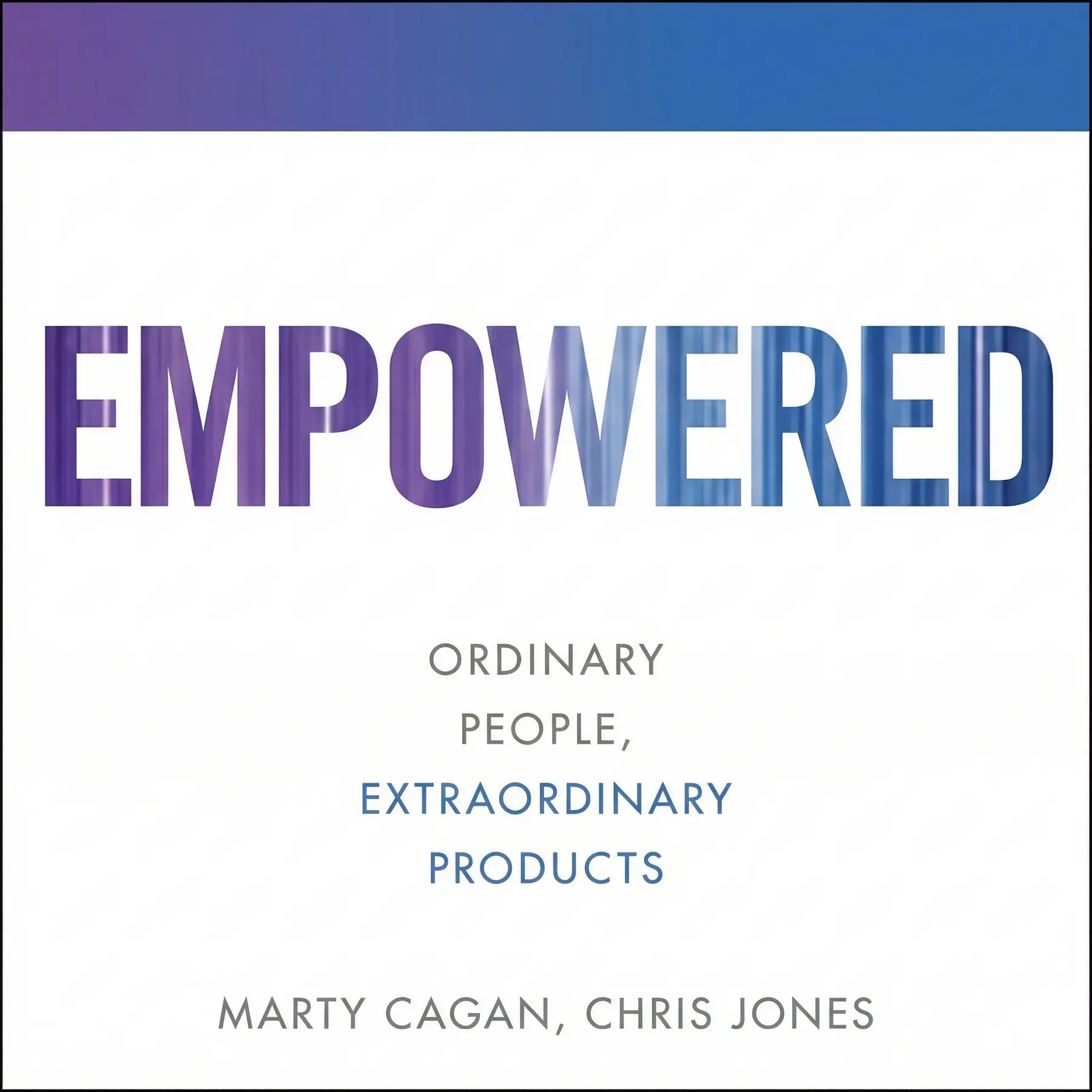
Empowered: Ordinary People, Extraordinary Products
Empowered offers a blueprint for creating high-performing product teams. It explores how leaders can move from command-and-control structures to environments built on trust, coaching, and autonomous problem-solving to drive innovation.
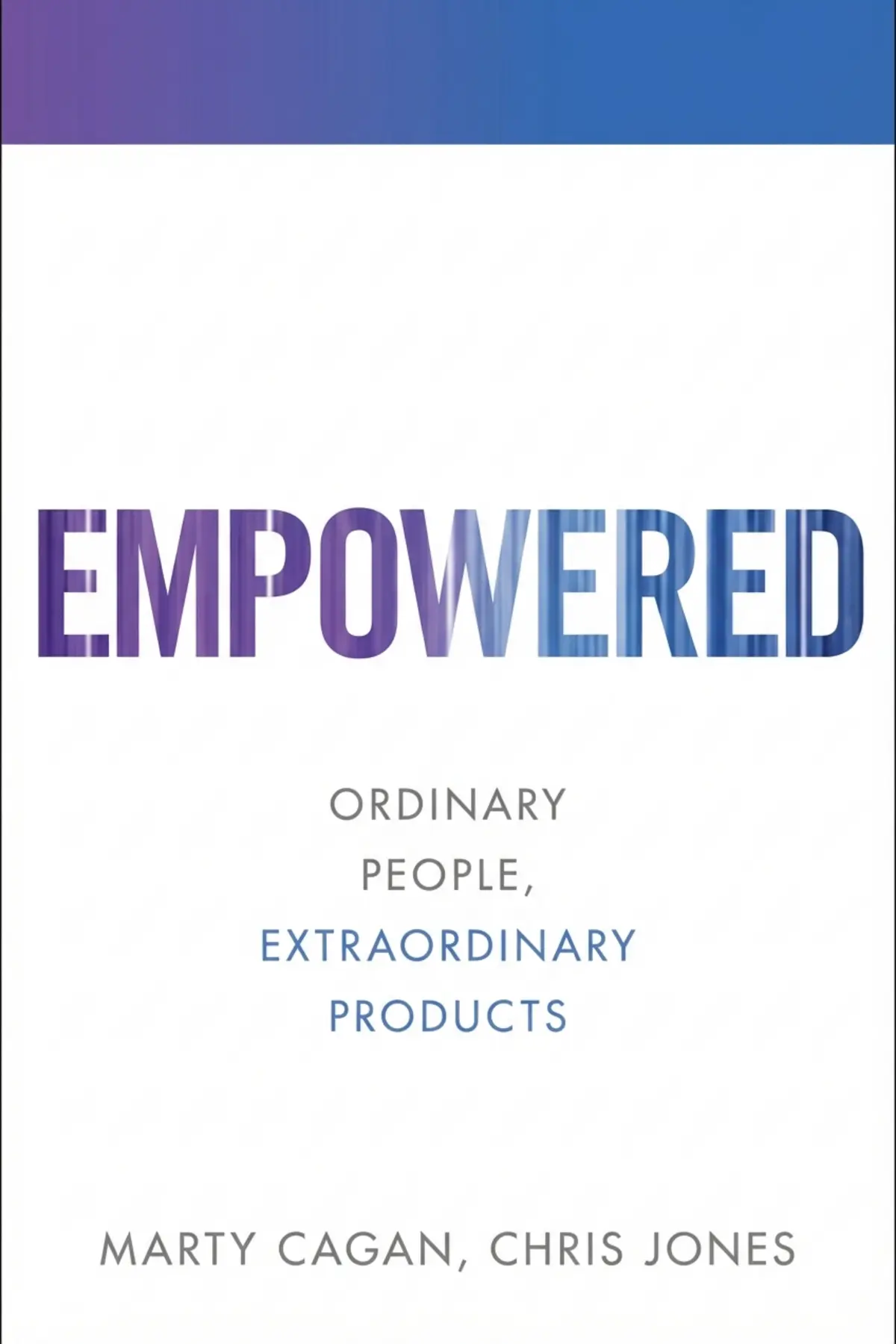
Table of Content
1. Introduction
1 min 35 sec
In the fast-moving landscape of modern business, the difference between a company that thrives and one that merely survives often comes down to a single factor: the quality of its products. But great products do not appear by accident. They are the result of a specific kind of environment, one that is becoming increasingly rare in traditional corporate structures. Many organizations are stuck in an old-fashioned loop, where decisions are handed down from the top and teams are expected to simply execute a list of features. This approach often leads to stagnant innovation and frustrated employees.
To break this cycle, a fundamental shift in perspective is required. It is about moving away from the idea of managing people and toward the concept of empowering them. This means creating a culture where teams are not just told what to build, but are given the autonomy to figure out the best way to solve real problems for their users. This transition is not easy, and it requires a new kind of leadership that focuses on coaching and strategic clarity rather than micromanagement.
As we explore these concepts, we will look at how the world’s most successful technology companies structure their teams to ensure they are consistently delivering value. We will examine the role of the product leader as a mentor and the importance of establishing a vision that inspires everyone in the organization. The goal is to move beyond the limitations of the typical corporate hierarchy and build an ecosystem where ordinary people can come together to produce extraordinary results. Through a focus on trust, clear objectives, and deep collaboration, any company can begin to mirror the success of the industry giants by putting their product teams at the heart of their strategy.
2. The Foundation of Effective Product Leadership
2 min 25 sec
Success in product development starts with a leadership shift from directing tasks to coaching individuals for greatness, mirroring the mentorship style of Silicon Valley’s legends.
3. Strategic Staffing and the Evolution of Talent
2 min 24 sec
Building a powerhouse team requires looking beyond technical skills to find individuals with the right character, followed by a relentless focus on their long-term growth.
4. Crafting a Compelling Vision and Effective Team Topology
2 min 23 sec
Discover why a powerful product vision is more effective than a feature list and how structuring your teams for autonomy leads to faster, better innovation.
5. Driving Strategy and Meaningful Objectives
2 min 27 sec
Learn how a focused product strategy empowers teams to choose the right battles and use the OKR framework to deliver real value rather than just checking boxes.
6. Fostering Organizational Alignment and Business Success
2 min 18 sec
Product success isn’t just an internal team effort; it requires deep collaboration with stakeholders and a shared understanding of how technology drives the bottom line.
7. Conclusion
1 min 17 sec
The journey toward creating an empowered product organization is both a challenge and a necessity in today’s technology-driven world. As we have explored, it is not enough to simply have talented individuals; those individuals must be placed in an environment that values their autonomy, fosters their growth, and provides them with a clear, inspiring mission. It starts with leaders who are willing to trade control for coaching and roadmaps for vision.
By prioritizing character in hiring, investing in continuous development, and structuring teams to minimize friction, you create the bedrock for true innovation. Strategy then becomes the tool that focuses this energy, ensuring that every effort is directed toward solving the problems that matter most. And finally, by aligning these efforts with the broader business and its stakeholders, you ensure that the impact of your product teams is felt across the entire organization.
The throughline of this entire approach is trust. Trust in the people you hire, trust in the process of discovery, and trust in the idea that when ordinary people are truly empowered, they can achieve the extraordinary. As you move forward, remember that your products are a reflection of your culture. If you want to change your products, you must first change how you lead and support the people who make them. Embrace this shift, and you will not only build better products but a more resilient and successful company.
About this book
What is this book about?
At the core of every successful modern company is a series of exceptional products. Yet, many organizations struggle to innovate because they rely on outdated management styles that treat employees like cogs in a machine. This book explores the transformative shift required to move from a top-down culture to one where product teams are truly empowered to solve problems in ways that customers love and that work for the business. The authors provide a comprehensive guide for product leaders—whether they specialize in engineering, design, or management—on how to recruit top talent, coach them toward greatness, and align their efforts with a compelling company vision. By focusing on the difference between feature-focused roadmaps and vision-driven strategies, the book promises to show leaders how to foster a culture of ownership. It is not just about making products; it is about building the environment where extraordinary people can do their best work and achieve meaningful business results through autonomy and accountability.
Book Information
About the Author
Marty Cagan
Marty Cagan and Chris Jones are recognized as leading experts in the field of product management, bringing decades of collective experience in assembling and guiding high-impact product teams. Marty Cagan is particularly well-known for his influential work in the industry, including his previously acclaimed book, Inspired. Empowered represents a significant milestone for Chris Jones as his debut publication, while serving as the second major title from Cagan, further cementing their status as authorities on modern product development practices.
Ratings & Reviews
Ratings at a glance
What people think
Listeners find this title to be a mandatory resource for product leaders, commending its deep insights and tactical direction. The leadership-focused material is well-received, with one listener specifically highlighting how the text assists in building truly empowered teams.
Top reviews
Apichat
This book is essentially the blueprint for moving away from being a soul-crushing feature factory. Cagan and Jones do a masterful job explaining why most companies fail to innovate by treating their developers like mere mercenaries rather than true missionaries. I particularly loved the concept of the 'visiontype' as a high-fidelity tool to align stakeholders without the messy baggage of a rigid roadmap. In my experience, showing people what the future looks like is ten times more effective than arguing over a spreadsheet of features. The shift from focusing on outputs to focusing on actual business outcomes is the central theme here, and it’s handled with a level of strategic depth that was missing from previous works. If you want your team to actually own the problems they are solving, this is the manual you need to hand to your executives immediately.
Show moreThitima
Picked this up to help my team transition into a true 'missionary' mindset rather than just checking boxes on a Jira board. The advice on product strategy—specifically how to bridge the gap between a high-level vision and tactical execution—is pure gold for any organization struggling with focus. I’ve already started implementing the 6-page narrative technique for our new initiatives, and the clarity it brings to our kickoff meetings is transformative. No more debating artifacts; we are finally debating the actual 'why' behind our work. The book is dense, sure, but it needs to be because it's tackling the hardest part of tech: the people and the culture. Every chapter feels like a targeted intervention for a specific organizational dysfunction. Truly a must-read for anyone who is serious about building products that customers love and that actually move the needle for the business.
Show moreChamp
Ever wonder if a perfect product organization actually exists in the real world or just in Cagan’s head? Reading this felt like consuming a piece of high-quality science fiction because the 'utopia' described is so far removed from the 'feature factories' most of us inhabit daily. However, that is exactly why this book is vital for leadership. It provides a north star for anyone tired of just delivering capacity and wanting to actually solve customer problems. The transition from mercenaries to missionaries isn't just a catchy phrase here; it’s a fundamental shift in how we view our people and our purpose. Truth is, most companies are miles away from this level of empowerment, but Cagan gives us the vocabulary to start the fight for change. It’s an inspiring look at what happens when you trust your teams to own the outcome rather than just the output.
Show moreSaowalak
After hearing so many colleagues rave about the concept of empowered teams, I finally understood the bridge between vision and execution. This book hits hard on the responsibility of leadership to provide a clear strategy so that teams don't just wander in the dark. The sections on staffing and team topology were especially eye-opening for me as we navigate a major reorganization. It’s one thing to say 'be agile,' but it’s another thing entirely to structure your reporting lines so that engineers and designers are actually supported by people who know their craft. Cagan and Jones don't pull any punches when it comes to why most digital transformations fail. They provide the necessary, often uncomfortable, truths about what it takes to actually lead. This is the strategic guidance I’ve been looking for to level up my leadership game.
Show moreCarter
Look, if you are responsible for hiring or developing PMs, you need to read the section on the skills taxonomy and the interview stacking question immediately. The way the authors break down attributes like execution, creativity, strategy, and growth is a game-changer for evaluating talent. It moves the conversation away from vague 'cultural fits' toward concrete capabilities that actually drive product success. Personally, I found the advice on ramping up new PMs—requiring them to meet 15+ customers and do a deep competitive dive—to be the most actionable part of the entire book. It sets a high bar for excellence that most companies unfortunately ignore. While the book is broad, it covers the essentials of product leadership with a level of authority that is hard to find elsewhere. It’s an absolute must-read for anyone aspiring to the C-suite.
Show morePakinee
As a product lead, the section on coaching was what resonated most deeply with my current day-to-day challenges. The authors provide a very practical skills taxonomy and gap analysis framework that makes the nebulous task of 'developing talent' feel much more manageable. It’s not just about micromanaging tasks; it’s about systematically identifying where a PM is a 6/10 versus a 9/10 and building a plan to bridge that gap. To be fair, the book is quite long and sometimes repeats its core messages a bit too often across the eighty chapters. However, the insights on team topology and the necessity of reporting to people who actually understand your craft are worth the read. It’s a solid guide for anyone moving into a leadership role who wants to build a culture of accountability and high performance.
Show moreFatima
The chapter on the 6-page narrative is worth the price of admission alone, as it offers a concrete alternative to the 'spec-first' culture that kills so much creativity. I found the shift in perspective from managing people to coaching them to be a refreshing take on leadership that is often missing in tech. Look, the book isn't perfect—it definitely feels like a collection of 'cliff notes' at times, especially when it tries to cover eighty different topics in a single volume. You might find yourself skimming through sections that don't apply to your specific company size or maturity level. But the core message about empowering teams to solve problems rather than just deliver features is vital. It provides a common language for product leaders to use when talking to CEOs about why the old ways of working aren't cutting it anymore. It’s a strong follow-up that focuses on the 'who' and the 'how' of great product work.
Show moreMadison
Finally got around to finishing this, and while it feels like a product wiki at times, the insights on avoiding the 'artifact trap' are incredibly solid. It’s so easy for teams to get bogged down in debating mocks and specs instead of just talking to each other to solve the underlying problem. I appreciate how the book forces you to look at the manager's role as a coach rather than a task-master, which is a much-needed shift in our industry. Some of the chapters are definitely too brief, leaving me wanting more detail on the 'how' of product strategy, which felt a bit sparse compared to the coaching sections. Still, the overall framework for creating an environment where missionaries can thrive is well-articulated and highly relevant. It’s a great companion piece to Inspired that focuses on the organizational structure required for product success.
Show moreIce
Frankly, I found the eighty-one chapters to be a bit overwhelming and occasionally repetitive in their content. While the advice is sound, a lot of it feels like common sense if you've been working in a modern tech company for more than a few years. It felt like the authors were explaining how to breathe at certain points, which made the middle section of the book a bit of a chore to get through. That said, I did appreciate the specific interview questions and the 'skills taxonomy' for hiring and evaluation. It’s a good 'look-up' resource for when you need to define a term like 'team topology' or 'OKRs' for your boss, but it lacks the punchy, transformative feel of Inspired. It’s a decent enough read, but I’m not convinced it offers enough new material to justify the length.
Show moreSuthida
Not what I expected after the massive hype surrounding this sequel to Inspired. To be fair, Marty Cagan clearly knows the industry, but the structure of this book is frustratingly fragmented. We are talking about 81 chapters, many of which are only two or three pages long, which makes the whole experience feel like reading a collection of disjointed blog posts rather than a cohesive, deep-dive manual. It frequently brushes over massive topics like stakeholder collaboration or business results in a way that feels incredibly superficial. I kept waiting for a masterclass, but instead, I got a product wiki that defines terms without giving me the tools to implement them. While the distinction between feature teams and product teams is helpful, it doesn't justify the slog through so many repetitive sections. It's a decent reference for terminology, but I found it quite flat overall.
Show moreReaders also enjoyed


A Year with Peter Drucker: 52 Weeks of Coaching for Leadership Effectiveness
Joseph A. Maciariello



Acting with Power: Why We Are More Powerful Than We Believe
Deborah Gruenfeld
All In: How Great Leaders Build Unstoppable Teams
Mike Michalowicz
AUDIO SUMMARY AVAILABLE
Listen to Empowered in 15 minutes
Get the key ideas from Empowered by Marty Cagan, plus 5,000+ more titles in English and Thai.
- 5,000+ titles
- Listen as much as you want
- 7-day free trial
- Cancel anytime







