
A Promised Land
Barack Obama
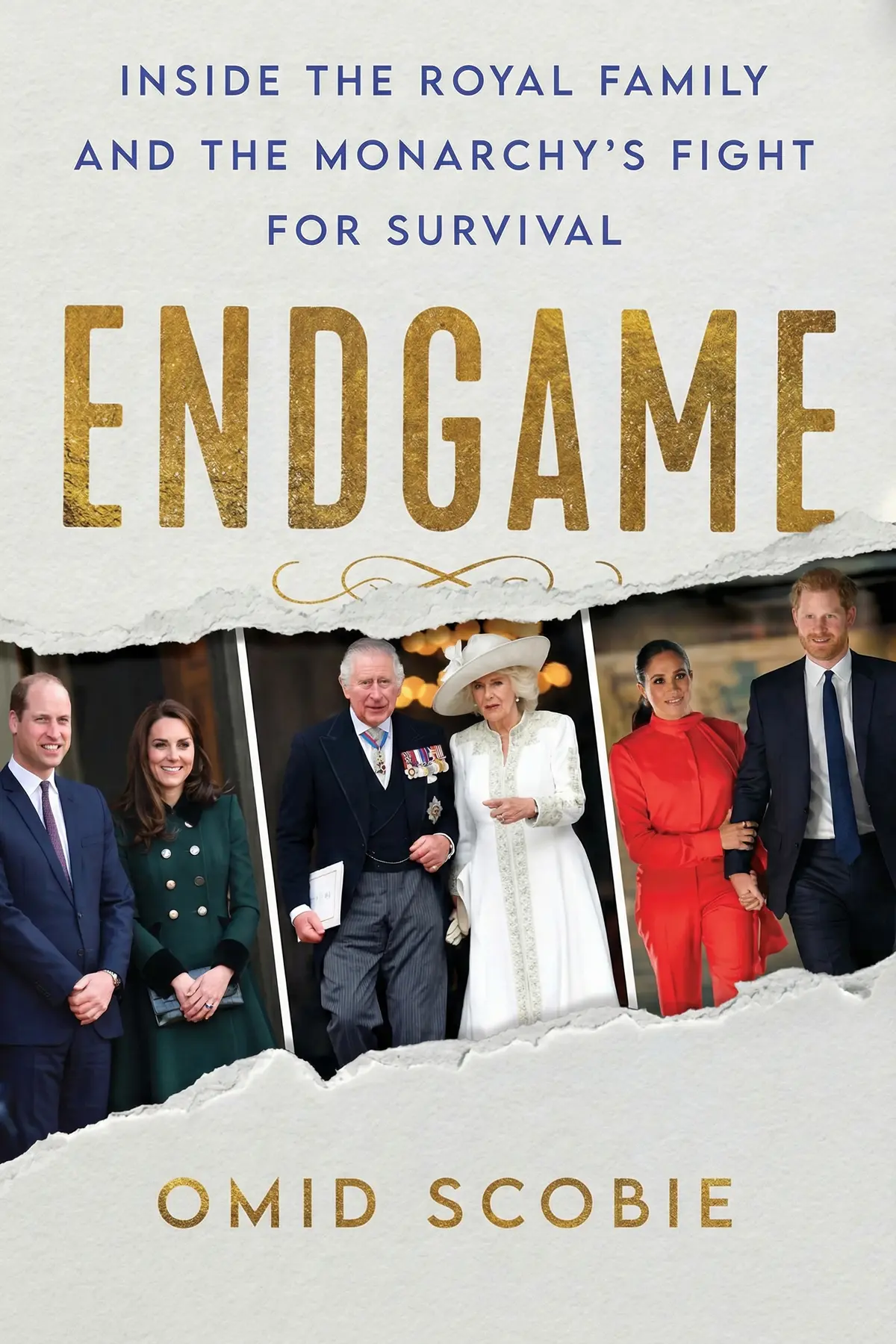
Endgame investigates the precarious state of the modern British monarchy, examining internal family fractures, the transition to King Charles III's reign, and the institution’s struggle to remain relevant in a changing world.
1 min 40 sec
When Queen Elizabeth II passed away in September 2022, it wasn’t just a family mourning a matriarch; it was the end of a psychological era for the United Kingdom and the Commonwealth. For seven decades, the Queen served as the ultimate anchor, a constant figure in a world that was changing at a dizzying pace. Her presence provided a sense of continuity that masked many of the underlying tensions within the royal institution. But with her departure, the anchor has been lifted, and the monarchy finds itself drifting into uncharted and potentially treacherous waters.
The transition to the reign of King Charles III has laid bare the vulnerabilities of an ancient system trying to exist in a modern, democratic, and increasingly skeptical society. This isn’t just a story about a new King taking his place on a throne; it’s a look at the ‘Endgame’—a period where the monarchy must justify its existence or face becoming a relic of the past. Throughout this summary, we will explore the internal fractures that have divided the House of Windsor, the systemic issues that the palace refuses to fully confront, and the delicate dance between power and public perception.
As we look through the gilded gates, we see a family struggling with its own identity, caught between the rigid traditions of the past and the urgent demands of the present. Whether it’s the fallout from Prince Harry and Meghan Markle’s departure, the scandals surrounding Prince Andrew, or the quiet but intense rivalry between the current King and his heir, the stakes have never been higher. This journey into the heart of the British monarchy reveals an institution at a crossroads, fighting not just for its reputation, but for its very survival.
2 min 55 sec
Witness the transition from the stable reign of Elizabeth II to the more scrutinized leadership of King Charles III, where personal temperament meets the weight of history.
2 min 56 sec
Explore the monarchy’s difficult relationship with its own history and the modern controversies that have strained its moral authority.
2 min 55 sec
Dive into the diverging paths of Princes William and Harry and what their broken bond means for the future of the royal brand.
2 min 49 sec
Observe how Camilla and Kate have navigated the pressures of royal life to become the pillars supporting the new reign.
2 min 47 sec
Uncover the complex and often manipulative relationship between the palace and the press that dictates the royal narrative.
1 min 51 sec
The British monarchy today is an institution standing on the edge of a great divide. The passing of Queen Elizabeth II was more than just the end of a long life; it was the removal of the structural support that held the entire edifice together. Under King Charles III, the House of Windsor is being forced to confront its flaws, its history, and its future all at once. The internal rivalries between the brothers, the systemic failures to address race and modernization, and the dependency on a manipulative media machine all point to a system that is under immense strain.
What this really means is that the ‘Endgame’ is not necessarily an end to the monarchy, but it is certainly the end of the monarchy as we have known it. To survive, the institution cannot simply rely on the ghosts of its past or the grandeur of its ceremonies. It must find a way to become a living, breathing part of a modern society that demands accountability, diversity, and genuine human connection. The resilience shown by figures like Kate and Camilla, and the challenging perspectives brought by Harry and Meghan, both offer clues to the different paths the monarchy could take.
As we look ahead, the survival of the Crown depends on its ability to listen as much as it leads. It must be willing to reform its inner workings and address the grievances that have been ignored for too long. The British monarchy has always been a master of adaptation, but the challenges it faces now are unlike any it has seen before. Whether it can navigate this period of transition and emerge as a relevant force in the twenty-first century remains the ultimate question. The throughline is clear: the era of unquestioned reverence is over, and the era of earned respect has begun.
For centuries, the British monarchy has stood as a symbol of stability and tradition. However, beneath the surface of the Crown's stoic facade lies a series of escalating crises that threaten its very survival. This exploration dives deep into the heart of 'The Firm,' revealing the shifting dynamics following the death of Queen Elizabeth II and the challenges faced by King Charles III as he attempts to lead an institution in flux. From the high-profile departure of the Duke and Duchess of Sussex to the internal rivalries between royal households, the book promises a look at the personal and political tensions defining the current era. It examines how the monarchy navigates scandals, addresses historical grievances, and manages its complex relationship with the media. Ultimately, it questions whether an ancient institution can adapt to the values of the twenty-first century or if it is approaching a definitive conclusion.
Omid Scobie is a prominent royal journalist and author known for his detailed reporting on the British monarchy. He achieved international recognition as the co-author of the bestseller Finding Freedom, which provided an intimate look into the lives of Prince Harry and Meghan Markle. Scobie's work is characterized by an insider's perspective, drawing on his extensive experience as a reporter and his access to various royal sources and palace staff.
Listeners find the work captivating and skillfully composed, valuing the way it frames details within a historical perspective. The prose earns high marks, though one listener remarked it was written by both Megan and Harry. Although the text offers thorough examination and feels highly credible, some listeners feel it is redundant and doesn't offer fresh insights. Listeners are divided regarding the author's objectivity; some see it as fair, whereas others view it as remarkably slanted. Feedback on the family history is varied, as one listener described it as a comprehensive view while another is critical of the Royal Family's dysfunctional nature.
Whatever you think about the author, you cannot deny that this is a deeply engaging and well-written look at a crumbling institution. Scobie places the current family drama within a much broader historical context that helps explain why things are falling apart so rapidly. I found the analysis of King Charles’s early reign particularly insightful, showing a monarch who seems out of touch with a modern, diverse society. Truth is, the royal family has a long history of protecting its own interests at the expense of others, and this book highlights those failures brilliantly. It’s a necessary read for anyone who wants to understand why the Commonwealth is starting to distance itself from the Crown. While some might find it one-sided, I think it provides a much-needed counter-narrative to the sugary palace press releases.
Show moreFinally, someone is willing to say what everyone else is thinking about the toxic environment surrounding the royal family. This book is a bold and necessary critique of an organization that seems stuck in the past and unwilling to evolve. Scobie doesn’t hold back when addressing the failures of the palace press machine or the way certain family members have been treated. Personally, I found the chapters regarding the Commonwealth and the Monarchy's historical ties to colonialism to be the most compelling parts of the entire narrative. It’s a wake-up call for the Windsors, and the backlash from the 'royal bootlickers' only proves how close to the truth Scobie has actually gotten. The writing is sharp, the research is thorough, and the message is incredibly clear: adapt or face the endgame.
Show moreScobie provides a surprisingly detailed look at the inner workings of the monarchy, and I found the sections on the transition from the Queen to King Charles to be particularly well-researched. Although the book has been criticized for being biased, I think it offers an important perspective on the systemic issues facing the institution today. Not gonna lie, the pacing drags a bit in the middle chapters, but the overall analysis is extremely believable and backed by a clear understanding of palace protocol. He does a great job of explaining how the 'Firm' operates behind the scenes to control the narrative. My only real complaint is that some of the gossip feels a bit thin, relying too heavily on unnamed sources to make its points. Still, it’s a fascinating read for anyone interested in the future of the British monarchy.
Show moreAfter hearing so much controversy about this title online, I decided to see for myself what all the fuss was about. What I found was a well-crafted analysis that isn't nearly as radical as the tabloid headlines would have you believe. Scobie does a fantastic job of illustrating the tension between the traditionalists and those who want to see the monarchy progress. Frankly, the book is at its strongest when it discusses the PR battles between the different royal households and how they use the media to undermine one another. There are a few moments where the bias is a bit too obvious, but overall, it provides a comprehensive view of a family in crisis. It’s a dense read, and the pacing is slow at times, but the historical context makes it worth the effort.
Show moreThis book paints a vivid, if somewhat grim, portrait of a family that seems increasingly divided and unable to communicate with the modern world. I was impressed by how Scobie managed to weave together historical background with current events to create a narrative that feels both relevant and urgent. Gotta say, the chapter on Prince William was eye-opening, even if it was a bit harsh in its assessment of his leadership style and temper. While there are definitely moments where the author’s loyalty to the Sussexes shines through, the institutional critique of the monarchy remains fairly solid. It’s not a perfect book—some sections are definitely more interesting than others—but it offers a lot of food for thought regarding the future of the Crown and how it handles internal conflict.
Show moreEndgame is a bit of a mixed bag for me, especially regarding the pacing and the actual 'new' information provided. While the writing style is undeniably smooth and professional, I found myself skimming through sections that felt like common knowledge for anyone who follows the news. It’s certainly an interesting look at the internal machinations of the palace, but it often repeats the same points about William’s temper or Kate’s supposed lack of effort. In my experience, the book works best when it focuses on the institutional survival of the monarchy rather than the petty family squabbles. There are some valid critiques of the Windsors' handling of race and modern social issues, yet the tone can feel a bit overly dramatic at times. It’s a decent enough read for royal fans, but don't expect it to change your mind about anything.
Show moreLook, I enjoy a good royal drama as much as the next person, but this book was just way too long and repetitive for its own good. While Scobie is a talented writer, he spends hundreds of pages saying things that could have been summarized in a long-form magazine article. The information is believable, especially if you’ve followed the family’s recent history, but there isn’t much here that qualifies as a genuine surprise. I appreciated the deeper look into King Charles’s personality and his struggle to fill his mother’s shoes, though the tone felt a bit overly cynical. In my experience, it’s a middle-of-the-road read that will satisfy fans of Harry and Meghan but will likely infuriate everyone else. Not the best book on the royals I've ever read, but certainly not the worst either.
Show moreThe hype surrounding this release was massive, yet the actual content felt surprisingly hollow and lacking in any genuine substance. Picked this up hoping for some fresh insights into the royal family’s future, but instead, I got a lot of recycled anecdotes and anonymous gossip. Scobie clearly has an agenda here, and while he’s a competent writer, his inability to present a balanced view makes the book feel like a defense brief for Harry and Meghan. The chapters on the older royals are especially biting, often leaning into personal attacks that feel unnecessary and mean-spirited. Frankly, the book is quite repetitive, hitting the same three or four talking points over and over until you just want to put it down. It’s a disappointing follow-up that offers very little for anyone who isn't already a hardcore supporter of the Sussex side.
Show moreIt feels like I'm reading a PR pamphlet designed to make one couple look like saints while everyone else is portrayed as a villainous caricature. While I agree the monarchy needs to modernize, this book is so exceedingly biased that it loses all its credibility within the first fifty pages. The author’s reliance on unverifiable anecdotes makes it hard to distinguish fact from fiction, which is a shame because there are some valid points hidden underneath the drama. To be fair, the prose is actually quite good, but the 'bombshells' are mostly just rehashed rumors from the last three years. I found the whole thing quite tedious and repetitive, especially when it kept circling back to the same grievances about Prince William and Catherine. It’s not the definitive account of the royal family’s downfall.
Show moreI really wanted to give this a chance, but it quickly becomes clear that Scobie is just acting as a megaphone for the Sussexes. The blatant favoritism makes it nearly impossible to take any of the 'bombshells' seriously because the bias is so incredibly thick. To be fair, the prose is polished enough, but the content feels like a rehash of old grievances we’ve heard a thousand times before. He portrays the Prince and Princess of Wales as these cold, calculating villains while treating Harry and Meghan like blameless martyrs. This isn't journalism; it's a hit piece disguised as an institutional critique of the British monarchy. If you’re looking for a balanced account of the current state of the Windsors, you won’t find it in these pages. It is repetitive, predictable, and frankly quite exhausting to get through.
Show moreBarack Obama
Masaji Ishikawa
John Rawls
Miles Taylor
Tracy Rosenthal
Jessica Valenti
AUDIO SUMMARY AVAILABLE
Get the key ideas from Endgame by Omid Scobie, plus 5,000+ more titles in English and Thai.







