
25 min 44 sec
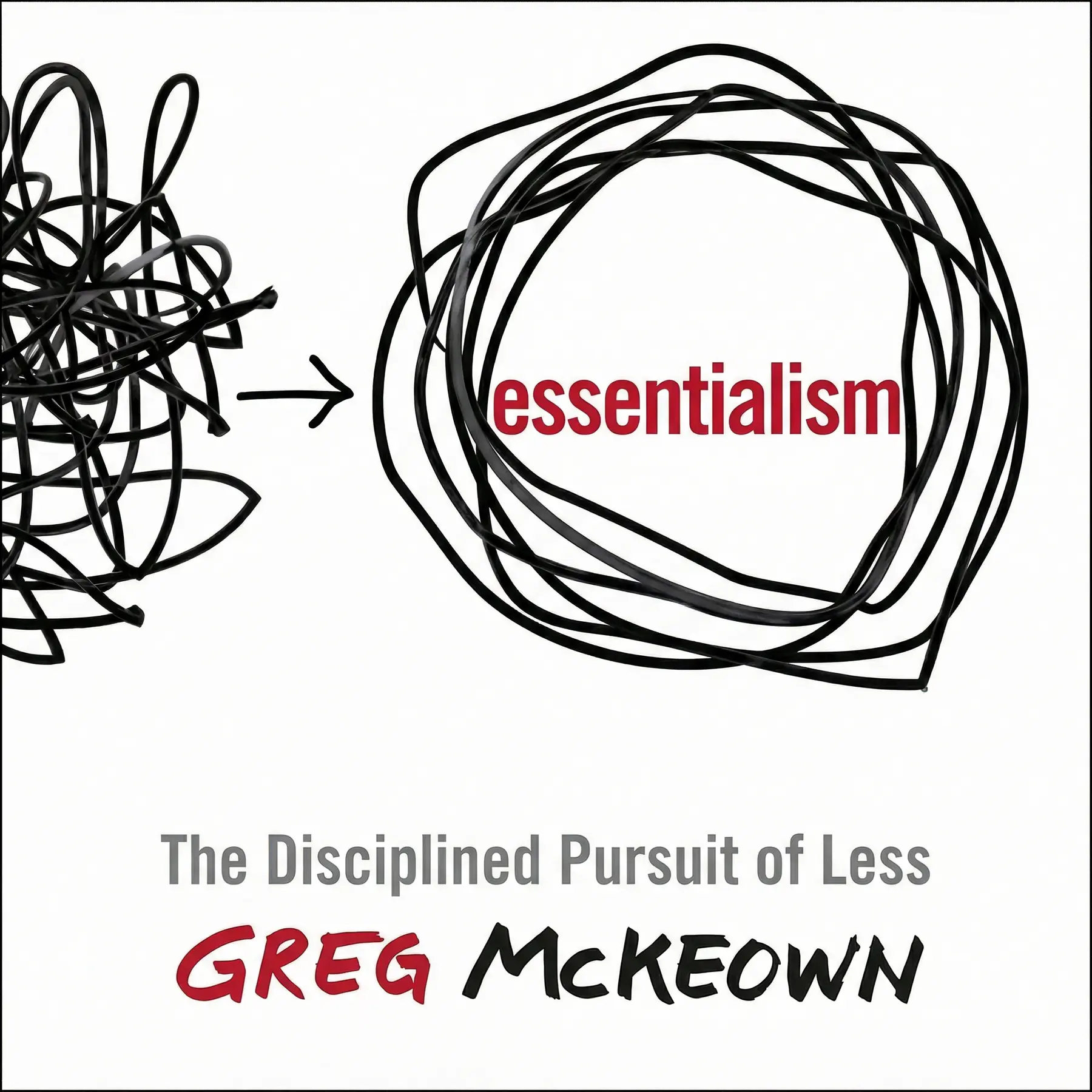
Essentialism: The Disciplined Pursuit of Less
By Greg McKeown
Explore the philosophy of doing less but better. This summary teaches you how to identify your highest priorities and reclaim your time from the trivial distractions of the modern world.
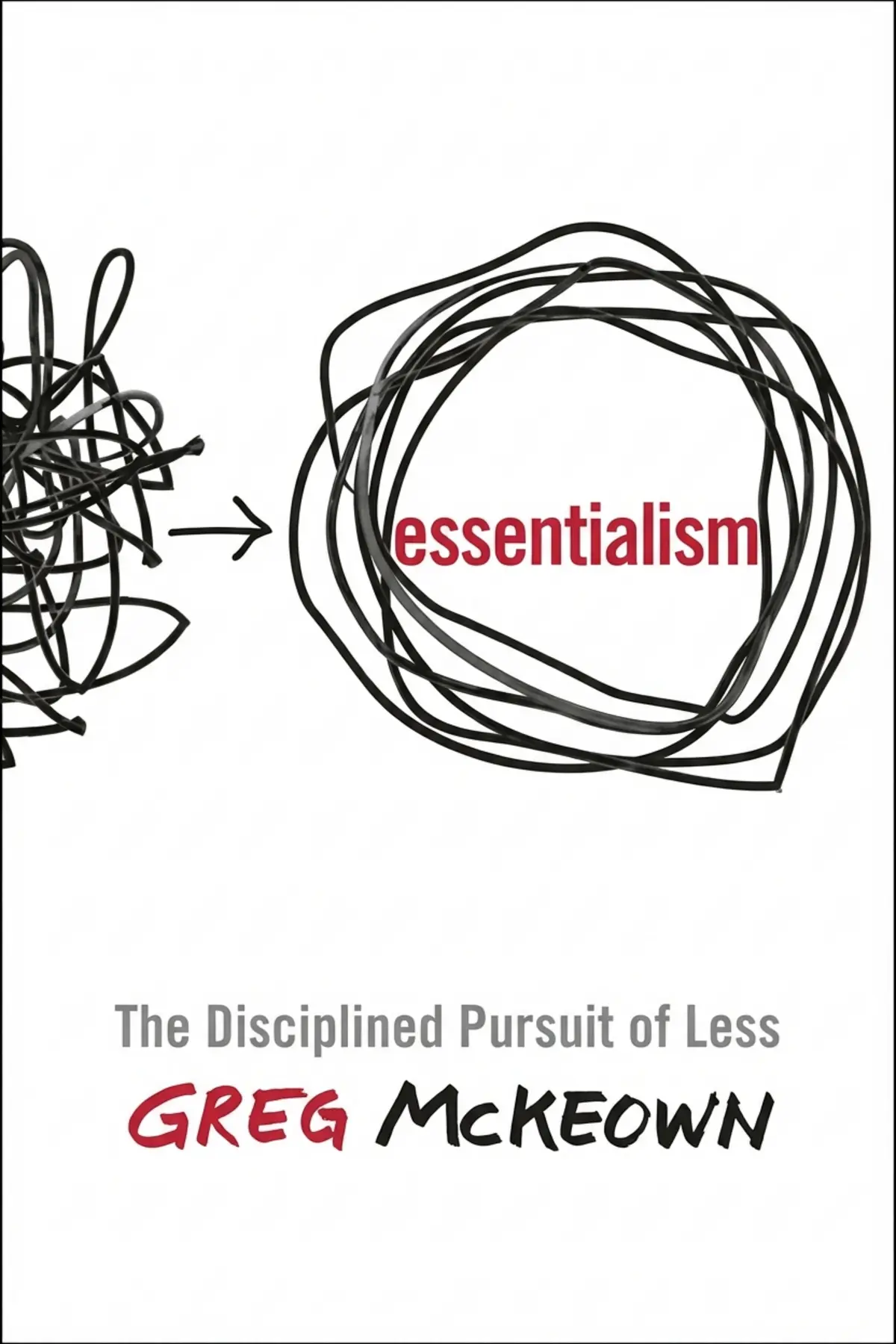
Table of Content
1. Introduction
2 min 16 sec
Have you ever found yourself at the end of a long, exhausting day, wondering what you actually accomplished? You were busy every minute. Your inbox was full, your calendar was packed, and you were constantly in motion. Yet, despite all that effort, you feel as though you haven’t moved the needle on the things that truly matter. You feel stretched thin, like butter scraped over too much bread.
This is the modern paradox. We live in an era of unprecedented abundance and opportunity. We are told we can have it all, do it all, and be it all. But the reality is that when we try to do everything, we end up making a millimeter of progress in a million different directions. We lose our focus, our effectiveness, and eventually, our joy. We become reactive, responding to the loudest voice or the latest notification rather than our own internal compass.
In this exploration of the essentialist lifestyle, we are going to challenge the myth that more is better. We will look at why packing your schedule to the brim is actually a recipe for mediocrity. Instead, we’ll discover a different way of living—one based on the pursuit of ‘less but better.’ This isn’t just a time management strategy; it’s a systematic discipline for discerning what is absolutely vital and then cutting out everything else.
Throughout this journey, we’ll see how to reclaim our power of choice. We’ll learn why top-tier companies succeed by doing fewer things, and why your brain actually needs play and rest to perform at its peak. By the end, you’ll have the tools to audit your own life, toss out the metaphorical ‘howling-wolf shirts’ cluttering your mental closet, and focus your energy on a single, meaningful direction. Let’s begin by redefining what it means to be successful in a world that never stops asking for more.
2. The Core Philosophy of Doing Less Better
2 min 07 sec
Discover why the secret to high performance isn’t about working harder, but about choosing a singular path and committing to excellence within it.
3. Reclaiming the Power of Choice
2 min 19 sec
Learn how the feeling of being overwhelmed often stems from a psychological state where we forget that we have the ultimate say in our own lives.
4. The Strategic Advantage of Trade-offs
2 min 10 sec
Explore why trying to be everything to everyone is a recipe for failure, and how successful organizations win by making tough sacrifices.
5. Creating Mental Space for Reflection
2 min 08 sec
Discover why silence, boredom, and solitude are not wastes of time, but the essential raw materials for brilliant breakthroughs.
6. The Vital Role of Play and Sleep
2 min 18 sec
Understand why your body and mind require periods of ‘unproductive’ time to achieve peak creativity and cognitive function.
7. Extreme Criteria for Selection
2 min 06 sec
Learn how to use the ’90-percent rule’ to filter your commitments and ensure that only the most valuable opportunities make the cut.
8. The Graceful Art of Saying No
2 min 17 sec
Master the social and emotional skills required to turn down requests without damaging your professional or personal relationships.
9. Cutting Losses and Establishing Boundaries
2 min 01 sec
Discover how to walk away from failing projects and how setting firm limits can actually provide you with more freedom and peace.
10. Streamlining Execution and Preparation
2 min 04 sec
Learn to identify the ‘slowest scout’ in your workflow and why adding a 50 percent time buffer can save you from constant stress.
11. The Power of Routine and Small Wins
2 min 13 sec
See how building a sustainable routine and celebrating minor milestones can create an unstoppable momentum toward your goals.
12. Conclusion
1 min 45 sec
As we reach the end of our journey into essentialism, it’s worth returning to the central metaphor of the editor. A good editor doesn’t just cut words out for the sake of making a book shorter. They cut the fluff, the filler, and the confusing subplots so that the core story can shine through with maximum power. They make the work better by removing what doesn’t belong.
Your life is the most important story you will ever tell. If you fill it with a thousand trivial commitments, the plot gets lost. But if you have the courage to edit ruthlessly—to say no to the ‘good’ so you can say yes to the ‘great’—you create something of lasting value. You move from being a person who is perpetually ‘busy’ to being a person who is truly ‘impactful.’
Remember, the path of the essentialist is not a one-time destination. It is a daily practice. It’s about waking up every morning and asking yourself, ‘What is the most important thing I can do today?’ It’s about protecting your time for reflection, play, and rest. It’s about setting boundaries that allow you to do your best work. Start small. Find one thing in your life today that isn’t essential and let it go. Whether it’s a pointless meeting, a draining social obligation, or a physical object you no longer need, clear the space. In that newly found silence, you’ll find the clarity and the energy to pursue the things that truly matter. Less is not just more; less is better.
About this book
What is this book about?
We live in a world of constant noise where being busy is often mistaken for being productive. This summary explores the discipline of prioritizing the few vital tasks over the many trivial ones. It promises a path to regaining control over your choices, your energy, and your life. By applying a systematic approach to what is truly essential, you can achieve more by doing less. You will learn why saying no is not just a social skill but a vital survival mechanism for your career and well-being. The text guides you through the process of discerning the 'vital few' from the 'trivial many,' showing you how to design a life that aligns perfectly with your ultimate goals instead of reacting to everyone else's demands.
Book Information
About the Author
Greg McKeown
Greg McKeown is an author and management consultant who has coached at companies such as Google, Facebook, Apple, Twitter and LinkedIn. He holds an MBA from Stanford University, where he co-created the course Designing Life, and is also the author of the best-selling book Multipliers.
Ratings & Reviews
Ratings at a glance
What people think
Listeners find this book simple to navigate and comprehend, praising a direct writing approach that makes complicated notions easy to grasp. Furthermore, they value the thoroughly researched observations and useful tips that support both career-based and private advancement. The content motivates listeners to rethink their current priorities and provides concrete tactics for determining what is vital. Additionally, listeners find it intellectually stimulating, with one noting it helped them clarify and express their own life philosophy.
Top reviews
Narong
After hearing about this for years, I finally dove in. The concept of the "disciplined pursuit of less" hit me at exactly the right time in my career. I love the "if it's not a hell yes, it's a no" rule because it removes the agony of indecision that usually drains my energy. McKeown's writing is straightforward and highly researched, which helps ground the more philosophical ideas in reality. I've already started applying the "essential intent" strategy to my daily task list, and the difference in my mental clarity is staggering. It’s not just about doing less; it’s about making a higher contribution by focusing on what truly matters. This book has helped me articulate a life philosophy I've been struggling to define for a decade. Truly life-altering stuff if you're actually willing to cut the dead wood from your schedule.
Show moreDing
Wow. I didn’t realize how much I was holding onto out of pure guilt until I read this. The book helped me realize that saying no to a side project or a social obligation isn't an act of selfishness, but an act of integrity. I actually quit my second job after finishing this because I realized I was only doing it to please others at the expense of my health. McKeown’s logic is inescapable: we have a limited amount of energy, and we can either scatter it or channel it into something meaningful. The writing style is punchy and accessible, making it an easy read over a weekend. It's a provocative look at how we spend our days and a much-needed permission slip to stop trying to "do it all." If you're feeling overwhelmed, this book provides the framework to finally start breathing again.
Show moreManika
Is it possible to be both concrete and inspirational in a business book? Greg McKeown proves it is with this powerful look at how we trade our lives for things that don't matter. The concept of "Essential Intent" is a game-changer for anyone in a leadership position trying to steer a team toward a singular goal. It’s not just about saying no to the bad stuff; it’s about having the courage to say no to the "good" opportunities so you can say yes to the "great" ones. I loved the emphasis on creating a system that makes execution almost effortless once the big decisions are made. Not gonna lie, I was skeptical of the hype, but this is one of those rare books that actually changes the way you operate. It’s highly researched yet remains incredibly easy to understand. Highly recommended for anyone drowning in a sea of "important" tasks.
Show moreNoo
Teams function better when there is a singular, quantifiable purpose, and this book is the best manual I've found for creating that clarity. As a manager, I've often struggled with "priority creep," where every new task feels like the most important thing. McKeown’s framework for identifying the "highest point of contribution" has helped me shield my team from unnecessary distractions. The chapter on the power of "play" and "rest" as essential tools for focus was particularly enlightening, even if hearing about Ariana Huffington’s sleep habits felt a little out of place. This is a must-read for anyone who feels like they are working harder than ever but achieving less. It’s a disciplined approach to life that values quality over quantity. Truly essential reading for the modern professional who wants to make a real impact instead of just being busy.
Show morePop
The structure of this book is ironically quite essentialist itself. McKeown avoids the dense, jargon-heavy prose often found in self-help and instead delivers a potent, well-researched manifesto for modern living. I particularly enjoyed the chapter on the importance of sleep, despite the somewhat odd trend of CEOs like Jeff Bezos suddenly acting like they discovered the eight-hour night. Truth is, we all need the reminder that protecting our primary asset—ourselves—is the only way to sustain high performance over time. While I found some of the "cutesy" graphics a bit unnecessary, the core message about choosing what's important is incredibly sharp. It’s a great companion piece to Stephen Covey’s work, updated for an era where we are constantly bombarded by digital noise. If you feel like you're moving a millimeter in a million directions, read this.
Show morePim
As someone who constantly feels spread too thin, this felt like a cold glass of water. The central premise that if you don't prioritize your life, someone else will, resonated deeply with my current burnout. McKeown provides actionable strategies for identifying what is truly vital versus what is merely "close but not quite" important. Personally, I found the section on the "Brad Pitt" approach to specific mission statements to be a highlight of the book's practical advice. It’s one thing to have vague values, but having a measurable intent changes how you view every single invitation or request. My only gripe is that it feels a bit repetitive toward the end, but maybe that's the point of hammering home a singular message. It’s a solid 4-star read that I plan to revisit every six months to stay on track.
Show moreHazel
Picked this up on Audible and the narration really sells the message. There’s something about the author’s calm delivery that makes the radical idea of "doing less" seem entirely achievable and rational. I’ve read plenty of productivity books, but this one stands out because it focuses on the "why" rather than just the "how." The distinction between a non-essentialist and an essentialist is drawn clearly through various anecdotes and research-backed insights. I particularly liked the focus on "choice" as an active power we often surrender to our bosses or peers. While some of the historical comparisons felt a little stretched, the overall impact on my perspective was positive. It’s a thought-provoking guide that encourages you to re-examine your priorities with a much sharper lens. Definitely worth the time for anyone feeling the weight of the "busy" trap.
Show moreNang
Look, we all know we should sleep more and do less, but McKeown actually makes you feel the weight of your choices. The book acts as a mirror, reflecting all the ways we sabotage our own success by trying to please everyone at once. I appreciated the practical advice on how to gracefully decline commitments without burning bridges. The idea that we should only pursue things that are a "9 or a 10" on a scale of 10 is something I’ve started using in my personal life immediately. However, I do think the author could have spared us some of the cutesy large-text pages that felt like filler. Despite that, the core philosophy is sound and the writing is engaging enough to keep you hooked. It’s a solid guide for anyone looking to reclaim their time from the clutches of the "non-essential" world.
Show moreSuvannee
To be fair, much of the advice here isn't exactly groundbreaking. Most of us already know we should sleep more, focus on one thing at a time, and keep a journal to track our progress. McKeown writes with a British accent on the audiobook that is quite pleasant, but the content itself feels like a collection of common-sense wisdom wrapped in a trendy new package. I found the "Make It Right" foundation example interesting, yet I couldn't help feeling that the book could have been 100 pages shorter without losing any real substance. It’s definitely a helpful reminder for people who have forgotten how to set boundaries, but it’s not a revolutionary text by any means. It’s a decent enough read for professional growth, provided you don't expect a miracle. Sometimes the most essential thing is to just skip the fluff and get back to work.
Show moreOrm
Not what I expected. While I understand the "less is more" philosophy, this book feels like a classic example of a single blog post stretched into 270 pages through large fonts and repetitive anecdotes. Frankly, the author’s decision to use historical figures like Rosa Parks or Nelson Mandela to illustrate his points on "saying no" felt tone-deaf and reductive to their actual struggles. It’s hard to take advice on focus seriously when it’s packaged in such a slick, corporate-speaker vibe that clearly caters to the Silicon Valley elite. To be fair, there are a few decent takeaways about setting boundaries, but they are buried under layers of fluff that contradict the book’s own premise. If you want to learn to say no, start by saying no to this book and just read a summary online instead. You'll save time and money.
Show more
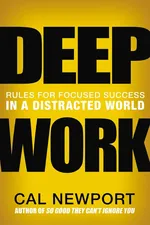
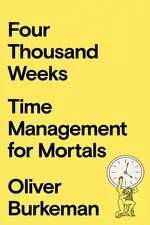
Readers also enjoyed
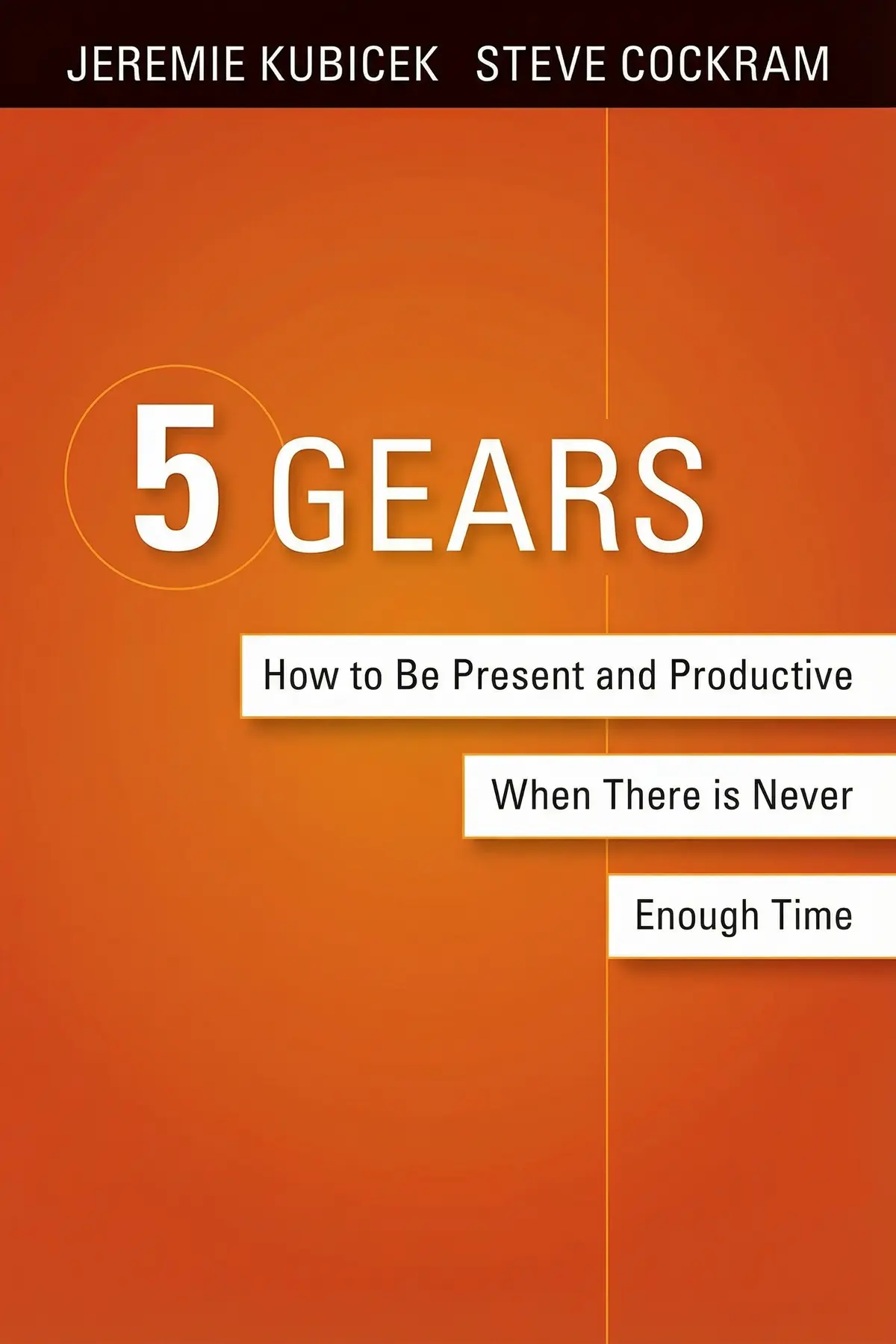
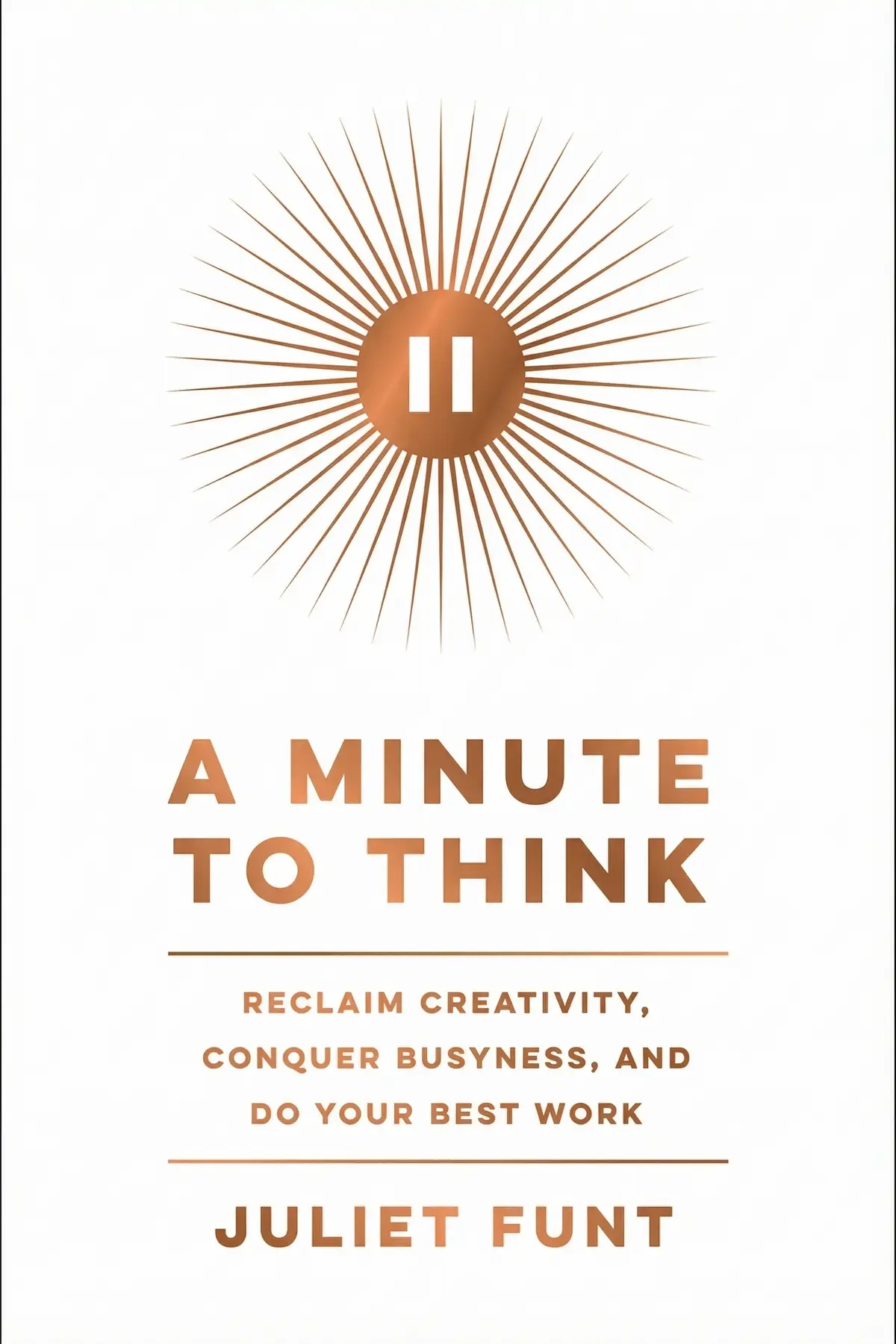
AUDIO SUMMARY AVAILABLE
Listen to Essentialism in 15 minutes
Get the key ideas from Essentialism by Greg McKeown, plus 5,000+ more titles in English and Thai.
- 5,000+ titles
- Listen as much as you want
- 7-day free trial
- Cancel anytime







