

16 min 54 sec
Everyone Who Is Gone Is Here: The United States, Central America, and the Making of a Crisis
Everyone Who Is Gone Is Here explores the profound human impact of migration by tracing decades of policy and personal struggle across the United States, El Salvador, Guatemala, and Honduras.
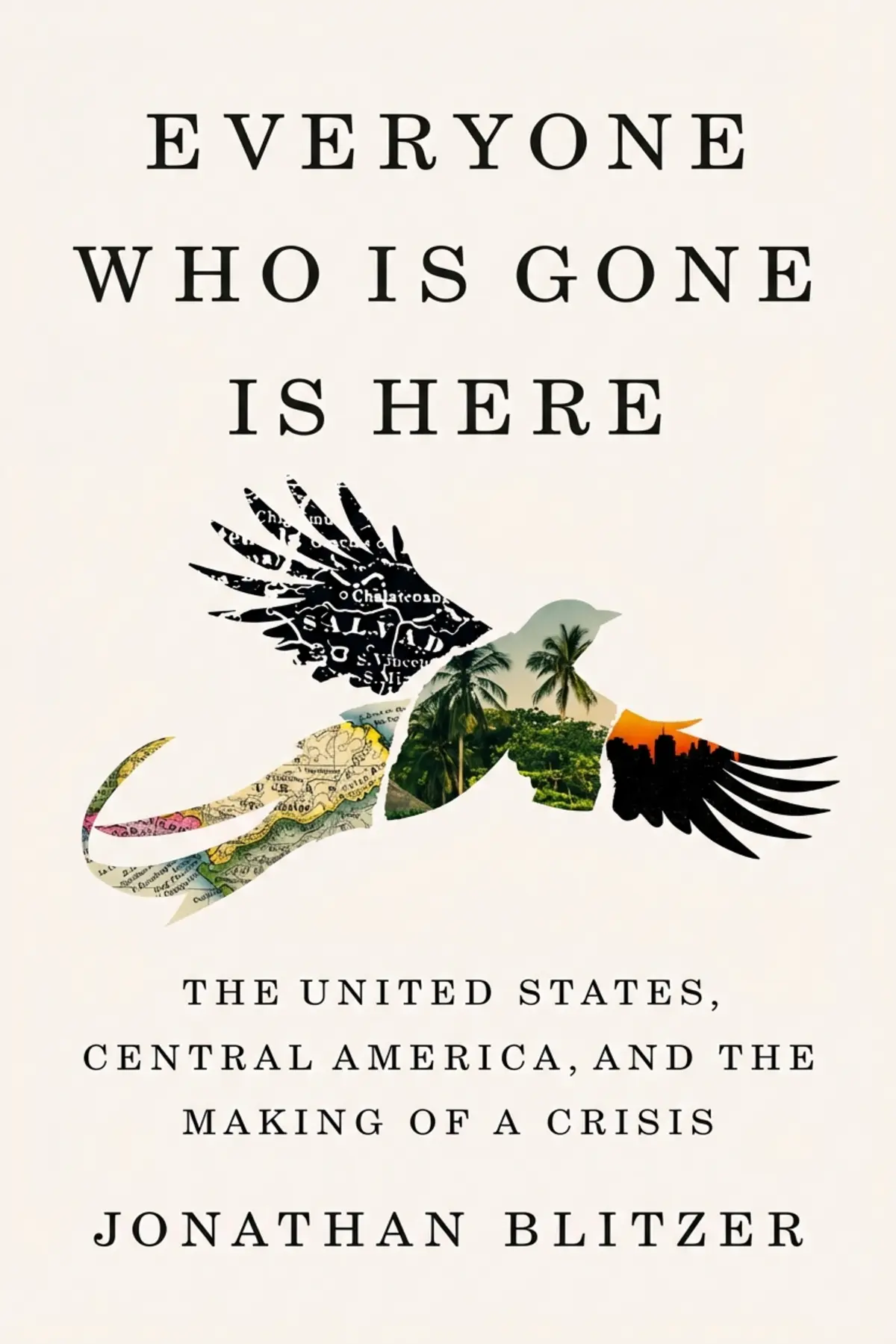
Table of Content
1. Introduction
1 min 32 sec
Imagine standing at the edge of everything you know, looking back at a home that has become a place of terror, and looking forward at a journey where the only guarantee is uncertainty. This is the reality for hundreds of thousands of people every year who find themselves forced to leave countries like El Salvador, Guatemala, and Honduras. They aren’t just looking for a change of scenery or a better paycheck; they are fleeing for their lives, escaping the shadows of civil war, corruption, and systemic violence. The decision to leave is never light. It is a desperate gamble on the possibility that a safer life exists somewhere else.
In this exploration of Jonathan Blitzer’s work, we are going to look beyond the political talking points and the heated debates over border security to find the human heart of the migration crisis. We will see how decades of history have created a web of connection between the United States and Central America—a history where the actions of one country deeply influence the fate of the other.
To make this vast history tangible, we will follow the story of Juan Romagoza. His journey from a victim of military brutality to an advocate for his community serves as our guide. Through his eyes, we can begin to understand the shifting tides of American policy and the enduring resilience of the human spirit. This is a story about why people go, what they leave behind, and what they find when they finally reach the other side. By the end of this journey, the complex machinery of immigration policy will start to look much more like what it actually is: a collection of millions of individual lives seeking a place to belong.
2. The Rise of Moral Resistance in the 1980s
3 min 02 sec
When legal doors were slammed shut on Central American refugees, a quiet rebellion of faith and conscience began to offer a different kind of welcome.
3. Navigating the Shadows of Legal Limbo
2 min 55 sec
For many, reaching the United States was only the beginning of a long battle for recognition and the right to remain.
4. The Turning Tide of National Security
2 min 49 sec
In the wake of a global tragedy, the focus of immigration policy shifted from economics to enforcement, forever changing the border experience.
5. The Relentless Cycle of Dislocation
2 min 30 sec
Understanding the modern border crisis requires looking back at the long-term consequences of foreign policy and systemic instability.
6. A Life Reclaimed and the Meaning of Home
2 min 33 sec
The story of migration doesn’t always end with a new life abroad; sometimes, it ends with a difficult return to a changed homeland.
7. Conclusion
1 min 33 sec
As we look back over the decades of policy and the individual lives affected by them, a clear picture emerges. The migration crisis is not a temporary problem or a sudden event; it is the culmination of a long and complicated relationship between nations. From the sanctuary movement of the 1980s to the modern debates over border walls and asylum, the core question has remained the same: How do we respond to the human being standing at the door?
The story of Juan Romagoza shows us that while laws and political administrations change, the human drive for survival and dignity is constant. It also shows us that the United States and Central America are inextricably linked. The choices made in Washington have profound effects on the streets of San Salvador, and the struggles of families in Honduras eventually make their way to the U.S. border.
This summary has explored the cycle of violence, the shift toward national security, and the enduring power of community and faith. What we can take away from this is a deeper understanding that migration is not just a policy issue to be solved, but a human reality to be navigated with compassion and a sense of historical responsibility. By recognizing the shared history and the individual humanity of those who are gone and those who are here, we can begin to imagine a future where the path to safety doesn’t have to be such a desperate gamble. The real work lies in addressing the deep-seated reasons why people are forced to leave and in creating a system that honors the inherent worth of every person, regardless of which side of a line they were born on.
About this book
What is this book about?
This summary provides a deep dive into the intertwined histories of the United States and Central America, specifically focusing on the forces that drive individuals to flee their homes in search of safety. It explores the rise of the sanctuary movement in the 1980s, the hardening of border policies in the post-9/11 era, and the modern-day humanitarian challenges that define the region today. By following the life of Juan Romagoza, a doctor who escaped torture in El Salvador, the narrative highlights the resilience of those caught between violent conflicts and bureaucratic systems. You will learn about the shifting legal landscape of immigration, from the amnesty of the 1980s to the aggressive enforcement of the Trump administration. The promise of the book is to move beyond headlines and statistics to provide a compassionate, long-term view of why people migrate and how the political choices of the past continue to shape the crises of the present. It offers a clear understanding of the human struggle for justice and the enduring ties that bind communities across national borders.
Book Information
About the Author
Jonathan Blitzer
Jonathan Blitzer is an esteemed journalist and a staff writer at The New Yorker, specializing in the complex intersections of immigration and foreign policy. His reporting has been recognized with prestigious honors, including the Edward R. Murrow Award and the Immigration Journalism Prize from the French-American Foundation. Beyond his work at The New Yorker, Blitzer’s insightful writing and research have appeared in several prominent publications, including the New York Times, the Atlantic, and the Nation.
Ratings & Reviews
Ratings at a glance
What people think
Listeners find the work highly accessible and expertly composed, grounded in extensive research that fuses modern perspectives with historical facts. This book provides a profound exploration of immigration issues using gripping personal accounts that are both enlightening and emotionally resonant. They value its focus on the human experience, and one review mentions its specific ties to the Civil War in El Salvador.
Top reviews
Methinee
Wow. This isn't just a book about statistics; it’s a visceral look at the human cost of political instability. Blitzer connects the dots between the El Salvadoran Civil War and our modern border crisis with surgical precision. I was especially moved by the individual accounts that make the abstract policy debates feel incredibly personal and urgent. While the sheer amount of research is staggering, the narrative never loses its heart. It’s a haunting reminder that every migrant has a name and a history we’ve chosen to forget. The writing manages to be both informative and deeply empathetic without feeling like a lecture.
Show moreRungtip
Ever wonder how the border situation actually became so messy? This book provides the most thorough answer I’ve ever encountered by looking at decades of interventionist policy. The stories of people like Eddie, whose life was shaped by deportation and gang violence, are absolutely gut-wrenching to read. Blitzer doesn’t shy away from the darker aspects of US involvement in Central America, showing how our past choices created today’s reality. It is an eye-opening read that should be mandatory for anyone who wants to speak on immigration. The writing is sharp and the emotional weight is heavy, making it impossible to ignore the systemic failures described.
Show moreNiphon
Picked this up thinking it would be another dry policy paper, but I was wrong; the storytelling is incredibly cinematic. Blitzer takes these massive, geopolitical shifts and filters them through the lives of real people who had no choice but to leave. It’s easy to talk about 'the border' as a concept, but it’s much harder once you’ve read these accounts of survival and loss. The research here is top-tier, blending historical archives with personal testimonies in a way that feels seamless. This is the kind of book that changes how you look at the evening news every single night. Truly a masterpiece of investigative journalism that feels essential for our current moment.
Show moreNan
Truth is, we rarely see the names behind the numbers at the border, but this book changes that. Jonathan Blitzer has produced a definitive account of the immigration crisis that is as readable as a novel. By focusing on individuals from Guatemala and Honduras, he shows the impossible choices families are forced to make every day. The book is deeply researched and provides a necessary history of how US actions abroad have direct consequences at home. It’s a powerful, sobering experience that stayed with me long after I put it down. Highly recommended for any citizen who wants to understand the 'why' behind the headlines.
Show moreWatchara
Finally got around to this massive tome and it did not disappoint. The way Blitzer weaves together the history of the Northern Triangle with the evolution of ICE and border enforcement is masterful. You can tell he spent years on this, and the level of trust he built with his subjects shines through in every interview. It’s a complex narrative that avoids easy answers, instead opting for a nuanced look at a broken system. Some might find the detail overwhelming, but I found the thoroughness to be its greatest strength. This book fills a massive gap in our public understanding of why people move. A vital contribution to the conversation.
Show morePridi
Blitzer manages to weave personal tragedies into the cold, hard machinery of US foreign policy in a way that is just remarkable. This isn't just about the border; it's about the decades of history that led us to this specific moment. I was struck by how little I actually knew about the Reagan-era policies that shaped the current migration patterns. The book is a heavy lift, both in terms of page count and emotional content, but it is deeply rewarding. It’s rare to find a book that is this well-researched while remaining so profoundly moving. If you want to understand the modern world, start here. It is eye-opening and absolutely necessary.
Show moreSawit
After hearing about Blitzer’s work at the New Yorker, I knew I had to give this a read. He does an excellent job tracing US immigration policy all the way back to the Carter administration, which provides much-needed context for the current mess. Occasionally, the middle sections felt a bit like a slog because there is so much detail to digest at once. However, the way he humanizes people like Juan makes it worth pushing through the denser chapters. It's a comprehensive, if slightly exhausting, exploration of why people are fleeing the Northern Triangle. It’s definitely a long commitment, but the historical depth is unmatched.
Show moreRatchada
The chapter on the El Salvadoran Civil War was a total gut punch that clarified so much for me. I’ve always understood that the US played a role in Central American politics, but I didn’t realize the depth of the corruption we supported. Blitzer’s writing is very New Yorker—meticulous, balanced, and sometimes a little too focused on the minutiae of policy meetings. It is a long read, and I found myself needing to take breaks to process the sheer amount of information. Still, the human stories kept me coming back until the very last page. It’s a dense work, but it offers a necessary perspective on the roots of the crisis.
Show moreEthan
As someone who follows immigration news closely, I found this perspective vital and refreshingly deep. It moves past the soundbites we hear on TV to look at the structural failures of the last forty years. While I think the book could have used more room to analyze current theory, the intimate portraits of migrants are stellar. The narrative can be a bit bleak, as there are no simple solutions presented, but that’s the reality of the situation. It’s a solid 4-star read that rewards the reader for their patience and attention. Blitzer is a gifted writer who knows how to make complex history feel accessible to the average person.
Show moreZoe
To be fair, this is an incredibly dense book that occasionally feels like it’s drowning in its own research. I appreciate the effort Blitzer put into interviewing migrants and officials, but the pacing is inconsistent and the writing can be quite dry. At times, the organizational structure is a bit confusing, jumping between decades in a way that makes it hard to follow the causal links. I also felt the ending was a bit rushed, barely touching on the Biden era compared to the deep dives into Reagan and Bush. It’s an important history, but it's a difficult one to finish if you aren't a policy wonk. Some parts felt like they belonged in a textbook rather than a narrative.
Show moreReaders also enjoyed

A Year in the Life of William Shakespeare: 1599
James Shapiro
A Warning
Miles Taylor

Agent Sonya: The Spy Next Door
Ben Macintyre
1491: New Revelations of the Americas Before Columbus
Charles C. Mann

Alexander Hamilton
Ron Chernow
1929: Inside the Greatest Crash in Wall Street History--and How It
Andrew Ross Sorkin
Alexander the Great
Philip Freeman
AUDIO SUMMARY AVAILABLE
Listen to Everyone Who Is Gone Is Here in 15 minutes
Get the key ideas from Everyone Who Is Gone Is Here by Jonathan Blitzer, plus 5,000+ more titles in English and Thai.
- 5,000+ titles
- Listen as much as you want
- 7-day free trial
- Cancel anytime







