
22 min 09 sec
Everything is F*cked: A Book About Hope
By Mark Manson
Everything is F*cked explores the counterintuitive relationship between hope and happiness. Mark Manson argues that our pursuit of a perfect future often blinds us to the present, leading to modern anxiety and spiritual crisis.
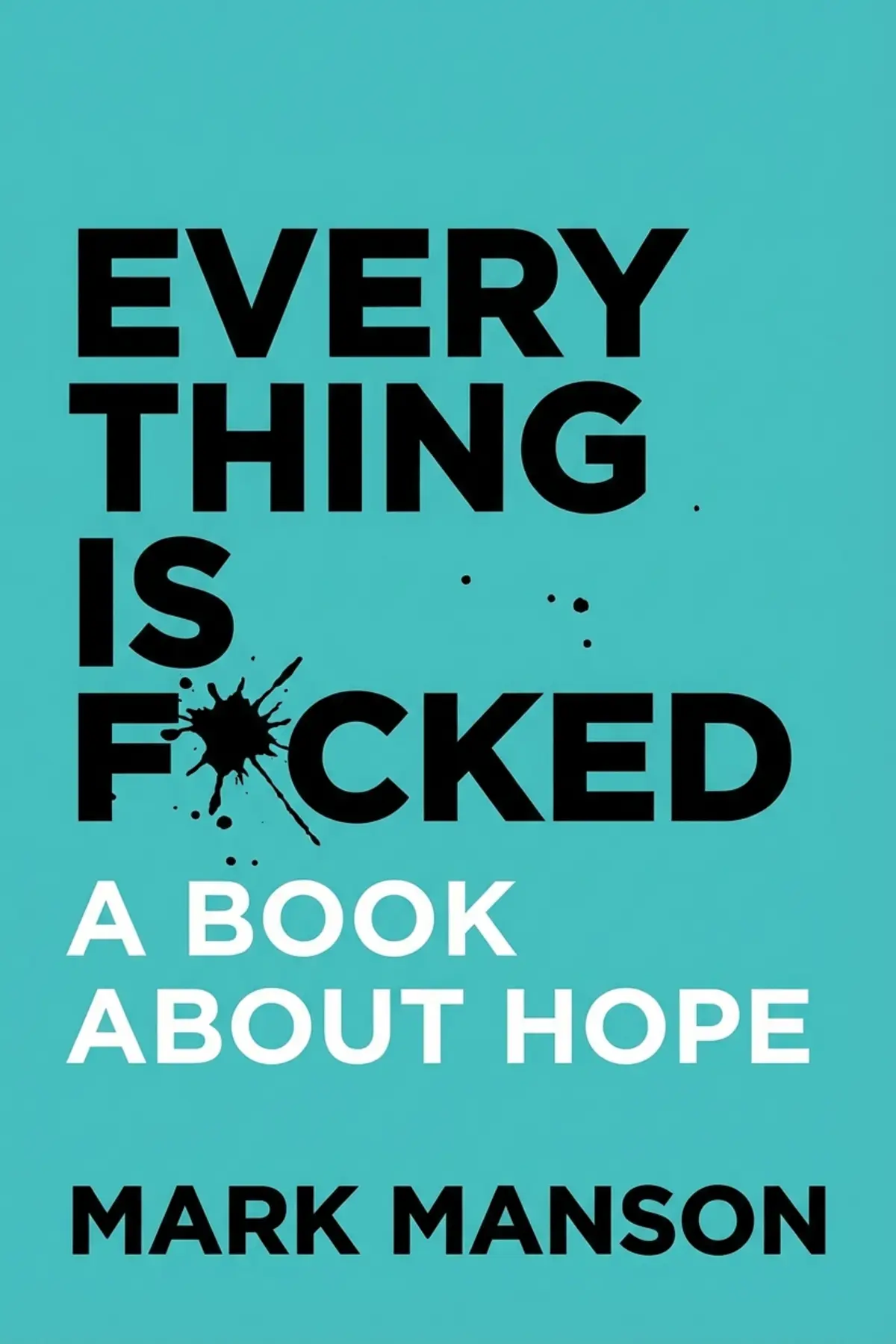
Table of Content
1. Introduction
1 min 48 sec
Step back for a moment and look at the world around you. By almost every metric we have—health, wealth, safety, and technology—we are living in the most prosperous era of human history. Starvation is at an all-time low, child mortality has plummeted, and the average person has access to more information than a king did a century ago. Yet, if you look at the people around you, or perhaps even look in the mirror, you might notice something strange. Despite all this progress, we are more anxious, more depressed, and more divided than ever before. It feels as though the better things get, the more we struggle to find a reason to get out of bed in the morning.
This is the central paradox that Mark Manson explores in his work. He suggests that the very thing we’ve been told is the solution to our problems—hope—is actually the root of our current crisis. We are constantly looking toward a future that we believe will finally make us happy, but in doing so, we ignore the reality of the present. We’ve become obsessed with comfort and the avoidance of pain, losing touch with the virtues that actually give life its substance: things like courage, honesty, and the ability to endure hardship.
Over the course of this summary, we’re going to deconstruct the mechanics of your mind and the structures of your beliefs. We’ll look at why your logical brain is often a passenger while your emotions do the driving. We’ll explore the history of hope and how it has sustained us in the darkest times, but why it fails us when times are good. We will dive into the philosophies of great thinkers who suggests that instead of hoping for a world without pain, we should learn to love our fate as it is. By the end, you’ll see that the path to a meaningful life isn’t through life-hacks or relentless positivity, but through a radical acceptance of the uncomfortable truth that life is difficult, and that’s exactly where the beauty lies.
2. The Duality of Hope and Nihilism
2 min 19 sec
Explore why the same force that pulls us out of the darkest times can also create a sense of purposelessness when life becomes too easy.
3. The Conflict Between the Thinking and Feeling Brain
2 min 04 sec
Discover why pure logic is often powerless against our emotions and how this internal divide shapes every decision we make.
4. The Hidden Laws of Human Emotion
2 min 25 sec
Unpack the invisible rules that govern our self-worth, our identity, and why we are drawn to certain types of people.
5. The Inevitable Corruption of Ideologies
2 min 23 sec
Examine why even the most well-intentioned belief systems eventually fail and why Nietzsche believed we must move beyond them.
6. Applying Kant’s Principle of Human Dignity
2 min 13 sec
Learn how treating people as ends in themselves, rather than means to an end, is the key to psychological adulthood.
7. The Happiness Trap and the Fragility of Democracy
2 min 30 sec
Understand why our modern obsession with comfort and the avoidance of pain is actually making us more vulnerable and less satisfied.
8. The Shift from Innovation to Diversion
2 min 12 sec
Explore how advertising and modern technology have hijacked our brains, trading our freedom for a never-ending cycle of distraction.
9. The Potential of an Algorithmic Future
2 min 20 sec
Consider the possibility that artificial intelligence might succeed where humans have failed, leading us toward a more rational and peaceful world.
10. Conclusion
1 min 55 sec
As we wrap up this journey through the landscape of modern hope and despair, the message is clear: the way we’ve been trying to find meaning is fundamentally broken. We’ve been chasing a ghost—a future without pain, a life without conflict, and a happiness that is constant. But as we’ve seen, that pursuit only makes us more fragile and more miserable. The more we try to avoid the uncomfortable truth of our existence, the more that truth haunts us. Everything is ‘f*cked’ only if your definition of a good life is one where nothing ever goes wrong.
Instead of searching for a reason to hope, we should be searching for a reason to act. We should embrace the philosophy of ‘Amor Fati’—learning to love our fate, not despite the struggle, but because of it. We should strive to reach psychological adulthood by acting on principle rather than for a reward. We should treat ourselves and others not as tools to be used, but as ends in themselves. This isn’t an easy path. It requires us to sit with our discomfort, to face the void of our own insignificance, and to choose to be virtuous anyway.
One practical way to begin this process is through the practice of meditation. Meditation isn’t about clearing your mind or reaching a state of bliss; it’s about learning to observe your thoughts and feelings without being controlled by them. It’s about letting the dark thoughts rise up, acknowledging them, and then letting them go. It trains the Feeling Brain to be less reactive and the Thinking Brain to be more observant. In doing so, it helps us accept the reality of the present moment, however ‘f*cked’ it might seem. So, stop waiting for the world to change so you can finally be happy. Stop hoping for a better tomorrow and start being a better version of yourself today. Accept the pain, embrace the struggle, and find the meaning that exists right here, in the middle of the chaos.
About this book
What is this book about?
By most objective measures, the world is safer and wealthier than ever before, yet collective anxiety and depression are reaching all-time highs. This book investigates this paradox, suggesting that our traditional mechanisms for finding meaning—specifically hope—are actually the source of our distress. It examines the psychological divide between our logical and emotional minds and how our values dictate our perception of reality. Mark Manson promises a raw look at the human condition, moving past superficial self-help to explore deep philosophical truths. He draws on the works of Nietzsche and Kant to explain why the pursuit of happiness is a futile trap. The book offers a path toward maturity that involves accepting pain rather than avoiding it, and finding a sense of purpose that doesn't rely on unrealistic visions of a distant, perfect future.
Book Information
About the Author
Mark Manson
Mark Manson is a New York Times best selling author and internet entrepreneur, who provides online classes on such topics as dealing with anxiety, relationships and writing. His writing attempts to tackle the big issues in life, and he tries to give people decent advice on how to live. His previous book was entitled The Subtle Art of Not Giving a F*ck (2016).
Will
Will Smith
Ratings & Reviews
Ratings at a glance
What people think
Listeners find this work stimulating and immersive, with one review highlighting the author's talent for translating intricate philosophical ideas into easy-to-grasp concepts. Furthermore, the narrative tone is enjoyable, and listeners value the sincerity and wit presented throughout. Nevertheless, the tempo gets varied feedback, as some consider the material profoundly significant while others characterize it as depressingly pessimistic.
Top reviews
Anthony
This book caught me off guard because it’s much more than just a sequel to the previous 'Subtle Art' craze. Manson dives deep into the architecture of hope, explaining why our constant pursuit of it might actually be the thing breaking us. I loved the breakdown of the 'Thinking Brain' versus the 'Feeling Brain' because it finally explained why I make so many stupid decisions despite knowing better. He manages to make heavy hitters like Nietzsche and Kant feel like guys you’d grab a beer with at a dive bar. It’s definitely darker than his previous work, but the ending provides a weirdly comforting perspective on our modern chaos. If you can stomach the blunt language, there’s some genuine wisdom here about finding meaning in the middle of a mess.
Show moreWararat
Wow. This isn't your typical self-help fluff; it’s a brutal, necessary look at why we struggle to find peace in a world designed to distract us. Manson’s explanation of the 'Feeling Brain' being the one actually driving the car while the 'Thinking Brain' just writes the maps was a total epiphany for me. The truth is, we spend so much time running from pain that we forget it’s actually the only thing that gives our lives any weight. I found the chapter on 'The Final Religion' to be incredibly bold and well-argued, even if it might ruffle some feathers. This book demands that you grow up and take responsibility for your own character rather than waiting for some external force to save you. It's easily one of the most impactful things I've read this year.
Show moreWatcharee
Picked this up during a bit of a personal slump and found the 'Laws of Emotion' chapter particularly insightful. Manson has this uncanny ability to take dense philosophical concepts—stuff that usually puts me to sleep—and turn them into digestible, hilarious metaphors. While the middle section about religion and the 'Unchanging Faiths' dragged a bit for me, the overall message about maturity and self-governance hit home. It’s not a sunshine-and-rainbows self-help book, but rather a cold shower for your soul. You might not agree with every generalization he makes about mental health, but the core argument about character over happiness is solid. I’d recommend it to anyone feeling burnt out by the relentless positivity of modern culture.
Show moreCharles
After hearing so much hype, I finally sat down with this and was pleasantly surprised by how much research actually went into it. The way he applies Newton’s laws to human emotion is a stroke of creative genius that actually makes sense when you think about it. It’s a lot more philosophical than his first book, which I appreciated, even if the tone felt a little condescending at times. Manson doesn’t sugarcoat the fact that the world is currently a dumpster fire, but he argues that we have the tools to cope. Some of the historical anecdotes were a bit long-winded and caused the pacing to stumble in the middle. Still, the final chapters on AI and the future of humanity were genuinely thought-provoking and slightly terrifying.
Show moreThitima
Not what I expected at all, but in a way that actually worked for me. Instead of giving me a list of things to do, Manson gave me a framework for how to think about my own suffering and hope. The narrative about the 'Thinking Brain' and 'Feeling Brain' is used effectively throughout to show why we can't just 'logic' our way out of bad habits. Look, the book can be pretty depressing if you’re looking for a quick pick-me-up, but if you want an honest assessment of the human condition, this is it. I did find the sections on AI a bit speculative and out of place compared to the earlier historical analysis. Regardless, the writing is sharp and the humor keeps the heavier philosophical pills from being too hard to swallow.
Show moreTantipat
Finally got around to reading this and I’ve got to say, Manson’s take on the 'pursuit of happiness' being toxic is something everyone needs to hear. He argues that we don't need more reasons to be happy; we need better things to suffer for, which is a powerful shift in perspective. The book manages to be both cynical and oddly motivating at the same time, which is a very difficult balance to strike. I liked how he tied in the concept of anti-fragility without actually using the buzzword constantly. There were a few points where I felt he was making broad generalizations about global politics that lacked nuance. Despite those small gripes, the core philosophy is sound and delivered with enough wit to keep you turning the pages.
Show moreSamart
Ever wonder why we have more resources than ever but feel more miserable? Manson attempts to answer this by deconstructing our obsession with hope, though the results are a bit of a mixed bag. Frankly, the book feels like it’s having an identity crisis, caught between being a serious philosophy primer and a casual shock-value manifesto. I enjoyed the parts discussing the 'pain constant' and how we need to suffer for the right reasons, but other sections felt like repetitive filler. The humor is hit-or-miss—sometimes it’s a sharp observation, other times it’s just a swear word for the sake of it. It’s a decent read if you want something that challenges your worldview, but don't expect a polished masterpiece.
Show morePita
As someone who enjoyed his first book, I found this one to be a significantly more difficult climb. The shift toward a more academic, philosophical tone was interesting but occasionally felt like he was 'mansplaining' Plato and Nietzsche to a crowd that didn't ask for a lecture. While I appreciate his attempt to tackle the 'paradox of progress,' the pacing felt very uneven, with some chapters feeling like they could have been summarized in a single tweet. There are moments of brilliance, like his discussion on the difference between freedom and variety, which actually changed how I look at my choices. However, the constant 'everything is f*cked' refrain starts to feel a bit nihilistic after a while. It’s worth a read for the few gems hidden inside, but it definitely lacks the punchy energy of his debut.
Show moreLincoln
The chapter on Isaac Newton’s laws of emotion was the highlight for me, but the rest of the book felt a bit disjointed. At times, it felt like I was reading a collection of blog posts that had been stitched together to meet a word count requirement. Manson’s voice is definitely unique, but the 'shock value' titles and excessive swearing are starting to lose their charm. In my experience, the book works best when he focuses on individual psychology rather than trying to diagnose the problems of the entire world. It’s an okay read if you’re already a fan of his work, but if you’re looking for a deep dive into philosophy, you’re better off going straight to the sources he cites. A solid three stars for the effort and the few 'aha!' moments.
Show morePete
Why does Manson feel the need to pepper every sentence with slang like 'cray cray' or forced vulgarity? It felt like he was trying way too hard to be the 'cool teacher' while simultaneously oversimplifying complex psychological traumas. I found the section on the 'Feeling Brain' to be a bit reductive, almost dismissive of the nuances involved in actual clinical depression. The writing style oscillated wildly between sounding like a serious academic paper and a ranty blog post from a decade ago. To be fair, his take on how technology is affecting our collective attention span was interesting, but it wasn't enough to save the book for me. It felt like a collection of loosely connected essays that didn't quite stick the landing.
Show moreFeatured in
Readers also enjoyed
59 Seconds: Change Your Life in Under a Minute
Richard Wiseman
A Guide to the Good Life: The Ancient Art of Stoic Joy
William B. Irvine
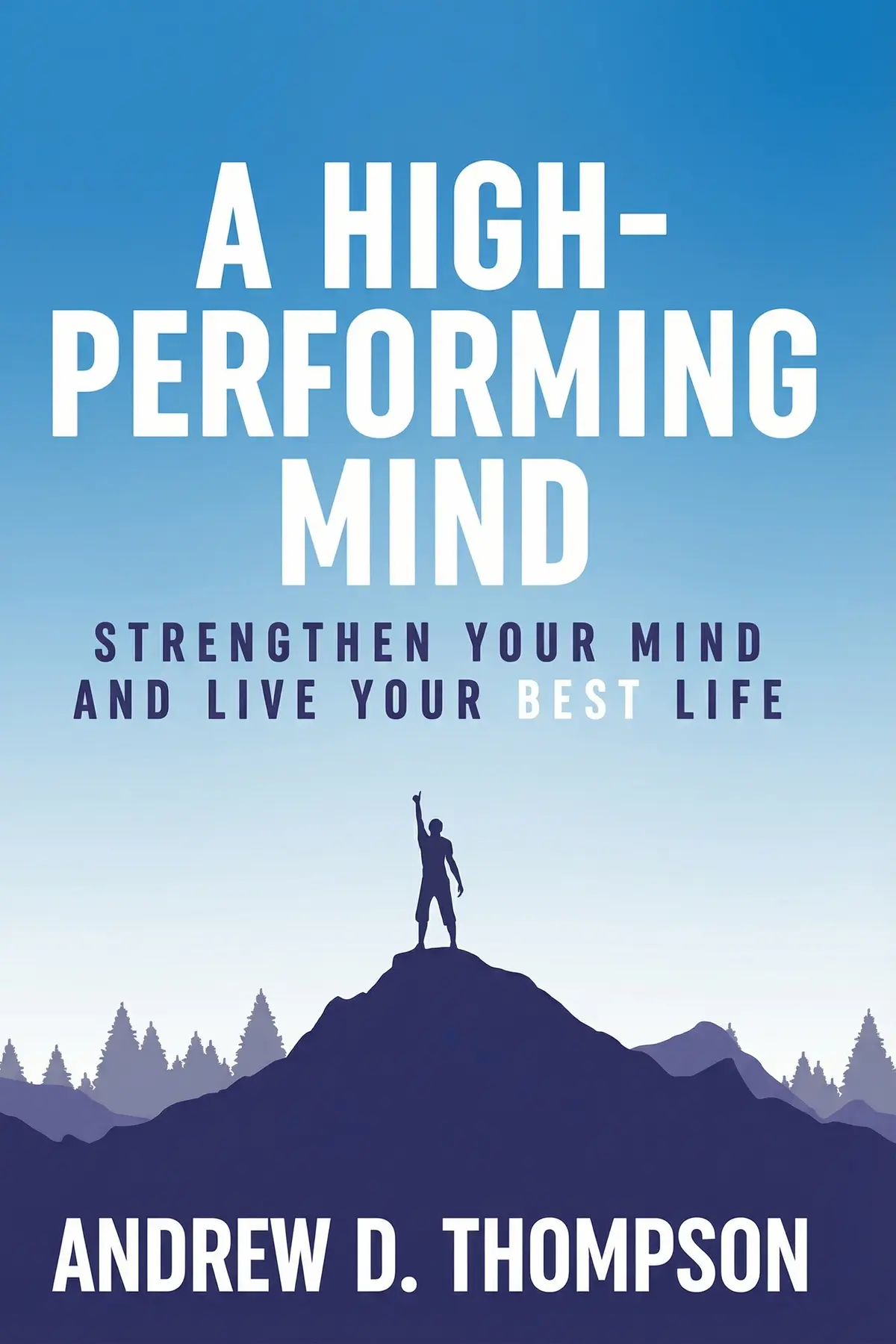
A High-Performing Mind: Strengthen Your Mind and Live Your Best Life
Andrew D. Thompson
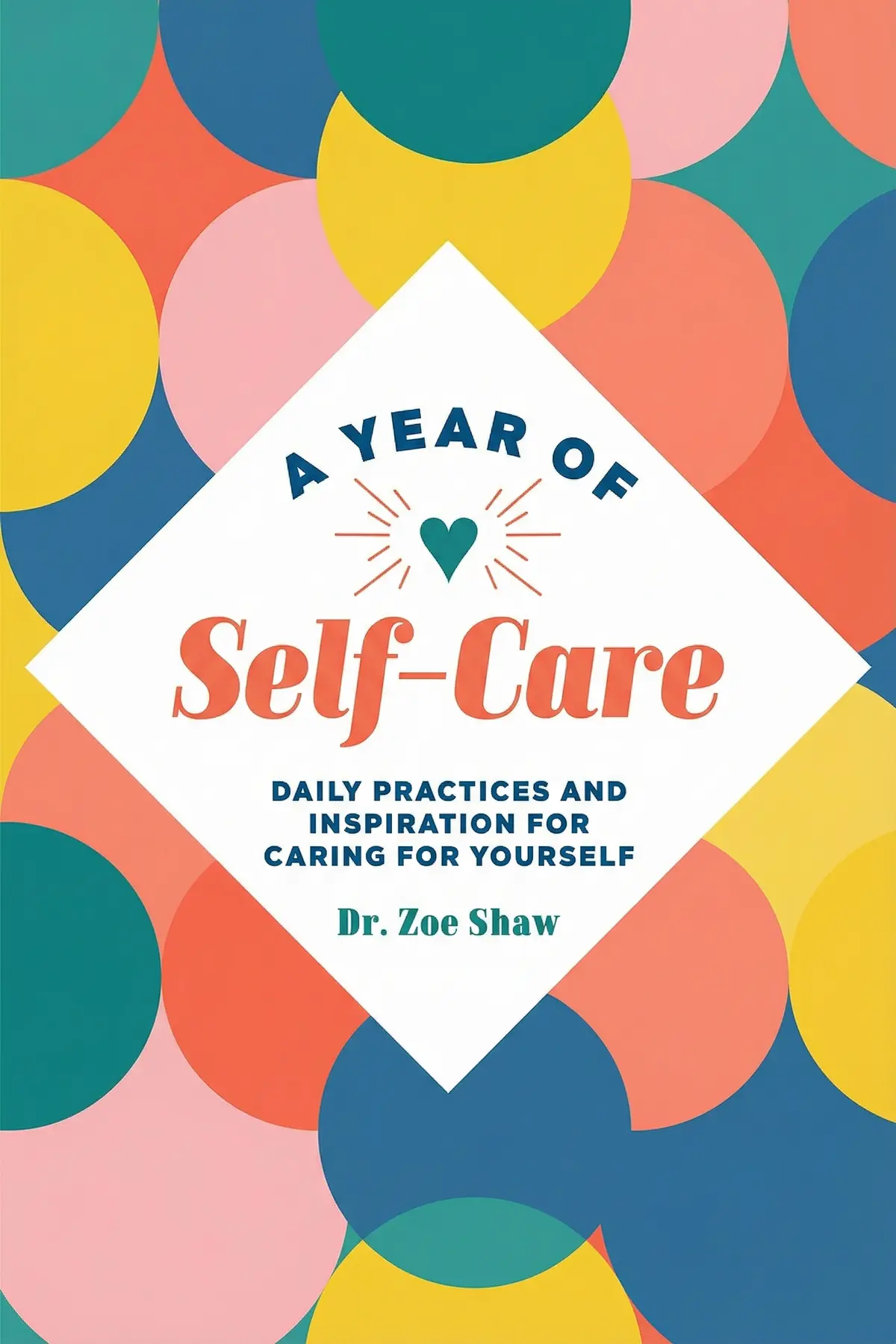
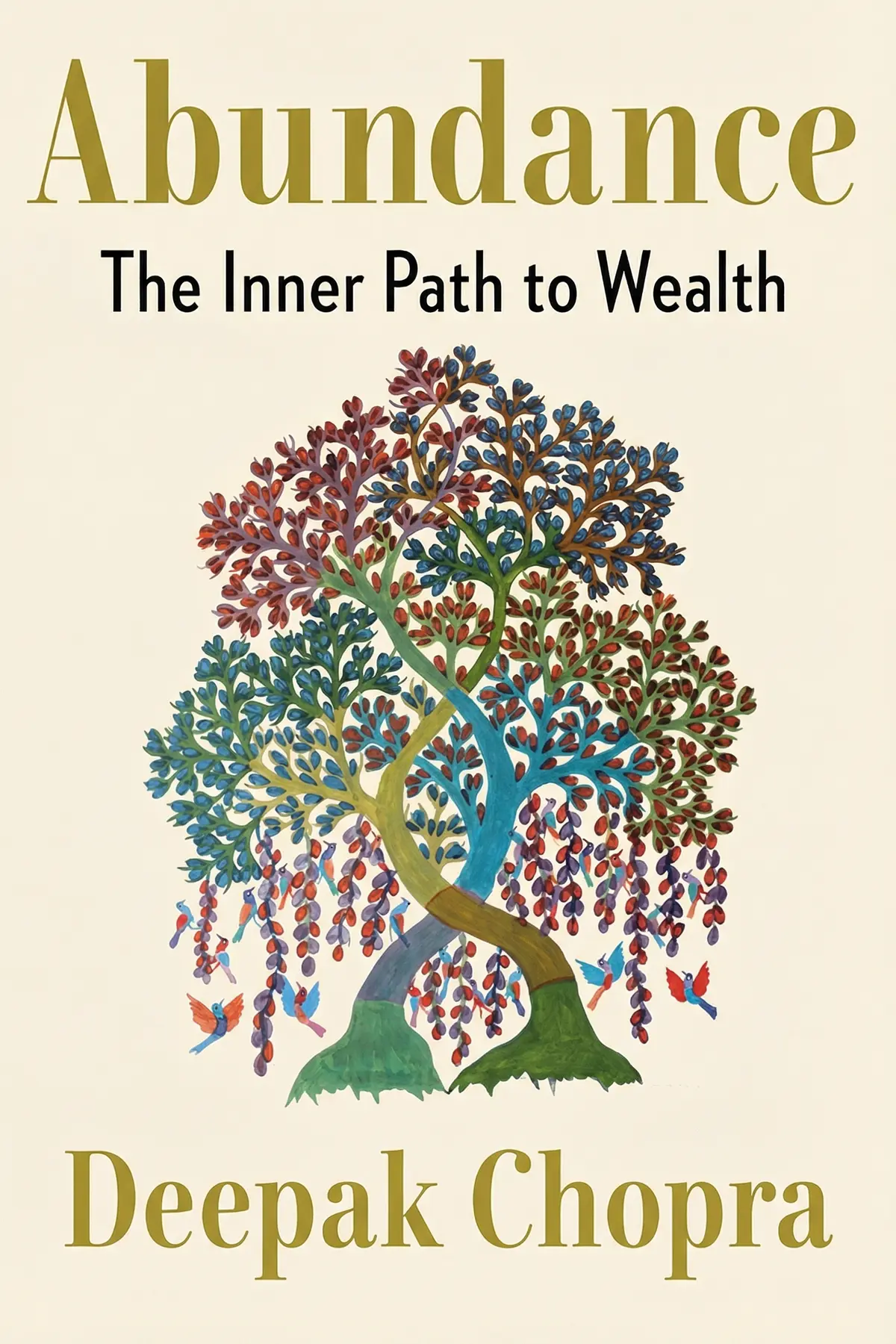
Abundance: The Inner Path to Wealth
Deepak Chopra
AUDIO SUMMARY AVAILABLE
Listen to Everything is F*cked in 15 minutes
Get the key ideas from Everything is F*cked by Mark Manson, plus 5,000+ more titles in English and Thai.
- 5,000+ titles
- Listen as much as you want
- 7-day free trial
- Cancel anytime







