
17 min 32 sec
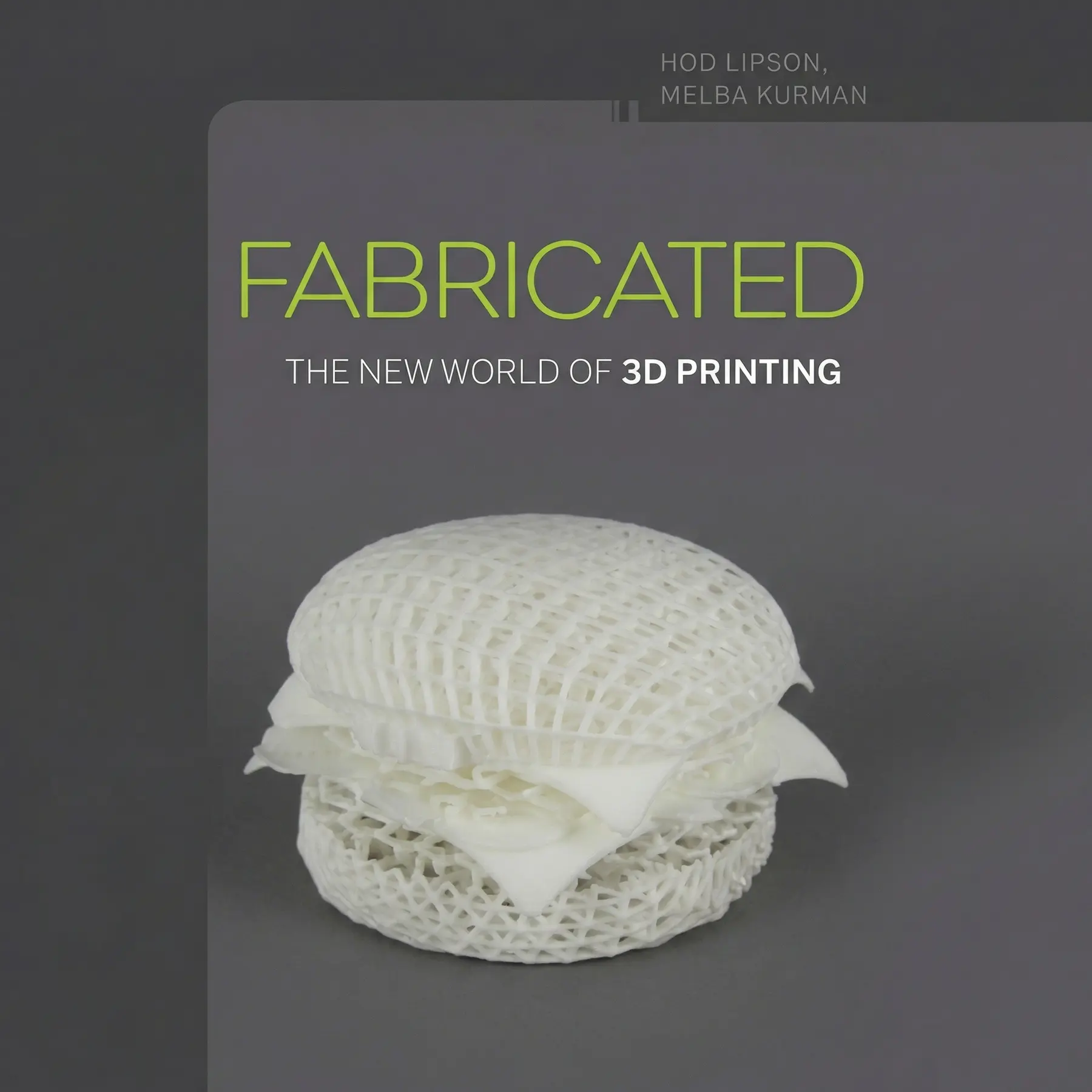
Fabricated: The New World of 3D Printing
Fabricated explores the transformative power of 3D printing. It reveals how this technology is moving beyond hobbies to disrupt global manufacturing, personalized medicine, and the way we design our physical world.
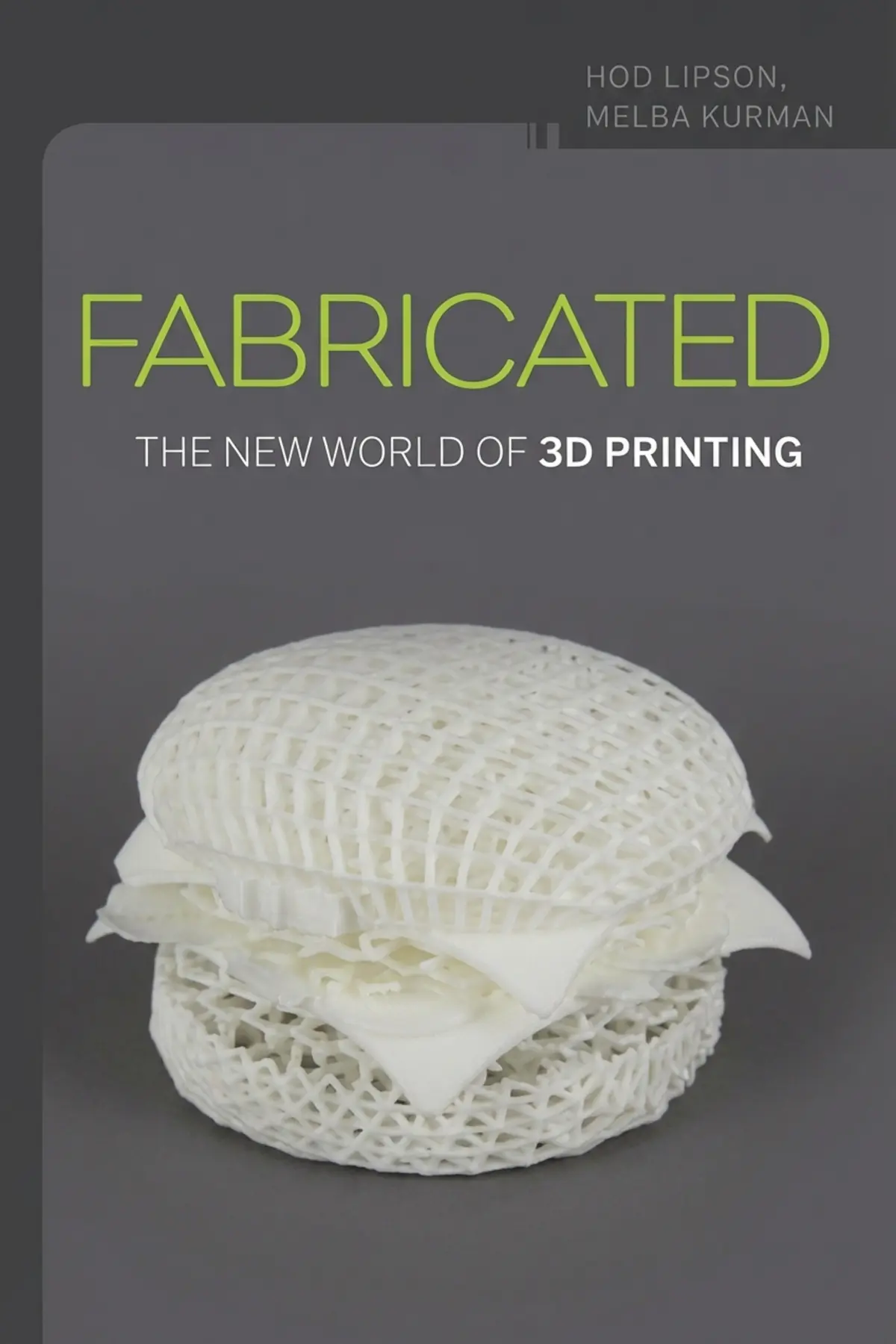
Table of Content
1. Introduction
1 min 28 sec
Imagine a world where the distance between a thought and a physical object is almost nonexistent. For most of human history, if you wanted to create something, you had two choices: you could spend years mastering a craft to build it by hand, or you could pay for a massive industrial factory to churn out thousands of identical versions. But a quiet revolution is currently taking place, one that promises to merge the precision of the factory with the customization of the artist. This is the world of 3D printing, and as we will see, it is much more than just a tool for making plastic toys.
While some might see 3D printers as mere novelties used for creating small figurines in a home office, the reality is that we are looking at the foundational technology of a new era. We are entering a phase where the digital and physical worlds are becoming increasingly intertwined. This transformation isn’t just about how we shop or what we buy; it touches everything from the way we treat terminal illnesses to the way we prepare our dinner. Over the next few decades, the ripple effects of this technology will redefine the economy and the environment.
In this exploration, we will look at how 3D printing works from the ground up, literally. We will examine the software that makes these designs possible, the economic shifts toward cloud-based manufacturing, and the incredible ethical and medical frontiers of printing living tissue. By the end, you’ll understand why the ability to fabricate objects at the touch of a button is one of the most disruptive forces of our time.
2. The Additive Logic of 3D Fabrication
1 min 55 sec
Traditional manufacturing often involves cutting material away, but 3D printing takes the opposite approach by building objects up from nothing.
3. The Digital Blueprint and Design Software
1 min 45 sec
Every physical object created by a 3D printer begins its life as a complex mathematical model in a virtual environment.
4. Bridging the Gap Between Mass Production and Artistry
1 min 45 sec
3D printing offers a unique solution to the age-old trade-off between the efficiency of factories and the customization of hand-made goods.
5. The Rise of Decentralized Cloud Manufacturing
1 min 41 sec
The future of industry may lie in a network of small, connected printers rather than a few massive, isolated factories.
6. The Economic Impact of Reduced Innovation Risk
1 min 46 sec
By making the cost of failure significantly lower, 3D printing encourages a faster and more daring cycle of invention.
7. Climbing the Ladder of Life
1 min 55 sec
From custom prosthetics to living tissue, 3D printing is making its way into the human body, offering a new frontier for medicine.
8. The Future of the Kitchen: Printing Our Food
1 min 41 sec
3D printers are moving into the culinary world, promising a future where meals are customized for nutrition and convenience.
9. The Environmental Paradox of Additive Manufacturing
2 min 01 sec
3D printing offers significant waste reduction in some areas but faces major challenges regarding energy use and plastic waste.
10. Conclusion
1 min 35 sec
The arrival of 3D printing signals the beginning of a profound transition in human history. We are moving away from an age defined by the rigid constraints of the factory line and toward an era of radical flexibility and individual empowerment. As we have seen, this technology is much more than a way to produce cheap plastic trinkets. It is a fundamental shift in how we conceive, design, and create the physical world around us. From the ‘ladder of life’ in medicine to the democratization of the global economy, the potential applications are nearly limitless.
However, it is important to remember that we are still in the early stages of this revolution. There are significant hurdles to overcome, particularly regarding the environmental impact of energy consumption and the development of sustainable materials. The transition will not happen overnight, and traditional manufacturing will likely coexist with 3D printing for a long time to come. But the direction of travel is clear: the wall between the digital and the physical is thinning.
As a final thought, consider how this technology might touch your own life or industry. The most important takeaway is that 3D printing removes the ‘penalty’ for complexity. In this new world, it costs no more to make something intricate and personalized than it does to make something simple and generic. This opens the door for a future where our physical environment is perfectly tailored to our needs, our health, and our imaginations. The age of fabrication is here, and it’s up to us to decide what we will build next.
About this book
What is this book about?
Fabricated provides an in-depth look at the evolution and future of 3D printing, a technology that builds objects layer by layer from digital blueprints. It moves past the novelty of small plastic gadgets to explain how additive manufacturing is fundamentally altering our industrial and social landscape. The book promises a journey through the various rungs of the printing ladder, from simple hearing aids to complex human tissues and even customized food. It contrasts 3D printing with traditional mass production and artisanal crafts, showing how it offers a unique middle ground that prioritizes both precision and infinite customization. You will discover the economic shifts brought about by cloud manufacturing and the environmental trade-offs inherent in this high-tech transition. Ultimately, it serves as a guide to the next industrial revolution where the only limit is the sophistication of our digital designs.
Book Information
About the Author
Hod Lipson
Hod Lipson is a professor of mechanical engineering at Columbia University and the director of the Creative Machines Lab. His research focuses on robotics and the potential for machines to self-replicate. His insights have featured in the New York Times and the Wall Street Journal. Melba Kurman is a technology writer with degrees from Cornell University and the University of Illinois. She has also authored Driverless and Tech Transfer 2.0.
Ratings & Reviews
Ratings at a glance
What people think
Listeners find the work highly informative and well-crafted, especially valuing the way it translates complex topics into simple English. They characterize it as a superb look at 3D printing, with one listener remarking that it delivers a thorough summary of the technology. The book is lauded for its imaginative approach, readability, and visual appeal; one listener notes it is packed with images of 3D printed goods. However, listeners express conflicting opinions regarding the pacing of the text.
Top reviews
Chai
Finally got around to finishing this deep dive into additive manufacturing. The authors managed to take incredibly complex engineering concepts and translate them into plain English that anyone can follow. I was particularly moved by the section on education and the Fab@School project, which shows how 3D printing can be more than just a hobby for tech-heads. Instead of just hyping up the tech, they provide a pragmatic look at how kids can learn problem-solving through making. The photography throughout the book is excellent and provides a much-needed visual reference for the intricate designs discussed. It’s a visionary work that feels both grounded and incredibly imaginative.
Show moreNina
Ever wonder why 3D printing hasn't replaced every factory on the planet yet? This book does a fantastic job of explaining the nuances of the production chain and why mass production still holds its ground. I loved the breakdown of different printing methods like stereolithography and laser sintering, which helped me understand that 3D printing isn't just one single process. It’s an accessible history that manages to look forward without becoming totally unmoored from reality. To be fair, some of the predictions about household printers in every home feel a bit dated now, but the core logic about customization remains very relevant.
Show moreAkosua
This book made me realize how much our physical world is about to change. Thinking about 3D printed houses and human organs used to feel like science fiction, but the way it’s presented here makes it seem inevitable. The authors strike a great balance between being tech-dazzled and remaining socially conscious of the implications. I found the section on environmental impact particularly interesting, as it addresses the waste generated by failed prints. It’s an emotional rollercoaster for anyone who loves innovation. Just seeing the potential for customized medicine makes the whole read worth it, even if some parts feel slightly over-optimistic.
Show moreNutnicha
Lipson and Kurman don't just stick to the fun stuff; they tackle the scary side of 3D printing too. The discussion on the "dark side"—including plastic guns and the nightmare of copyright enforcement—was the most compelling part for me. It’s rare to find a technology book that spends so much time on legal liability and ethics. The writing is clear and avoids the typical jargon that usually plagues this genre. While it’s full of imagination, it stays rooted in what is actually possible in a lab setting. I appreciated the honesty regarding how long it still takes to get a high-quality print.
Show moreEleni
Picking this up taught me that the real revolution isn't the printer itself, but the digital design process behind it. The authors highlight how we need to break our old habits of thinking in terms of traditional manufacturing. We shouldn't just be printing 2D designs in 3D; we should be conceptualizing entirely new forms. The chapter on bio-printing and cartilage replacement was mind-blowing and well-researched. My only gripe is that the book can be a bit repetitive when it comes to the "complexity is free" mantra. Still, it’s an essential read for anyone interested in the future of how things are made.
Show moreBrooklyn
Truth be told, I expected a lot of Silicon Valley fluff, but what I got was a very grounded analysis. The authors do an excellent job comparing different types of materials, from basic plastics to high-end metals and even food. I specifically appreciated the detailed look at multi-material printing, which is where the real potential for complex machines lies. They don't shy away from the fact that we aren't quite at the "Star Trek replicator" stage yet. It’s an informative journey through the labs and workshops where this future is being built right now. Highly recommended for curious minds who want the full picture.
Show moreGoy
If you want a single book that covers everything from bio-printing to chocolate extrusion, this is it. The range of applications discussed is staggering, and the authors' enthusiasm is contagious throughout the text. I found the analysis of how 3D printing affects the global supply chain to be particularly insightful for business readers. It’s not just about the gadgets; it’s about the shift from mass production to mass customization. The writing is incredibly polished and the photography helps ground the more speculative sections. It’s a comprehensive guide that serves as a perfect entry point into the world of making for the average person.
Show moreOscar
The photographs in this book are absolutely stunning and really help visualize the potential of this technology. It’s a very well-written overview, but I felt it lacked a bit of a "next step" guide for people who want to actually get started. The authors excel at showing the broad landscape—from medical applications to food printing—but it feels more like a coffee table book for your brain than a practical manual. Look, it’s a great introduction if you know nothing about the field, but if you’ve already spent time on Maker forums, you might find the information a bit basic.
Show moreSudarat
It’s a solid introduction but definitely shows its age in a few chapters. I enjoyed the wide variety of topics covered, from chocolate printing to the legal mess of intellectual property. However, the pacing is a bit uneven, with some sections dragging on while others move too quickly through important details. To be fair, the plain English approach makes it very readable for a general audience. It's a decent overview, though I wish there was more focus on the current limitations of materials. Not a bad pick-up for a weekend read, but don't expect it to be a technical bible for your workshop.
Show moreJom
As someone who works in a machine shop daily, I found this remarkably frustrating. The authors have a habit of going on long, repetitive rambles that could have been edited down to half the length without losing any substance. While the "complexity is free" concept is a great takeaway, much of the rest feels like a disorganized collection of "what-if" scenarios. I was hoping for more technical depth about the actual mechanics, but it stays very much on the surface. Frankly, the writing style just didn't click for me, and I found myself skimming through chapters that seemed to repeat the same basic utopian predictions.
Show moreReaders also enjoyed
AUDIO SUMMARY AVAILABLE
Listen to Fabricated in 15 minutes
Get the key ideas from Fabricated by Hod Lipson, plus 5,000+ more titles in English and Thai.
- 5,000+ titles
- Listen as much as you want
- 7-day free trial
- Cancel anytime







