
14 min 14 sec
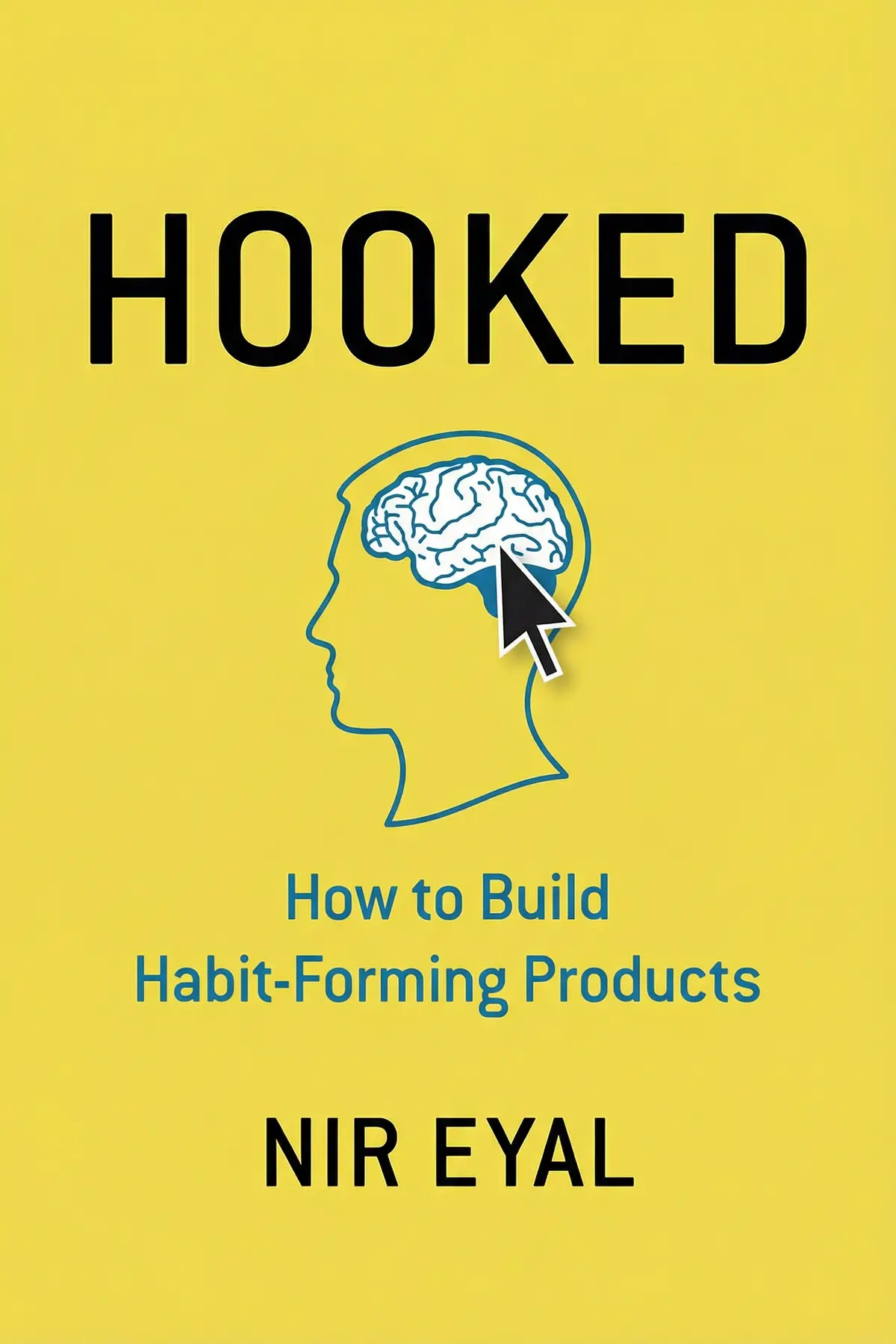
Fall in Love with the Problem, Not the Solution: A Handbook for Entrepreneurs
By Uri Levine
Uri Levine, co-founder of Waze, provides a candid blueprint for building billion-dollar startups by obsessing over user problems rather than technical solutions, offering essential wisdom on growth, culture, and resilience.
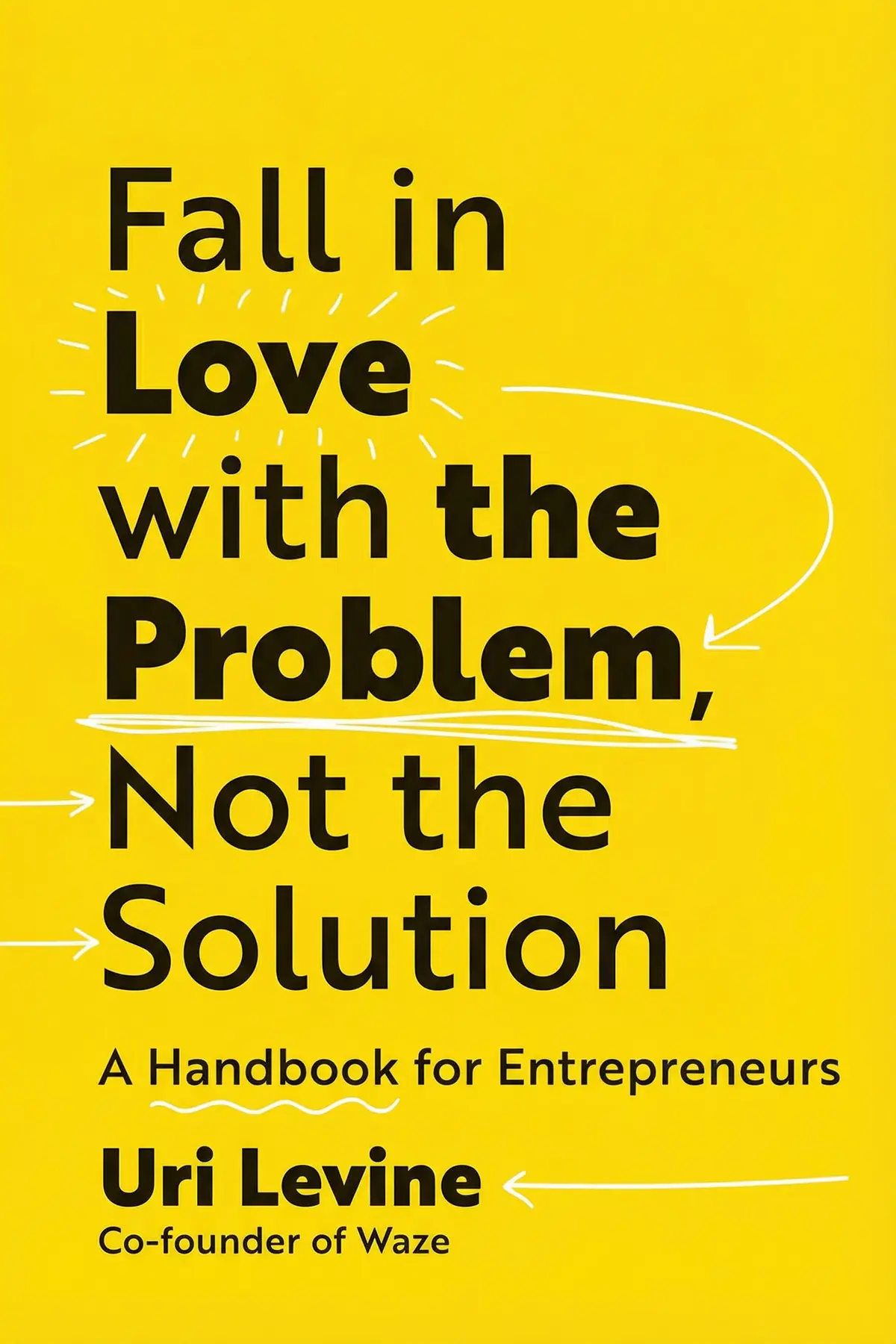
Table of Content
1. Introduction
1 min 38 sec
In the high-stakes world of technology and innovation, there is a legendary status known as the ‘unicorn’—a startup that reaches a valuation of over one billion dollars. These companies are famously rare, yet Uri Levine has built two of them: Waze and Moovit. What is the secret behind this kind of extraordinary success? It isn’t just about having a brilliant idea or being a coding genius. According to Levine, the secret lies in a fundamental shift in perspective. Most people start with a solution—a cool app, a new gadget, or a slick piece of software— and then they go looking for a problem to solve with it. Levine argues that this is the exact opposite of what you should do.
If you want to build something that truly changes the world and achieves massive scale, you must fall in love with the problem, not the solution. This means identifying a deep, painful frustration shared by many people and becoming obsessed with fixing it. When you focus on the problem, your solution can change, evolve, and pivot as much as necessary, but your mission remains clear. Throughout this exploration, we will look at the entire lifecycle of a startup through Levine’s lens—from the first spark of an idea to the grueling journey of product-market fit, the challenges of scaling a global team, and the mental toughness required to survive a crisis. This is a blueprint for anyone who wants to disrupt a broken market and create something of lasting value. By the end of this journey, you’ll understand why the most successful entrepreneurs aren’t those who are most attached to their first idea, but those who are most committed to their users’ pain.
2. The Core Philosophy: Problem-Centricity
1 min 43 sec
Why do most startups fail even with great ideas? We look at how focusing on a specific user frustration is more important than your initial technical solution.
3. Navigating the Valley of Death to Product-Market Fit
1 min 37 sec
Discover why the period before finding product-market fit is the most dangerous time for any startup and how to measure if you’re actually succeeding.
4. The Human Factor: Hiring and Firing with Intent
1 min 38 sec
Building a unicorn requires more than just talent; it requires a specific DNA. Learn why being ‘fast to fire’ is a necessity for startup survival.
5. Understanding the User through the Journey
1 min 31 sec
How do you truly understand what your customers need? We explore the techniques for gathering feedback that goes beyond simple surveys.
6. The Psychology of Fundraising and Resilience
1 min 33 sec
Fundraising is often seen as a series of rejections. Learn how to craft a narrative that resonates with investors and how to handle the inevitable ‘No’.
7. Crisis Management and the Survival Mindset
1 min 33 sec
Crisis is an inevitable part of the startup journey. We discuss Levine’s attitude toward external pressures and how to lead through ‘Survival Mode’.
8. Scaling Up and Knowing When to Sell
1 min 38 sec
Once you have found fit, how do you go global? We examine the transition from a startup to a scale-up and the difficult decision of an exit.
9. Conclusion
1 min 23 sec
The journey of an entrepreneur is rarely a straight line. It is a path filled with ‘valleys of death,’ constant rejections, and inevitable crises. But as Uri Levine has shown through the success of Waze and Moovit, there is a blueprint for navigating this chaos. It all comes back to the central throughline: fall in love with the problem. When you are anchored by a genuine desire to fix something that is broken, you gain a level of resilience and flexibility that is impossible to achieve if you are simply focused on your own ideas.
Building a unicorn is not about luck; it is about the disciplined application of user-centric thinking, the courage to make hard decisions about your team, and the persistence to keep going when everyone else tells you ‘no.’ It’s about taking total responsibility for your company’s survival, regardless of the economic climate. Whether you are just starting out with a seed of an idea or you are in the middle of scaling a global business, the lessons in this book serve as a constant reminder to keep your eyes on the user’s pain.
If you can identify a problem that truly matters and stay committed to solving it, you aren’t just building a business; you are creating a solution that improves lives. So, go out and find a problem that keeps you up at night. Fall in love with it. Obsess over it. Because in that obsession lies the potential to build the next great unicorn and change the world in the process.
About this book
What is this book about?
This book is a masterclass in entrepreneurship from Uri Levine, the co-founder of Waze and Moovit. It serves as a practical handbook for anyone looking to build a business that actually matters. The central promise is that by shifting your focus away from your clever ideas and toward the genuine frustrations of your customers, you can build a company with the potential to reach unicorn status. It covers the entire lifecycle of a startup, from the initial spark of an idea to the complexities of scaling globally and eventually deciding when to sell. Levine provides a candid, no-nonsense look at the reality of startup life. He doesn't just offer high-level theory; he gives specific advice on hiring and firing, raising capital, and managing through the inevitable crises that every founder will face. By following this blueprint, you learn how to identify broken markets and disrupt them effectively. The book is essentially mentorship in written form, designed to help you avoid common pitfalls and stay resilient even when the market environment becomes unfavorable or external circumstances threaten your survival.
Book Information
About the Author
Uri Levine
Hi, I am Uri Levine, an entrepreneur, mentor, and teacher. After building two unicorns - Waze and Moovit -- I want to extend my commitment to entrepreneurial thinking by writing this book “Fall In Love with the Problem – Not the Solution, a Handbook for Entrepreneurs”. Throughout the book, I tell the truth about building a startup -- warts and all -- providing a blueprint for entrepreneurs so they can launch any business right.
Ratings & Reviews
Ratings at a glance
What people think
Listeners find the work deeply enlightening, and one listener remarks that every chapter provides novel insights. Additionally, the book is viewed as a necessary guide for entrepreneurs, supporting them through each phase of a tech startup's evolution. The overall quality of the writing is also praised, as one listener points out that it is written for the general reader.
Top reviews
Chaiwat
Uri Levine doesn’t pull any punches in this masterclass on startup culture. Every chapter feels like a targeted strike against the common misconceptions founders have about their own products. While many business books offer vague philosophies, this one provides a literal handbook on how to build a unicorn by focusing on real user pain. The anecdotes about Waze and Moovit are particularly gripping because they provide a concrete context that you just don't get from generic theory. Personally, I found the breakdown of the 'no-nonsense' approach to management refreshing. It is a dense, high-energy guide that demands action from the reader immediately. If you are tired of fluff and want a roadmap for scaling, this is the one.
Show moreFinn
Finally got around to reading this, and the 'no-bullshit' label is absolutely earned. Levine writes for the average reader, avoiding the dense jargon that usually plagues the finance and tech genres. What makes this special is the focus on the problem itself—not the shiny solution you think you've invented. I appreciated how he uses his own failures and successes to illustrate why some startups dominate while others simply vanish. It’s a very practical guide that doesn't sugarcoat the difficulty of the path. The writing is punchy, direct, and incredibly engaging throughout. This is easily a top-tier recommendation for anyone even remotely involved in the startup ecosystem.
Show moreFah
Look, if you are looking for a meditation on innovation, go elsewhere. This is a gritty, actionable guide on how to start, scale, and eventually sell a business. Every chapter ends with what essentially amounts to homework, forcing you to look at your own company through a critical lens. I found the sections on investor pitches and finding the right board members to be particularly insightful. Levine’s outlook is incredibly clear: if this happens, do that. It removes the guesswork from a lot of early-stage decisions. It’s an exquisite blend of marketing, finance, and culture. For a first-time founder, this book is basically a survival kit for the tech industry.
Show morePick
The section regarding investor pitches and globalization strategies is worth the price of the book alone. Levine doesn't just tell you to 'innovate'; he shows you exactly how he did it with detailed, real-world examples. It's rare to find a founder of this caliber who is willing to be so transparent about the mistakes made along the way. The book is well-structured and moves with a sense of urgency that matches the startup world itself. I found the advice on measuring product-market fit to be the most useful framework I've encountered in years. It’s a must-read for anyone who is serious about solving big problems and building something that lasts.
Show morePannipa
After hearing Levine speak at a conference, I wanted to see if his book captured that same raw energy. It absolutely does. This isn't a book you read once and put on the shelf; it's something you keep on your desk to reference during a crisis. The focus on falling in love with the problem is a vital reminder for founders who get too attached to their original ideas. Frankly, the marketing of this book is great, but the content actually exceeds the expectations set by the cover. It’s a super practical guide that covers the entire journey from the first day of a startup to the final exit. It's insightful, structured, and completely free of any corporate bullshit.
Show morePruet
As someone currently navigating the messy middle of a tech venture, I found the chapters on product-market fit extremely helpful. Levine makes the previously mysterious process of measurement feel actionable and grounded in reality. The book moves fast, covering everything from the initial spark of an idea to the complexities of an exit strategy. To be fair, the scope is almost too broad at times, as it tries to speak to everyone from a solo founder to a late-stage CEO. This can make certain sections feel less relevant depending on where you are in your journey. However, the raw advice on hiring and the necessity of firing poor fits was a powerful, if contrarian, perspective that I really needed to hear.
Show moreYulia
Ever wonder why some apps become global sensations while others fail despite having superior technology? Levine argues it’s all about the obsession with the user's struggle. This book offers a deep dive into the mechanics of Waze and Moovit, providing a unique lens that you won't find in books like Lean Startup. I especially liked the discussion around globalization and marketing; it felt fresh compared to the usual tropes. My only gripe is that it feels a bit like a collection of great blog posts rather than one cohesive narrative. Some chapters are brilliant, while others feel a bit like filler for the sake of covering the entire business lifecycle. Still, it’s a very decent and valuable read.
Show moreAey
Picked this up after seeing the high ratings, and it mostly lives up to the hype. The writing quality is high, making it easy to breeze through even the more technical sections on revenue generation. I liked how the author distinguishes between the different phases of a company’s life, though the transition from PMF to exit felt a bit rushed. Not gonna lie, some of the quotes used throughout the book felt a little trivial or cliché. But the actual advice that followed those quotes was usually gold. The specific examples regarding the fundamental differences between Moovit and Waze’s target customer bases were the highlight for me. It’s a solid addition to any entrepreneur's library.
Show moreFord
To be fair, much of the advice here mirrors classics like Lean Startup or Blitzscaling, but the specific Waze anecdotes provide a unique lens. Levine’s voice is very prominent—he's opinionated, direct, and clearly has no time for 'soft' business advice. While I didn't agree with every single recommendation, especially regarding the aggressive approach to hiring and firing, I respected the honesty. The book is quite broad, which is great for a general overview but might leave you wanting more depth in certain niches. In my experience, most business books are 200 pages of fluff around one good idea, but this one actually packs multiple insights into every single chapter. It’s a very engaging read for anyone in tech.
Show moreWitthaya
Not what I expected based on the somewhat poetic title. I was hoping for something a bit more philosophical or creative, but it reads more like a manual on how to #grind until you break. The biggest turn-off for me was the early insistence that founders have no time for vacations or personal lives. That perspective feels a bit dated and unsustainable in today’s world. Truth is, the advice is solid if you want to build a massive company, but it lacks any nuance regarding work-life balance. It’s very much a handbook for a specific type of high-stakes entrepreneurship. If you aren't trying to build the next Waze, you might find the tone a bit alienating and exhausting.
Show moreReaders also enjoyed


Alibaba: The House That Jack Ma Built
Duncan Clark
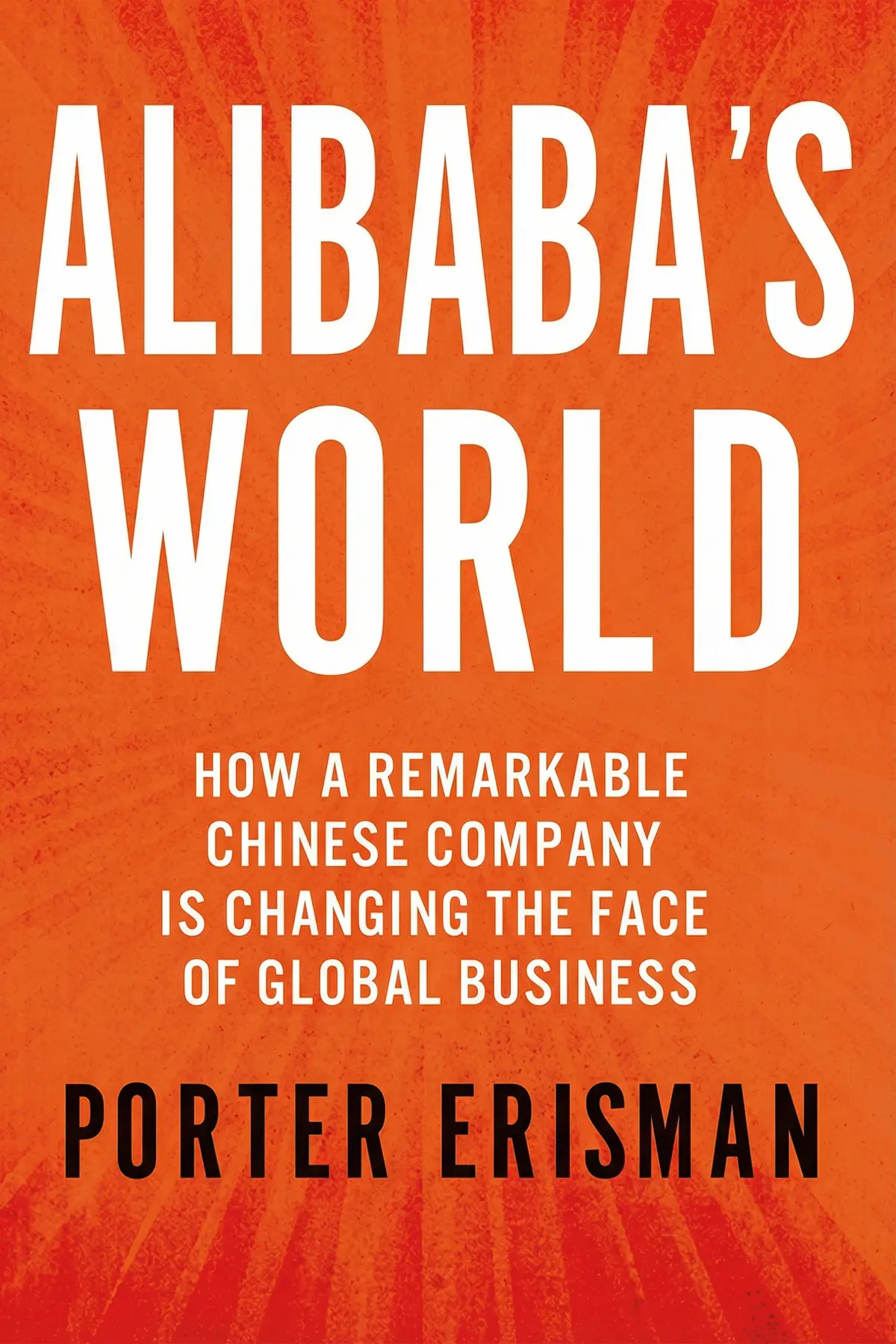

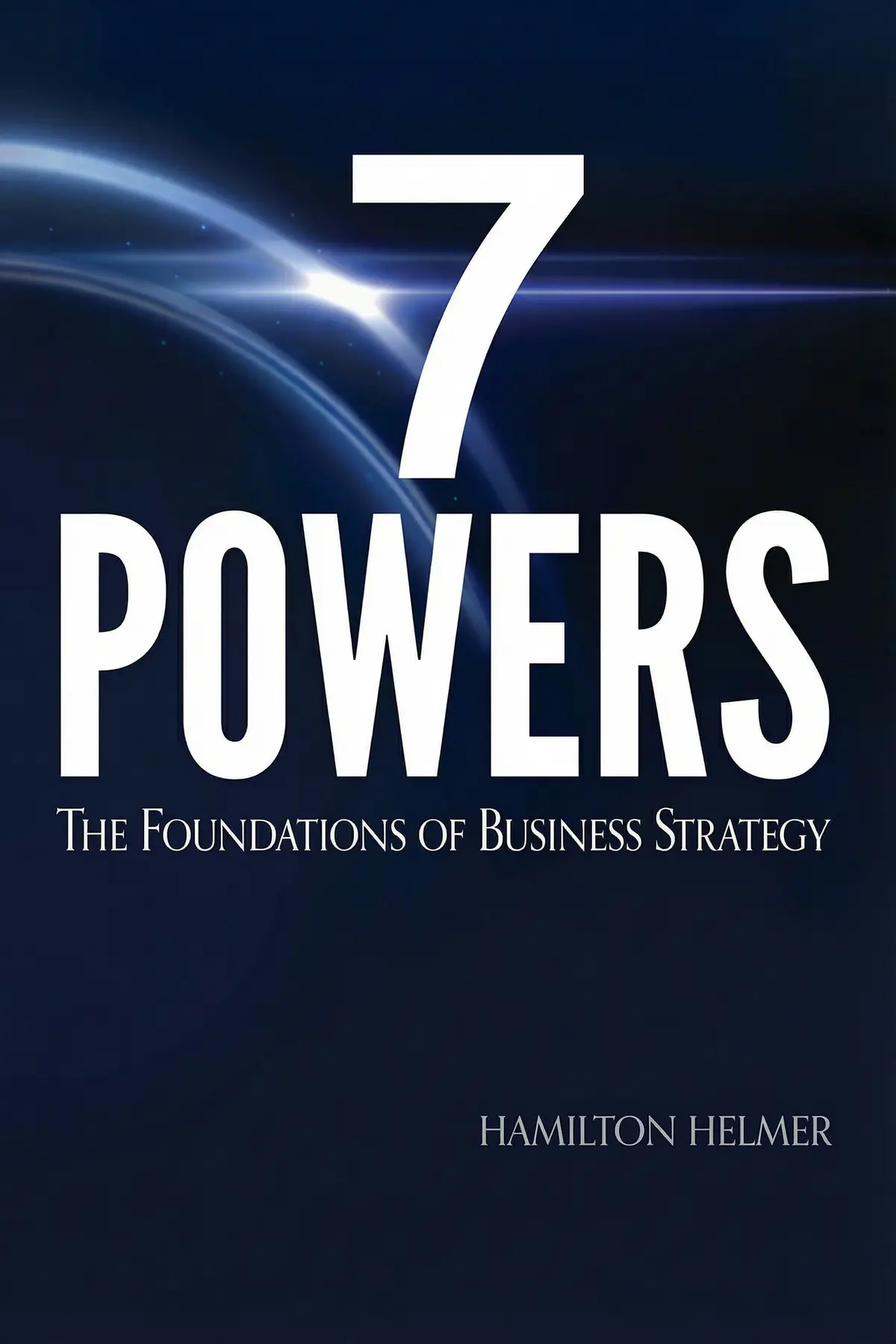
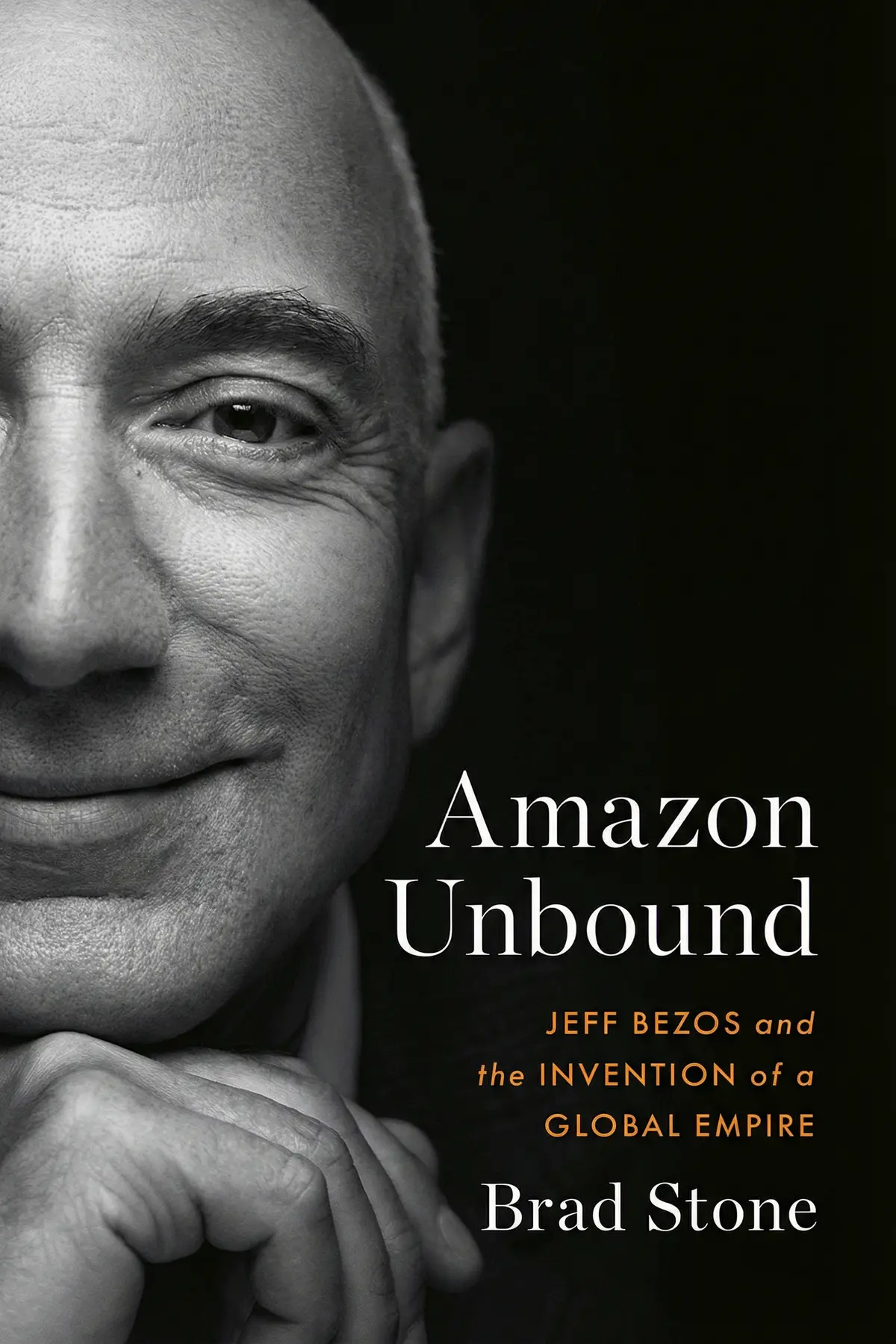
7 Powers: The Foundations of Business Strategy
Hamilton Helmer

Bad Blood: Secrets and Lies in a Silicon Valley Startup
John Carreyrou
AUDIO SUMMARY AVAILABLE
Listen to Fall in Love with the Problem, Not the Solution in 15 minutes
Get the key ideas from Fall in Love with the Problem, Not the Solution by Uri Levine, plus 5,000+ more titles in English and Thai.
- 5,000+ titles
- Listen as much as you want
- 7-day free trial
- Cancel anytime







