
22 min 47 sec
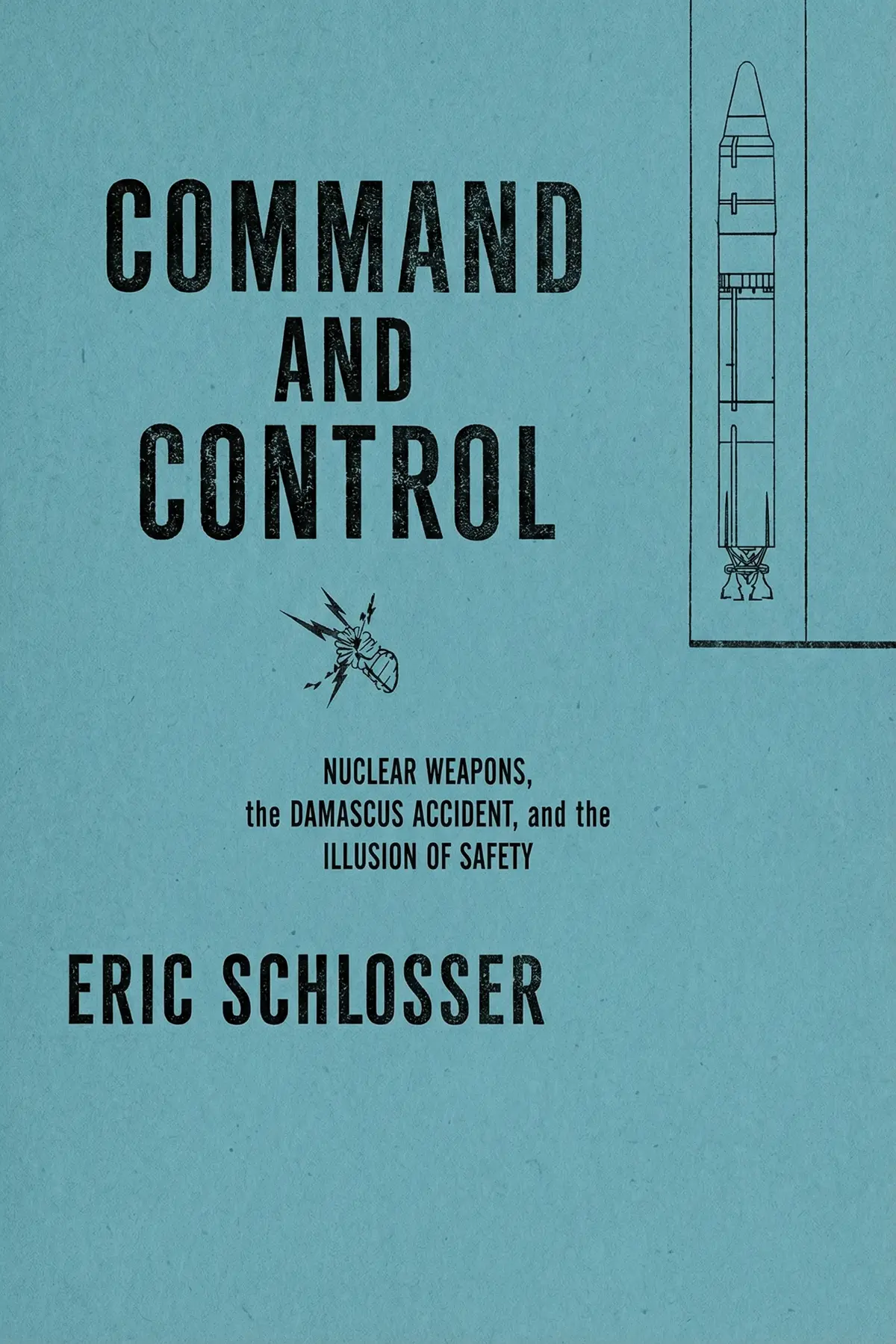
Fast Food Nation: The Dark Side of the All-American Meal
Fast Food Nation explores the hidden realities of the fast food industry, detailing its profound impact on health, labor rights, and the industrialization of the global food supply chain.
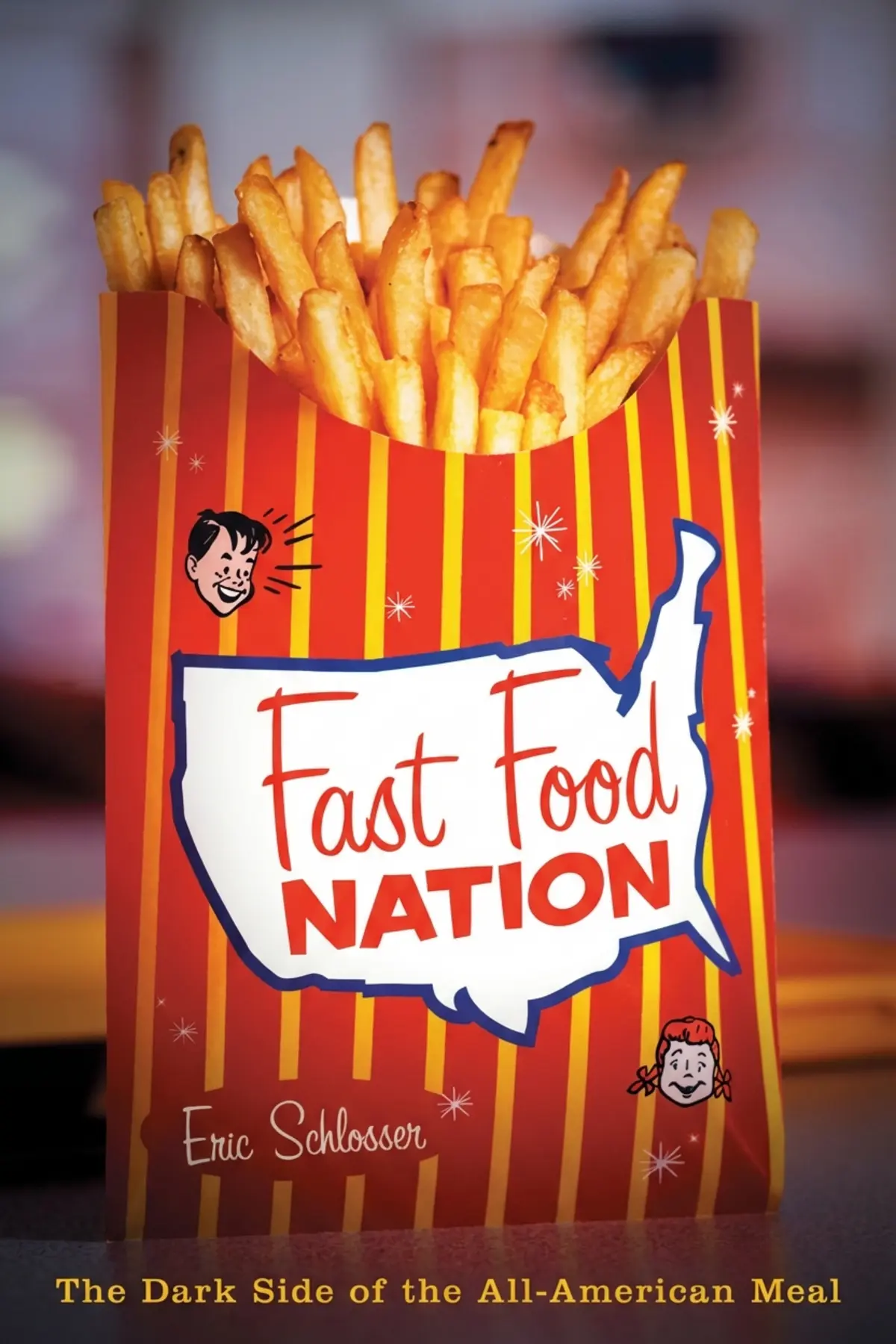
Table of Content
1. Introduction
1 min 34 sec
Have you ever paused to consider what actually goes into the burger you grab at the drive-thru window? For most of us, fast food is a symbol of modern convenience—a quick, affordable, and consistent meal that tastes the same whether you’re in New York, London, or Tokyo. But beneath that polished image of golden arches and happy faces lies a complex and often troubling reality. This isn’t just a story about calories or greasy fries; it’s an investigation into how a single industry has fundamentally altered the way we work, eat, and live.
In this exploration, we’re going to pull back the curtain on the fast food industry to reveal the ‘dark side’ of the all-American meal. We will trace the origins of the industry from a small drive-in in Southern California to a global powerhouse that dictates terms to farmers, politicians, and labor markets. Along the way, we’ll look at the psychological strategies used to target the youngest consumers and the harsh conditions faced by the people who process our meat.
What we’ll find is a throughline of industrialization. Just as the assembly line revolutionized the manufacturing of cars, it has been applied to the food we put in our bodies, often with devastating consequences for public health and workers’ rights. By the end of this journey, you’ll understand the true cost of that ninety-nine-cent burger—a cost measured not just in dollars, but in the erosion of communities and the centralization of power. It’s a compelling and sometimes uncomfortable look at a system that touches almost every aspect of modern life, even if you never step foot inside a fast food restaurant. Let’s begin by looking at how it all started, with a revolution in speed and efficiency.
2. The Birth of the Industrial Kitchen
2 min 20 sec
Discover how a single innovation in Southern California transformed the act of eating into a high-speed factory process, forever changing the global dining landscape.
3. The Strategy of Catching Them Young
2 min 05 sec
Explore the sophisticated and often invisible ways the fast food industry builds brand loyalty by targeting children through play, media, and even school systems.
4. The Deskilling and Exploitation of Labor
2 min 09 sec
Go behind the counter to see how the fast food industry maintains its low prices by treating its massive workforce as interchangeable parts in a machine.
5. The Franchise Myth and Corporate Control
2 min 04 sec
Peel back the layers of the franchise model to reveal why the dream of small business ownership often ends in financial risk and legal vulnerability.
6. The Chemistry of Taste
2 min 08 sec
Learn how the ‘secret’ to the flavor of fast food isn’t found in the kitchen, but in high-tech laboratories that manufacture the smells and tastes we crave.
7. The Devastation of the Independent Farmer
2 min 01 sec
Witness the transformation of the American heartland as giant corporate monopolies replace independent farmers with a system of debt and dependency.
8. The Hidden Dangers of the Slaughterhouse
2 min 06 sec
Step inside the most dangerous job in America to understand the human cost of cheap meat and the erosion of safety in the name of speed.
9. Biological Risks in a Centralized System
2 min 13 sec
Understand how the drive for industrial efficiency has created a food supply that is more vulnerable to widespread and deadly bacterial contamination.
10. The Global Export of Obesity and Americanization
2 min 05 sec
See how the fast food model has become America’s most successful—and most damaging—cultural export, spreading a health crisis around the globe.
11. Conclusion
2 min 02 sec
As we reach the end of this investigation, the image of the fast food meal is likely changed forever. What began as a simple quest for a quick, cheap burger has revealed a system that is intricately woven into the most pressing issues of our time. We have seen how the industrialization of the kitchen led to the deskilling of labor, the exploitation of the vulnerable, and the centralization of power in the hands of a few corporate giants. We’ve explored the chemical labs that manufacture our cravings and the dangerous slaughterhouses that supply our meat.
The throughline of ‘Fast Food Nation’ is the recognition that ‘cheap’ food is never truly cheap. The low price we pay at the register is only possible because the real costs are hidden elsewhere. They are paid by the workers who lack a living wage and health benefits, by the farmers who are trapped in cycles of debt, by the communities that suffer from increased crime and environmental degradation, and by the millions of people facing long-term health consequences from a diet of highly processed food.
But there is a message of agency here as well. The fast food industry is incredibly sensitive to consumer demand. It exists because we buy what it sells. The power of the industry is built on our habits and our choices. By becoming more conscious of where our food comes from and how it is produced, we can begin to shift the balance. We can choose to support local, independent producers. We can demand better labor standards and more transparent food safety regulations. We can resist the marketing tactics aimed at our children and prioritize real, whole foods over laboratory-created flavors.
Ultimately, the ‘dark side’ of the all-American meal is only dark because it remains hidden. By bringing these realities into the light, we gain the knowledge necessary to make different choices. The next time you find yourself at a drive-thru, remember the story behind the system. Every purchase is a vote for the kind of world we want to live in. We have the power to demand a food system that nourishes not just our bodies, but our communities and our planet as well. The choice, as always, is on our plate.
About this book
What is this book about?
This investigative journey takes listeners behind the bright, plastic counters of the world’s most famous restaurant chains. It uncovers a system designed for maximum efficiency at any cost, showing how the drive for a cheap burger has reshaped the American landscape and global economy. The book explores the history of the industry’s pioneers, the psychological tactics used to market to children, and the dangerous conditions inside modern slaughterhouses. Beyond just calories and fat, this narrative exposes the systematic exploitation of workers and the destruction of the independent family farm. It reveals the chemical wizardry that creates the tastes we crave and the biological risks inherent in a centralized meat supply. Ultimately, the book promises to change how you view every meal, offering a sobering look at the true price of convenience and the dark side of the all-American meal.
Book Information
About the Author
Eric Schlosser
Eric Schlosser is an American investigative journalist and a contributor to The Atlantic. He has received numerous honors for his work, including the National Magazine Award. His other notable books include Reefer Madness and Chew On This.
Ratings & Reviews
Ratings at a glance
What people think
Listeners view this work as an essential read for Americans, commending its extensive investigation and clear, readable prose. Furthermore, the book is engaging and revelatory, with one listener mentioning how it offers a much-needed sense of perspective. Additionally, listeners appreciate how it challenges their thoughts on food and consider it to be an excellent value.
Top reviews
Camila
This book is a masterclass in investigative journalism that pulls back the curtain on the American landscape. Schlosser doesn't just attack the nutritional value of a burger; he dissects the entire socioeconomic engine that powers the industry. From the early days of Ray Kroc and the expansion of the interstate highway system to the terrifying reality of modern meatpacking plants, the research is incredibly thorough. I found the section on 'The Most Dangerous Job' particularly harrowing, as it highlights the exploitation of immigrant labor in ways I never considered before. It’s a fast-paced read that manages to be both informative and deeply emotional. While some might find the tone a bit grim, I think it provides a necessary perspective on how our demand for cheap food has reshaped our culture and our economy. Truly a must-read for anyone who wants to understand the hidden costs of their lunch.
Show moreDuang
Gotta say, the way Schlosser connects the dots between Disney, the auto industry, and your local burger joint is nothing short of brilliant. This book is a fast-paced journey through the dark side of the American Dream. I was particularly struck by the 'What's in the Meat' chapter, which is terrifyingly well-documented with footnotes. It’s not just a book about bad diet choices; it’s a critique of a system that prioritizes profit over human safety and animal welfare. The writing is engaging and avoids being overly academic, making it very accessible for a casual reader. Since finishing it, I’ve found myself looking at every fast-food wrapper with a newfound sense of skepticism. It’s rare for a book to actually change your daily habits, but this one did it for me. It’s a great value for the amount of information packed into its pages. Absolutely essential reading for any American consumer today.
Show moreUraiwan
Wow. I picked this up from a friend's shelf and literally couldn't put it down until I was finished. Schlosser takes you on a crash course through the history of the 20th century, showing how the burger became the ultimate symbol of our culture. The details about the flavor factories in New Jersey were particularly mind-blowing—I'll never think about a 'natural' strawberry shake the same way again. It’s a very thorough piece of journalism that manages to be both a history book and a call to action. I loved the pragmatist approach in the conclusion; the idea that we are not helpless and can demand better through our purchases is empowering. It’s a must-read that puts everything into proper perspective, from the treatment of cattle to the safety of the workers behind the counter. This book is an absolute masterpiece of investigative work that remains a great value even years after its release.
Show moreWatcharee
Ever wonder why every exit on the American highway looks exactly the same with its neon signs and cookie-cutter buildings? Schlosser explains this urban sprawl perfectly by connecting it to the rise of the car culture and the fast-food industry’s need for visibility. The book is incredibly well-researched, especially the parts regarding the flavor industry and the chemical engineering behind what we taste. I was shocked to learn how many ingredients go into a simple strawberry shake. My only minor gripe is that the book feels a bit dated now, being twenty years old, though the core issues of labor exploitation and food safety remain depressingly relevant. It’s a heavy read that might make you want to skip dinner, but the writing style is accessible and keeps you turning the pages. It definitely put the industrialization of our food into a proper perspective for me.
Show moreTeng
The section detailing the working conditions in the meatpacking industry was enough to make my stomach turn. Schlosser does a brilliant job of showing the human face of this industry, from the marginalized farmers to the teenagers working for minimum wage. It’s not just about the food; it’s about the systemic erosion of the middle class and the loss of skilled trades like local butchery. I liked how he balanced the grim details with a bit of hope in the conclusion, suggesting that we can vote with our dollars. It’s an urgent, prodding book that forces you to think about where your money actually goes. I did feel the chapters on international expansion, specifically the parts about Germany and Dachau, felt a bit forced and didn't bridge well with the rest of the American-centric narrative. Regardless, it is a thorough and eye-opening piece of work that changed my perspective on convenience.
Show moreMason
As someone who usually avoids non-fiction because it can be dry, I was pleasantly surprised by how much this read like a thriller. The stories of the 'potato kingpin' J.R. Simplot and the early pioneers of the industry were genuinely entertaining. Schlosser has a gift for taking complex industrial processes and making them easy to understand. I appreciated that he didn't just vilify the food itself, but instead focused on the lack of regulation and the way the USDA has been stripped of its power. The book makes you think about food in entirely different ways, specifically regarding the 'natural flavors' we see on every label. My only criticism is that he comes down quite hard on certain political groups, which might alienate some readers who would otherwise benefit from the message. Still, it’s an incredibly informative read that puts our modern eating habits into a historical context that is desperately needed.
Show moreTong
Finally got around to reading this classic after years of hearing it would make me turn vegan. To be fair, the history of McDonald's and the rise of the fast-food empire was genuinely fascinating to learn about. However, I struggled with the author’s tendency to paint big corporations as the 'big bad wolf' while seemingly ignoring personal responsibility. If parents keep taking their kids to get Happy Meals just for the plastic figurines, is that really just the corporation’s fault? Schlosser presents a lot of dry facts mixed with a somewhat gossipy, tabloid-style tone that felt a bit manipulative at times. I appreciated the insight into the flavor industry and how fries are engineered to be addictive, but the solutions offered in the epilogue felt a bit idealistic and disconnected from the reality of middle-class budgets. It’s an eye-opening book, but take some of the more dramatic claims with a grain of salt.
Show morePang
Truth is, I have mixed feelings about this one. On one hand, the research is undeniable and the writing is top-notch—Schlosser really knows how to build a compelling narrative out of statistics. On the other hand, the tone can be quite preachy and repetitive by the middle of the book. I felt like I was being beaten over the head with the 'corporations are evil' message in every single chapter. I do think the information about E. coli and the lack of government oversight is vital for everyone to know, but I wish the author had explored the consumer side of the equation more deeply. Why are we so obsessed with cheap, fast food in the first place? He touches on it, but mostly blames the industry for 'creating' the demand. It’s a solid 3-star read for me; definitely eye-opening, but the lack of balance in the reporting made me a bit skeptical of some of the broader claims.
Show morePakpoom
Frankly, it’s a bit of a mixed bag. The first half, focusing on the history of the industry and the rise of the car, is fascinating and well-paced. I enjoyed learning about the beginnings of Carl’s Jr. and the McDonald brothers. But as the book moves into the meatpacking and slaughterhouse sections, it becomes a much harder, more depressing slog. I understand those parts are necessary to the author's point, but the transition felt a bit jarring. Also, Schlosser tends to rely on a 'David vs. Goliath' narrative that feels a little too simplistic for such a complex global industry. He admits in the epilogue that some liberals are just as guilty as conservatives, but that nuance feels missing from the bulk of the text. It’s a good book with some very important information, but the journalistic style occasionally over-reaches into melodrama. I'm glad I read it for the perspective, but I don't think I'll be revisiting it anytime soon.
Show moreTariq
Not what I expected at all, and frankly, I felt a bit misled by the hype. I picked this up thinking it would be a scientific look at health, but it’s mostly a political diatribe against the meat industry and Republican congressmen. Schlosser seems to have an axe to grind, and while some of the reporting on slaughterhouse conditions is undeniably grisly, the overall narrative feels very one-sided. He frames everything as a David vs. Goliath battle where the consumer is a helpless victim with no cognitive power. I don't buy the argument that we’ve lost all freedom of choice just because of clever marketing. Also, some of the 'fact-massaging' regarding crime at restaurants felt a bit reachy to me. It’s well-written in terms of pacing, but the bias is so thick that it makes it hard to trust the author’s conclusions. If you're looking for an objective study, this isn't it.
Show moreReaders also enjoyed

A Biography of Loneliness: The History of an Emotion
Fay Bound Alberti
A Force for Good: The Dalai Lama's Vision for Our World
Daniel Goleman
A Room of One’s Own
Virginia Woolf
Abolish Rent: How Tenants Can End the Housing Crisis
Tracy Rosenthal
Abortion: Our Bodies, Their Lies, and the Truths We Use to
Jessica Valenti
AUDIO SUMMARY AVAILABLE
Listen to Fast Food Nation in 15 minutes
Get the key ideas from Fast Food Nation by Eric Schlosser, plus 5,000+ more titles in English and Thai.
- 5,000+ titles
- Listen as much as you want
- 7-day free trial
- Cancel anytime







