
1929: Inside the Greatest Crash in Wall Street History--and How It
Andrew Ross Sorkin
Explore the counterintuitive reality of risk as Greg Ip explains why safety measures can trigger disasters and how embracing a degree of danger is actually the path to true systemic resilience.
1 min 49 sec
When we look back at the wreckage of major disasters—whether it’s a global financial meltdown, a devastating wildfire, or a tragic accident—our first instinct is almost always to ask: What went wrong with our safety net? We blame a lack of rules, a failure of technology, or the simple absence of foresight. We assume that if we could just add more layers of protection, more regulations, and more sophisticated warnings, we could finally make our world truly safe. But what if that very instinct is the problem?
In this exploration of Foolproof, we are invited to consider a startling and counterintuitive possibility: that the measures we take to secure our lives are often the primary drivers of the next catastrophe. It is a journey into the psychology of risk and the unintended consequences of stability. We often operate under the assumption that safety is a static quality we can build into a system, like a wall or a shield. However, safety is dynamic. It interacts with human behavior in ways that are frequently invisible until it is too late.
Throughout this summary, we will examine how the feeling of being protected changes the way we act. We’ll see how stabilizing the economy can actually build up pressure for a massive explosion, and why the most dangerous activities can sometimes be the safest because they command our absolute respect and fear. By the end, you’ll see the world through a different lens—one where the goal isn’t necessarily to eliminate danger, but to understand how to live with it wisely. We are going to look at the throughline of this book: the idea that a world without small crises is a world that is quietly preparing for a massive one. Let’s dive into how we can stop trying to foolproof the world and start making it truly resilient.
3 min 02 sec
Discover why safer equipment often leads to more frequent accidents by changing how we perceive and respond to danger in our daily lives.
2 min 56 sec
Learn how the pursuit of a steady financial environment can inadvertently mask deep-seated risks and set the stage for major market collapses.
3 min 06 sec
Explore why extinguishing every small fire or building in high-risk areas can lead to much larger, more expensive catastrophes down the line.
2 min 44 sec
Consider why allowing for some level of crisis or using perceived ‘dangerous’ technologies might actually lead to better long-term outcomes for society.
2 min 50 sec
See how a healthy respect for danger can drive industries to create robust systems that protect us far more effectively than a false sense of security.
2 min 49 sec
Learn the practical strategies for balancing risk and security, from financial restraint to the physical concept of buffer zones.
1 min 43 sec
As we wrap up our look at the hidden mechanics of risk, the central takeaway is clear: safety is not a permanent shield we can simply install and forget. It is a shifting, living relationship between our environment and our choices. We have seen how the very tools we use to protect ourselves—whether they are anti-lock brakes, financial regulations, or fire suppression tactics—can inadvertently create a more dangerous world by encouraging us to let our guard down. This is the great irony of modern life: the safer we feel, the more vulnerable we often become.
But this doesn’t mean we should live in a state of constant peril. Instead, it suggests a more sophisticated way of thinking about security. True safety comes from acknowledging danger rather than trying to hide it. It comes from maintaining a healthy respect for the risks we face and building systems that can withstand shocks rather than trying to prevent them entirely. We should look for the ‘space’ in our own lives—those buffers and margins of error that allow us to recover when things inevitably go wrong.
So, the next time you find yourself in a situation that feels completely safe, take a moment to check your own ‘risk thermostat.’ Are you taking liberties you wouldn’t take otherwise? Are you ignoring small warning signs because you trust the system too much? By staying aware and embracing a bit of the fear that keeps us vigilant, we can navigate a complex world with more than just a false sense of security. We can build a life that isn’t just foolproof, but truly resilient. Remember, the best way to stay safe is to never forget that you are in danger.
Have you ever wondered why, despite our advanced technology and rigorous regulations, catastrophic failures still happen? Foolproof explores the fascinating and often terrifying paradox of safety. It suggests that our efforts to eliminate risk in areas like finance, sports, and nature often backfire, leading to even greater disasters. When we feel protected, we change our behavior, taking bigger risks because we believe the safety net will catch us. This phenomenon, known as risk compensation, explains everything from why better brakes lead to faster driving to how a stabilized banking system paved the way for the 2008 financial crisis. Through a series of compelling stories—ranging from forest fire management in Australia to the economic trajectories of Thailand and India—the book promises to shift your perspective on stability. It argues that a world with zero risk is not only impossible but also dangerous. By understanding the psychology of safety and the importance of allowing for small, manageable crises, we can build a more robust and sustainable future. This summary provides a deep dive into how to balance security with the inherent dangers of the modern world, teaching us that true safety often lies in the very things we fear.
Greg Ip is a distinguished journalist and the chief economics commentator for the Wall Street Journal. Recognized with multiple awards for his reporting, he has spent decades analyzing the intersection of policy and the economy. In addition to his influential columns, he is the author of The Little Book of Economics.
Listeners find this title both stimulating and accessible, praising the high quality of the writing. They value the narrative structure, with one listener observing that the content is enhanced by individual stories and interviews. The book’s economic themes are well-received, as one listener points to its exceptional analysis of the recent financial melt down. While many listeners believe it is a rewarding book, views on the specific concept of "foolproofness" remain divided.
Greg Ip has a real gift for connecting seemingly unrelated fields like aviation safety and central banking. I was particularly fascinated by the chapter on the curse of ubiquitous normalcy in the airline industry. It’s a chilling thought that flying has become so safe that pilots might lose their edge during rare emergencies. The book brilliantly weaves behavioral psychology into discussions about how we manage risk. Even the complex parts about the Eurozone crisis felt more approachable thanks to Ip's narrative style. It’s a thought-provoking read that challenges the idea that safer is always better. I’d highly recommend it to anyone interested in human nature.
Show moreWow, this book really resonated with my personal experiences lately. I recently went through a minor financial setback and was feeling quite depressed about it. Ip’s explanation of the Endowment Effect helped me understand exactly why I was hurting so much. We value things more once we own them, and losing them feels disproportionately painful. This psychological insight alone was worth the price of the book for me. Beyond that, the stories about aviation and Dutch levees are absolutely gripping and well-told. It’s rare to find a book that combines high-level economics with relatable human emotion. I couldn't put it down.
Show moreEver wonder why safety measures often seem to backfire in the long run? Greg Ip explores this paradox through the lens of engineers versus ecologists in a way that is intellectually stimulating. Engineers want to fix every small problem with technology, like building massive levees to stop floods. Ecologists, however, argue that these fixes just encourage people to take bigger risks in dangerous areas. I found the discussion of the risk thermostat particularly enlightening. It explains why we drive faster when we have better brakes or more airbags. The writing is clear, though some of the financial sections are quite technical.
Show moreAs someone who follows financial news closely, I found this to be an excellent summary of the last decade's meltdowns. Ip’s background as a journalist shines through in his clear prose and high-level access to industry leaders. He manages to turn complex topics like subprime bonds and CDOs into a compelling story about human hubris while simultaneously providing a clear-eyed look at systemic failures. The book isn't just about money; it’s about the fundamental way we try to foolproof our lives. I especially liked the sections on how anti-usury laws changed the lending landscape. It is a very informative and worthwhile read.
Show morePicked this up on a whim, and I’m glad I did. The book provides a great overview of the Peltzman Effect, which is the idea that we adjust our behavior to maintain a certain level of risk. The examples involving football helmets and anti-lock brakes were eye-opening and easy to understand. I do agree with other reviewers that the book leans heavily into finance toward the end. If you aren't interested in the Fed or the European debt crisis, you might get bored. However, the writing style is smooth and the narrative flows well between the different case studies.
Show moreFinally got around to reading Foolproof, and I think it’s a solid exploration of human behavior and risk management. The book is structured around various disasters and the well-intentioned actions that often make them worse, providing a narrative that is both educational and deeply unsettling. Ip’s prose is accessible and he has a knack for finding the right individual to profile for each chapter. I found the discussion about disaster myopia particularly relevant to our current world. The balance between technical economic analysis and general interest stories is mostly successful. It is a worthwhile addition to your bookshelf.
Show moreNot what I expected based on the catchy title. I was looking for a broad study on how safety regulations across all industries fail. Instead, nearly three quarters of the text zooms in on the 2008 financial crisis. To a non-economist, those banking chapters felt incredibly dense and dry. There are definitely some compelling outside examples, like the bits on forest fire management and aviation. However, the heavy focus on macroeconomics makes the narrative feel a bit lopsided. It’s worth a read if you enjoy the Wall Street Journal style of reporting. Just be prepared for a deep dive into bank capital requirements.
Show moreThe core thesis here—that stability can be destabilizing—is definitely an interesting concept to chew on. Ip uses the analogy of forest fires to explain why preventing small crises can lead to massive catastrophes. If you never allow small fires to burn, the undergrowth builds up until the entire forest explodes. This logic is applied to the financial world, which occupies the bulk of the book's runtime. While the analogy is strong, it feels a bit stretched over nearly 300 pages. Some chapters are brilliant, but others feel like a collection of interviews that don't quite cohere.
Show moreFrankly, the book’s attempt to bridge the gap between forestry and high finance is a bit of a stretch for me. While Greg Ip is a talented writer, his understanding of banking mechanics seems a bit simplistic at times. He treats capital as a universal solution without really digging into the specific details that actually matter. The analogy between Yellowstone Park and the global economy starts to break down after the first fifty pages. I did enjoy the section on page 212 about hedging and the stadium effect. It’s a decent primer, but experts might find the analysis a bit shallow.
Show moreThis started off with such a fascinating premise, but it quickly became an absolute slog to finish. I was promised a wide-ranging look at safety, yet I ended up buried under a mountain of financial data that felt disconnected from the book's original hook. The chapters regarding the 2008 meltdown are painfully repetitive and incredibly dry for a casual reader. While the author includes a few interesting anecdotes about forest fires, they feel like mere window dressing for a lecture on banking. I truly struggled to stay awake through the middle sections.
Show moreAndrew Ross Sorkin
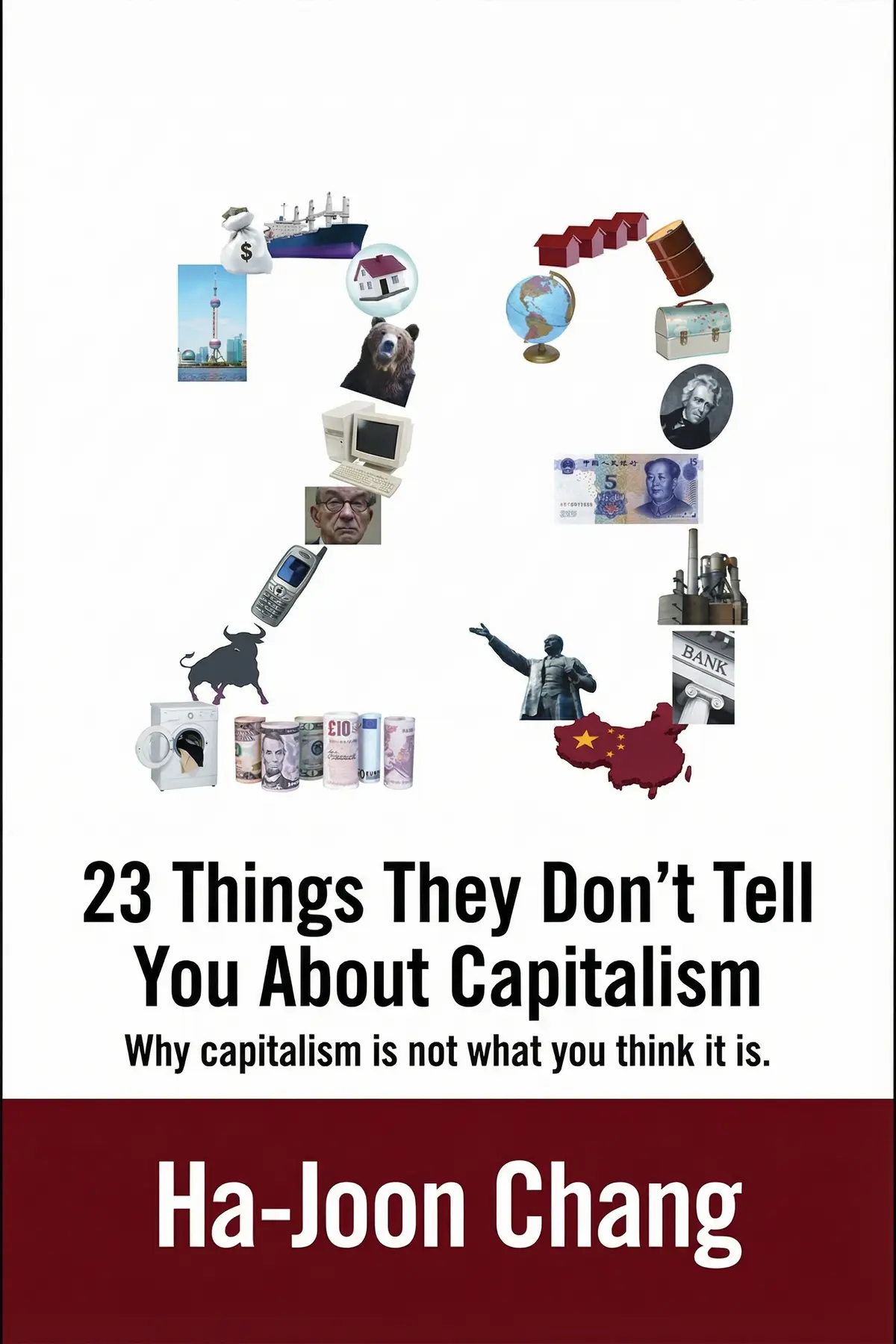
Ha-Joon Chang
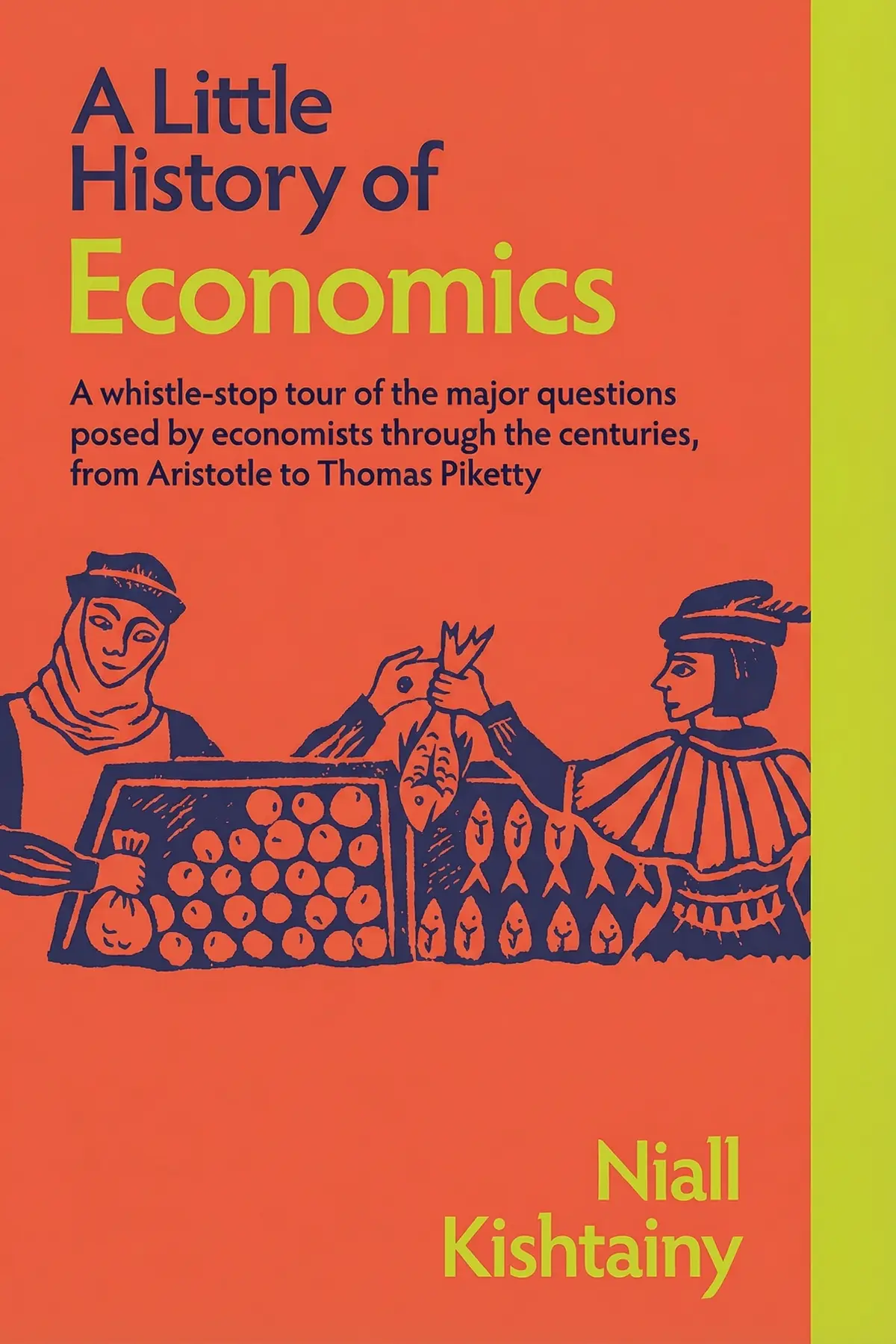
Niall Kishtainy
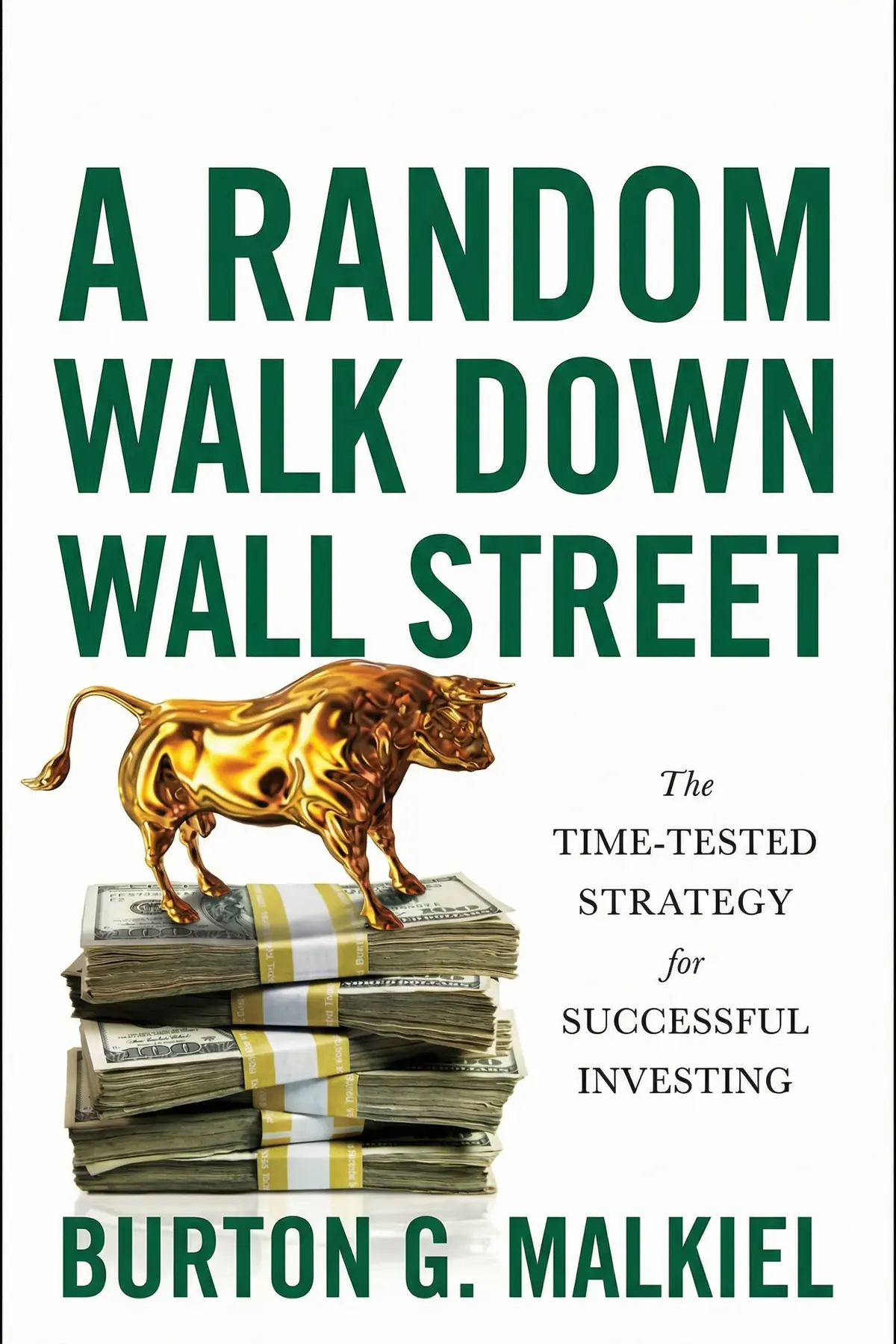
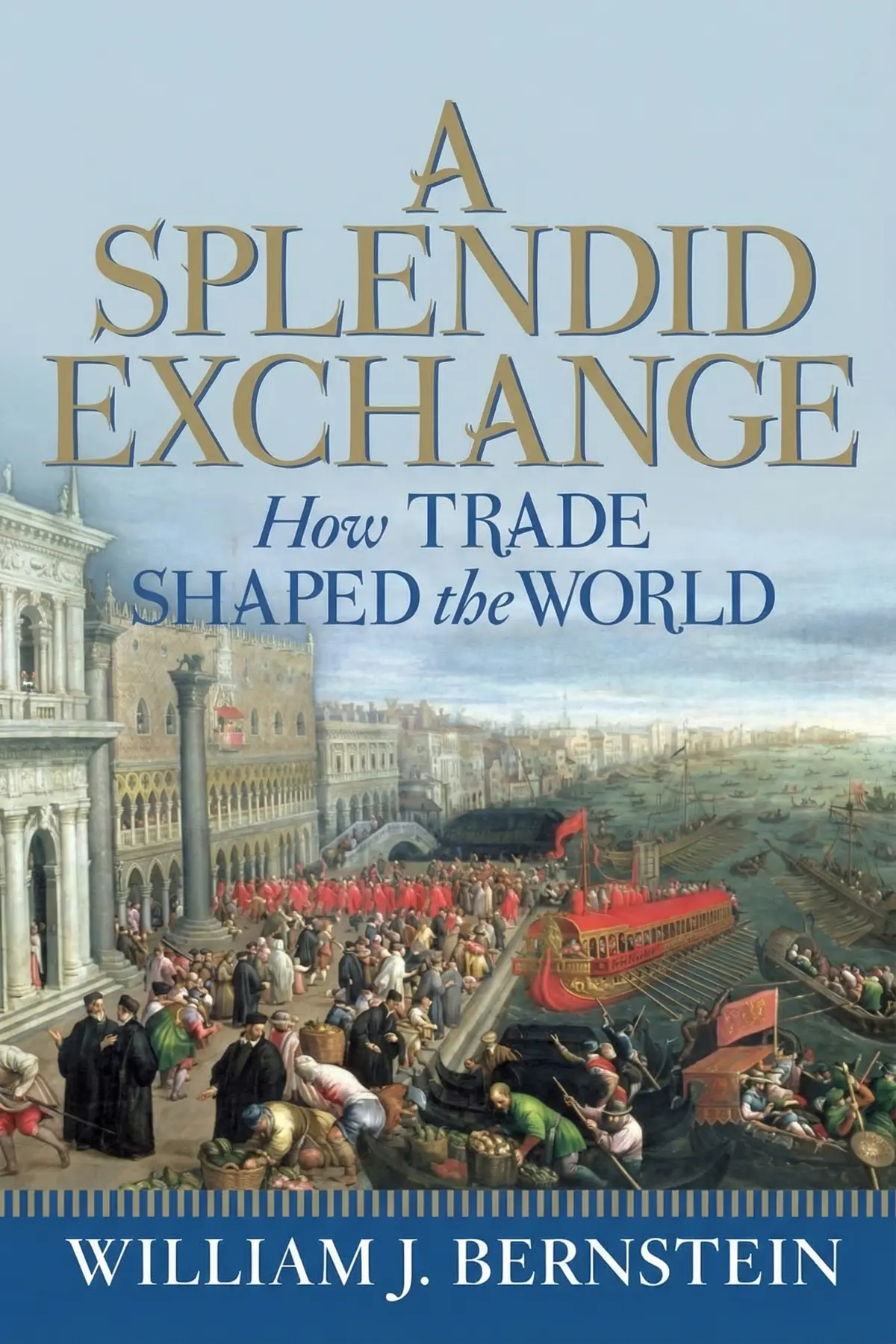
William J. Bernstein

Yanis Varoufakis
AUDIO SUMMARY AVAILABLE
Get the key ideas from Foolproof by Greg Ip, plus 5,000+ more titles in English and Thai.







