
The Looming Tower: Al-Qaeda and the Road to 9/11
Lawrence Wright
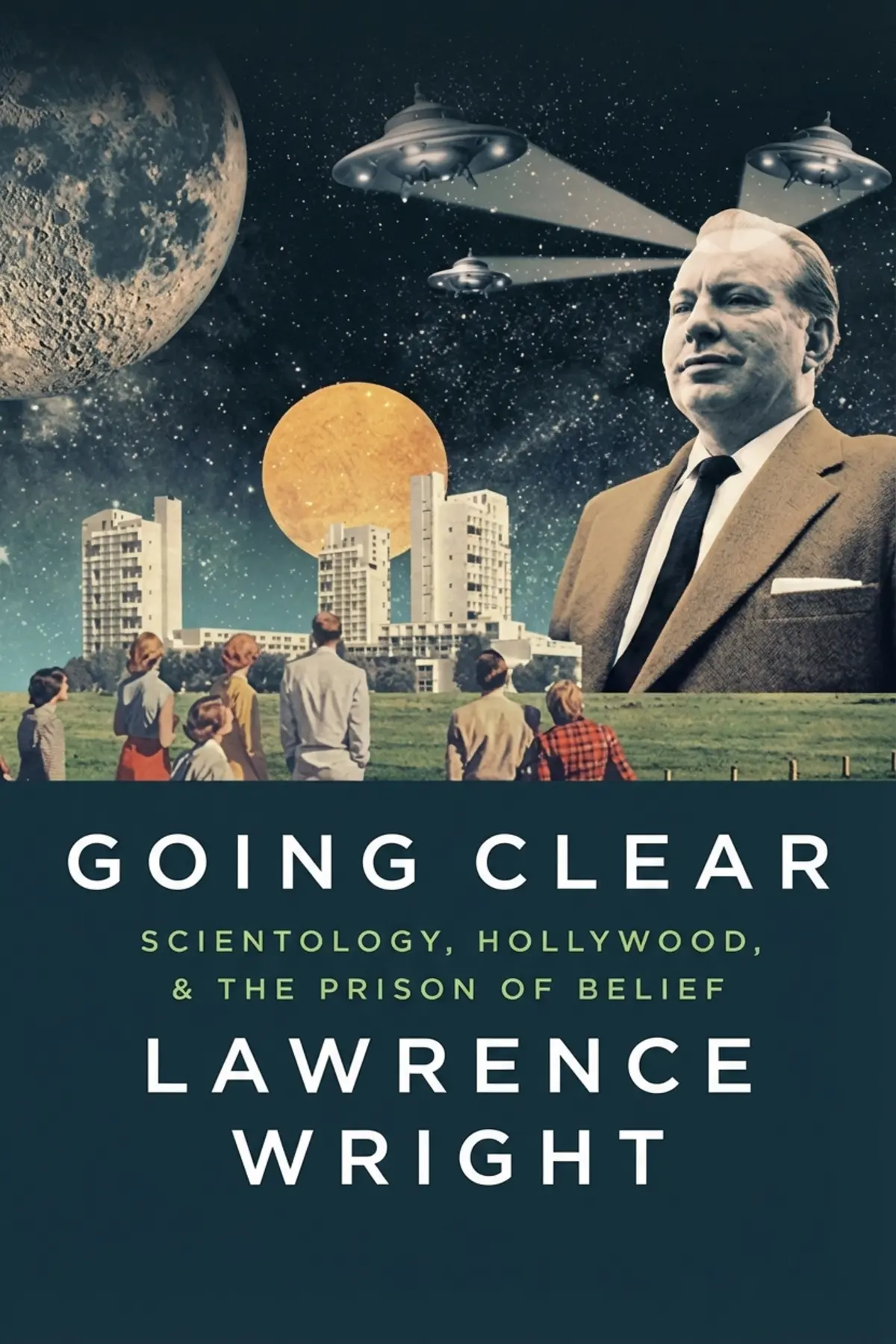
A meticulous investigation into the Church of Scientology, exploring its origins with L. Ron Hubbard, its unique theological structures, its influence over Hollywood icons, and the internal controversies that define its reputation.
2 min 00 sec
For decades, the Church of Scientology has occupied a unique and often mysterious space in the public imagination. It is an organization that seems to exist at the intersection of Hollywood glamour, science fiction narrative, and intense legal secrecy. Many people recognize the names associated with it, like Tom Cruise or John Travolta, but few actually understand what goes on behind the closed doors of its many properties. The question remains: is it a legitimate religious path toward spiritual enlightenment, or is it something more calculated and perhaps more concerning? In this exploration of Going Clear, we are going to pull back the curtain on this enigmatic institution to see how it was built, how it operates, and why it has such a profound hold on its members.
Our journey begins with the charismatic and prolific figure of L. Ron Hubbard, a man who transformed a career in pulp fiction into a global movement. We will trace the evolution of his ideas from a self-help system called Dianetics into a full-fledged religious structure. Along the way, we will examine the unusual cosmology that Scientology presents to its followers—a story involving immortal spirits, ancient galactic wars, and the potential for superhuman abilities.
But this isn’t just a story of beliefs; it’s a story of power and persistence. We’ll look at the sophisticated recruitment tactics used to bring in new members and the specific strategies employed to court the world’s biggest stars. We will also confront the more troubling aspects of the organization’s history, including its aggressive stance toward critics and the reports of internal abuse that have surfaced from former high-ranking members. By the end of this summary, you will have a comprehensive view of the “throughline” that connects a 1930s writer’s imagination to one of the most controversial and financially successful organizations in the world today. This is a story about the intersection of faith, fame, and the very human desire for salvation, no matter the cost.
2 min 31 sec
Explore the ongoing debate over whether Scientology is a genuine faith or a commercial enterprise, and how membership numbers remain a mystery.
2 min 49 sec
Go behind the veil of Scientology’s core theology to discover the story of thetans, Xenu, and the ancient events that supposedly trapped humanity on Earth.
2 min 21 sec
Follow the journey of an astonishingly productive pulp fiction writer who turned his imaginative talents toward building a global movement.
2 min 15 sec
Understand the mechanics of auditing and self-hypnosis, the techniques Hubbard claimed could erase painful memories and unlock human potential.
2 min 13 sec
Witness the strategic pivot when Hubbard realized that while therapy has an end, a religion offers an eternal connection—and a steady income.
2 min 00 sec
See how Scientology uses a methodical four-step process to turn skeptical strangers into devoted followers by identifying their deepest personal struggles.
2 min 05 sec
Discover why L. Ron Hubbard targeted movie stars and how the organization built exclusive centers to cater to the elite of the entertainment industry.
2 min 05 sec
Uncover the shocking details of Operation Snow White and the aggressive tactics used to silence anyone who dared to challenge the organization.
2 min 10 sec
Examine the disturbing reports of internal discipline, the Sea Org’s grueling conditions, and the controversial Rehabilitation Project Force.
1 min 36 sec
The story of Scientology, as chronicled in Going Clear, is ultimately a study in the power of narrative and the complexity of human belief. It is a journey that starts in the imagination of a pulp novelist and ends in a global institution that exerts incredible control over its followers’ lives. We have seen how the organization successfully navigated legal battles to gain the protection of religious status, even as it continued to operate with the calculated efficiency of a commercial empire. From the intricate mythology of thetans and Xenu to the high-stakes world of Hollywood celebrity, Scientology has built a reality that is entirely its own.
However, the throughline of this investigation also reveals a troubling pattern of behavior. The aggressive tactics used against critics and the reports of internal abuse suggest that the “prison of belief” is not just a metaphor, but a lived reality for many. It serves as a stark reminder of how easily the search for spiritual meaning can be co-opted by those seeking power and control. As we close this look into the world of L. Ron Hubbard and his successors, the most important takeaway is the value of skepticism and the necessity of transparency. True spiritual freedom should never require the sacrifice of one’s critical thinking or personal safety. The story of Scientology is a fascinating, cautionary tale about the lengths people will go to for salvation—and the lengths an organization will go to to provide it.
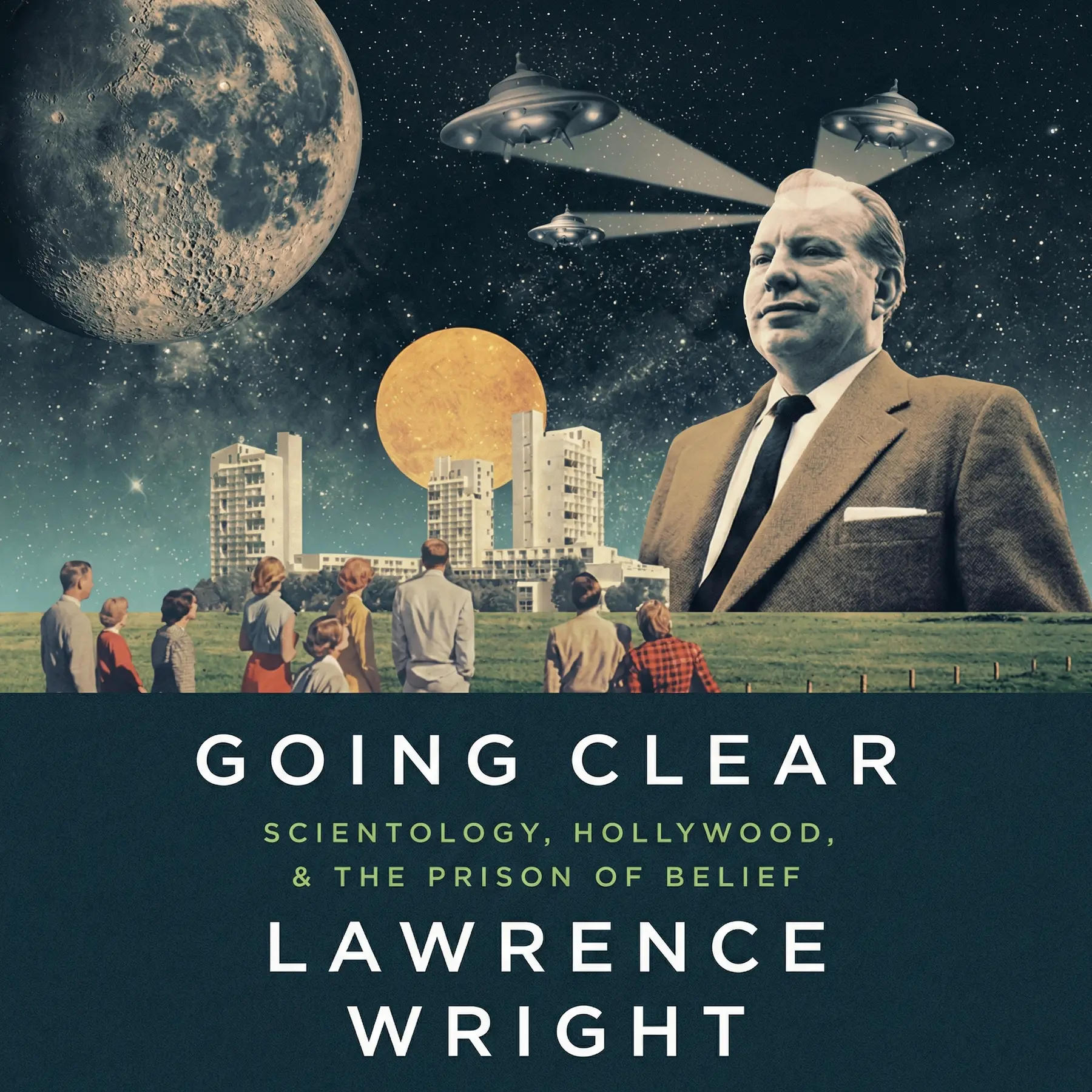
Going Clear offers a comprehensive and unflinching examination of one of the most secretive and influential organizations in modern history: the Church of Scientology. The book peels back the layers of mystique surrounding the group, moving from the early life and creative output of its founder, L. Ron Hubbard, to the organization's rise as a global power player. It explores the foundational belief system, which blends science fiction elements with psycho-therapeutic techniques, and investigates the intense devotion shown by famous members like Tom Cruise and John Travolta. Beyond the glitz of celebrity endorsements, the narrative delves into the darker side of the institution. It details the extensive legal battles with government entities, the strategic recruitment methods designed to target vulnerable or high-profile individuals, and reports of internal disciplinary practices. The promise of the book is a clear-eyed look at the “prison of belief,” providing readers with an understanding of how a fringe movement grew into a multibillion-dollar empire and the psychological grip it maintains on its followers.
Lawrence Wright is a distinguished author, screenwriter, and journalist. He serves as a staff writer for The New Yorker and is a member of the prestigious Council on Foreign Relations. Throughout his career, Wright has authored several plays and a series of highly acclaimed books. His most notable work, The Looming Tower: Al-Qaeda and the Road to 9/11, earned him the Pulitzer Prize. His background in rigorous investigative reporting and deep historical analysis allows him to tackle complex subjects with unparalleled depth and clarity.
Lawrence Wright
Listeners find this book a gripping read that provides a thoroughly researched chronicle of Scientology’s background and intricate details. The prose is notably transparent and immersive, with one listener likening it to Under the Banner of Heaven, and they value the perspective gained on the religion's doctrines. Feedback on the pacing is varied, with some suggesting the start is sluggish while others describe it as a disjointed mishmash. Perspectives on the fear factor also diverge, with listeners characterizing the account as terrifying.
Wow. I thought I knew the basics of Scientology from pop culture, but Wright’s investigative depth is staggering. He manages to peel back layers of secrecy that have protected this organization for decades. Much like his work in 'Under the Banner of Heaven,' the writing here is exceptionally clear and pulsates with a quiet intensity. The transformation of L. Ron Hubbard from a prolific but struggling pulp fiction writer into a self-styled deity is a narrative arc that feels too wild for fiction. Wright doesn't just list facts; he builds a psychological profile of a movement fueled by both genuine searching and profound abuse. Some parts are genuinely hard to stomach, especially the descriptions of 'The Hole' and the physical punishments under David Miscavige’s regime. It’s a terrifying look at what happens when tax-exempt status meets total, unchecked authority. Truly a monumental piece of journalism.
Show moreTerrifying doesn't even begin to cover the feeling this book leaves you with. Lawrence Wright has crafted an incredible, chilling account of how a modern cult operates behind gilded walls. Look, the sheer scale of the intimidation tactics used against journalists and former members like Marty Rathbun or Paulette Cooper is mind-blowing. I was particularly struck by the stories of the Sea Org boat; the image of people being held against their will for years on the high seas is haunting. Wright’s prose is sharp and fast-paced, making even the complex legal battles over tax status feel like a high-stakes thriller. It’s an essential look at the dark side of the American dream and the lengths people will go to for a sense of belonging. If you want to understand how power corrupts, start here. This is non-fiction at its most gripping and essential.
Show moreEver wonder how a failed science fiction writer manages to create a global movement that intimidates the IRS? Wright answers that question with chilling clarity. This book is a visceral experience. The contrast between the 'total freedom' promised to members and the 'prison of belief' they actually inhabit is heartbreaking. I was gripped by the accounts of Hubbard writing novels on butcher paper while high on rum and pills—it explains so much about the internal logic of the church. The shift to the Miscavige era is where the book turns from a character study into a horror story. The physical abuse and the 'SP' (Suppressed Person) labels used to destroy families are revolting. Wright’s writing is exceptionally engaging, turning a complex history into a page-turner. It’s a landmark book that exposes the mechanics of manipulation with surgical precision.
Show moreEach page of this book feels like a revelation. Having read Wright's other work, I expected high-quality research, but the level of detail regarding the 'Wall of Denial' is simply incredible. He manages to capture the tragic irony of Scientology: a movement dedicated to clearing the mind that ends up trapping its followers in a cycle of paranoia and debt. The stories of the 'renegades' who finally escaped are the emotional core of the book. Seeing the psychological toll of their 'dissociation' makes you realize how powerful these indoctrination techniques really are. While the celebrity anecdotes are flashy, the real substance is in the reporting on the labor camps and the systemic abuse of the rank-and-file members. It is a bleak, infuriating, and brilliant piece of work. Wright has done a massive service to the public by shining a light into this very dark corner of society.
Show moreAs someone who finds cult psychology fascinating, Wright delivers a masterclass in investigative journalism. He explores the 'prison of belief' with a level of even-handedness that is almost painful given the atrocities described. We see the transition from Hubbard’s chaotic, narcissistic leadership to Miscavige’s cold, sociopathic efficiency. The accounts of Sea Org life—the forced abortions, the billion-year contracts, and the heartbreaking stories of families being torn apart—are what stick with you. I appreciated the focus on Paul Haggis as a gateway into the narrative, even if he comes off as a bit self-serving in his late-blooming realization. The book effectively highlights the bizarre blend of science fiction, business, and intimidation that keeps members trapped. It’s a sobering reminder of how easily the human mind can rationalize the irrational. A must-read, though definitely not a light one.
Show moreThe chapter on L. Ron Hubbard’s early life as a pulp writer is worth the admission price alone. It’s fascinating and disturbing to see how his wild imagination and pathological lying laid the groundwork for a multi-billion dollar empire. Wright is excellent at showing the transition of power to Miscavige, who seems to have traded Hubbard’s erratic whims for a more systematic, violent form of control. The descriptions of 're-education' and the culture of spying among members are truly Orwellian. I did find the pacing a little slow at the start, and the heavy focus on Paul Haggis felt a bit lopsided, but the overall impact is undeniable. It’s a thorough investigation into a phenomenon that is as much a business as it is a religion. Wright's ability to remain objective while reporting on such vile behavior is a testament to his skill.
Show morePicked this up on a whim and couldn't put it down, despite the occasionally dense prose. There is something profoundly creepy about the way Scientology uses the legal system to silence its critics. Wright lays it all out: the smear campaigns, the men in black, and the absolute wall of denial. I was especially interested in the sections regarding the church's influence in Hollywood. Seeing how someone as powerful as Tom Cruise becomes a mouthpiece for such an abusive system is both baffling and sad. The book can be quite repetitive—there are only so many times you can read about someone being punched in the face before you get the point—but the accumulation of detail is what makes it so convincing. It’s a powerful, scary, and deeply necessary piece of writing that everyone should read before considering an auditing session.
Show moreFinally got around to this one after seeing the HBO documentary, and truth be told, it’s a bit of a slog in the middle. Don't get me wrong, the research is top-notch and Wright is clearly a master of his craft, but the pacing feels disjointed at times. I found myself growing weary of the endless accounts of celebrity pampering. Does the reader really need ten pages on Tom Cruise’s custom motorcycles or his hangar at the airport? To be fair, these details illustrate the 'celebrity worship' culture of the church, but it often felt like a distraction from the more serious human rights allegations. The footnotes, while informative, create a 'rain-on-the-roof' effect that becomes distracting after the twentieth time you read a church denial. It’s a valuable historical record, but expect to skim a few chapters if you aren't obsessed with Hollywood gossip.
Show moreIn my experience, Lawrence Wright is usually a five-star author, but I found myself zoning out during the heavy legal sections of this one. To be fair, the history of how they attained religious status is important, but it makes for dry reading compared to the 'mad scientist' vibes of Hubbard's early years. I appreciated the insight into the religion's actual beliefs—the Xenu stuff is just as weird as the internet says—but the human cost is the real story here. The accounts of the Sea Org children and the neglect of people like Lisa McPherson are devastating. I just wish the book had more of those personal stories and a little less focus on the internal politics of celebrity management. It's a good book that could have been a great one with some tighter editing and less dwelling on the psyche of rich, privileged men.
Show moreNot what I expected given the hype, to be perfectly frank. While I respect the massive amount of research involved, the book felt like a disjointed mishmash of old New Yorker articles and tabloid rumors. The structure is all over the place. We jump from Hubbard's weird nautical adventures to Tom Cruise's dating life, and then back to legal filings from the eighties. I found the focus on celebrities like John Travolta to be ultimately shallow—who really cares about his private life when there are allegations of slave labor happening in the same organization? The writing is clear enough, but the narrative lacks a cohesive heart. It felt more like an encyclopedia of grievances than a compelling story. I think the documentary actually did a better job of distilling the core horrors without getting lost in the weeds of every single fountain pen LRH ever owned.
Show more
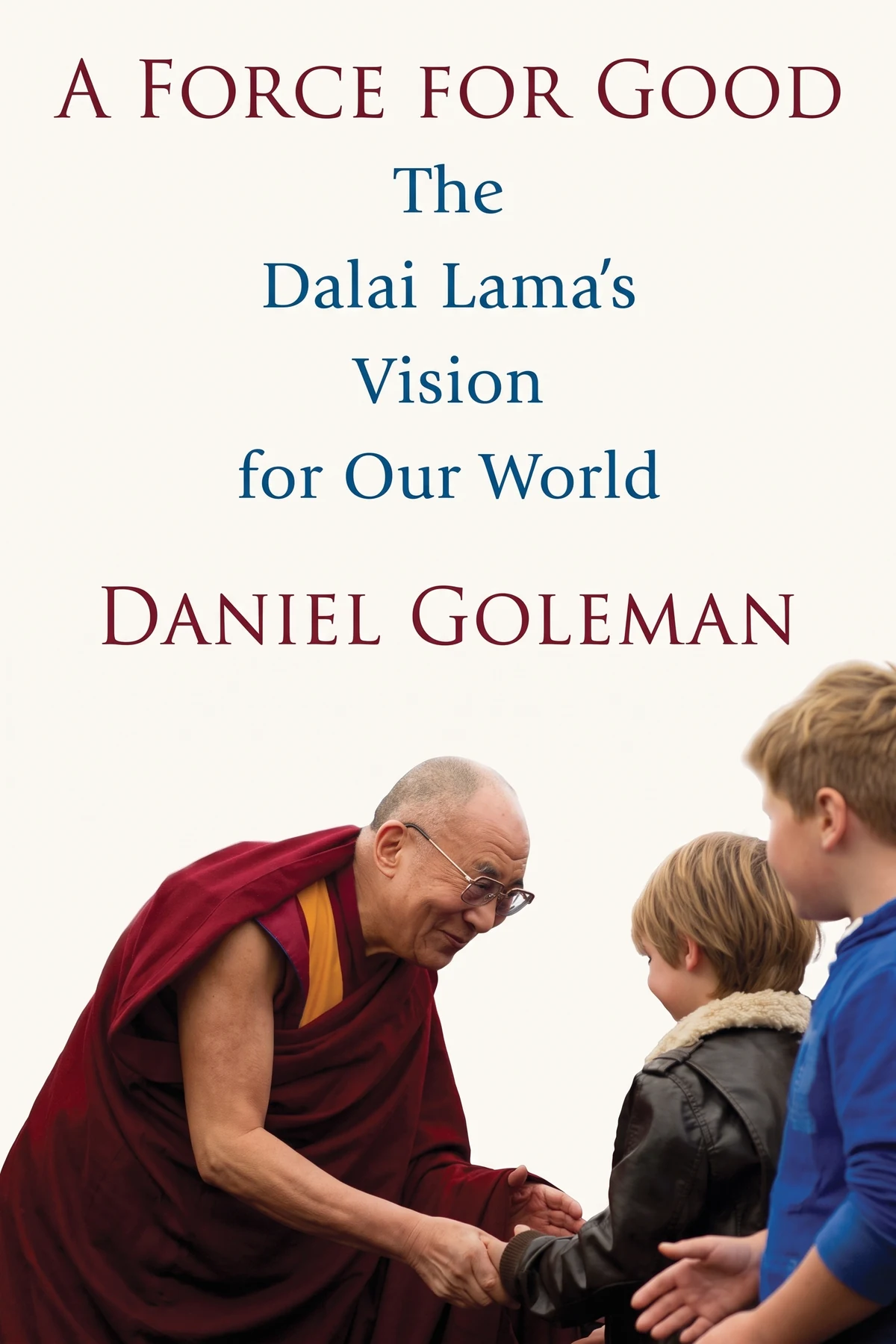
Daniel Goleman
Eckhart Tolle
Marianne Williamson
Deepak Chopra
Pico Iyer
Alcoholics Anonymous World Services
Ram Dass

AUDIO SUMMARY AVAILABLE
Get the key ideas from Going Clear by Lawrence Wright, plus 5,000+ more titles in English and Thai.







