
17 min 18 sec
Good Habits, Bad Habits: The Science of Making Positive Changes That Stick
By Wendy Wood
Discover the hidden psychological mechanisms that drive our daily actions. Good Habits, Bad Habits reveals how to move beyond willpower by harnessing the power of our nonconscious mind to create lasting change.
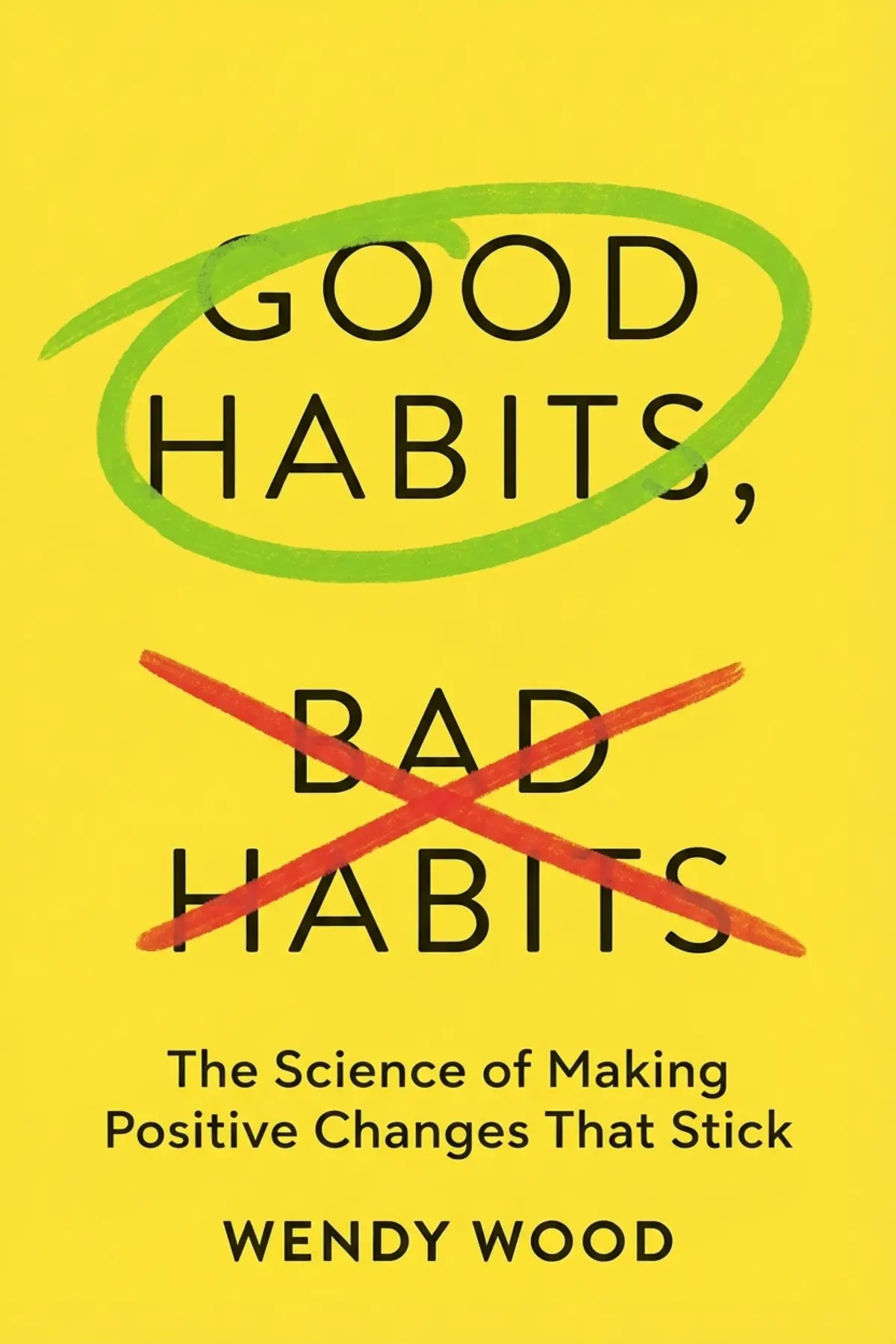
Table of Content
1. Introduction
1 min 43 sec
Every single day, we move through the world with a sense of agency, believing that our choices are the primary drivers of our lives. We decide what to wear, what to eat, and how to respond to the emails flooding our inboxes. However, if we look closer at the mechanics of our daily existence, a different reality emerges. Research suggests that roughly 43 percent of our daily activities aren’t actually conscious decisions at all. Instead, they are the result of habits—automatic responses that our brains execute without us having to think about them. This means that for nearly half of our waking hours, we are essentially operating on autopilot.
This realization might feel a bit unsettling at first. It suggests that much of our life is governed by patterns we may not even notice. But within this fact lies a profound opportunity. If nearly half of our lives are habitual, then the quality of our habits dictates the quality of our lives. Rather than struggling against our own nature, we can learn to work with the brain’s internal architecture to make positive change feel less like a battle and more like a natural flow.
In this summary of Wendy Wood’s work, we are going to dive deep into the science of why habits are so powerful and how they actually function in the brain. We will explore why the concept of willpower is often misunderstood, why your physical surroundings are more influential than your intentions, and the specific mechanics of repetition and reward that turn a new action into a permanent fixture. By understanding these throughlines, you can stop relying on fleeting motivation and start building a structure for a life that supports your best self automatically.
2. The Invisible Power of the Autopilot Mind
2 min 18 sec
Explore why nearly half of your day happens without conscious thought and how this hidden mental process actually serves to simplify your complex life.
3. Moving Beyond the Myth of Self-Control
2 min 23 sec
Discover why relying on willpower is a losing strategy and how successful people use discipline in a completely different way than you might expect.
4. Architecting Your Environment for Success
2 min 22 sec
Learn how the physical world around you acts as a silent director of your behavior and how to manipulate friction to your advantage.
5. The True Timeline of Repetition
2 min 26 sec
Think it takes 21 days to form a habit? Think again. Discover the reality of the habit-formation curve and why consistency is the only way through.
6. Rewiring the Brain with Strategic Rewards
2 min 18 sec
Dopamine is the secret sauce of habit. Learn why the timing and nature of your rewards can make or break your new routine.
7. The Resilience of Habit Under Pressure
2 min 10 sec
When life gets stressful, your conscious mind retreats. Discover why your habits are your ultimate safety net during difficult times.
8. Conclusion
1 min 38 sec
The journey through the science of habit formation brings us to a singular, powerful conclusion: your life is not just the sum of your conscious choices, but the result of the patterns you have allowed to take root. We have seen that willpower is a fragile tool, and that true, lasting change comes from understanding the nonconscious mechanics of the brain. By focusing on the environment, embracing the necessity of repetition, and leveraging the power of rewards, we can transform the way we live from the inside out.
One of the most practical ways to put these ideas into action is to watch for moments of ‘contextual disruption.’ When your life changes in a significant way—whether you are moving to a new home, starting a new job, or experiencing a shift in your daily schedule—your old habits are temporarily weakened. This is a golden window of opportunity. Because your old cues have been removed, you have a blank slate to architect new, better routines. The next time you find yourself in a new environment, don’t just let things happen by chance. Be the architect of your new autopilot.
Remember, change doesn’t have to be a grueling test of your character. It is a design challenge. Stop trying to fight your own nature and start building a world that makes your best behaviors inevitable. When you align your environment, your repetition, and your rewards, you stop chasing the person you want to be and simply start being that person, one automatic action at a time. The power of habit is not just in what it allows you to do, but in who it allows you to become—effortlessly.
About this book
What is this book about?
Have you ever wondered why your most sincere resolutions often fall apart by mid-February? In Good Habits, Bad Habits, researcher Wendy Wood explores the fascinating gap between our conscious intentions and our actual behaviors. The book challenges the traditional notion that self-control is the primary key to success, suggesting instead that our environment and nonconscious mind play a much larger role than we realize. Drawing on decades of psychological research, the book provides a roadmap for understanding how the brain forms and maintains routines. It moves away from the idea of 'trying harder' and focuses on the science of habit formation, offering insights into the roles of repetition, rewards, and environmental friction. The promise of this book is a practical shift in perspective: instead of fighting your own impulses every day, you can learn to architect a life where your desired behaviors happen automatically. By the end, you will understand how to leverage the same mental shortcuts that lead to bad habits to build a foundation for a better, more effortless way of living.
Book Information
About the Author
Wendy Wood
Wendy Wood is a prominent figure in the field of psychology and business, currently serving as a professor at the University of Southern California. She is recognized globally as a leading expert on the psychology of habit formation. Over a career spanning thirty years, Wood has dedicated her research to understanding human behavior, contributing more than 100 academic articles to the scientific community.
Ratings & Reviews
Ratings at a glance
What people think
Listeners find the writing accessible and clear, offering an intriguing deep dive into the research and scientific concepts behind forming positive habits. They appreciate the book's entertainment value and find it very engrossing, with one listener noting how it distills key ingredients for disrupting bad habits. The text is praised for its high readability, and one listener describes it as a casual read.
Top reviews
Luckana
Wendy Wood is a powerhouse researcher who actually knows how to write for a general audience. This isn't your typical 'hustle culture' nonsense that tells you to rely on willpower until you burn out. Instead, she breaks down how our subconscious takes over most of our daily actions through automation. I loved the section on the food industry and how they design environments to make overeating a default habit. It’s eye-opening to realize that we aren't necessarily lazy; our environment is often just rigged against us. The prose is clear, the data is rigorous, and I finally understand the neuroscience behind my own failures. If you want a book that treats you like an adult with a brain, this is it. It’s the perfect blend of hard science and accessible narrative.
Show moreAey
The chapter on friction totally changed how I set up my kitchen. I used to keep my fruits hidden in the fridge and my snacks on the counter, but after reading Wood’s research, I swapped them. It sounds simple, but it actually worked! I love how she explains that 'high self-controllers' aren't just stronger people; they are just better at designing their lives to avoid temptation. This book is a fascinating look at the scientific principles that govern our choices. It’s highly engaging and moves at a great pace, never getting bogged down in too much jargon. I’ve already recommended it to several friends who feel stuck in their ruts. It really distills the key ingredients for disrupting bad habits into something anyone can understand.
Show morePacharapol
In my experience as a psychology student, most self-help books are fluff, but this is different. Wendy Wood provides a rigorous, data-driven look at the unconscious mind. She masterfully explains the difference between our conscious goals and our habitual actions, showing why they so often clash. The part about 'habit discontinuity' during major life changes like moving or starting a new job was particularly brilliant. It gives you a specific window of time where you can actually reinvent yourself. Not gonna lie, I found this far more helpful than most of the anecdotal stuff on the market today. It’s a must-read for anyone interested in the actual mechanics of human behavior. Truly a deep dive into how we can remake our lives through science.
Show moreNang
As someone who struggles with consistent gym trips, this was a breath of fresh air. Wood argues that we should stop blaming our character and start looking at our surroundings. Look, the idea of 'friction'—making bad habits harder and good habits easier—isn't entirely new, but the way she backs it up with clinical data is incredibly reassuring. It takes the guilt out of the equation. I do wish there were some checklists or chapter summaries to make the advice easier to implement. You really have to dig through the stories and the science to find the actionable steps. Still, it’s a very engaging read that will change how you look at your morning routine. It provides a fascinating look at how our minds actually function in the wild.
Show moreRung
After hearing everyone rave about James Clear, I wanted to see the actual science behind those ideas. Wendy Wood is the researcher Clear often cites, so going to the source was a great decision. She explains the 'automaticity' of our brains with such clarity. I particularly enjoyed the discussion on how 'near-misses' in gambling create such strong, hard-to-break habits. It’s a casual read despite being heavy on psychology, which is a rare balance to strike. My only gripe is that it can feel a bit repetitive towards the end. She makes her point early on and then just keeps hammering it home with more and more studies. Regardless, it's a solid addition to any shelf. You’ll definitely walk away with a better understanding of your own brain.
Show moreSara
Finally got around to reading this and it's a solid 4 stars. The writing is approachable and entertaining, making complex neuroscience feel like a conversation over coffee. I appreciated the nuance regarding how rewards work—not just as a prize at the end, but as a crucial part of the feedback loop that creates a habit in the first place. Some sections were a bit dry, especially when she went deep into the history of William James, but the modern examples kept me turning the pages. It’s a bit light on the 'how-to' summaries, but the sheer volume of useful information makes it worth the effort of taking your own notes. This is a great choice if you prefer data over empty inspiration.
Show moreSayan
Ever wonder why you can't just 'will' yourself into a better routine? This book provides the answer, focusing heavily on 'friction' and 'repetition.' I found the studies interesting, particularly the one about soldiers returning from Vietnam and how their environment changed their addiction levels. However, the organization felt a little scattered at times. I felt like I was reading a collection of papers rather than a cohesive guide for personal growth. Frankly, if you’ve already read Atomic Habits or The Power of Habit, a lot of this will feel like a retread of information you already know. It’s a decent read for beginners, but it didn't quite stick with me the way I hoped it would. It’s informative but lacks that punchy, life-changing feeling I look for in this genre.
Show moreFatou
Picked this up because I’m tired of the 'just do it' mentality. The book is definitely backed by a mountain of data, which I appreciate, but it felt a bit demotivating in parts. If we are mostly products of our environment and context, it feels like we have very little agency. Wood suggests that if a task isn't easy or mindless, we’ll probably just give up tomorrow. Personally, I found that a bit cynical. I was looking for a way to tackle the difficult things, not just a reason to stop trying them. It’s a smart book, but maybe too focused on the biology of the brain rather than the human spirit behind change. I’d recommend it to science nerds, but maybe not to someone in the middle of a motivational crisis.
Show moreThawee
Not what I expected from a habit book. While Wendy Wood clearly understands the mechanics of the brain, she spends way too much time on the 'why' and almost none on the 'how.' To be fair, the research into context clues and repetition is fascinating, but I was looking for a roadmap, not a textbook. I also found it incredibly frustrating that she ignores executive dysfunction entirely. If you have ADHD, her advice to just 'make it easy' feels a bit like telling a person with no legs to just walk more smoothly. It’s well-written enough, but it didn't give me the tools I needed to actually change my life. I’ll stick to other authors who offer a more manageable, step-by-step approach because this left me feeling more capable of explaining my bad habits than actually breaking them.
Show moreYaowaluk
Truth is, I found this way too academic and dry for a casual reader. I was hoping for something more along the lines of a workbook, but instead, it felt like I was back in a college lecture hall. The book is very heavy on the neuroscience of the basal ganglia and various lab studies involving marshmallows or rats. While I’m sure the science is top-notch, it’s not translated into manageable steps for someone who just wants to stop biting their nails. It’s okay if you want to understand the theory, but if you want to actually transform your habits this weekend, this isn't the book for you. I felt more bored than inspired by the endless list of practical reports and data points. It just didn't click with me.
Show moreReaders also enjoyed
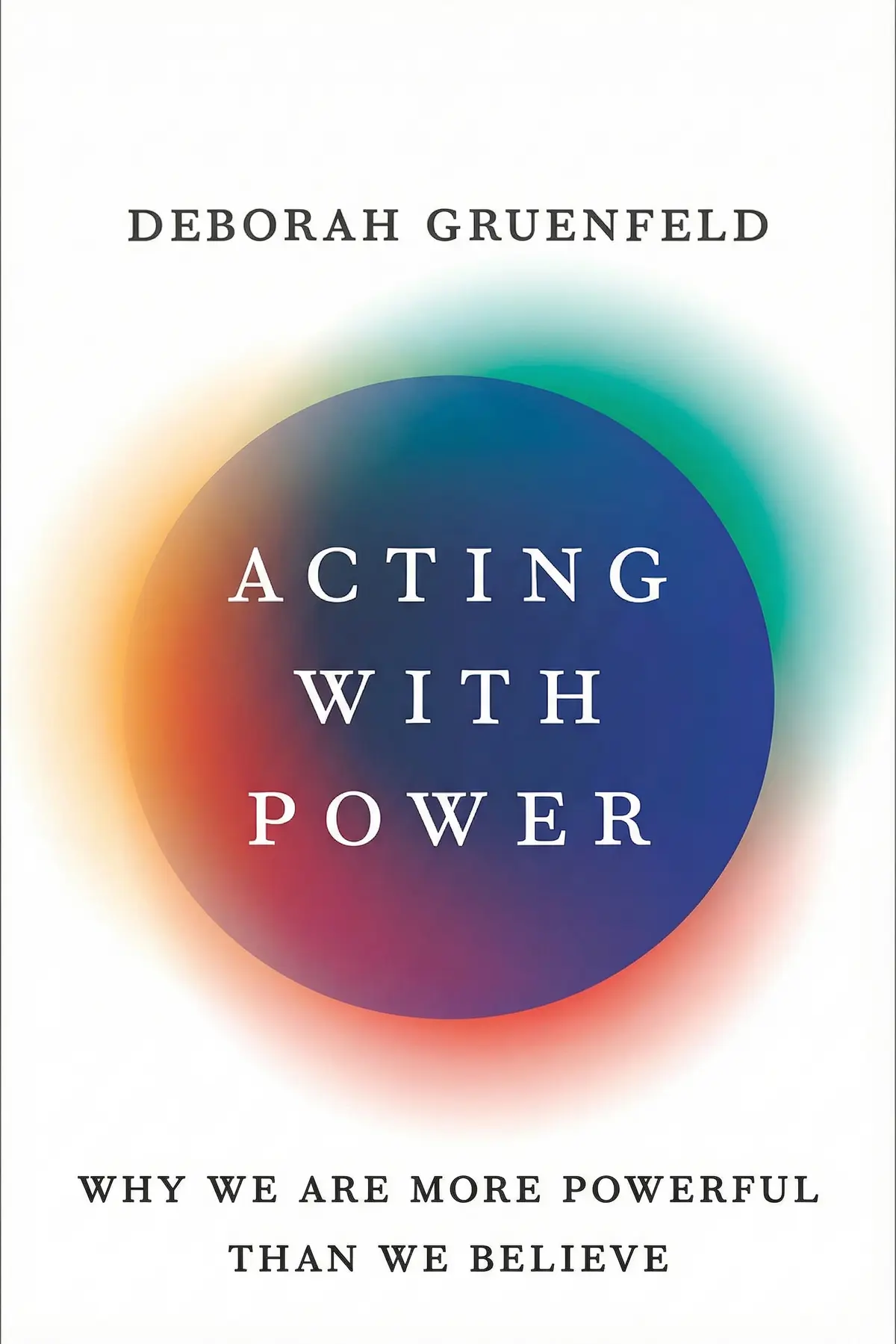
Acting with Power: Why We Are More Powerful Than We Believe
Deborah Gruenfeld
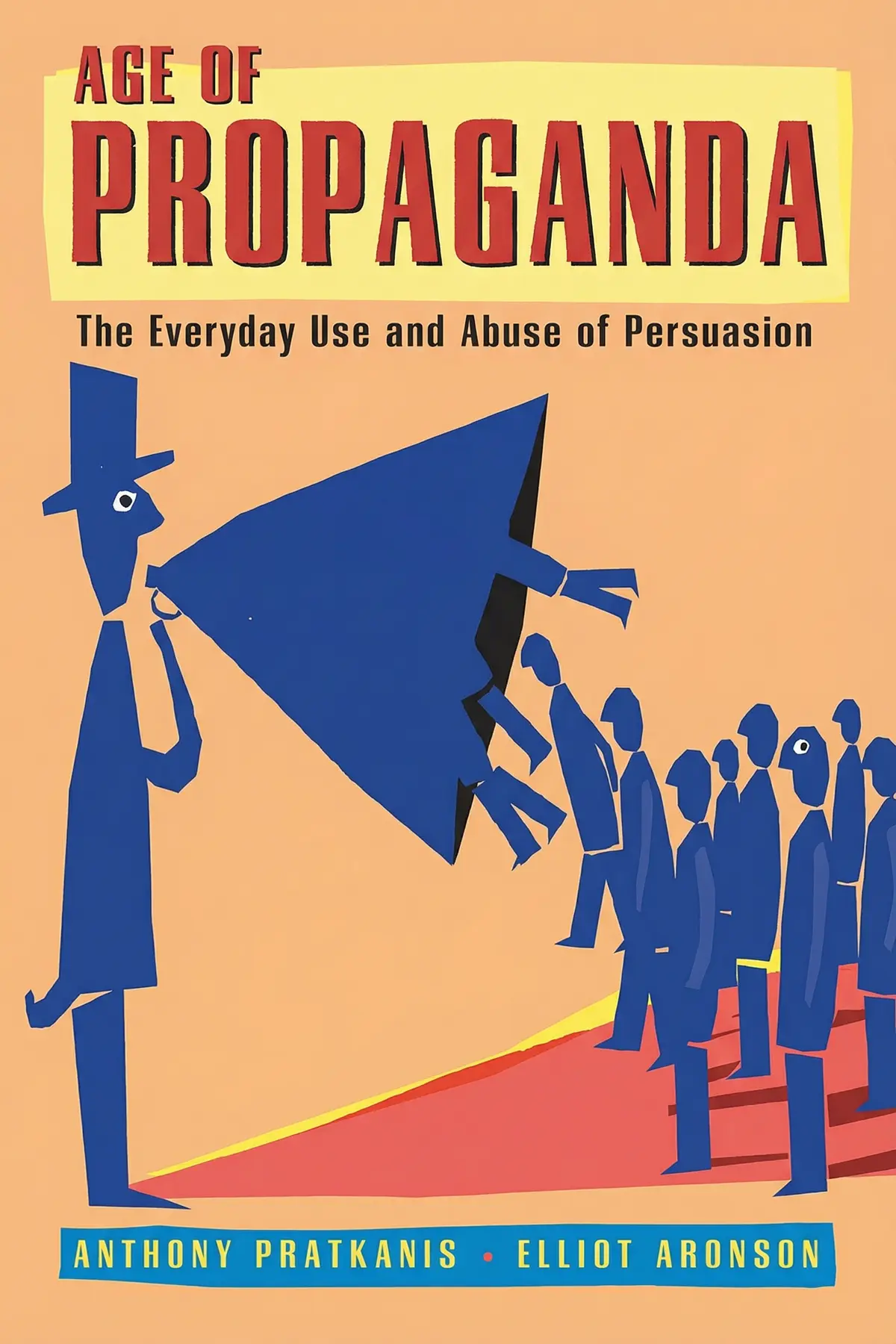
Age of Propaganda: The Everyday Use and Abuse of Persuasion
Anthony Pratkanis
A Guide to the Good Life: The Ancient Art of Stoic Joy
William B. Irvine
AUDIO SUMMARY AVAILABLE
Listen to Good Habits, Bad Habits in 15 minutes
Get the key ideas from Good Habits, Bad Habits by Wendy Wood, plus 5,000+ more titles in English and Thai.
- 5,000+ titles
- Listen as much as you want
- 7-day free trial
- Cancel anytime







