
8 min 08 sec
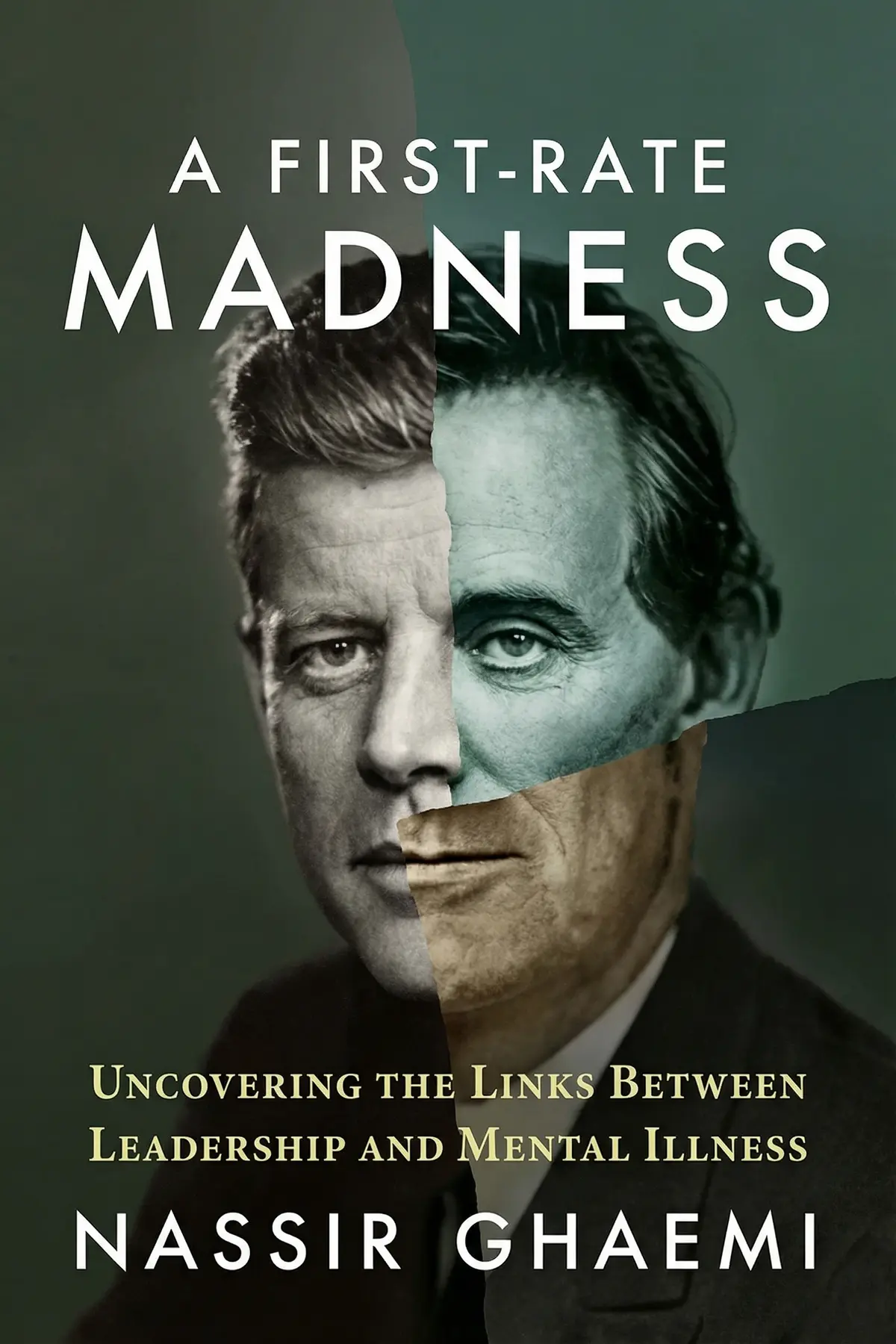
Good Power: Leading Positive Change in Our Lives, Work, and World
Ginni Rometty shares her philosophy of positive change, demonstrating how leadership combined with a spirit of service can transform careers, companies, and communities through the effective application of good power.
Table of Content
1. Introduction
1 min 04 sec
Have you ever looked at a situation in your life or your workplace and felt a deep, nagging urge to make it better? Perhaps it is a broken process at your job, a struggle within your family, or a systemic inequality you see in the world around you. Most of us have felt this, but we often hesitate because we think we lack the necessary authority to act. We tell ourselves that because we aren’t the boss or a high-ranking official, our hands are tied.
Ginni Rometty, the former head of IBM, argues that this perspective is exactly what holds us back from our true potential. She believes that real influence doesn’t come from a title on a business card; it comes from an internal mindset she calls good power. This isn’t about control or ego. Instead, it is about using your energy to foster positive outcomes for yourself and the people around you.
In this discussion, we are going to explore how you can harness this force. We’ll look at why the most effective way to change the world is to put yourself in the service of others. By understanding the principles of good power, you can begin to see yourself not as a passive observer of problems, but as a person uniquely equipped to solve them.
2. Defining True Service as a Mindset
1 min 21 sec
Explore the vital difference between just doing your job and being truly in service of others, a shift that changes how you approach every challenge.
3. The Practical Mechanics of Providing Value
1 min 33 sec
Learn the essential tools for effective leadership, including the roles of deep research, active listening, and the art of clear communication.
4. The Expanding Circles of Influence
1 min 38 sec
Discover how the scope of your responsibility grows throughout your life, moving from personal family needs to broader professional impact.
5. Scaling Change Through Systems
1 min 26 sec
See how a service-oriented approach can challenge long-standing industry norms and create new pathways for millions of people.
6. Conclusion
1 min 06 sec
The concept of good power is a reminder that we all have the capacity to be leaders, regardless of our current position. It starts with a simple choice to move from self-interest to a mindset of service. By focusing on providing real value, doing the necessary research, listening intently, and communicating with clarity, you build a foundation of trust and influence that is far more effective than any form of forced control.
As you have seen through the examples in Ginni Rometty’s life, this journey of service evolves over time. It may start in your living room or at a single desk in a large office, but it has the potential to eventually reshape entire industries. Good power is about more than just personal growth; it is about creating a legacy of improvement that benefits your family, your colleagues, and your community.
Now, think about the situation you wanted to change at the beginning of this summary. How can you step into a position of service there? What value can you provide? By embracing these principles, you can stop waiting for permission to lead and start using your own good power to make the world a little bit better, starting right where you are today.
About this book
What is this book about?
How do you influence a world that feels increasingly complex and resistant to change? In this summary, we explore the concept of good power, a leadership philosophy developed by former IBM CEO Ginni Rometty. Rather than viewing power as a tool for personal dominance, Rometty frames it as a force for collective progress and societal improvement. The core promise of this book is that anyone, regardless of their current title or status, can become a catalyst for improvement by adopting a service-oriented mindset. We will look at how the transition from simply performing a task to truly being in service of others creates unique value. From navigating personal family crises to steering a global tech giant, the principles shared here provide a roadmap for using technology and human empathy as tools for sustainable growth. By the end, you will understand how to build trust, solve deep-rooted problems, and open doors for others by prioritizing skills over traditional credentials.
Book Information
About the Author
Ginni Rometty
Ginni Rometty was the first-ever female CEO of tech giant IBM. She assumed the position in 2012 and retired in 2020. She’s now the cochairperson of the nonprofit organization OneTen which champions the recruitment of Black Americans into well-paying jobs.
Ratings & Reviews
Ratings at a glance
What people think
Listeners find this work a motivating manual for purposeful leadership, commending its high-quality storytelling and its definition of good power. They value the book's accessible style and ethical perspective, with one listener observing how the author’s enthusiasm shines through her writing. The narrative approach is highly regarded, with one listener portraying it as a vivid journey, and listeners respect the combination of personal and professional insights.
Top reviews
Pan
Rarely do I find a CEO memoir that actually touches my heart. The story about Rometty’s mother facing her father’s departure in the garage was so raw it stayed with me for days. It frames her entire career at IBM through a lens of resilience and determination that feels entirely earned. I loved the concept of 'Good Power'—the idea that we can lead with empathy without sacrificing our professional edge or results. Her passion for the 'skills-first' movement is palpable and gave me a new perspective on degree inflation in tech. Some might say it’s a bit IBM-centric, but when you spend forty years there, that’s your canvas for change. It’s an inspirational guide for anyone trying to navigate high-stakes environments with their integrity intact. Truly, this is a vivid journey through a life built on pure grit.
Show moreRohan
After hearing about Rometty’s 'skills-first' initiative, I knew I had to pick this up. This book provides a compelling argument for why we need to move past traditional degree requirements to create a truly inclusive economy. I was enraptured by her focus on social impact projects and how she managed to connect business goals with societal needs so seamlessly. It’s refreshing to see a leader who doesn't just talk about diversity but builds systems to facilitate it. The writing is incredibly polished, making even the complex parts of IBM’s evolution feel like a vivid journey. Her stories about finding balance amid chaos really resonated with my own struggles in leadership. If you want to see what 'stewardship' actually looks like in practice, this is the book to read. It's a masterclass in leading with purpose and heart.
Show moreAurora
This isn't just another business book; it’s a blueprint for ethical transformation. I was struck by how Rometty weaves together her personal narrative with her professional philosophy to create something that feels both urgent and timeless. The way she describes the garage scene with her mother and siblings really grounded the entire story in a sense of real-world struggle. It’s not just about being a CEO; it’s about how anyone, from any background, can choose to use their influence to lift others up. Her passion for bridging the digital divide comes through on every page, making the technical sections feel like a moral mission. I found the book deeply readable and honestly quite moving in its portrayal of resilience. This is a must-read for anyone who believes that business can, and should, be a force for good in our messy world.
Show moreAlejandra
Wow, the opening chapter about her mother and the garage really set the tone for this whole read. It immediately humanized a woman I only knew as a high-powered executive. Seeing the pure grit it took for her to navigate those early years makes her eventual success at IBM feel much more relatable and inspiring. The book does a fantastic job of defining what power should actually look like in the 21st century—collaborative, inclusive, and purpose-driven. I was particularly impressed by the section on how technology can either widen or close the wealth gap depending on how it's deployed. It’s a vivid journey that feels very relevant to the social and economic challenges we are facing today. Highly recommended for anyone who wants to lead with both their head and their heart, regardless of their current industry.
Show moreSukit
Ginni Rometty’s 'Good Power' is a fascinating look at the intersection of empathy and executive leadership. Truth is, many business books feel like a list of sanitized successes, and while Rometty does highlight her achievements, she connects them to a larger moral purpose. The way she describes the digital divide and our collective responsibility to bridge it felt urgent and necessary for today's climate. I appreciated her self-awareness regarding her privilege later in life, even coming from such a humble, difficult background. However, I did find myself wanting more specific, actionable steps for the average manager who isn't running a global tech giant. The concepts are great, but sometimes they hover in the realm of abstract principles rather than daily tactics. Still, it’s a well-written account that advocates for an ethical approach to power that we desperately need more of right now.
Show morePornthip
Finally finished this, and I'm left with a lot to chew on regarding my own career path. Personally, I found the early sections about her grit and determination during her upbringing to be the most engaging parts of the memoir. She avoids the typical 'hustle culture' cliches and instead focuses on how her past shaped her views on using power for good. The discussion on navigating resistance within a behemoth organization like IBM was particularly insightful for anyone working in a legacy company. My only real gripe is that it runs a little long in the middle, and some of the chapters felt a bit repetitive in their message. To be fair, her dedication to the 'Good Power' framework is admirable, even if it feels a bit idealistic at times. It’s a solid read for anyone looking to lead with a conscience.
Show moreThawee
As someone who has worked in tech for two decades, I found the discussion of IBM's evolution quite nostalgic. Ginni Rometty offers a unique perspective on what it takes to steer a massive ship through stormy waters while maintaining a sense of social responsibility. Her focus on 'skills-first' hiring is probably the most practical takeaway for modern HR departments and hiring managers. I appreciated her candor about the difficulties of changing a corporate culture that is set in its ways. While some chapters felt a bit like a sales pitch for IBM’s AI capabilities, her underlying message about 'Good Power' remained consistent throughout. It’s a compelling read, even if it’s a bit light on the specific 'how-to' for lower-level management. Overall, it’s a great memoir with a very strong moral compass that many leaders could learn from.
Show moreWatcharin
While I respect the author’s massive career at IBM, this book felt a bit too much like a corporate victory lap for my taste. Look, her personal story of overcoming a traumatic childhood is undeniably powerful and serves as a great hook for the first few chapters. But once the narrative shifts into the weeds of IBM’s restructuring and the move toward AI, it loses its relatability for the general reader. I was hoping for more 'how-to' on using power in small ways, but instead, I got a lot of high-level strategy that only applies to C-suite executives. The prose is clear and professional, yet it often feels like it's been through a heavy legal or PR filter. It’s a decent read if you’re interested in corporate history, but it didn't quite deliver the personal transformation guide I was expecting.
Show moreMo
To be fair, the writing style is vivid and the journey is impressive, but it could have been trimmed down significantly. Frankly, I felt like I was reading an internal IBM newsletter for about forty percent of the book. Ginni Rometty is clearly a brilliant mind, and her message about using power for positive transformation is one that every modern leader should hear. However, the book often gets bogged down in the minute details of corporate shifts that don't translate well to those outside of the tech industry. I did love the quotes she included about creating your own balance and finding comfort in your own skin during chaos. Those moments of personal reflection were the highlights for me. I just wish the whole book had maintained that level of intimacy instead of drifting into high-level business jargon that felt alienating.
Show moreEarn
Not what I expected from someone talking about 'good' power. I picked this up hoping for an ethical guide, but I found the discussion of her involvement with FOSTA and SESTA very troubling. These pieces of legislation were opposed by those they supposedly protected, yet Rometty presents her advocacy as a simple win for social good. This lack of critical examination regarding the side effects of her power made the rest of the book feel quite white-washed. While her rise to the top of IBM is impressive, much of the narrative feels like a curated list of successes without a deep dive into genuine failures or missteps. The writing is professional, but the content felt detached from the realities of the marginalized communities she claims to want to help. I just couldn't find enough to identify with here to justify the time spent reading.
Show moreReaders also enjoyed

A River in Darkness: One Man’s Escape from North Korea
Masaji Ishikawa

A Spy Among Friends: Philby and the Great Betrayal
Ben Macintyre


A Year in the Life of William Shakespeare: 1599
James Shapiro
A Year with Peter Drucker: 52 Weeks of Coaching for Leadership Effectiveness
Joseph A. Maciariello

AUDIO SUMMARY AVAILABLE
Listen to Good Power in 15 minutes
Get the key ideas from Good Power by Ginni Rometty, plus 5,000+ more titles in English and Thai.
- 5,000+ titles
- Listen as much as you want
- 7-day free trial
- Cancel anytime







