
A Planet of Viruses
Carl Zimmer
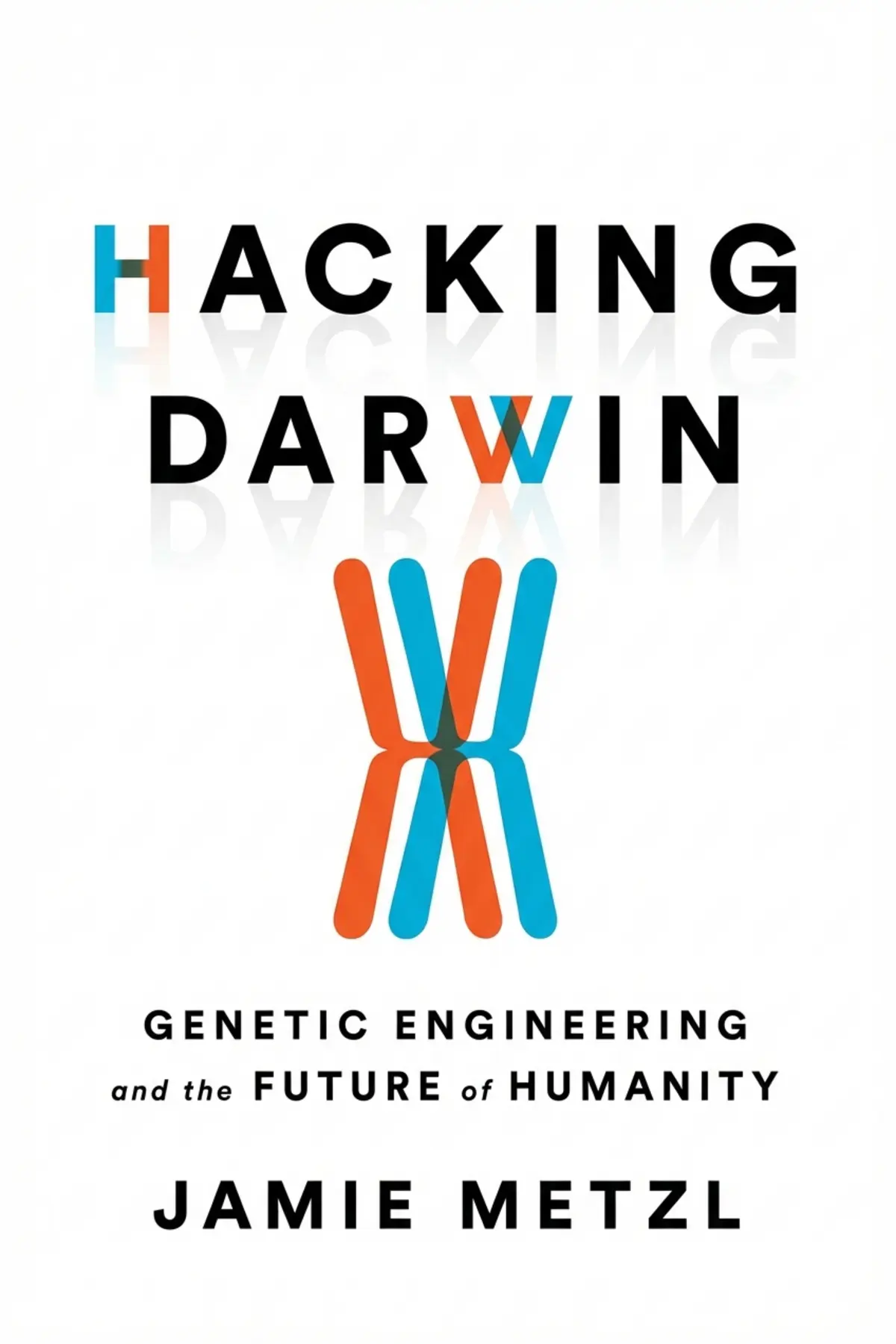
Hacking Darwin explores the impending genetic revolution, detailing how advancements in biotechnology and AI will allow humanity to move beyond natural selection and begin intentionally designing our biological future.
1 min 57 sec
Imagine stepping into a clinical setting just a decade or two from now. You aren’t there because you’re ill, but because you are planning for the future of your family. In this vision of the near future, prospective parents don’t leave the health and traits of their children to the roll of the genetic dice. Instead, they work with specialists to screen for thousands of potential conditions, selecting embryos with the best chance for a long, healthy, and perhaps even enhanced life. This might sound like a scene from a high-budget science fiction film, but as Jamie Metzl argues, it is the direction in which our species is rapidly accelerating.
We are standing at the threshold of the most significant transition in the history of life on Earth. For billions of years, evolution has been a process of random mutations and the cold, hard logic of survival. It has been slow, often cruel, and entirely beyond our control. But that is changing. We have cracked the code of life—our DNA—and we are learning not just to read it, but to edit it. This shift from Darwinian evolution to intentional, human-guided design is what Metzl calls the genetic revolution.
In this journey, we will trace the path from the first single-celled organisms to the cutting-edge labs of today. We’ll see how the marriage of big data and biology is turning our bodies into a form of software. We will explore why the way we reproduce is about to change forever, moving from the bedroom to the laboratory. And perhaps most importantly, we will confront the massive ethical and geopolitical questions that arise when we gain the power to hack our own biology. This isn’t just a story about technology; it’s a story about us—our values, our fears, and the collective choices we must make as we take the steering wheel of our own evolution. The stakes couldn’t be higher, because once we start hacking Darwin, there is no going back to the way things were.
2 min 33 sec
Explore how humanity moved from believing in static creation to understanding the dynamic, heritable processes that have shaped life over billions of years.
2 min 44 sec
Discover how DNA sequencing has transitioned from a multi-billion dollar endeavor to an affordable data-driven science powered by artificial intelligence.
2 min 33 sec
The evolution of IVF and embryo screening is moving us from simply treating infertility to actively selecting the genetic makeup of our children.
2 min 21 sec
Societal pressures, health incentives, and economic factors may soon make lab-based reproduction the primary method for human birth.
2 min 31 sec
Moving beyond choosing embryos, new tools allow us to actively rewrite genetic code, offering the potential to cure diseases and enhance human capabilities.
2 min 29 sec
National competition for technological and biological superiority could drive a global race to enhance human intelligence and physical performance.
2 min 31 sec
Genetic engineering risks creating a ‘biological class system’ where the wealthy access enhancements while the rest of humanity is left behind.
2 min 30 sec
Preventing a genetic catastrophe requires robust international cooperation, public literacy in biology, and a global dialogue on shared human values.
1 min 38 sec
The genetic revolution is not a distant possibility; it is an unfolding reality. We are the first generation in the four-billion-year history of life to hold the blueprints for our own biological design. This power to move beyond natural selection and into the era of intentional evolution is perhaps the most significant milestone our species will ever reach. It offers us the chance to end the scourge of hereditary disease, to extend our healthy lifespans, and to adapt ourselves to the challenges of a changing planet and the stars beyond.
But as we’ve seen, this power is a double-edged sword. It threatens to widen the chasm of inequality, to erase the diversity that makes our species resilient, and to spark a new kind of global conflict. The choices we make in the next few decades will echo for millennia. We cannot leave these decisions to the market alone, nor can we leave them to scientists working in isolation. The future of humanity is a collective project.
To navigate this transition successfully, we must move forward with both courage and humility. We should embrace the potential for healing while remaining fiercely protective of our shared human rights. We need to educate ourselves and our communities, demanding that our leaders engage in the hard work of international regulation and ethical oversight. The genetic revolution is here, and the steering wheel is in our hands. It is up to us to decide where we are going and, more importantly, what kind of beings we want to become. Let’s make sure that when we hack Darwin, we do so in a way that honors the best of our humanity.
For nearly four billion years, life on Earth has been shaped by the slow, unguided hand of natural selection. In this exploration of the future of our species, Jamie Metzl explains that this era of accidental evolution is coming to an end. We are entering a new age where biology is treated as a form of information technology—data that can be read, written, and hacked. By examining the history of genetics, the rapid rise of assisted reproductive technologies, and the breakthrough of gene-editing tools like CRISPR, the book provides a roadmap for what lies ahead. It promises a world where hereditary diseases could be eradicated, but also warns of a future where genetic enhancement becomes a new frontier for international competition and social inequality. This isn't just about science; it is about the fundamental definition of what it means to be human and the urgent need for a global conversation on how we govern the power to rewrite our own code.
Jamie Metzl is a leading futurist, geopolitics expert, and senior fellow at the Atlantic Council. His diverse career includes service in the U.S. National Security Council, State Department, and Senate Foreign Relations Committee. In 2019, he was appointed to the World Health Organization expert advisory committee to develop global standards for human genome editing. Beyond his policy work, Metzl is a sci-fi novelist and the author of the genetics-themed thrillers Genesis Code and Eternal Sonata.
Listeners describe this work as both captivating and articulately composed, highlighting its extensive investigation and intellectually stimulating ideas. They value the exploration of genetic modification and the perspective it offers on what lies ahead, with one listener mentioning the book's exceptional clarity when clarifying intricate topics. Listeners highly regard the writer's deep knowledge and view the book as essential reading.
Ever wonder how close we are to a future of designer babies and genetically enhanced athletes? This book offers a fascinating look into that reality with thorough research that never feels like a dry lecture. Metzl does an excellent job of framing complex ethical questions, like whether opting out of genetic screening will one day be viewed as negatively as the anti-vaccine movement. I found the sections on the geopolitical arms race between the US and China particularly gripping and slightly terrifying. The author’s expertise as a futurist shines when he discusses how we might soon treat our own biology as hackable code. While some might find his predictions bold, I found them to be a necessary wake-up call for our species. It is a thought-provoking, important read that I couldn't put down. Highly recommended for anyone curious about where humanity is headed.
Show moreWow, what a wake-up call for anyone who thinks the future of human evolution is still centuries away. The book is incredibly well-researched and provides a startling look into the geopolitical consequences of the new genetic arms race. I was especially moved by the author’s perspective on being a parent to a child with special needs and the 'should' versus 'could' dilemma. The potential for radiation-resistant astronauts or logic-resistant nationalists sounds like sci-fi, but Metzl makes it feel imminent. Not gonna lie, the idea of our DNA being treated as hackable code is both sublime and terrifying. This is an important read for anyone who wants to understand the shifts occurring in biotechnology right now. Metzl is a gifted writer who manages to make the science feel personal and urgent. It’s easily one of the most interesting books I’ve read this year.
Show moreFinally got around to reading this Bill Gates recommendation and it definitely lived up to the hype for me. Metzl presents a thorough and well-written look into how we are becoming the masters of our own evolutionary process. The way he compares current genetic screening to the early days of vaccines is a brilliant way to frame the debate. I appreciated the cautious optimism he brings to the table, acknowledging the risks of eugenics while celebrating the potential to end suffering. The writing is engaging, and the research feels robust enough for a popular science book. It really makes you stop and think about the 'should' of scientific advancement. Some might find it a bit broad, but as a primer for the general public, it’s absolutely essential. This is a fascinating glimpse into a world that is arriving faster than we realize.
Show moreJamie Metzl does an excellent job translating dense biological concepts into something the average reader can actually grasp. The way he frames the ethics of IVF through personal stories makes the stakes feel incredibly real and immediate. I appreciated the discussion on 'Golden Rice' and how genetic engineering could literally save millions from malnutrition. Truth is, we are already living in the age of the genome, and this book serves as a vital guidebook. My only real gripe is that it’s quite short, leading to a 'broad but not deep' feel that reminded me of Harari’s work. Some of the political tangents could have been trimmed to make room for more technical detail. Despite that, the book is well-written and serves as a fantastic introduction to a complicated field. It definitely gives you plenty of food for thought regarding our collective future.
Show morePicking this up was a bit of a gamble, but the exploration of how genetic engineering might reshape our species is truly thought-provoking. Metzl asks the hard questions about where we draw the line between curing a disease and enhancing a trait. Is it eugenics if we choose to eliminate Tay-Sachs or Huntington’s from the gene pool? The book is a good primer that covers the major issues without getting bogged down in jargon. I did find the author's occasional jokes a bit hit-or-miss, but they helped break up the weight of the subject matter. He correctly identifies that the line between utopia and dystopia is thinner than we might think. It’s a fascinating read, though it sometimes feels a bit too optimistic about humanity’s ability to not 'bork' the process. Definitely worth your time if you're interested in ethics.
Show moreTo be fair, I went into this expecting a dry textbook on genomics, but what I got was a compelling narrative about human destiny. The chapter on the history of genetics provides a solid foundation before jumping into the more speculative futurist territory. Metzl’s storytelling ability makes the complex ethics of embryo selection feel approachable for regular folks. He raises a lot of hard questions about the future of reproduction that few are willing to answer. While I enjoyed the breadth of the topics, I agree with other reviewers that the devil is in the details. Some sections felt a bit rushed, especially when discussing the potential class divide between the 'enhanced' and the rest of us. However, the narration and overall flow are strong enough to keep you engaged. It’s a solid 4-star read that will definitely stick in your head.
Show moreLook, if you want a book that makes you rethink the very core of what it means to be human, this is it. The author does a great job explaining how we’ve moved from Darwinian natural selection to 'intentional' evolution. I particularly liked the hypothetical scenarios about genetically enhanced soldiers and the pressure on nations to keep up. It’s a frightening but necessary exploration of the crossroads we are currently standing at as a species. My only criticism is that the author’s US-centric viewpoint sometimes skews his analysis of international politics. He also misses some of the deeper class issues that will inevitably arise when only the wealthy can afford 'superior' genes. Still, the book is incredibly thought-provoking and provides a solid introduction to the many facets of genetic manipulation. It’s a highly recommended read for anyone interested in the future.
Show moreAfter hearing Jamie Metzl on a podcast, I expected a rigorous scientific breakdown, but this is more of a broad philosophical primer. The book provides a decent synopsis of genetic history, yet it frequently wanders into unrelated political territory. Metzl's tendency to bash religious groups and specific political figures felt distracting and unnecessary for a book about DNA. To be fair, the storytelling elements regarding IVF and embryo selection were quite compelling and humanized the data. It’s a very accessible introduction for those who haven’t read much on the subject. However, if you want a deep dive into the science, you're better off with Siddhartha Mukherjee’s 'The Gene.' The writing is engaging enough, but the author’s personal biases are laid on quite thick throughout the chapters. It’s an okay read if you can filter out the propaganda.
Show moreNot what I expected from a book with this title, as it's far more about policy and philosophy than the actual mechanics of CRISPR. The author is clearly knowledgeable, but he has a tendency to go off on tangents that feel like political grandstanding. I found it annoying that a book on science felt so bombarded with left-wing opinions and atheistic propaganda. When he actually sticks to the topic of genetic engineering, the content is fascinating and provides a good summary of current technologies. The section on how different religions view genetic manipulation was surprisingly enlightening and well-presented. However, the lack of depth in the scientific explanations left me wanting more. It’s a decent introductory text, but it’s definitely not a definitive scientific history. Use it as a starting point, but don't expect a comprehensive technical manual.
Show moreThis book tries to be a scientific primer but ends up feeling more like a geopolitical manifesto with a heavy US-nationalist tilt. I was looking for a deep dive into CRISPR and genetic mechanics, but instead, I got a lot of speculation about China and South Korea. The author seems strangely jealous of China’s progress while simultaneously looking down on their cultural approach to success. Frankly, the writing lacks a real sense of flow and feels chaotic in several sections. Metzl states his personal beliefs about the future as if they are established facts, which is frustrating for a non-fiction work. There is very little class analysis regarding who will actually afford these technologies, creating a massive blind spot. It touches on many interesting ideas but stays frustratingly on the surface. If you want actual science, look elsewhere.
Show moreCarl Zimmer
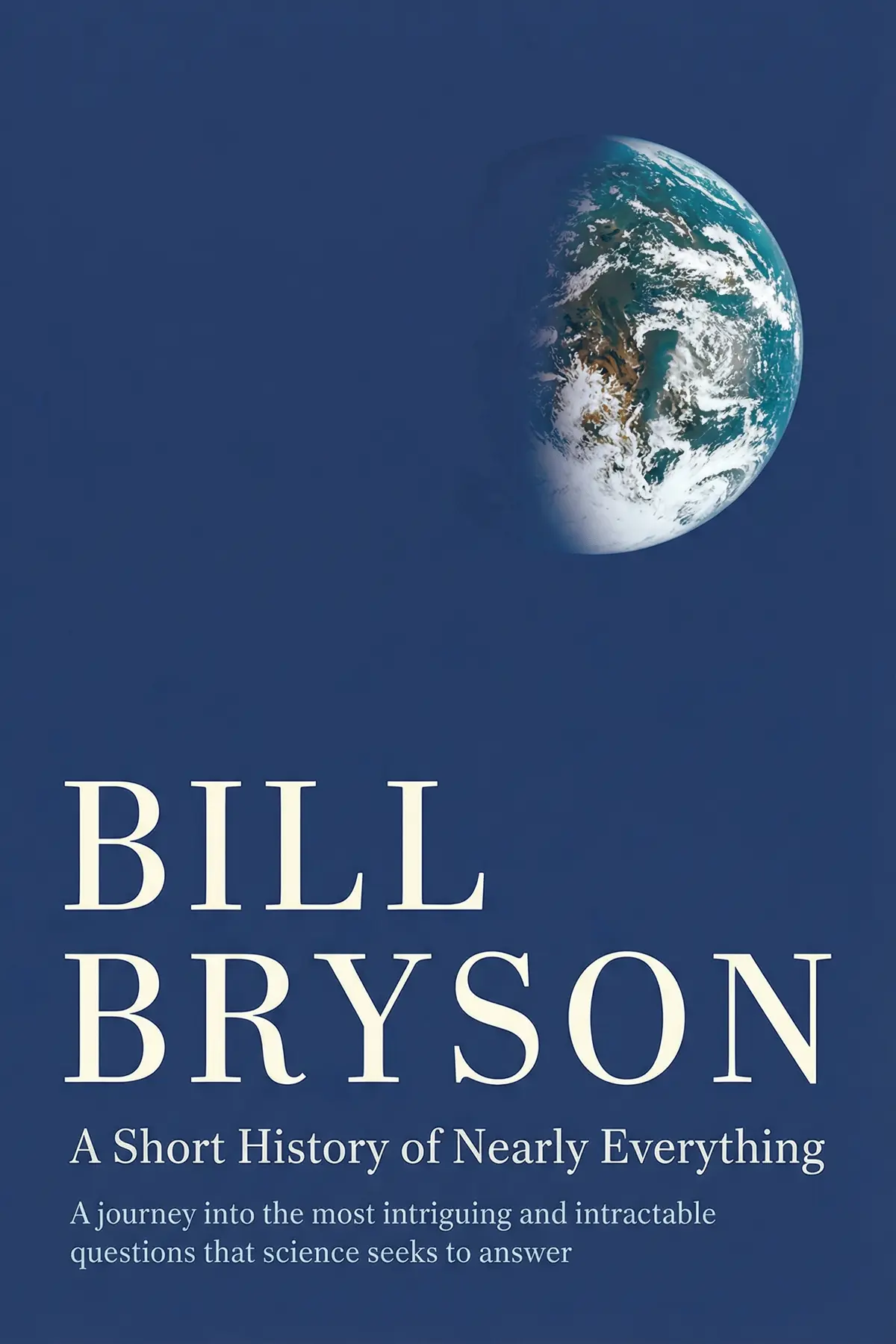
Bill Bryson
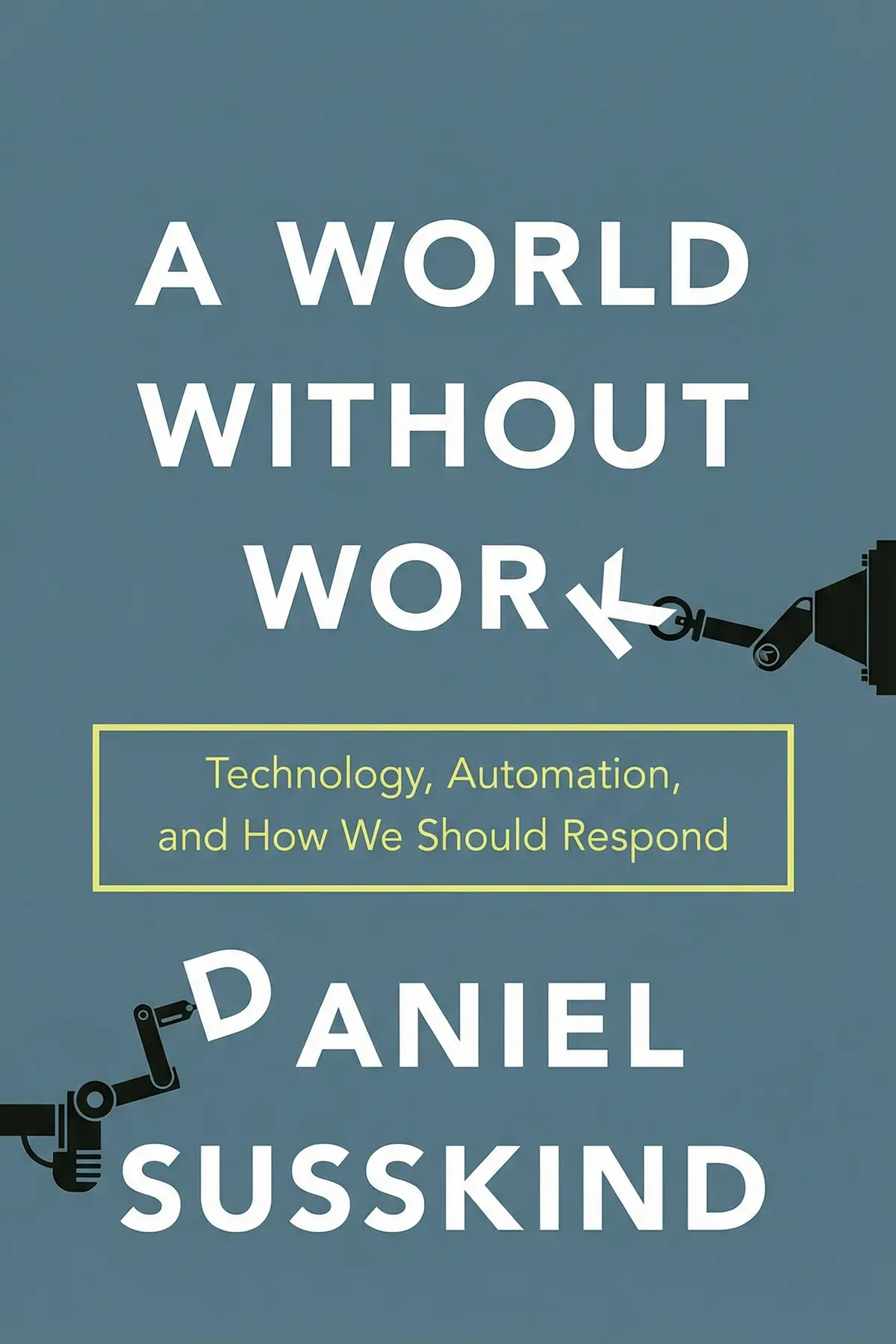
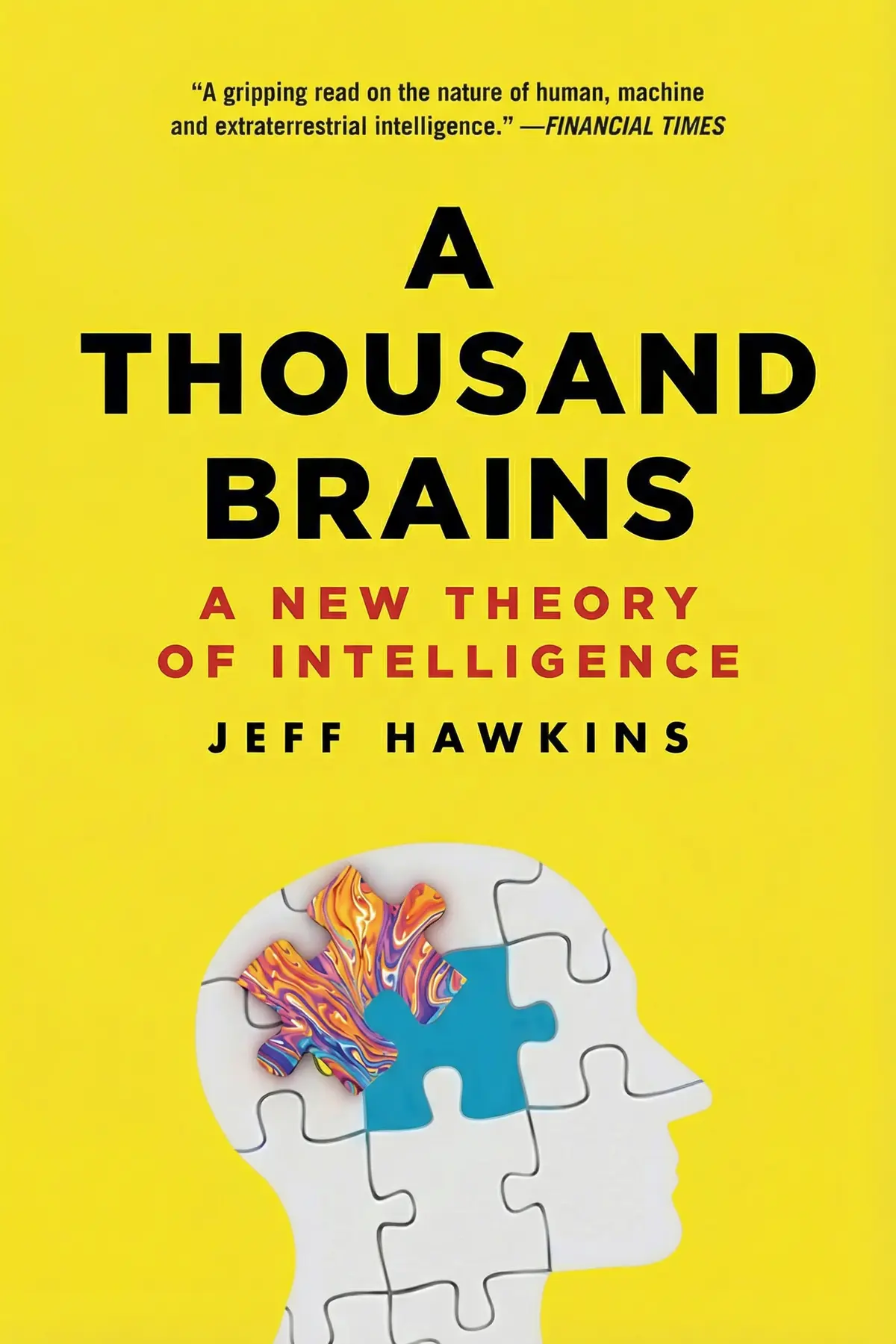
Jeff Hawkins
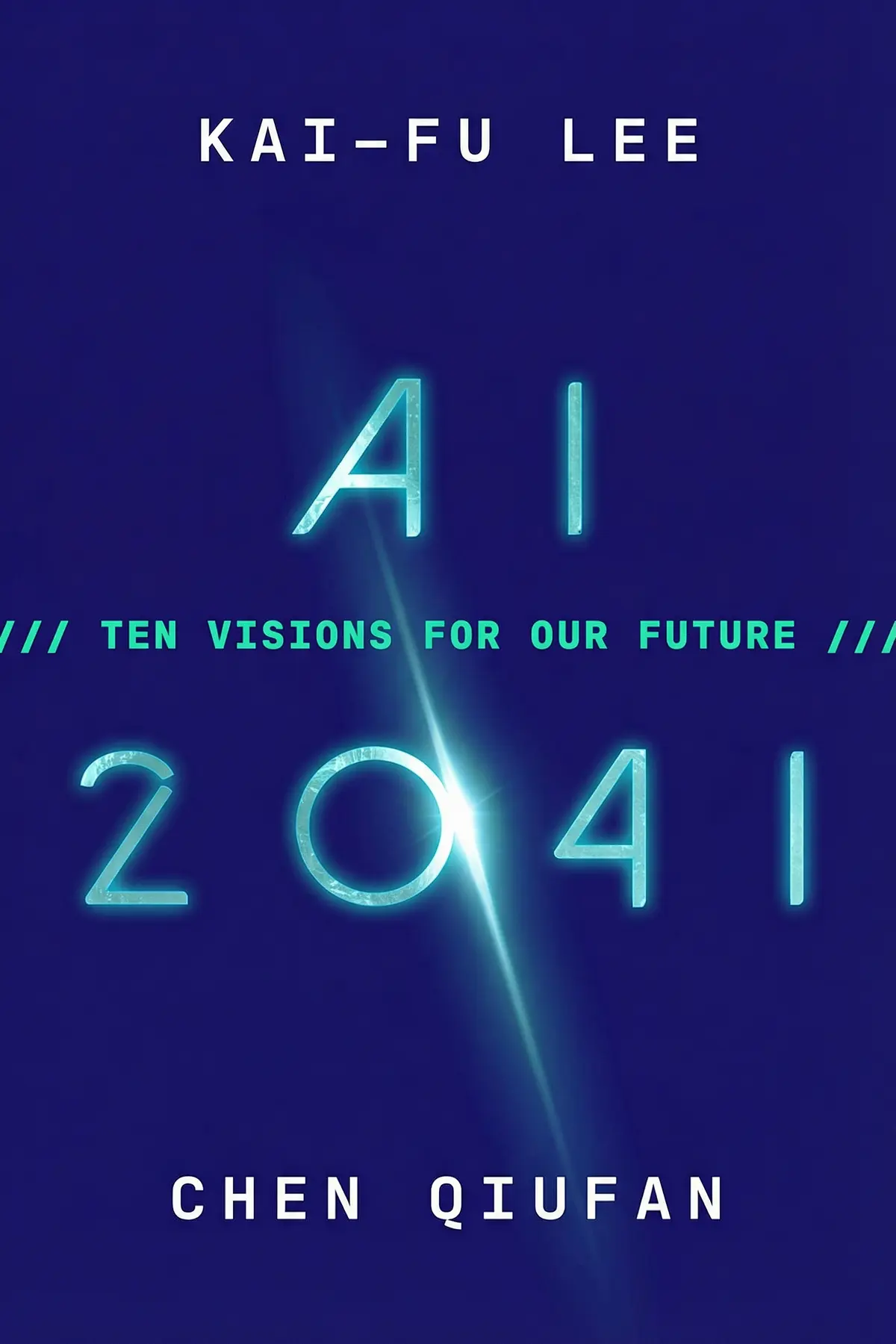
Kai-Fu Lee
AUDIO SUMMARY AVAILABLE
Get the key ideas from Hacking Darwin by Jamie Metzl, plus 5,000+ more titles in English and Thai.







