
13 min 55 sec
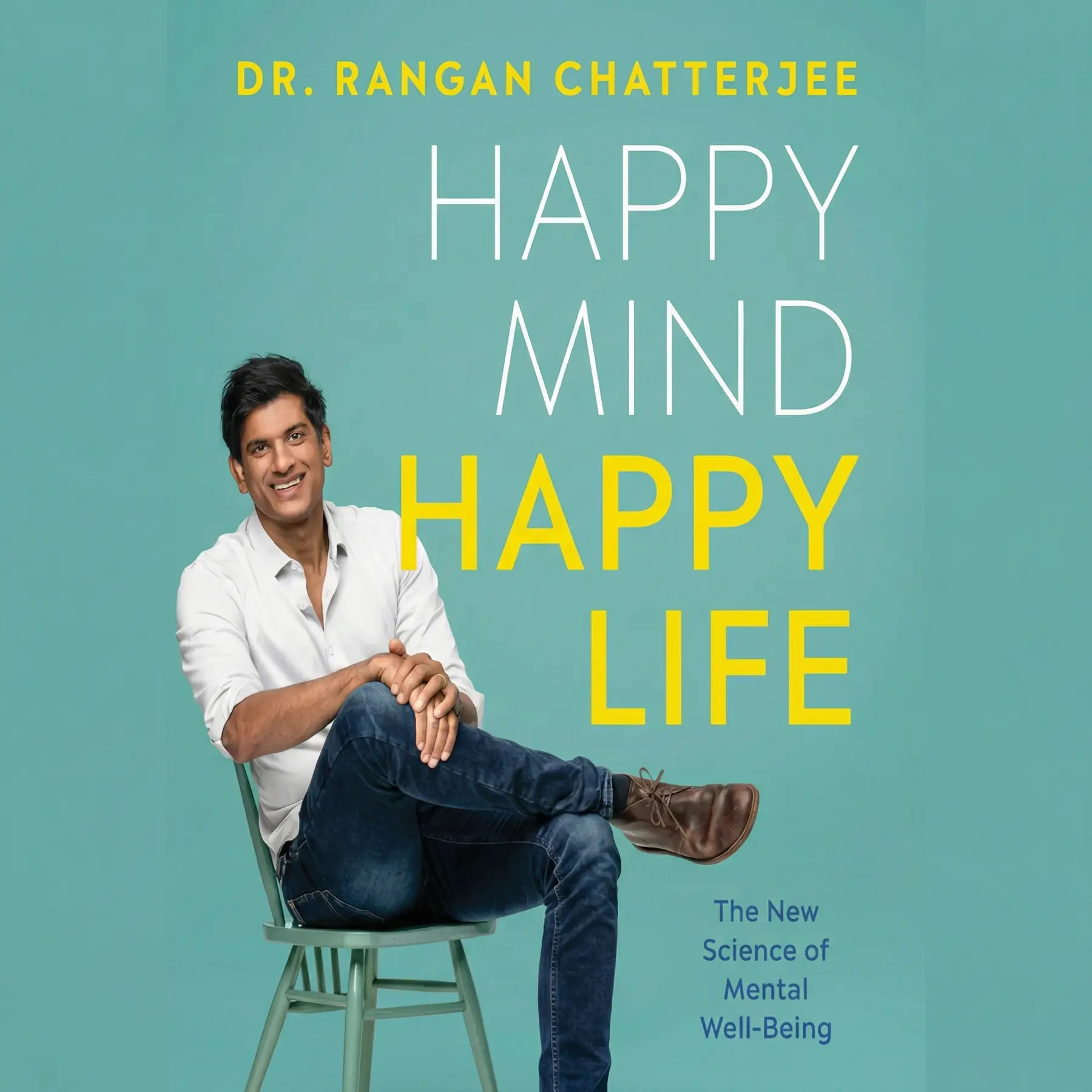
Happy Mind, Happy Life: The New Science of Mental Well-Being
Discover why happiness is the foundation of physical health, not its byproduct. Dr. Rangan Chatterjee provides a practical framework for building mental resilience, aligning your daily actions with your deepest values.
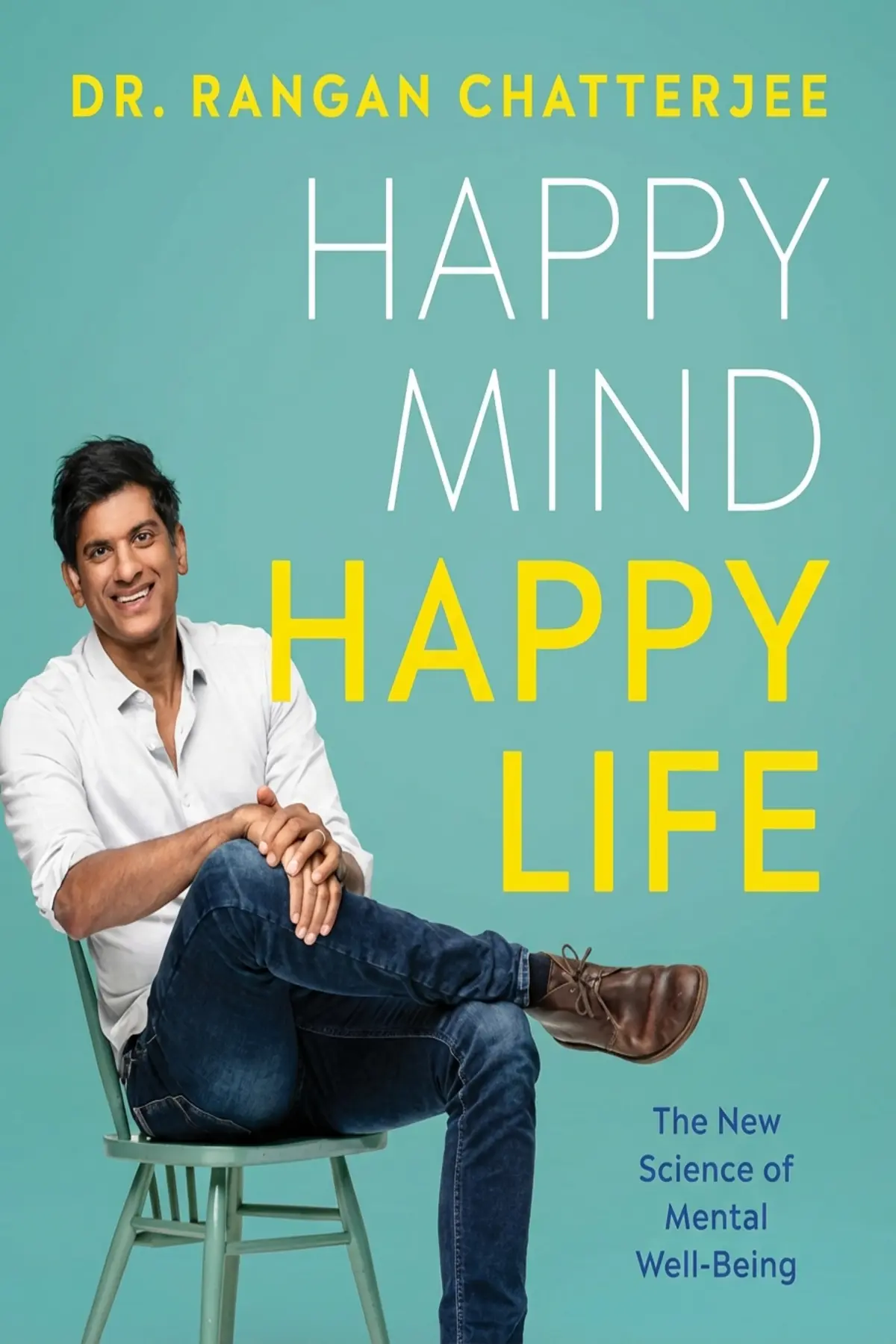
Table of Content
1. Introduction
1 min 23 sec
There is a persistent story we tell ourselves about the path to a good life. It’s a narrative centered on the idea that if we just push a little harder, sacrifice a few more weekends, and climb the professional ladder, we will eventually reach a plateau of success. And once we are successful, the story goes, we will finally be happy. This mindset creates a world of people who are constantly ‘getting ready’ to live, viewing happiness as a destination reachable only through achievement.
But what if we have it completely backward?
Dr. Rangan Chatterjee, a physician with decades of experience on the front lines of healthcare, suggests that this traditional model is not just flawed—it’s actually making us sick. In his practice, he has observed that happiness is not the trophy at the end of the race; it is the fuel that allows us to run the race in the first place. When we prioritize our mental and emotional well-being, our physical health follows suit. This shift in perspective is the throughline of our exploration today. We are going to look at why happiness acts as a form of preventative medicine, how to build a resilient inner core that can withstand the pressures of modern life, and why the ‘Want Brain’ is constantly leading us astray. This isn’t just about feeling good; it’s about a fundamental restructuring of how we view health, identity, and the very definition of a successful life.
2. The Biological Power of Joy
2 min 24 sec
Could your mood be the most effective medicine in your cabinet? Explore how emotional contentment serves as a shield against physical illness and longevity.
3. The Three Pillars of Core Happiness
2 min 14 sec
Happiness isn’t a fleeting emotion, but a stable structure. Discover the three essential elements required to build a resilient foundation for your life.
4. Overcoming the Evolutionary Trap of the Want Brain
2 min 16 sec
Our brains are wired for survival in a world that no longer exists. Learn how to recognize the dopamine-driven impulses that steal your peace.
5. Crafting Your Own Happiness Habits
2 min 02 sec
Success is often defined by external milestones, but true well-being is found in daily rituals. Learn how to audit your life for genuine joy.
6. The Freedom of Value-Based Identity
2 min 13 sec
Who are you when you strip away your job title? Discover why aligning your actions with your core values is the ultimate key to mental freedom.
7. Conclusion
1 min 23 sec
In the end, the journey toward a happier life is not about finding some hidden secret or reaching a distant peak of success. It is about returning to a more natural, aligned way of existing. We have seen that happiness is the cornerstone of our physical health, influencing everything from our immune response to our total lifespan. We’ve explored the three-legged stool of core happiness—contentment, control, and alignment—and how it provides a stable foundation against the chaos of the world. We’ve also identified the ‘Want Brain’ as an evolutionary relic that often steers us toward material acquisition at the expense of our peace.
The most important takeaway is that happiness is a skill that can be practiced. It is found in the small, daily choices to honor your happiness habits and to live in accordance with your values. It requires the courage to redefine success on your own terms and the wisdom to look past the superficial labels we often wear. By focusing on alignment—ensuring that your actions reflect your deepest beliefs—you don’t just improve your mood; you transform your entire existence. You move away from the ‘dis-ease’ of the modern grind and into a state of vibrant, sustainable well-being. The power to change your health and your life starts with the quiet decision to put your happiness first.
About this book
What is this book about?
For generations, we have been told that success is the precursor to happiness. We work harder, earn more, and achieve higher status, yet often find ourselves more stressed and unwell than before. In this exploration of mental well-being, Dr. Rangan Chatterjee flips the script on conventional wisdom. He argues that happiness is actually the driver of health and success, rather than the result of them. Drawing on over two decades of medical practice, he illustrates how our modern lifestyles clash with our biological evolution, leading to a state of constant 'dis-ease.' The book provides a roadmap for constructing what Chatterjee calls 'core happiness.' This isn't about fleeting moments of joy, but a stable baseline of contentment, control, and alignment. By understanding the mechanics of the 'Want Brain'—the part of us driven by dopamine and material acquisition—we can learn to prioritize 'happiness habits' that offer genuine fulfillment. Ultimately, the book promises a way to reclaim your sense of self by shifting focus from external validation to internal values, resulting in a longer, more vibrant life.
Book Information
About the Author
Rangan Chatterjee
Dr. Rangan Chatterjee is a prominent British physician, author, and media personality known for his holistic approach to medicine. With over twenty years of experience in the field, he has become a leading voice in health and wellness. He is a frequent presenter for the BBC and the host of a popular health podcast. His work focuses on addressing the root causes of illness through lifestyle changes rather than just treating symptoms.
Ratings & Reviews
Ratings at a glance
What people think
Listeners find the work exceptionally useful and easy to follow, valuing its perceptive material and visually appealing design. They characterize it as a superb guide that is practical to use, with one listener mentioning it acts as a meaningful prompt for living one’s best life. Opinions on the narrative style are varied, as some feel it is elegantly composed while others would have preferred a more direct delivery.
Top reviews
Pita
Finally got around to reading this after seeing Dr. Chatterjee on a podcast, and I’m genuinely glad I did. It’s not a heavy academic tome, which is a relief because my brain is usually fried by 6 PM anyway. He focuses on the 'Want Brain' versus the 'Liking Brain,' which really opened my eyes to why I keep scrolling on my phone even when I’m bored to tears. The writing is incredibly accessible, though I will say some of the advice feels like common sense if you’ve read a lot of self-help before. However, the way he frames 'Core Happiness' as a health metric makes it feel achievable rather than just another item on my to-do list. I appreciated that he doesn’t scold the reader for their habits. Instead, he offers a compassionate look at why we struggle in the modern world. It’s a beautifully designed book too, with great colors and layouts that make it easy to dip in and out of.
Show moreMarco
Wow. This book arrived at the perfect time for me. I’ve been feeling quite overwhelmed with work and family life lately, and Dr. Chatterjee’s approach to 'Core Happiness' felt like a warm hug. He talks about how happiness isn't just a destination, but a set of habits we build daily. I especially loved the practical advice on minimizing phone use. He explains how these apps are designed to hook us, which took away a lot of the guilt I felt about my lack of willpower. The case studies were short and meaningful, illustrating his points without dragging on forever. It’s a very soothing read. I’ve already started implementing the 'three questions' at the end of the day, and it’s helping me reframe my perspective. Highly recommend for anyone feeling a bit burnt out by the modern world's demands. It's practical, kind, and genuinely useful.
Show moreNutnicha
This book feels like it was written for the person who has everything 'on paper' but still feels like something is missing. Dr. Chatterjee doesn't blame us for our unhappiness; he points to the way our modern environment is rigged against our biology. I really appreciated the focus on 'alignment' and 'contentment' rather than just chasing a high. The book is easy to use, with clear summaries and actionable steps at the end of chapters. Not every section hit home for me—the part on religion felt a bit out of place for a science-based book—but the majority of it was spot on. Frankly, the advice on reducing digital noise has already made a difference in my evening routine. It's a gentle, supportive guide that emphasizes that your mental health is a work in progress. It's a great read if you need a reminder to slow down.
Show moreKavya
Ever wonder why you have the house, the job, and the family but still feel perpetually anxious? That's the question this book tries to answer, and it does so with a lot of heart. Dr. Chatterjee moves beyond the physical health tips of his previous books to tackle the mindset. The focus on 'flow' and finding work that truly engages you was a highlight for me. I also loved the emphasis on small, 'happiness habits' that take almost no time but shift your internal state. Got to say, the aesthetics of the book are top-tier; it’s one of those books that feels good to hold and read. It’s a very grounding experience. While some might find it a bit 'self-help lite,' I think its strength lies in its simplicity. It doesn’t try to be an academic paper—it tries to be a practical tool for better living. It's definitely one of the better personal development books I've picked up recently.
Show moreManika
Dr. Chatterjee has a real knack for making complicated health concepts feel like a chat with a friend. This isn't my first book of his, as I loved 'The 4 Pillar Plan,' and this feels like a natural evolution into the mental side of things. The layout is gorgeous, making it a perfect 'coffee table' book that you actually want to read. I particularly liked the sections on 'performative authenticity' and how we trap ourselves trying to look happy instead of actually being happy. To be fair, if you're looking for groundbreaking scientific discoveries, you might find this a bit simplistic. It’s more of a synthesis of good ideas than a brand-new philosophy. But honestly? Sometimes we just need those good ideas packaged in a way that’s easy to digest and apply. It's a very positive, encouraging read that doesn't demand perfection from the reader, though it does occasionally border on the obvious.
Show moreYam
As a frequent listener of his podcast, I was worried this would just be a transcript of his interviews. Fortunately, it stands on its own as a solid guide to mental health. The way he distinguishes between 'junk happiness' and the real thing is super helpful for identifying where I'm wasting my energy. I found the sections on solitude particularly resonant; in a world that never stops talking, learning to be alone with your thoughts is a superpower. The writing style is very straightforward—no nonsense, no fluff. It’s clearly intended for busy people who want results rather than flowery prose. My one criticism is that it lacks a bit of depth in some chapters, skimming over complex issues like trauma. However, for everyday stress management, it’s a brilliant resource. Personally, I found the practical tips on deep work to be the most beneficial part of the entire book.
Show moreKob
Picking this up was a bit of a gamble as I usually find these types of books a bit dry, but this was surprisingly engaging. The writing is clear and the advice is very 'real world.' I liked that he acknowledges that life is hard and that we can’t be happy 100% of the time. His tips on social media boundaries were particularly useful for me. To be fair, it does feel a bit like a greatest-hits compilation of other people’s ideas, but he synthesizes them well into a cohesive plan. I didn’t find it as life-changing as 'Feel Better in 5,' but it’s a solid addition to his collection. If you're currently in a good headspace, you might not find it revolutionary, but it's a great 'maintenance' book to keep you on track. It's a nice, easy read that you can finish in a weekend without feeling drained.
Show moreSai
To be fair, I’ve read a lot of these books, and what sets Chatterjee apart is his empathy. He doesn't talk down to you from a pedestal. Instead, he shares his own struggles and those of his patients to show that we’re all in the same boat. The concept of 'Core Happiness'—the intersection of purpose, alignment, and contentment—is a great framework to live by. I found the advice on simplifying your physical space and your digital life to be very effective. It’s a very positive book about achievable change. I did find the frequent mentions of his other works a bit 'salesy' at times, but the content itself is strong enough that I can overlook it. Overall, it’s a great read that serves as a necessary reminder to live your best life on your own terms. It’s definitely worth the time if you want practical mental health tools.
Show moreFort
The chapter on 'junk happiness' was exactly what I needed to hear this month, but the rest of the book felt a bit repetitive. We all have those habits—Netflix binges or mindless snacking—that feel good for a second but leave us feeling empty. Dr. Chatterjee breaks down the science of mental well-being without making it feel like a lecture, which is nice. Truth is, I found his tips on solitude much more practical than the rest of the fluff. My main gripe is that he plugs his own podcast quite a bit, which can get a little distracting after the third or fourth mention. While the case studies were relatable, they didn't offer anything particularly ground-breaking if you are already into personal development. It’s a solid enough read for a beginner, but for me, it was a bit basic and lacked the depth I was hoping for after his previous hits.
Show moreDarius
Look, I wanted to like this more, but the tone rubbed me the wrong way. There’s no denying the author is a well-meaning guy with a lot of experience, but hearing about how 'money doesn't buy happiness' from a wealthy doctor in his designer home feels a bit tone-deaf. The book is essentially a collection of self-help greatest hits—there isn't really a single original thought in here. He’s basically repackaged Stoicism and mindfulness and added a few anecdotes about his patients. Not gonna lie, the constant photos of him looking perfectly zen in his palatial house felt a bit performative given the subject matter. To be fair, he does make some interesting points about the 'Want Brain,' and the book itself is very pretty to look at. However, if you’ve read any other modern wellness books, you've heard this all before, and usually without the smug, millionaire undertones.
Show moreReaders also enjoyed
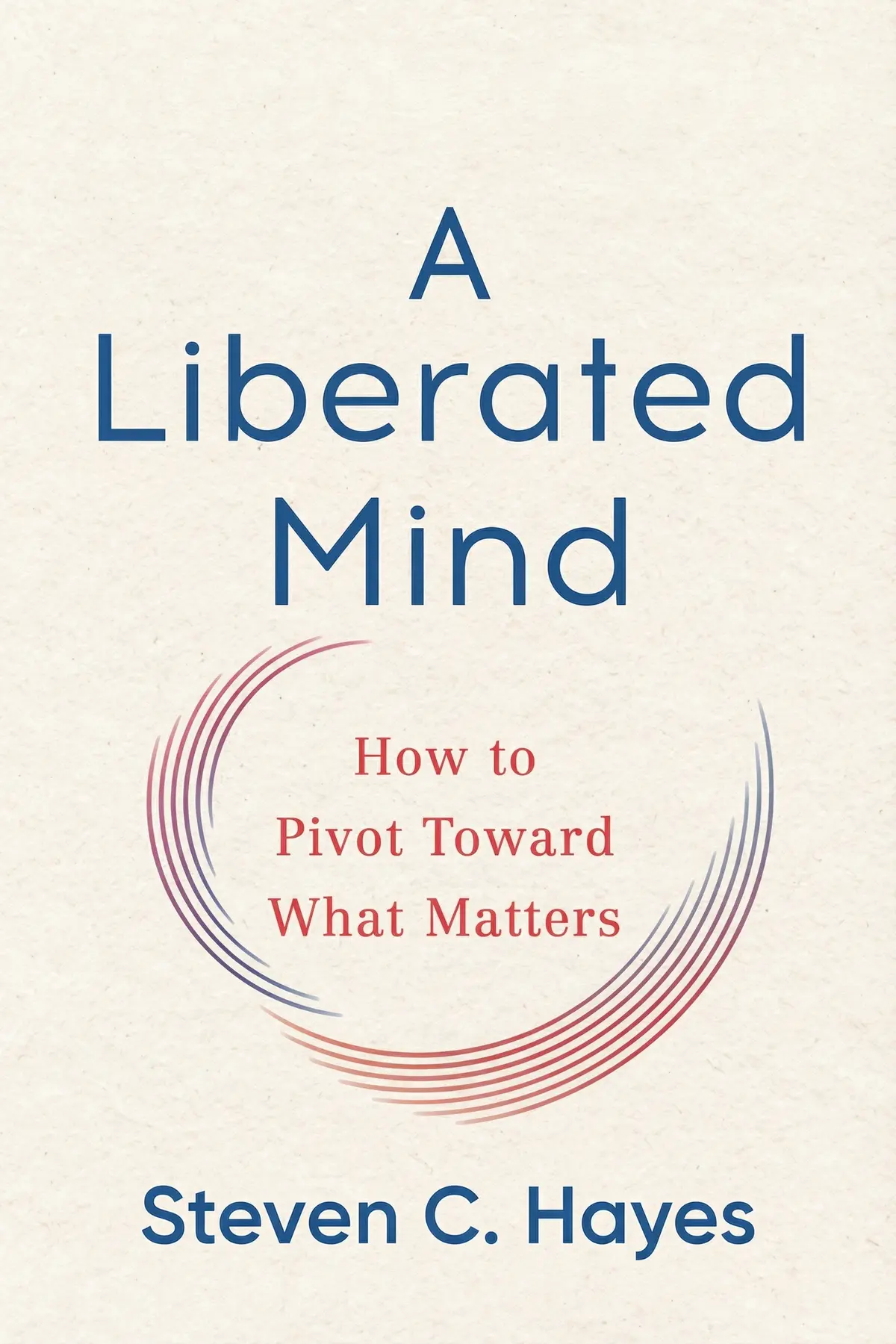
A Liberated Mind: How to Pivot Toward What Matters
Steven C. Hayes

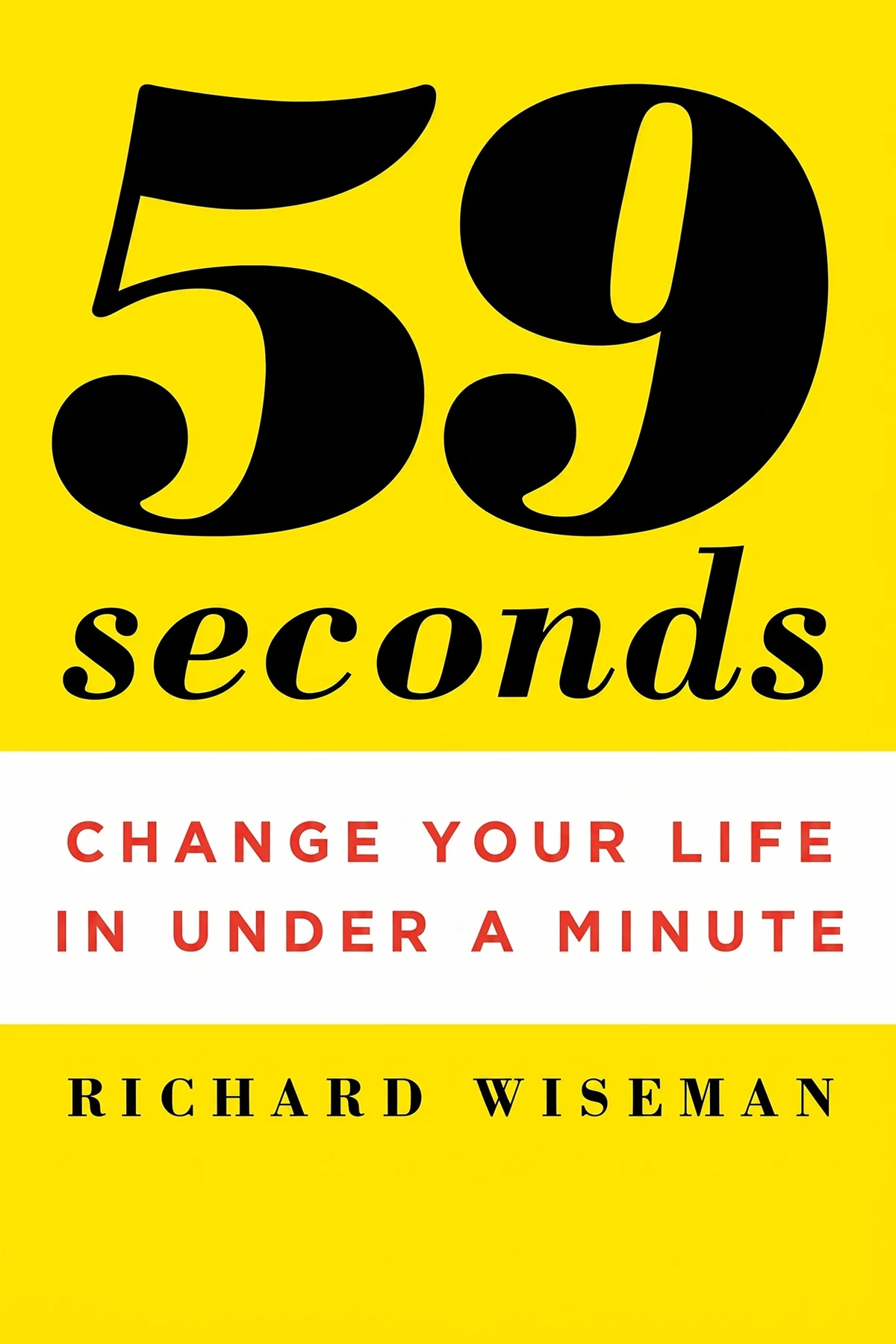
59 Seconds: Change Your Life in Under a Minute
Richard Wiseman

ADHD an A-Z: Figuring It Out Step by Step
Leanne Maskell

AUDIO SUMMARY AVAILABLE
Listen to Happy Mind, Happy Life in 15 minutes
Get the key ideas from Happy Mind, Happy Life by Rangan Chatterjee, plus 5,000+ more titles in English and Thai.
- 5,000+ titles
- Listen as much as you want
- 7-day free trial
- Cancel anytime







