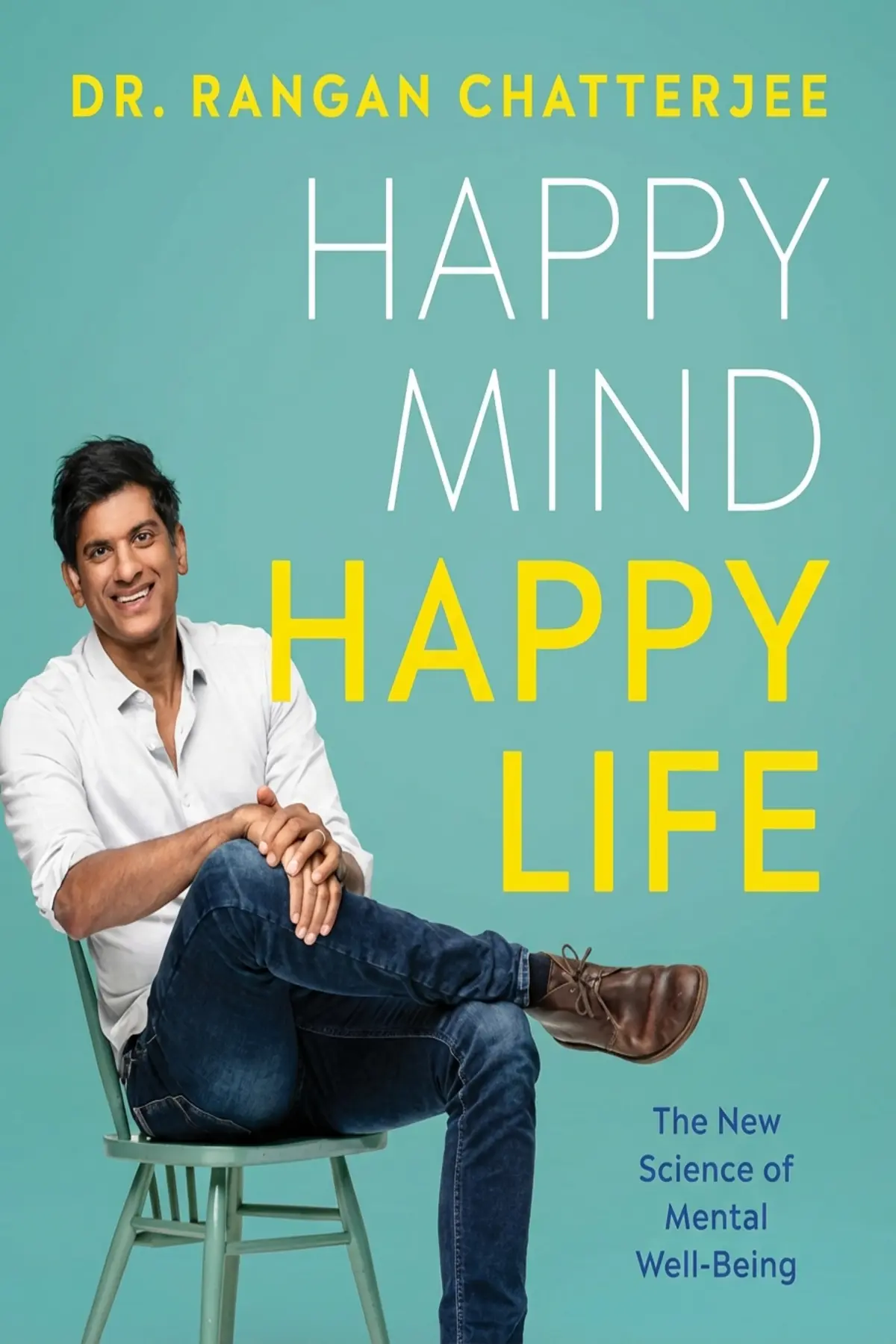
Happy Mind, Happy Life: The New Science of Mental Well-Being
Rangan Chatterjee
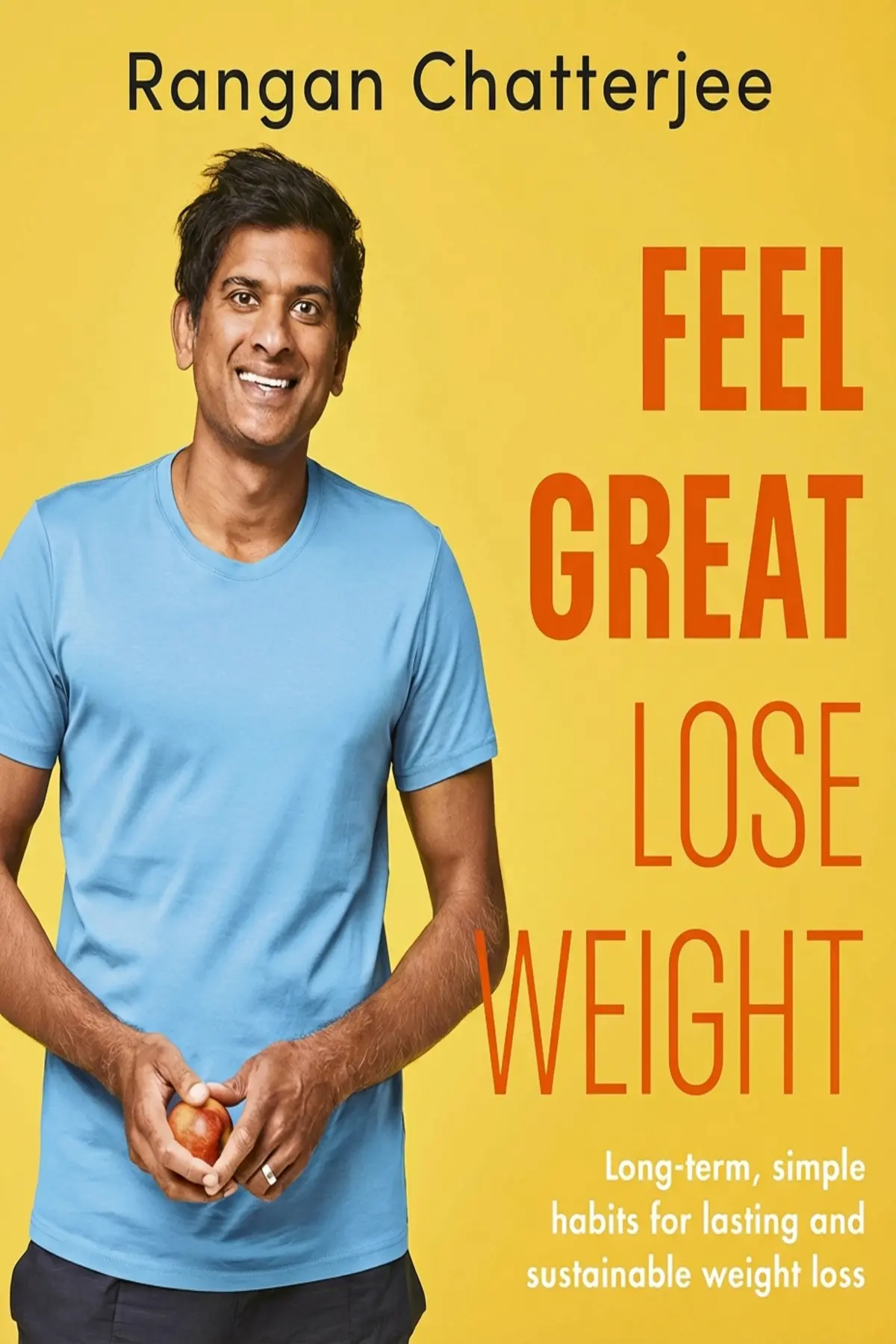
Feel Great, Lose Weight provides a compassionate, science-backed approach to sustainable weight loss by focusing on internal biological signals, lifestyle habits, and emotional health rather than restrictive calorie counting or punishing exercise routines.
2 min 05 sec
Have you ever felt like you were doing everything right—counting every calorie, cutting out every joy-filled snack, and forcing yourself to the gym at dawn—only to find that the scale wouldn’t budge? Or worse, perhaps the weight did come off, but it returned the second you allowed yourself a moment of relaxation. It is a frustrating, exhausting cycle that many of us know far too well. But what if the problem wasn’t your lack of willpower? What if the struggle wasn’t actually your fault?
In the world of health and fitness, we are often told that weight loss is a simple mathematical equation: calories in versus calories out. But as anyone who has struggled with their weight can tell you, the human body is far more complex than a basic calculator. We are biological organisms governed by intricate systems, hormones, and signals that have evolved over millions of years. When these systems are in balance, our bodies are remarkably good at maintaining a healthy weight. When they are out of sync, no amount of restriction seems to work for long.
The journey we are about to embark on shifts the focus away from guilt and toward understanding. We are going to explore how your body’s internal ‘dashboard’ works and why those signals sometimes get scrambled in our modern environment. You will see that the way to achieve lasting results is not through punishment, but through a deeper alignment with your own biology.
By the end of this summary, you will have a clear, actionable roadmap for resetting your health. We will look at the science of hunger and fullness, the hidden impact of stress and sleep, and why the ‘when’ and ‘how’ of your eating habits might be just as important as the ‘what.’ This isn’t just about losing weight; it’s about reclaiming your energy and feeling great in your own skin. Let’s begin by looking under the hood of our biological machinery to see how our internal signals control our relationship with food.
3 min 06 sec
Discover the four essential biological signals that govern your weight and learn why your body might be accidentally sabotaging your best efforts to stay fit.
2 min 24 sec
Explore the profound difference between natural ingredients and processed ‘blissy’ foods, and how they impact your brain’s reward centers and inflammatory levels.
2 min 40 sec
Learn how the rhythm of your meals affects your metabolism and why eating earlier in the day might be the key to unlocking stubborn weight loss.
2 min 39 sec
Rethink your relationship with exercise by discovering why intense gym sessions might be counterproductive and how simple daily movement can transform your health.
2 min 34 sec
Uncover the scientific link between a poor night’s rest and your cravings for junk food, and learn how to optimize your environment for better slumber.
2 min 35 sec
Address the psychological roots of overeating and learn how to distinguish between true physical hunger and the desire for emotional comfort.
2 min 34 sec
Discover how the way you eat—and who you eat with—can significantly influence your digestion and your ability to recognize when you’re truly full.
2 min 27 sec
As we reach the end of this journey, it’s important to remember that the goal isn’t perfection; it’s progress through sustainable, small changes. We have explored how weight loss is a holistic process that involves your biology, your environment, and your emotions. You now understand that you are the mechanic of your own health. By making the choice to prioritize real food, respect your need for sleep, move your body in ways that feel good, and address the emotional roots of your cravings, you are essentially recalibrating your body’s internal sensors.
You don’t have to implement every strategy we’ve discussed overnight. In fact, it’s often better to start with just one or two habits that resonate most with you. Perhaps you’ll start by eating your dinner an hour earlier, or by committing to a ten-minute walk after lunch. Maybe your first step is simply putting your phone away during meals. These small, consistent actions are the bricks that build a foundation for a lifetime of health. As these habits become second nature, you’ll find that you aren’t just losing weight; you are gaining vitality, clarity, and a newfound sense of ease.
One powerful tool to keep in your back pocket for those moments of intense temptation is the ‘Feel, Feed, Find’ strategy. When a craving hits, first take a moment to ‘Feel’—identify what emotion you are actually experiencing. Are you stressed? Bored? Lonely? Second, acknowledge how food has been used to ‘Feed’ that emotion in the past. Finally, ‘Find’ a new way to address that feeling. Instead of a snack, could you call a friend, take five deep breaths, or do a quick stretch? This simple pause creates the space you need to make a conscious choice rather than a reactive one.
Sustainable weight loss is not about a temporary diet; it is about creating a life that supports your well-being. By working with your body’s natural rhythms and signals, you move away from the cycle of struggle and into a state where health feels like a natural expression of who you are. You have the knowledge and the tools to reset your system. Now, it’s simply a matter of taking that first gentle step toward feeling great and staying that way for the long term.
Many people find themselves trapped in a cycle of restrictive dieting and grueling workouts only to see the weight return. This guide argues that the secret to lasting health isn't willpower, but rather the recalibration of our body's internal systems. By understanding how our biological signals have been disrupted by modern living, we can begin to work with our bodies instead of against them. The book promises a path to weight loss that feels natural and sustainable. It covers the crucial roles of sleep, stress management, and the timing of our meals. Instead of focusing on short-term fixes, it offers a framework for building long-term habits that support both physical and mental well-being, ensuring that listeners don't just lose weight, but truly feel better in their daily lives.
Dr. Rangan Chatterjee is a prominent British medical doctor who has dedicated his career to making health and wellness accessible to everyone. He is the best-selling author of three previous health-focused books, including the popular title The Four Pillar Plan. Beyond his writing, Dr. Chatterjee is well-known to the public as the star of the BBC One television series Doctor in the House, where he helps families improve their health through lifestyle changes.
Rangan Chatterjee
Rangan Chatterjee
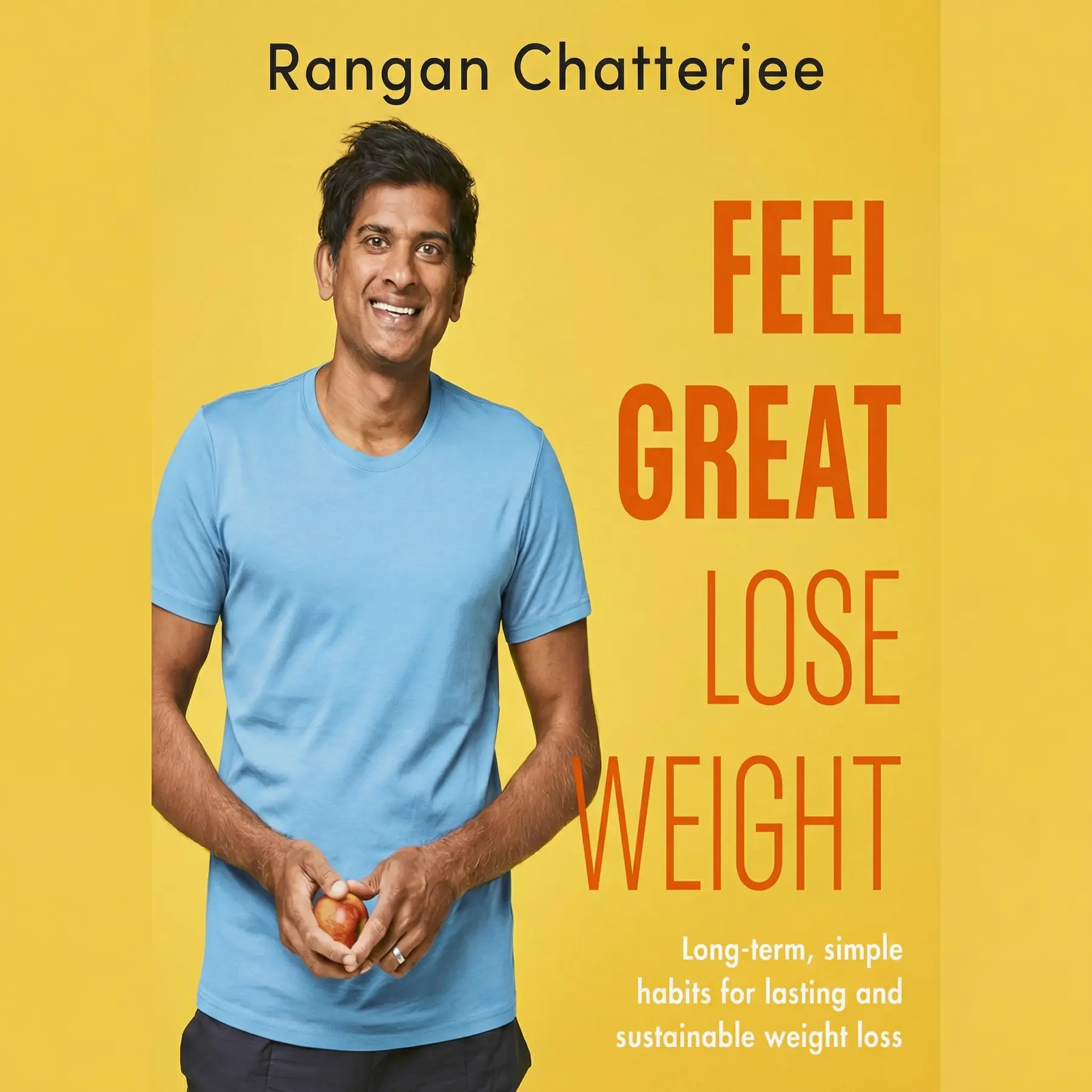
Listeners find the book accessible and value its hands-on guidance, with one individual remarking on how it explains scientific concepts clearly. Furthermore, the work deconstructs weight loss efficiently, as one listener emphasizes the way it explores deeper causes of weight gain. Additionally, listeners prize the actionable focus, with one noting it provides easily-implemented lifestyle changes.
Chatterjee really gets it right by looking at the "why" behind our weight gain instead of just barking orders about calories. It’s refreshing to see a doctor acknowledge that things like chronic stress, poor sleep, and our social circles play a massive role in our physical health. I found the section on "blissy" foods particularly eye-opening because it explains that dopamine hit we get from ultra-processed snacks. The advice is remarkably easy to implement into a busy life, focusing on small, sustainable tweaks rather than an overnight overhaul. While some might find the "drink water when you're hungry" tip a bit cliché, the overall framework is incredibly solid. It's a compassionate guide that feels more like a conversation with a friend than a lecture. Highly recommend for anyone who is done with restrictive fad diets.
Show morePicked this up after seeing Dr. Chatterjee on a podcast and I’m glad I did. The focus here isn't just on what's on your plate, but on how you feel and how you interact with your surroundings. He argues that being relaxed helps you metabolize life better, which is a perspective I hadn't considered in a weight loss context before. I started implementing the "eat your salad first" rule and it’s actually made a noticeable difference in how full I feel during meals. The book is very practical, offering simple solutions for those who find traditional dieting too overwhelming or strict. It’s not about willpower; it’s about changing the default settings of your life. While it doesn't always cite specific clinical studies for every claim, the anecdata from his patients is very relatable and encouraging.
Show moreFinally got around to finishing this and it’s probably the most sensible health book on my shelf. Instead of the usual restrictive "don't eat this" rules, it focuses on building a better relationship with food and your own body. I loved the "fork food over hand food" advice—it’s such a simple way to slow down and actually chew your meals properly. The book explores deeper causes of weight gain like childhood stress and social proximity, which most diet books completely ignore. It’s empowering to realize that my habits are often just reactions to my environment. The layout is great and the steps are so small that they don't feel like a chore. If you want a lifestyle change that actually sticks because it isn't based on misery, this is the one to get.
Show moreThe way this book breaks down the science of insulin resistance and our bodies' signals is masterfully done. It’s rare to find a doctor who can explain these concepts so clearly without getting bogged down in jargon. I’ve been a serial dieter for years, but this is the first time I’ve felt like I’m being taught how to live rather than just how to lose weight. The focus on connection—eating with others and choosing your dinner companions wisely—is such an underrated part of health. This isn't a book of recipes; it’s a book of strategies. I feel more in control of my choices now because I understand the "why" behind my cravings. It’s a beautiful physical book too, which makes you actually want to pick it up and read it.
Show moreIf you are tired of calorie counting and feeling like a failure, please pick this up. Dr. Chatterjee has created a roadmap that treats weight loss as a byproduct of a healthy, happy life rather than the sole goal. I love how he integrates social influence and our physical environment into the conversation. It’s not just about willpower; it’s about the people you eat with and the logos you see on your commute. The suggestions are gentle and easy to implement, like opting for chewy foods that take longer to eat. I’ve already noticed I’m more relaxed during meal times, which has stopped me from overeating. This book is perfect for anyone looking for a permanent mindset shift. It’s practical, compassionate, and incredibly well-structured.
Show moreEver wonder why some people seem to stay healthy effortlessly while you struggle with every single pound? This book dives deep into the environment we live in—the "location, location, location" of our food choices—and how it sets us up for failure. Dr. Chatterjee’s writing style is incredibly accessible, breaking down complex biological concepts into bite-sized, actionable steps that anyone can follow. The physical book is beautiful, filled with gorgeous photos and plenty of white space, making it a very quick and pleasant read. I particularly liked the focus on single-ingredient foods like carrots and fish, which naturally help regulate our hunger signals. My only slight gripe is that some of the British terminology (like "biscuits" and "crisps") might throw off American readers for a second. Overall, it’s a practical manual for a total lifestyle shift.
Show moreAs someone who struggles with a hectic schedule, I really appreciated how Dr. Chatterjee breaks everything down into manageable chunks. He tackles things like alcohol consumption and mental health alongside nutrition, which makes the whole approach feel more holistic. The concept of "thinly veiled" diet propaganda did cross my mind a few times, specifically the "drink water instead of eating" bit, but the rest of the advice is so practical that I can overlook it. The book is very British in its tone—gentle, encouraging, and devoid of that aggressive "no pain, no gain" American fitness energy. I’ve started weighing myself twice a day as suggested to track trends, though I know some might find that triggering. It’s a solid 4-star read.
Show moreLook, I've tried every diet under the sun, from keto to juice cleanses, and they always fail because they are too restrictive. Chatterjee’s approach is the complete opposite of that. He encourages you to "chuck out the scales" (metaphorically) and focus on how you feel, your energy levels, and your stress. The chapter on movement was great because it didn't just tell me to go to the gym; it talked about incidental movement and how our ancestors lived. I did find the advice about telling coworkers not to bring in sweets a bit awkward—not sure I have the guts for that! But the core message about single-ingredient foods and "blissy" triggers is life-changing. It’s an easy, actionable guide that actually respects the reader’s intelligence.
Show moreTo be fair, the production value of this book is high, but the actual content felt a bit like a collection of tips I’ve already seen on the internet for free. It’s a very quick read because of all the photos and the large layout, which makes it feel a little thin on new information if you’ve been in the wellness space for a while. Dr. Chatterjee is a pleasant narrator on the audiobook, but I found some of the advice a bit repetitive and occasionally overly simplistic. For example, suggesting we should cook food that is "less delicious" to avoid overeating felt a bit counter-intuitive to enjoying life. It’s a decent starting point for a complete beginner, but if you’re looking for deep scientific data or a rigorous plan, you might be disappointed.
Show moreWhile the advice is mostly solid, I have to be the "voice of concern" regarding how this might affect someone with a history of disordered eating. Some of the tips, like the "maybe you're just thirsty" line and the frequent weigh-ins, felt a bit outdated and potentially triggering. On the positive side, the book is gorgeous and the author’s tone is incredibly kind and non-judgmental. He does a great job explaining how our modern world is "optimized for weight gain" through stress and ultra-processed options. There’s a lot of good, common-sense advice about sleep and connection, but it also leans on some "hacks" that felt a bit like old-school diet culture in a new package. It’s definitely better than most, but read it with a critical eye.
Show more

AUDIO SUMMARY AVAILABLE
Get the key ideas from Feel Great, Lose Weight by Rangan Chatterjee, plus 5,000+ more titles in English and Thai.