
20 min 34 sec
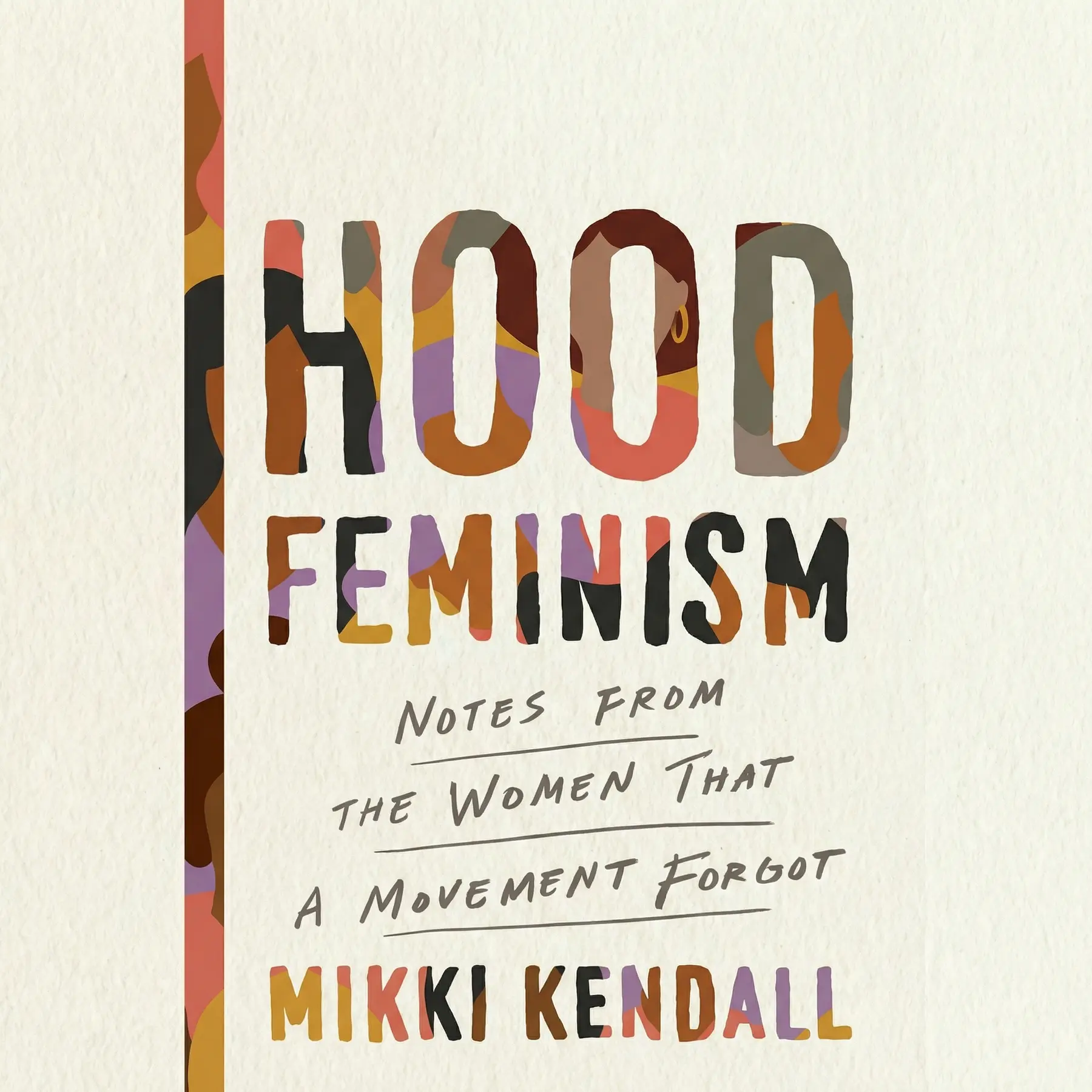
Hood Feminism: Notes from the Women That a Movement Forgot
A provocative critique of mainstream feminism, arguing that true equality is impossible until the movement addresses basic survival needs like housing, hunger, and safety for all marginalized women.
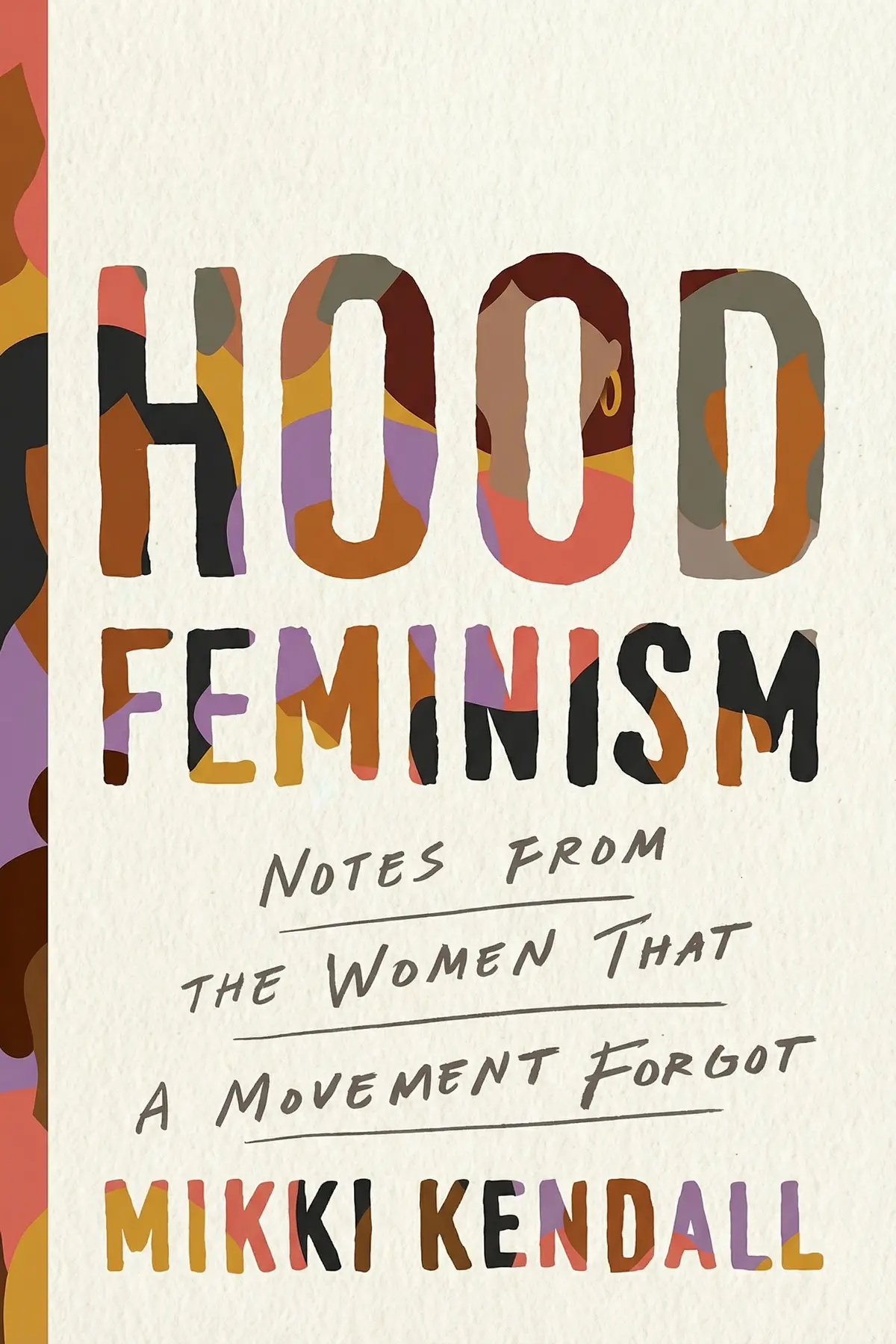
Table of Content
1. Introduction
1 min 53 sec
When we think about the fight for women’s rights, certain images often come to mind: suffragettes marching for the vote, women breaking into corporate boardrooms, or the demand for equal pay in Hollywood. These are all vital milestones, certainly. But there is a haunting question that we often fail to ask: who is being left out of this picture? When the mainstream feminist movement sets its priorities, whose reality is it reflecting?
Historically, the version of feminism that gets the most airtime is one that mirrors the needs and desires of privileged white women. It’s a movement that focuses on self-actualization and professional advancement. But for a significant portion of the population, the struggle isn’t about the glass ceiling; it’s about having a roof over their heads at all. It’s about whether there is food in the pantry, whether their children are safe in their own neighborhoods, and whether their very humanity is recognized by the state.
Mikki Kendall suggests that we need a radical shift in perspective. She introduces us to the concept of ‘hood feminism’—a feminism that recognizes that hunger is a feminist issue, that poverty is a feminist issue, and that the right to live free from state-sanctioned violence is a feminist issue. This is a throughline that connects the lived experiences of marginalized women to the broader goals of social justice.
In the pages that follow, we are going to explore why mainstream feminism has often functioned as a tool for white supremacy rather than a challenge to it. We will look at how the basic requirements for human survival have been treated as separate from ‘women’s rights,’ and why that separation is a catastrophic mistake. We’ll learn about the unique pressures faced by Black girls who are forced to grow up too fast, and why the current legal system often provides no sanctuary for those it claims to protect. Most importantly, we will discover what it truly means to be more than just an ally. It’s time to move beyond comfortable conversations and look at the gritty, essential realities of survival that the movement has forgotten.
2. Mainstream Feminism’s Historical Exclusion
2 min 18 sec
Explore how the early foundations of women’s liberation often relied on the invisible labor of marginalized women, creating a divide that still haunts the movement today.
3. Poverty as a Primary Feminist Issue
2 min 14 sec
What if the fight for gender equality started in the grocery aisle? Discover why food insecurity and housing are foundational to the liberation of women.
4. The Hypersexualization and Policing of Black Girls
2 min 10 sec
Uncover the harsh reality of how young girls of color are judged by adult standards long before they reach maturity, and the lack of support they receive.
5. Beauty Standards and the Burden of the 'Strong' Woman
2 min 11 sec
Delve into the psychological and physical toll of beauty culture and the damaging stereotypes that prevent women of color from seeking help.
6. Redefining Reproductive Justice and Parenting
2 min 00 sec
Discover why the fight for reproductive rights must go beyond the right to choose, encompassing the right to raise children in a safe and healthy environment.
7. The Limits of Carceral Feminism
1 min 58 sec
Why relying solely on the police and the legal system to protect women can often lead to more harm, particularly for those in marginalized communities.
8. The Complexity of Women in Power
1 min 52 sec
Examine the uncomfortable truth that gender representation in leadership doesn’t always translate to progress for all women.
9. Moving from Allyship to Accomplice
1 min 59 sec
Discover why being an ‘ally’ isn’t enough to change the world, and what it really looks like to stand in true solidarity with the marginalized.
10. Conclusion
1 min 59 sec
As we reach the end of this journey through the landscape of ‘hood feminism,’ we are left with a clear and urgent mandate. The feminism of the future cannot look like the feminism of the past. We cannot afford a movement that ignores the gut-wrenching realities of poverty, the systemic violence of the state, or the daily struggle for basic human needs. To do so is to abandon the very women who have always been the backbone of social progress.
We have seen how the focus on the professional aspirations of a few has often come at the expense of the survival of the many. We have explored the deep-seated biases that prevent our society from seeing Black girls as children worthy of protection, and we have challenged the idea that more policing is the answer to our problems. We have looked at the ‘strong woman’ trope and realized that it is often a barrier to health and healing.
So, where do we go from here? The first step is to broaden our definition of what counts as a ‘feminist issue.’ If a policy affects a woman’s ability to feed her family, keep her home, or navigate her neighborhood safely, it is a feminist issue. The second step is to shift from passive allyship to active partnership. We must be willing to be accomplices in the fight for justice, which means being willing to share the risks and the work of those who are most vulnerable.
Take this understanding into your daily life. When you hear a conversation about gender equality that ignores race or class, speak up. When you see policies that punish the poor under the guise of health or progress, challenge them. Support organizations that are led by the women they serve, and listen to the voices of those who have been marginalized.
True feminism is not a luxury for the privileged; it is a survival strategy for all. By centering the needs of the ‘hood’—of the neighborhoods and communities that the movement forgot—we don’t just help a few; we strengthen the foundation for everyone. It is time to get uncomfortable, it is time to get loud, and it is time to build a movement that truly leaves no one behind.
About this book
What is this book about?
Hood Feminism is a necessary intervention in modern social discourse, revealing how the mainstream feminist movement has historically served the interests of white, middle-class women while leaving others behind. The book shifts the focus from professional glass ceilings to the literal floors beneath the feet of marginalized women, arguing that issues like poverty, food insecurity, and neighborhood safety are foundational feminist concerns. Through a series of insightful reflections, the text challenges readers to expand their definition of what constitutes a 'woman’s issue.' It promises to reshape your understanding of intersectionality, moving it from a buzzword to a practical framework for justice. By the end, you will see why a movement that doesn't account for the survival of the most vulnerable is not a movement for all women, but merely a club for the privileged.
Book Information
About the Author
Mikki Kendall
Mikki Kendall is a veteran and an acclaimed writer whose work focuses on the intersections of race, feminism, and popular culture. Her insightful commentary has been featured in high-profile outlets such as the Guardian, the Washington Post, the Boston Globe, and Time. She resides in Chicago with her family.
Ratings & Reviews
Ratings at a glance
What people think
Listeners find this work to be essential reading for women of every race, commending its sharp prose and thoroughly researched material. The content is described as revelatory and stimulating, with one listener highlighting the detailed examination of intersectional topics. They value the writer's candidness and find the book accessible. The work receives varied feedback on its substance, with some finding it challenging while others remark that it can stray off-topic at times.
Top reviews
Carlos
This book should be on every syllabus in the country because it fundamentally redefines what we consider 'feminist' work. Kendall argues with such incisive prose that it’s hard to look away from the ways mainstream movements have ignored basic survival needs like housing and food security. Frankly, her bluntness is refreshing in a genre that often feels too academic or detached from reality. I found the sections on gun violence and hunger particularly eye-opening, illustrating how these aren't just 'social issues' but core feminist concerns. Some might find her tone provocative, but that's exactly why it works so well. It forces you to confront your own privilege and ask who your feminism is actually for. If you are breathing, you should probably be reading this. It’s well-researched and incredibly easy to understand for anyone willing to listen.
Show moreSing
Wow. This book is a visceral punch to the gut that demands you pay attention to the women living on the margins of society. Mikki Kendall’s writing is sharp, unapologetic, and deeply well-researched, providing a much-needed correction to the 'girl boss' feminism that dominates the media. She manages to take complex topics like maternal health and the housing crisis and make them accessible without stripping away their gravity. Not gonna lie, I had to take breaks between chapters because the truths she presents are so heavy and undeniable. It's a must-read for anyone who thinks they are an ally but hasn't yet considered how poverty is a gendered issue. The way she interweaves theory with lived experience makes the entire argument feel incredibly urgent. Seriously, just buy a copy and give it to everyone you know.
Show moreTom
Mikki Kendall doesn't pull any punches in her exploration of what feminism actually means for women of color in the modern era. Her writing is incisive and blunt, cutting through the fluff of typical social justice rhetoric to reveal the hard truths about our society. I was particularly struck by the discussion on the fetishization of 'fierceness' and how it actually harms Black women. Personally, I think this should be required reading for anyone claiming to be part of the movement. She takes an in-depth look at how access to a living wage and medical care are foundational to equality. The book is easy to understand, even when dealing with heavy systemic analysis and statistics. It's rare to find a work that is this provocative while remaining so grounded in reality. Truly a stunning achievement.
Show moreAna
If you think you know everything there is to know about intersectionality, think again. This collection of essays goes so much deeper than the surface-level definitions we usually see on social media. Kendall explores the intersection of race, class, and gender with a level of honesty that is both rare and refreshing. The chapter on the housing crisis was particularly enlightening for me, as I had never explicitly framed it as a feminist issue before. Not gonna lie, the book is quite packed with information, so it’s not exactly a light weekend read. However, the incisive prose makes even the most difficult concepts feel digestible and urgent. It’s an eye-opening journey through the parts of the female experience that the mainstream media often chooses to ignore. Highly recommend for any serious reader.
Show moreSomsri
Picked this up because I wanted to broaden my understanding of the movement beyond just white, middle-class concerns, and it delivered in every way. The author’s voice is so distinct and powerful that I felt like I was having a conversation with someone who refused to let me off the hook. She masterfully connects the dots between poverty, gun violence, and the failures of modern feminism to protect Black women. In my experience, most books on this topic are either too dry or too vague, but Kendall finds the perfect middle ground. The discussion on how 'survival' is the most basic feminist issue of all is something that will stick with me for a long time. It’s a must-read for anyone who actually cares about making the world a safer place for every woman. Five stars for the raw honesty alone.
Show moreFort
As a teacher, the chapter on education really hit home for me and changed how I view the barriers my students face daily. Kendall does a fantastic job of connecting the dots between systemic neglect and the feminist struggle, making it clear that intersectionality isn't just a buzzword. To be fair, some of the essays felt a bit less focused than others, occasionally veering into territory that felt slightly off-topic from the central thesis. However, the emotional weight of her personal anecdotes kept me grounded in the material throughout the whole experience. It’s a thought-provoking collection that challenges the idea that feminism is only about the glass ceiling. Instead, she refocuses the lens on the floor where so many women are still struggling just to stand up. It’s not a fast read, but it is a necessary one.
Show moreTantipat
Finally got around to reading this after seeing it everywhere on my feed, and I can say it definitely lives up to the hype for the most part. The author’s ability to link gun violence and hunger to the feminist movement is brilliant and long overdue. Gotta say, her perspective on how 'mainstream' feminism centers white women while ignoring the basic needs of Black women is an essential critique. I did notice that the pacing felt a bit uneven in the middle sections, with a few chapters feeling like they were retreading the same ground. Regardless, the incisive nature of her prose kept me engaged even when the structure felt a little loose. It’s an eye-opening look at how we define 'safety' and 'equality' in very narrow terms. This book will definitely make you rethink your own activism.
Show moreSomrutai
The truth is that many of us like to call ourselves feminists without ever considering if our activism includes the most vulnerable among us. This book acts as a mirror, reflecting the ways in which we have failed to prioritize the survival of all women. Kendall’s focus on 'basic needs' as a feminist issue is a total game-changer for how I think about social justice. While I agree with the criticism that the book can be a bit unfocused at points, the overall impact remains incredibly strong. Her insights on how the movement centers those who already have their needs met are absolutely biting. I found the section on allies and accomplices to be one of the most useful things I’ve read all year. It’s uncomfortable, sure, but growth usually is.
Show moreWatcharin
Look, I found the section comparing Bernie Sanders supporters and Trump supporters a bit distracting from the main thesis of the book. It felt a little dated compared to the more evergreen discussions on things like maternal health and education. That being said, the vast majority of this book is an absolute masterclass in intersectional thought. Kendall’s blunt tone is exactly what is needed to shake people out of their complacency regarding racial equity. The information is well-researched and presented in a way that feels both personal and academic. I appreciated how she didn't shy away from the 'unpopular' opinions that challenge standard feminist narratives. Even with its minor flaws, it remains a thought-provoking and essential piece of literature.
Show moreYongyut
To be fair, I went into this expecting a more cohesive systemic analysis, but it felt more like a series of loosely connected blog posts at times. While the author raises vital points about race and socioeconomic status, I’m not entirely convinced the editing did her logic justice in every chapter. Some of the arguments felt repetitive, especially if you already have a basic grasp of what intersectionality entails. Look, the core message about including the 'women a movement forgot' is essential, but the execution occasionally felt a bit unpolished. I also found the specific criticisms of political supporters a bit distracting from the broader, more universal points she was making. It’s a decent introductory text for someone brand new to these concepts, but seasoned readers might find it lacking new depth. I appreciate the honesty, but the structure just didn't quite land for me.
Show moreReaders also enjoyed
A Room of One’s Own
Virginia Woolf
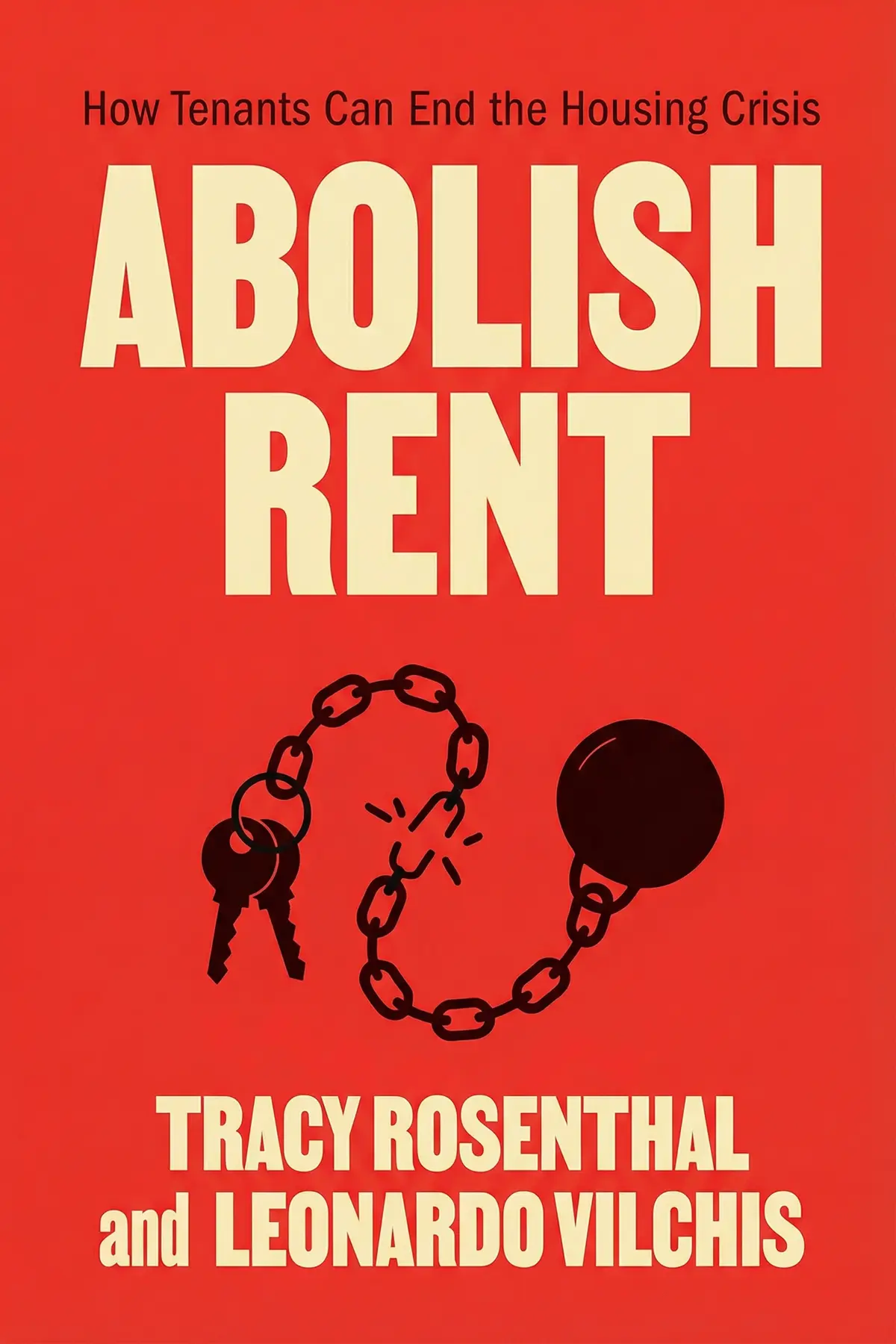
Abolish Rent: How Tenants Can End the Housing Crisis
Tracy Rosenthal
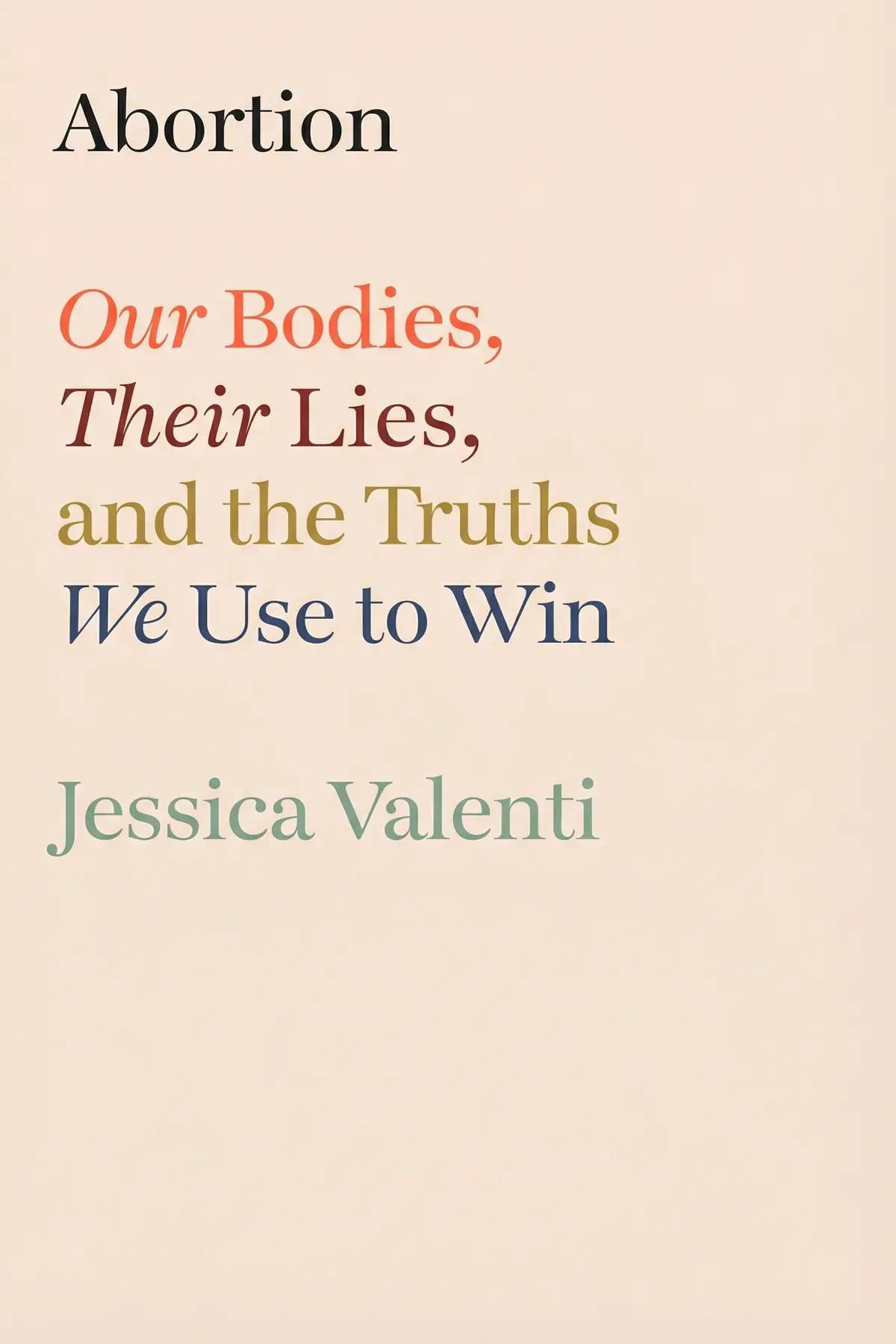
Abortion: Our Bodies, Their Lies, and the Truths We Use to
Jessica Valenti
Afropean: Notes From Black Europe
Johny Pitts
All About Love: New Visions
bell hooks
AUDIO SUMMARY AVAILABLE
Listen to Hood Feminism in 15 minutes
Get the key ideas from Hood Feminism by Mikki Kendall, plus 5,000+ more titles in English and Thai.
- 5,000+ titles
- Listen as much as you want
- 7-day free trial
- Cancel anytime







